
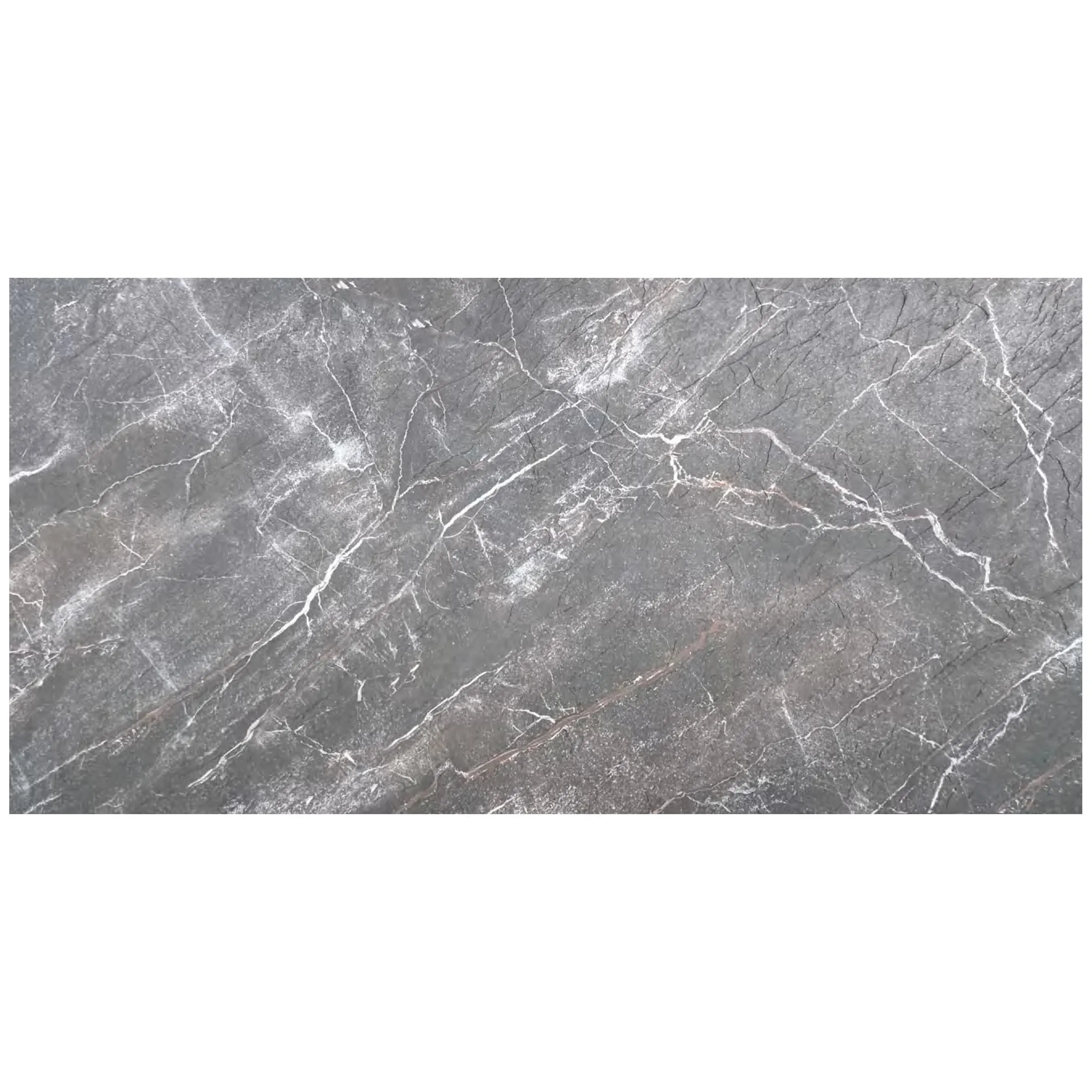
In the heart of the Arabian Peninsula, where the sun blazes for most of the year and sandstorms occasionally sweep across the landscape, Saudi Arabia's architecture faces a unique set of challenges. Traditional building materials—like natural stone or concrete—often struggle to keep up: they absorb heat, fade under intense UV rays, or erode when sand particles hit at high speeds. But in recent years, a new player has emerged in the region's construction scene: MCM, or Modified Composite Material. Among the stars of the MCM lineup is Slate Portoro, a material that's not just redefining durability but also bringing a touch of elegance to Saudi Arabia's modern skyline. Let's dive into how Slate Portoro and its MCM siblings are adapting to the kingdom's climate, one building at a time.
To understand why MCM matters here, you first need to grasp the extremes of Saudi Arabia's weather. Summer temperatures regularly soar above 45°C (113°F), with surfaces like traditional stone or concrete absorbing that heat and radiating it back into buildings, driving up air conditioning costs. Then there's the sun's UV radiation, which can bleach colors and weaken organic materials in a matter of years. Add in occasional sandstorms—where gritty particles act like sandpaper on exteriors—and you've got a recipe for rapid wear and tear. Even humidity, though lower in inland areas, can seep into porous materials, leading to mold or structural damage over time.
Architects and developers in cities like Riyadh, Jeddah, and Dammam have long sought materials that can stand up to these conditions without sacrificing aesthetics. Enter MCM: a blend of natural minerals (like stone powder or clay) and high-performance polymers, engineered to be lightweight, flexible, and resistant to the elements. And Slate Portoro? It's one of the most versatile options in the MCM family, designed to mimic the look of natural slate while outperforming it in nearly every way.
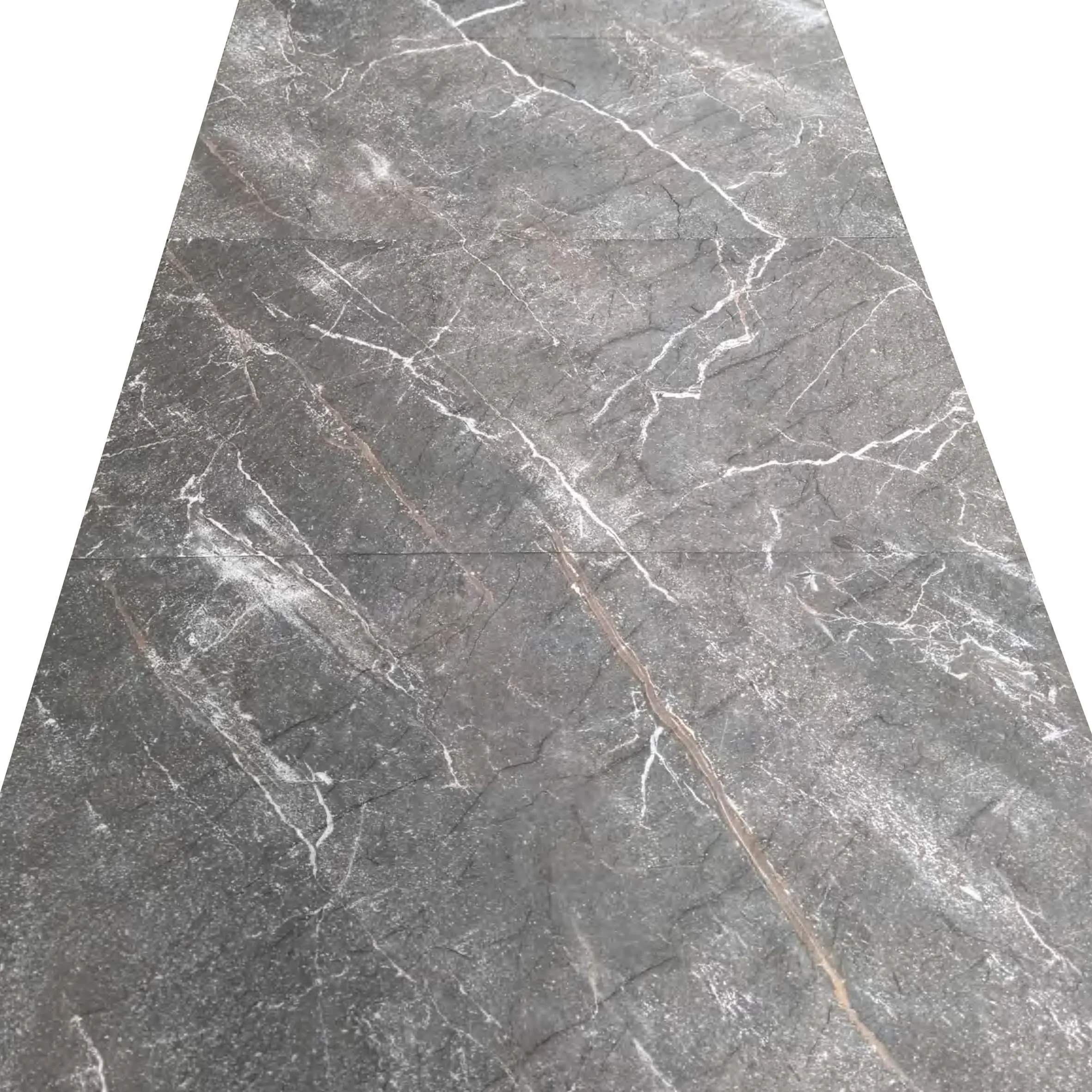
At first glance, Slate Portoro catches the eye with its deep, rich hues—think dark gray with subtle veins of charcoal and hints of shimmer, reminiscent of the Portoro marble but with a more understated, modern edge. But its beauty is more than skin deep. Let's break down how it's built to thrive in Saudi Arabia:
One of the biggest complaints with traditional stone in Saudi Arabia is its thermal conductivity—it acts like a giant radiator, turning building exteriors into heat traps. Slate Portoro, thanks to its composite structure, has a much lower thermal mass. That means it absorbs less heat during the day and releases it more slowly, helping interiors stay cooler. In fact, tests have shown that buildings clad in MCM materials like Slate Portoro can reduce indoor temperatures by 3-5°C compared to those with natural stone, cutting down on energy use for cooling. For a country where air conditioning accounts for a huge chunk of electricity consumption, that's a game-changer.
Saudi Arabia's sun is relentless, and over time, even the boldest colors can fade to a dull shadow of their former selves. Slate Portoro avoids this with its UV-resistant pigments and polymer binders, which lock in color at the molecular level. Walk past a building wrapped in Slate Portoro five years after installation, and it will still look as crisp and vibrant as the day it was put up—no chalky residue, no patchy discoloration. That's a big win for developers who want their projects to maintain their curb appeal for decades.
Sandstorms in Saudi Arabia aren't just a nuisance—they're a force of nature. Tiny sand particles carried by 60 km/h winds can scratch and erode soft surfaces, leaving buildings looking weathered. Slate Portoro's surface is treated with a protective layer that's both hard and flexible, able to withstand abrasion without chipping or peeling. Unlike natural slate, which can crack under impact, the composite material bends slightly, absorbing the force of flying debris. It's like giving a building a suit of armor that doesn't weigh it down.
Traditional stone slabs are heavy—so heavy that they require reinforced structures to support them, adding time and cost to construction. Slate Portoro, on the other hand, weighs in at just 4-6 kg per square meter, less than half the weight of natural slate. This lightness makes it easier to transport, handle, and install, even on high-rise buildings or curved facades. Architects love it because it lets them get creative with designs—think sweeping arches or angular geometries—without worrying about structural limits. And since it's flexible, it can adapt to minor building movements (common in areas with temperature fluctuations) without cracking, unlike rigid natural stone.
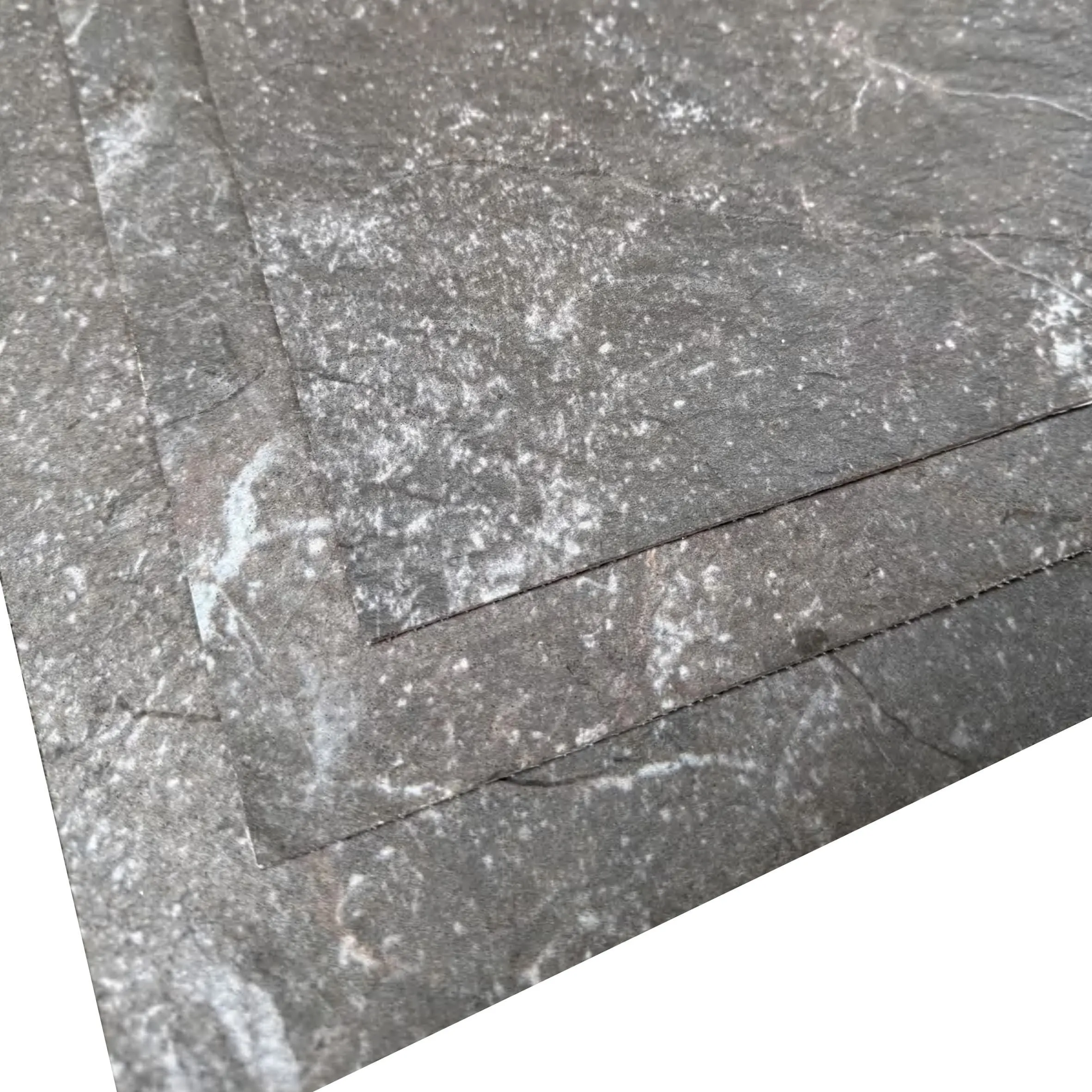
Slate Portoro is a standout, but it doesn't work alone. The MCM lineup includes a range of materials that complement each other, letting designers mix and match for both function and flair. Let's take a look at a few that pair particularly well in Saudi Arabian projects:
| MCM Product | Key Strength | Perfect Pairing with Slate Portoro |
|---|---|---|
| Lunar Peak Silvery | Reflective surface that bounces sunlight away | Use as accent panels on upper floors to reduce heat absorption; contrasts beautifully with Slate Portoro's dark tones. |
| Foamed Aluminium Alloy Board (Vintage Gold) | Lightweight, corrosion-resistant, and adds a metallic sheen | Ideal for entranceways or decorative features; the warm gold complements Slate Portoro's cool grays. |
| Travertine (Starry Blue) | Porosity mimics natural travertine but with enhanced durability | Use in interior spaces (like lobbies) for a soft, organic look; pairs with Slate Portoro exteriors for a cohesive design. |
| Fair-Faced Concrete | Raw, industrial aesthetic with high thermal mass | Combine with Slate Portoro for a modern, minimalist vibe; works well in commercial buildings like offices or retail spaces. |
Take, for example, a recent mixed-use development in Jeddah that paired Slate Portoro with Lunar Peak Silvery. The lower floors, clad in Slate Portoro, provide a solid, grounded base, while the upper levels feature Lunar Peak's silvery panels, which reflect the sun's rays and reduce heat gain. The result? A building that's not only striking to look at but also 20% more energy-efficient than similar structures in the area. It's a testament to how MCM materials work together to solve multiple climate challenges at once.
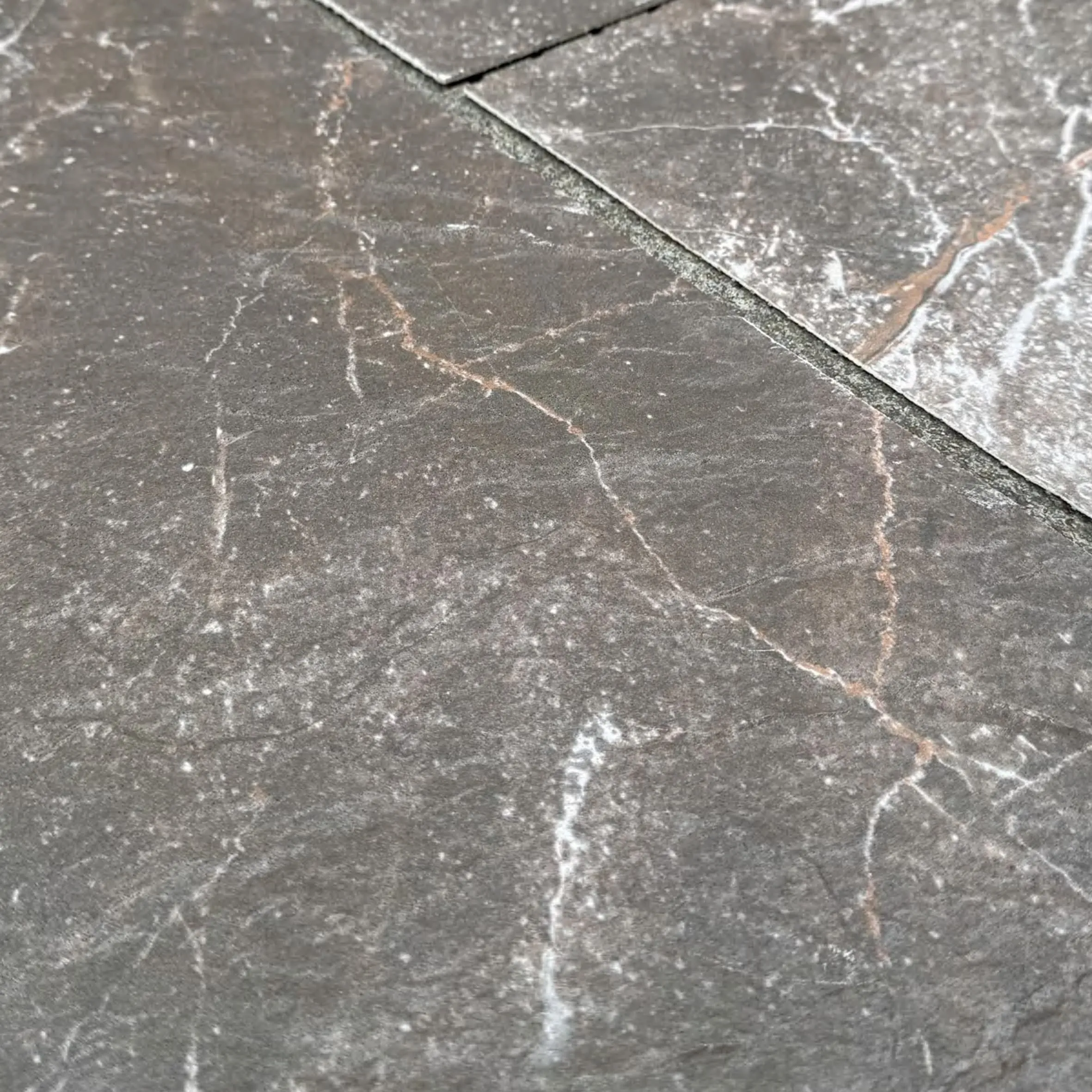
In a region increasingly focused on sustainability—Saudi Arabia's Vision 2030 includes ambitious green building goals—MCM materials like Slate Portoro are also making waves for their eco-friendly credentials. Traditional stone quarrying is resource-intensive, requiring heavy machinery and producing significant waste. MCM, by contrast, uses recycled minerals and polymers, reducing the need for virgin materials. What's more, because MCM panels are lightweight, transporting them emits less CO2 than hauling heavy natural stone. And since they last longer (up to 50 years with minimal maintenance), they reduce the need for frequent replacements, cutting down on construction waste over time.
Developers in Saudi Arabia are taking note. A luxury resort in Al Ula, for instance, chose Slate Portoro for its exterior cladding not just for its durability in the desert climate but also for its low environmental impact. The resort's design team wanted to blend into the surrounding landscape without disrupting it—and Slate Portoro, with its natural stone-like appearance and sustainable manufacturing, fit the bill perfectly.
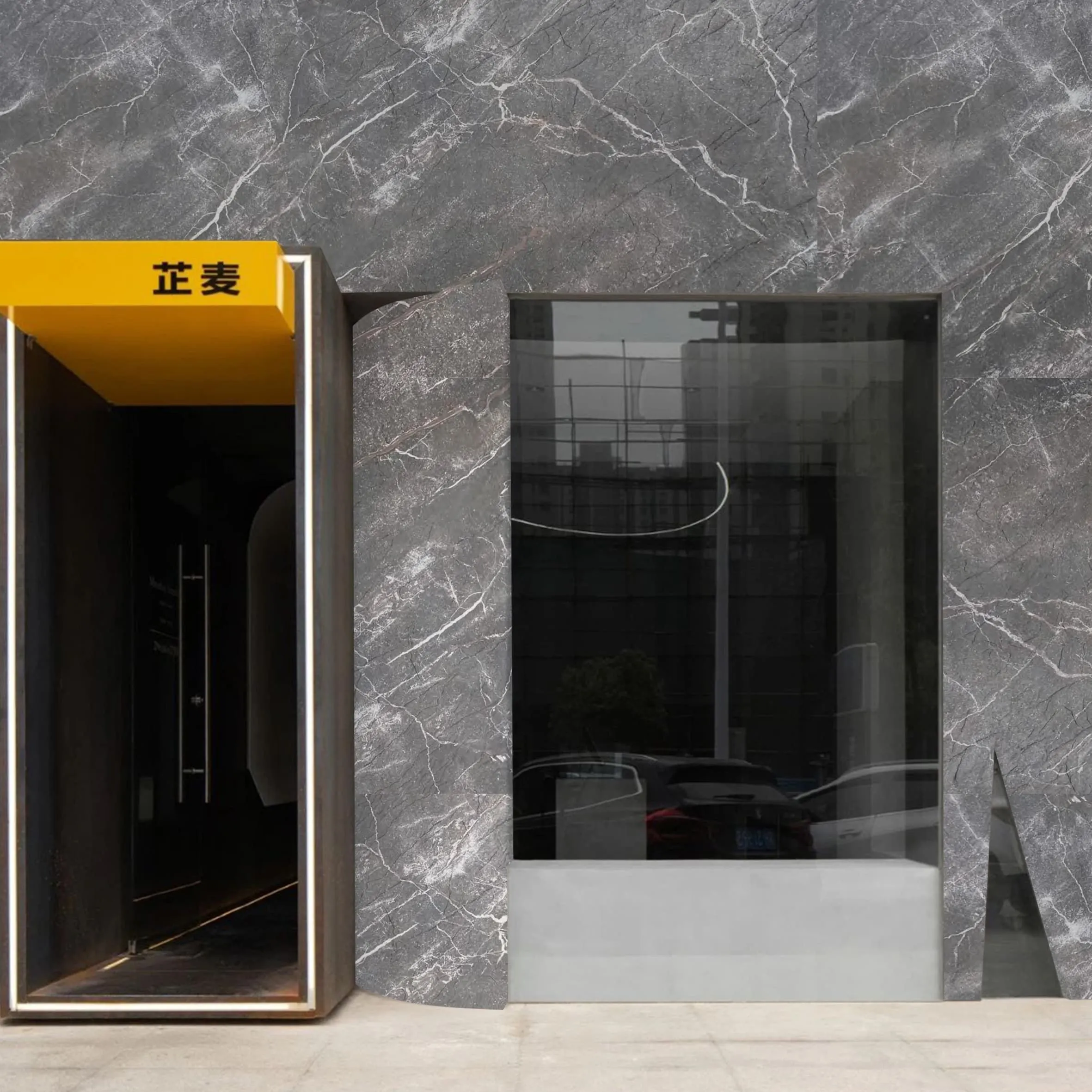
Let's step into the shoes of an architect working on a new office complex in Riyadh. The client wants a building that's modern, energy-efficient, and able to withstand the city's harsh summers. The architect's first thought? Slate Portoro. Here's how the material would come into play:
The result? A building that stays cool in summer, requires less energy to run, and looks sleek and professional year after year. It's no wonder that more and more Saudi developers are making MCM materials like Slate Portoro their go-to choice.
As Saudi Arabia continues to grow and modernize, its buildings need to keep pace—not just in terms of height or style, but in how well they adapt to the environment. Slate Portoro and the broader MCM family are proving that you don't have to choose between function and beauty. They're materials that understand the desert: they respect its challenges, embrace its light, and enhance the spaces where people live, work, and gather.
So the next time you're in a Saudi city, take a closer look at the buildings around you. Chances are, you'll spot Slate Portoro's distinctive gray hues, or the shimmer of Lunar Peak, or the warmth of Foamed Aluminium Alloy. These aren't just walls—they're a testament to innovation, a bridge between tradition and technology, and a promise that Saudi architecture can be both resilient and remarkable.
In the end, it's not just about building structures—it's about building a future where our spaces work with the climate, not against it. And with MCM materials like Slate Portoro, that future is already taking shape, one panel at a time.
Recommend Products












