
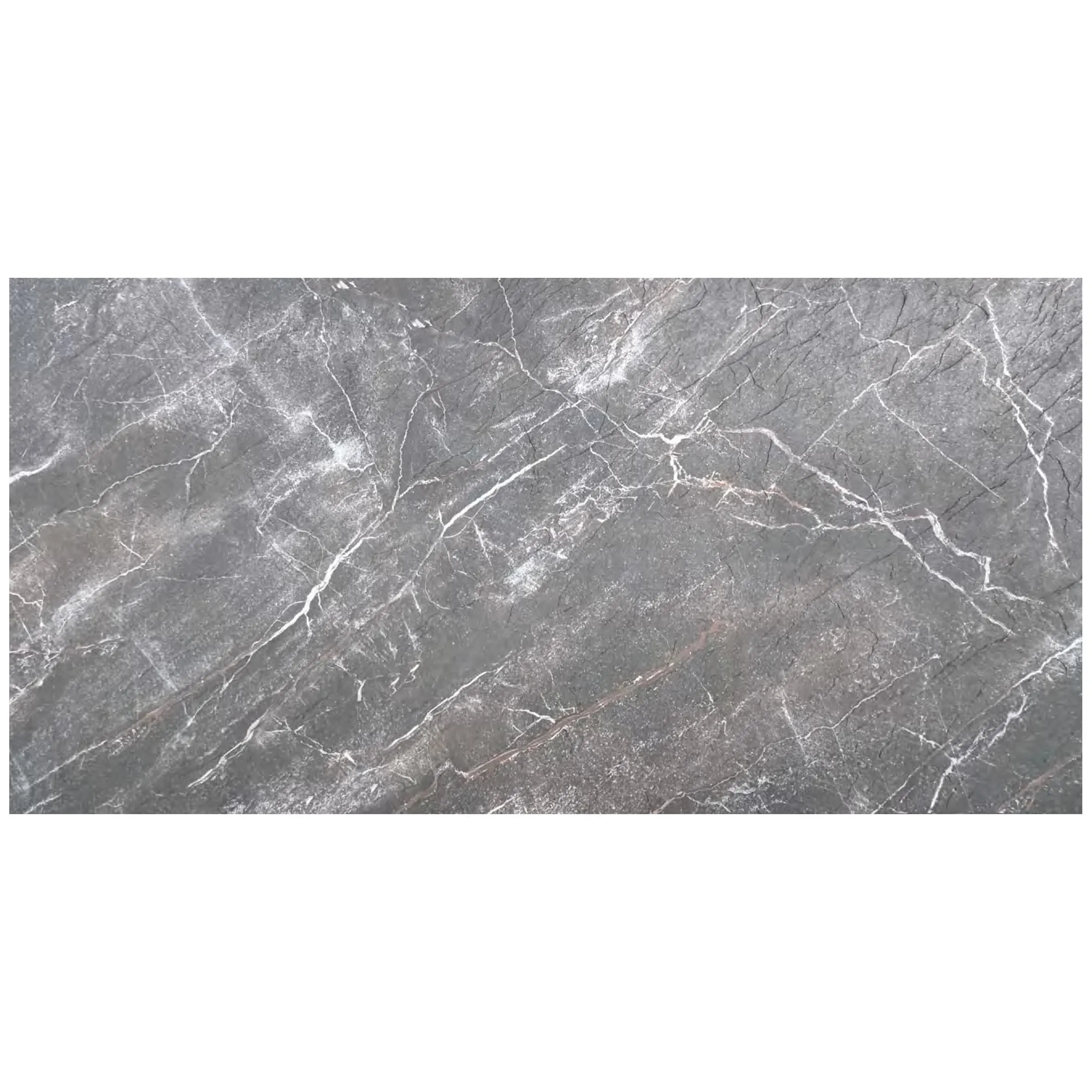
If you've ever wandered through a high-end boutique hotel lobby or stood in awe of a luxury residential facade, chances are you've encountered Slate Portoro. With its deep, moody hues—think inky blacks swirled with veins of gold or silver—it's not just a stone; it's a statement. Architects and designers covet it for its ability to add drama and timeless elegance to spaces, whether it's cladding a feature wall, topping a kitchen island, or defining an entryway. But ask any contractor who's worked with it, and they'll tell you the same thing: Slate Portoro's beauty comes with a price—one paid in sweat, stress, and sometimes shattered slabs. Let's pull back the curtain on the installation challenges that make this stone a love-hate affair, and explore how MCM (Modified Composite Material) is turning that frustration into relief.
First, let's talk about why Slate Portoro has become a darling of the design world. Quarried from select regions where geological conditions have forged its unique veining, it's a natural stone that feels both ancient and modern. Its dense composition gives it a smooth, polished finish that reflects light in ways few materials can, making even small spaces feel grand. In commercial projects, it's a status symbol—think luxury hotels in Dubai or high-end retail stores in New York. In homes, it's a way to infuse personality without sacrificing sophistication. "Clients see it in a magazine and say, 'I want that,'" says Maria Gonzalez, a residential designer with 15 years of experience. "But when I mention the installation hurdles, their eyes widen. They don't realize that achieving that 'effortless' look takes Herculean effort."
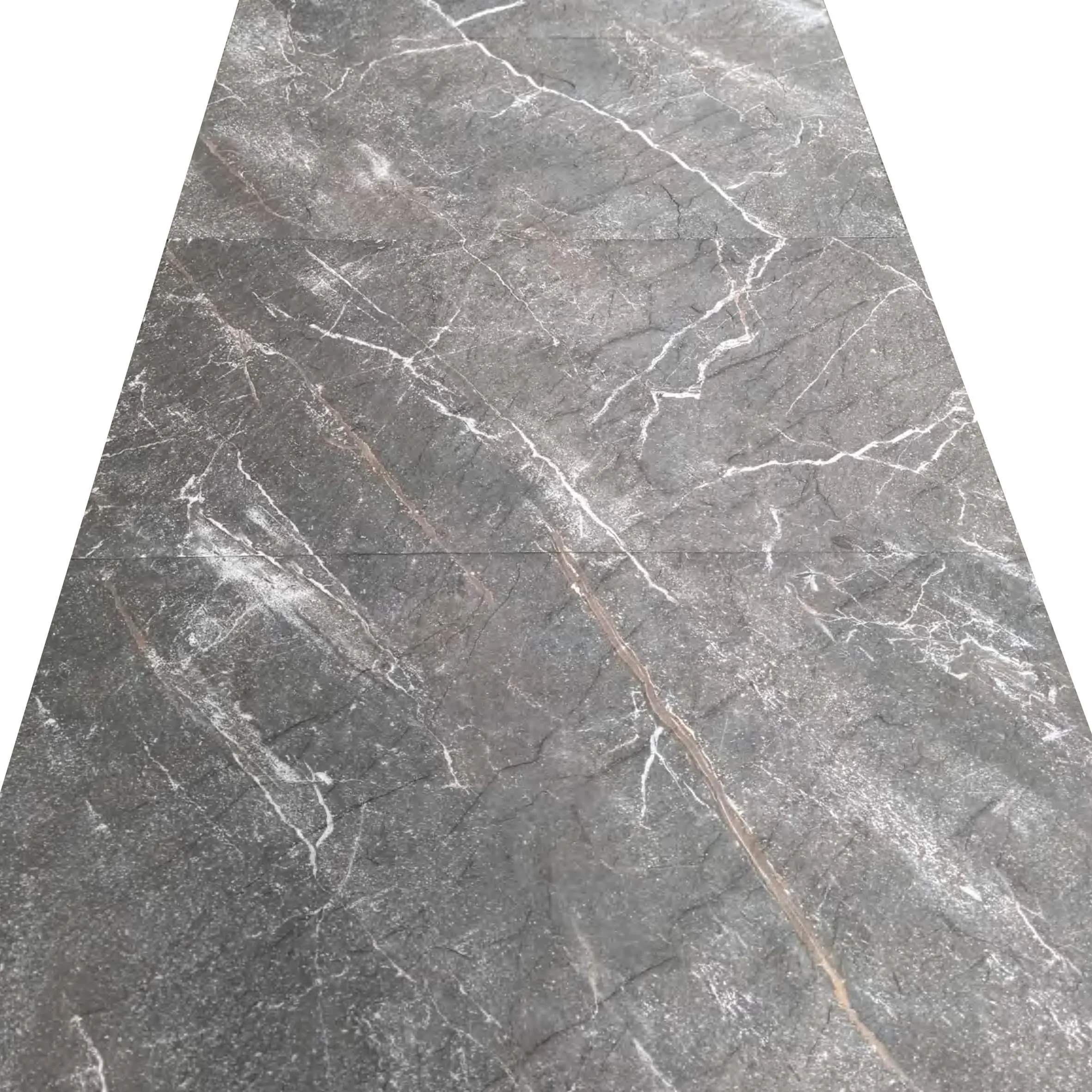
To understand why MCM is a game-changer, we need to first dive into the nitty-gritty of what makes installing Slate Portoro so difficult. We spoke to contractors, stonemasons, and project managers to compile the most common pain points—and they're not trivial.
Natural Slate Portoro is dense—really dense. A standard 24x48-inch slab can weigh upwards of 80 pounds, and larger slabs? Over 150 pounds. That's a problem for two reasons: structural strain and labor. "We once had a project where the architect specified 10-foot-tall Slate Portoro panels for a lobby wall," recalls James Wilson, a commercial contractor. "The building's original structure wasn't designed for that weight. We had to reinforce the wall with steel beams, adding weeks to the timeline and tens of thousands to the budget. And moving those slabs? It took four guys per panel, and we still had to rent a crane for the upper floors. It's not just heavy—it's dangerous." Even in residential settings, homeowners often underestimate the load. A kitchen backsplash might seem manageable, but when you factor in the cumulative weight of multiple slabs, you risk cracked drywall, sagging cabinets, or worse.
Here's the cruel irony of Slate Portoro: it's dense but surprisingly brittle. Those stunning veins? They're often weak points in the stone. During transport, a slight bump can cause a hairline crack that only reveals itself during installation. "I had a crew carefully carry a slab up a staircase, and the edge caught on a doorframe," says Mike Chen, a stonemason. "It didn't shatter on the spot, but when we went to lift it into place, it snapped clean down the vein. That slab cost $1,200, and we had to wait three weeks for a replacement. The client was livid, and honestly? I don't blame them." Even cutting it is risky. Traditional wet saws with diamond blades are a must, but the stone's density can cause vibrations that lead to chipping. "You're not just cutting stone—you're performing surgery," Chen adds. "One wrong angle, and you've ruined hours of work."
Designers love to push boundaries—curved walls, angled countertops, intricate inlays—and Slate Portoro? It's not a team player. Its brittleness makes shaping it into non-standard sizes or curves nearly impossible without breaking. "I had a client who wanted a rounded fireplace surround in Slate Portoro," Gonzalez remembers. "The mason spent two weeks trying to cut and shape the slabs, and in the end, we had to settle for a straight edge. The client was disappointed, and I felt like I'd failed them." Even simple cuts for outlets or fixtures can be dicey. The stone's density means drill bits dull quickly, and the risk of cracking increases with every hole. "You end up over-ordering slabs just to account for waste," says Wilson. "That's not sustainable for budgets or the environment."
Once you've managed to transport, cut, and position the slab, you need to make sure it stays put. Slate Portoro's smooth, dense surface doesn't play well with traditional mortars or adhesives. "We've tried everything—epoxies, thinset, even specialized stone adhesives," says Chen. "But if the surface isn't perfectly prepared, or if there's the tiniest air bubble, the slab can start to loosen over time. I've been called back to projects five years later to fix a 'popped' slab that's pulled away from the wall. It's embarrassing, and it costs the client more money." Exterior installations are even trickier. Temperature fluctuations cause the stone to expand and contract, and if the adhesive can't flex with it, cracks form. "In coastal areas, saltwater spray only makes it worse," adds Wilson. "Slate Portoro is beautiful, but it's not built for the real world."
Let's be clear: Slate Portoro isn't cheap to begin with. High-quality slabs can run $100–$200 per square foot. But the hidden costs—extra labor, equipment rentals, wasted material, and repairs—often double the budget. "A client once approved a $20,000 budget for a Slate Portoro backsplash," Gonzalez says. "By the time we paid for the crane, the extra slabs, the specialized adhesive, and the overtime for the mason, it was $45,000. They were furious, and I don't blame them. It's a tough conversation to have."
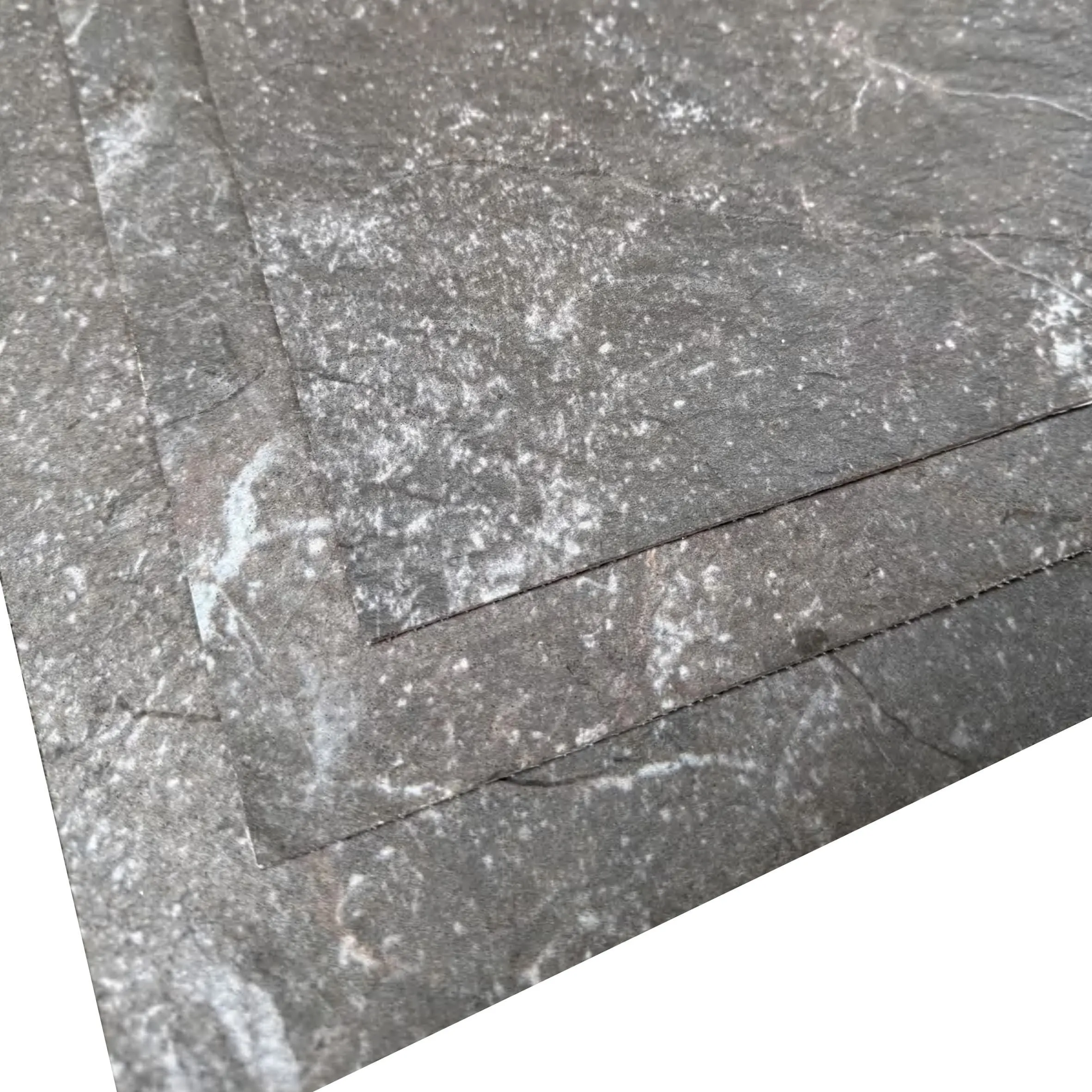
If all this sounds like a dealbreaker, you're not alone. For years, designers and contractors have been searching for a way to get Slate Portoro's aesthetic without the headaches. Enter MCM, a category of building materials that's been quietly revolutionizing the industry. Short for Modified Composite Material, MCM products—like MCM flexible stone , MCM big slab board series , and MCM 3D printing series —are engineered to mimic the look and feel of natural stone while addressing its biggest flaws. Let's break down how they work.
The first thing you notice about MCM flexible stone is how light it is. Unlike natural Slate Portoro, which relies on density for its look, MCM uses a blend of natural stone aggregates (think crushed Slate Portoro, marble, or travertine) mixed with a polymer resin matrix. The result? A material that's up to 80% lighter than natural stone. "I was skeptical at first," admits Wilson, who recently used MCM flexible stone for a restaurant facade designed to look like Slate Portoro. "We ordered 10 4x8-foot panels, and two guys carried them up a flight of stairs. No crane, no steel reinforcement. It was like carrying drywall compared to natural stone." This lightweight nature eliminates the need for structural upgrades, cuts down on labor costs, and reduces the risk of injury during installation. "Our insurance premiums even went down after we started using MCM," Wilson adds. "Less heavy lifting means fewer accidents."
If you've ever tried to bend a natural stone slab, you know it's impossible—until it snaps. MCM flexible stone, on the other hand, lives up to its name. It can bend up to 90 degrees without cracking, making it ideal for curved walls, rounded fireplaces, or even ceiling applications. "Remember that client who wanted a rounded fireplace?" Gonzalez says. "Last year, we used MCM flexible stone with a Slate Portoro finish, and the installer just curved it on-site. No cutting, no waste, no stress. The client cried when they saw it—it was exactly what they'd dreamed of." This flexibility also makes MCM 3D printing series a game-changer for customization. Using 3D printing technology, manufacturers can create intricate shapes, patterns, and even custom veining that mimics Slate Portoro's unique look. "We printed a 3D MCM panel with the exact veining pattern of a rare Slate Portoro slab a client fell in love with," says Raj Patel, an engineer at an MCM manufacturing company. "The client couldn't tell the difference, but the installation took a fraction of the time."
You might be thinking, "Light and flexible sounds great, but does it hold up?" The answer is a resounding yes. MCM products are engineered to withstand the elements, from extreme heat to freezing rain. Unlike natural Slate Portoro, which can crack in freeze-thaw cycles, MCM flexible stone's polymer matrix allows it to expand and contract without damage. "We installed MCM big slab board series on a beach house in Florida three years ago," says Wilson. "It's been through hurricanes, salt spray, and 100-degree summers, and it still looks brand new. Natural Slate Portoro would have needed sealing every six months and probably would have chipped by now." MCM is also resistant to scratches, stains, and UV rays, making it ideal for high-traffic areas like commercial lobbies or kitchen backsplashes. "A restaurant client of mine has MCM flexible stone on their bar top," Gonzalez adds. "It's been spilled on, scraped by glasses, and cleaned with harsh chemicals, and it still shines. I wish I could say the same for the natural Slate Portoro bar I designed five years ago—it's already showing wear."
Perhaps the biggest win with MCM is how easy it is to install. Take the MCM big slab board series , for example. These large-format panels (up to 5x10 feet) are designed to cover more area with fewer seams, reducing installation time by up to 50%. "With natural Slate Portoro, you're cutting, fitting, and grouting dozens of small slabs," explains Chen, who recently switched to MCM for a residential project. "With MCM big slabs, we just measure, cut with a standard utility knife (no diamond blades!), and adhere with a basic construction adhesive. It's so simple, even our apprentices can do it without supervision." The panels also come with a peel-and-stick backing option, which is a game-changer for DIY homeowners or small projects. "I helped a client install MCM flexible stone in their home office over a weekend," Gonzalez says. "We watched a YouTube tutorial, ordered the panels, and had it done in six hours. No mess, no stress, and it looks identical to the Slate Portoro they saw in the magazine."
When you factor in reduced labor, no specialized equipment, minimal waste, and no need for structural upgrades, MCM ends up being significantly cheaper than natural Slate Portoro. "Our last commercial project was a 5,000-square-foot retail space where the client wanted a Slate Portoro-inspired facade," Wilson says. "Originally, we quoted $120,000 using natural stone. Switching to MCM flexible stone brought it down to $85,000—and that included upgrading to the MCM 3D printing series for custom veining. The client was thrilled, and we still made a profit. It's a win-win." Even better, MCM products are often more sustainable. Because they use recycled stone aggregates and require less energy to produce and transport, they align with the growing demand for eco-friendly building materials. "Green building certifications like LEED love MCM," adds Patel. "It checks all the boxes for low embodied carbon and reduced waste."
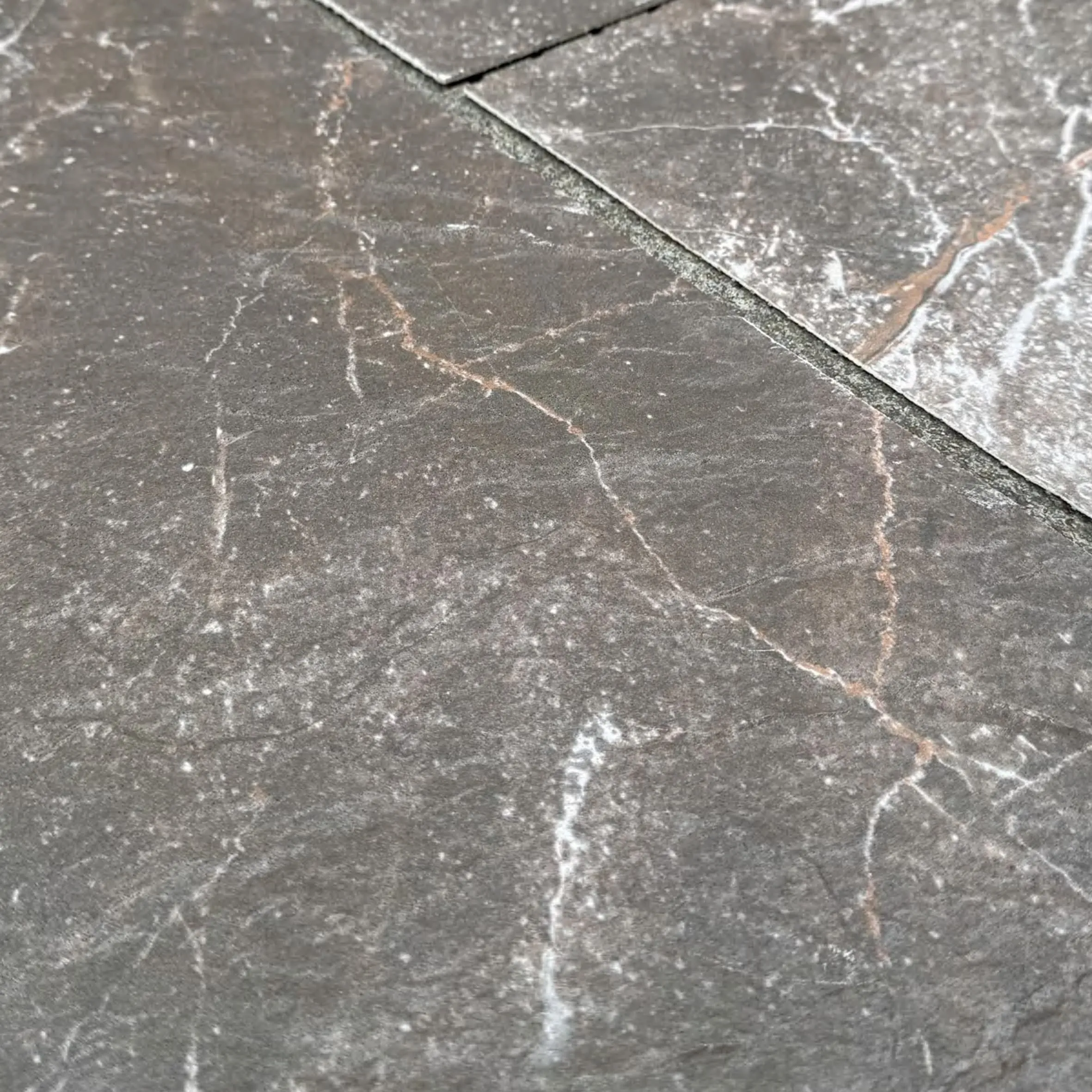
While we've focused on Slate Portoro, MCM's magic isn't limited to one stone. The technology works with a range of aesthetics, from the rustic charm of fair-faced concrete to the organic texture of travertine. "We used MCM 3D printing series to create a custom backsplash that looks like weathered fair-faced concrete for a brewery client," Gonzalez says. "It has the same raw, industrial feel but weighs nothing and installed in a day." For projects that call for a mix of materials—say, Slate Portoro-inspired panels next to travertine accents—MCM makes it seamless. "Natural stone is finicky about pairing with other materials," Chen explains. "MCM? You can mix and match panels from different series, and they all adhere the same way, expand and contract at the same rate, and age uniformly. It's design freedom without the compatibility headaches."
| Factor | Natural Slate Portoro | MCM Flexible Stone (Slate Portoro Finish) |
|---|---|---|
| Weight (per sq. ft.) | 15–20 lbs. | 2–4 lbs. |
| Installation Time (per sq. ft.) | 45–60 minutes | 10–15 minutes |
| Breakage Rate During Installation | 15–20% | <1% |
| Exterior Suitability | Requires annual sealing; prone to cracking in harsh weather | Weather-resistant; no sealing needed |
| Cost (per sq. ft., installed) | $150–$250 | $50–$80 |
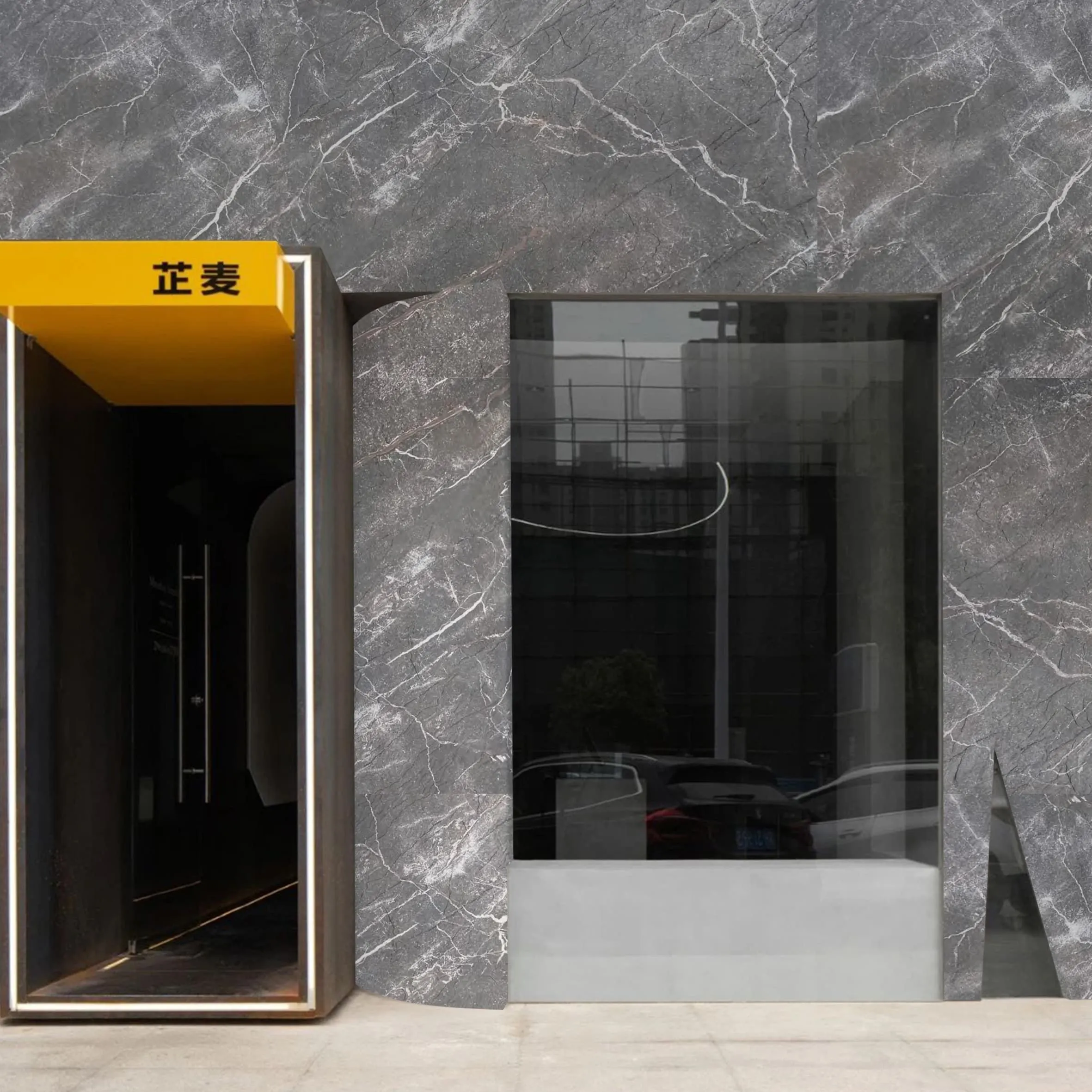
Let's be clear: MCM isn't here to replace natural stone. There will always be a place for the raw, unfiltered beauty of quarried Slate Portoro in landmark projects where budget and logistics are no object. But for the rest of us—designers, contractors, homeowners—MCM is a revelation. It's the material that lets us have our cake and eat it too: the aesthetic we crave without the installation nightmares, the durability we need without the maintenance hassle, and the budget-friendliness we deserve without sacrificing quality.
"I used to dread Slate Portoro projects," admits Wilson. "Now, when a client asks for that look, I get excited—because I know we can deliver it on time, on budget, and without the stress. MCM hasn't just changed how we work; it's changed how we dream." Gonzalez agrees: "Design should be about creativity, not compromise. With MCM, my clients get exactly what they want, and I get to sleep at night. That's priceless."
So the next time you find yourself staring at a Slate Portoro slab and thinking, "I wish that were easier," remember: it is. Thanks to MCM flexible stone, MCM big slab board series, and the entire family of MCM products, beauty and practicality are no longer enemies. They're partners—finally.
Recommend Products












