
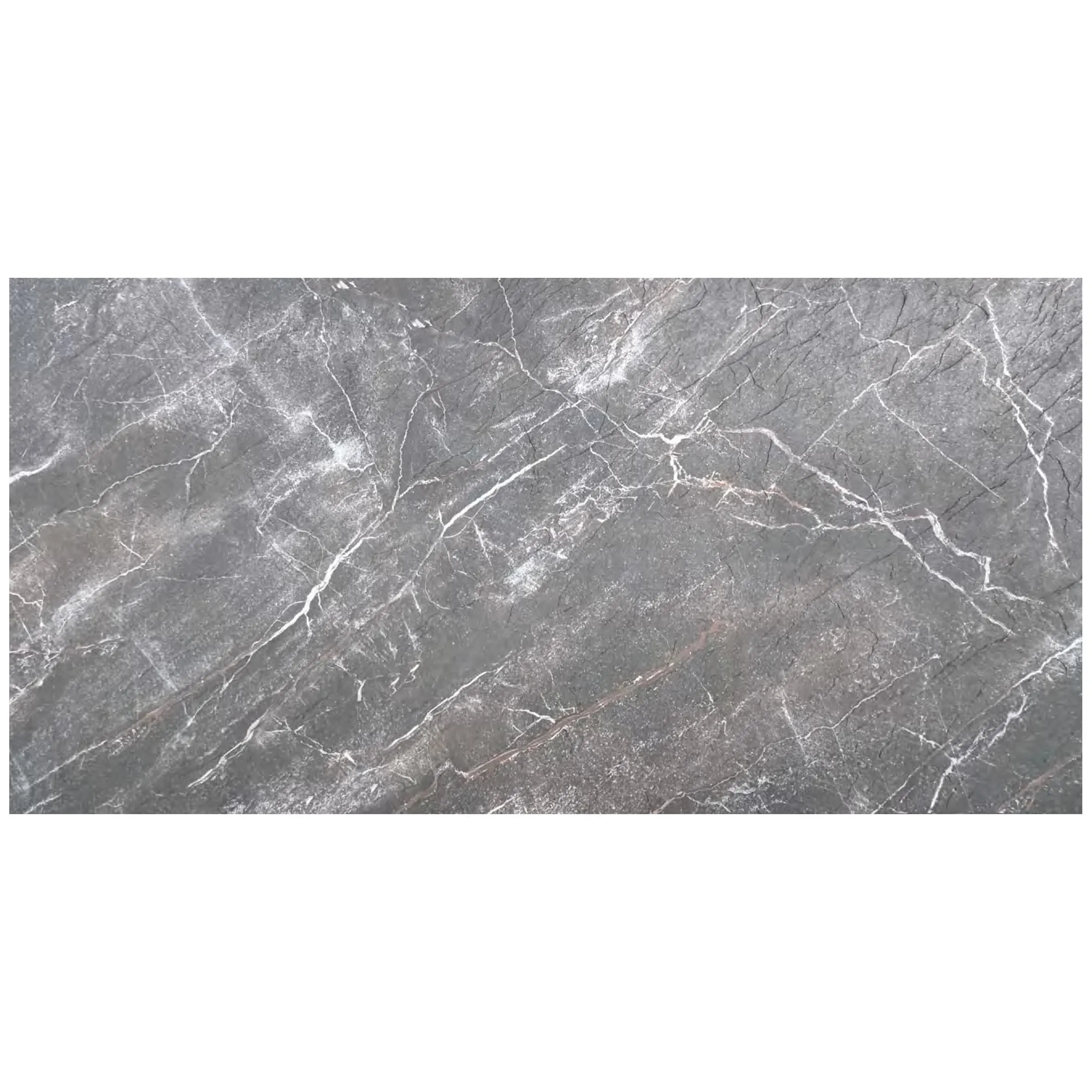
Every developer knows the drill: you walk a tightrope between creating spaces that dazzle and ensuring those spaces don't become money pits down the line. Choose a material that's all looks and no resilience, and you'll be fielding calls about stains, cracks, and costly repairs before the paint's even dry. Play it too safe with something "practical," and you risk losing the visual appeal that sells units or draws clients. Nowhere is this tension sharper than in the world of premium building materials—and today, we're zeroing in on two heavyweights: the iconic Slate Portoro and the rising star of low-maintenance design, MCM panels.
This guide isn't just about comparing stones and composites. It's about arming you with the hard truths (and hidden costs) behind the materials you specify. Because at the end of the day, your project's success isn't just measured by how it looks on opening day—it's measured by how it holds up, and how much it costs to keep it shining, five, ten, even twenty years later.
Let's start with the rockstar everyone recognizes: Slate Portoro. With its deep, inky black base slashed by bold gold veins, it's the material of choice for developers aiming to make a statement. Luxury hotels line their lobbies with it; high-end restaurants use it for bar tops; penthouses feature it in bathrooms to evoke old-world opulence. There's no denying its allure—it's dramatic, it's unique, and it screams "premium."
But here's what the brochures don't always mention: Slate Portoro is high-maintenance by nature. Let's break down why that matters for your budget and your sanity.
First, porosity. Slate Portoro, like many natural stones, has tiny pores that act like sponges. Spill a glass of red wine on a Slate Portoro floor? If you don't blot it within minutes, that liquid seeps in, leaving a stain that might require professional grinding to remove. Even water can be a problem—let a puddle sit too long, and you could end up with mineral deposits or discoloration.
Then there's sealing. To combat that porosity, you'll need to seal Slate Portoro regularly—typically every 6–12 months for high-traffic areas like lobbies or kitchen countertops. Skip a seal, and you're rolling out the welcome mat for stains and water damage. A professional sealing job for a 1,000 sq. ft. lobby? Expect to pay $1.50–$3 per square foot, adding up to $3,000 annually. And that's before factoring in the cost of closing off the area during the process, which could mean lost revenue for commercial spaces.
Cracks and chips are another headache. Slate Portoro is durable, but it's not indestructible. A heavy piece of furniture dropped on a floor tile, a stray tool during construction, or even extreme temperature shifts can cause hairline fractures. Repairing a cracked slab often involves matching the stone (no easy feat, since natural stone varies batch to batch), cutting out the damaged section, and re-installing—costing anywhere from $200–$800 per square foot, depending on accessibility.
Let's put this in real terms. Imagine you're developing a 50-unit luxury condo building, with Slate Portoro in each unit's bathroom and the main lobby (roughly 8,000 sq. ft. total). Year one: sealing costs $12,000. Year two: a tenant cracks a bathroom slab—$500 repair. Year three: a storm causes water intrusion, staining the lobby floor—$3,000 for professional cleaning. By year five, you're looking at over $75,000 in maintenance, and that's assuming no major disasters. Suddenly, that "premium" material starts to feel like a recurring tax on your bottom line.
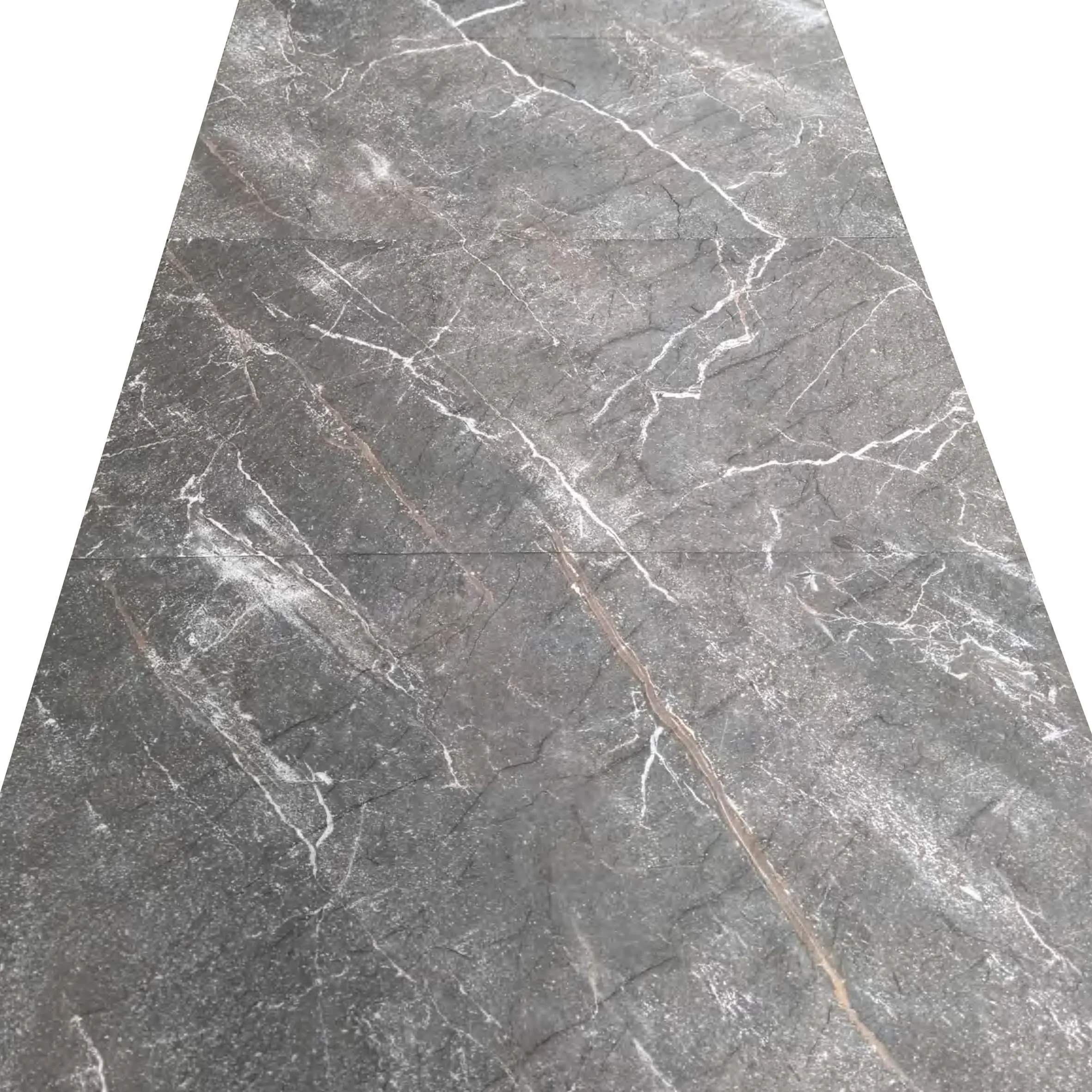
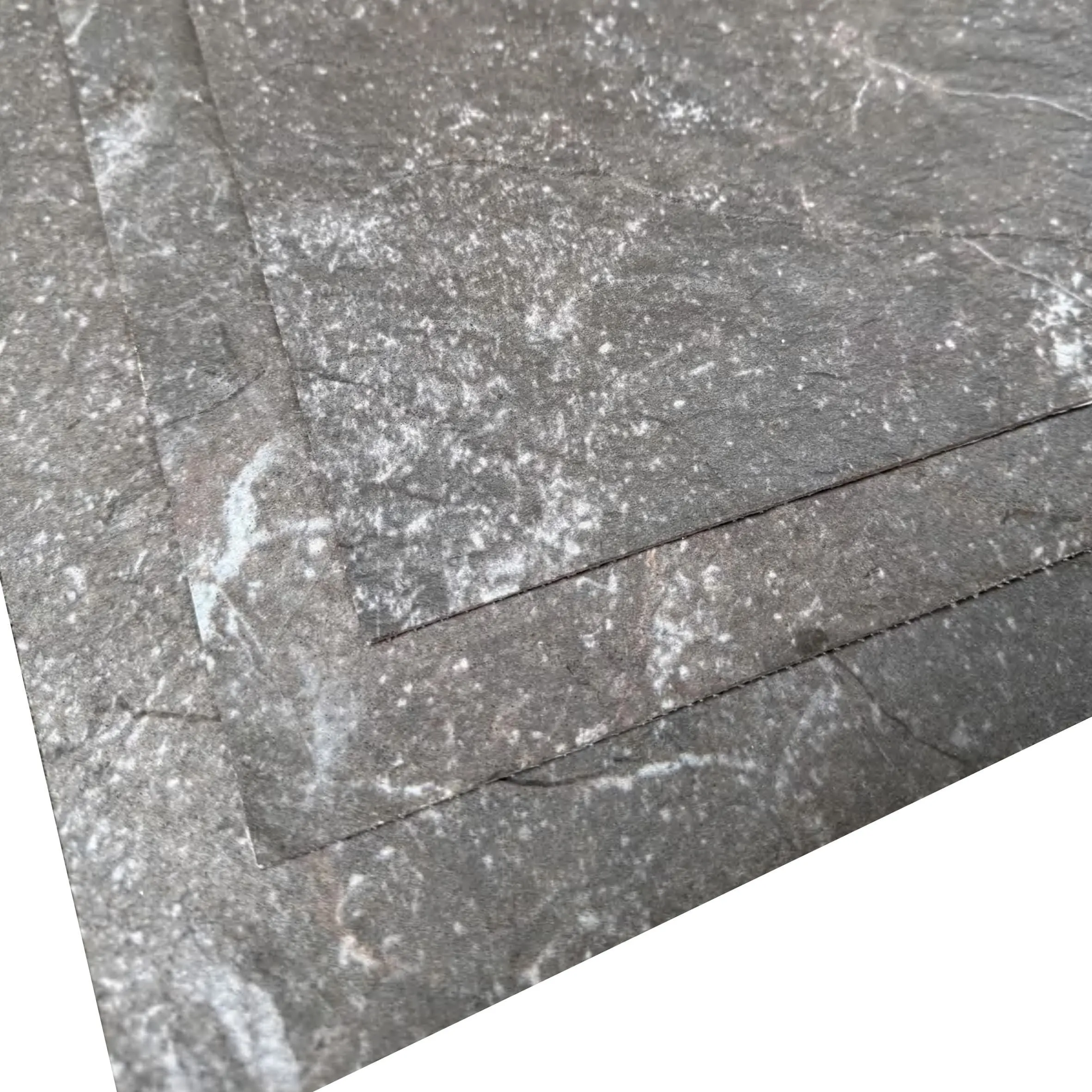
Now, let's talk about the underdog that's rewriting the rules: MCM panels. Short for Modified Composite Material, MCM is exactly what it sounds like—engineered to mimic the look of natural materials (stone, wood, metal) but with a supercharged focus on durability and ease of care. And within the MCM family, two stars stand out: MCM flexible stone and the MCM big slab board series. These aren't just "alternatives" to natural stone—they're redefining what "low maintenance" can look like without sacrificing style.
At their core, MCM panels are a sandwich of layers: a lightweight, rigid core (often aluminum or fiberglass) wrapped in a thin veneer of modified stone or composite. This design gives them three game-changing advantages:
1. They're non-porous. Unlike Slate Portoro, MCM flexible stone repels liquids. Spill coffee, wine, or even oil on an MCM panel, and a quick wipe with a damp cloth is all it takes. No stains, no panicking, no $500 emergency calls to a stone restorer.
2. They're tough as nails. The composite layer resists scratches, chips, and impacts. drop a tool on an MCM big slab board during construction? It might leave a small mark, but it won't crack. Expose it to rain, snow, or extreme heat? No warping, no fading, no expansion/contraction issues that plague natural stone.
3. They're practically maintenance-free. Forget annual sealing. Forget quarterly deep cleans. MCM panels thrive on minimal care: a yearly power wash for exterior applications, a monthly wipe-down with mild soap and water for interiors. That's it. No special chemicals, no specialized contractors, no downtime.
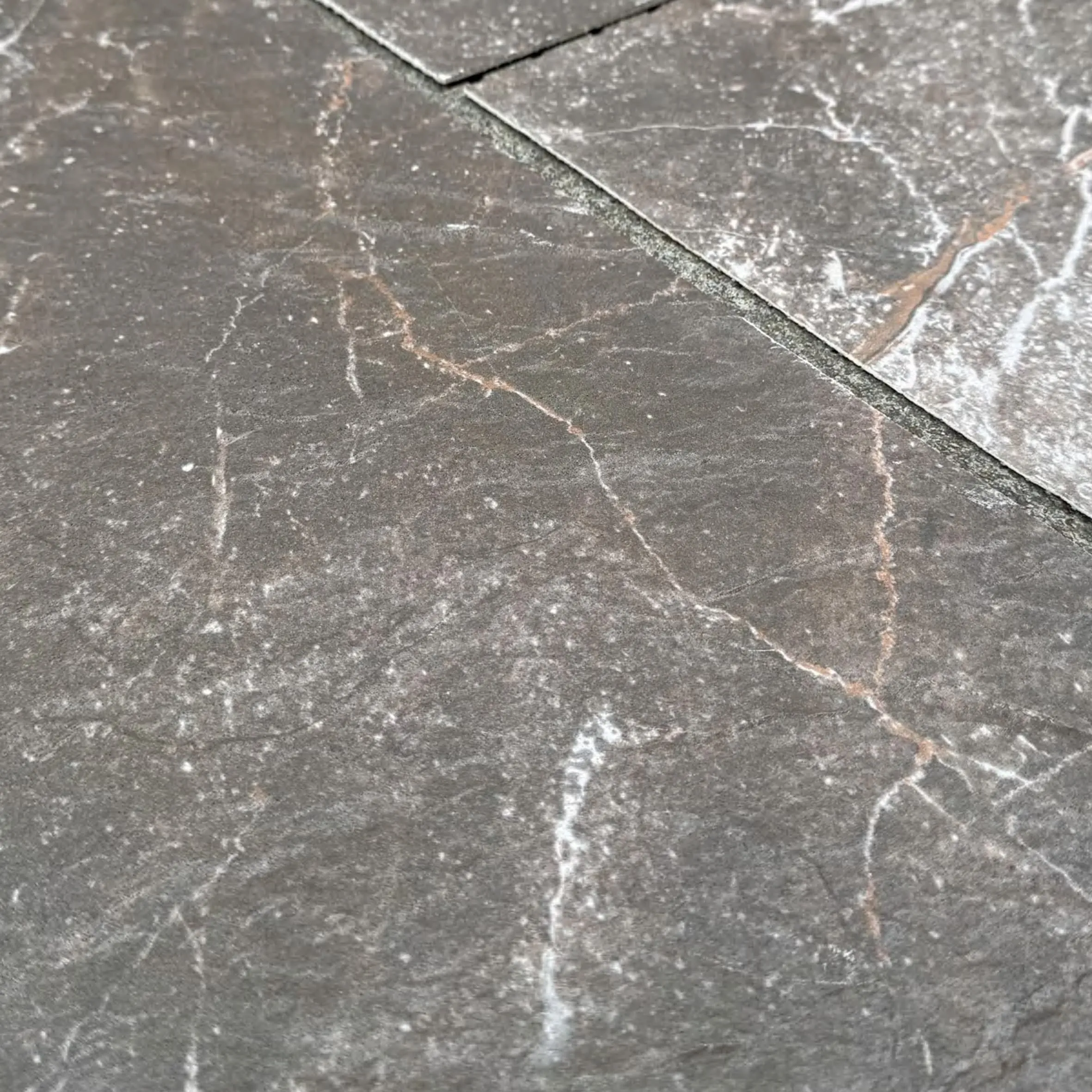
Take Epoch Stone, for example—a popular MCM variant designed to replicate the look of aged, weathered stone. It has the same rustic charm as natural stone, but without the porosity or fragility. Developers using Epoch Stone on facades or accent walls report spending less than $200 per year on upkeep for an entire building's exterior. Compare that to Slate Portoro's $3,000+ annual sealing bills, and the math starts to get very interesting.
Numbers tell the story best. Let's put Slate Portoro and MCM panels (specifically MCM flexible stone and the MCM big slab board series) side by side, focusing on the metrics that hit your budget hardest: maintenance tasks, frequency, cost, and long-term durability.
| Factor | Slate Portoro | MCM Flexible Stone / Big Slab Board Series |
|---|---|---|
| Annual Maintenance Tasks | Sealing (2x/year for high-traffic areas), deep cleaning (quarterly), stain removal (as needed), crack/chip repairs (as needed) | Power wash (exteriors, yearly), mild soap wipe-down (interiors, monthly), no sealing or specialized treatments |
| Average Annual Maintenance Cost (per 1,000 sq. ft.) | $2,500–$5,000 (sealing + cleaning + occasional repairs) | $150–$300 (basic cleaning, no repairs needed in most cases) |
| Stain Resistance | Low (porous; requires immediate action to prevent permanent staining) | High (non-porous; spills wipe away easily) |
| Impact Resistance | Moderate (prone to chipping/cracking under heavy impact) | High (composite layer resists chips and scratches) |
| Weather Resistance (Exteriors) | Moderate (may fade or erode in harsh climates; requires extra sealing) | Excellent (resists fading, moisture, and temperature extremes) |
| Lifespan with Proper Care | 20–30 years (but may require partial replacement due to damage) | 30–50 years (minimal wear, no replacement needed in most cases) |
Numbers on a page are one thing—hearing from developers who've lived the difference is another. Let's dive into two scenarios where choosing MCM over Slate Portoro didn't just save money, but saved sanity.
Alex Rivera, developer of The Marlow, a 40-room boutique hotel in Chicago, initially specified Slate Portoro for the hotel's lobby floor and bar top. "We wanted that 'wow' factor," he says. "Guests walk in, see that stone, and immediately think 'luxury.'" But six months after opening, a busy weekend brunch led to a disaster: a server spilled a carafe of red wine across the lobby floor. By the time staff noticed, the stain had set.
"The restoration company quoted us $4,200 to grind and reseal that section," Rivera recalls. "And that was just one spill. We had another incident with a broken vase a month later—another $1,800. I started crunching numbers and realized we were on track to spend $15,000+ annually on maintenance, not to mention the downtime when the lobby had to be closed for repairs."
For the hotel's second phase (adding a rooftop bar), Rivera switched to MCM big slab board series in a Portoro-inspired finish. "It looks almost identical—same black base, same gold veining—but the difference is night and day. A guest spilled a margarita on the rooftop bar last month; we wiped it up with a paper towel, and there's zero trace. Annual maintenance? We had a crew power wash the exterior panels last week—cost $200. No sealing, no stress, no surprise bills."
Maya Patel, who develops luxury condos in Austin, learned the hard way about Slate Portoro's downsides. Her first project, The Vistas, used Slate Portoro in all 20 units' master bathrooms. "Owners loved the look—until the first rainy season," she says. "Water would seep into the grout lines between the Slate Portoro tiles, causing mold growth. We had to send contractors in to re-grout and reseal every bathroom—costing us $300 per unit, plus unhappy owners."
For her next project, The Terraces, Patel opted for MCM flexible stone in a marble-like finish for bathroom walls and countertops. "I was nervous owners would notice the difference, but honestly? Most didn't. And the ones who did? They were too busy raving about how easy it is to clean. No mold, no stains, no calls at 7 a.m. about 'weird discoloration.' We've had zero maintenance issues in two years, and our HOA fees are lower because we're not budgeting for annual stone treatments."
It's easy to focus on the dollar signs, but there's another cost to consider: your reputation. When you specify a high-maintenance material like Slate Portoro, you're not just signing up for repair bills—you're signing up for disappointed clients, delayed projects, and the kind of word-of-mouth that can sink future deals.
Imagine a commercial tenant who leases space in your building, only to discover they need to close their store for a week to reseal the Slate Portoro floors. Or a homeowner association that has to hike fees to cover unexpected stone repairs. These aren't just financial hits—they erode trust. And in development, trust is everything.
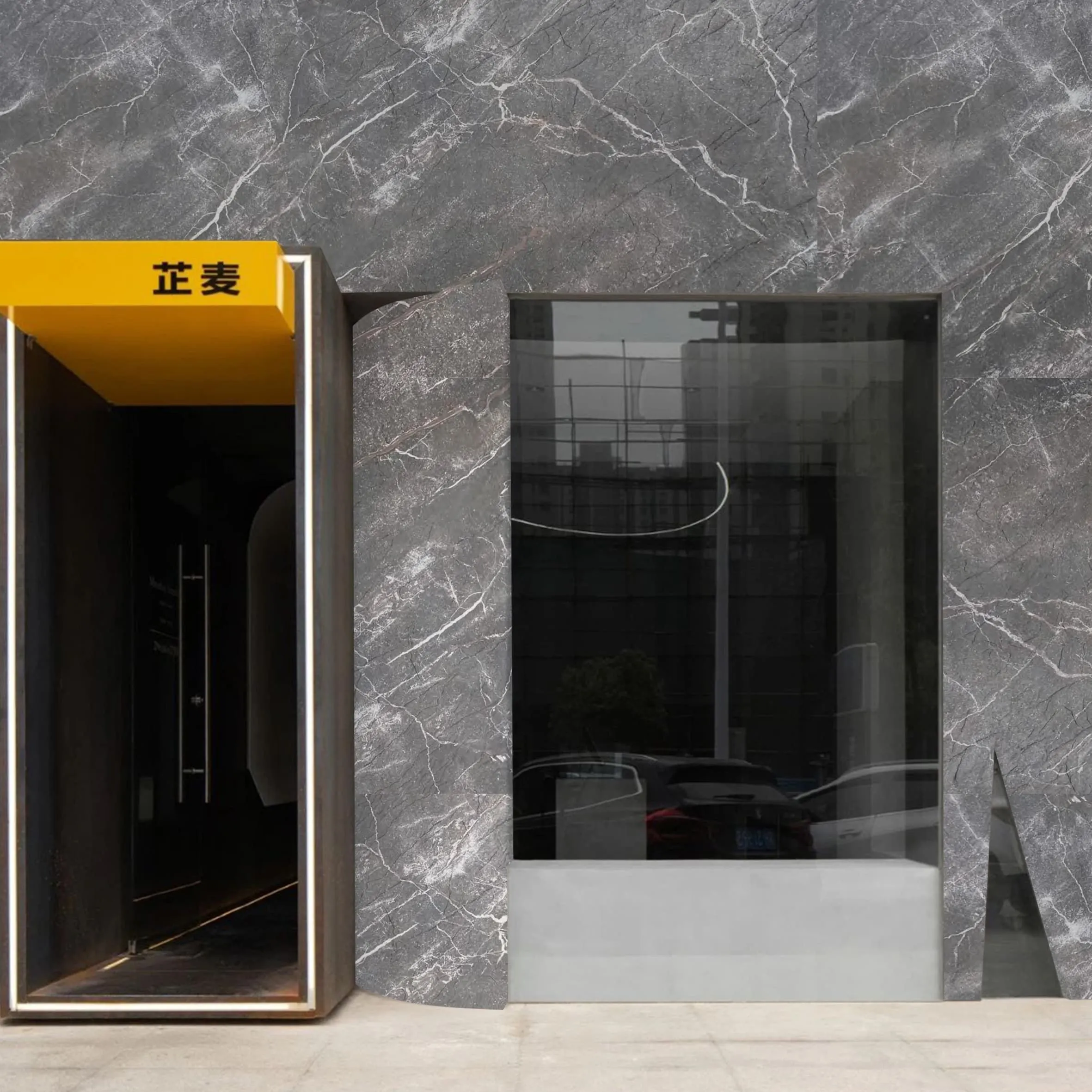
MCM panels, on the other hand, let you deliver on both beauty and reliability. The MCM big slab board series offers the same grand scale as natural stone slabs, perfect for making a statement in lobbies or on facades. MCM flexible stone bends to fit curved walls or custom designs, giving you the design freedom of natural stone without the fragility. And Epoch Stone? It brings the warmth of aged stone to exteriors, but with the resilience to stand up to wind, rain, and time.
Slate Portoro will always have its place—there's no denying its raw, natural beauty. But in a market where margins are tight and clients demand both luxury and practicality, relying on high-maintenance materials is a gamble. MCM panels—whether it's MCM flexible stone, the MCM big slab board series, or specialized options like Epoch Stone—offer a better bet: the look you love, with the upkeep you can actually afford.
At the end of the day, your job isn't just to build spaces. It's to build value—for your clients, for your investors, and for yourself. And value, in development, means balancing aesthetics with longevity. So the next time you're staring at a sample of Slate Portoro, ask yourself: Is this material going to make my project shine… or is it going to cost me sleep (and cash) five years from now?
For the developers who want to build something that lasts—without the hassle—MCM panels aren't just an alternative. They're the future.
Recommend Products












