
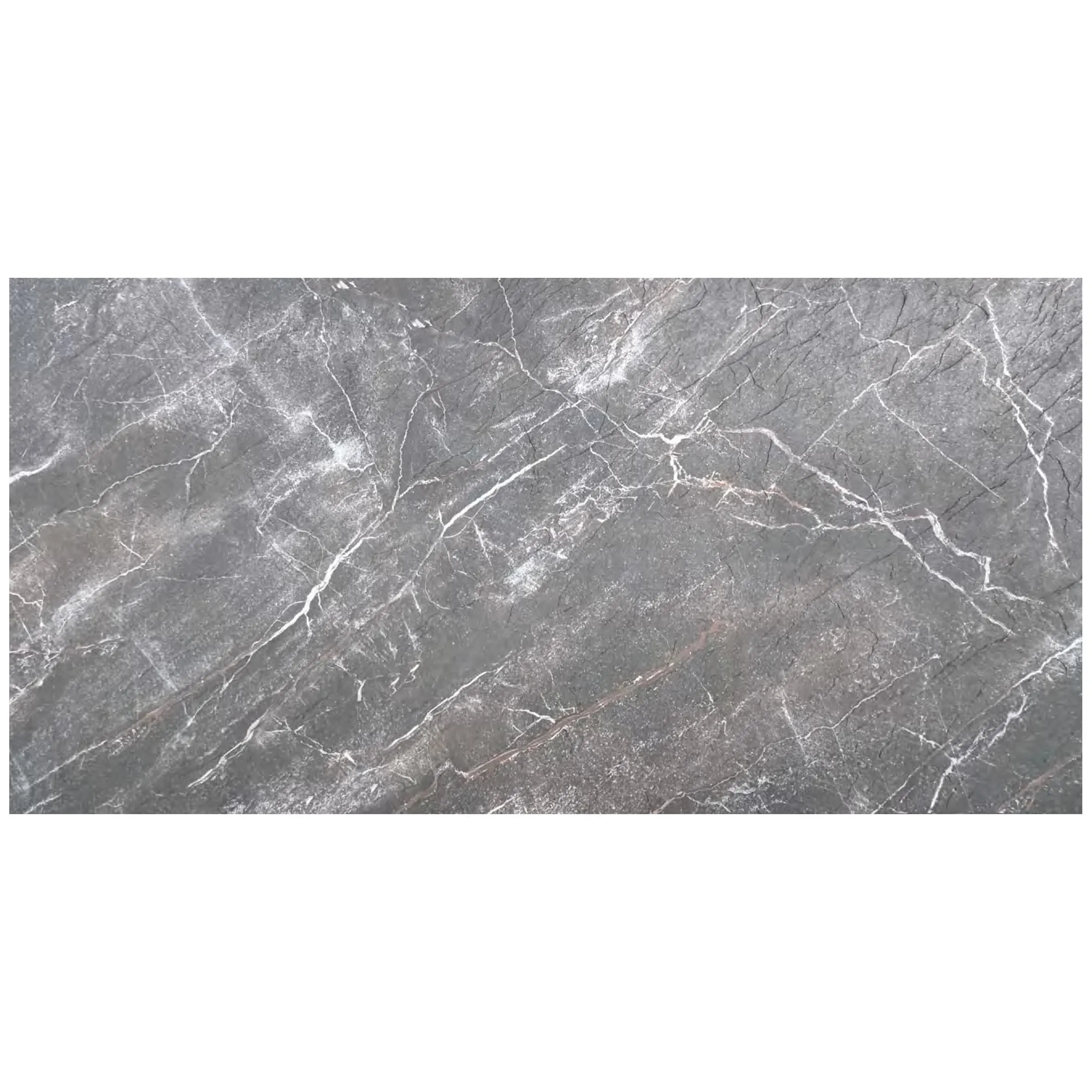
There's something almost poetic about Slate Portoro. Its deep, velvety black base swirled with golden veins isn't just a surface—it's a statement. Whether it graces your kitchen countertops, lines your living room walls, or adds drama to your outdoor patio, this natural stone carries a timeless elegance that few materials can match. But like any masterpiece, Slate Portoro needs a little care to keep shining. In this guide, we'll walk through simple, actionable steps to maintain its luster, prevent damage, and ensure it ages gracefully—because a stone this beautiful deserves to tell stories for decades, not just years.
Before diving into maintenance, let's take a moment to appreciate what makes Slate Portoro tick. Unlike man-made options like fair-faced concrete, which offers a sleek, industrial vibe, or even polished concrete with its uniform finish, Slate Portoro is a product of nature's slow, patient artistry. Formed over millions of years from compressed sediments, it's a type of metamorphic rock with a relatively low porosity compared to more porous stones like travertine—but that doesn't mean it's impervious. Those golden veins, while stunning, can be slightly softer than the surrounding black matrix, making them prone to etching if exposed to harsh chemicals. Think of it like a vintage leather jacket: durable, but needing gentle handling to preserve its character.
Another key trait? Its surface can range from honed (matte) to polished (shiny), each finish requiring slightly different care. Polished Slate Portoro shows off those veins in all their glory but is more likely to reveal fingerprints and water spots, while honed surfaces hide daily smudges better but may absorb spills faster. Knowing your finish is the first step to tailoring your maintenance routine.
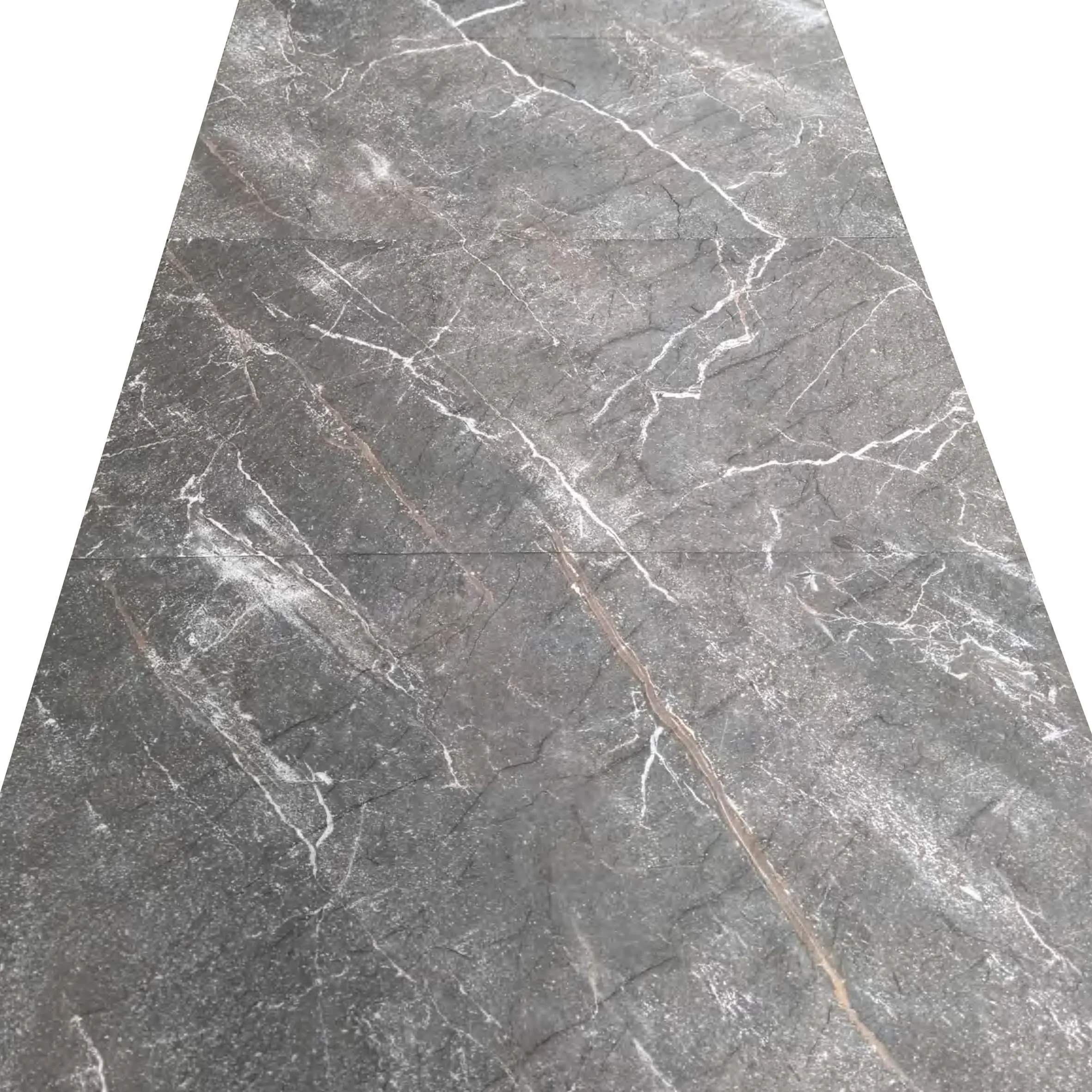
You don't need fancy gadgets or industrial cleaners to keep Slate Portoro looking fresh—just consistency and a soft hand. Here's how to make daily care feel less like a chore and more like a ritual of appreciation.
Even tiny particles of dirt or sand can act like sandpaper on your stone, scratching the surface over time. Get into the habit of dusting or dry-wiping Slate Portoro surfaces daily with a microfiber cloth or a soft, lint-free duster. For floors, use a vacuum with a soft brush attachment (avoid beater bars!) to pick up grit before it gets ground in. Think of it as giving your stone a quick morning stretch—simple, but essential for keeping it limber.
Life happens: coffee drips, juice splatters, a rogue olive oil bottle leaks. The golden rule? Don't let spills sit. Even water, if left to evaporate, can leave mineral deposits (those pesky white rings). Grab a damp microfiber cloth and blot (don't rub!) the spill immediately. For sticky messes like syrup or soda, wipe gently with warm water and a mild, pH-neutral dish soap—nothing with citrus, vinegar, or bleach, which can dull the finish or etch the veins. Rinse the cloth thoroughly and wipe again to remove soap residue, then dry with a clean towel. It takes 30 seconds, but it'll save you from hours of stain removal later.
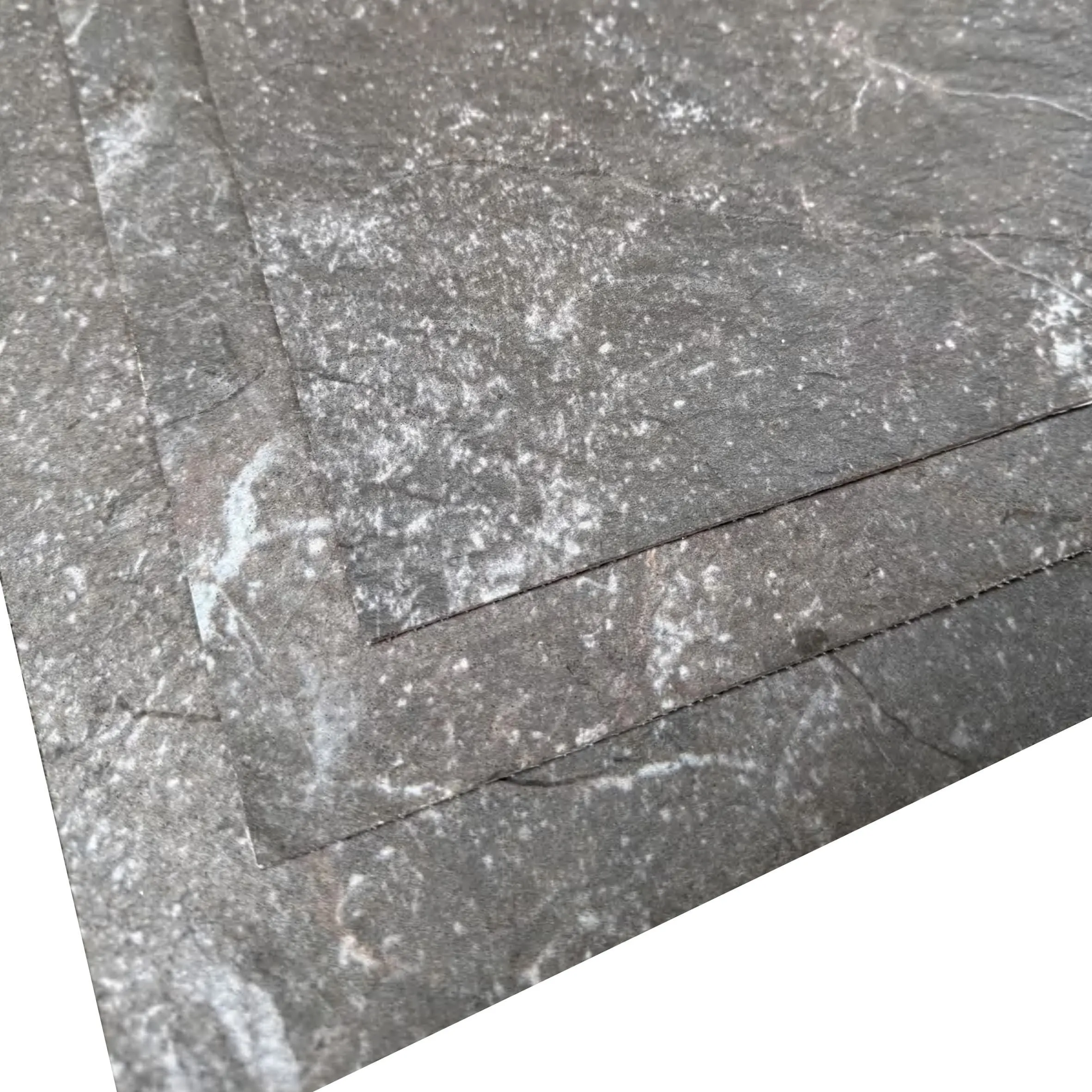
Even with the best intentions, stains happen. The key is to identify the culprit and act fast. Here's how to handle the most common offenders:
These are the most common—and usually the easiest to treat if caught early. Mix a paste of baking soda and water (about 3:1 ratio) and apply it to the stain, covering it with plastic wrap and taping down the edges to keep it moist. Let it sit overnight (the baking soda will draw out the color), then gently scrape off the paste with a plastic spatula (never metal!) and wipe clean with warm water. For older stains, add a drop of hydrogen peroxide to the paste (test on an inconspicuous area first to ensure it doesn't lighten the stone).
Oil loves to seep into stone, so prompt action is critical. Blot up excess oil with a paper towel, then sprinkle the area with cornstarch or talcum powder—these absorbent powders will pull the oil out of the stone. Let it sit for 24 hours, then vacuum. If a faint stain remains, repeat with a paste of baking soda and water, as above. For tough kitchen grease, you can also try a commercial stone-safe degreaser (look for ones labeled "for natural stone")—just follow the instructions carefully.
Etching isn't a stain—it's a chemical reaction that eats away at the stone's surface, leaving a dull, lighter spot. If you accidentally spill vinegar, lemon juice, or tomato sauce, rinse immediately with water and dry. For minor etching, a marble polishing powder (yes, it works on Slate Portoro too!) can help. Mix the powder with water to form a paste, apply with a soft cloth, and buff in small circles. For deep etching, though, it's best to call a professional stone restorer—they have the tools to re-hone or re-polish the area without damaging the stone.
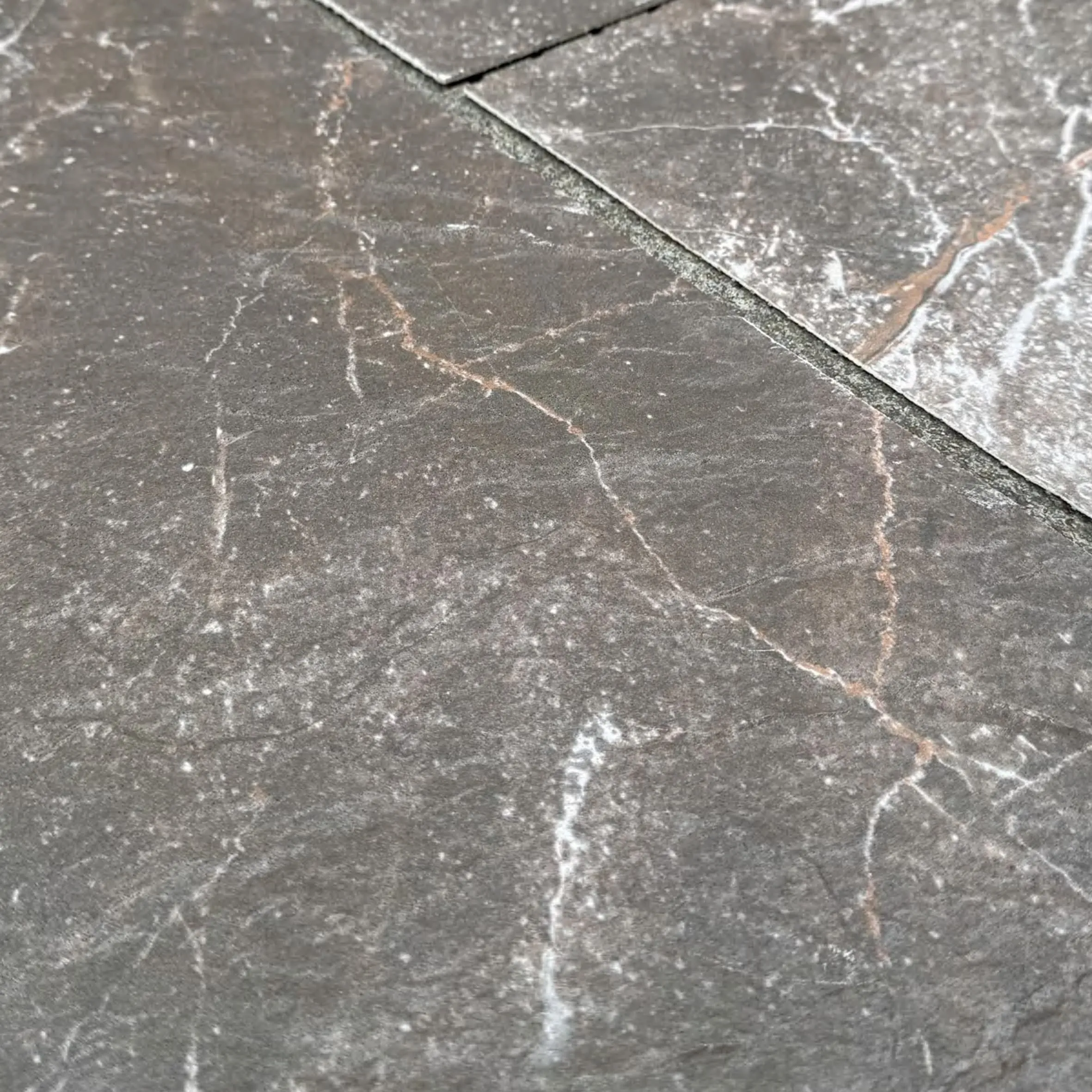
If daily cleaning is the "brushing" of stone care, sealing is the "flossing"—easy to skip, but essential for long-term health. Sealing creates a barrier that repels liquids, giving you extra time to wipe up spills before they stain. But how often should you do it, and what kind of sealer is best?
The "water test" is your best friend. Dribble a few drops of water onto the stone—if it beads up and sits on the surface for 10–15 minutes, your sealer is still working. If it soaks in and darkens the stone within 5 minutes, it's time to reseal. For high-traffic areas like kitchen countertops or entryway floors, plan to seal every 1–2 years. For low-traffic walls or backsplashes, every 3–5 years should suffice.
Stick with penetrating sealers (also called "impregnators")—they soak into the stone and form a barrier from within, without leaving a glossy film. Avoid topical sealers, which can peel or yellow over time, especially on polished surfaces. Look for products labeled "safe for natural stone" and "non-acidic." Brands like StoneTech or Miracle Sealants are reliable, but your local stone supplier can also recommend options tailored to Slate Portoro.
1.
Clean the surface thoroughly:
Use a stone-safe cleaner to remove dirt, grease, and residues. Let it dry completely (24 hours is ideal—no shortcuts here!).
2.
Apply the sealer:
Pour a small amount onto a clean, lint-free cloth or sponge and rub it into the stone in small, circular motions, working in 2x2 foot sections. Don't let it puddle—wipe up excess with a dry cloth.
3.
Wait, then apply a second coat:
Check the sealer's instructions for drying time (usually 15–30 minutes). Apply a second coat to ensure full coverage.
4.
Let it cure:
Keep the surface dry for 24–48 hours after sealing. Avoid placing objects or walking on floors during this time—patience pays off with a longer-lasting seal!

Maintenance isn't just about cleaning—it's about protecting your stone from harm in the first place. These simple habits can save you from costly repairs down the line:
Dragging chairs, tables, or appliances across Slate Portoro floors is a surefire way to scratch the surface. Attach felt pads to the legs of furniture—they're cheap, easy to find at hardware stores, and come in neutral colors that blend in. For heavier items like refrigerators or sofas, use furniture sliders when moving them. Your stone (and your back!) will thank you.
Slate Portoro can handle moderate heat, but extreme temperature changes are a no-no. Don't place hot pots directly from the stove onto a Slate Portoro countertop—always use a trivet. Similarly, avoid setting ice-cold drinks on a warm surface without a coaster, as the rapid cooling can cause cracks. Think of it like your skin: sudden hot or cold shocks aren't pleasant, and neither are they for stone.
If your Slate Portoro is in a sunlit area (like a patio or a wall near a large window), UV rays can fade the golden veins over time. Use curtains, blinds, or UV-protective window film to filter sunlight during peak hours. For outdoor spaces, consider a retractable awning or strategically placed plants to provide shade. It's like putting sunscreen on your stone—prevention is easier than reversing damage.
Just as you swap out your wardrobe for summer and winter, your Slate Portoro's care routine should adapt to the seasons. Here's how:
If you have Slate Portoro floors in entryways, winter can be tough. Salt, snow, and slush tracked in can leave white residue and even scratch the surface. Place a thick, washable mat outside and inside the door to trap moisture and grit. Sweep or vacuum floors daily, and wipe up salt spills immediately with warm water (avoid salt-neutralizing cleaners—they can be acidic). After winter, give the floor a deep clean with a stone-safe cleaner and check if it needs resealing.
High humidity can encourage mold or mildew in grout lines (if your Slate Portoro is tiled). Wipe down shower walls or outdoor patio surfaces regularly with a mildew-resistant cleaner (again, pH-neutral!). For polished surfaces, the summer sun can amplify water spots, so dry off spills extra thoroughly. If you're going on vacation, close curtains to protect from prolonged sunlight and ask a friend to check in and wipe down surfaces if needed.
If you're considering Slate Portoro alongside other materials, it helps to see how their maintenance needs compare. Here's a quick breakdown:
| Material | Cleaning Frequency | Sealing Needs | Stain Resistance | Best For |
|---|---|---|---|---|
| Slate Portoro | Daily dusting, weekly deep clean | Every 1–2 years (high traffic) | Moderate (better than travertine, less than polished concrete) | Countertops, accent walls, floors (low to medium traffic) |
| Travertine | Daily dusting, bi-weekly deep clean | Every 6–12 months (very porous) | Low (prone to staining without sealant) | Bathrooms, patios (with frequent sealing) |
| Fair-Faced Concrete | Weekly cleaning (less porous) | Every 2–3 years | High (resistant to most stains) | Industrial-style interiors, outdoor kitchens |
| Polish Concrete | Weekly sweeping, monthly mopping | Sealed during installation, reapply every 3–5 years | Very high (non-porous when polished) | Commercial spaces, modern homes |
As you can see, Slate Portoro falls somewhere in the middle—more maintenance than concrete but less than travertine. Its beauty, though, is in its uniqueness: no two slabs are alike, and with care, it develops a rich patina that tells the story of your life in the space.
DIY maintenance will handle 90% of issues, but some problems are best left to professionals. Call a stone restoration expert if you notice:
A good restorer can re-hone, re-polish, or even repair small chips to make your Slate Portoro look like new. It's an investment, but far cheaper than replacing the stone entirely.
Maintaining Slate Portoro isn't about perfection—it's about presence. It's noticing the way the light hits its veins in the morning, wiping up a spill before it sets, and taking a moment to seal it every year or two. These small acts of care turn a beautiful stone into a beloved part of your home's story. Whether you're hosting a dinner party, making coffee on a quiet morning, or watching your kids grow up around it, Slate Portoro doesn't just decorate your space—it becomes a backdrop to life's moments. Treat it gently, and it will reward you with decades of beauty, character, and that unmistakeable warmth only natural stone can bring.
So go ahead—run your hand over that surface, admire those golden veins, and know that with a little care, this stone will be turning heads and sparking conversations for years to come.
Recommend Products












