
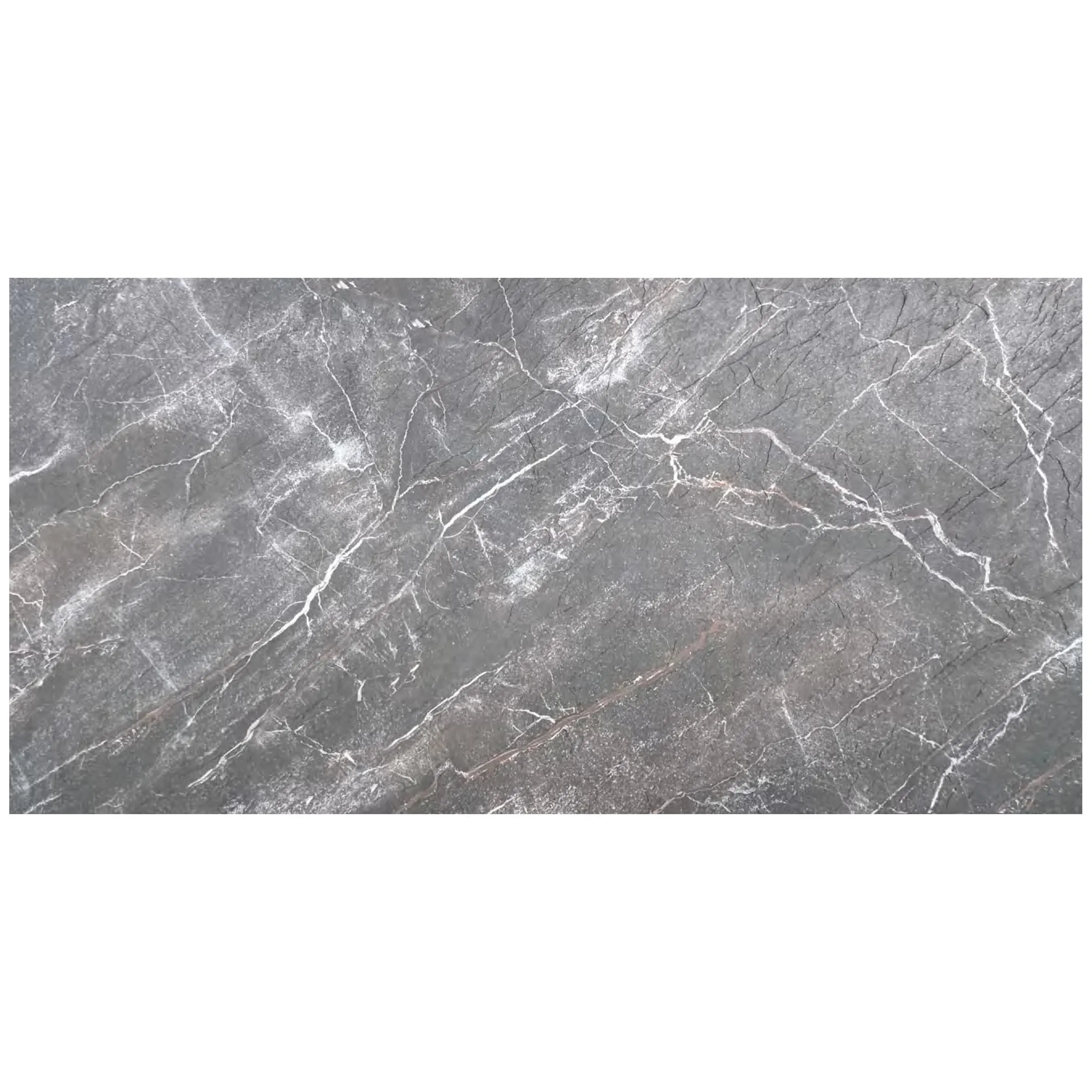
You're standing in your living room, coffee in hand, when your eye catches something off. The Slate Portoro accent wall—once the pride of your home, with its deep black backdrop and striking gold veins—now has a problem. A thin, jagged crack runs from the top corner, spiderwebbing slightly as it reaches the middle. You lean in, tracing it with your finger, and realize there's another, smaller one near the baseboard. Panic creeps in: Is this fixable? Or is it time to replace the whole thing? If you repair, will it look as good as new? If you replace, what even are the alternatives? Enter the age-old dilemma: repair the classic stone or switch to modern MCM panels ?
First, let's talk about why Slate Portoro is so beloved. This natural stone, quarried from select regions, is prized for its dramatic contrast—think midnight black stone swirled with bold, metallic gold veins. It's been a staple in high-end homes and commercial spaces for decades, adding a touch of luxury that feels both timeless and opulent. But like all natural stone, it's not invincible. Cracks, chips, and discoloration can happen over time, whether from moisture seepage, structural shifts, or even accidental impacts. When damage strikes, the first thought is often, "Can we fix this?"
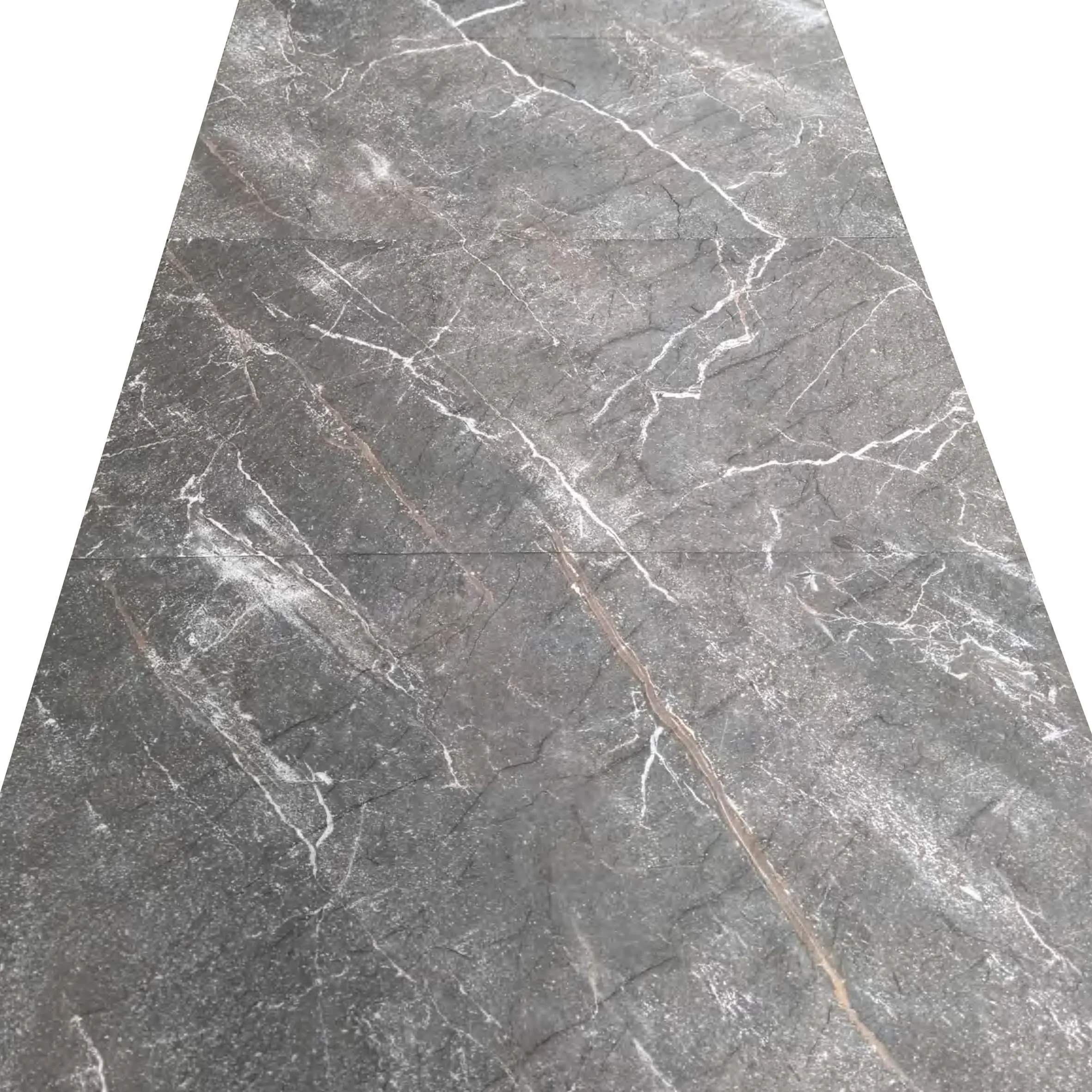
Repairing Slate Portoro isn't impossible, but it's far from straightforward. The decision to repair usually hinges on two factors: the severity of the damage and your tolerance for imperfection. Hairline cracks, small chips, or minor staining might be fixable. Larger cracks (wider than 1/8 inch), extensive spalling (flaking), or damage that compromises structural integrity? That's when replacement starts to look more appealing.
If you opt for repair, here's what you're in for. First, a professional will assess the damage to rule out underlying issues (like water damage or foundation problems)—skipping this step could mean the crack reappears in months. Then comes cleaning: the damaged area must be, removing dust, debris, and any loose stone particles. Next, a color-matched epoxy or resin filler is carefully applied to the crack. This isn't just any filler, though; it needs to mimic the stone's depth and veining to blend in. After curing, the area is sanded smooth, and a sealant is applied to protect against future damage.
Sounds manageable, right? But here's the catch: matching the color and veining of Slate Portoro is notoriously tough. Natural stone is inconsistent by nature—no two slabs are identical. A filler might get close, but under certain lights, the repaired area could stand out like a sore thumb. And durability? While modern fillers are strong, they're not as tough as the original stone. Over time, especially in high-traffic areas or humid climates, the repair might crack again, requiring touch-ups.
Repair costs vary, but you're looking at $200–$800 on average for a small to moderate repair. Materials (filler, sealant, tools) are relatively cheap—$50–$150—but labor is where the money goes. Hiring a skilled stone mason who specializes in Slate Portoro is non-negotiable, and their expertise doesn't come cheap. Expect to pay $50–$100 per hour, with most repairs taking 3–6 hours. If the damage is widespread or requires multiple sessions (like curing time between steps), costs can climb to $1,000 or more.
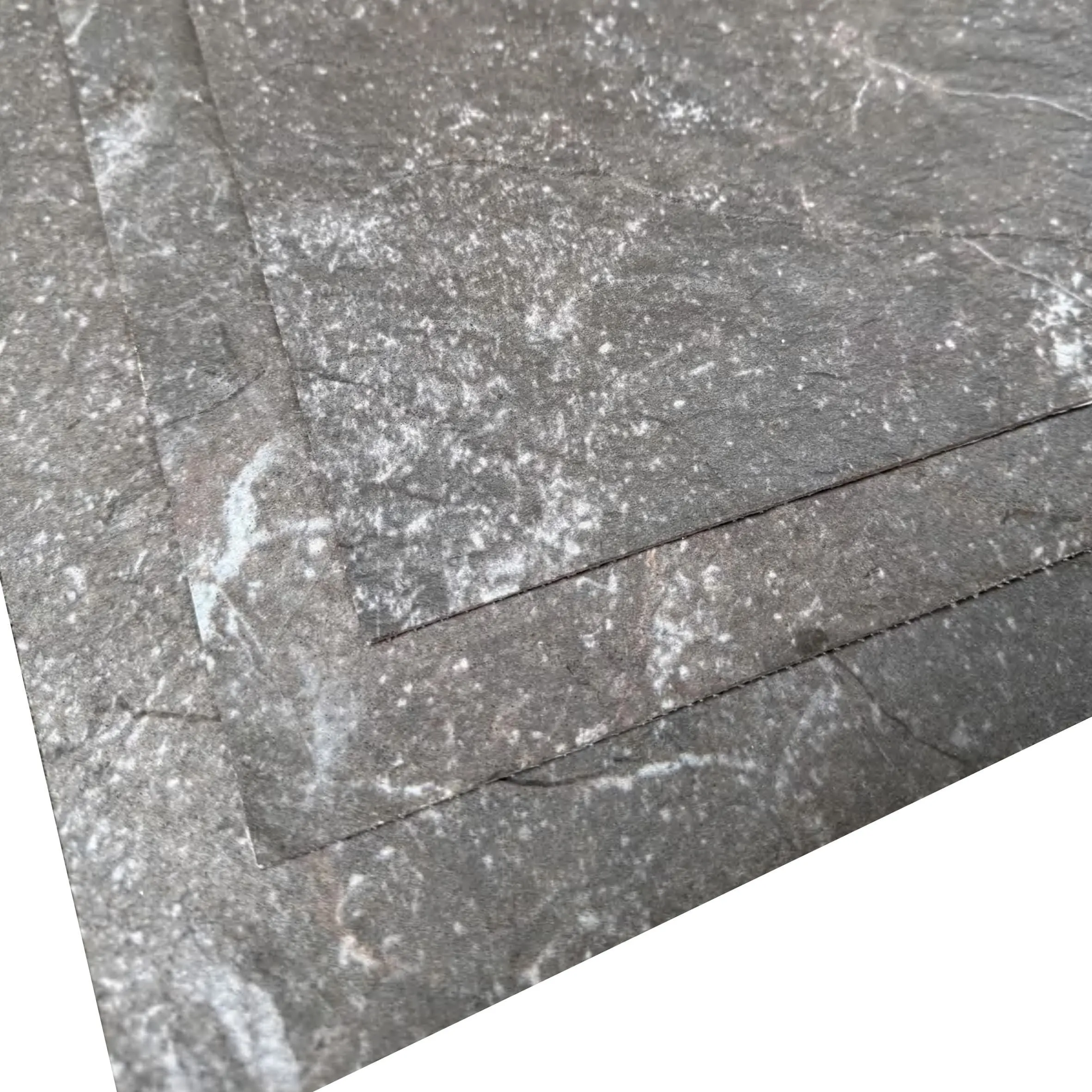
If repair feels like a temporary band-aid, or if you're craving a fresh look, MCM panels might be the answer. Short for Modified Composite Material, MCM panels are engineered to mimic the look of natural stone, wood, metal, and more—without the weight, fragility, or maintenance headaches. They're lightweight, durable, and come in a mind-boggling array of styles, from MCM flexible stone that bends to fit curved surfaces to sleek foamed aluminium alloy board (vintage silver) for an industrial edge. Let's break down why they're gaining popularity.
MCM panels check a lot of boxes. First, they're lightweight —up to 70% lighter than natural stone, which means easier installation and less stress on your walls or structure. Second, they're durable : resistant to moisture, UV rays, and impact, so cracks and chips are rare. Third, they're customizable . Want the look of travertine (starry blue) with its dreamy, galaxy-like flecks? Or maybe the warm, weathered charm of foamed aluminium alloy board (vintage silver) ? MCM panels deliver, with consistent coloring and patterns (no more stressing over "matching" veins!). Plus, they're low-maintenance—just a quick wipe with soap and water to keep them looking new.
Replacing your Slate Portoro with MCM panels is surprisingly straightforward, especially compared to repairing natural stone. Here's how it typically goes: First, measure the area to ensure you order the right panel sizes (most MCM panels come in standard dimensions, but custom cuts are available). Next, remove the damaged Slate Portoro—this can be messy, but since MCM panels are lightweight, you won't need heavy machinery. Then, prep the surface: clean the wall, repair any structural issues, and apply a primer if needed. Finally, install the panels using adhesive or mechanical fasteners (depending on the type). Many MCM panels are designed for DIY installation, but hiring a pro ensures a seamless finish—expect 1–2 days for a standard accent wall, versus the 3–6 hours (plus curing time) of a repair.
MCM panel costs depend on the material and style, but they're often more budget-friendly than you'd think. Basic panels start at $20–$40 per square foot, while premium options like foamed aluminium alloy board (vintage silver) or travertine (starry blue) run $50–$80 per square foot. For a 10x10 ft accent wall, materials would cost $2,000–$8,000. Labor adds another $500–$1,500 (since installation is faster than stone repair). Total? $2,500–$9,500, which might seem steep upfront—but remember: MCM panels last 20–30 years with minimal upkeep, whereas Slate Portoro repairs may need redoing every 5–10 years. Over time, MCM often ends up being the more cost-effective choice.
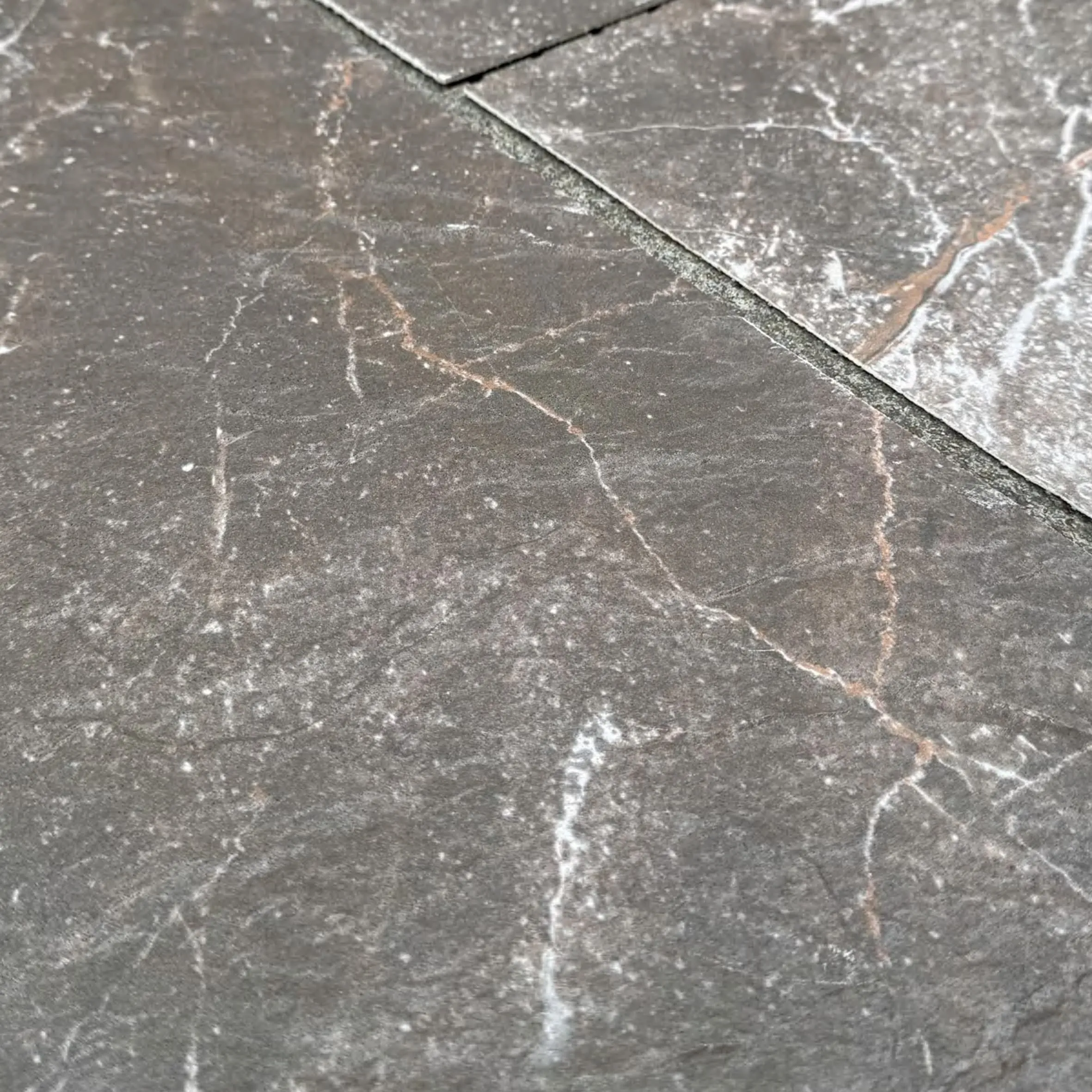
Still on the fence? Let's compare the two options head-to-head:
| Factor | Slate Portoro Repair | MCM Panel Replacement |
|---|---|---|
| Average Cost | $200–$1,000 (small-moderate damage) | $2,500–$9,500 (10x10 ft wall) |
| Installation Time | 3–6 hours (plus 24–48 hours curing time) | 1–2 days (from measurement to finish) |
| Durability | 5–10 years (may need re-repair) | 20–30 years (minimal maintenance) |
| Aesthetic Match | Challenging (color/vein matching) | Consistent (customizable to your style) |
| Maintenance Needs | Regular sealing (every 1–2 years) | Occasional cleaning (soap and water) |
| Environmental Impact | Low (uses existing stone) | Moderate (recyclable materials available) |
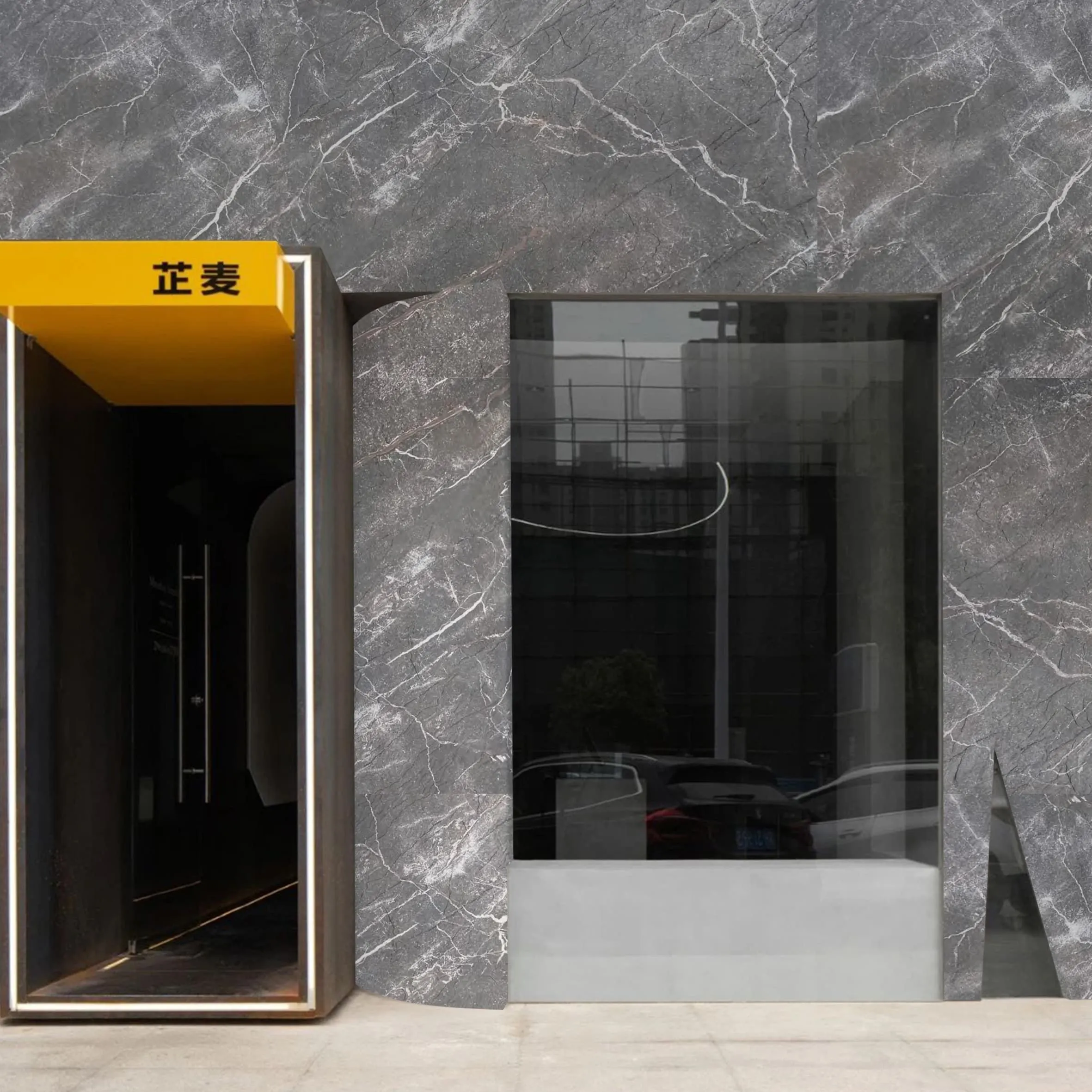
At the end of the day, the choice between Slate Portoro repair and MCM panel replacement comes down to three things: damage severity , budget , and long-term goals .
Choose repair if : The damage is minor (small cracks, chips), you love the original Slate Portoro look, and you're okay with potential touch-ups down the line. It's a good fit for homeowners on a tight budget or those committed to preserving natural stone.
Choose MCM replacement if : The damage is extensive, you want a fresh, modern aesthetic, or you prioritize durability and low maintenance. It's ideal for busy families, commercial spaces, or anyone who wants to future-proof their walls with a material that can handle life's chaos.
Back to that living room wall. If those cracks are small and you adore the classic elegance of Slate Portoro, repair might be the way to go—just be prepared to invest in a skilled mason. But if you're tired of worrying about future damage, or if you've been itching to try a bold new look (hello, travertine (starry blue) !), MCM panels offer a world of possibilities. They're not just a replacement; they're an upgrade—combining the beauty of natural materials with the practicality of modern engineering.
Whichever path you choose, the goal is the same: a wall that makes you smile every time you walk in the room. And with options like repair and MCM replacement, you're never stuck—just one step closer to a space that feels like yours .
Recommend Products












