
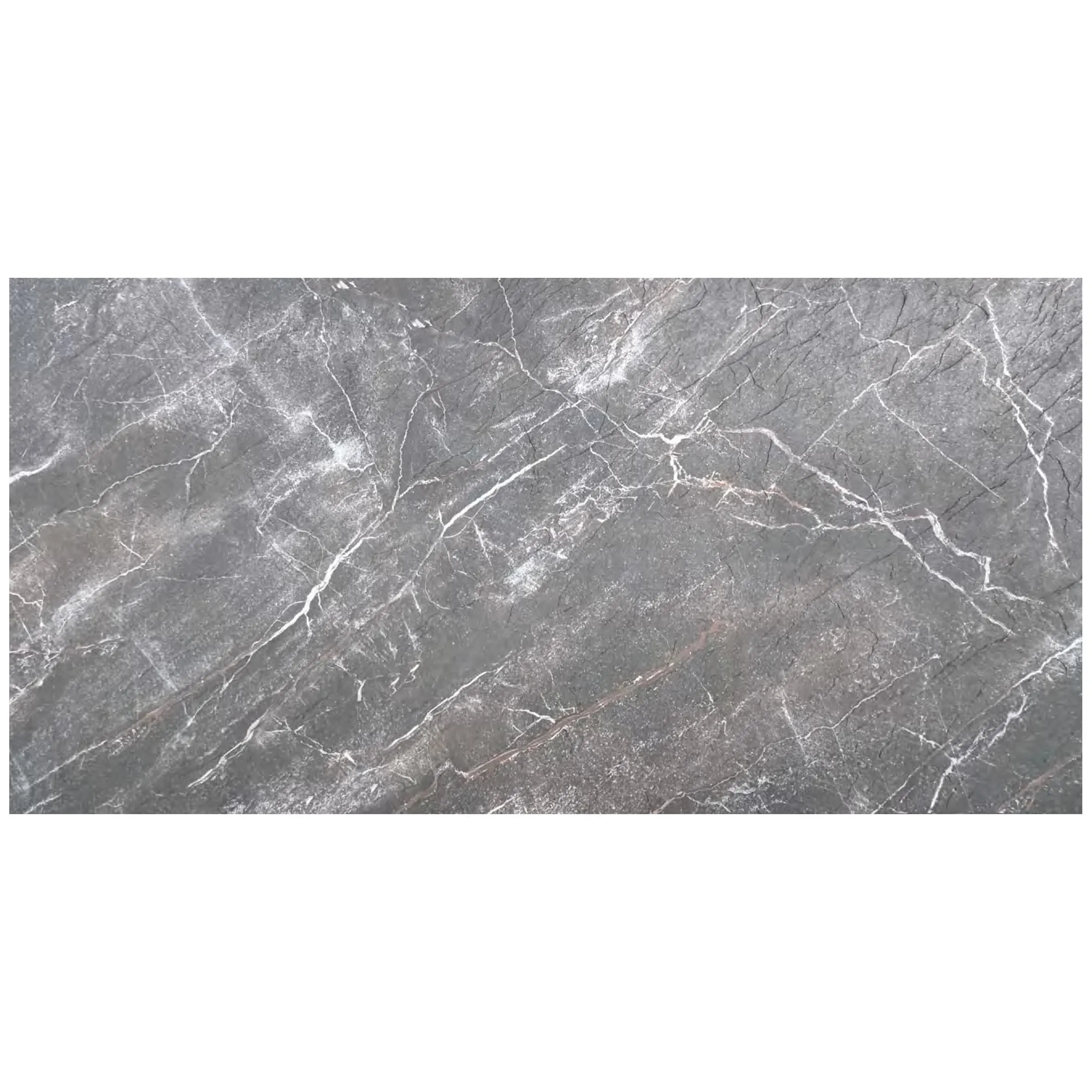
Picture this: You're standing in the middle of a half-finished home renovation, holding a sample of dark, veiny stone in one hand and a sleek, lightweight panel in the other. The architect mentioned something about "fire ratings" and "building codes," but between choosing paint colors and picking flooring, your brain is swimming. If you're like most homeowners, designers, or even seasoned builders, the question of which material to trust with fire safety often feels like a puzzle—one where the wrong piece could have serious consequences. Today, we're diving into two materials that often end up on this metaphorical puzzle table: the timeless Slate Portoro and the innovative MCM Project Board Series . We'll unpack their fire resistance, break down what that means for your project, and help you see beyond the specs to make a choice that feels both safe and right for your space.
Before we get into the nitty-gritty of Slate Portoro and MCM boards, let's take a step back. Fire resistance in building materials isn't just about stopping a blaze in its tracks (though that's a big part of it). It's about giving people time to escape, protecting structural integrity, and minimizing damage. In short, it's the silent safety net that turns a building from a structure into a sanctuary. Think about it: A material with poor fire resistance might ignite quickly, release toxic fumes, or collapse under heat—all scenarios no one wants to face. On the flip side, a material with strong fire resistance acts like a shield, buying precious minutes during an emergency. So, when we talk about Slate Portoro vs. MCM Project Board Series, we're not just comparing rocks and panels—we're comparing peace of mind.
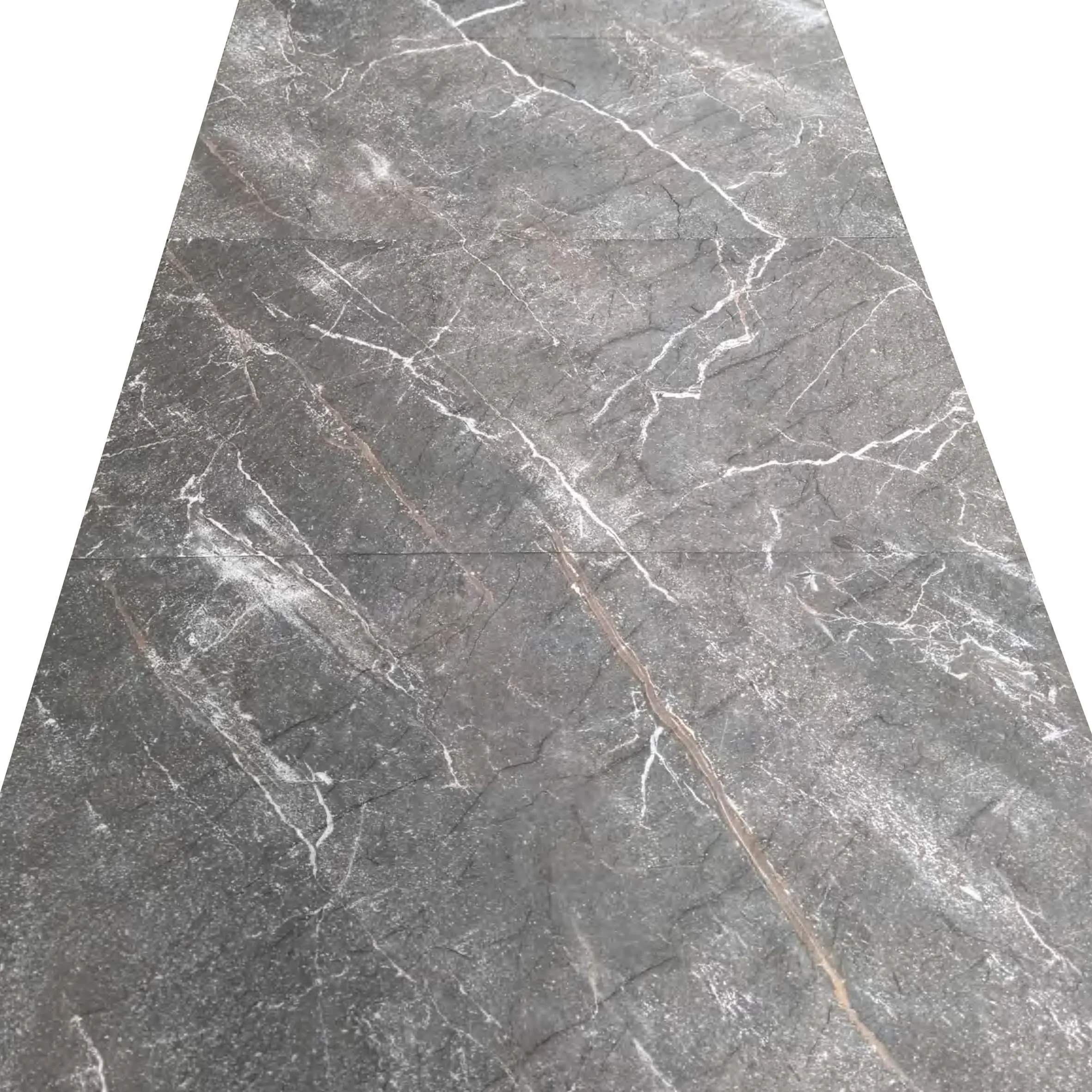
Let's start with the stone in your left hand: Slate Portoro. If you've ever wandered through a historic European castle or a high-end hotel lobby, you've probably seen its cousin—dark, dramatic, with striking veins that look like they were painted by nature itself. Slate Portoro, specifically, is a type of metamorphic rock, formed over millions of years when sedimentary stone is crushed and heated under the Earth's surface. Its signature look? Deep black or dark gray (base color) with bold gold or white veins, making it a favorite for statement walls, countertops, and exterior cladding.
But beauty aside, what makes Slate Portoro tick when it comes to fire resistance? As a natural stone, it's inherently non-combustible. That means it won't catch fire, melt, or release toxic gases when exposed to high heat. In fact, slate has been used in fireplaces and hearths for centuries—think of the old stone fireplaces in farmhouses, still standing strong after decades of crackling fires. Its density plays a big role here: Slate Portoro is dense, with a tight grain structure that resists heat transfer. When flames hit it, the stone absorbs heat slowly, and even if the surface chars (which is rare), the core remains stable. For example, in standard fire tests, slate typically achieves a Class A fire rating, the highest possible, meaning it has a flame spread index (FSI) of 0-25 and minimal smoke development. That's the kind of rating that makes building inspectors nod in approval.
But like any natural material, Slate Portoro has its quirks. It's heavy—really heavy. A single slab can weigh upwards of 150 pounds, which means installation requires specialized labor and structural support. It's also porous, so without proper sealing, it can absorb water, which might weaken it over time (though this doesn't directly affect fire resistance, it's worth noting for overall durability). And let's not forget cost: Natural stone, especially rare varieties like Portoro, isn't cheap. But for those who prioritize authenticity and a timeless aesthetic, the price tag often feels justified.
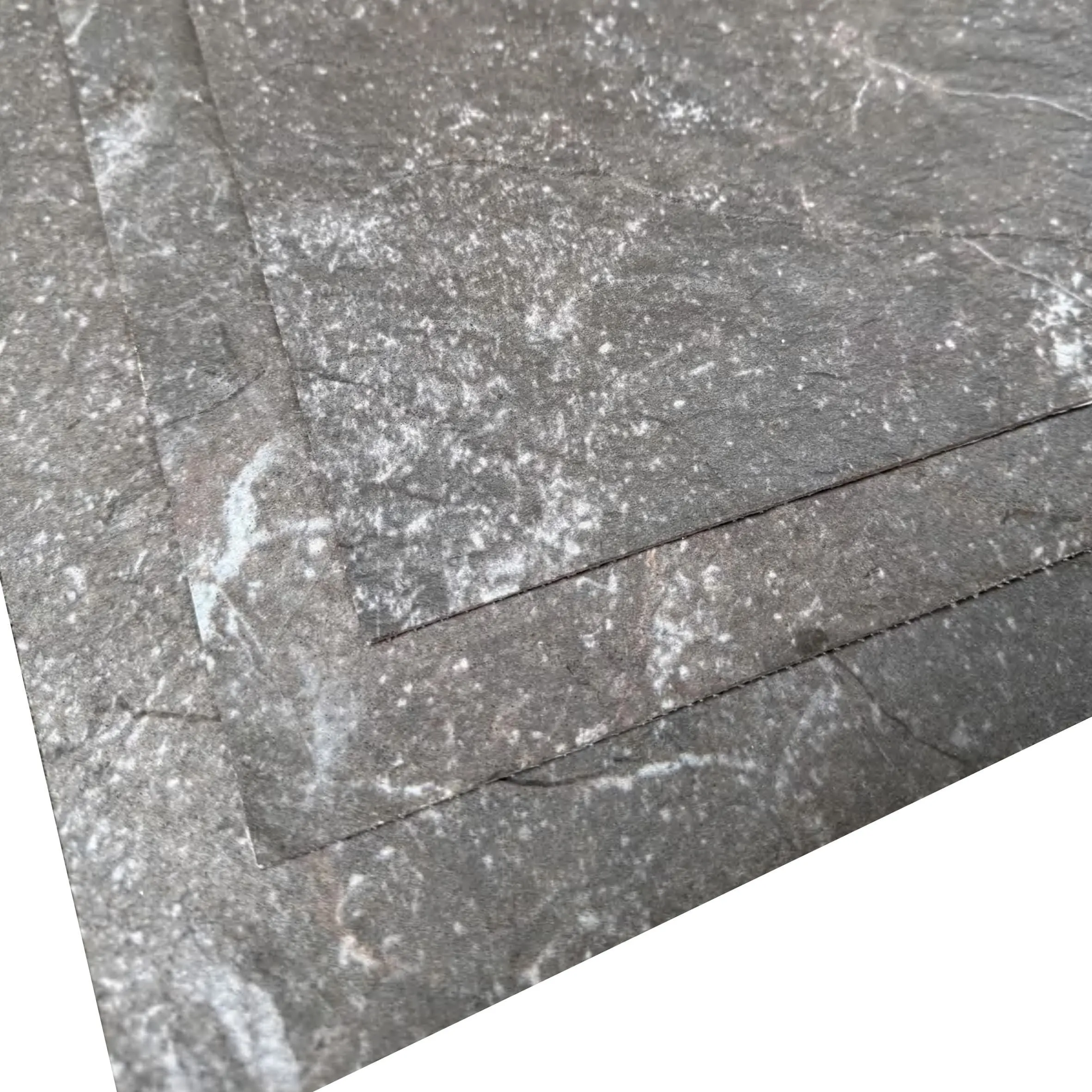
Now, shift your attention to the panel in your right hand: the MCM Project Board Series. If Slate Portoro is the wise elder of building materials, MCM is the tech-savvy newcomer. MCM stands for "Modified Composite Material," a term that sounds fancy but boils down to this: it's a lightweight, engineered panel made by bonding a thin layer of natural stone (like marble or granite) or mineral composite to a flexible backing, often fiberglass or aluminum. The result? A material that's strong, versatile, and—you guessed it—designed with modern building challenges in mind, including fire resistance.
So, how does MCM stack up when the heat is on? Unlike natural stone, MCM isn't purely non-combustible, but its engineered composition gives it some unique advantages. Most MCM Project Board Series products are rated Class A for fire resistance, matching Slate Portoro in that department. Here's why: The core of many MCM panels is made from mineral-filled polymers or cementitious materials, which are inherently fire-retardant. When exposed to flames, these cores char rather than melt, forming a protective barrier that slows heat transfer. The thin stone or mineral top layer adds an extra shield, similar to Slate Portoro. Plus, MCM panels are lightweight—typically 1/5 the weight of natural stone—so they're easier to install on walls, ceilings, and even curved surfaces without straining the building's structure.
One of the biggest perks of MCM? Consistency. Natural stone like Slate Portoro varies from slab to slab—you might get a vein pattern you love in one piece and a blotchy mess in the next. MCM panels, on the other hand, are manufactured in controlled environments, so each panel looks nearly identical. This is a godsend for large projects, like a hotel exterior or a shopping mall facade, where uniformity matters. And because they're flexible, MCM boards can be cut, shaped, and even 3D-printed (hello, MCM 3D Printing Series ) to fit unique designs—something you can't do with a rigid slab of slate.
But MCM isn't perfect. While its fire rating is excellent, some lower-quality MCM panels (those with more plastic in the core) might not hold up as well in extreme heat compared to high-grade options. It's also not as scratch-resistant as natural stone; a heavy object dropped on an MCM countertop might leave a mark, whereas Slate Portoro would likely laugh it off. And while it's more affordable than Slate Portoro upfront, long-term maintenance could add up—though most MCM manufacturers offer warranties of 10-20 years, which helps offset that risk.
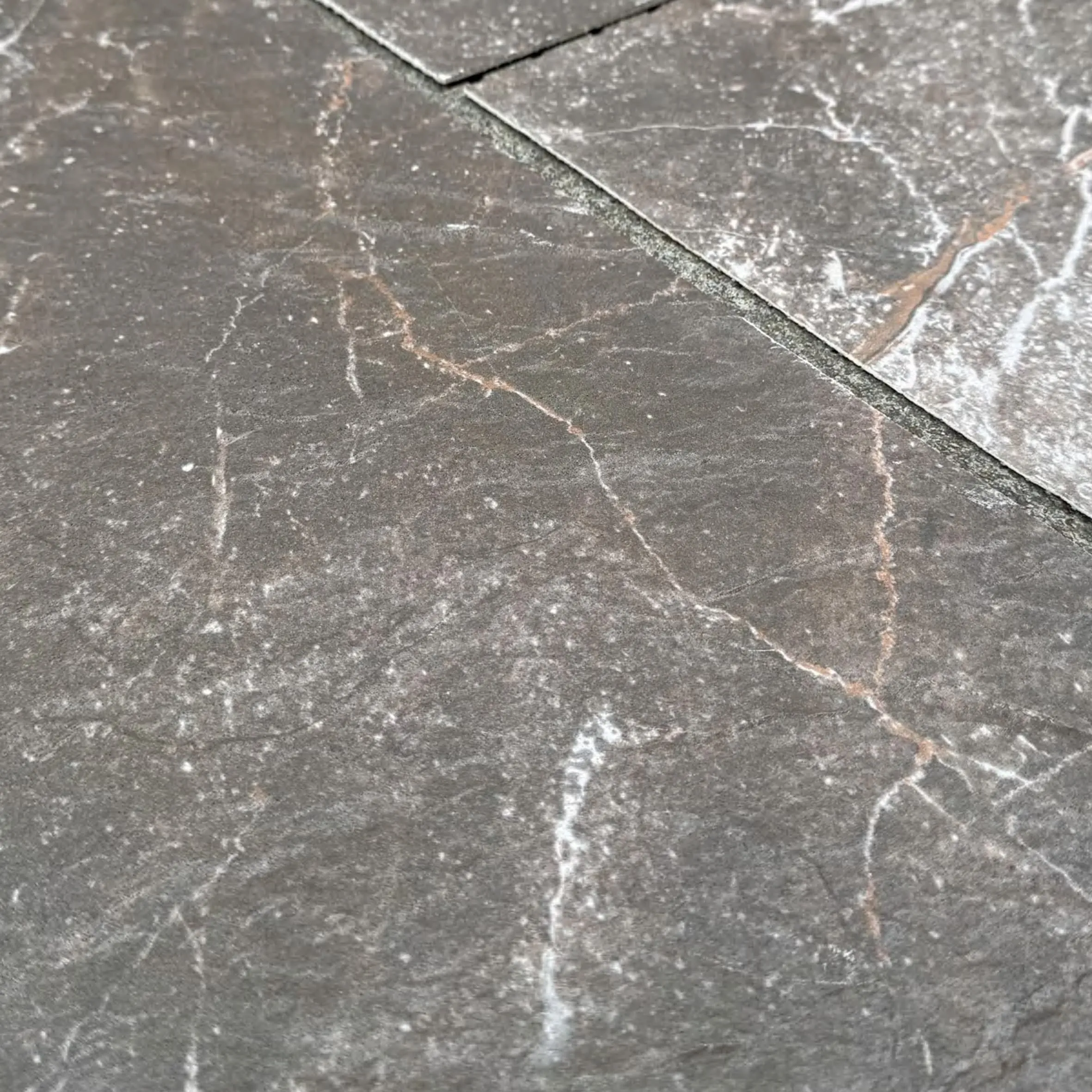
Before we dive into a head-to-head comparison, let's make sure we're all speaking the same language. Fire resistance in building materials is measured using a few key metrics, and understanding them will help you see why Slate Portoro and MCM Project Board Series perform the way they do.
Now, let's put these metrics to work in a side-by-side showdown.
| Feature | Slate Portoro | MCM Project Board Series | Fair-Faced Concrete (For Reference) |
|---|---|---|---|
| Fire Rating | Class A (FSI 0-20, SDI < 450) | Class A (FSI 0-25, SDI < 450) | Class A (FSI 0-25, SDI < 450) |
| Composition | Natural metamorphic rock (clay, mica, quartz) | Mineral core + thin stone/mineral veneer + fiberglass backing | Cement, aggregates, water (no finishing) |
| Non-Combustible? | Yes (no melting, no toxic fumes) | Yes (high-grade mineral core); some low-grade may be fire-retardant | Yes |
| Weight (per sq. ft) | 15-20 lbs | 3-5 lbs | 12-15 lbs |
| Heat Transfer Resistance | High (dense structure slows heat absorption) | High (mineral core insulates; low thermal conductivity) | Medium-High (porous structure may transfer heat faster than stone) |
| Installation Complexity | High (requires structural support, specialized labor) | Low-Medium (lightweight, can be cut on-site; adhesive or mechanical fastening) | Medium (requires formwork, curing time) |
| Cost (per sq. ft, installed) | $50-$100+ | $20-$40 | $15-$30 |
As you can see, both materials ace the fire resistance test, with Slate Portoro edging out slightly in FSI and non-combustibility, while MCM shines in weight and cost. Fair-faced concrete , another Class A material, falls somewhere in the middle—durable but less aesthetically versatile than either option. This table is a snapshot, but real-world performance can vary based on quality, installation, and environmental factors.
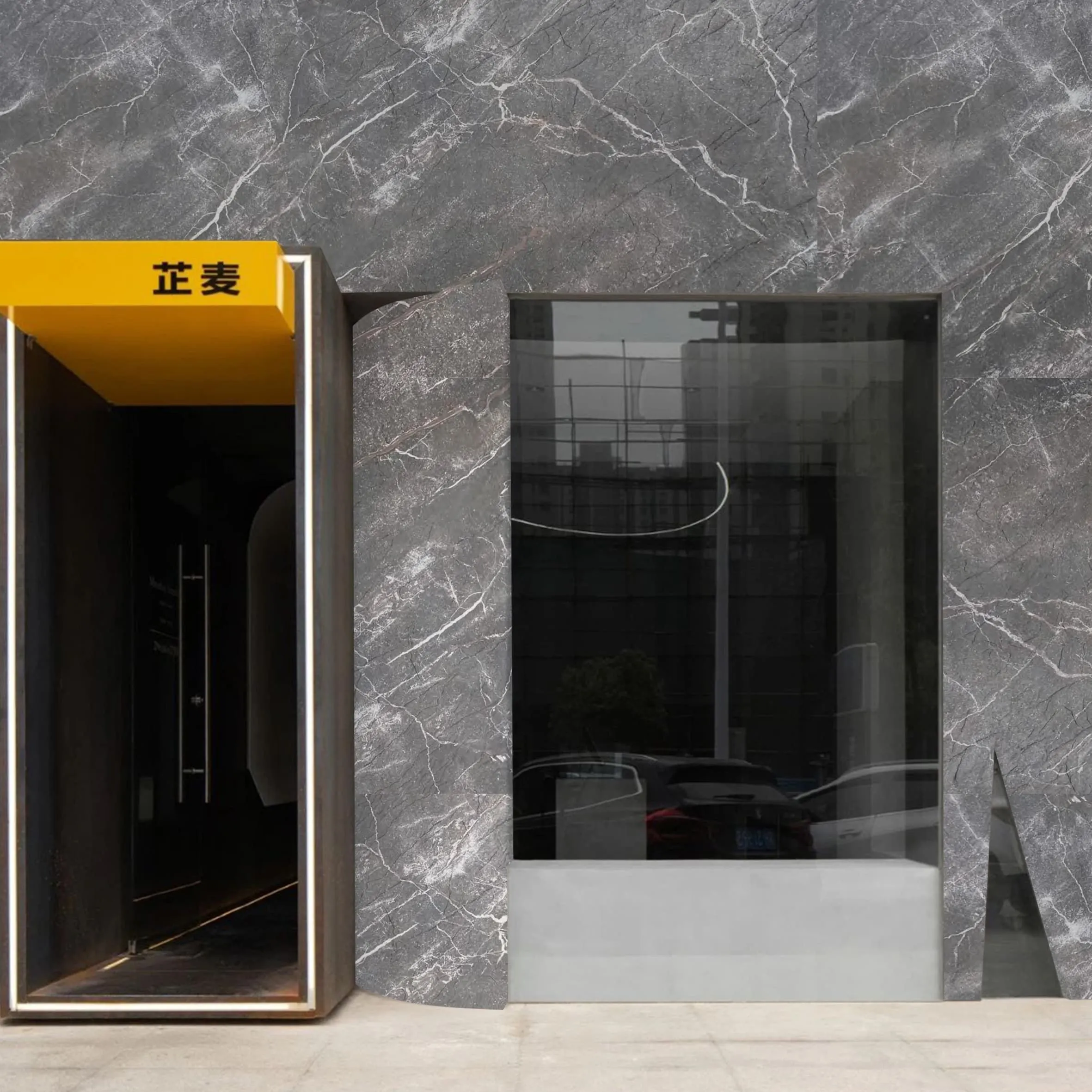
Now that we've covered the basics, let's get practical. When should you reach for Slate Portoro, and when is MCM Project Board Series the better bet? Let's break it down by project type, priorities, and constraints.
If you're restoring a 19th-century townhouse or building a new structure that aims to mimic historical architecture, Slate Portoro is hard to beat. Its natural, organic look—those unique veins and variations—can't be replicated by MCM (though MCM comes close with options like Historical Pathfinders Stone ). Historic preservation boards often require materials that match the original structure's character, and natural stone checks that box. Plus, since many historic buildings have robust structural frameworks, the weight of Slate Portoro isn't as big of an issue. For example, the renovation of a 1800s bank in Boston used Slate Portoro for its exterior cladding, not just for fire safety, but to maintain the building's grand, timeless feel. The result? A structure that looks like it's been there for centuries, with modern fire protection under the hood.
Modern commercial buildings—think glass-walled skyscrapers, trendy cafes, or tech company offices—often prioritize flexibility, speed, and cost-efficiency. That's where MCM Project Board Series shines. Its lightweight nature makes it ideal for high-rise exteriors, where every pound saved reduces structural stress. For example, a 20-story office building in Chicago used MCM panels for its facade, cutting installation time by 40% compared to natural stone and reducing construction costs by nearly $2 million. MCM's ability to be 3D-printed into custom shapes also makes it a favorite for architects wanting to push the envelope—curved walls, geometric patterns, even branded logos embedded into the cladding. And since it's available in a rainbow of colors (from Lunar Peak Black to foamed aluminium alloy board (vintage silver) ), it's easy to match a brand's aesthetic. Imagine a boutique clothing store with a facade of MCM panels in a sleek, metallic finish—fire-resistant, eye-catching, and budget-friendly.
In homes, the choice often comes down to where the material will be used. For fireplaces, hearths, or exterior chimney cladding, Slate Portoro is a classic choice. Its heat resistance and durability make it perfect for areas that might see direct heat exposure. On the flip side, MCM is great for accent walls, kitchen backsplashes, or exterior siding, where weight and installation ease matter more. For example, a family in Colorado built a mountain home with MCM panels on the exterior—lightweight enough to install without reinforcing the roof, and fire-resistant enough to meet the state's strict wildfire building codes. Inside, they used Slate Portoro for the fireplace surround, adding a touch of rustic luxury. It's the best of both worlds.
Fire resistance is critical, but let's be honest—you're not going to choose a material just because it resists flames. Aesthetics, durability, maintenance, and sustainability all play into the mix. Let's take a quick look at how Slate Portoro and MCM Project Board Series stack up here.
Slate Portoro is a natural showstopper. No two slabs are alike—one might have thick gold veins, another thin white ones—giving spaces a one-of-a-kind, organic feel. It's warm, earthy, and timeless, perfect for traditional, rustic, or luxury modern designs. MCM, on the other hand, is all about consistency and versatility. Want a panel that looks like Lunar Peak Black stone? MCM can do that. Prefer the look of weathered wood or industrial metal? MCM can mimic that too, thanks to advanced printing and texturing techniques. It's the chameleon of building materials, which is why it's so popular in commercial design where brand cohesion is key.
Slate Portoro is built to outlive you. With proper sealing and maintenance, it can last 100+ years—think of ancient slate roofs still protecting homes in Europe. It's scratch-resistant, heat-resistant, and impervious to pests (no termites munching on stone). MCM, while durable, has a shorter lifespan—typically 30-50 years, depending on quality and exposure to the elements. It's resistant to fading, moisture, and mold, but extreme weather (like constant heavy rain or saltwater spray) can degrade the adhesive over time. That said, MCM is easier to replace than Slate Portoro; if a panel gets damaged, you can swap it out in a day, whereas replacing a slate slab is a major project.
Sustainability is top of mind for many builders today, and both materials have pros and cons here. Slate Portoro is a natural resource, so mining it can disrupt ecosystems if not done responsibly. However, it's 100% recyclable (old slate can be crushed and used as aggregate) and doesn't off-gas harmful chemicals. MCM, being a composite, uses less raw material than natural stone, which reduces its environmental footprint. Many MCM manufacturers also use recycled materials in the core, and the panels are lightweight, so transportation emits less CO2. The downside? Some MCM panels contain plastics, which aren't biodegradable, though high-quality options use mineral-based cores that are more eco-friendly.
Slate Portoro requires sealing every 3-5 years to prevent staining and water absorption. It's also porous, so spills should be wiped up quickly to avoid etching (though this doesn't affect fire resistance). MCM, on the other hand, is low-maintenance: a quick wash with soap and water is usually enough. It's non-porous, so stains bead up and wipe away easily. For busy homeowners or commercial spaces with high foot traffic, MCM's "set it and forget it" approach is a big plus.
To get a real-world perspective, I chatted with a few industry experts to see how they weigh Slate Portoro and MCM Project Board Series in their work.
"I love Slate Portoro for projects where authenticity is non-negotiable—like historic renovations or high-end custom homes. Its fire resistance is a given, but clients fall in love with the natural beauty. That said, I always caution them about the weight. If the structure can't support it, MCM is a fantastic alternative. The latest MCM panels have such realistic stone textures that even I have to do a double-take sometimes." — Maria Gonzalez, Architect, Gonzalez Design Studio
"From a contractor's standpoint, MCM is a game-changer. Installing Slate Portoro requires a crew of 4-5 people and specialized lifting equipment. With MCM, two people can hang a wall of panels in a day. And fire-wise, I've never had an issue—high-grade MCM meets all the codes, and insurance companies love it because it reduces risk. The only time I push back is if a client wants something ultra-luxury; natural stone still has that 'wow' factor." — James Wilson, General Contractor, Wilson Builders
"In wildfire-prone areas like California, fire resistance isn't optional—it's survival. We specify MCM for most exterior cladding because it's lightweight, so it won't collapse under ember attack, and its Class A rating gives homeowners peace of mind. Slate is great too, but the weight makes it impractical for many homes here. Plus, MCM comes in colors that blend with the landscape, which is a bonus for homeowners who don't want their house to stick out like a sore thumb." — Sarah Chen, Fire Safety Consultant, Wildfire Ready Homes
The building materials industry is always evolving, and both Slate Portoro and MCM Project Board Series are getting upgrades. For slate, sustainable mining practices are on the rise—companies are using drones to map quarries and reduce waste, and some are even repurposing old slate from demolished buildings into new products (hello, "reclaimed Slate Portoro"). For MCM, the MCM 3D Printing Series is taking off, allowing for hyper-custom designs that were once impossible. Imagine a facade printed to look like flowing water or geometric art—all with the same fire resistance as traditional MCM panels. There's also a push for more eco-friendly cores, with manufacturers experimenting with hemp fibers and recycled glass to reduce plastic content.
Other materials are entering the fray too, like foamed aluminium alloy board (vintage silver) , which combines fire resistance with a sleek, metallic look, and advanced concretes infused with fire-retardant additives. But for now, Slate Portoro and MCM Project Board Series remain top contenders, balancing performance, aesthetics, and practicality.
So, back to that half-finished renovation. Which material do you choose? The answer, as with most building decisions, is: it depends. If you prioritize natural beauty, long-term durability, and don't mind the weight and cost, Slate Portoro is a stellar choice—especially for historic projects, fireplaces, or statement walls. If you need lightweight versatility, modern aesthetics, and budget-friendly installation, MCM Project Board Series is hard to beat—perfect for commercial spaces, high-rises, or homes where speed and design flexibility matter.
At the end of the day, both materials offer excellent fire resistance—Class A ratings, minimal smoke development, and the ability to keep people safe when it counts. The real magic is in how they align with your project's unique needs: your budget, your design vision, your structural constraints, and your long-term goals. So, hold that stone and that panel again. Feel their weight, study their texture, and imagine them in your space. Then, armed with the knowledge of their fire resistance and all the other factors we've covered, you'll make a choice that's not just safe—but smart.
And isn't that the point? Building materials aren't just about bricks and boards—they're about building a space that feels like home, works for your life, and keeps you protected. Whether you go with the timeless strength of Slate Portoro or the innovative flexibility of MCM Project Board Series, you're one step closer to that perfect, safe space. Now go out there and build something amazing.
Recommend Products












