
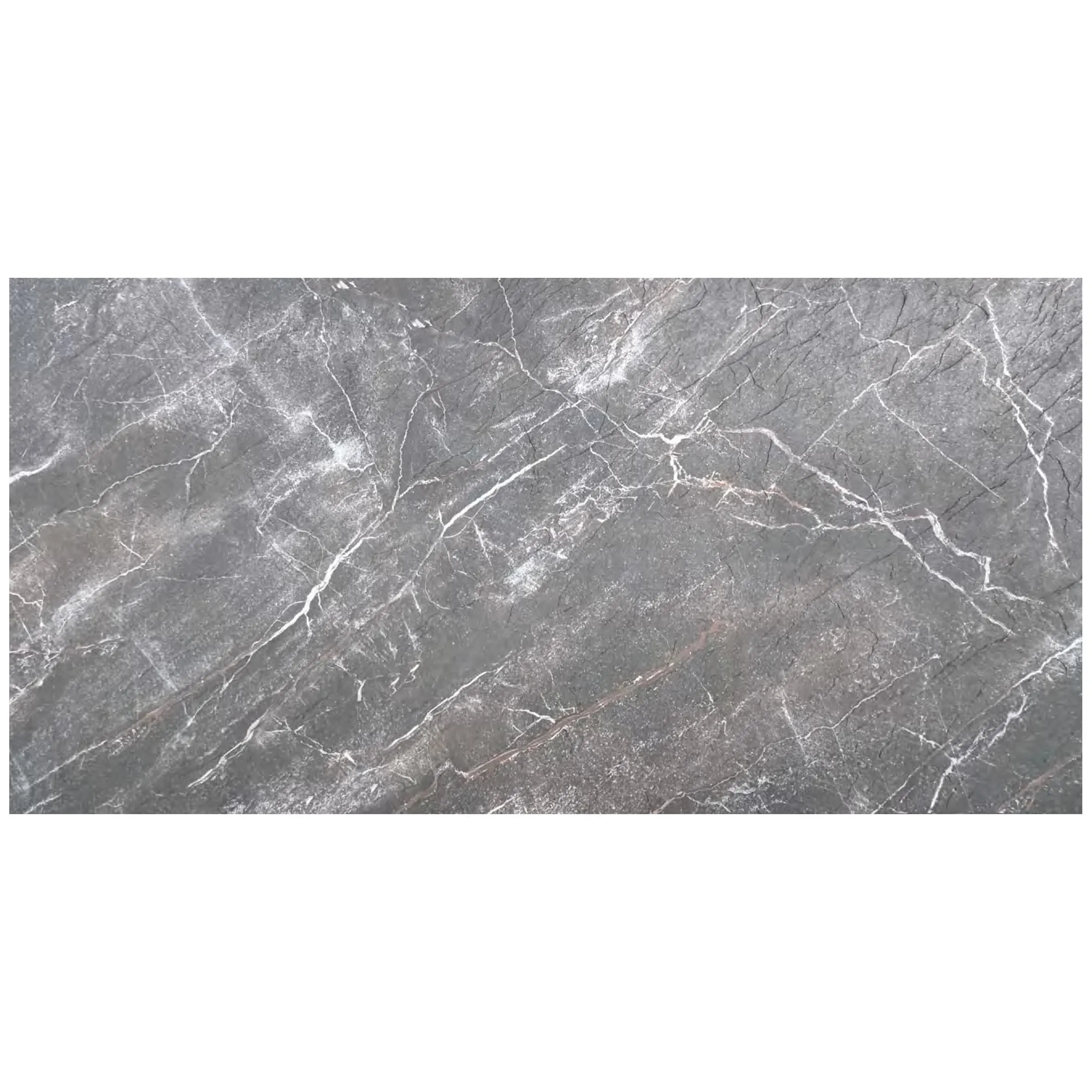
In the quiet corners of historic palaces, the grand facades of ancient temples, and the intricate details of classical monuments, there lies a material that has whispered stories of craftsmanship and legacy for centuries: Slate Portoro. Its deep, velvety black base, streaked with veins of gold that catch the light like hidden constellations, has long been the choice of architects seeking to blend opulence with endurance. To run a hand over Slate Portoro is to touch time itself—the cool, dense surface bearing the marks of artisans who chiseled, polished, and placed it with reverence. But as the world of architecture evolves, so too must our relationship with such timeless materials. Enter MCM (Modified Composite Material), a revolutionary technology that honors Slate Portoro's heritage while reimagining its future. This is the story of how a stone steeped in history is being carried forward into the modern age, lighter, more versatile, and more vibrant than ever.
Long before steel girders and glass skyscrapers dominated skylines, Slate Portoro was a symbol of power and prestige. In the heart of ancient civilizations, from the marble-clad forums of Rome to the ornate palaces of the East, this stone was quarried from deep within the earth, its extraction a labor of both skill and sacrifice. Imagine a team of workers, their hands calloused from years of toil, using primitive tools to carve blocks weighing tons, then transporting them across rugged terrain on wooden sledges—a journey that could take weeks, even months. Once on-site, master craftsmen would spend countless hours refining each slab, ensuring its surface was smooth enough to reflect torchlight, its edges precise enough to fit seamlessly into grand archways and domed ceilings.
One of the most famous examples of Slate Portoro's historical use can be traced to the Hypogeum of Alexandria , a fictional yet evocative underground temple where the stone lined the walls of sacred chambers. There, its dark hue was said to symbolize the night sky, while the golden veins represented the gods' eternal light. Pilgrims would marvel at how the stone seemed to shift color with the flicker of oil lamps, transforming from inky black to a warm, radiant gray as shadows danced across its surface. In such spaces, Slate Portoro wasn't just a building material—it was a medium for storytelling, a way to connect the earthly realm with the divine.
Yet for all its beauty, Slate Portoro came with steep costs. Its density made it difficult to transport and install, often requiring massive structural support. Sourcing it was equally challenging; quarries were few and far between, and over-mining in some regions led to depletion, forcing architects to seek alternatives. Worse, its brittleness meant that over time, exposure to the elements—rain, wind, extreme temperatures—would cause cracks, staining, and erosion. Many historic structures featuring Slate Portoro now stand in need of restoration, their once-majestic surfaces marred by the passage of time. It's a poignant reminder: even the most enduring materials have limits.
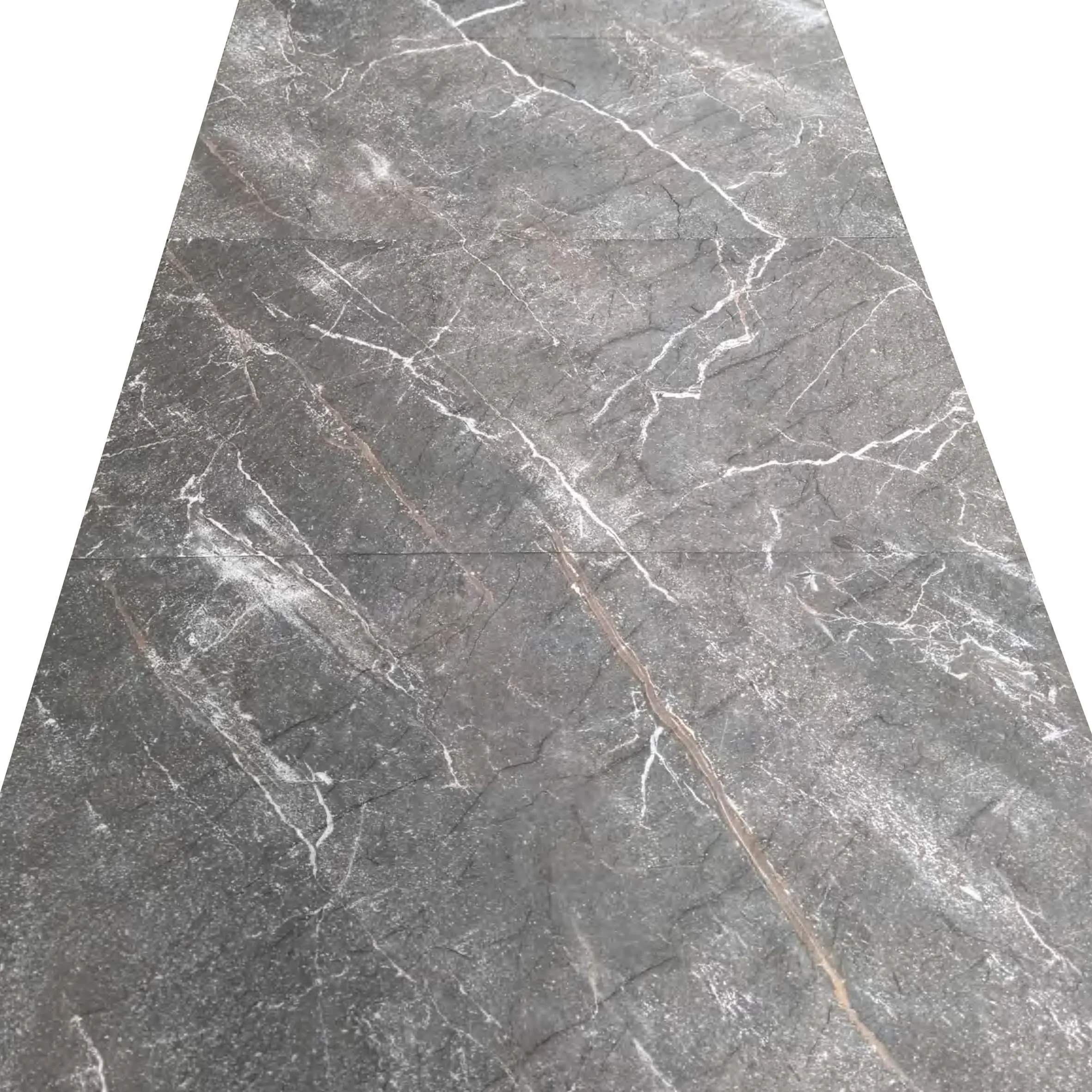
Fast forward to today, and the architectural landscape is unrecognizable. We build taller, faster, and with a greater focus on sustainability than ever before. Yet the desire to incorporate natural materials like Slate Portoro remains as strong as it was centuries ago. Homeowners dream of kitchen backsplashes that echo the grandeur of old-world manors; hoteliers seek lobby walls that exude luxury without feeling cold; urban planners aim to design public spaces that honor local history while fitting into modern city grids. The problem? Traditional Slate Portoro simply isn't always up to the task.
Consider the logistics of using natural Slate Portoro in a 21st-century high-rise. A single slab can weigh upwards of 200 kilograms, adding enormous strain to a building's foundation and structural systems. Transporting these slabs to upper floors requires specialized equipment, driving up construction costs. Then there's the environmental impact: quarrying natural stone depletes finite resources, disrupts ecosystems, and generates significant carbon emissions. For architects committed to green building practices, this is a nonstarter. And let's not forget maintenance—natural Slate Portoro is porous, making it prone to staining from spills, mold, and pollution. In busy commercial spaces, keeping it looking pristine demands constant sealing and cleaning, a drain on both time and budgets.
It's a classic dilemma: how do we preserve the aesthetic and emotional value of heritage materials while embracing the practical needs of modern construction? The answer, it turns out, lies in innovation. Enter MCM, a technology that has quietly revolutionized the way we think about building materials. MCM doesn't just replicate the look of natural stone—it captures its soul, then enhances it with the benefits of modern engineering. Lightweight, flexible, and eco-friendly, MCM is the bridge between past and present, allowing us to bring Slate Portoro's timeless beauty into a world that demands more from its materials.
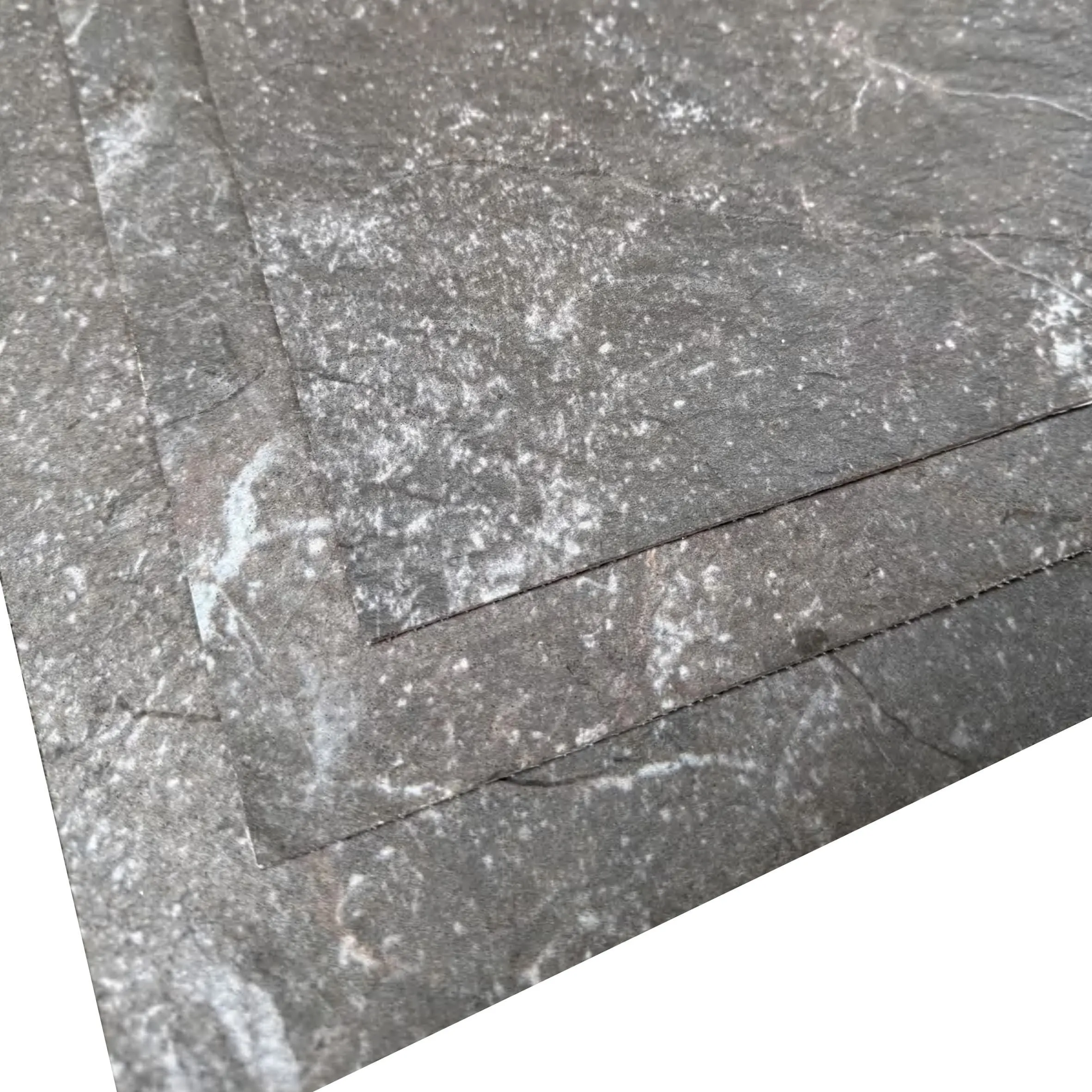
At its core, MCM is a composite material made by bonding natural stone particles (or other aggregates) with a lightweight, high-strength polymer backing. The result? A thin, flexible panel that looks and feels indistinguishable from natural stone but weighs up to 80% less. This game-changing combination of properties opens up a world of possibilities. Suddenly, Slate Portoro-inspired cladding can be installed on high-rise exteriors without compromising structural integrity. It can be curved around columns, wrapped over uneven surfaces, or even used in furniture design—applications that would be impossible with heavy, rigid natural stone.
But MCM's benefits go beyond practicality. It's also a win for sustainability. By using recycled stone particles and reducing the need for quarrying, MCM minimizes environmental impact. Its lightweight nature also cuts down on transportation emissions, as more panels can be shipped in a single load. And because MCM is highly durable—resistant to water, UV rays, and impact—it lasts longer than many natural stones, reducing the need for frequent replacements. For architects and builders, this means creating spaces that are not only beautiful but also responsible—a critical consideration in an era of climate consciousness.
Perhaps most importantly, MCM allows for unprecedented design flexibility. While natural Slate Portoro comes in limited colors and patterns, MCM can be engineered to mimic not just Slate Portoro, but a vast array of other stones, metals, and textures. Want the weathered look of a centuries-old ruin? There's a panel for that. Crave the sleek, modern finish of polished concrete? MCM has you covered. This versatility means that designers aren't limited by what nature provides—they can create custom looks that align with a project's unique vision, all while staying true to the warmth and authenticity of natural materials.
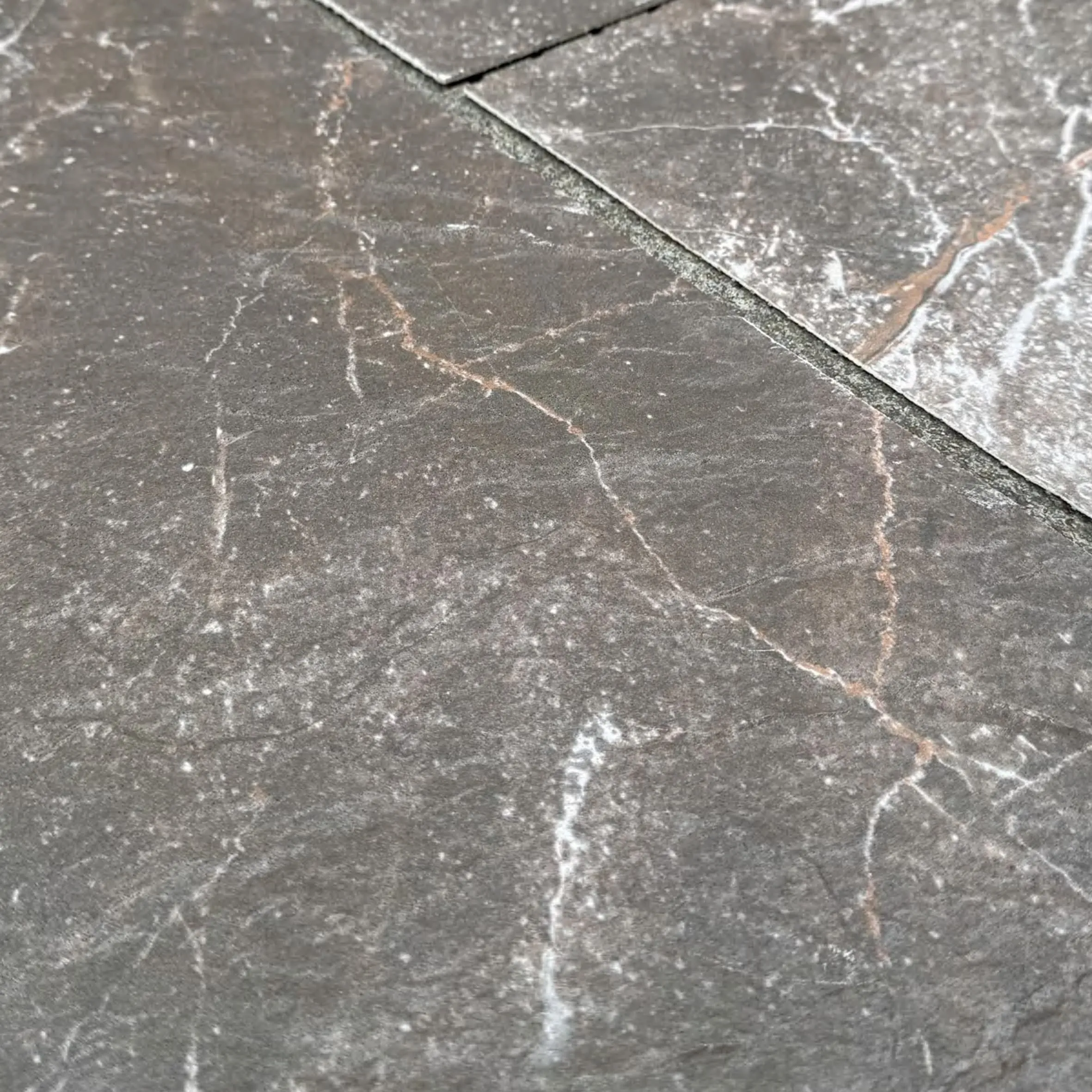
Within the MCM family, several products stand out for their ability to honor Slate Portoro's legacy while pushing the boundaries of modern design. Let's take a closer look at a few that are redefining how we build with "heritage" materials today.
If there's one MCM product that embodies versatility, it's MCM flexible stone . Designed to mimic the texture and color of natural Slate Portoro, this panel is as pliable as a sheet of thick paper, allowing it to conform to curved surfaces with ease. Imagine a boutique hotel lobby where the walls gently curve upward, clad in MCM flexible stone that shimmers like Slate Portoro in the sunlight streaming through floor-to-ceiling windows. Or a residential fireplace, its rounded edges wrapped in the same material, creating a cozy, intimate atmosphere that feels both modern and timeless. Because it's lightweight, installation is a breeze—contractors can cut it on-site with standard tools, reducing labor time and costs. And with a range of finishes, from matte to high-gloss, it's easy to tailor the look to any space.
For projects that aim to tell a story of local history, historical pathfinders stone is a revelation. This MCM variant is engineered to replicate the weathered, timeworn look of Slate Portoro as it appears in ancient ruins—think pitted surfaces, uneven edges, and subtle color variations that hint at centuries of exposure to the elements. It's perfect for heritage restoration projects, where the goal is to preserve a building's character while updating its structure. For example, a 19th-century town hall undergoing renovation might use historical pathfinders stone on its exterior, matching the original Slate Portoro details so seamlessly that visitors can't tell the difference between old and new. It's also a favorite for public parks and walkways, where its slip-resistant surface and durable composition stand up to heavy foot traffic, all while evoking the charm of cobblestone streets from a bygone era.
Not all MCM innovations are rooted in the distant past. Lunar peak silvery is a striking example of how MCM can blend natural stone aesthetics with futuristic design. Inspired by the moon's cratered surface, this panel features a silvery-gray base with subtle metallic flecks that catch the light, creating an otherworldly, almost iridescent effect. While it doesn't replicate Slate Portoro directly, it shares the same sense of depth and drama, making it a popular choice for contemporary spaces that crave a touch of luxury. Imagine a tech company's headquarters with a feature wall clad in lunar peak silvery, where the stone-like texture contrasts with sleek glass and steel, creating a space that feels both grounded and forward-thinking. Or a high-end restaurant with bar countertops made from the same material, where the silvery sheen complements warm wood accents and soft lighting, inviting guests to linger and admire the craftsmanship.
For those who prefer a more understated aesthetic, fair-faced concrete MCM panels offer a perfect balance of simplicity and texture. Mimicking the raw, industrial look of poured concrete but with the lightweight benefits of MCM, these panels are ideal for modern homes, art galleries, and commercial spaces. What makes them a worthy companion to Slate Portoro-inspired designs? Their neutral, earthy tones provide a calm backdrop that allows other materials to shine. For instance, a kitchen with fair-faced concrete countertops and MCM flexible stone backsplash (in Slate Portoro) creates a harmonious contrast—rough and smooth, dark and light—without overwhelming the senses. It's a testament to MCM's ability to complement, not just replicate, natural materials.
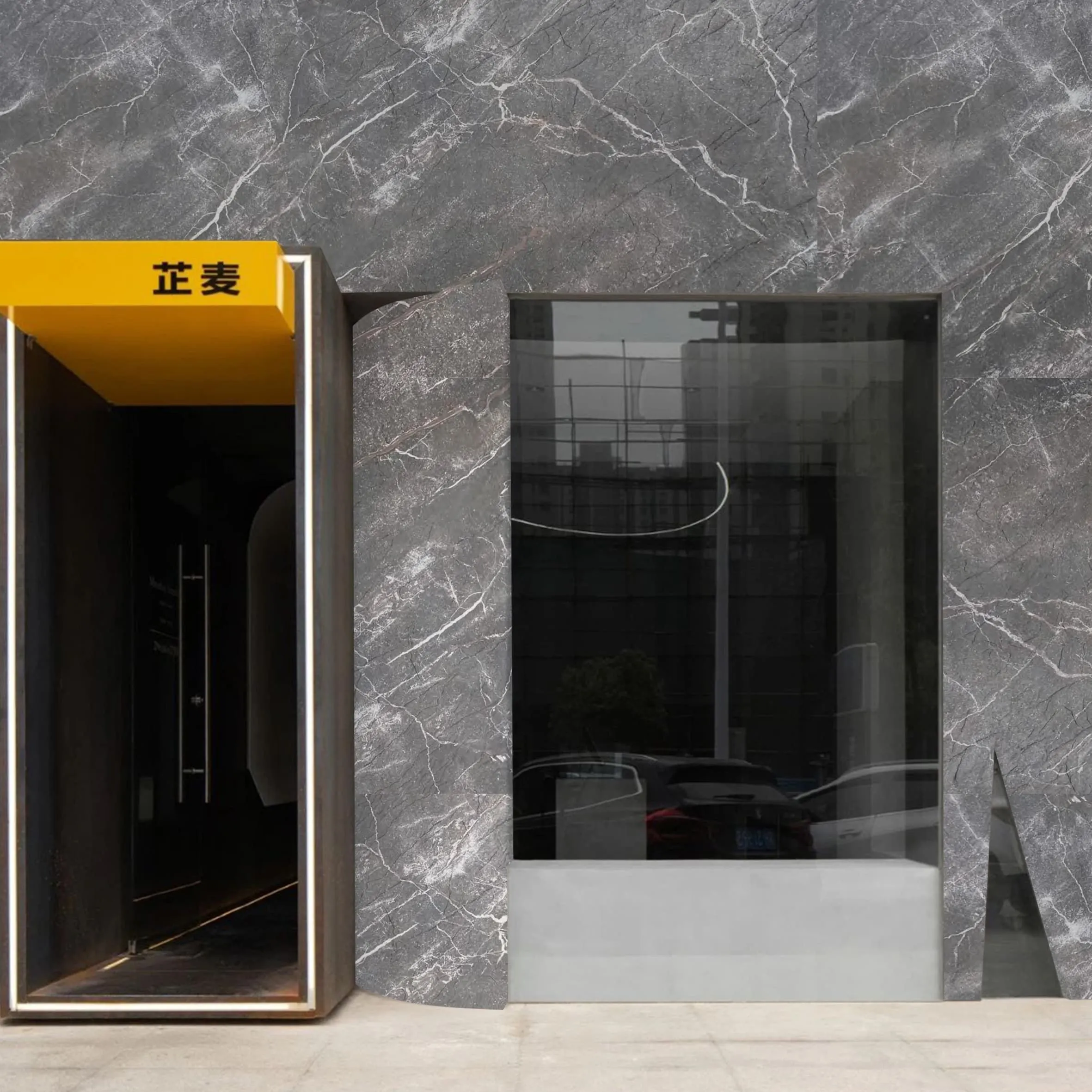
| Feature | Traditional Slate Portoro | MCM Slate Portoro-Inspired Panels |
|---|---|---|
| Weight | Heavy (150–200 kg/slab) | Lightweight (5–8 kg/sqm) |
| Durability | Prone to cracking, staining, and erosion | Water/UV/impact-resistant; long lifespan |
| Installation | Requires heavy machinery and structural support | Easy to cut/install with standard tools; adhesive-backed options |
| Aesthetic Options | Limited by natural variation | Customizable finishes, colors, and textures |
| Environmental Impact | High (quarrying, transportation emissions) | Low (recycled materials, reduced emissions) |
The true magic of MCM lies in its ability to help us build spaces that feel both rooted in history and ready for the future. Take, for example, the Heritage Plaza , a mixed-use development in downtown Chicago that opened in 2023. Designed to honor the city's architectural heritage, the plaza features a central courtyard clad in historical pathfinders stone MCM panels, which replicate the weathered Slate Portoro used in the 19th-century bank building that once stood on the site. The panels are arranged in a pattern that mirrors the original building's facade, creating a visual link between past and present. Meanwhile, the plaza's upper floors use lunar peak silvery MCM for their exterior cladding, its metallic sheen contrasting with the warm tones of the courtyard below. The result is a space that feels familiar yet fresh—a celebration of history that doesn't feel stuck in it.
Another standout project is the Serenity Home , a sustainable residence in Portland, Oregon, that combines MCM flexible stone (in a Slate Portoro finish) with fair-faced concrete panels. The home's exterior features sweeping curves clad in the flexible stone, which mimics the look of natural Slate Portoro but weighs so little that it didn't require additional structural support. Inside, the kitchen uses fair-faced concrete countertops paired with a backsplash of the same Slate Portoro-inspired MCM, creating a cohesive, earthy aesthetic. The homeowners, who prioritize both luxury and sustainability, were thrilled with the result: "It feels like we brought a piece of history into our home, but without the guilt of overusing natural resources," says the owner. "And when we touch the walls, we can't tell the difference between MCM and real stone—it's that authentic."
Slate Portoro has always been more than a stone. It's a symbol of human ingenuity, a testament to our desire to create beauty that outlasts us. For centuries, it has adorned the most important buildings in the world, telling stories of power, faith, and artistry. Today, thanks to MCM, that story is being rewritten—not to erase the past, but to ensure it continues into the future. MCM doesn't replace Slate Portoro; it reimagines it, making its timeless allure accessible to a new generation of architects, builders, and dreamers.
As we look ahead, it's clear that the relationship between heritage materials and modern technology will only grow stronger. MCM is just the beginning—who knows what innovations lie on the horizon? But for now, we can take comfort in knowing that Slate Portoro, in all its black-and-gold glory, is here to stay. It's in the walls of our homes, the lobbies of our hotels, and the plazas of our cities, reminding us that some things—beauty, craftsmanship, the desire to connect with the past—are truly timeless. And with MCM, they're also brilliantly, wonderfully modern.
Recommend Products












