
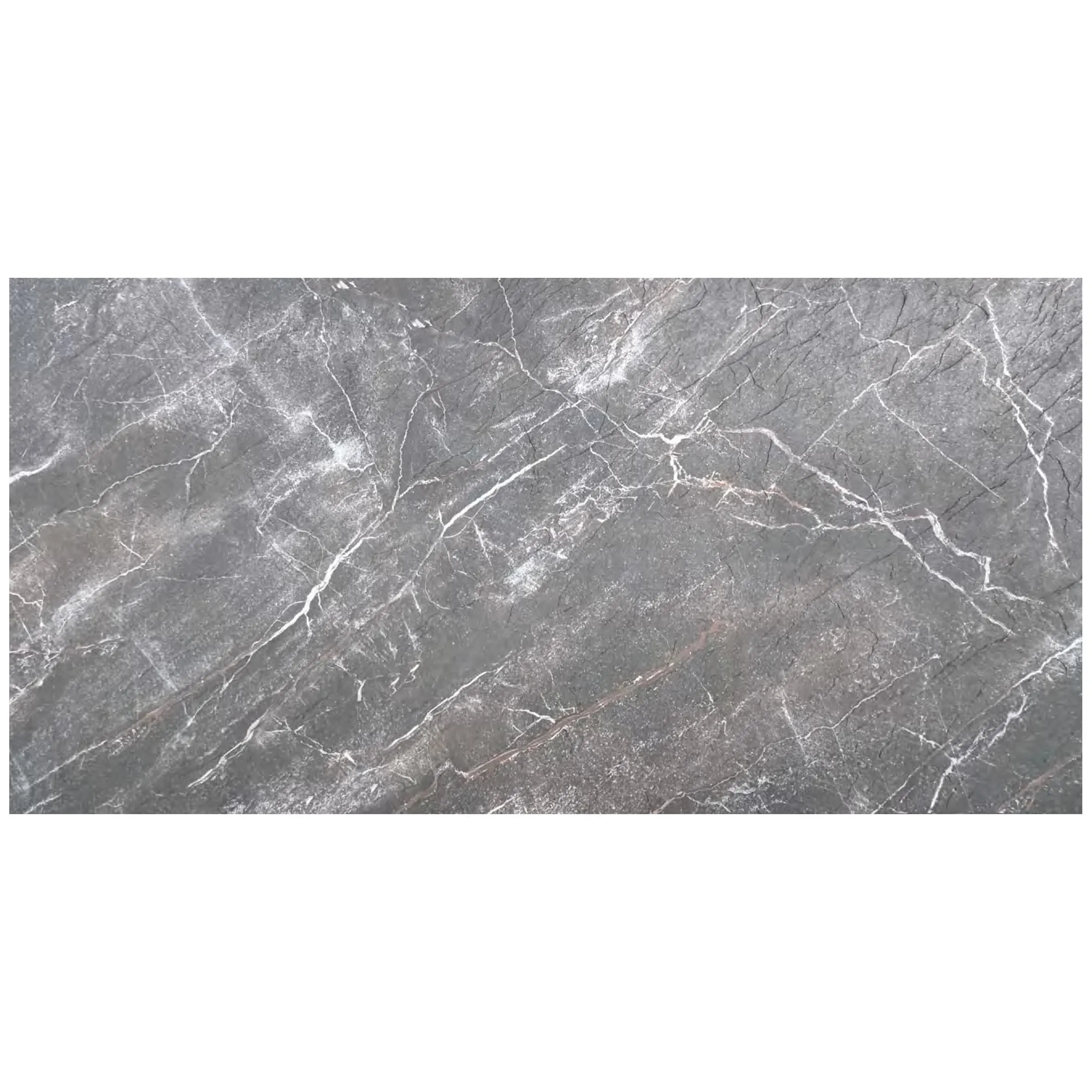
In an era where "sustainability" has shifted from a buzzword to a non-negotiable standard, the world of architecture and design is in the midst of a quiet revolution. We're no longer just chasing beauty—we're chasing beauty with a conscience. From skyscrapers to cozy homes, the materials we choose now carry the weight of environmental impact, carbon footprints, and long-term resilience. Among the many natural stones that have adorned buildings for centuries, Slate Portoro stands out: a striking blend of deep black and gold veins that exudes luxury and timelessness. But as we strive for greener practices, a question emerges: Can this classic stone adapt to the demands of modern sustainability? Enter Modified Composite Material (MCM) technology—a game-changer that might just redefine Slate Portoro's role in eco-conscious design.
First, let's talk about Slate Portoro itself. If you've ever walked into a high-end hotel lobby or a luxury residential project, you've likely encountered its allure. With its dense, jet-black base and intricate gold or copper veining, it's a stone that commands attention—equal parts bold and elegant. Traditionally quarried from select regions in Italy and parts of Asia, Slate Portoro has been a staple in high-design projects for decades, prized for its durability and unique aesthetic. But here's the catch: like many natural stones, its journey from quarry to wall comes with significant environmental trade-offs.
Traditional extraction methods for Slate Portoro involve heavy machinery, blasting, and extensive mining—processes that disrupt local ecosystems, contribute to soil erosion, and generate massive amounts of waste. Then there's transportation: Slate Portoro is dense and heavy, meaning shipping it across the globe adds to its carbon footprint. Once installed, its weight can also strain building structures, requiring reinforced foundations that further increase material use and energy consumption. For designers and builders committed to green certifications like LEED or BREEAM, these factors have made Slate Portoro a tricky choice—lovely to look at, but hard to justify in an eco-focused world.
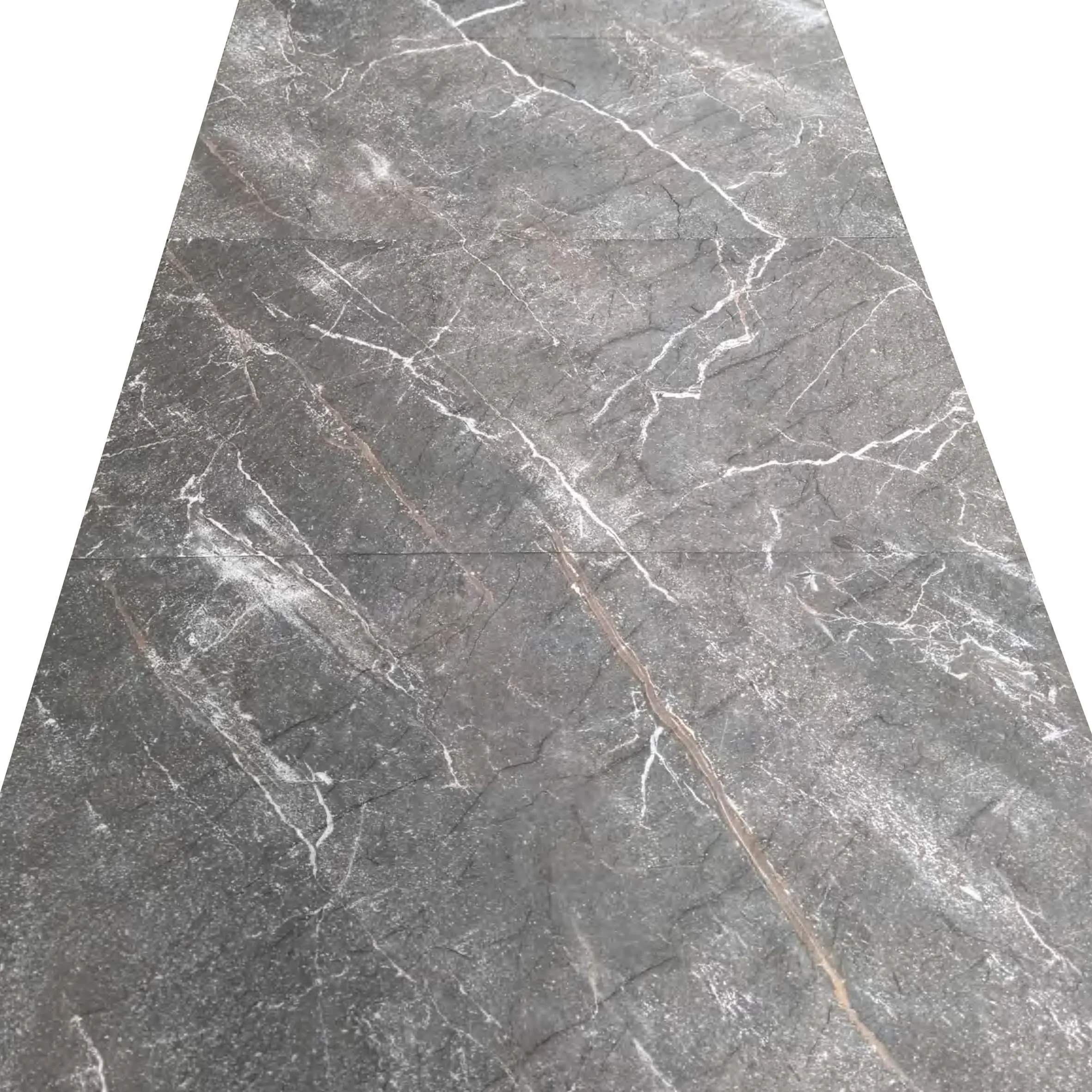
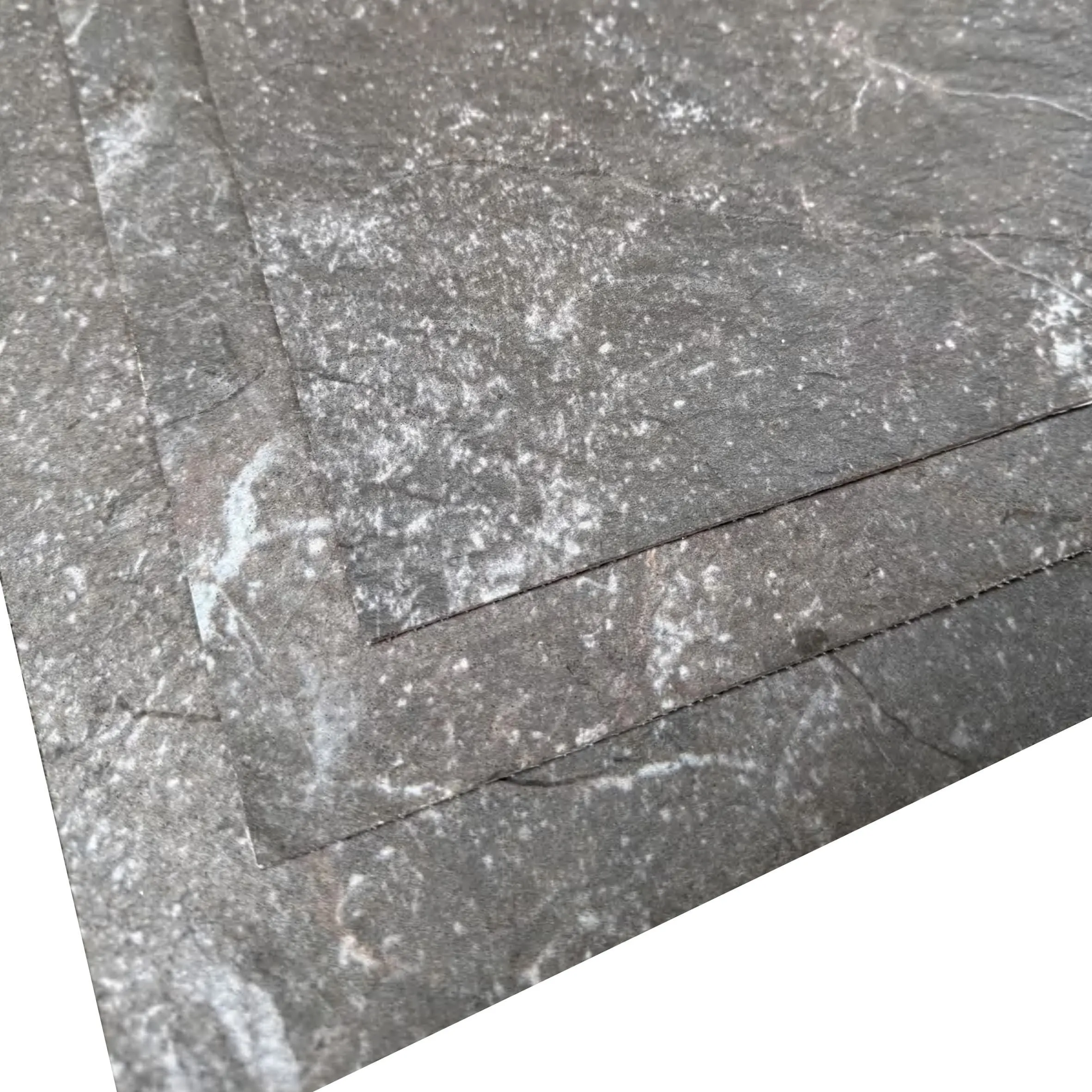
This is where MCM steps in. Short for Modified Composite Material, MCM is a cutting-edge technology that reimagines how we use natural stone. At its core, MCM combines natural stone aggregates (like crushed Slate Portoro) with a lightweight, high-strength backing (often fiberglass or recycled polymers) to create thin, flexible panels. The result? A material that retains the look and feel of natural stone but with a fraction of the weight, waste, and environmental impact. Think of it as stone, but smarter.
Two MCM innovations stand out for enhancing Slate Portoro: mcm flexible stone and mcm big slab board series . Flexible stone panels are thin enough to bend slightly, making them ideal for curved surfaces or complex installations—no more cutting large slabs into small, wasteful pieces. The big slab board series, on the other hand, offers larger-format panels (often up to 1200x600mm) that cover more area with fewer seams, reducing installation time and material waste. Both technologies are designed to maximize the use of natural stone while minimizing its drawbacks.
To truly understand the impact, let's break down how MCM addresses Slate Portoro's sustainability challenges:
Table 1: Traditional Slate Portoro vs. MCM-Enhanced Slate Portoro
| Aspect | Traditional Slate Portoro | MCM-Enhanced Slate Portoro | Eco-Benefit |
|---|---|---|---|
| Weight (per m²) | 50-60kg | 8-12kg | 40-50% lower transportation emissions |
| Stone Usage | 20-30mm thick slab | 1-3mm stone aggregate layer | 90% reduction in raw stone extraction |
| Waste Generation | ~30% quarry waste | Repurposes 80% of quarry waste | Significantly lower landfill contribution |
| Installation Energy | Requires heavy machinery | Manual installation possible | 50%+ reduction in on-site energy use |
| Durability | High (but prone to cracking) | High (flexible core resists cracking) | Longer lifespan, reducing replacement needs |
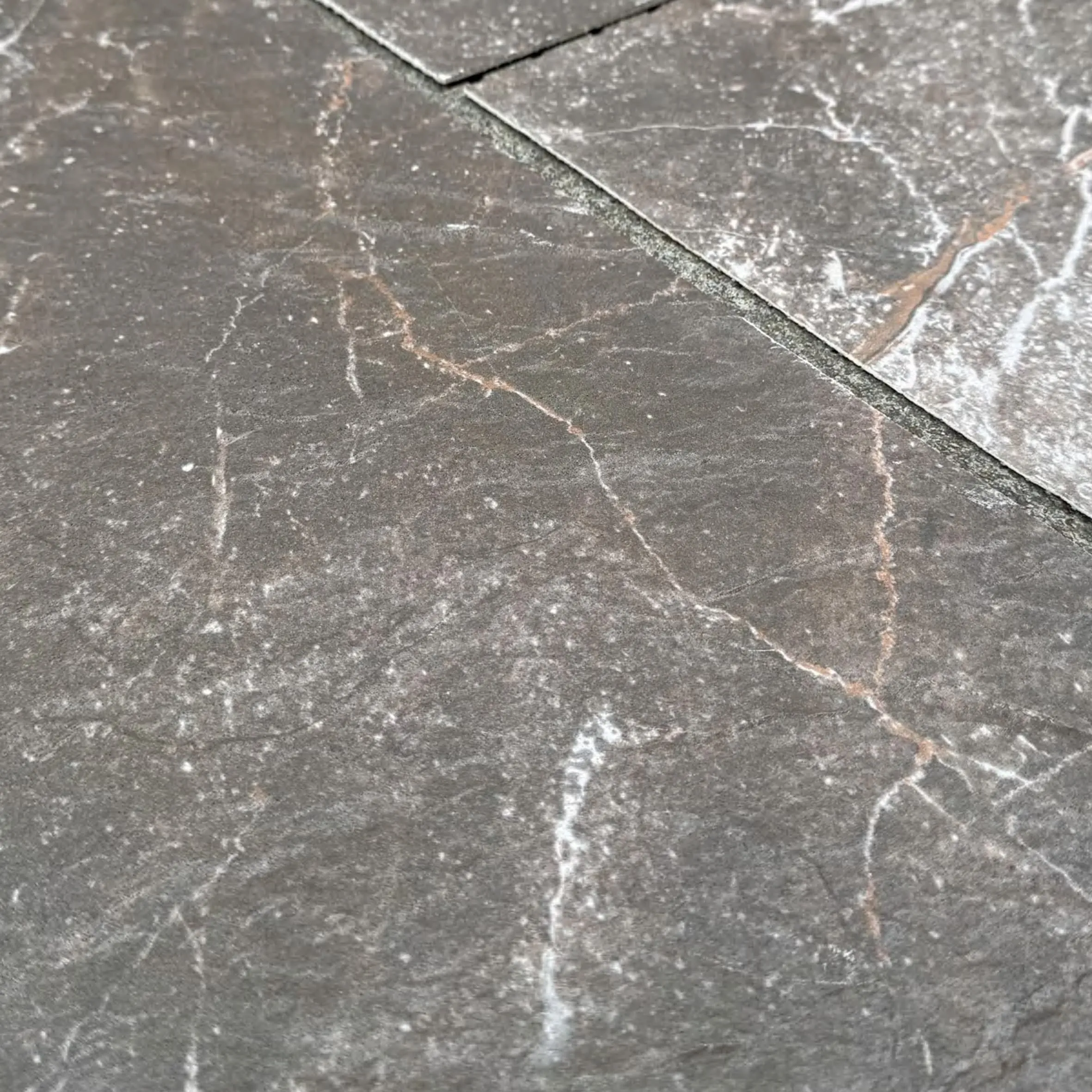
It's one thing to talk about sustainability in theory, but seeing MCM-enhanced Slate Portoro in real-world projects brings its impact to life. Take, for example, the "Green Horizon Tower" in Barcelona—a 15-story residential building completed in 2024. The architects wanted the exterior to reflect luxury while hitting LEED Platinum standards. Initially, they considered traditional Slate Portoro for the facade, but after crunching the numbers, they switched to mcm big slab board series panels. The result? A 42% reduction in the building's embodied carbon (the carbon emitted during material production and construction) compared to the original plan. Plus, the lighter panels allowed for a thinner, more energy-efficient building envelope, cutting long-term heating and cooling costs by 18%.
Closer to home, a boutique hotel in Portland, Oregon, used mcm flexible stone Slate Portoro for its interior feature wall—a curved, 20-meter-long accent that would have been nearly impossible (and wildly expensive) with traditional stone. By using flexible MCM panels, the design team achieved the desired aesthetic with 70% less stone waste and a installation timeline cut in half. Guests rave about the wall's "authentic stone feel," proving that MCM doesn't just enhance sustainability—it preserves beauty, too.
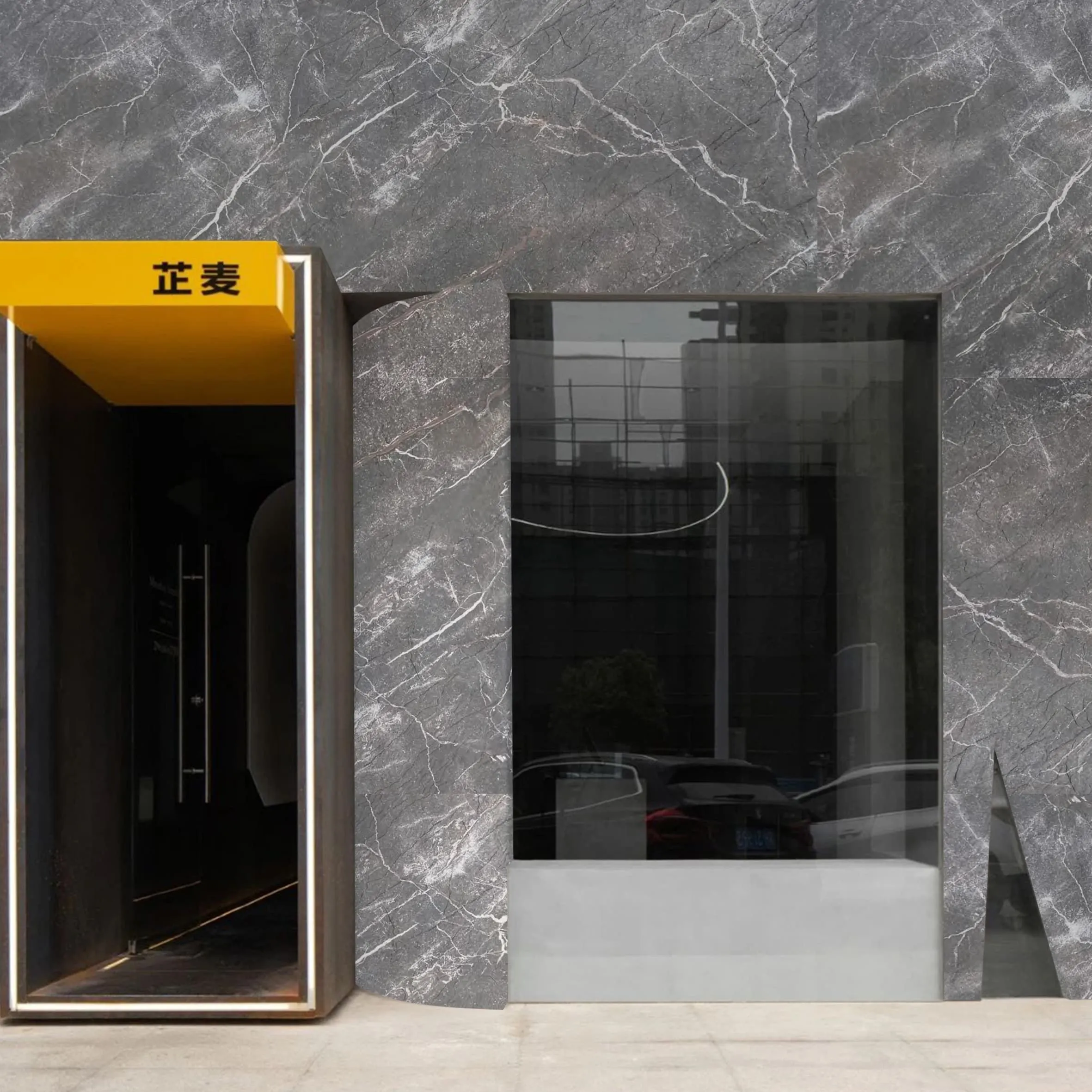
While Slate Portoro is a standout example, MCM's eco-enhancing potential extends far beyond this single stone. The technology is being applied to everything from travertine to granite, offering a scalable solution for making natural stone more sustainable across the board. For designers, this means more choices: you can now specify the look of rare, high-impact stones without the guilt of their traditional environmental costs. For the industry, it's a step toward aligning with global sustainability goals, like the UN's 2030 Agenda for Sustainable Development.
What's more, MCM manufacturers are doubling down on green practices. Many now use recycled polymers in their backing materials and solar-powered production facilities, further reducing the technology's carbon footprint. Some even offer take-back programs for old MCM panels, ensuring they're recycled into new products—a true closed-loop system. When paired with Slate Portoro, these efforts make the stone not just a symbol of luxury, but a symbol of progress.
So, can MCM enhance Slate Portoro's eco-profile? The answer is a resounding yes. By reimagining how we use and produce this classic stone, MCM technology addresses its biggest sustainability pain points—from extraction to installation—without sacrificing the beauty that makes it desirable. It's a marriage of tradition and innovation, proving that we don't have to choose between luxury and responsibility.
As designers, builders, and homeowners, we hold the power to shape the built environment. Choosing materials like MCM-enhanced Slate Portoro isn't just a design decision—it's a statement that beauty and sustainability can coexist. In a world where every choice matters, Slate Portoro, elevated by MCM, stands as a testament to what's possible when we blend timeless elegance with forward-thinking eco-consciousness. And that, perhaps, is the most beautiful design of all.
Recommend Products












