
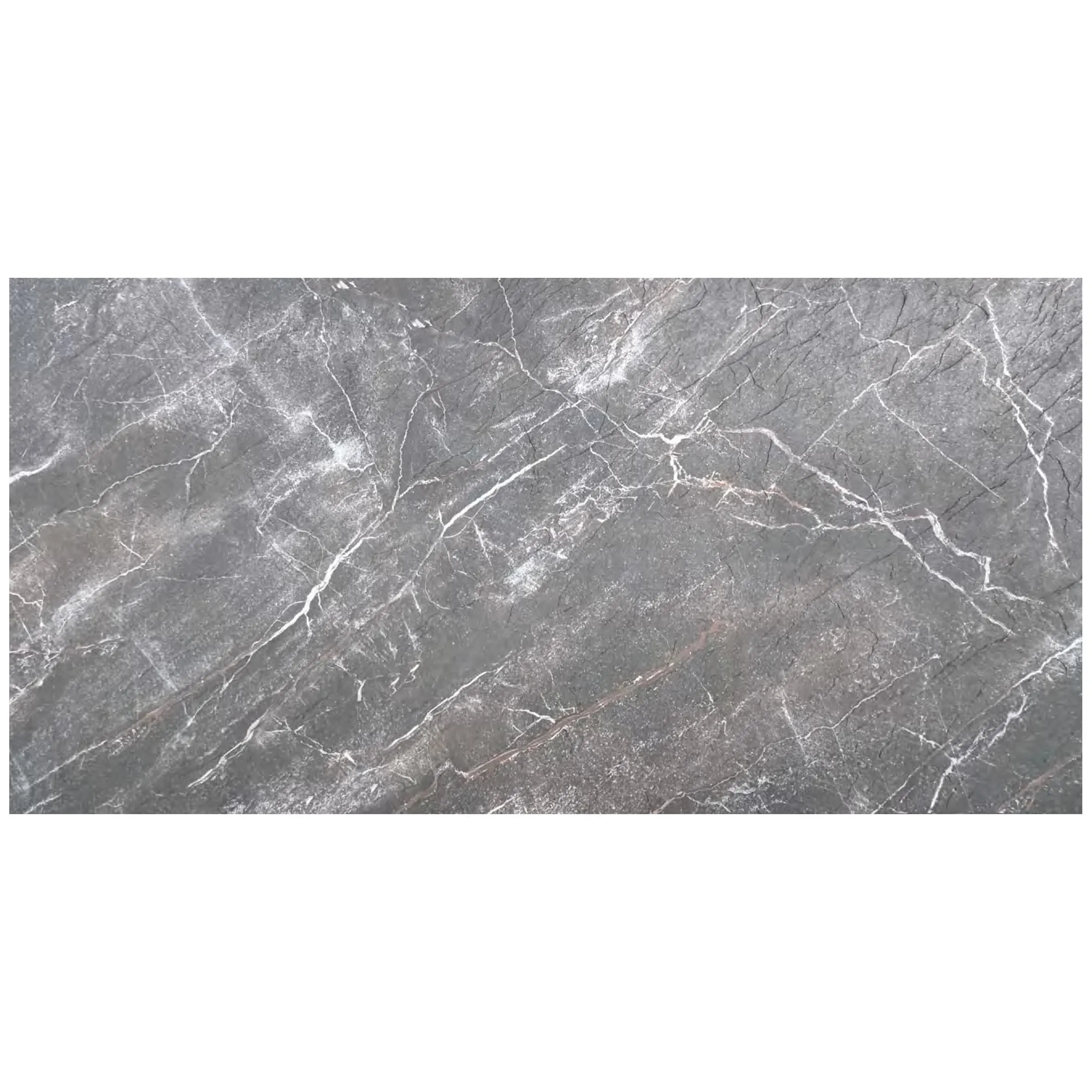
Natural stone has a way of speaking to us—quietly, profoundly, like an old friend sharing stories of the earth's past. It's not just about texture or durability; it's about the colors, the patterns, the little quirks that make each slab one-of-a-kind. Today, let's talk about a stone that doesn't just whisper—it roars with personality: Slate Portoro. If you've ever seen a slab of this beauty, you know exactly what I mean. That deep, inky black base, sliced through with veins of gold so vivid they look almost painted on—it's like holding a piece of the earth's most dramatic art. But what makes Slate Portoro's color palette so unique? Why does that black feel so alive, and those golden veins so full of movement? Let's dive in.
Before we get lost in the colors, let's clarify: Slate Portoro is a type of metamorphic rock, which means it started as one thing (probably sedimentary rock, like shale or mudstone) and then got transformed by heat, pressure, and time deep within the earth. But not all metamorphic rocks look like this. Slate Portoro is part of a small, exclusive club of stones that balance boldness with elegance—a rare feat in the natural stone world. You might hear it compared to other "Portoro" stones, like Granite Portoro, but make no mistake: Slate Portoro has a personality all its own. To understand its color palette, we need to start at the beginning—with the earth's slow, patient craftsmanship.
Let's rewind a few million years. Picture a ancient seabed, layers of sediment piling up—clay, silt, organic matter, all compressed over time into hard rock. Then, along comes tectonic activity: plates shifting, mountains forming, and suddenly, that rock is buried miles underground, subjected to intense heat (think: hotter than a pizza oven, but for centuries) and pressure (enough to squeeze coal into diamonds). This is where the magic happens.
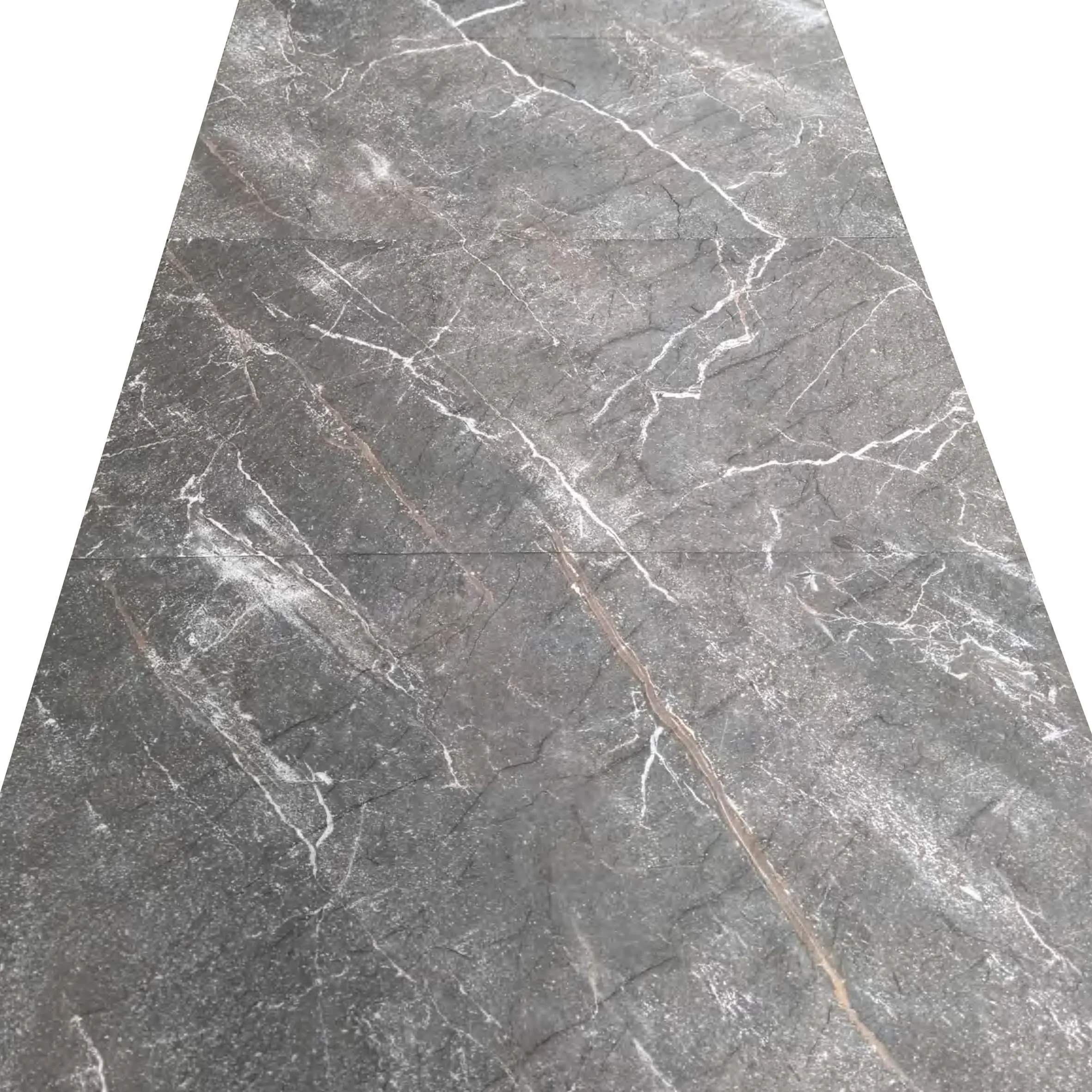
That rich, velvety black base? It's not just "black"—it's a black with depth. Geologists will tell you it's mostly due to high concentrations of minerals like graphite (the same stuff in your pencil, but way more compressed) and pyroxene, a dark, iron-rich mineral. But here's the thing: it's not a flat, lifeless black. Run your hand over a polished slab, and you'll notice subtle variations—swirls of charcoal, hints of deep gray, even the occasional flicker of blue if the light hits just right. That's because the sediment that formed Slate Portoro wasn't uniform. Some layers had more organic material, others more minerals, and when the metamorphism happened, those differences got locked in, like a fingerprint. It's why no two slabs of Slate Portoro are identical—each one carries the memory of the sediment layers it once was.
Now, the star of the show: those golden veins. If the black base is the canvas, the gold is the paint—and what a paint job it is. These veins are mostly made of calcite, a mineral that's common in limestone and marble, but in Slate Portoro, it's been colored by traces of iron oxide (the same mineral that gives rust its red hue, but here, it's oxidized differently, leaning into warm yellows and golds). How do these veins form? Imagine cracks forming in the rock as it's being metamorphosed—tiny fractures, like the lines on a dried lakebed. Then, hot, mineral-rich water seeps through those cracks, carrying dissolved calcite and iron oxide. As the water cools, those minerals crystallize, filling the cracks and hardening into the veins we see today. The result? Veins that range from thin, wispy threads (like spider silk) to thick, bold streaks (like lightning bolts), all glowing with that signature golden hue.
What's amazing is how the veins interact with the black base. They don't just sit on top—they weave through it, creating patterns that look almost intentional. Some slabs have veins that flow in gentle curves, like a river cutting through a valley; others have more erratic, dendritic patterns, like tree branches reaching for the sky. It's this combination of randomness and order that makes Slate Portoro so visually arresting. It feels both wild and refined, like nature decided to try its hand at abstract art.
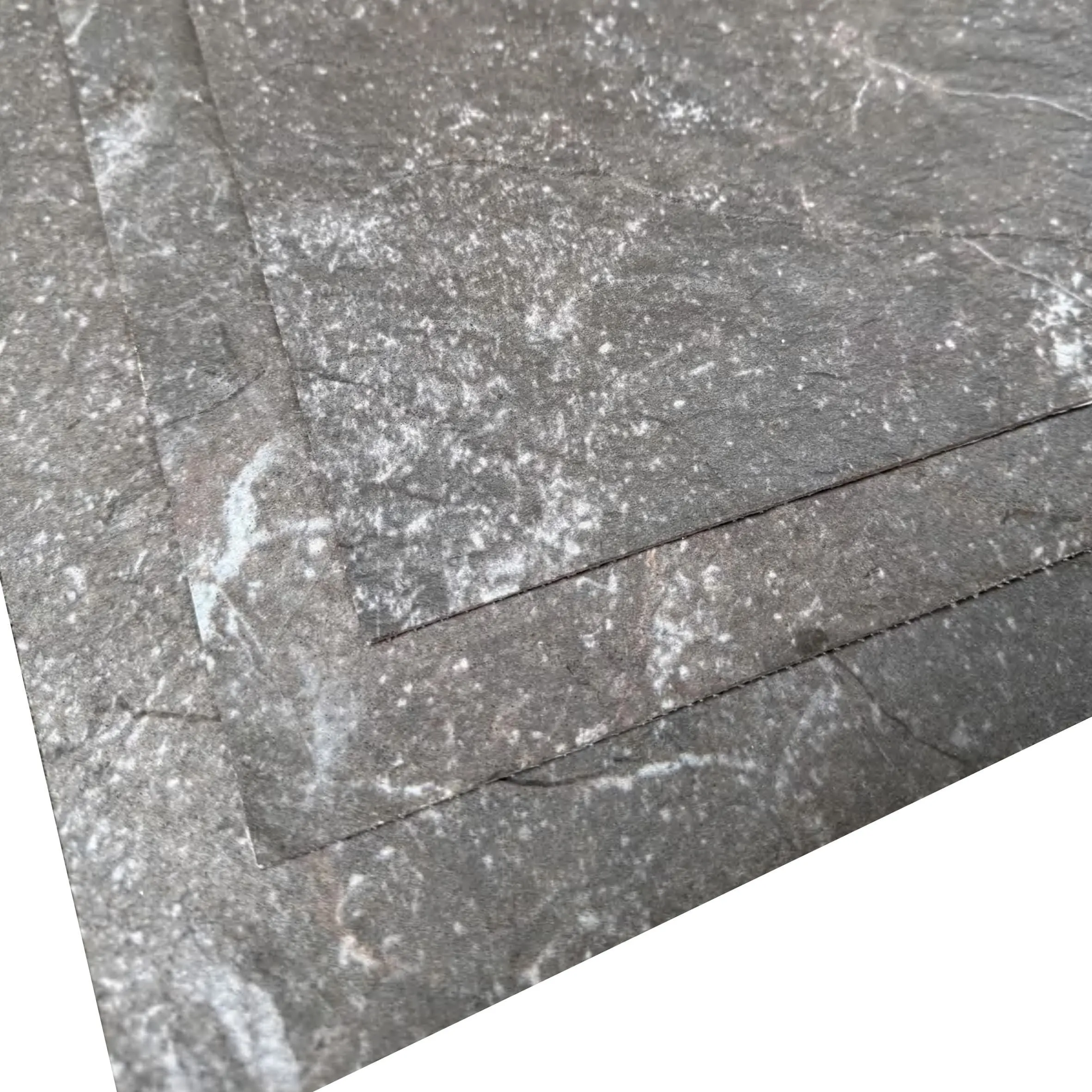
Let's get specific about what you actually see when you look at Slate Portoro. Walk into a stone yard and you'll spot it immediately—it's the slab that seems to glow from within, even in dim light. The black base is so deep it's almost absorbing; it doesn't reflect light so much as it holds it, creating a sense of intimacy. Then there are the veins: gold, but not the brash, shiny gold of a trophy. This is a warm, earthy gold—more like honey than glitter, with undertones of amber and (brass). In some slabs, the gold is so vibrant it looks like liquid sunlight; in others, it's softer, almost (champagne), blending gently into the black.
One of the most striking things about Slate Portoro is the contrast ratio. The black is so dark, and the gold is so bright, that your eye can't help but bounce between them. It's a dynamic tension that draws you in, making you lean closer to trace the veins' paths. Compare that to, say, Slate Veil White—a beautiful stone in its own right, with a soft white base and delicate grey veins. Slate Veil White is calming, like a foggy morning; Slate Portoro is energizing, like a sunset over a mountain range. Both are lovely, but they evoke completely different emotions.
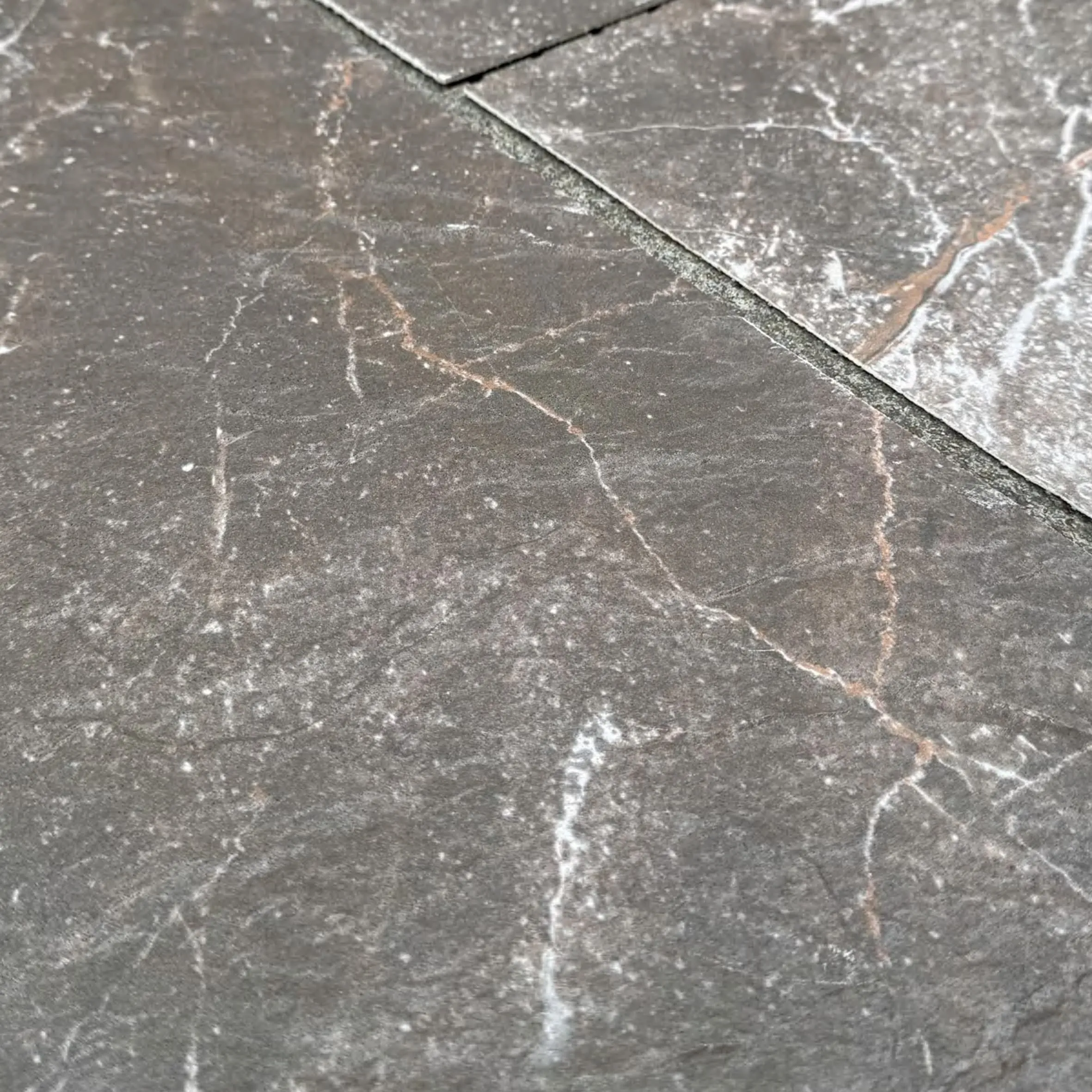
You might be thinking, "Aren't there other black and gold stones?" And you'd be right. Take Granite Portoro, for example. It's often confused with Slate Portoro, but there are key differences. Granite Portoro has a similar black base, but its veins tend to be more silvery or white, with flecks of gold rather than solid streaks. It's a bit more understated, like a well-tailored suit. Slate Portoro, on the other hand, is a red-carpet gown—bold, unapologetic, and impossible to ignore.
Then there's Marble Veil White, which we mentioned earlier. While Slate Portoro leans into drama, Marble Veil White is all about subtlety. Its white base is soft, with grey veins that look like brushstrokes, giving it an ethereal, almost dreamy quality. It's perfect for spaces where you want light and airiness. Slate Portoro, with its dark base, does the opposite—it adds depth and warmth, making a room feel cozy yet luxurious.
Even Stream Limestone (Dark Grey) offers a different vibe. Stream Limestone has a deep, moody base color too, but its veins are usually lighter greys or even blues, and the overall look is more muted, like a stormy sky. It's beautiful, but it lacks the "wow factor" of Slate Portoro's gold-on-black contrast. To put it simply: Slate Portoro isn't just another black stone with veins. It's the combination of that specific black and that specific gold, in those specific patterns, that makes it one of a kind.
| Stone Type | Base Color | Vein Color | Key Trait | Best For |
|---|---|---|---|---|
| Slate Portoro | Deep black (with charcoal/grey undertones) | Vibrant gold (amber to brass hues) | High contrast, dynamic vein patterns | Statement walls, luxury interiors |
| Granite Portoro | Black (cooler, with silver flecks) | Silver/white with gold flecks | More understated, durable for high-traffic | Kitchen countertops, flooring |
| Marble Veil White | Soft white (ivory to cream) | Delicate grey (brushstroke patterns) | Ethereal, light-reflective | Bathrooms, light-filled living spaces |
| Stream Limestone (Dark Grey) | Dark grey (stormy, muted) | Light grey/blue (subtle veins) | Moody, organic texture | Rustic or industrial designs |

Okay, so Slate Portoro is beautiful—but is it practical? Absolutely. Its versatility is part of its charm. Let's break down where this stone really comes to life.
In interiors, Slate Portoro is a designer's secret weapon. Want to add luxury to a kitchen? Use it as a backsplash. The black base will make your cabinetry pop, while the golden veins will catch the light from pendant lights, adding warmth. Pair it with white or light wood cabinets, and you've got a modern classic. For bathrooms, imagine a shower wall clad in Slate Portoro—steam rising, the gold veins glinting under soft lighting… it's like stepping into a spa retreat.
Fireplace surrounds are another perfect spot. There's something about firelight dancing off those golden veins that feels primal, almost magical. And don't sleep on smaller accents: a Slate Portoro countertop in a home bar, a coffee table top, or even a backsplash in a powder room. It's bold, but because the color palette is so timeless (black and gold never go out of style), it won't feel dated in five years.
In commercial design, Slate Portoro is all about making an impression. Hotel lobbies, high-end retail stores, restaurant feature walls—these are spaces where first impressions matter, and Slate Portoro delivers. Imagine walking into a boutique hotel: the check-in desk is a massive slab of Slate Portoro, the golden veins catching the light as you approach. Instantly, you feel like you're somewhere special. Office buildings, too, use it in reception areas or elevator lobbies to convey professionalism and sophistication without feeling cold.
Can you use Slate Portoro outside? You bet—though you'll want to choose a honed or textured finish (rather than polished) to prevent slipping when wet. Think exterior accent walls, pool surrounds, or even outdoor kitchen countertops. The black base holds up well to the elements, and the golden veins add a touch of warmth to outdoor spaces, making patios feel more inviting. Just keep in mind that in very sunny climates, the black might absorb more heat, so it's best paired with shaded areas or used as an accent rather than a full wall.
Part of what makes Slate Portoro so coveted is its rarity. Not all quarries produce this stone, and even in the ones that do, finding slabs with the perfect balance of black base and golden veins is tricky. Geologists estimate that only about 10% of the stone extracted from Portoro-rich quarries meets the "premium" grade for color and pattern. That scarcity drives up demand, but it also means that owning a piece of Slate Portoro feels like owning a little piece of earth's history—something that can't be mass-produced.
It's also worth noting that the mining process is labor-intensive. Because the stone is so hard (thanks to that metamorphism), extracting slabs requires precision and care to avoid damaging the veins. Quarry workers often use diamond-tipped saws and water jets to cut the stone, ensuring that each slab retains its natural beauty. This attention to detail adds to the stone's allure—and its price tag, but for many designers and homeowners, it's worth every penny.
So you've fallen in love with Slate Portoro and decided to bring it into your space—now what? Caring for it isn't complicated, but it does require a little TLC to keep those colors looking their best.
First, seal it. Like most natural stones, Slate Portoro is porous, so it can absorb liquids and stains if left unprotected. A good quality stone sealer (look for one designed for slate or metamorphic rocks) will create a barrier without altering the stone's appearance. Re-seal every 1-2 years, depending on use (kitchen countertops might need it more often than a fireplace surround).
Second, clean spills immediately. Acidic substances like lemon juice, vinegar, or wine can etch the surface, dulling the polish and potentially discoloring the golden veins. Wipe up spills with a soft, damp cloth and mild soap—avoid harsh cleaners or abrasive sponges, which can scratch the surface.
Finally, dust regularly. Even small particles can scratch the stone over time, so a quick dust with a microfiber cloth will go a long way. For deeper cleans, use a stone-specific cleaner (you can find these at home improvement stores) to avoid stripping the sealer.
At the end of the day, Slate Portoro is more than just a building material. It's a story—a story of the earth's power to create beauty from chaos, of minerals and pressure and time working together to make something extraordinary. That black base isn't just a color; it's the weight of millions of years of history. Those golden veins aren't just lines; they're the earth's own handwriting, telling us about the water that flowed, the heat that forged, the pressure that shaped.
In a world where so much is mass-produced, where we're surrounded by synthetic materials that all look the same, natural stones like Slate Portoro remind us of the value of uniqueness. No two slabs are identical, just like no two people are identical. That imperfection is what makes them perfect. It's why designers keep coming back to Slate Portoro—not just for its beauty, but for its authenticity.
So there you have it: Slate Portoro's unique color palette, from that deep, soulful black base to the golden veins that seem to dance across it. It's a stone that balances boldness and elegance, drama and warmth, history and modernity. Whether you're using it in a cozy home or a grand commercial space, it has a way of making every room feel more alive, more intentional, more… human .
Next time you see a slab of Slate Portoro, take a moment to really look at it. Trace the veins with your eyes, notice the variations in the black, feel the coolness of the stone under your hand. You're not just looking at a rock—you're looking at a masterpiece, crafted by the earth itself. And that, my friends, is something worth celebrating.
Recommend Products












