
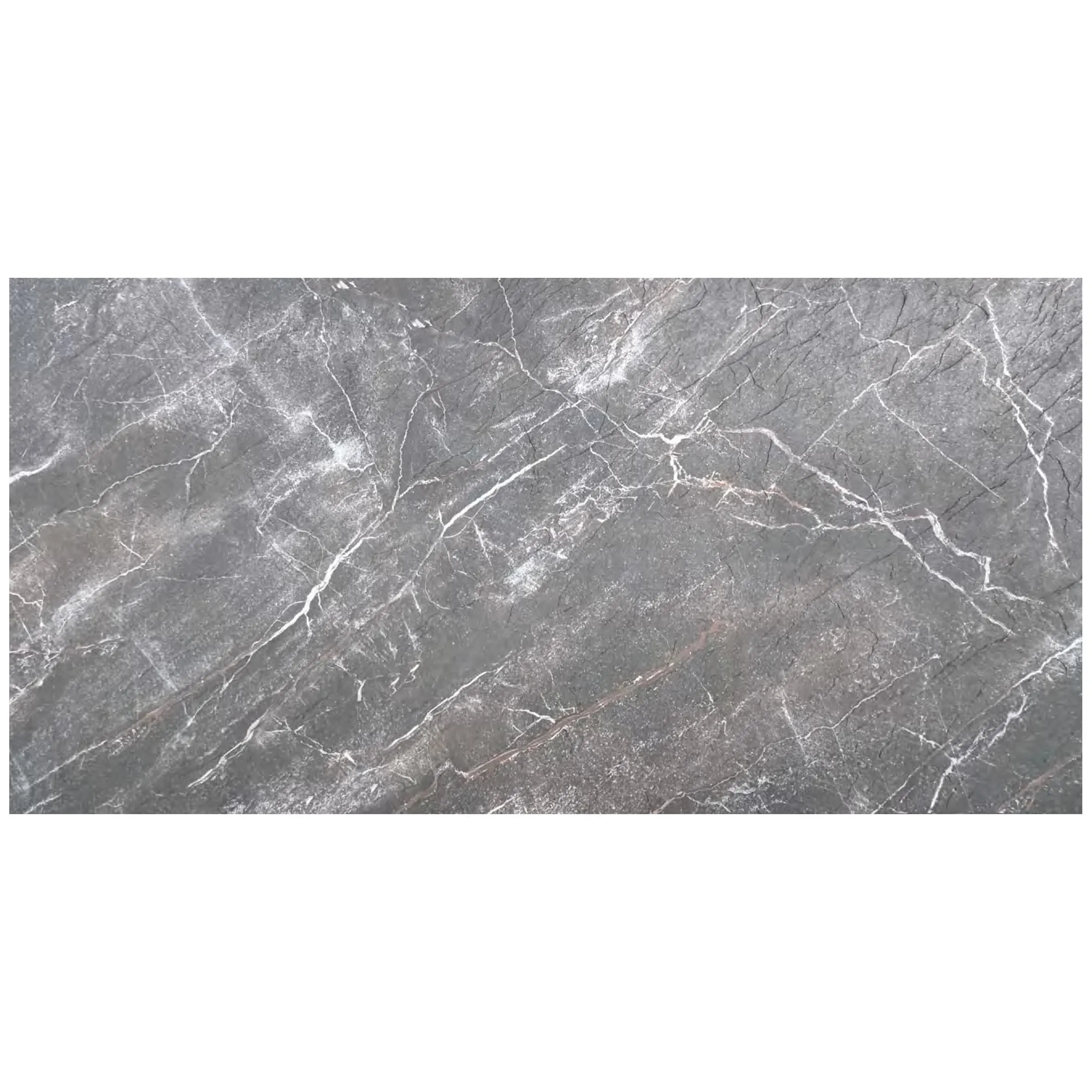
Behind every stunning facade or elegant interior lies a choice—one that shapes not just the look of a space, but the health of our planet. For architects, designers, and builders, the decision between traditional natural stones like Slate Portoro and modern innovations like MCM materials isn't just about aesthetics. It's about balancing beauty with responsibility. Let's dive into how these choices impact our carbon footprint, and why the future of building might be more flexible, sustainable, and surprisingly stunning than we think.
Picture a quarry in the Italian countryside, where Slate Portoro has been extracted for centuries. The sun glints off massive blocks of dark, veined stone, and the air smells of dust and diesel. For decades, this has been the starting point for some of the world's most luxurious buildings—hotels, museums, high-end residences. But what if that beauty came with a hidden price tag: tons of carbon emissions, disrupted ecosystems, and communities bearing the brunt of environmental strain?
Slate Portoro, a metamorphic rock formed over millions of years, is prized for its deep black background and gold veining. But extracting it is no small feat. The process begins with quarrying : heavy machinery—excavators, bulldozers, and drills—ripping into the earth to free large stone blocks. These machines run on diesel, releasing CO2 with every rev of the engine. Then, the blocks are cut into slabs using water-cooled saws, a process that demands enormous energy (often from non-renewable sources) and generates wastewater laced with stone particles. Polishing follows, requiring even more electricity to achieve that signature glossy finish.
Transportation adds another layer of emissions. A single slab of Slate Portoro can weigh over 500 kg; shipping it from Italy to a construction site in New York or Dubai means loading it onto diesel-powered cargo ships, then trucks, and finally cranes. By the time it reaches the building site, that "luxurious" stone has racked up a carbon debt that's hard to ignore. A 2023 study by the Stone Sustainability Council estimated that the average carbon footprint of Slate Portoro, from quarry to installation, can reach 80-100 kg of CO2 per square meter . For a mid-sized commercial building with 10,000 sqm of facade, that's up to 1,000 tons of CO2—equivalent to driving a car around the equator 100 times.
And it's not just about carbon. Quarrying disrupts local ecosystems: deforestation to make way for sites, soil erosion, and noise pollution that drives away wildlife. In some regions, communities near quarries report respiratory issues from dust and reduced water quality from runoff. "We love the look of natural stone," says Maria, an architect based in Barcelona who specializes in sustainable design, "but I've had clients walk away from Slate Portoro when they see the full lifecycle impact. They ask, 'Is this vein of gold worth the damage to a forest or a community's health?'"
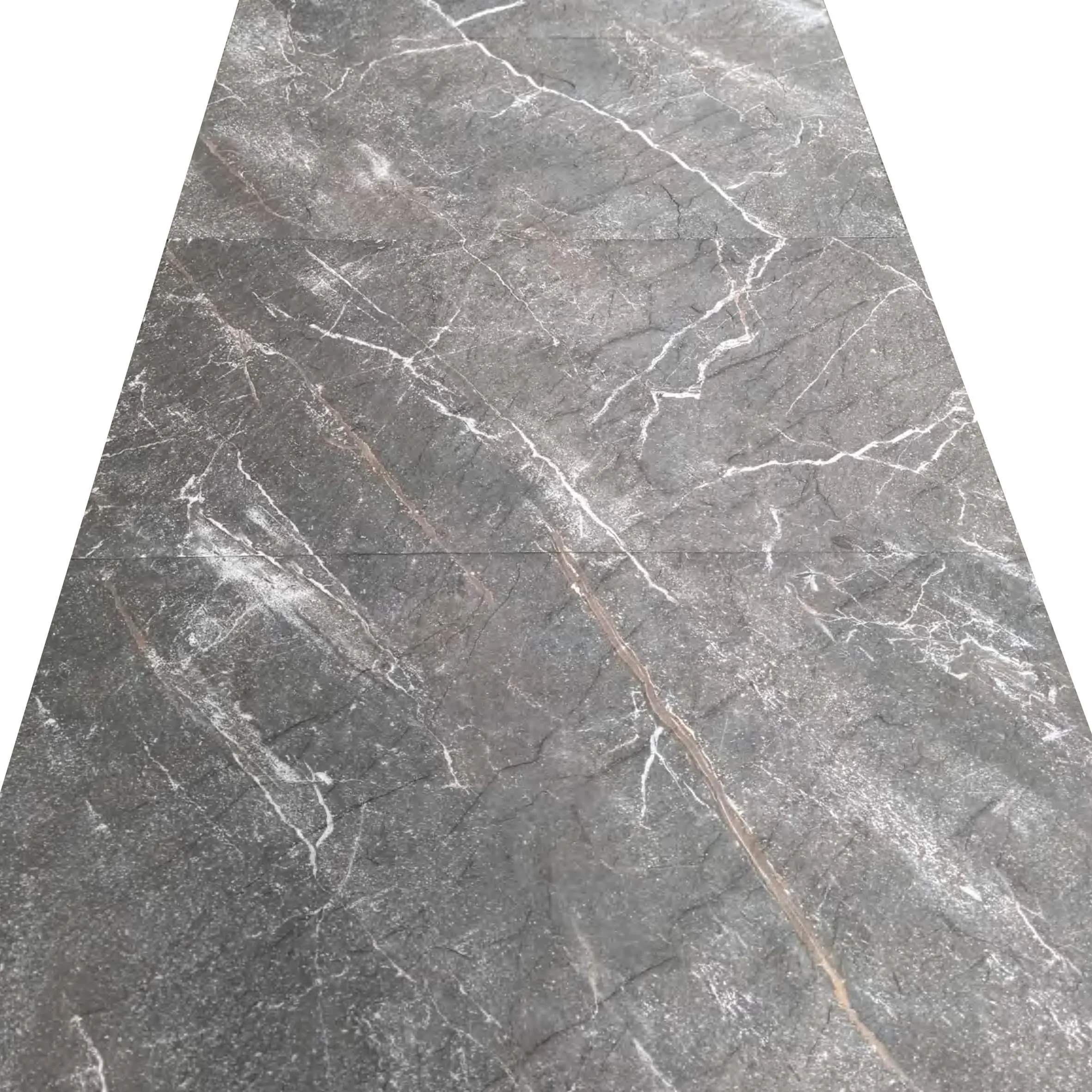
Enter MCM—short for Modified Composite Material —a category of building materials designed to mimic the look of natural stone, wood, or metal, but with a fraction of the environmental impact. If Slate Portoro is the "old guard," MCM is the innovative newcomer, blending technology, recycled materials, and forward-thinking engineering to redefine what "sustainable beauty" means.
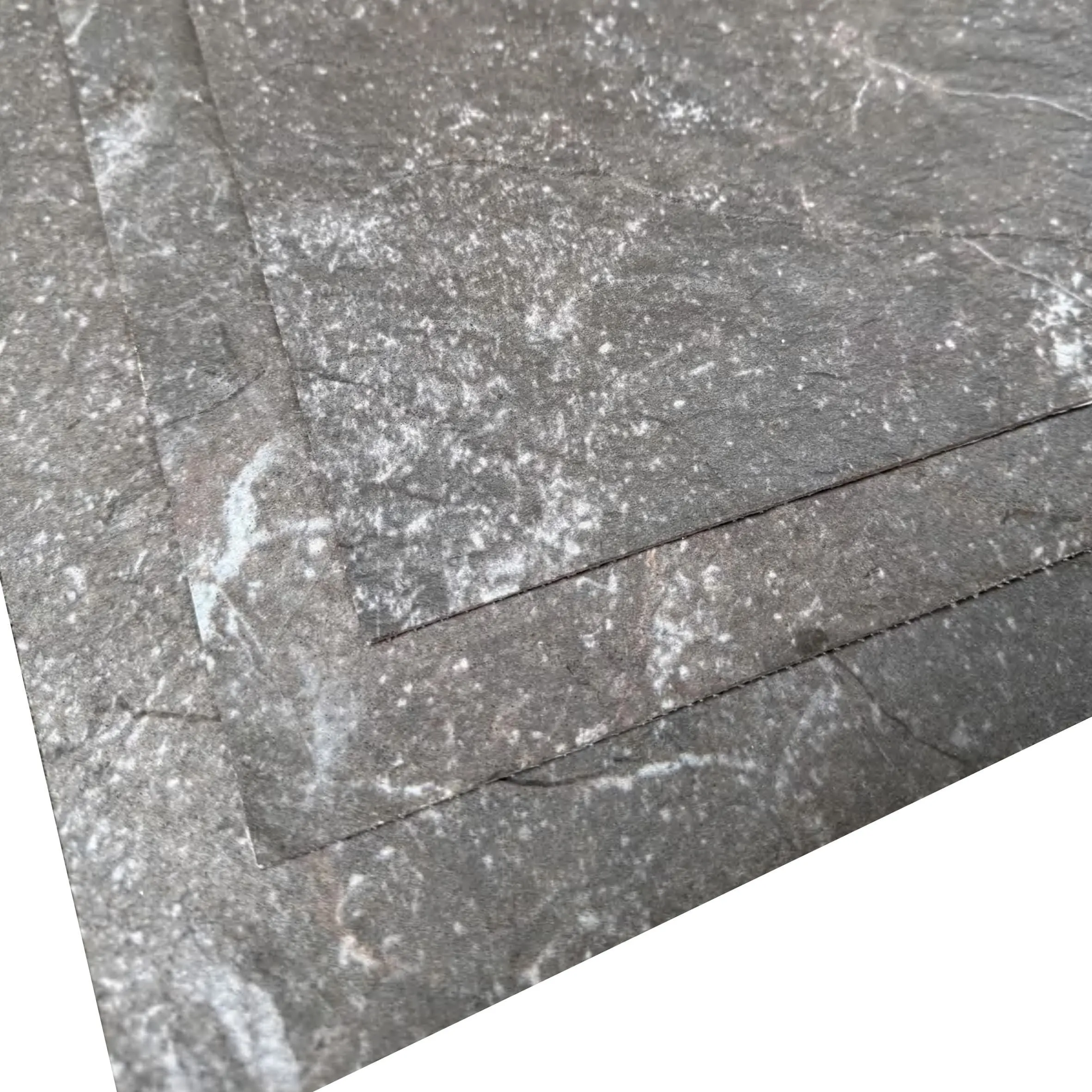
At the heart of MCM's appeal is its flexibility —both literally and figuratively. Take MCM flexible stone , for example. It's made by combining natural stone particles (often recycled from waste at traditional quarries) with a polymer binder, creating thin, lightweight sheets that can bend without breaking. Unlike rigid Slate Portoro slabs, these sheets weigh just 3-5 kg per square meter—compared to 20-30 kg for natural stone. That lightness alone cuts transportation emissions dramatically: a truck that can carry 100 sqm of Slate Portoro can haul 600 sqm of MCM flexible stone, slashing fuel use per unit by 80%.
But MCM's sustainability story goes deeper than weight. Let's walk through how it's made. Many MCM products, like those in the MCM 3D printing series , start with recycled content: crushed stone waste, reclaimed plastics, or even agricultural byproducts. These materials are mixed with low-VOC (volatile organic compound) binders and shaped using 3D printers or presses—processes that use 60-70% less energy than traditional stone cutting. For instance, producing a square meter of MCM flexible stone requires about 15-20 kWh of electricity, compared to 50-60 kWh for cutting and polishing Slate Portoro.
Then there's the diversity of MCM options, which means designers don't have to sacrifice style for sustainability. Want the look of aged metal? Try foamed aluminium alloy board (vintage silver) —lightweight, rust-resistant, and made from recycled aluminum. Craving the warmth of natural stone with a cosmic twist? Travertine (starry green) , part of MCM's decorative line, uses mineral pigments and recycled travertine particles to create a surface that shimmers like a night sky—without mining new stone. Even the MCM big slab board series caters to large-scale projects, offering slabs up to 3 meters wide that reduce the number of seams (and thus waste) during installation.
"I was skeptical at first," admits Raj, a builder in Singapore who recently used MCM big slab boards for a shopping mall facade. "Clients want that 'natural' feel, and I thought MCM would look 'fake.' But when we installed the travertine (starry green) panels, people stopped to take photos. They couldn't believe it wasn't real stone. And when I told them we'd cut the project's carbon footprint by 40% compared to using Slate Portoro? The client was sold. Now they're asking for MCM for their next project."
Numbers tell a clearer story than words. Let's break down the carbon footprint of Slate Portoro and MCM flexible stone (a popular MCM variant) across their lifecycles. The data below, compiled from industry reports and sustainability audits, shows just how much difference a material choice can make:
| Aspect | Slate Portoro | MCM Flexible Stone |
|---|---|---|
| Extraction/Production | High: Diesel-powered quarrying, energy-intensive cutting/polishing (30-40 kg CO2/sqm) | Low: Recycled materials, low-energy 3D printing/pressing (5-8 kg CO2/sqm) |
| Transportation | High: Heavy slabs require diesel trucks/ships (25-30 kg CO2/sqm for global shipping) | Low: Lightweight panels reduce fuel use (5-7 kg CO2/sqm for same distance) |
| Installation Waste | High: 10-15% waste from cutting to size on-site (adds 5-8 kg CO2/sqm) | Low: Prefabricated to exact dimensions; waste <2% (adds <1 kg CO2/sqm) |
| End-of-Life | Low recyclability: Most waste ends in landfills (no offset) | High recyclability: Panels can be crushed and reused in new MCM products (reduces footprint by 10-15%) |
| Total Carbon Footprint (Estimated) | 80-100 kg CO2 per square meter | 15-25 kg CO2 per square meter |
The difference is stark: MCM flexible stone can reduce carbon emissions by 70-80% compared to Slate Portoro. And that's before factoring in other benefits: MCM's lightweight nature reduces the need for structural reinforcement (saving concrete and steel, both high-carbon materials), and its durability (resistant to weathering and impact) means longer lifespans, reducing the need for replacement.
In 2022, the Azure Sky Hotel in Lisbon faced a dilemma: its owners wanted a luxury facade that would stand out in the city's historic district, but they also aimed for LEED Platinum certification (the highest green building standard). The initial plan? Slate Portoro for the exterior, a material that screamed "elegance." But when the sustainability consultant ran the numbers, the team hit pause.
"The carbon footprint was eye-watering," recalls Sofia, the hotel's project manager. "We were looking at 650 tons of CO2 just for the facade. That alone would have sunk our LEED hopes. So we started researching alternatives—and that's when we found MCM."
The team partnered with an MCM manufacturer to design a custom facade. They chose MCM big slab boards in a warm beige tone, accented with travertine (starry green) panels around the entrance. The result? A facade that blended modernity with Lisbon's historic charm, with the starry green panels becoming a Instagram-worthy focal point. Best of all, the carbon footprint plummeted to 180 tons— 72% less than the Slate Portoro plan .
"Guests love it," Sofia says. "We even have a little plaque in the lobby explaining the MCM materials and why we chose them. People tell us it makes their stay feel more meaningful—like they're part of something positive. And operationally, the lightweight panels made installation faster: we finished the facade two weeks ahead of schedule, saving on labor costs. It was a win-win."
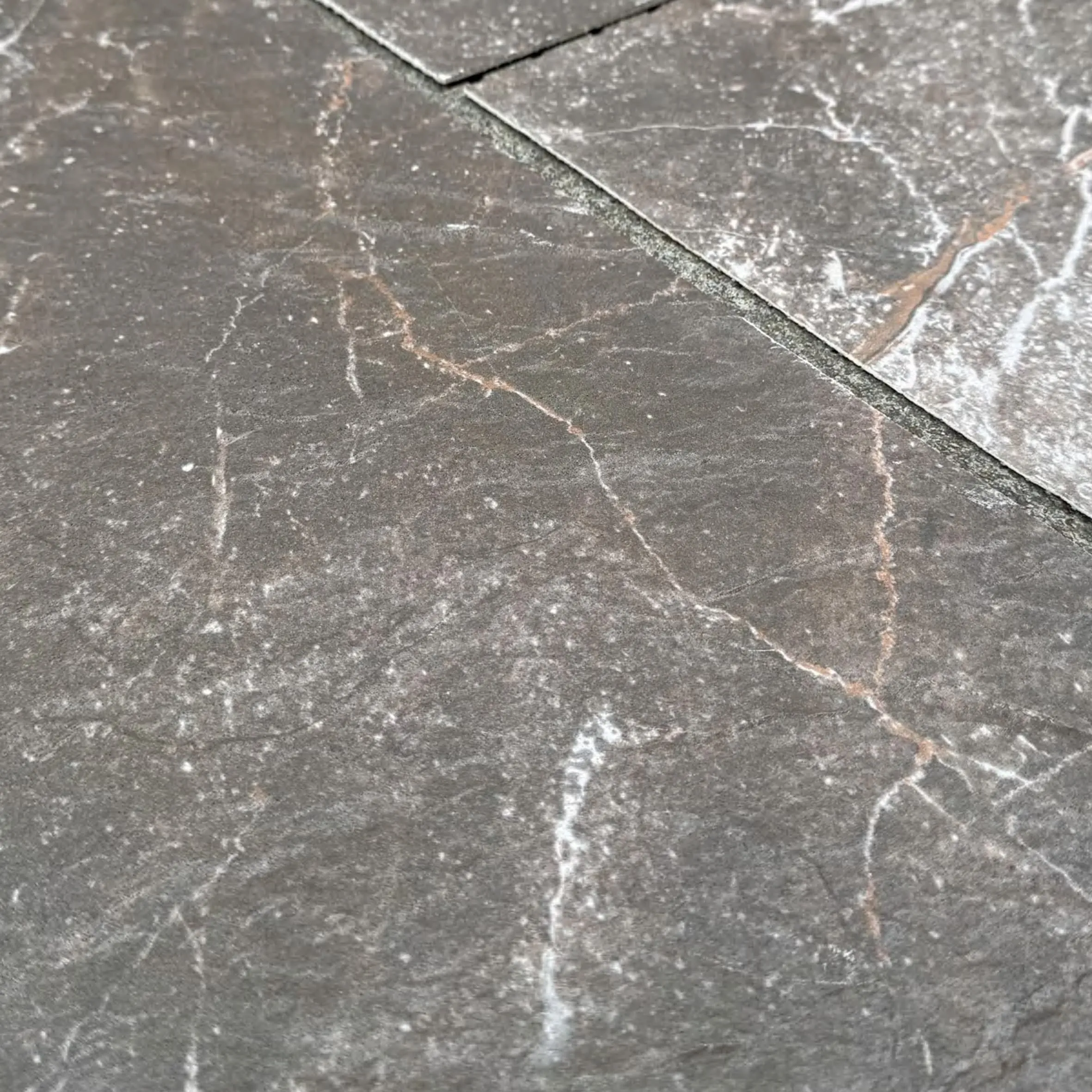
Reducing carbon emissions is just the start. MCM materials are quietly revolutionizing building in ways that go beyond sustainability—making construction easier, more creative, and more accessible. For example, foamed aluminium alloy board (vintage silver) isn't just low-carbon; it's fire-resistant and corrosion-proof, making it ideal for coastal buildings where saltwater would degrade traditional metal. The MCM 3D printing series allows for custom shapes—curves, waves, even intricate patterns—that would be nearly impossible (or prohibitively expensive) to carve from natural stone.
Then there's the issue of waste. Traditional stone installation generates up to 15% waste on-site, as slabs are cut to fit. MCM, being prefabricated to exact measurements, slashes that waste to 2% or less. For a 10,000 sqm project, that's 1,300 sqm of material saved—enough to build a small home. And when a building is renovated or demolished, MCM panels can often be recycled into new materials, closing the loop on sustainability.
"We're not just building with materials—we're building with intention," says Dr. Alan Chen, a materials scientist and sustainability advocate. "MCM represents a shift from 'take-make-waste' to 'reduce-reuse-recycle.' It's proof that we don't have to choose between beauty and the planet. We can have both."
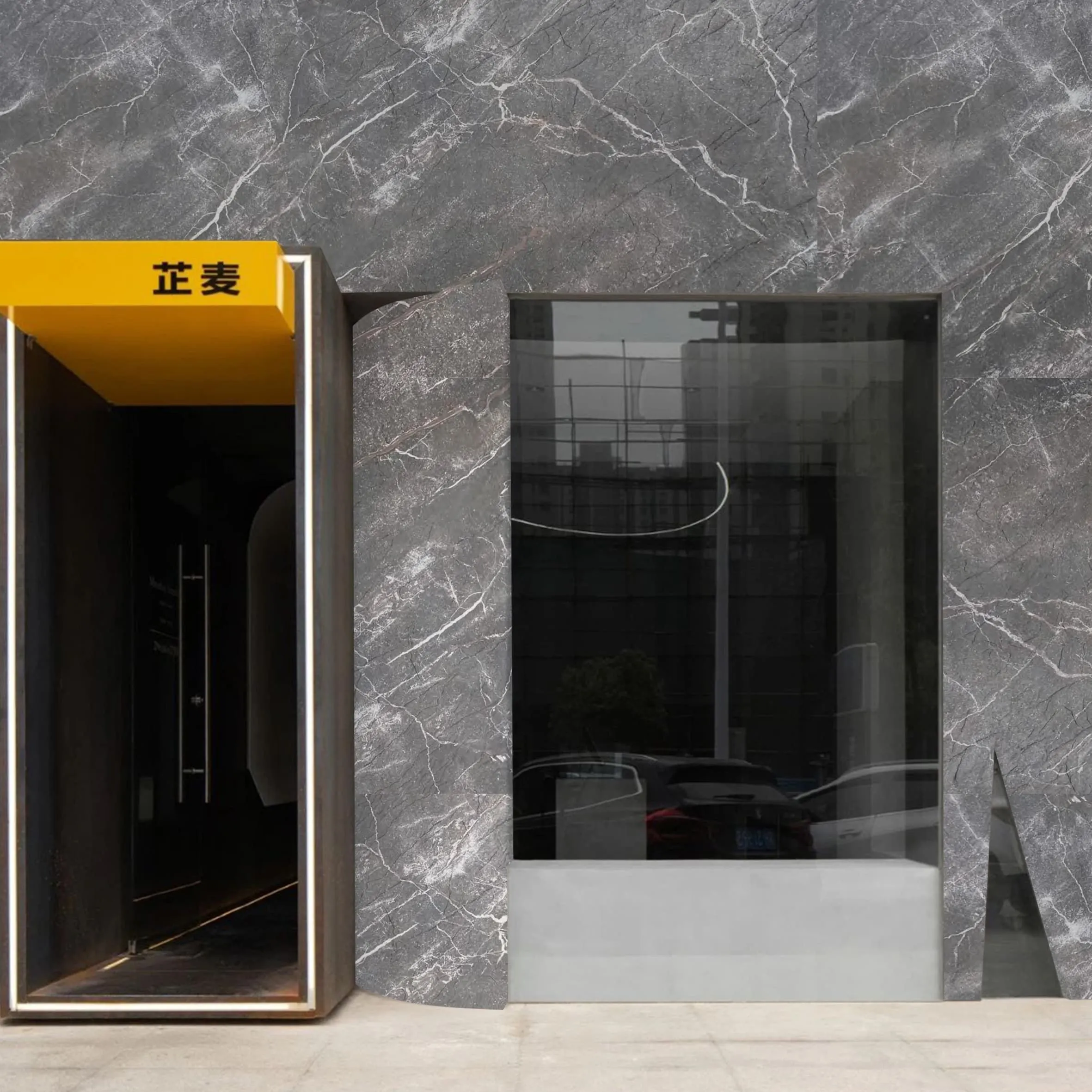
At the end of the day, the choice between Slate Portoro and MCM isn't about shaming one material or glorifying another. It's about awareness. Slate Portoro has a rich history, and in small, intentional uses—like a fireplace surround or a accent wall—it can still have a place. But for large-scale projects, where the carbon impact is magnified, MCM offers a path forward that doesn't compromise on style.
For architects, designers, and builders, this is more than a trend. It's a responsibility. Every time we specify a material, we're casting a vote for the kind of world we want to live in—one where buildings inspire us, not at the expense of the planet, but in harmony with it. And with MCM materials like flexible stone, big slab boards, and foamed aluminium, that world is already taking shape—one panel, one project, one low-carbon choice at a time.
So the next time you walk past a stunning building, take a moment to wonder: what's it made of? And what story does that material tell? The answer might just surprise you—and inspire you to build better.
Recommend Products












