
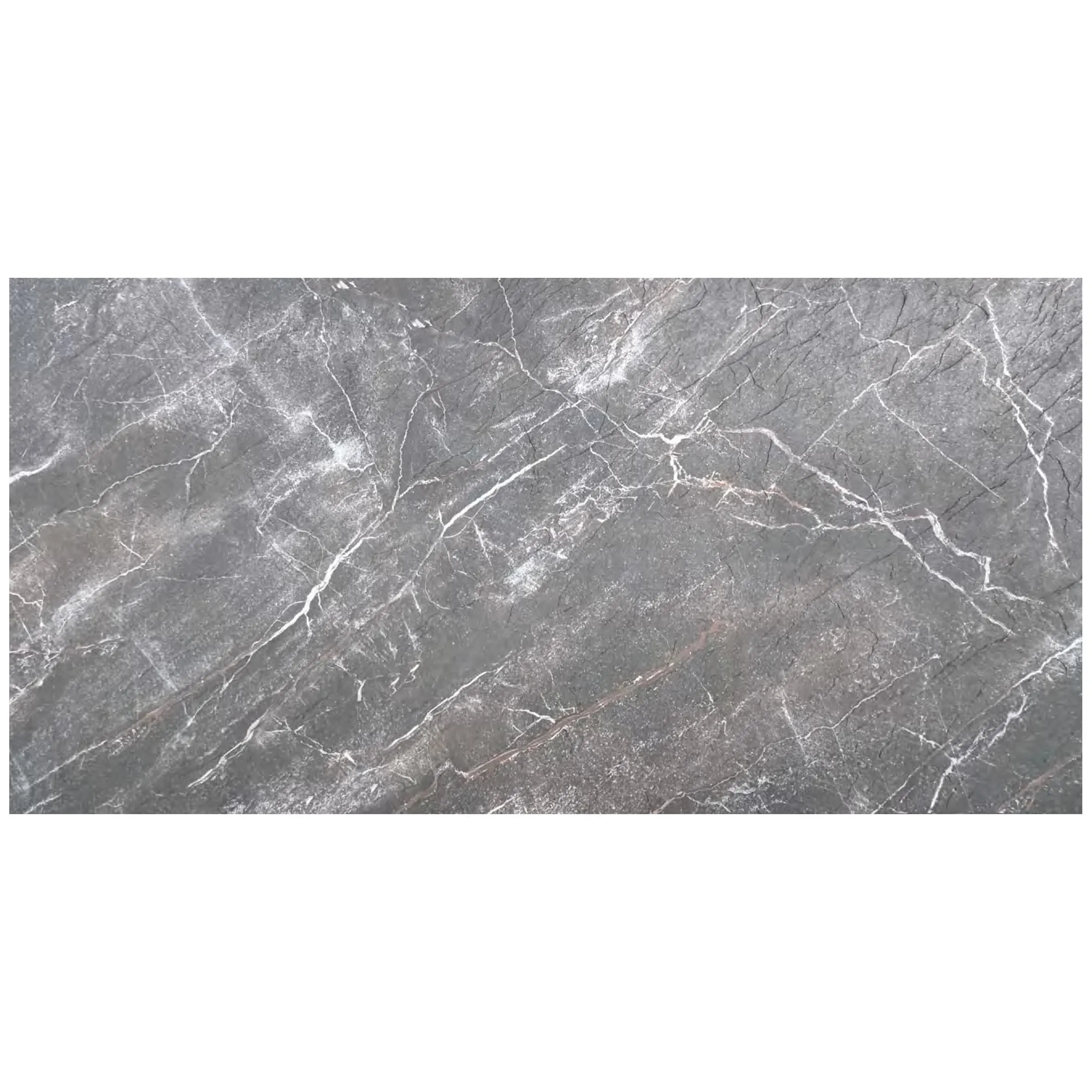
In the world of natural stone, few materials command attention quite like Slate Portoro. With its deep, moody hues and striking veining, it has graced the floors of historic palaces, the facades of modern skyscrapers, and the countertops of luxury homes. But what makes this stone so unique? The answer lies not just in its aesthetic, but in the ancient geological forces that forged it. Every swirl, every shade, every subtle texture tells a story of time, pressure, and transformation—one that begins millions of years ago, deep within the Earth's crust. To truly appreciate Slate Portoro, we must first understand the journey it took to reach our buildings, our spaces, and our lives.
Slate Portoro's story starts in the quiet depths of ancient oceans, where layers upon layers of sediment settled over millennia. These sediments—fragments of rock, organic matter, and mineral-rich particles—piled up, creating thick beds of mudstone or shale. But Slate Portoro isn't just any shale. What sets it apart is what happened next: metamorphism. As tectonic plates shifted and collided, these sedimentary layers were buried under immense pressure, subjected to intense heat, and squeezed by the Earth's movements. Over millions of years, this process transformed the soft, clay-rich shale into something far harder, denser, and more structurally complex: slate.
Metamorphism is the key here. Unlike sedimentary stones like limestone, which form from compressed sediments alone, or igneous rocks like granite, born from molten magma, slate is a metamorphic rock. This means its original composition—mostly clay minerals like illite and chlorite—rearranged under heat and pressure, forming new minerals like mica and quartz. The pressure also aligned these minerals into parallel layers, a feature geologists call "foliation." It's this foliation that gives slate its characteristic ability to split into thin, flat sheets—a property that would later make it invaluable in construction.
But what about that iconic dark color? Slate Portoro's deep, almost black base with hints of gold or silver veining comes from the minerals present during its formation. Iron oxides, for example, can lend reddish or brownish tones, while carbon-rich organic matter often darkens the stone, creating the moody backdrop that makes its veins pop. In some cases, tiny mineral crystals—like pyrite or graphite—add subtle shimmer, turning a simple slab into a canvas of natural art.
A Glimpse into the Past: Imagine standing in a quarry where Slate Portoro is mined. As you run your hand over a freshly split slab, you're touching material that began forming over 300 million years ago, during the Carboniferous period. Back then, the area might have been a vast, swampy delta, where trees as tall as skyscrapers fell into stagnant waters, their remains mixing with clay and silt. Today, those ancient forests are gone, but their legacy lives on in the stone's rich, dark color—a reminder of life, decay, and rebirth, all compressed into rock.
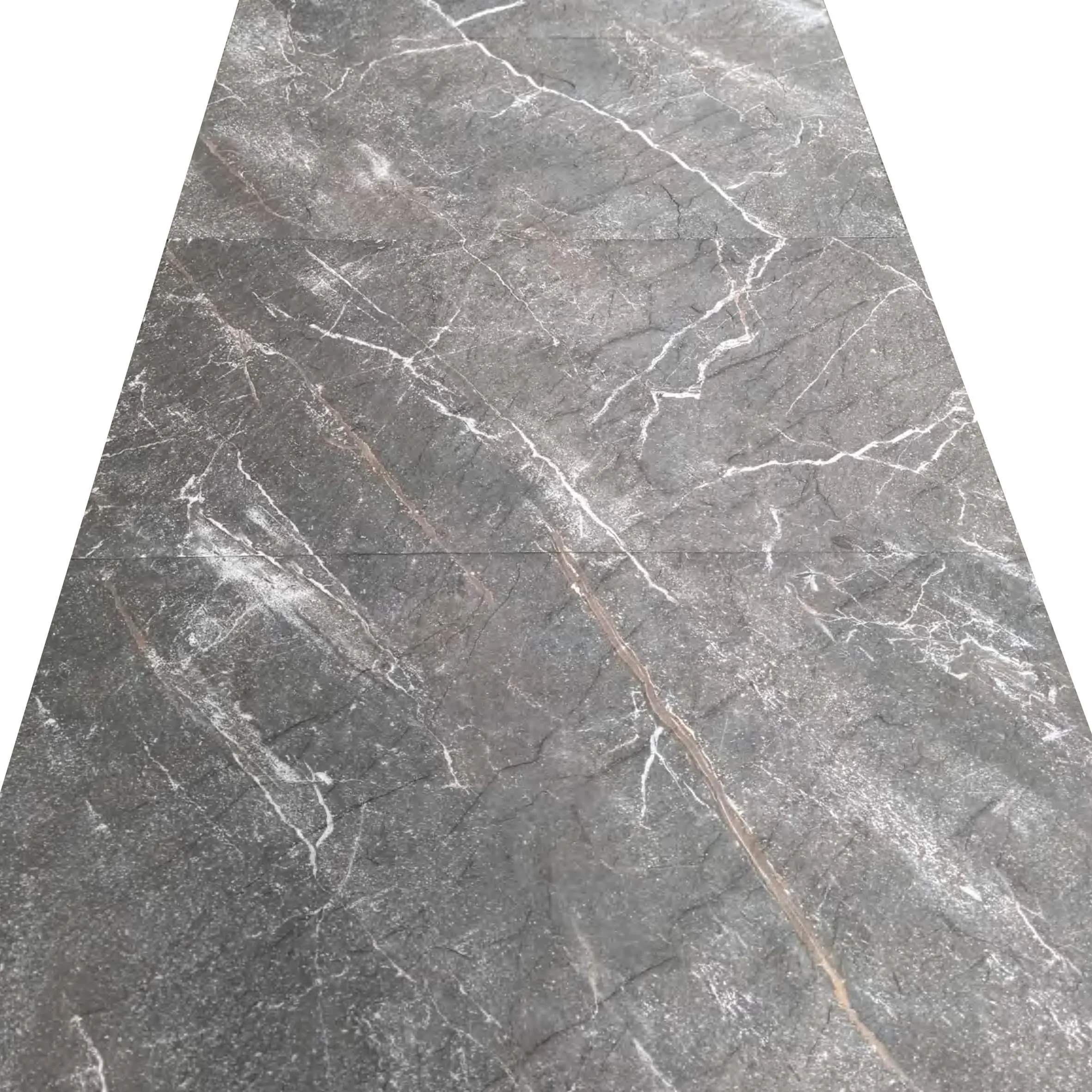
Geology isn't just about history; it's about function. The way Slate Portoro formed directly impacts how it behaves—how it looks, feels, and performs in the built environment. Let's break down the most important properties, and how each traces back to its metamorphic journey.
Slate Portoro's color is a direct result of its mineral makeup and the conditions of its formation. The base color, often a deep charcoal or black, comes from high levels of organic carbon trapped in the original sediment. As the rock metamorphosed, this carbon didn't burn off; instead, it was compressed into a dense, uniform matrix. The veining, on the other hand, is usually caused by mineral-rich fluids that seeped through cracks in the rock during metamorphism. These fluids deposited minerals like calcite (which adds white or gold tones) or pyrite (which adds brassy flecks), creating the stone's signature contrast.
Compare this to a stone like Travertine (Starry Blue), which gets its color from a different process entirely. Travertine forms in hot springs, where mineral-rich water cools and deposits calcium carbonate. Its "starry" blue hues often come from copper or manganese impurities, creating a lighter, more ethereal look than Slate Portoro's dark drama. While both are stunning, their color stories highlight how formation environment—ocean sediment vs. hot springs—shapes aesthetic identity.
Foliation isn't just a geological term; it's what gives Slate Portoro its tactile appeal. Because the minerals aligned under pressure, the stone splits along flat planes, resulting in a surface that's naturally smooth yet subtly textured. Run your hand across a Slate Portoro slab, and you'll feel a slight grain, a whisper of the mineral layers beneath. This texture isn't just pleasing to the touch; it's functional. It provides grip, making Slate Portoro a popular choice for flooring in high-traffic areas, where slipperiness is a concern.
Contrast this with fair-faced concrete, a modern material valued for its raw, industrial texture. Fair-faced concrete gets its look from the way it's poured and finished—no added treatments, just the natural texture of the formwork and aggregate. While both Slate Portoro and fair-faced concrete embrace "natural" texture, their origins are worlds apart: one forged by millions of years of Earth's forces, the other crafted in weeks by human hands. Yet both speak to our desire for materials that feel authentic, rooted in process.
Metamorphism doesn't just change a rock's appearance; it makes it stronger. By compressing and recrystallizing minerals, the process increases density and hardness. Slate Portoro, as a result, is highly resistant to wear, water, and even fire. This durability is why it's been used for centuries—from medieval roofing tiles that have withstood storms for hundreds of years to modern kitchen countertops that stand up to daily use. Its low porosity (thanks to those tightly packed minerals) also means it resists staining, a key advantage in both residential and commercial settings.
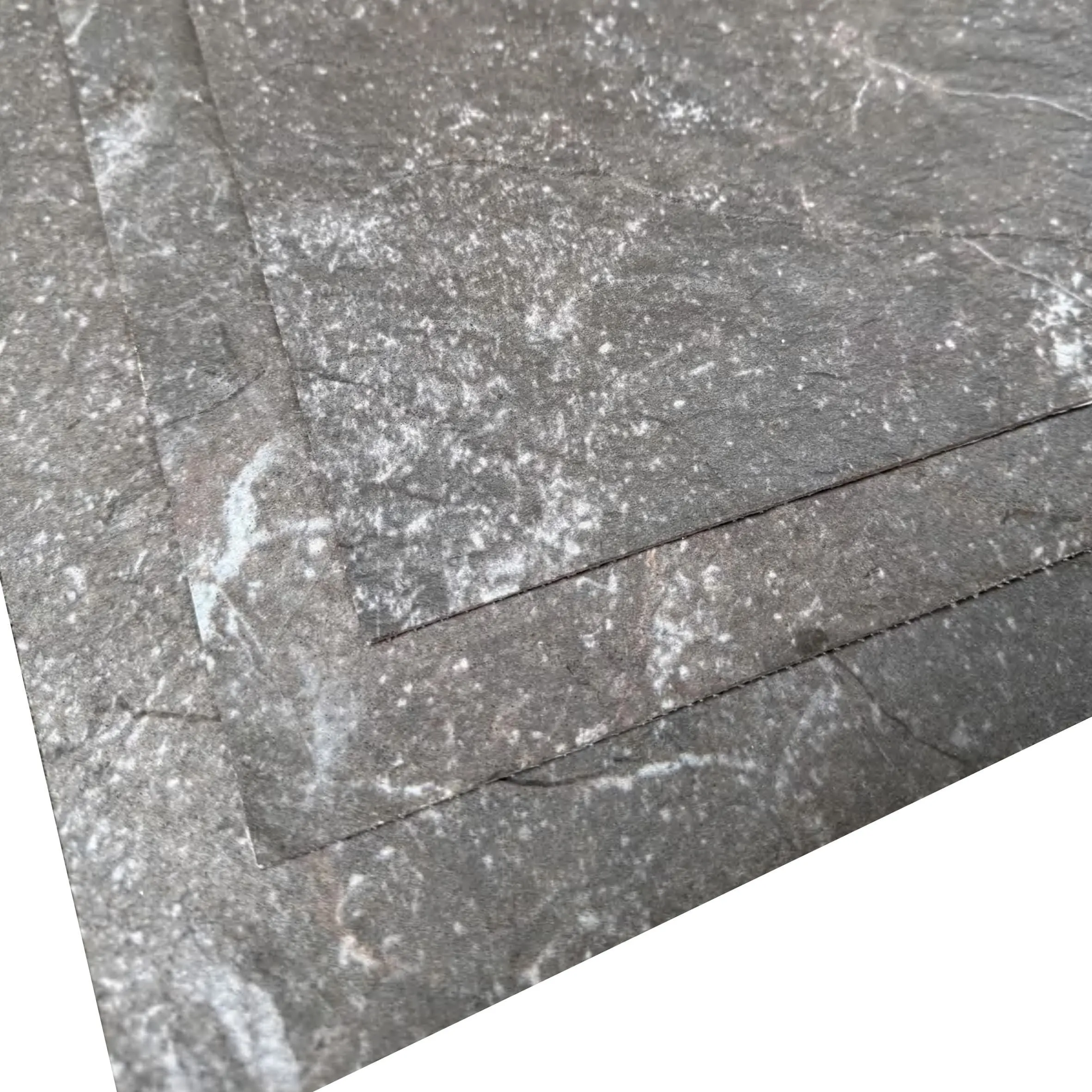
To truly appreciate Slate Portoro, it helps to see how it compares to other popular natural stones. Let's take a closer look at two others: Marble Veil White and Granite Portoro. Each has its own geological backstory, and each brings unique properties to the table.
| Stone Type | Formation Process | Key Properties | Common Uses |
|---|---|---|---|
| Slate Portoro | Metamorphism of shale; foliation from pressure/heat | Deep black with gold/silver veins; smooth, splittable texture; high durability; low porosity | Flooring, countertops, wall cladding, roofing |
| Marble Veil White | Metamorphism of limestone; recrystallization of calcite | Bright white with subtle gray veining; soft, luxurious texture; moderate durability (prone to etching) | Statuary, bathroom surfaces, decorative accents |
| Granite Portoro | Igneous; slow cooling of magma beneath Earth's surface | Dark with white/gray flecks; coarse-grained texture; extremely hard and heat-resistant | Kitchen countertops, outdoor paving, monuments |
Marble Veil White, for instance, is also a metamorphic rock, but it forms from limestone, not shale. Its veining comes from mineral-rich fluids that seeped through cracks during metamorphism, creating delicate, cloud-like patterns. However, because it's made mostly of calcite, it's softer than Slate Portoro and more susceptible to acids (like lemon juice), which can etch its surface. This makes it better suited for low-traffic, decorative spaces rather than busy kitchens.
Granite Portoro, on the other hand, is an igneous rock, formed when magma cools slowly underground, allowing large mineral crystals to grow. This gives it a coarse, speckled texture and extreme hardness—even harder than slate. While both Granite Portoro and Slate Portoro are durable, granite's crystalline structure makes it more resistant to scratches, though its weight can make installation trickier. Slate Portoro, with its lighter weight (thanks to foliation) and ease of splitting, offers more flexibility in design.
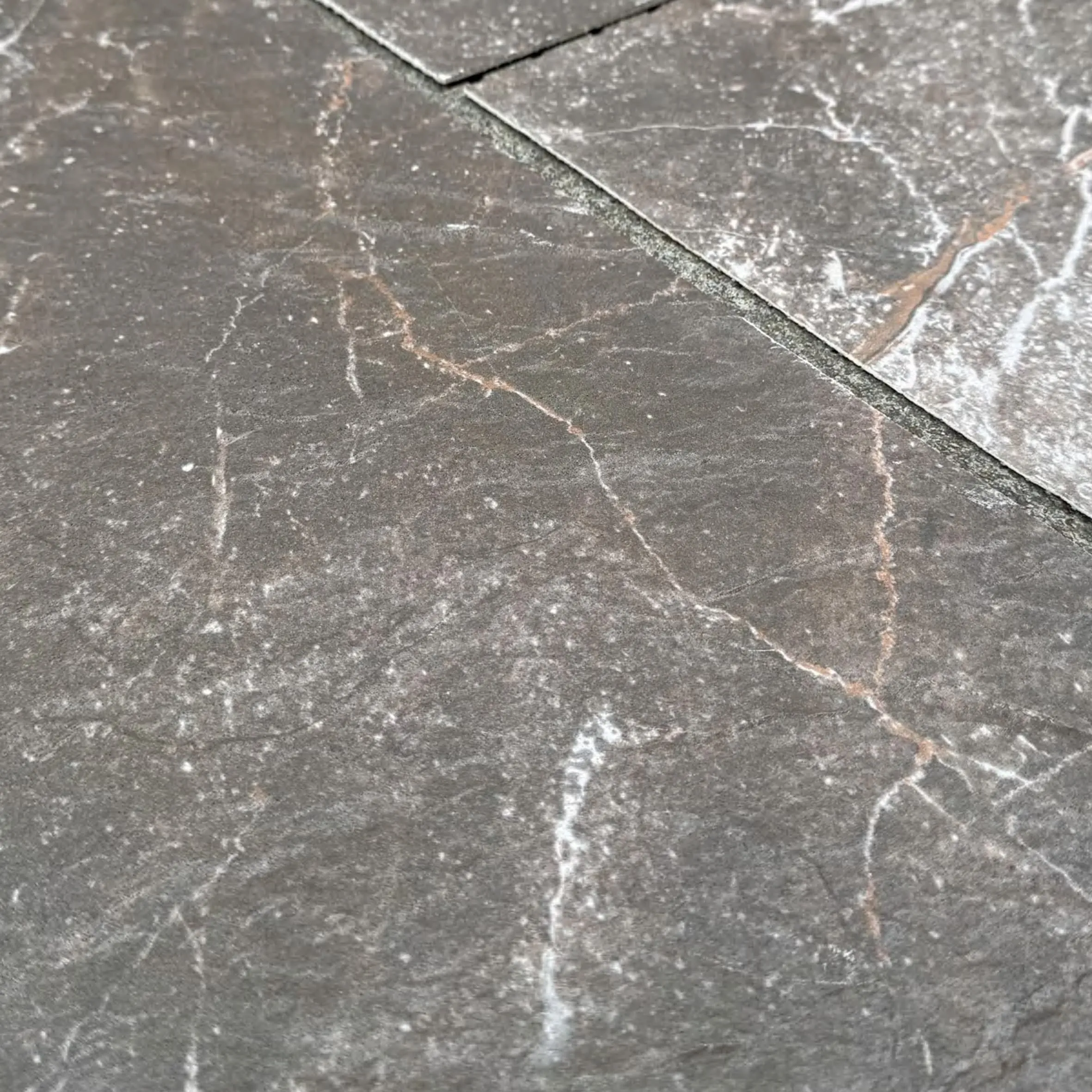
Today, Slate Portoro is experiencing a renaissance in architecture and design. Architects and designers are drawn to its versatility—equally at home in a historic townhouse and a cutting-edge art gallery. In Milan, a recent boutique hotel used Slate Portoro for its lobby walls, pairing the stone's dark elegance with warm wood accents and soft lighting. The result? A space that feels both timeless and contemporary, where the stone's natural veining becomes a focal point, telling a story without words.
In residential design, Slate Portoro is often used to create contrast. Imagine a kitchen with white cabinetry and a Slate Portoro backsplash: the dark stone grounds the space, adding depth and drama, while the white keeps it bright and airy. Or a bathroom where Slate Portoro floors meet marble walls—the coolness of the slate balancing the warmth of the marble, creating a spa-like retreat.
But it's not just about looks. In sustainable design, Slate Portoro's durability is a boon. Because it lasts so long, it reduces the need for replacement, lowering a building's environmental footprint. And unlike some synthetic materials, it's natural and non-toxic, making it a healthy choice for indoor spaces. Even in outdoor applications—like patio paving or pool surrounds—Slate Portoro holds up, resisting fading from sunlight and damage from freeze-thaw cycles.

Slate Portoro is more than a building material; it's a piece of Earth's history, forged by time, pressure, and transformation. Its deep color, smooth texture, and unyielding durability are all gifts of its geological journey—from ancient ocean sediments to the slabs we use today. When we choose Slate Portoro for our homes, offices, or public spaces, we're not just selecting a stone; we're inviting a story into our lives. A story of resilience, of beauty born from change, and of the quiet power of natural processes.
In a world that often values the new and the quick, Slate Portoro reminds us of the beauty of patience. It took millions of years to create, but its appeal is timeless. Whether paired with modern materials like fair-faced concrete or classic stones like marble, it stands out as a material with depth—both literal and figurative. So the next time you see Slate Portoro, take a moment to look closer. Run your hand over its surface, trace its veins, and remember: you're touching a piece of the Earth's past, shaped by forces far greater than ourselves. And in that, there's something profoundly human—a connection to the world that made us, and continues to inspire us.
Recommend Products












