
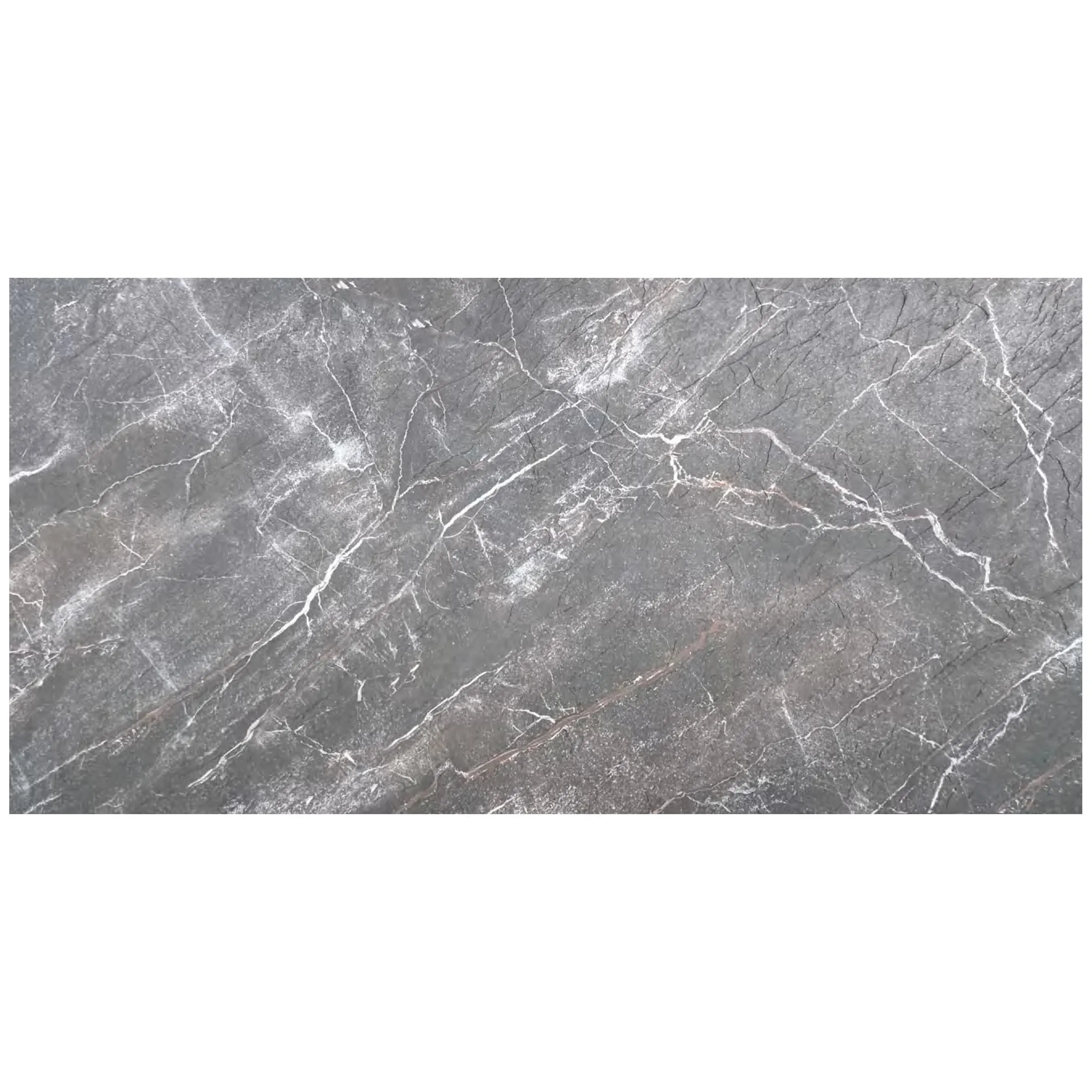
Stones have a way of telling stories—stories of time, pressure, and the earth's quiet, relentless creativity. They don't just fill spaces; they shape them, adding depth, character, and a sense of permanence that few materials can match. Among the many stones that grace our buildings, homes, and public spaces, Slate Portoro stands out as a particularly compelling chapter in this geological narrative. It's a stone that balances boldness with subtlety, ruggedness with refinement, and its unique veining patterns have made it a favorite for designers seeking to make a statement without sacrificing warmth. Let's dive into the world of Slate Portoro, exploring where it comes from, what makes it special, and why those swirling veins continue to captivate us.
To truly appreciate Slate Portoro, we need to start at the beginning—deep beneath the earth's surface, where time moves in millennia and rocks are born from chaos. Slate Portoro is a metamorphic rock, meaning it began as one type of rock and transformed into another under intense heat and pressure. Its story starts with sedimentary rocks like shale or mudstone, laid down in ancient seabeds or river deltas millions of years ago. Over time, these layers were buried under more sediment, and as the earth's tectonic plates shifted, they were subjected to temperatures exceeding 300°C and pressures that could crush steel.
This transformation—called metamorphism—rearranged the minerals in the original rock, aligning them into thin, parallel layers known as foliation. It's this foliation that gives slate its characteristic ability to split into flat, smooth sheets, a quality that has made it invaluable for everything from roofing tiles to flooring for centuries. But Slate Portoro isn't just any slate. Its distinct color palette and veining set it apart, and that's largely due to the specific minerals present during its formation and the unique conditions of its quarry locations.
Most Slate Portoro is quarried in select regions of northern Italy and parts of Spain, areas known for their rich geological diversity. These quarries are often located in mountainous terrain, where the earth's crust was folded and uplifted, bringing the once-buried metamorphic rocks to the surface. Quarrying Slate Portoro is no easy feat; it requires a careful balance of modern machinery and traditional skill to extract the stone without damaging its delicate foliation or disrupting those prized veins. Miners often speak of the thrill of uncovering a new block, its surface revealing veins that no human hand could replicate—each one a one-of-a-kind masterpiece forged by nature.
One quarry manager in the Italian Alps described the process to me once: "You never know what you're going to get until you split the first slab. Sometimes, the veins are thin and wispy, like smoke. Other times, they're bold and dramatic, looping across the stone like lightning. That unpredictability is part of the magic. It's why every project using Slate Portoro feels unique—you can't mass-produce that kind of beauty."
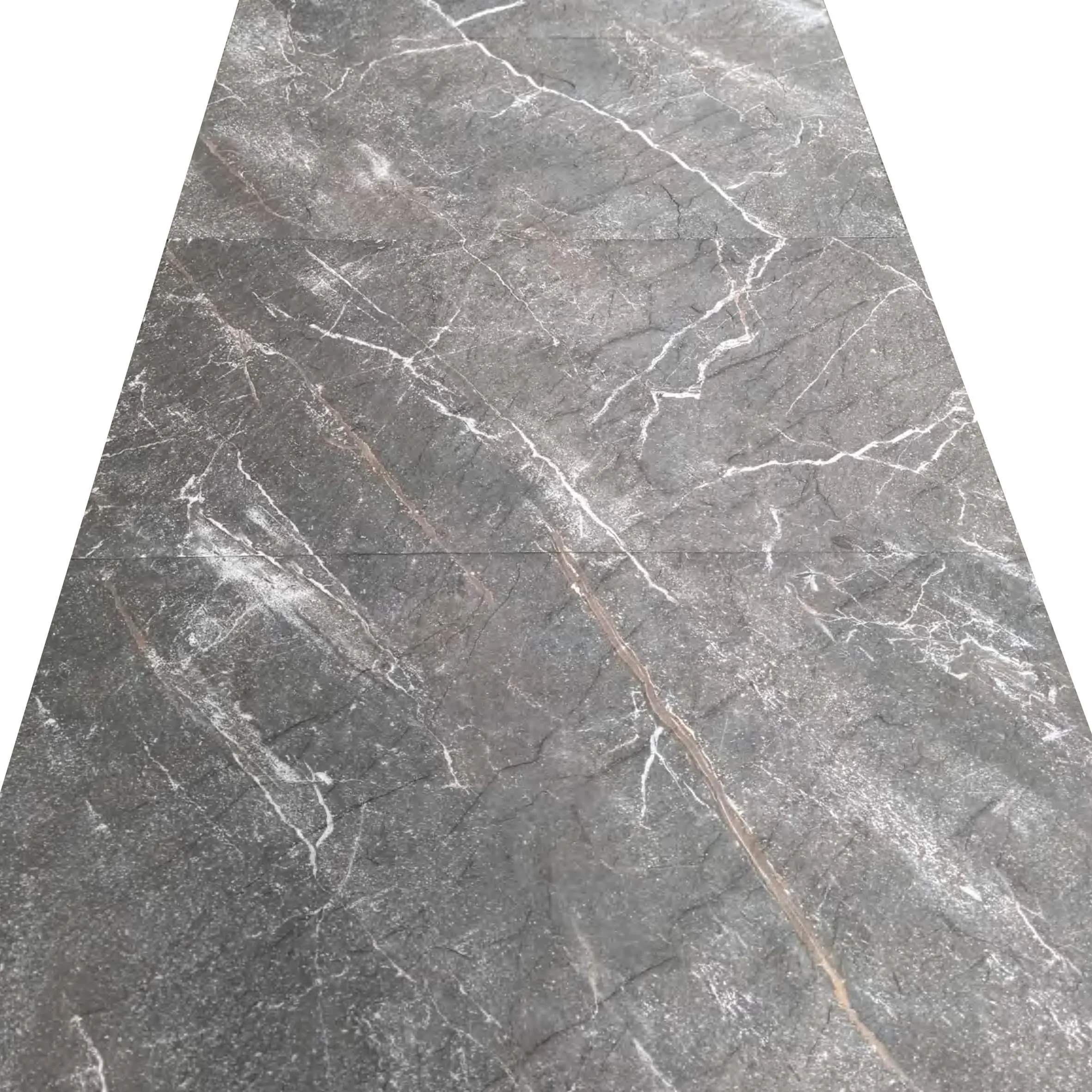
Beauty aside, Slate Portoro's popularity isn't just about looks—it's a stone that performs. Its physical properties make it a practical choice for both interior and exterior applications, standing up to the wear and tear of daily life while maintaining its aesthetic appeal. Let's break down what makes it tick.
Slate, in general, is known for its toughness, and Slate Portoro is no exception. Its metamorphic origins give it a high density and low porosity, meaning it's resistant to water absorption, stains, and scratches. This makes it ideal for high-traffic areas like hallways, kitchens, and commercial lobbies. Unlike some marbles, which can etch when exposed to acidic substances like lemon juice or vinegar, Slate Portoro holds up well to spills—though, like any natural stone, it benefits from regular sealing to keep it looking its best.
I spoke with a contractor who installed Slate Portoro flooring in a busy restaurant in Barcelona a decade ago. "We were worried about how it would hold up to constant foot traffic, spills, and even the occasional dropped plate," he told me. "Ten years later, those floors still look almost new. The color hasn't faded, the veins are as sharp as the day we laid them, and there's barely a scratch. You can't ask for more than that from a natural stone."
Run your hand over a slab of Slate Portoro, and you'll immediately notice its texture—it's smooth but not glassy, with a subtle grip that feels grounded and tactile. This is thanks to its foliated structure; when split, slate forms surfaces that are naturally flat but retain a slight "tooth" that adds warmth. It's a texture that invites touch, making spaces feel more intimate and connected to nature. Compare that to rough granite stone (dark grey) , which often has a more aggressive, pitted texture, or the polished sheen of marble, and you'll see why Slate Portoro strikes such a unique balance between rugged and refined.
Beyond durability and texture, Slate Portoro offers practical advantages for interior spaces. Its density makes it an excellent insulator, helping to regulate temperature and reduce energy costs. In winter, it stays warm underfoot, while in summer, it remains cool, making it a comfortable choice for flooring. It also has good acoustic properties, absorbing sound rather than reflecting it, which can help reduce noise in busy rooms—a boon for open-concept homes or bustling offices.
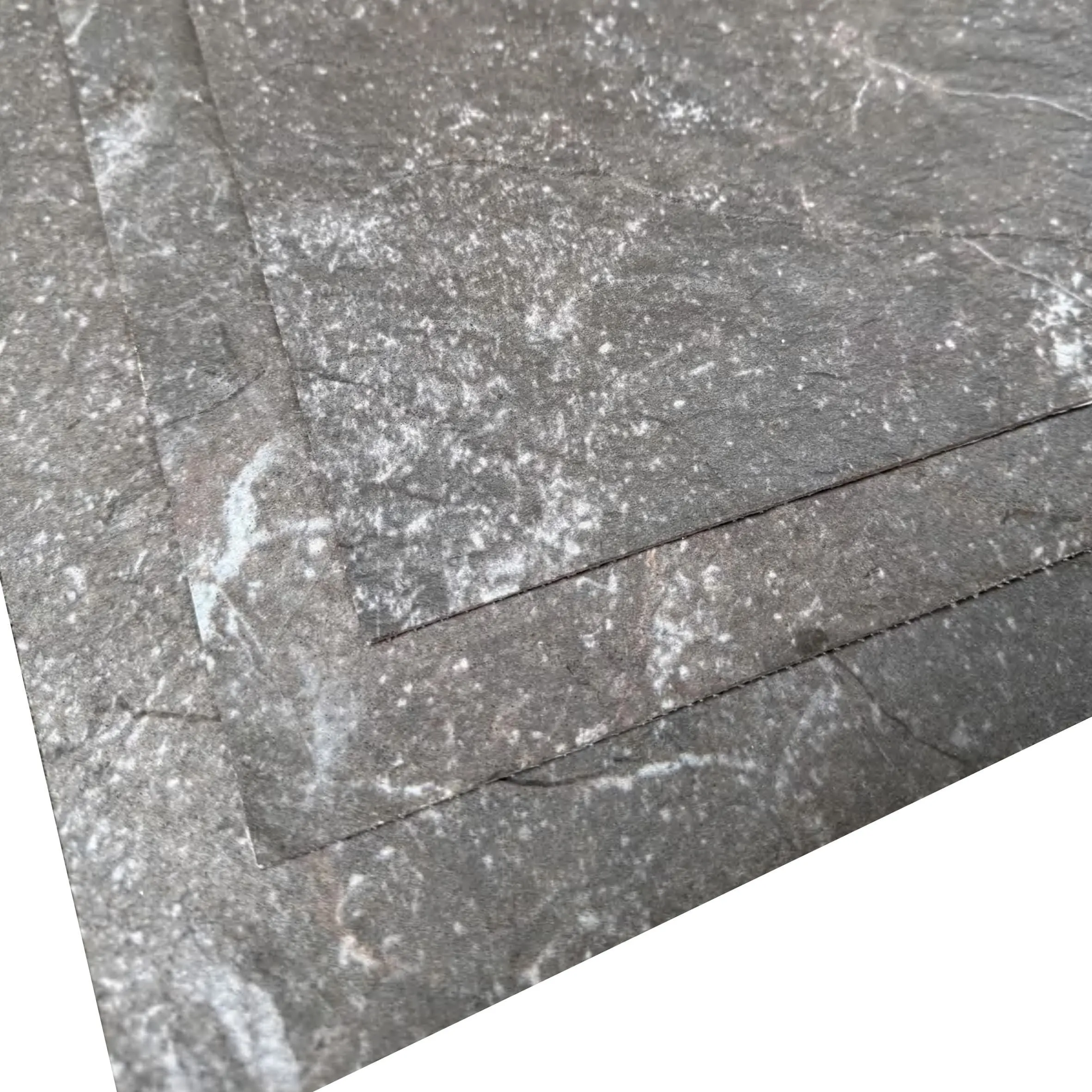
If Slate Portoro's origins and properties are the "how" and "what" of its story, its veining patterns are the "why"—the reason it turns heads, sparks conversations, and becomes the focal point of a room. These veins aren't just random marks; they're the result of mineral-rich fluids moving through the rock during metamorphism, depositing minerals like quartz, calcite, or iron oxides as they go. The result? Swirls, lines, and bursts of color that range from gold and copper to grey and charcoal, all set against a deep, dark background that makes the veins pop.
What's remarkable about Slate Portoro's veining is its unpredictability. No two slabs are exactly alike. Some have thin, delicate veins that meander like rivers across the stone; others have thick, bold streaks that look almost painted on. There are slabs with "cloud-like" patterns, where veins cluster and spread like storm systems, and others with "linear" veins that run parallel, creating a sense of movement and direction. It's this variety that makes Slate Portoro so versatile—whether you're going for a dramatic, high-contrast look or a more understated, organic feel, there's a Slate Portoro slab to match.
Designers often talk about the "personality" of a stone, and Slate Portoro's veins are a big part of that. A slab with warm gold veins might feel cozy and inviting, perfect for a living room fireplace or a bedroom accent wall. One with cool grey veins, on the other hand, can add a sleek, modern edge to a kitchen backsplash or a bathroom vanity. And because the veins are part of the stone itself—not a surface treatment—they'll never fade or wear off, ensuring the stone's beauty lasts as long as the building it's in.
I recently visited a design studio in Milan where a large Slate Portoro slab was on display, its veins looping and twisting like a abstract painting. The studio's lead designer, Elena, pointed out a particularly striking section: "See this golden streak here? It looks like a shooting star. The client who bought this slab is using it as a kitchen island countertop. Can you imagine cooking there, with that vein catching the light from the pendant lights above? It turns a functional space into something magical."
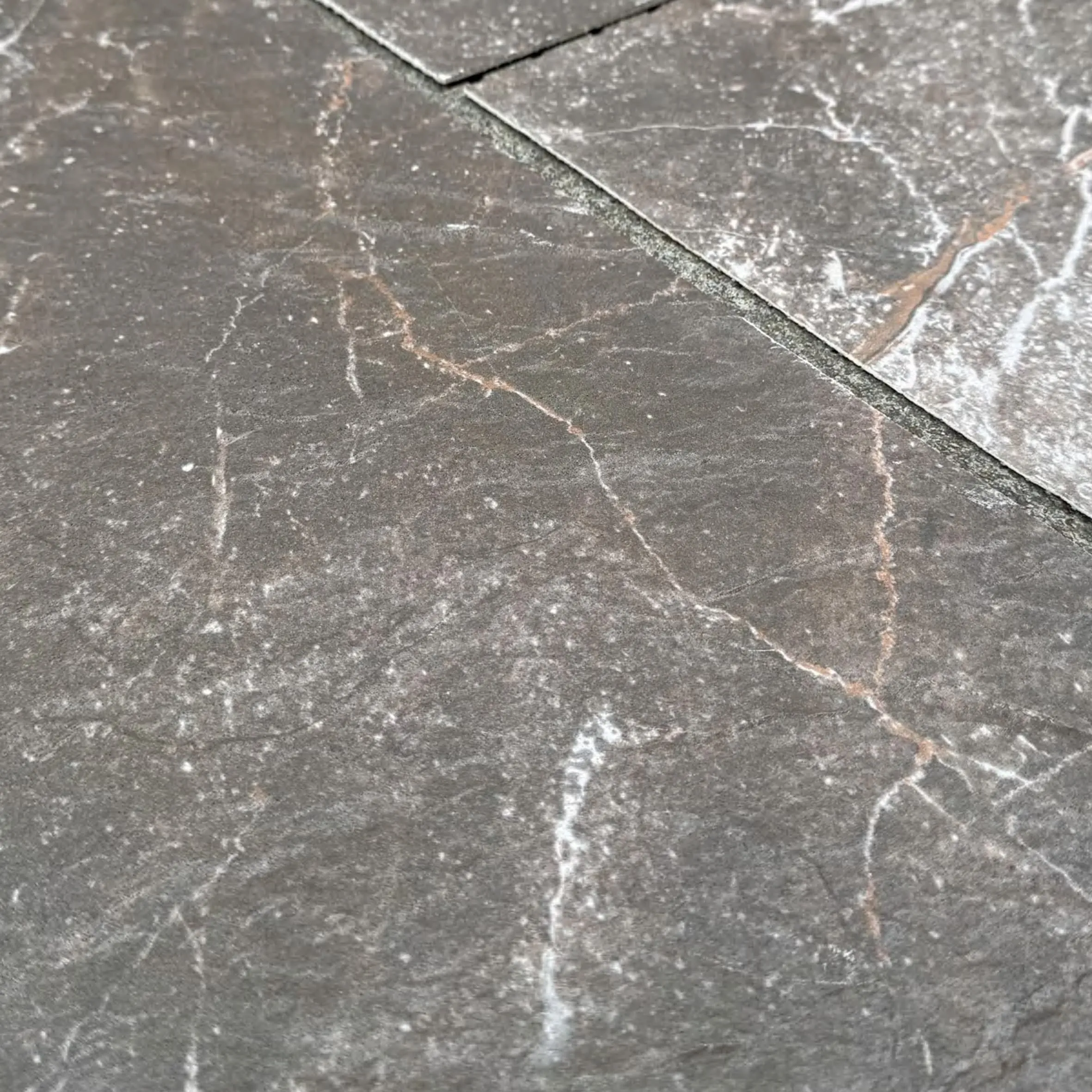
To truly understand what makes Slate Portoro unique, it helps to compare it with other stones that share some of its characteristics. Below is a breakdown of how it measures up against Marble Portoro , Granite Portoro , Slate Veil White , and rough granite stone (dark grey) —all popular choices in the world of natural stone.
| Stone Type | Primary Color | Veining Characteristics | Texture | Mohs Hardness (1-10) | Best For |
|---|---|---|---|---|---|
| Slate Portoro | Deep charcoal to black | Swirling gold, grey, and copper veins; varied, organic patterns | Smooth with subtle foliation; slightly textured | 6-7 | Floors, feature walls, countertops, fireplace surrounds |
| Marble Portoro | Black with white or gold veins | Bold, linear veins; often more uniform than slate | Highly polished; smooth, glass-like surface | 3-4 | Luxury interiors, backsplashes, decorative accents |
| Granite Portoro | Dark grey to black with flecks | Fine, speckled "veining" (mineral crystals); less dramatic than slate | Coarse-grained; can be polished or honed | 6-7 | Kitchen countertops, outdoor paving, high-traffic areas |
| Slate Veil White | Soft white to light grey | Delicate grey or blue-grey veins; subtle, cloud-like patterns | Smooth, matte finish; similar foliation to Slate Portoro | 5-6 | Bathrooms, accent walls, light-filled spaces |
| Rough Granite Stone (Dark Grey) | Dark grey with black and white speckles | Minimal veining; more about texture than pattern | Rugged, pitted surface; highly textured | 7-8 | Outdoor walls, garden paths, industrial-style interiors |
As the table shows, Slate Portoro carves out a niche all its own. It has the durability of granite but with the organic, flowing veins of marble. Its texture is smoother than rough granite but more tactile than polished marble. And while Slate Veil White offers a lighter alternative, Slate Portoro's dark base and bold veins make it a statement piece, perfect for adding drama to both modern and traditional spaces.

Slate Portoro's versatility is another reason for its enduring popularity. It adapts to a wide range of design styles, from industrial lofts to classic mansions, and works equally well indoors and out. Let's take a look at some of the most common—and most creative—ways it's used.
In interior design, Slate Portoro often takes center stage. It's a favorite for feature walls, where its veining can become a focal point in a living room, bedroom, or home office. Imagine a minimalist space with white walls, a sleek sofa, and a Slate Portoro accent wall behind the TV—the stone's dark background and golden veins would add depth without clashing with the room's simplicity. It's also a stunning choice for fireplace surrounds, where the stone's heat resistance and natural beauty complement the warmth of a crackling fire.
Kitchens and bathrooms are other areas where Slate Portoro shines. As a countertop material, it's durable enough to handle chopping, spills, and heat, and its non-slip texture makes it safe for wet areas like bathroom floors. Some homeowners even use it for shower walls, where the stone's resistance to moisture and mildew ensures it stays looking great for years. And because it comes in large slabs, it can create seamless surfaces with minimal grout lines, giving a clean, modern look.
Architects love Slate Portoro for its ability to add character to buildings, both old and new. On exteriors, it's used for cladding, creating facades that are both striking and weather-resistant. In historic renovations, it can mimic the look of traditional stone while offering modern durability, helping to preserve a building's heritage without sacrificing performance. On commercial buildings, Slate Portoro cladding makes a bold statement—think hotels, museums, or corporate headquarters that want to project strength and sophistication.
Flooring is another common application, especially in high-traffic areas like lobbies, airports, and shopping centers. Its durability ensures it can handle thousands of footsteps daily, while its texture provides traction, reducing the risk of slips. And because each slab is unique, it can turn a plain corridor into a gallery-like space, where the floor itself becomes a work of art.
Slate Portoro isn't just for indoors—it's equally at home in outdoor spaces. Its resistance to frost, rain, and UV rays makes it ideal for patios, walkways, and pool surrounds. Imagine a backyard patio with Slate Portoro tiles, paired with wooden furniture and potted plants—the stone's dark color would contrast beautifully with the greenery, creating a space that feels both elegant and inviting. It's also used for garden walls and water features, where its natural texture and color complement the surrounding landscape.
In a world where trends come and go, Slate Portoro remains a constant. It's a stone that doesn't just follow design fads—it transcends them, bringing a sense of timelessness to any space. Part of that appeal is its connection to the earth; in an era of synthetic materials and mass-produced goods, there's something deeply satisfying about a material that's been millions of years in the making. It's also a stone that evolves with age, developing a subtle patina that only adds to its character. Scratches and wear become part of its story, a reminder that beauty can come from imperfection.
But perhaps the biggest reason Slate Portoro endures is the emotion it evokes. There's a reason people stop and stare at a Slate Portoro slab in a showroom or pause to run their hand over a Slate Portoro wall. It's more than just a building material; it's a piece of the earth, a snapshot of geological history, and a work of art all at once. It makes spaces feel grounded yet grand, rustic yet refined, and in doing so, it creates environments that people remember—not just for their looks, but for how they feel.
So the next time you encounter Slate Portoro—whether in a hotel lobby, a friend's home, or a public square—take a moment to appreciate it. Look at the veins, feel the texture, and think about the journey it's been on: from ancient seabeds to mountain quarries, from rough blocks to polished slabs, all to become part of the space you're in. It's a stone with a story, and lucky for us, it's a story that's still being written—one building, one room, one slab at a time.
Recommend Products












