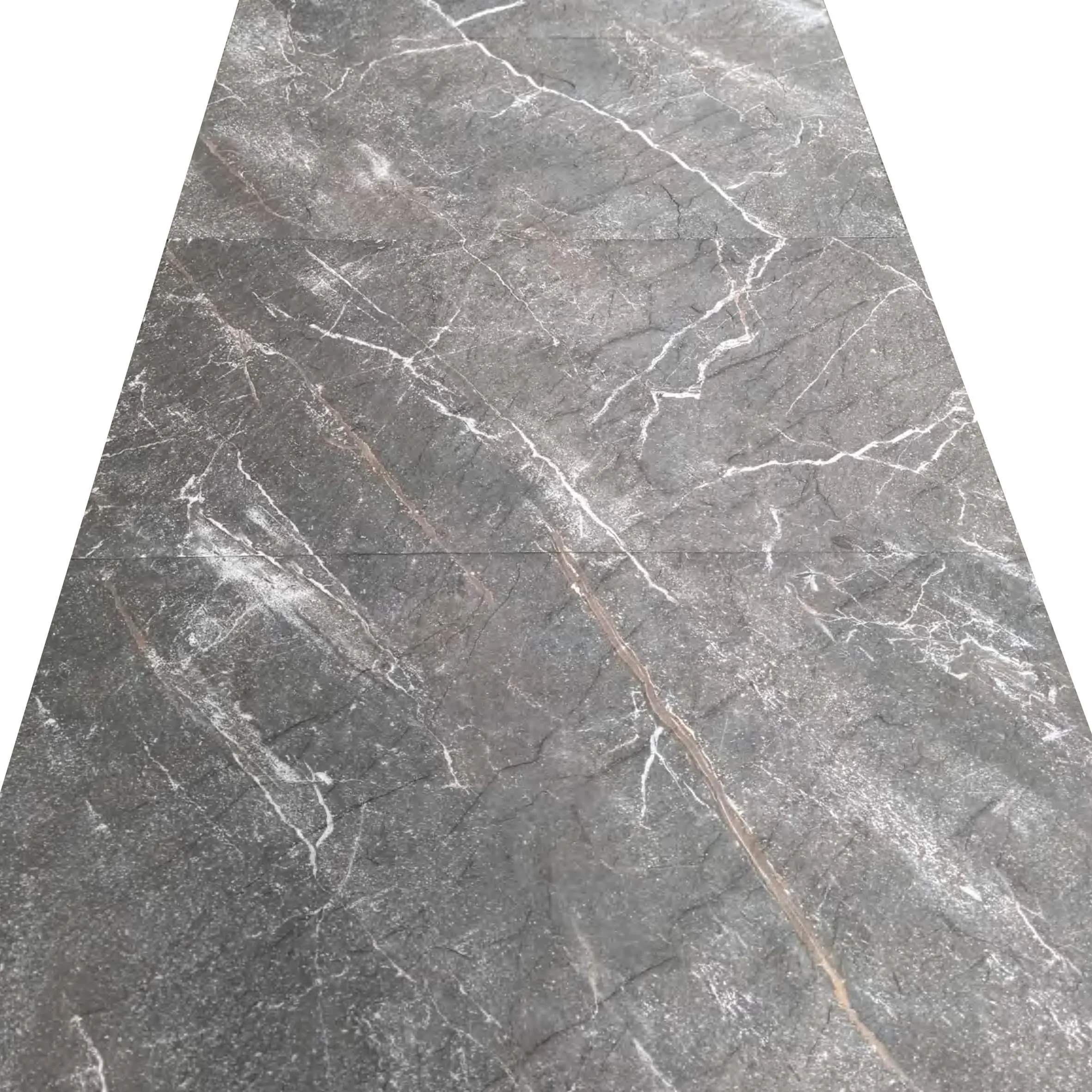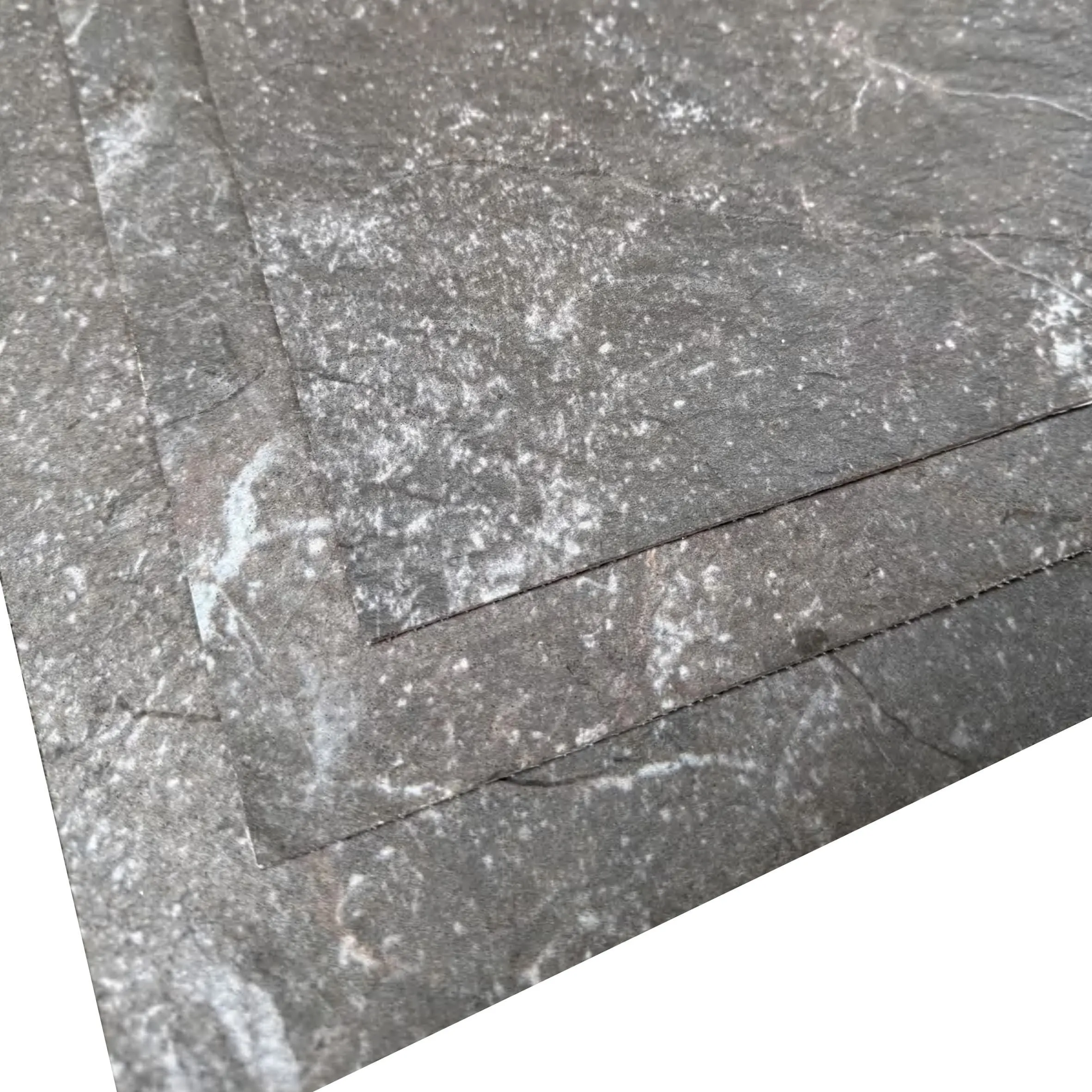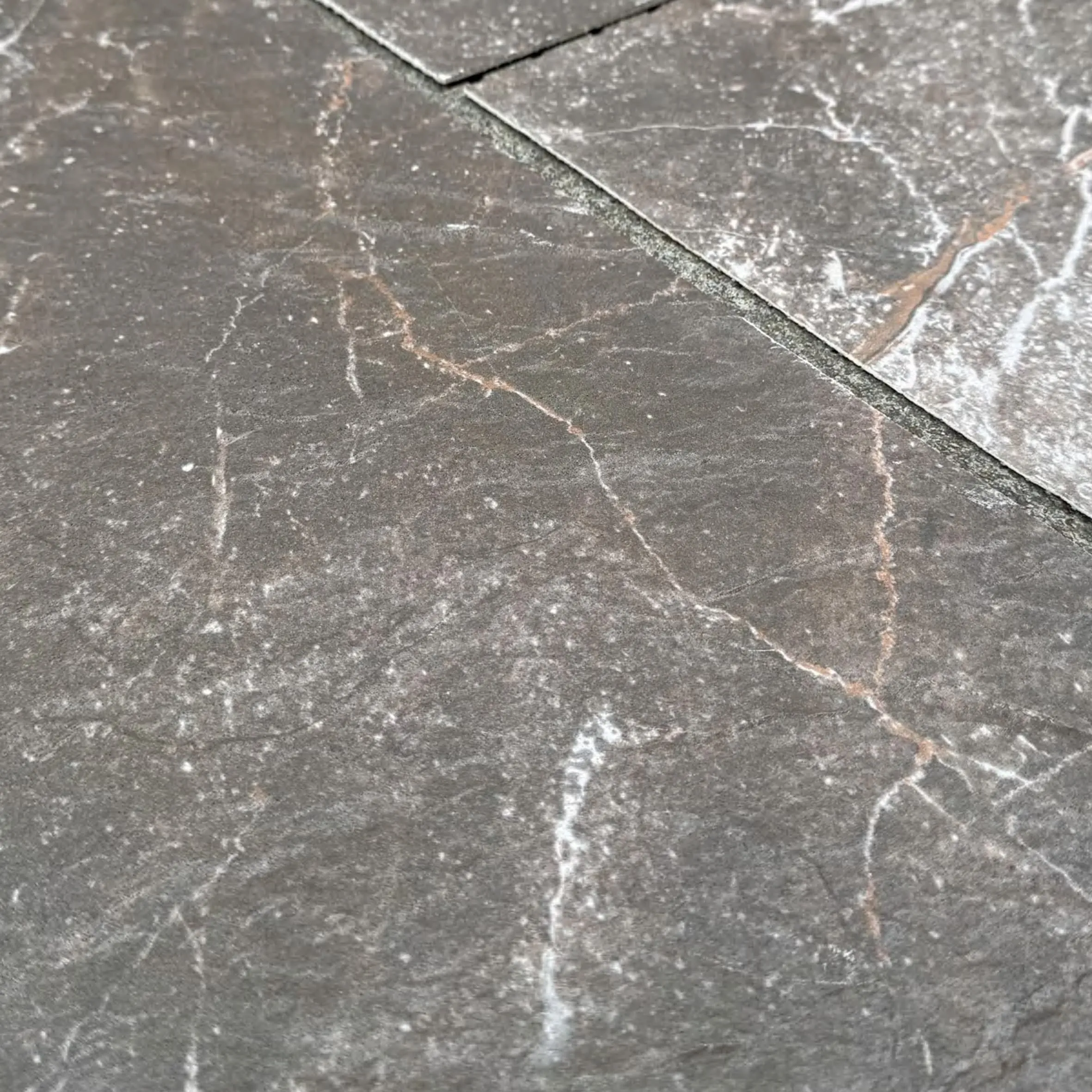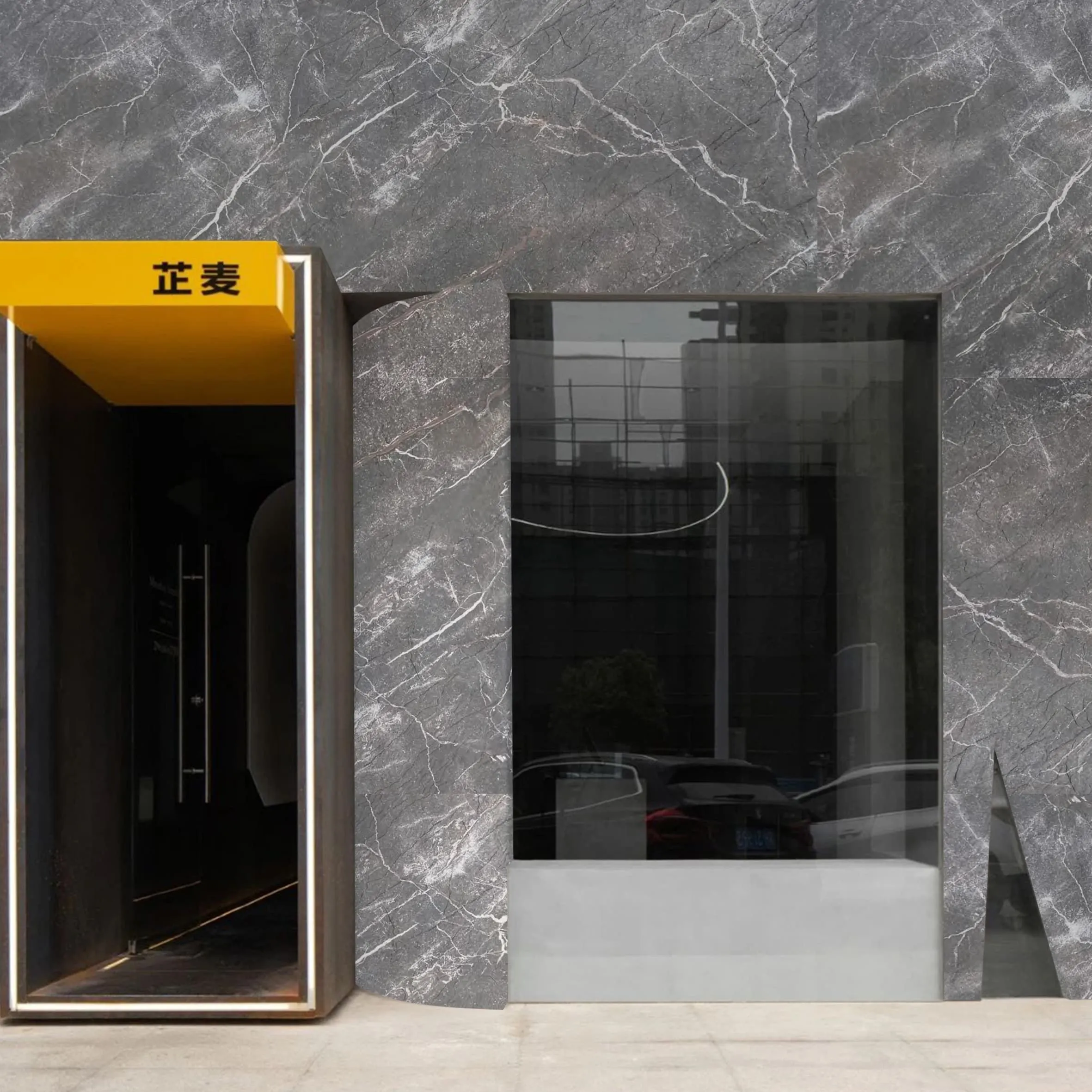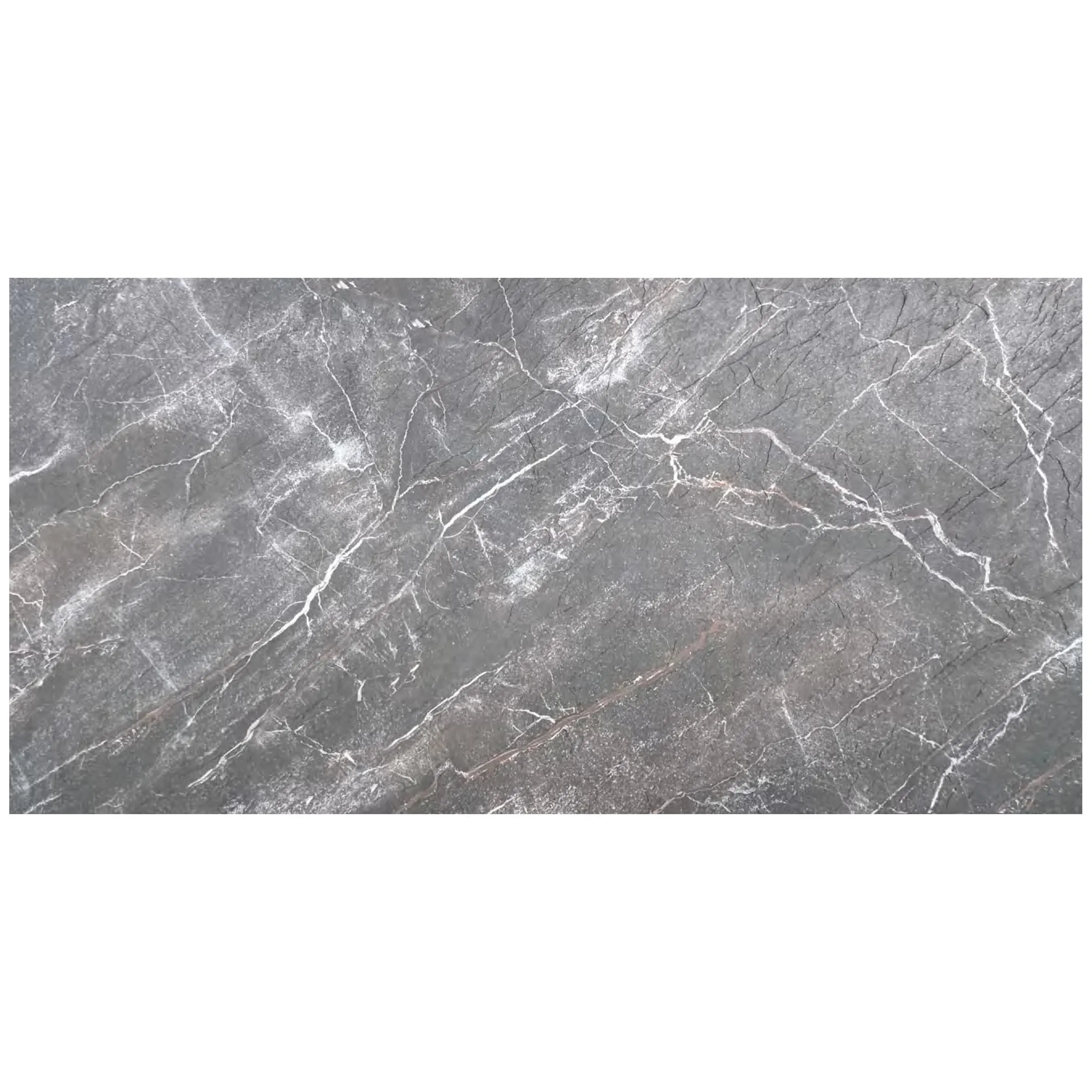
First, let's get real about Slate Portoro. It's a natural stone, which means each slab is unique – a plus for aesthetics, but a minus for consistency. You might order ten slabs and end up with three that have the perfect vein pattern, four that are too light, and three that have hairline cracks you didn't notice until installation. And let's not forget the weight: natural stone slabs can weigh 150-200 pounds each. That's not just a hassle for your crew; it adds structural stress to buildings, limits where you can use them (good luck mounting that on a second-story exterior wall), and hikes up shipping costs.
Then there's the installation. Natural stone is rigid, so if the substrate isn't perfectly flat, you're looking at uneven seams or, worse, cracks. Cutting it requires specialized tools, and even then, it's easy to chip the edges. And once it's up? It needs regular sealing to prevent stains – which means callbacks from clients down the line when that coffee spill soaks in. For contractors, this translates to longer project timelines, higher labor costs, and more room for error.
Take fair-faced concrete, another traditional material contractors often turn to for a sleek, industrial look. It's durable, but it's heavy, hard to customize, and prone to cracking if not installed with extreme precision. Sound familiar? These are the same pain points that make Slate Portoro a headache – and they're exactly what MCM solves.