
If you're a developer navigating the dynamic landscape of Middle East architecture, you know that materials aren't just building blocks—they're the language of design. They tell stories of luxury, heritage, and innovation, and in a region where ambition meets tradition, choosing the right material can turn a project from "good" to "iconic." Lately, one material has been generating buzz in architectural circles from Dubai to Riyadh: Slate Portoro. But what is it about this stone that's capturing the attention of developers, architects, and designers? Let's dive into the trends, insights, and practical considerations that make Slate Portoro a standout choice in Middle East construction today.
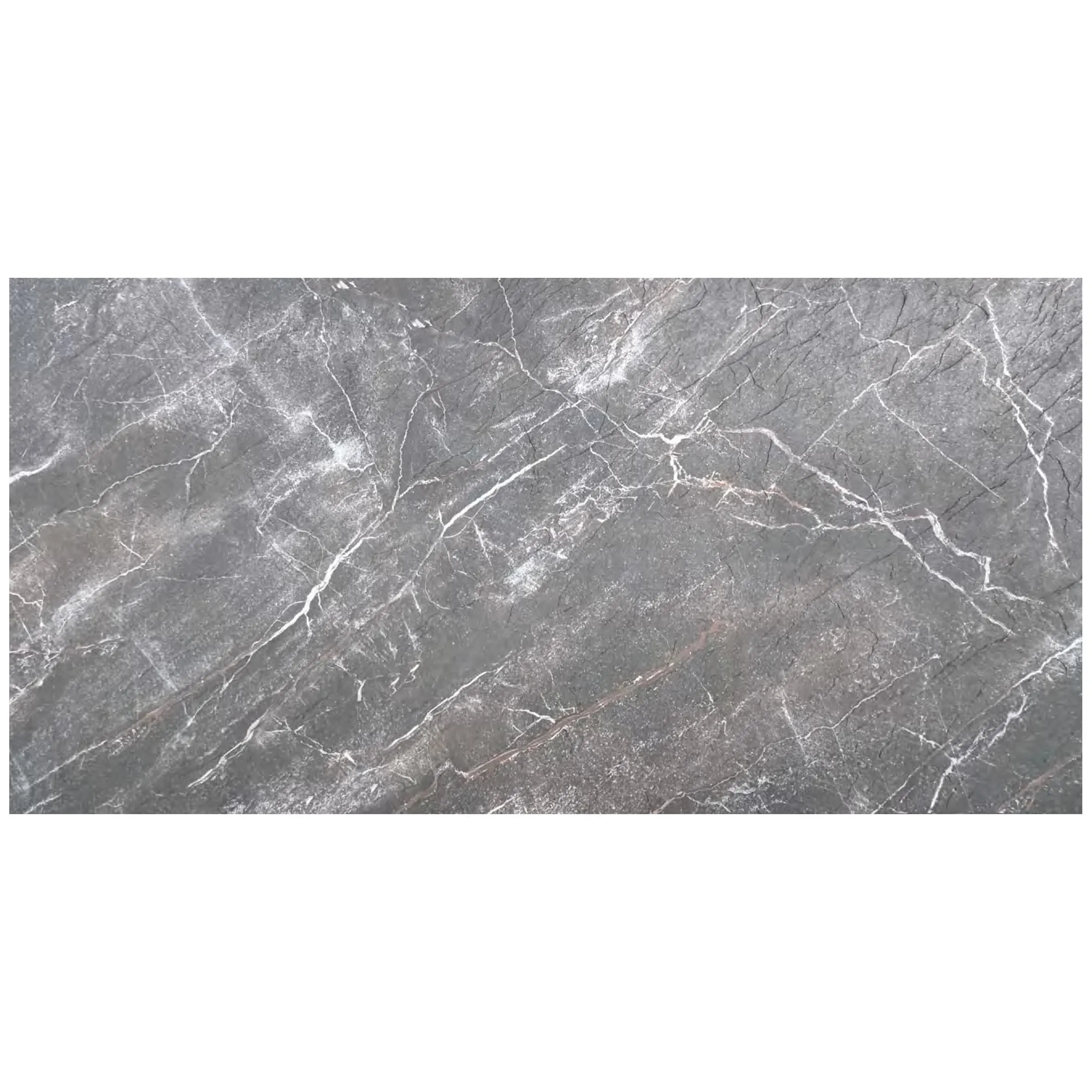
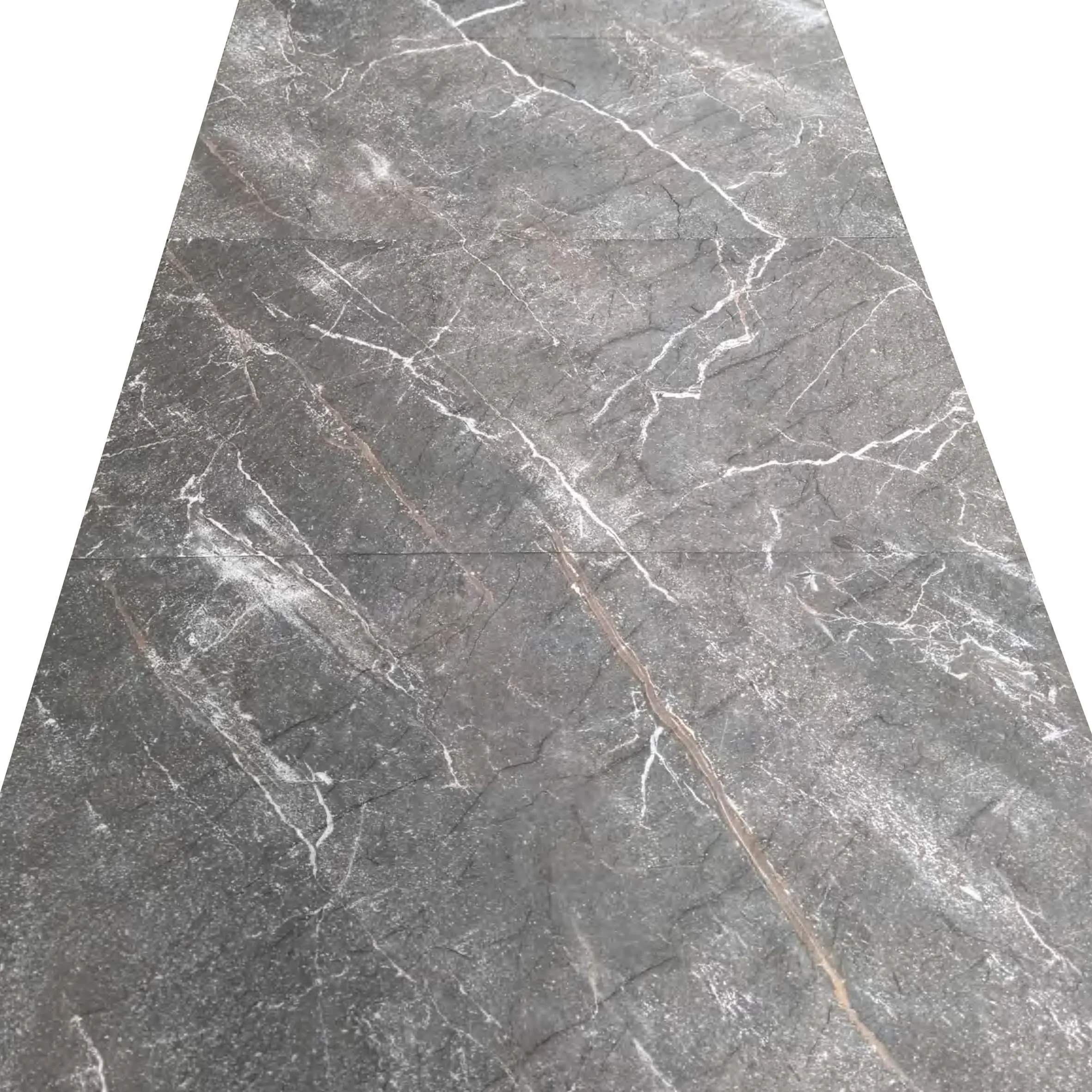
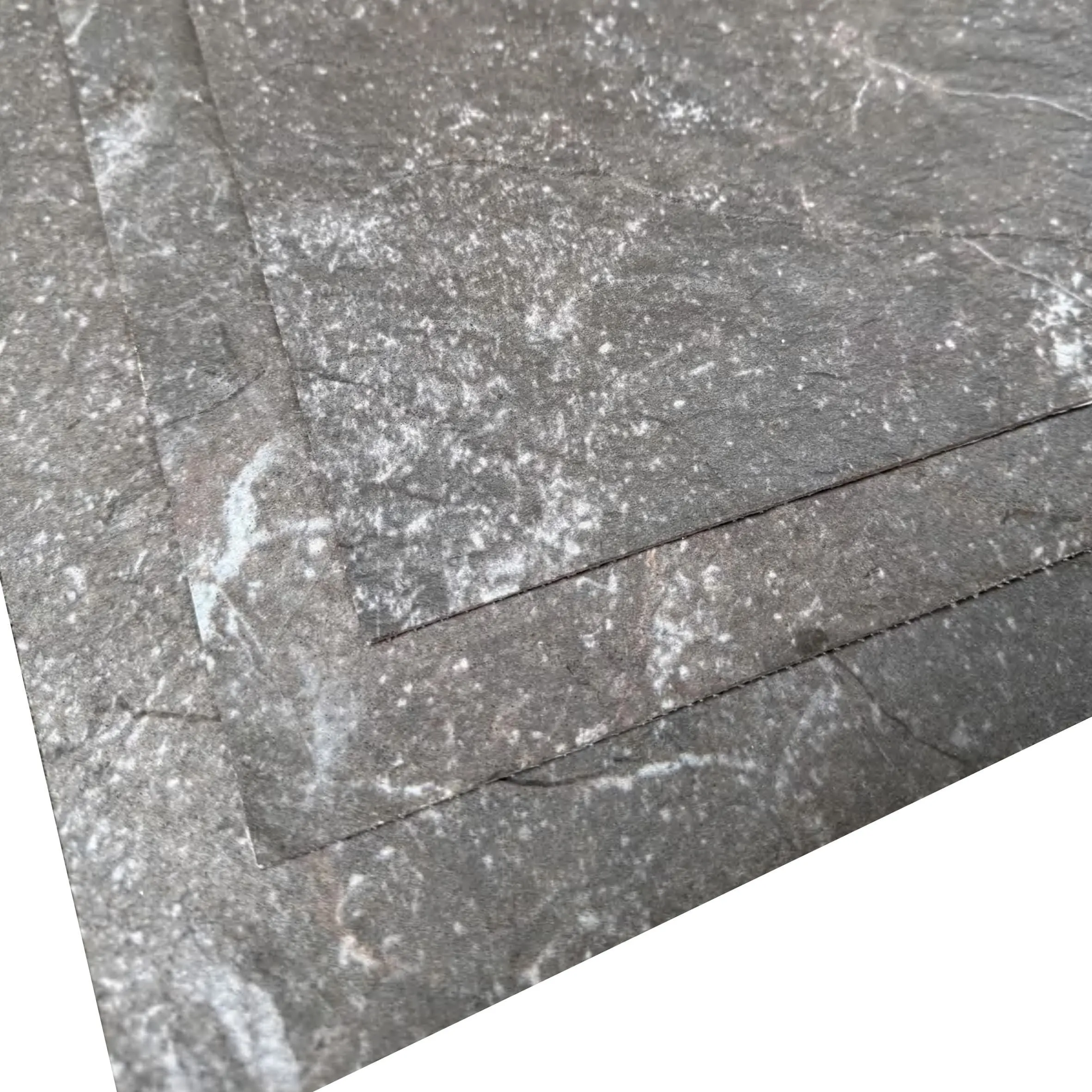
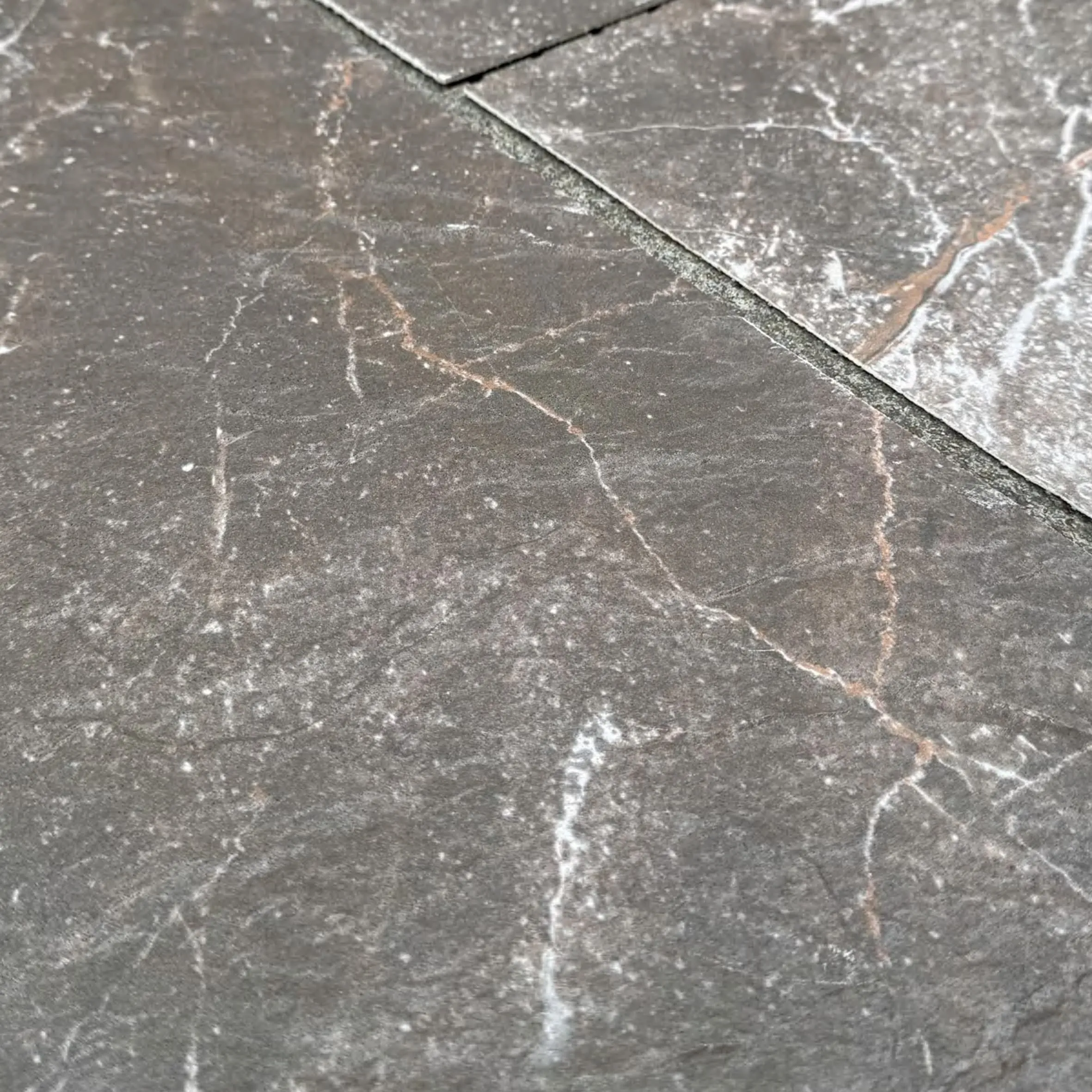
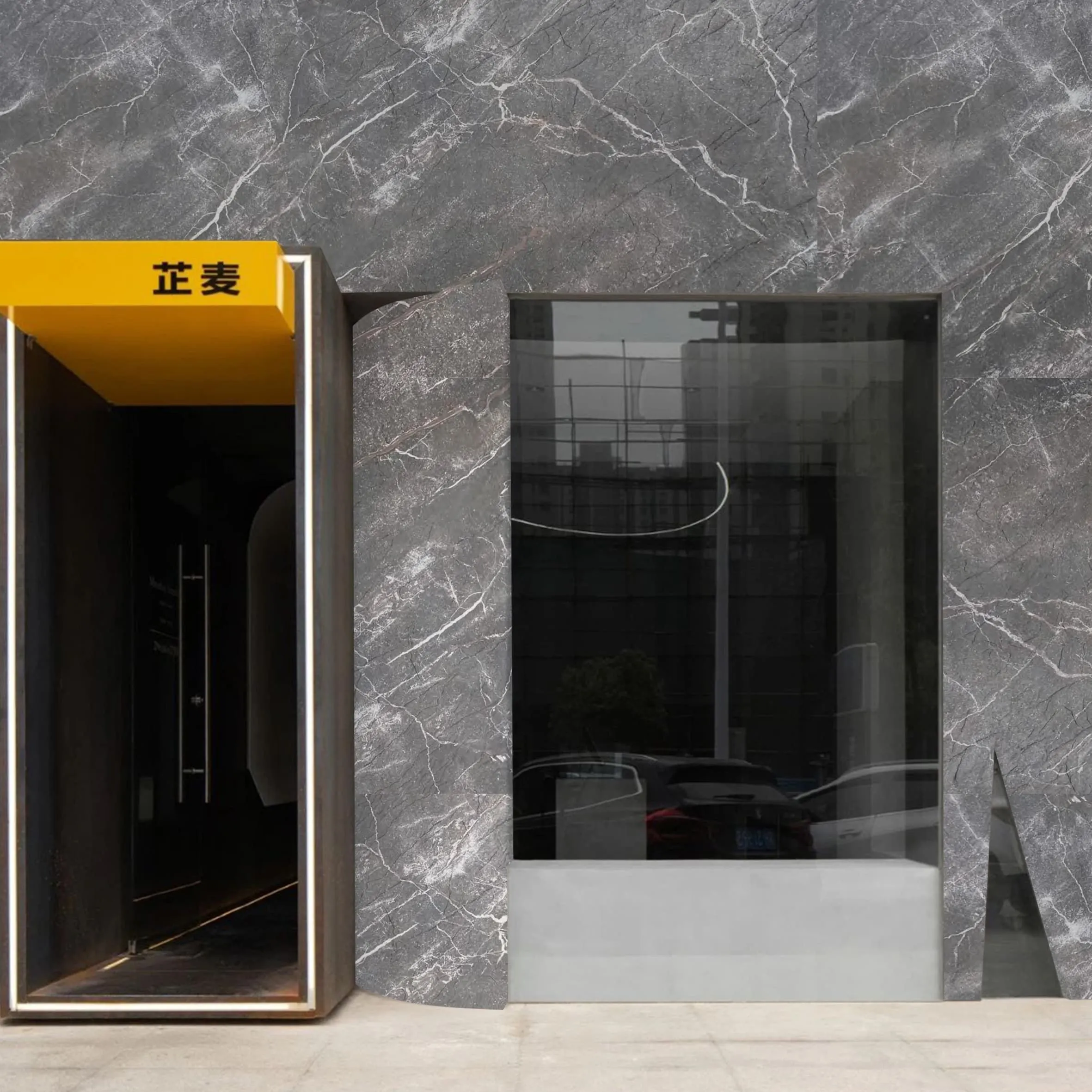
First things first: let's talk about the star of the show. Slate Portoro isn't your average stone. Picture this: a deep, velvety black base that feels almost liquid in its smoothness, interlaced with bold, irregular veins of gold that catch the light like scattered sunlight on a moonlit ocean. It's dramatic, it's luxurious, and it's versatile—qualities that resonate deeply in a region where architecture often doubles as a statement of prestige. Unlike some stones that feel cold or sterile, Slate Portoro has warmth; its gold veins add movement, making large surfaces feel dynamic rather than flat.
But its appeal isn't just skin-deep. Middle East developers know that materials here need to withstand extreme conditions: scorching summer temperatures that can top 50°C (122°F), occasional sandstorms, and intense UV radiation. Slate Portoro delivers on durability. Its dense composition resists scratching, staining, and weathering, meaning buildings clad in it will look pristine for decades—no small feat in a climate that tests even the toughest materials. And for interiors, its low porosity makes it easy to clean, a must for high-traffic spaces like hotel lobbies, shopping malls, and corporate offices.
To understand why Slate Portoro is trending, you need to grasp the current state of Middle East architecture. Developers here aren't just building structures—they're crafting landmarks that blend cultural identity with global ambition. Think of Dubai's skyline, where futuristic skyscrapers stand alongside restored heritage districts, or Abu Dhabi's Louvre, a masterpiece of modern design housing ancient artifacts. This duality—honoring the past while reaching for the future—is at the heart of the region's architectural DNA, and materials play a pivotal role in expressing it.
Luxury is another constant. From five-star resorts to high-end residential towers, the Middle East market demands materials that exude opulence. Marble, granite, and natural stone have long been go-tos, but there's a growing hunger for something that feels fresh yet timeless. Slate Portoro fits the bill. Its bold black-and-gold palette nods to traditional Middle Eastern design motifs—think of the intricate gold inlay work in historic palaces—while its sleek finish aligns with contemporary minimalism. It's a material that can bridge generations, appealing to both those who value heritage and those drawn to cutting-edge aesthetics.
Sustainability is also rising in importance. Governments across the region are pushing for greener building practices, with initiatives like Dubai's 2040 Urban Master Plan emphasizing energy efficiency and eco-friendly materials. Developers are now prioritizing materials that reduce carbon footprints, improve insulation, and require minimal maintenance. Here, Slate Portoro has a hidden advantage: its longevity. Unlike synthetic materials that may need replacement every 15–20 years, natural stone like Slate Portoro can last a century or more, reducing the need for frequent renovations and the waste that comes with them. When paired with innovative, sustainable materials like MCM flexible stone—a lightweight, composite cladding that cuts down on transportation emissions and installation time—developers can create projects that are both luxurious and environmentally responsible.
One of the biggest mistakes developers make is treating materials in isolation. The best projects are those where materials work in harmony, each enhancing the other's strengths. Slate Portoro, with its strong visual presence, is a natural leader in such pairings. Let's explore how it complements some of the region's most popular building materials—insights that could help you craft more cohesive, compelling designs.
| Material | Aesthetic Synergy with Slate Portoro | Practical Benefits | Ideal Applications |
|---|---|---|---|
| Fair-Faced Concrete | Raw, industrial texture balances Slate Portoro's luxury; neutral gray tones let gold veins pop. | Cost-effective, fire-resistant, and easy to mold into custom shapes. | Exterior facades, parking garages, commercial building lobbies. |
| MCM Flexible Stone | Lightweight, customizable panels in earthy tones (e.g., terracotta, sand) complement Slate Portoro's boldness. | Reduces structural load; flexible for curved surfaces; eco-friendly (low carbon footprint). | Curved facades, accent walls, low-rise residential complexes. |
| Travertine (Starry Blue) | Subtle blue-gray base with "starry" mineral deposits adds depth; contrasts with Slate Portoro's black. | Natural porosity allows for thermal insulation; cool to the touch in hot climates. | Interior accent walls, pool surrounds, outdoor patios. |
| Lunar Peak Golden | Warm golden hue mirrors Slate Portoro's veins; creates a cohesive, opulent palette. | Highly durable, scratch-resistant; ideal for high-traffic areas. | Hotel reception desks, elevator lobbies, luxury retail countertops. |
Take, for example, a hypothetical mixed-use development in Riyadh. The architect might use Slate Portoro for the ground-floor retail facades, its boldness drawing pedestrians in. Above, the tower's exterior could combine fair-faced concrete panels with MCM flexible stone accents in a warm sand tone, creating a visual hierarchy that guides the eye upward. Inside, the lobby might feature Slate Portoro floors paired with Lunar Peak Golden wall cladding—echoing the gold veins in the stone and amplifying the sense of luxury. For the rooftop terrace, Travertine (Starry Blue) could line the pool deck, its cool blue-gray providing a calming contrast to Slate Portoro's drama. This kind of thoughtful pairing doesn't just look good; it creates a memorable experience that sets the project apart.
At the end of the day, trends are only valuable if they translate to ROI. So, what makes Slate Portoro a smart investment for developers? Let's break it down:
The Middle East's construction boom means competition is fierce. Tenants, buyers, and visitors have endless options, so projects need a unique selling point. Slate Portoro isn't yet as ubiquitous as white marble or standard granite, which means using it can make your development feel exclusive. Imagine marketing materials highlighting "lobbies clad in imported Slate Portoro with hand-selected gold veining"—it's a detail that signals quality and attention to craft, which can justify premium pricing.
Natural stone often gets a bad rap for being high-maintenance, but Slate Portoro is surprisingly easy to care for. A yearly sealant application is usually enough to keep it stain-resistant, and daily cleaning requires nothing more than water and mild soap. Compare that to synthetic materials that might fade, crack, or peel after a few years, requiring costly repairs or replacements. Over the lifespan of a building, Slate Portoro can actually save developers money.
Whether you're building a luxury hotel, a corporate headquarters, or a high-end residential tower, Slate Portoro adapts. Externally, it works as cladding, coping, or accent panels. Internally, it shines as flooring, wall cladding, countertops, or even custom furniture. This versatility means you can create a cohesive brand identity across a development, from the lobby to the penthouse, without feeling repetitive.
Sustainability isn't just a buzzword—it's a regulatory requirement in many Middle East cities. Slate Portoro, as a natural, non-toxic material, contributes to LEED and Estidama certifications. When paired with MCM flexible stone—a material made from recycled minerals and requiring 70% less energy to transport than traditional stone—developers can further boost their green credentials. This isn't just good for the planet; it's good for marketing, as eco-conscious tenants and buyers increasingly prioritize sustainable buildings.
So, what's next for Slate Portoro? If current trends are any indication, its popularity will only grow. Here are a few emerging directions to watch:
Biophilic Design Integration : As developers embrace biophilic design—connecting buildings to nature—Slate Portoro could play a role in indoor-outdoor spaces. Imagine a courtyard with Slate Portoro pathways winding through native plants, or a restaurant terrace with Slate Portoro tables overlooking a water feature. The stone's natural origins make it a seamless fit for this trend.
Digital Fabrication : Advances in 3D scanning and CNC machining mean Slate Portoro can be cut into intricate, custom shapes—think geometric patterns for facades or sculptural elements for lobbies. This opens up new creative possibilities, allowing developers to push the boundaries of traditional stone design.
Heritage Revival : Many Middle East cities are investing in restoring historic districts, and Slate Portoro could be used to bridge old and new. For example, a renovated souk might feature Slate Portoro accents alongside traditional materials like adobe and palm wood, creating a dialogue between past and present.
In the fast-paced world of Middle East architecture, trends come and go, but great materials endure. Slate Portoro's rise isn't just about a passing fascination with black-and-gold aesthetics; it's about a material that understands the region's needs: luxury, durability, sustainability, and storytelling. For developers willing to invest in materials that elevate their projects beyond the ordinary, Slate Portoro offers a rare combination of beauty and practicality.
Whether you're designing a skyline-defining tower or a boutique development, consider this: in a market where every detail matters, Slate Portoro isn't just a choice—it's a statement. It says your project is built to last, designed to inspire, and crafted with intention. And in the Middle East, that's a message that resonates.
So, the next time you're reviewing material samples or brainstorming design concepts, take a closer look at Slate Portoro. Its veins might just hold the key to your project's success.
Recommend Products












