
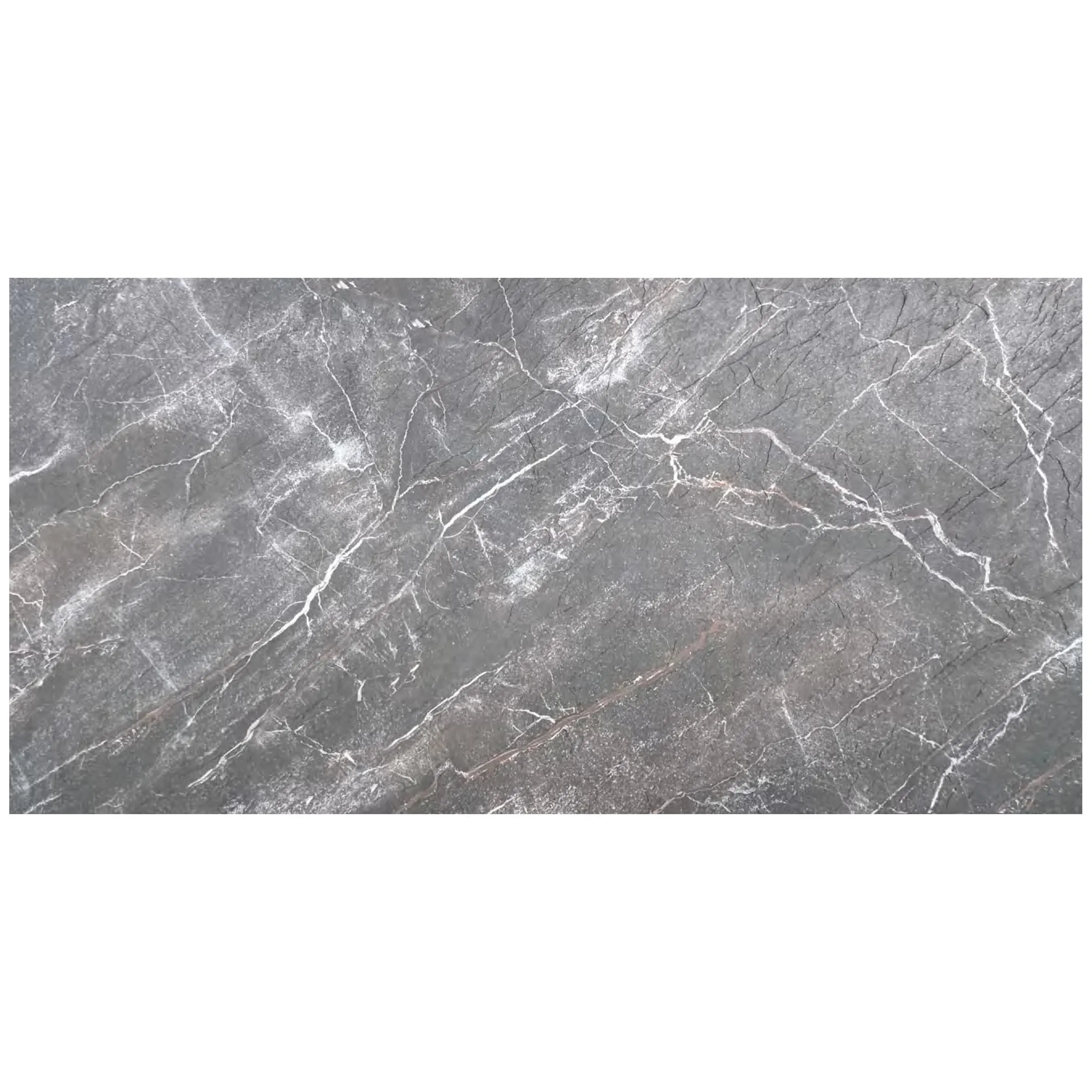
How a Timeless Stone is Shaping the City's Modern Skyline
Riyadh, a city where desert traditions meet futuristic ambition, is undergoing an architectural renaissance. As cranes dot the skyline and new districts like King Abdullah Financial District (KAFD) rise from the sand, developers and designers are on a quest for materials that balance innovation with authenticity. Enter Slate Portoro—a dark, veined stone that has quietly become the darling of architects reimagining Riyadh's urban landscape. But what makes this material stand out? And how are modern construction technologies, particularly Modified Composite Material (MCM) systems, making it more accessible than ever?
Walk through Riyadh's Al-Murabba district today, and you'll notice it: the deep charcoal hues of Slate Portoro gracing the facades of boutique hotels, the subtle gold veining catching the afternoon sun on office lobbies, even the textured finish adding warmth to public plazas. It's not just a trend—it's a statement. "Slate Portoro feels both rooted and forward-thinking," says Lina Hassan, lead architect at a Riyadh-based firm specializing in commercial projects. "Clients want buildings that don't just look new, but feel meaningful. This stone delivers that."
Slate Portoro isn't new to the world of design, but its popularity in Riyadh stems from a unique set of qualities that align with the city's current architectural priorities. For starters, its color palette—rich blacks and grays with streaks of gold or cream—complements Riyadh's desert surroundings. Unlike stark white concrete or overly bright marbles, Slate Portoro doesn't clash with the city's natural light; instead, it softens it, creating a sense of calm in bustling areas.
But aesthetics are just the beginning. Slate Portoro is surprisingly durable, a must in a climate where temperatures soar above 45°C in summer and sandstorms test even the sturdiest materials. Its low porosity resists water absorption, critical for withstanding rare but intense rainfalls, and its resistance to fading ensures that buildings retain their elegance for decades. "We specified Slate Portoro for a residential tower in Al-Rimal last year," Hassan recalls. "After six months of harsh sun and a spring sandstorm, the facade still looks brand-new. That's the kind of reliability clients in Riyadh demand."
Then there's the versatility. Slate Portoro works as well on a minimalist coffee shop front as it does on a grand mosque annex. Its adaptability has made it a favorite for mixed-use developments, where consistency across spaces is key. "We used it for both the exterior cladding and interior accent walls of a project in Diplomatic Quarter," explains Hassan. "The transition from outside to inside feels seamless, like the building is wrapped in a single, cohesive story."
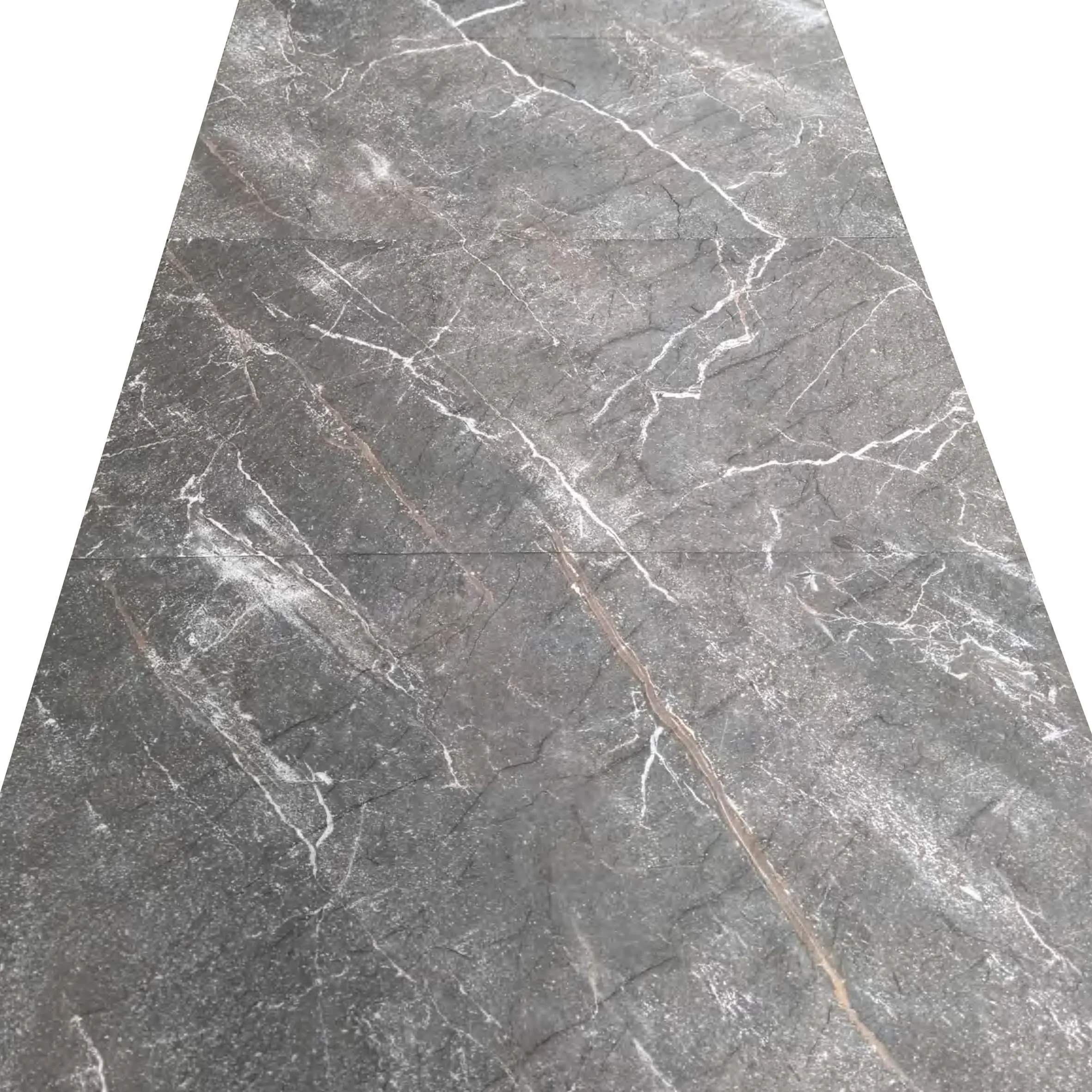
Traditionally, working with natural stone like Slate Portoro came with challenges: weight, cost, and installation complexity. A single slab could weigh hundreds of kilograms, limiting its use on high-rise facades or renovation projects where structural load is a concern. That's where MCM systems—specifically MCM flexible stone and MCM big slab board series—have changed the game.
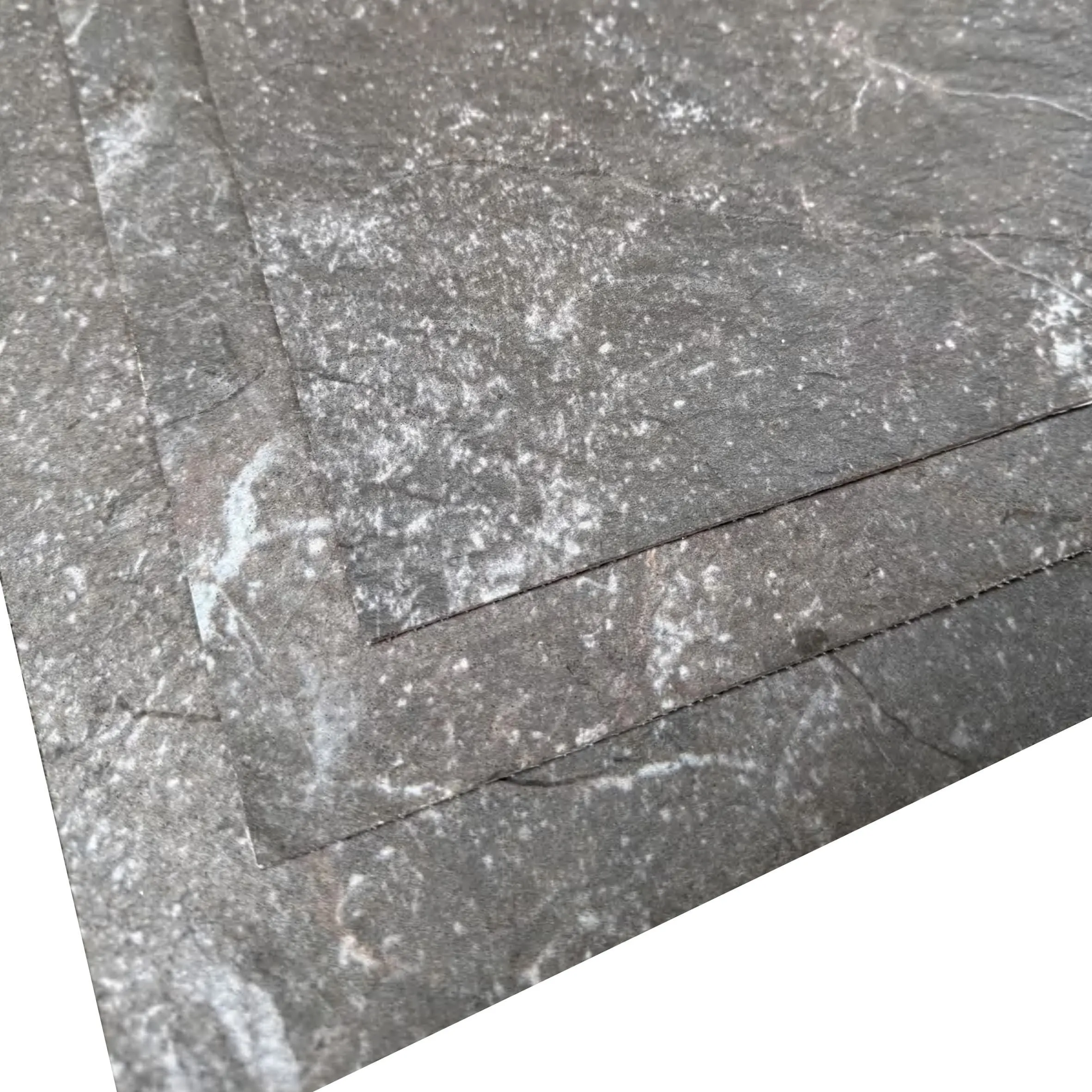
MCM flexible stone, a thin, lightweight composite material that mimics the look and feel of natural stone, has been a revelation. "We recently completed a retrofit of a 1980s office building in Olaya," says Kamal Ahmed, a construction manager with a local contracting firm. "The original structure couldn't handle the weight of solid Slate Portoro. MCM flexible stone panels? They're 70% lighter, easy to install, and the finish is indistinguishable from the real thing. The client was blown away."
The MCM big slab board series takes this a step further, offering larger-format panels (up to 1.2m x 2.4m) that reduce joint lines and create a more seamless aesthetic. For projects like the new cultural center in Al-Aziziyah, which features a sweeping Slate Portoro facade, these big slabs meant fewer seams, faster installation, and a cleaner, more modern look. "Natural stone slabs of that size are rare and expensive," Ahmed notes. "MCM big slabs let us achieve the same visual impact without the logistical headaches."
Sustainability is another factor driving adoption. MCM production uses less water and energy than traditional stone quarrying, aligning with Saudi Arabia's Vision 2030 goals for greener construction. "Clients are asking about carbon footprints now," Hassan says. "When we present MCM options, they see it as a win-win: a beautiful material that's also better for the planet."
Of course, Slate Portoro isn't the only material vying for attention in Riyadh. Let's compare it to two other popular options—Lunar Peak Silvery and fair-faced concrete—to see why it's emerging as the top choice for many projects.
| Material | Aesthetic Appeal | Durability | Installation Ease | Sustainability | Best For |
|---|---|---|---|---|---|
| Slate Portoro (MCM) | Dark, veined finish with gold accents; high-end, timeless look | Resistant to fading, scratches, and weathering; 20+ year lifespan | Lightweight panels; compatible with dry-install systems | Low carbon footprint; recyclable core materials | Luxury commercial, hospitality, high-end residential |
| Lunar Peak Silvery | Metallic silver with matte texture; modern, industrial vibe | Good for indoor use; prone to scratching outdoors | Moderate weight; requires specialized fixing | Aluminum-based; recyclable but higher energy production cost | Contemporary offices, tech hubs, interior accents |
| Fair-Faced Concrete | Raw, minimalist gray; industrial-chic | Highly durable; can develop cracks over time in extreme heat | Heavy; requires formwork and curing time | Low embodied carbon but high water usage in production | Public buildings, warehouses, brutalist-inspired designs |
Perhaps the most striking example of Slate Portoro's impact is in Riyadh's under-construction waterfront development, a 10km stretch along Wadi Hanifa that will feature parks, retail, and luxury apartments. The project's signature building—a 22-story residential tower with panoramic views of the wadi—uses MCM big slab Slate Portoro for its entire facade.
"The client wanted something that would stand out but not clash with the natural landscape," says the project's lead designer, Omar Khalid. "Slate Portoro's dark tones echo the surrounding cliffs, while the gold veining mirrors the wadi's sandstone formations. It's like the building is part of the environment, not just plopped down on it."
Using MCM big slabs allowed the team to install the facade in just 12 weeks, a timeline that would have been impossible with natural stone. "We had tight deadlines, especially with the waterfront's opening date approaching," Khalid adds. "MCM panels arrived pre-cut, pre-finished, and ready to install. It saved us months of work."
Residents, too, have embraced the design. "The lobby feels luxurious but not cold," says Sarah Al-Mansoori, who recently moved into the tower. "The Slate Portoro walls have this soft texture—you want to reach out and touch them. It's a nice contrast to the sleek glass everywhere else."
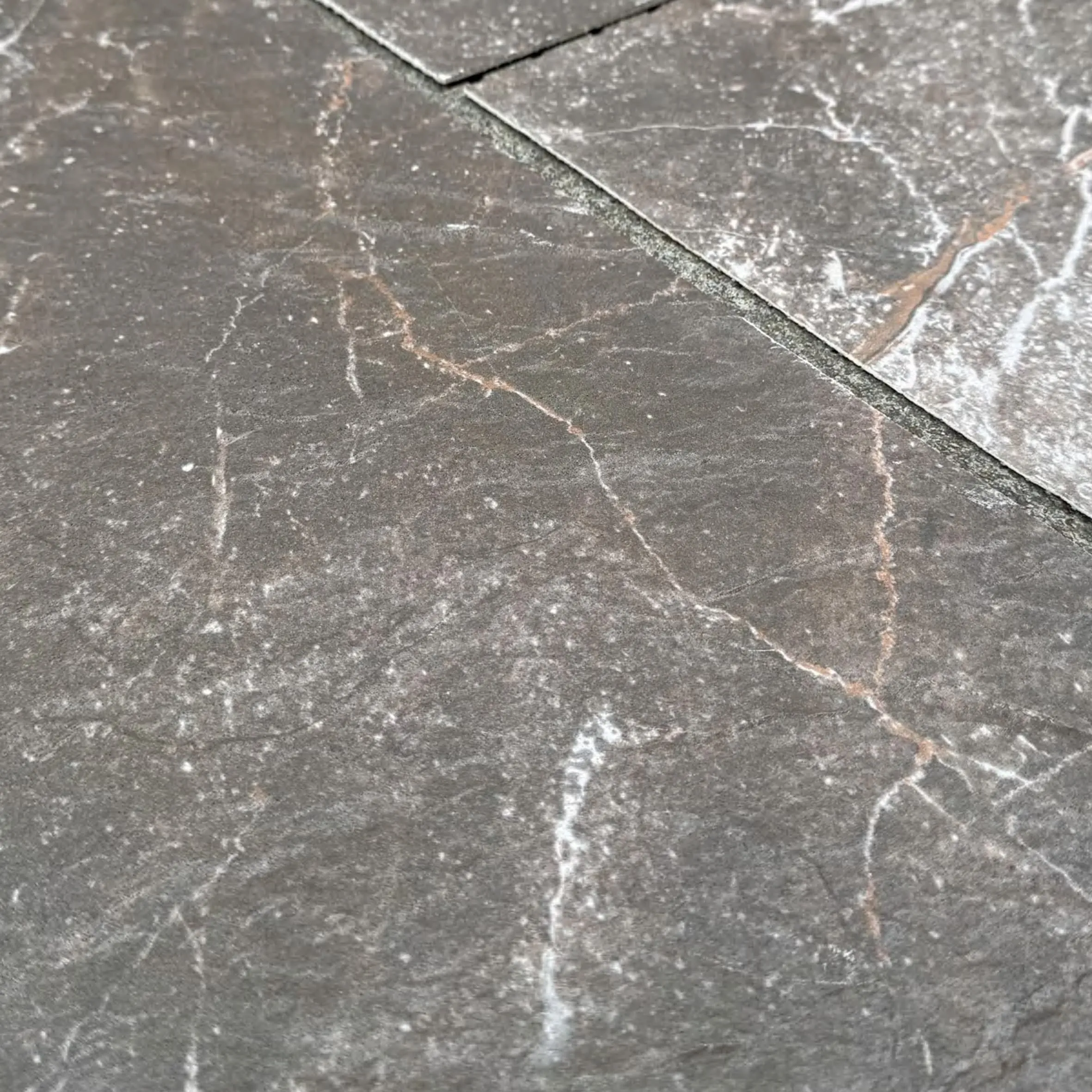
As Riyadh continues to grow, so too will the demand for materials that blend durability, beauty, and practicality. Slate Portoro, supported by MCM technology, is poised to remain a staple in this evolution. Designers are already experimenting with new applications: combining it with foamed aluminium alloy board (vintage silver) for a modern-industrial look, or pairing it with travertine (starry blue) accents for a more eclectic vibe.
"The next frontier is customization," Hassan predicts. "Clients want unique finishes—maybe Slate Portoro with a honed, matte surface for a residential project, or a polished, high-gloss version for a luxury hotel. MCM systems make that possible without compromising on performance."
For a city that prides itself on looking forward while honoring its past, Slate Portoro is more than a trend. It's a material that tells a story—of innovation, of respect for nature, and of Riyadh's unyielding ambition to be a global architectural leader. As the sun sets over the city, casting a golden glow on those dark, veined facades, it's clear: Slate Portoro isn't just shaping buildings. It's shaping Riyadh's future.
Recommend Products












