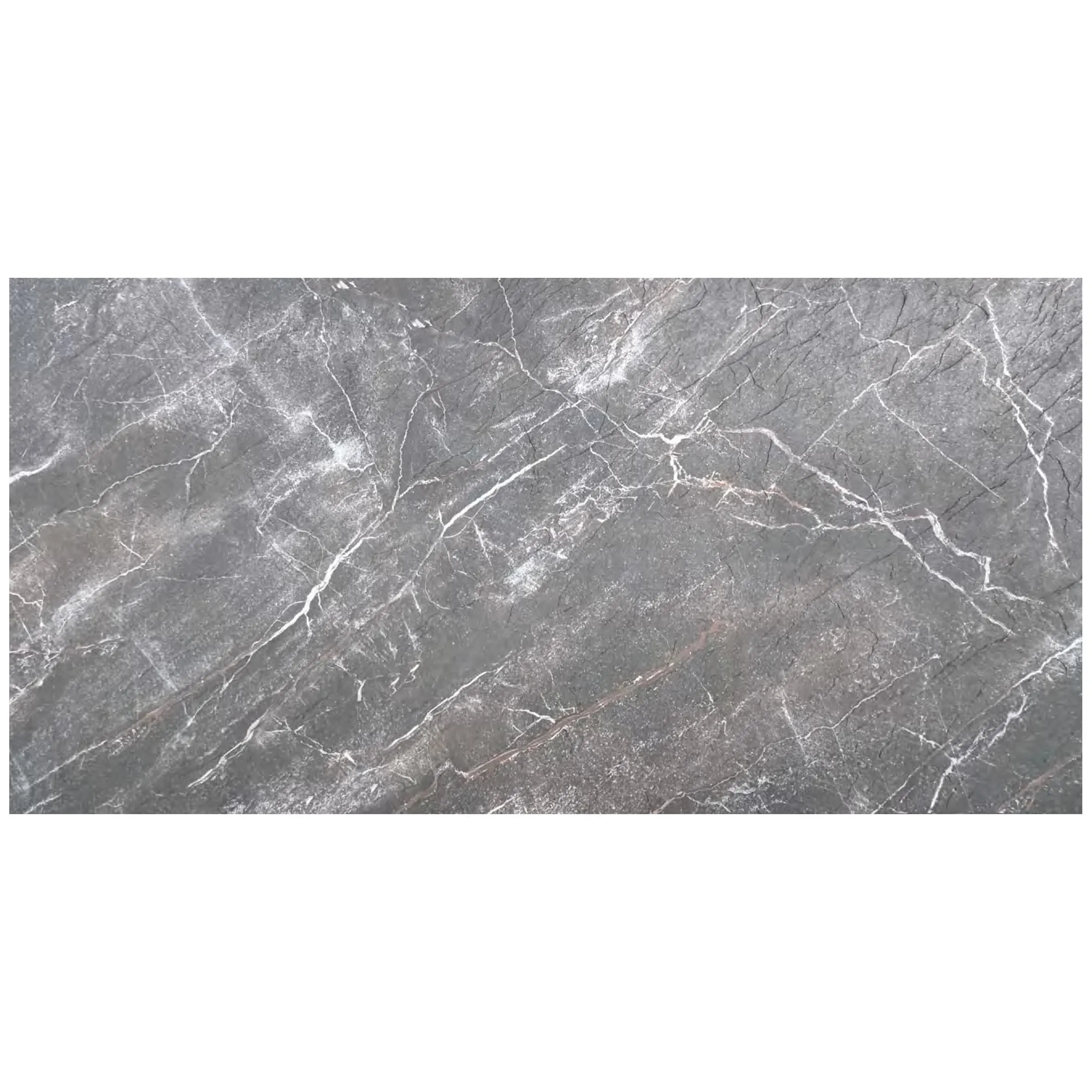
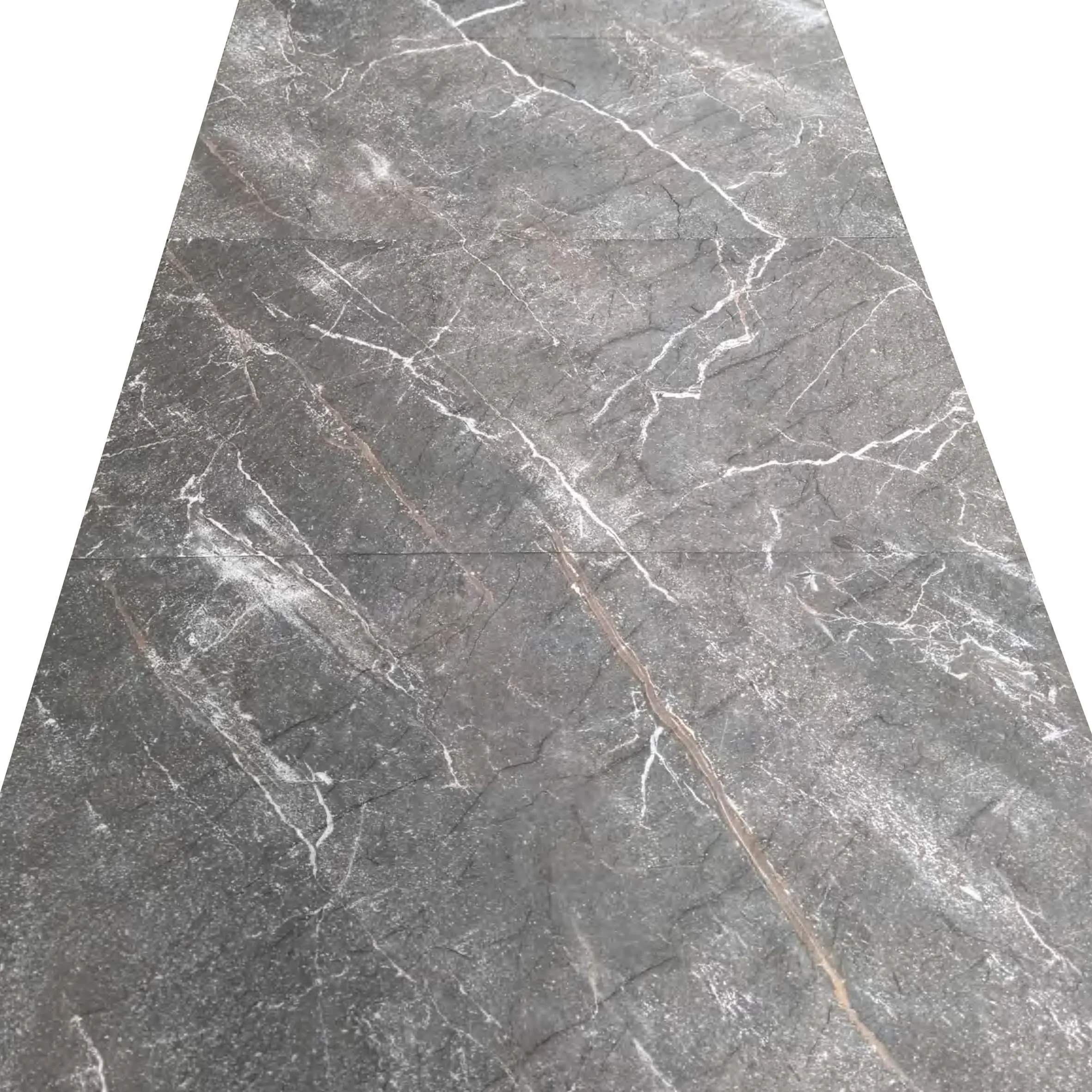
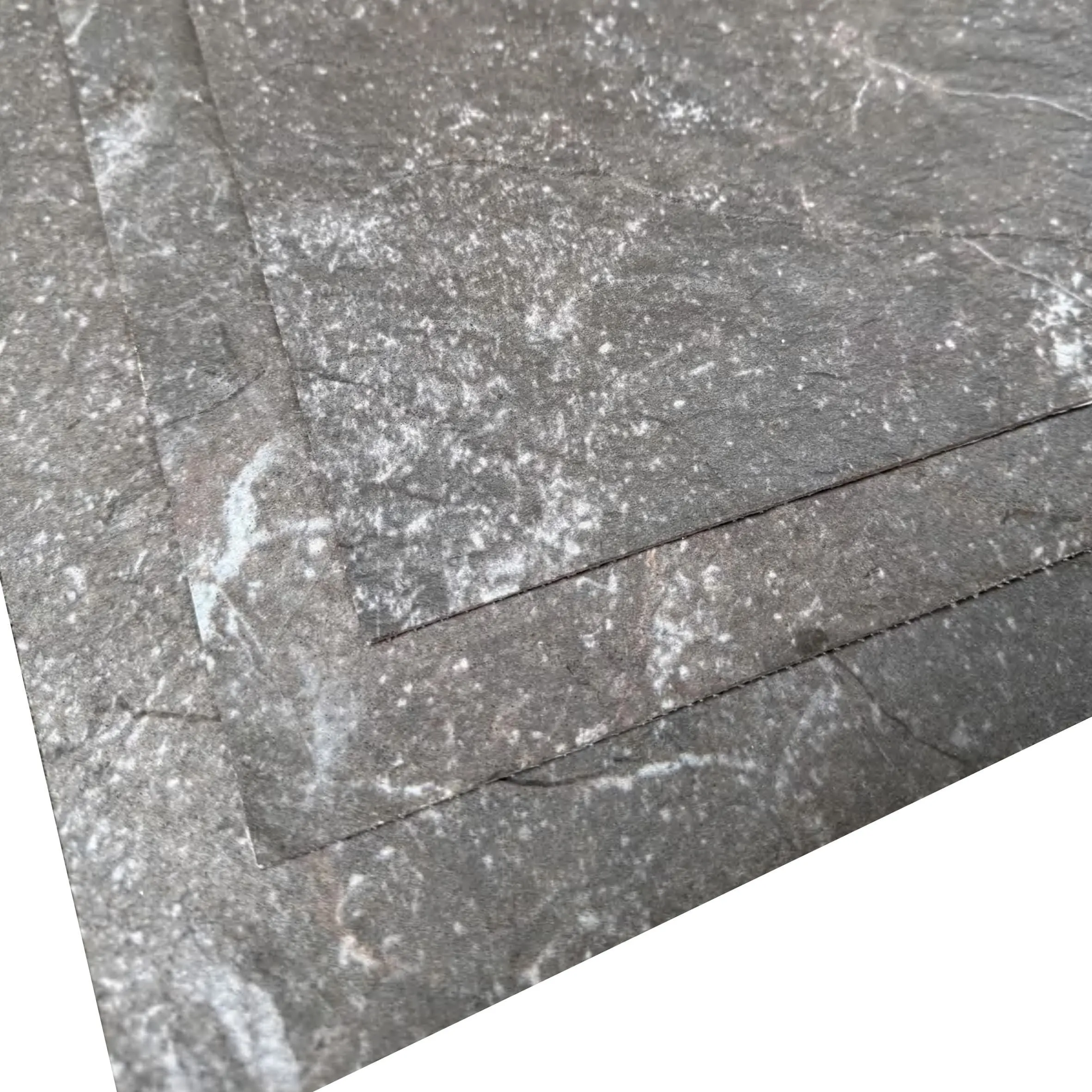
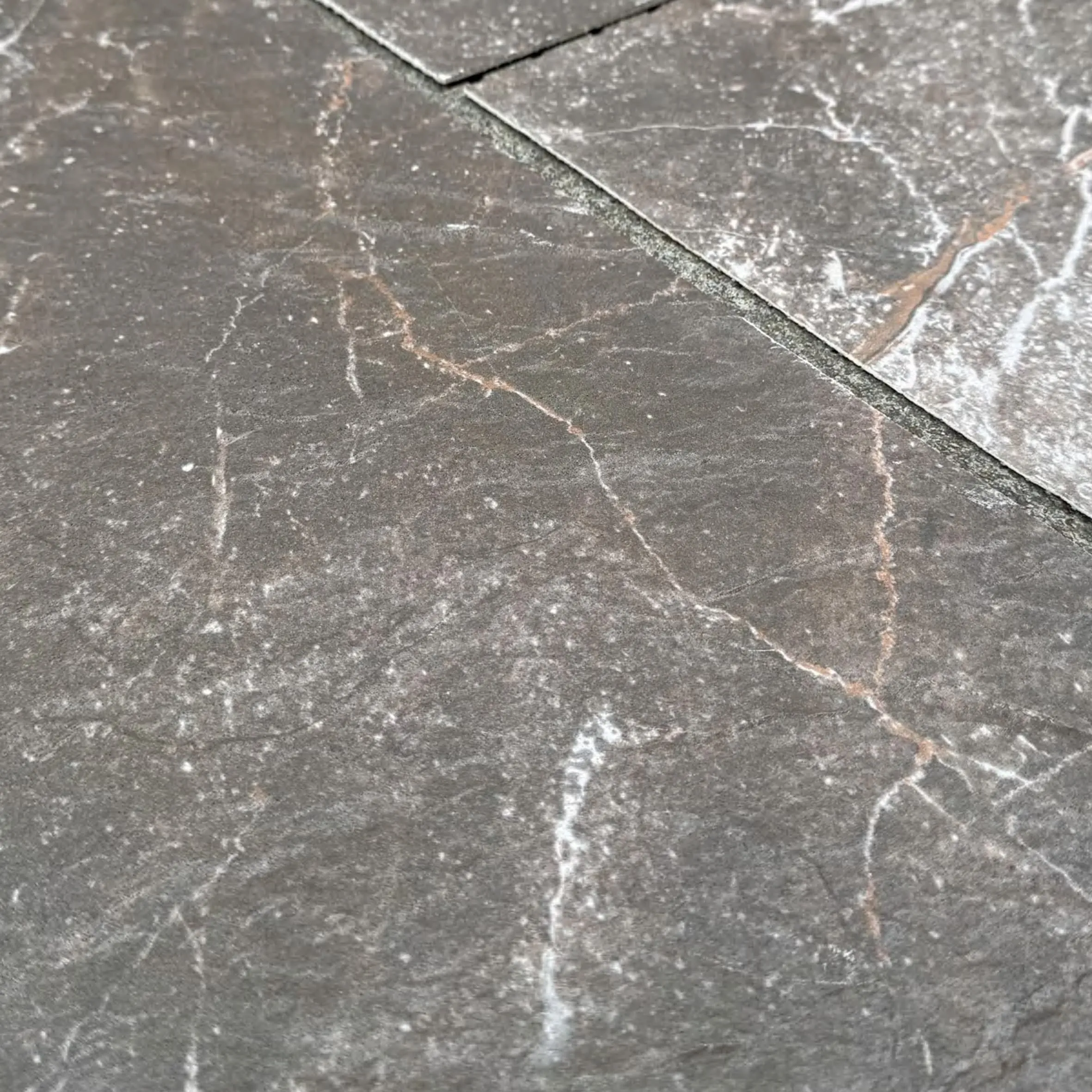
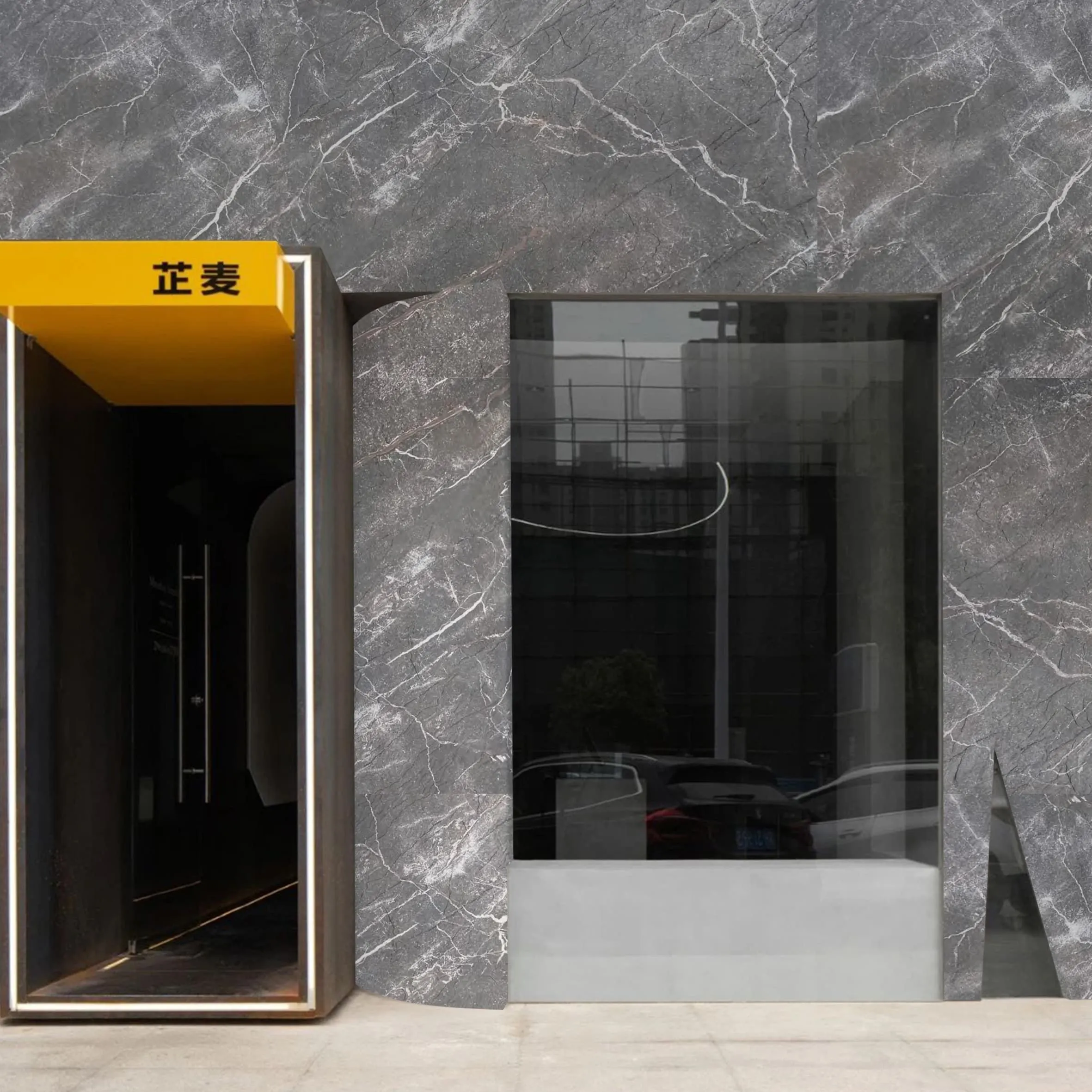
Now, let's meet MCM panels. MCM stands for "Modified Composite Material," and if Slate Portoro is a classic novel, MCM is a modern graphic novel—bold, adaptable, and full of surprises. These panels are made by blending natural minerals (like stone dust or clay) with polymers and fibers, then compressing them into thin, flexible sheets. They come in a rainbow of styles, from the sleek
fair-faced concrete
look to the iridescent
lunar peak silvery
finish that shimmers like moonlight. And yes, they're part of broader lines like the
MCM big slab board series
, designed for large-scale projects where seamless, dramatic surfaces are key.
Durability: Lightweight, but Don't Let That Fool You
"The first time I held an MCM panel, I thought, 'This can't be strong enough,'" admits Luca, recalling his first encounter with the material. "It weighs maybe a quarter of what Portoro does. But then we did a drop test—dropped a 50-pound toolbox on it from six feet. Not a scratch. And we left a sample outside for a year—rain, snow, UV rays. It looked exactly the same as day one."
That resilience comes from their composite structure. The polymers make them flexible (hello,
MCM flexible stone
—perfect for curved walls or backsplashes), while the mineral core adds rigidity. "We used MCM panels on a coastal restaurant in Miami," says Jake. "Saltwater, humidity, hurricane-force winds—three years later, the facade still looks fresh. And installation? A crew of two can cover a wall in a day, versus four people struggling with stone slabs. Less labor, less risk of injury—big wins."
But like any material, MCM has limits. "They're not indestructible," Priya notes. "Extreme heat—like a house fire—can melt the polymer binder. And while they resist stains, harsh chemicals (think industrial cleaners) can discolor them over time. But for most residential and commercial projects? They hold their own."
Sustainability: Designed with the Planet in Mind
Here's where MCM panels really shine—for the eco-conscious builder. "Many MCM manufacturers use recycled stone dust from quarry waste, or post-consumer polymers," Priya explains. "That means less new mining, less plastic in landfills. And because they're lightweight, transporting them uses less fuel—up to 70% less carbon emissions than shipping natural stone. Production is also energy-efficient: no need for high-heat kilns like with ceramic tiles."
There's more: MCM panels often have low or zero VOCs (volatile organic compounds), which means better indoor air quality—a big deal for homeowners with allergies or schools prioritizing student health. And when a panel does reach the end of its life? "Some manufacturers take them back to recycle into new panels," adds Luca. "It's a circular system, not a one-way street to the dump."
Of course, not all MCM panels are created equal. "You have to check the specs," Jake warns. "Look for certifications like LEED or GREENGUARD. A cheap MCM panel might cut corners on recycled content or use toxic binders. But the reputable brands? They're walking the walk."