
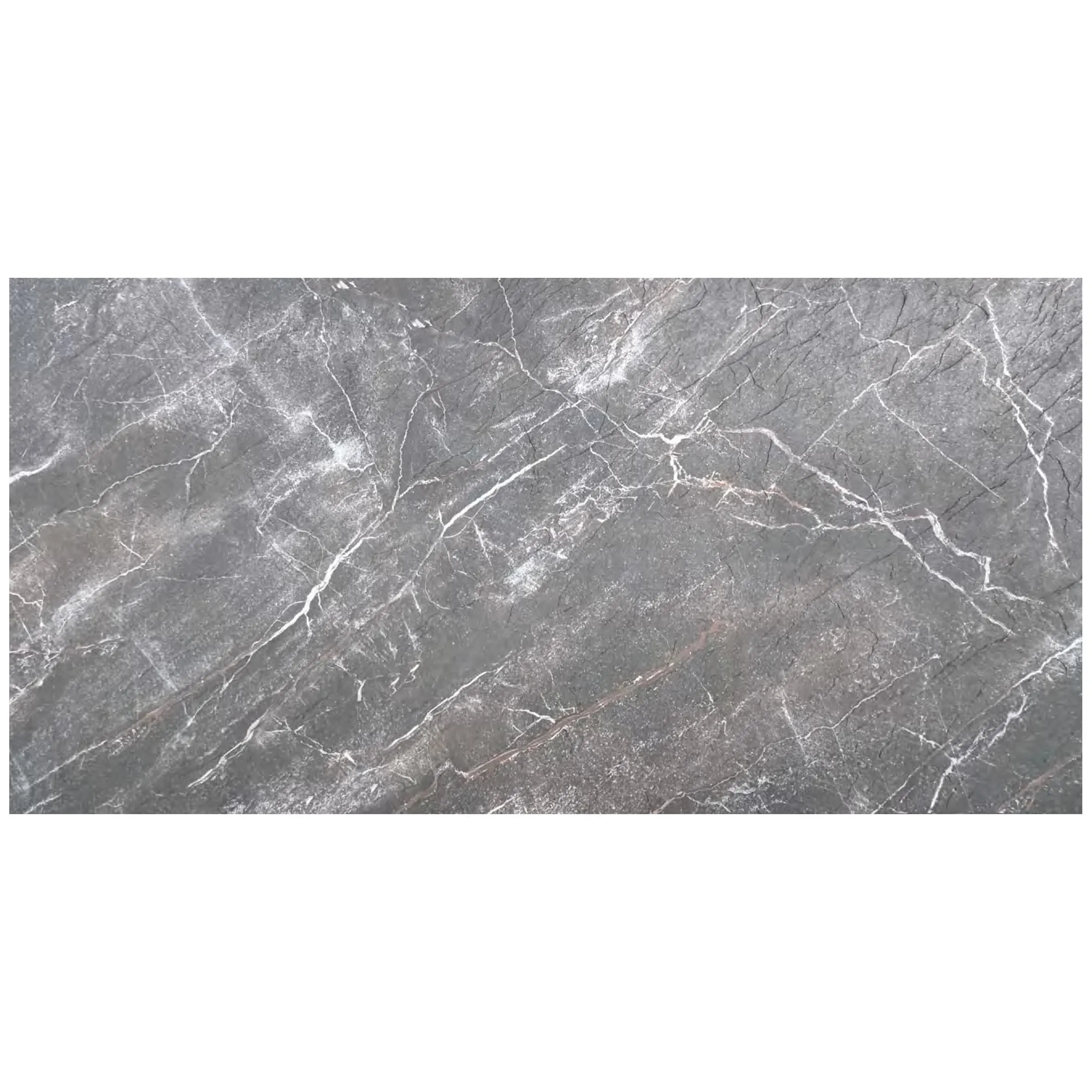
Stains are the silent enemy of beautiful spaces. A spilled glass of red wine on a restaurant floor, motor oil drips in a garage, or even rainwater mixed with dirt on a building's exterior—these aren't just temporary eyesores. Over time, they can seep into materials, cause discoloration, and weaken surfaces, turning a once-stunning design into a maintenance nightmare. When it comes to choosing building materials, especially for high-traffic or spill-prone areas, stain resistance isn't just a "nice-to-have"—it's a make-or-break factor. Today, we're putting two popular options head-to-head: the classic Slate Portoro and the innovative MCM project board series , a star player in the world of flexible stone solutions. Which one holds up better against life's messy moments? Let's dive in.
If natural stone had a red carpet moment, Slate Portoro would be front and center. Known for its deep, moody hues—think rich blacks and grays swirled with gold or white veins—it's the material of choice for designers aiming for luxury and tradition. Quarried from select sites around the world, this stone has been used for centuries in everything from grand palaces to high-end residential countertops. Its appeal lies in its uniqueness: no two slabs are identical, each bearing the marks of the earth's slow, geological artistry.
But here's the catch: like many natural stones, Slate Portoro is porous. Those tiny, invisible pores are like microscopic sponges, ready to absorb liquids and stains if not properly protected. Imagine a sponge left in a puddle—over time, it soaks up the water, and once saturated, it's hard to squeeze out. That's essentially what happens with untreated Slate Portoro when a spill occurs. The liquid seeps into the pores, and if not cleaned immediately, it can leave a permanent stain that even harsh cleaners might not remove.
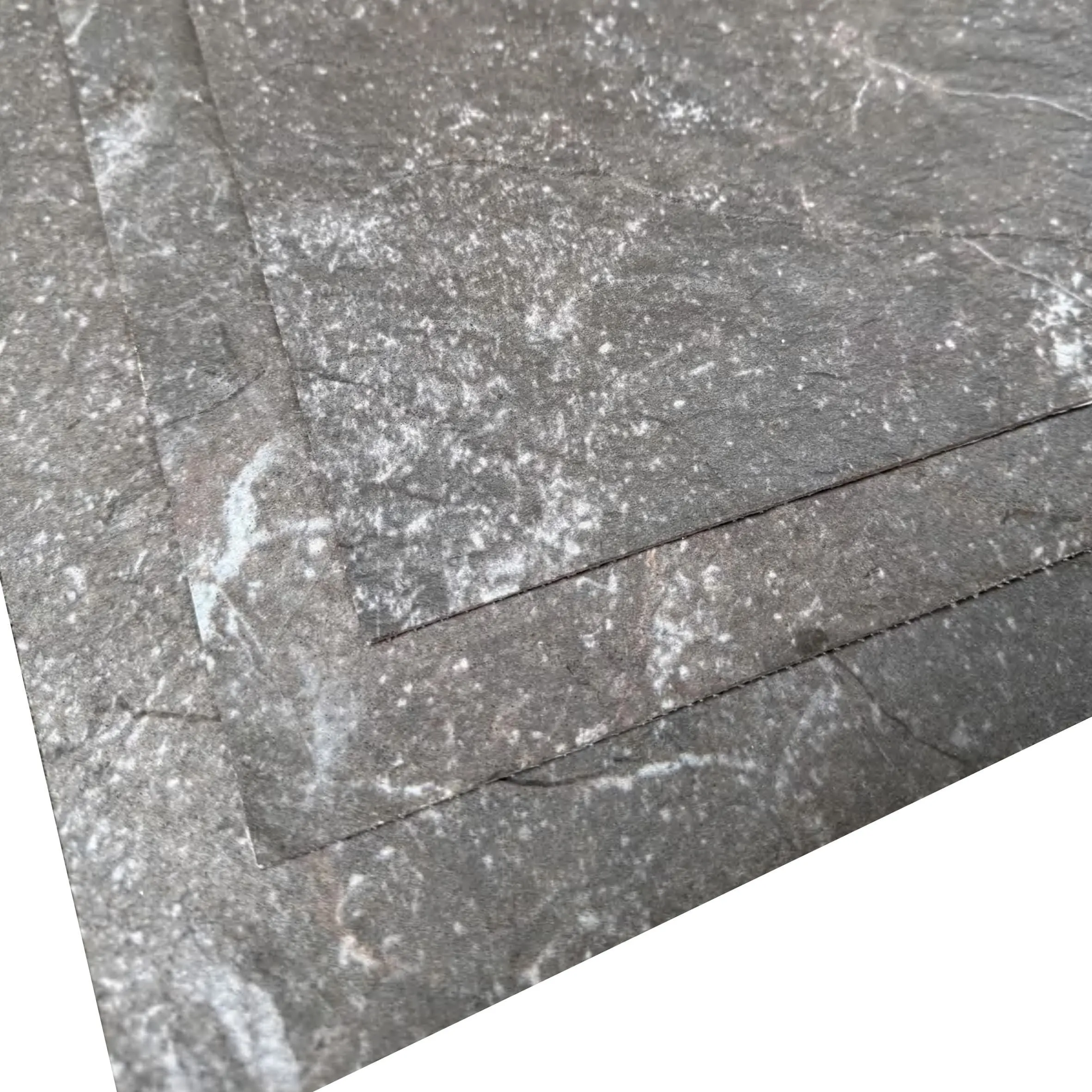
On the other side of the ring is the MCM project board series , part of a newer generation of building materials designed for the demands of modern life. MCM, short for Modified Composite Material, is a flexible stone that blends natural minerals with advanced polymers, resulting in a material that's lightweight, durable, and—crucially—engineered to resist the elements. Unlike Slate Portoro , which is hewn from the earth, MCM is crafted in controlled environments, allowing manufacturers to tweak its properties for specific needs: flexibility to wrap around curves, lightness for easy installation, and yes, stain resistance.
What makes MCM stand out? Its non-porous surface. Unlike the sponge-like nature of natural stone, MCM's composite structure creates a tight, dense barrier that repels liquids. Think of it as a rain jacket versus a cotton shirt—one sheds water, the other soaks it up. This design isn't just about repelling stains; it's about practicality. MCM panels are often used in high-traffic areas like shopping malls, airports, and restaurant exteriors, where spills and grime are part of daily life. And because it's flexible stone , it can mimic the look of natural stone like Slate Portoro without the maintenance headaches.
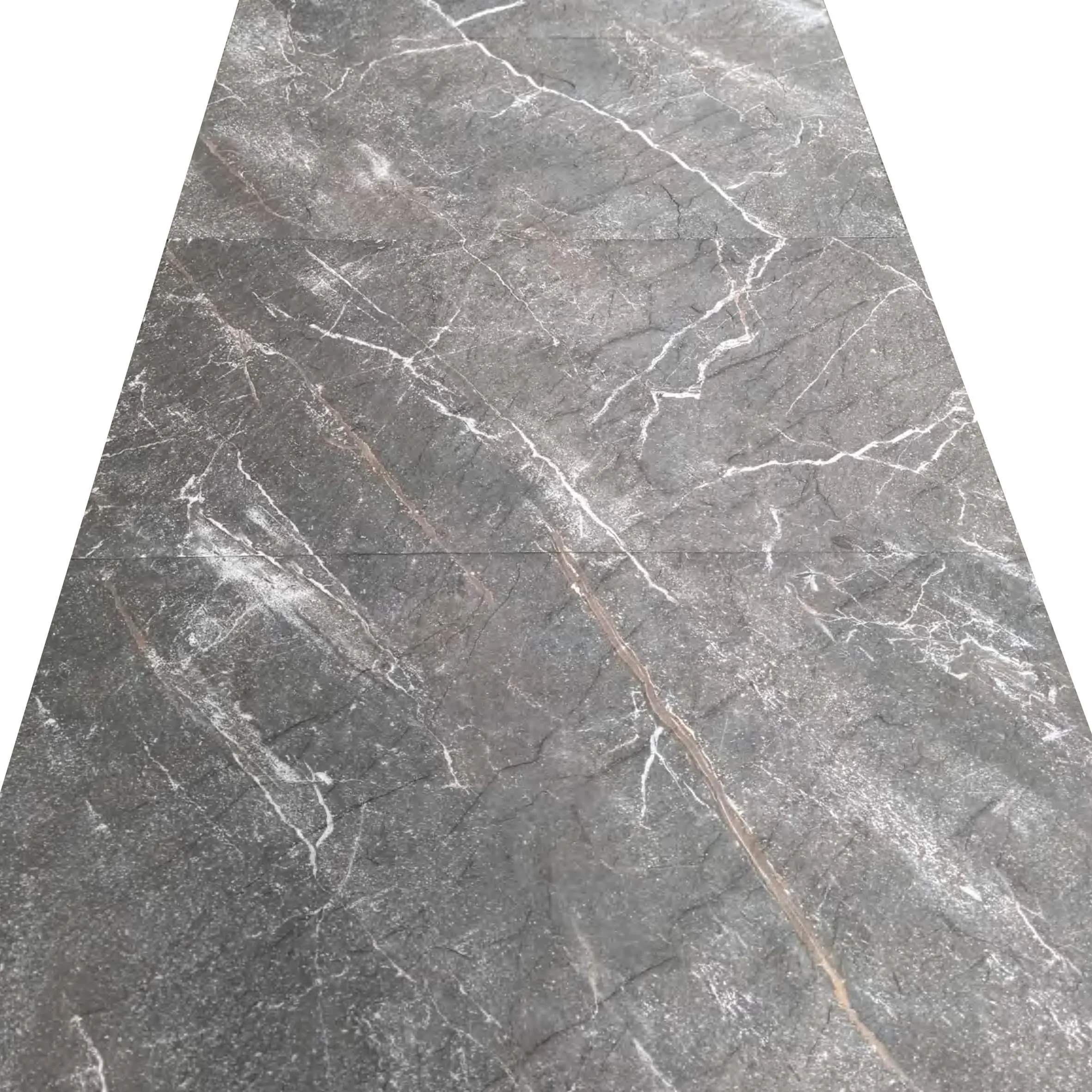
To truly test these materials, we need to simulate real-world stains—the kind that happen when life gets busy. Let's put both Slate Portoro and MCM project board series through three common scenarios: coffee spills (acidic, dark-colored), cooking oil (greasy, sticky), and red wine (tannin-rich, notoriously hard to remove). We'll track how each material reacts immediately, after 30 minutes, and after 24 hours—because let's be honest, not every spill gets cleaned up right away.
| Stain Type | Slate Portoro (Unsealed) | Slate Portoro (Sealed) | MCM Project Board Series |
|---|---|---|---|
| Coffee (30 min) | Light discoloration; liquid partially absorbed. | Minimal staining; wipes away with soap and water. | No staining; coffee beads up on surface, wipes clean. |
| Cooking Oil (24 hr) | Dark, greasy stain; requires heavy-duty cleaner to fade. | Stain visible but light; needs degreaser to remove. | No stain; oil slides off with a cloth, no residue. |
| Red Wine (1 hr) | Deep purple stain; permanent discoloration. | Light pink tint; fades with hydrogen peroxide treatment. | No tint; wine wipes away completely with damp cloth. |
The results speak for themselves. Unsealed Slate Portoro is a sitting duck for stains—even a short delay in cleaning leads to permanent damage. Sealing helps, but it's not a foolproof shield. After 24 hours, that cooking oil still leaves a mark, and red wine lingers like a bad memory. On the flip side, the MCM project board series laughs off all three stains. The secret? Its non-porous, flexible stone surface. Liquids don't seep in—they stay on top, waiting to be wiped away, even after a full day. It's like having a built-in raincoat for your walls and floors.
Stain resistance isn't just about the first spill—it's about how the material holds up over years of use. For Slate Portoro , sealed or not, the clock is ticking. Sealants wear off, especially in high-moisture areas like bathrooms or exteriors exposed to rain. Re-sealing every 1–3 years becomes a necessary chore, and even then, heavy traffic can scratch the sealant, exposing the porous stone underneath. Over time, those small, repeated stains can add up, dulling the stone's natural beauty.
MCM, on the other hand, is built for the long haul. Its flexible stone composition is resistant to scratches, dents, and UV rays, so it doesn't fade or degrade easily. And because it's non-porous, there's no need for re-sealing. A quick wipe with soap and water is usually all it takes to keep it looking new. Even in commercial settings where spills are daily occurrences—think food courts or hotel kitchens—MCM panels maintain their color and texture for decades, outlasting many natural stone alternatives.
Stain resistance is important, but it's not the only factor. Let's talk about where each material shines (and where it falls short) in real-world use.
Slate Portoro still has its place. In low-traffic, controlled environments—like a private study or a decorative accent wall—its natural beauty is unmatched. When properly sealed and maintained, it can last a lifetime, becoming a conversation piece for generations. But in high-traffic areas? The risk of stains and the cost of upkeep make it a tough sell. Imagine a busy restaurant kitchen with Slate Portoro floors: even with daily sealing, the constant spills would turn those once-luxurious veins into a patchwork of discoloration.
MCM project board series , though, is a workhorse. Its flexible stone properties mean it can be used in places natural stone can't—curved walls, exterior facades, even furniture. It's lightweight, so installation is faster and cheaper, and its durability makes it ideal for both indoor and outdoor use. Take a shopping mall's food court, for example: MCM panels on the walls and floors can handle ketchup splatters, soda spills, and the constant scuffing of shoes without breaking a sweat. And because it mimics the look of Slate Portoro and other natural stones, you don't have to sacrifice aesthetics for practicality.
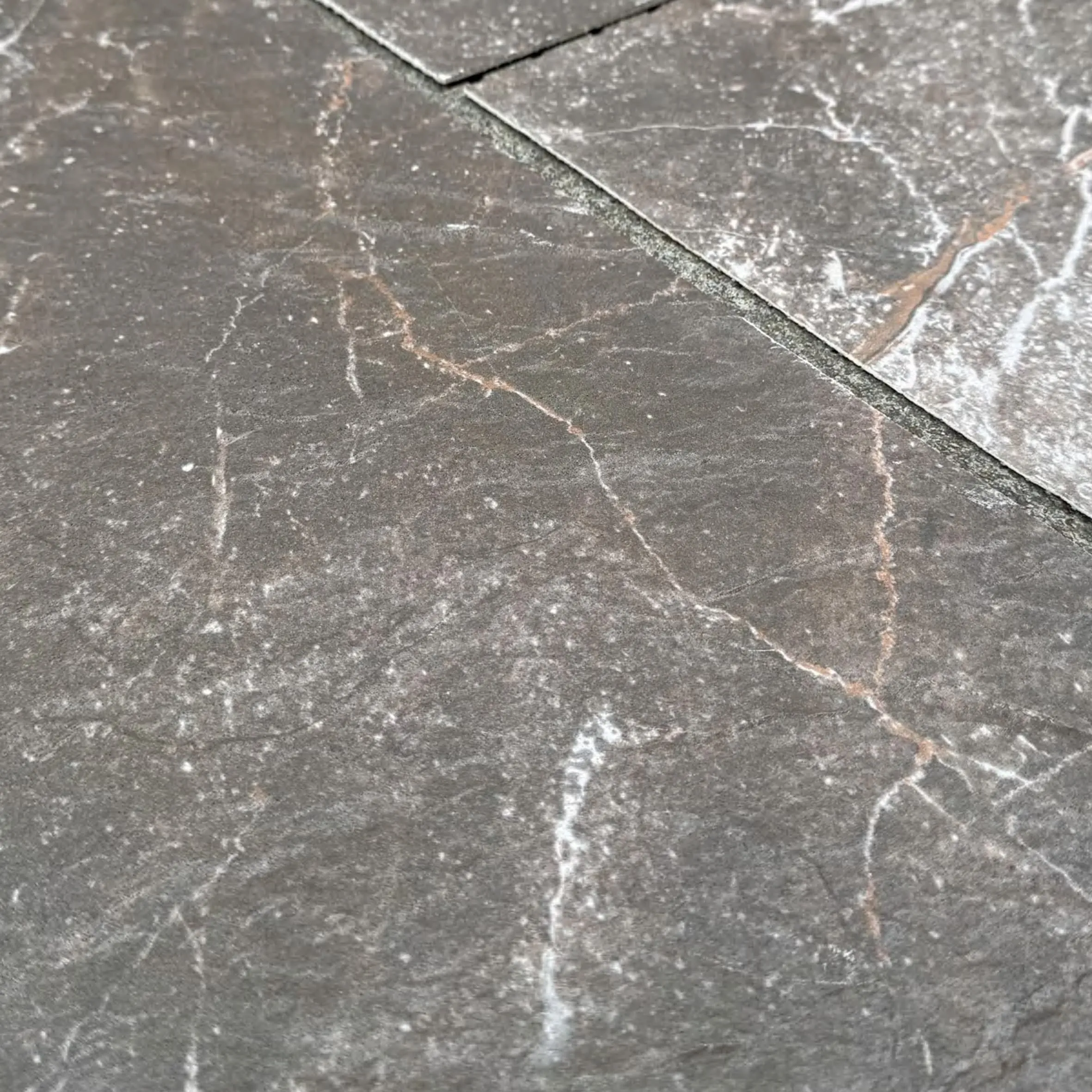
If we're judging purely on stain resistance, the MCM project board series wins by a mile. Its engineered, non-porous surface and low-maintenance design make it the clear choice for spaces where spills are inevitable. But that doesn't mean Slate Portoro is obsolete. For projects where beauty and tradition take precedence over practicality, and where maintenance is manageable, it's still a stunning option.
Here's the bottom line: If you're designing a high-traffic area, an outdoor space, or a commercial building where stains are part of daily life, MCM project board series is the smarter investment. It offers the look of natural stone with the resilience of modern engineering. But if you're creating a low-key, luxury interior where you can baby the material and don't mind re-sealing every year or two, Slate Portoro will reward you with timeless elegance.
At the end of the day, the best material depends on your priorities. But when it comes to fighting stains, flexible stone solutions like MCM are changing the game—proving that sometimes, the most innovative materials are the ones that can handle life's messiest moments with grace.
Recommend Products












