
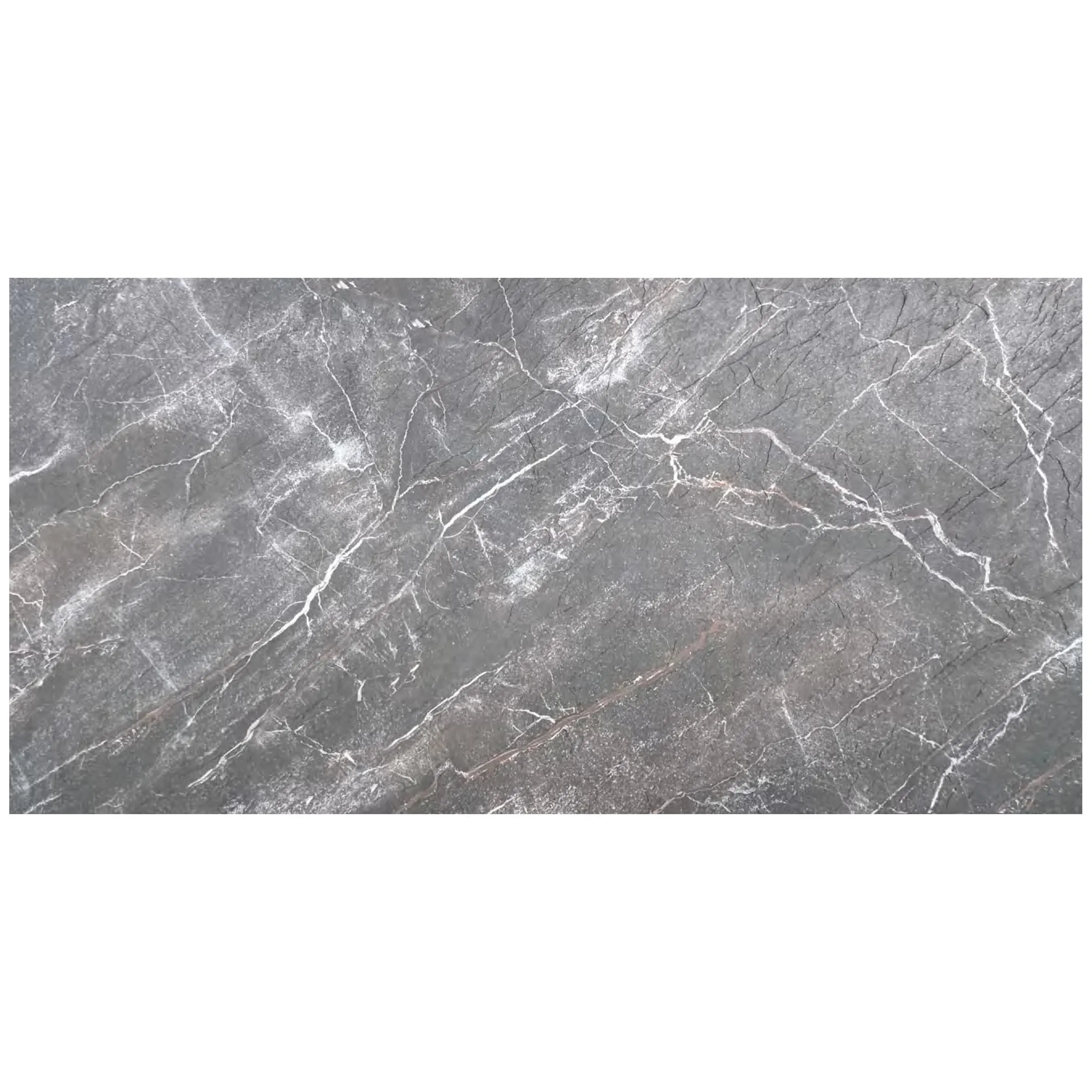
When it comes to building or renovating a home, the exterior is more than just a pretty face. It's the first line of defense against rain, snow, scorching sun, and howling winds. Over time, harsh weather can turn even the most stunning facade into a faded, cracked mess—unless you choose the right material. Two options often top the list for homeowners and architects alike: the timeless elegance of Slate Portoro and the innovative durability of MCM (Modified Composite Material) products like MCM flexible stone and MCM big slab board series . But which one truly stands up better to Mother Nature's whims? Let's dive in.
Slate Portoro is the kind of material that makes you stop and stare. With its deep, moody base—often a rich black or charcoal—crisscrossed by striking gold or white veins, it exudes luxury. Quarried from the earth, it's a natural stone that's been used in architecture for centuries, from ancient castles to modern mansions. There's a tactile quality to it, too; run your hand over a Slate Portoro slab, and you'll feel the slight roughness of its surface, a reminder of its origins in the planet's crust.
But natural beauty comes with natural limitations. Like all stones, Slate Portoro is porous. Think of it as a sponge with tiny holes that can soak up water, dirt, and even stains. Left unsealed, a heavy rainstorm might leave behind water spots, or a stray leaf could leave a permanent mark. It's also heavy—really heavy. A single slab can weigh upwards of 150 pounds, which means installing it requires reinforced structures and extra labor. And while it's tough, it's not indestructible; a hard impact from a falling branch or hailstorm could chip its edges, leaving unsightly blemishes.
MCM, or Modified Composite Material, is the new kid on the block, but it's quickly gaining a reputation for being a workhorse. Unlike Slate Portoro, MCM isn't mined—it's made. Manufacturers blend natural minerals (like stone powder or sand) with high-performance polymers to create a material that's both flexible and strong. Products like MCM flexible stone can bend without breaking, making them ideal for curved walls or tricky architectural details, while MCM big slab board series offers large, seamless panels that minimize seams (and thus, weak points where water can seep in).
What really sets MCM apart is its engineering. It's lightweight—about 70% lighter than natural stone—so installation is faster and cheaper, with no need for beefed-up support beams. And because it's man-made, every panel is consistent in color and texture, avoiding the natural variations that can make stone installation a headache. But does that man-made composition make it better at fighting off the elements? Let's break it down.
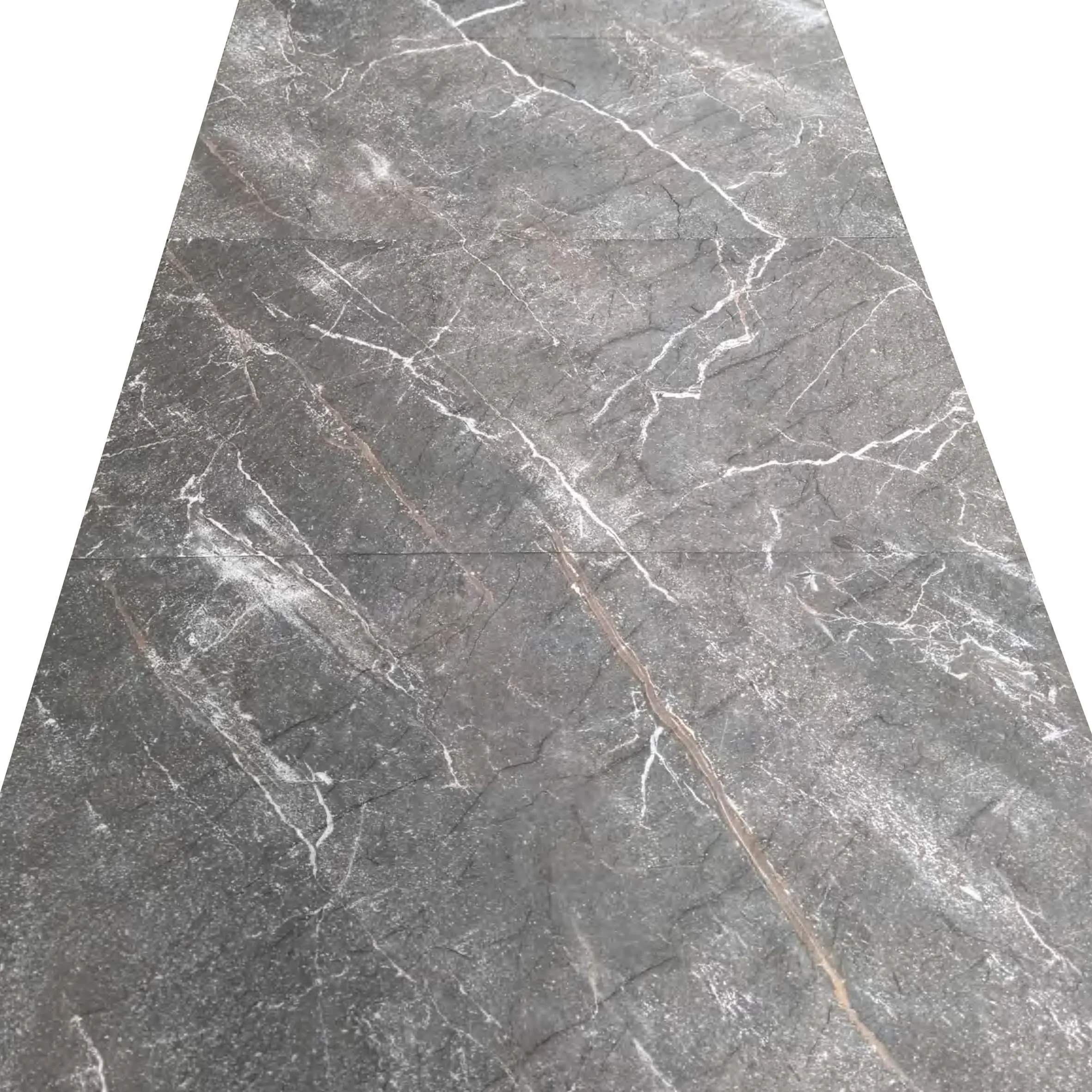
To really see how these materials stack up, let's put them through the wringer—rain, sun, extreme temperatures, and all. Here's how they perform in the scenarios that matter most for your home's exterior.
| Weather Challenge | Slate Portoro | MCM (Flexible Stone/Big Slab Series) |
|---|---|---|
| Water Resistance | Porous; absorbs water without sealing, leading to mold, mildew, or freeze-thaw cracks in cold climates. Requires annual sealing to repel moisture. | Non-porous surface; water beads up and runs off. No sealing needed—perfect for rainy regions or coastal areas with salt spray. |
| UV Exposure | Natural pigments fade over time, especially in sunny climates. The gold veins may lighten, and the dark base can turn grayish after 5–7 years. | Engineered with UV-stabilizing additives; retains color for 15+ years. Even in desert sun, panels stay vibrant. |
| Extreme Temperatures | Expands and contracts with heat/cold; can crack if installed without proper expansion gaps. Prone to spalling (surface flaking) in freeze-thaw cycles. | Flexible composition allows it to expand/contract without cracking. Withstands temperatures from -40°F to 180°F (-40°C to 82°C) without damage. |
| Impact Resistance | Brittle; chips or cracks on impact (e.g., hailstones, falling debris). Repairs require replacing entire slabs, which is costly. | Flexible and shatter-resistant; dents but doesn't crack under moderate impact. Small dents can often be buffed out. |
| Maintenance Needs | High: Seal every 1–2 years, clean with stone-safe products, and inspect for cracks. Stains (e.g., oil, moss) are hard to remove. | Low: Hose down with water once a year; no sealing or special cleaners needed. Stains wipe off easily with soap and a sponge. |
| Longevity | 50–100 years with meticulous care. Without maintenance, 20–30 years before major deterioration. | 30–50 years with minimal upkeep. Some manufacturers offer 20-year warranties against fading or cracking. |
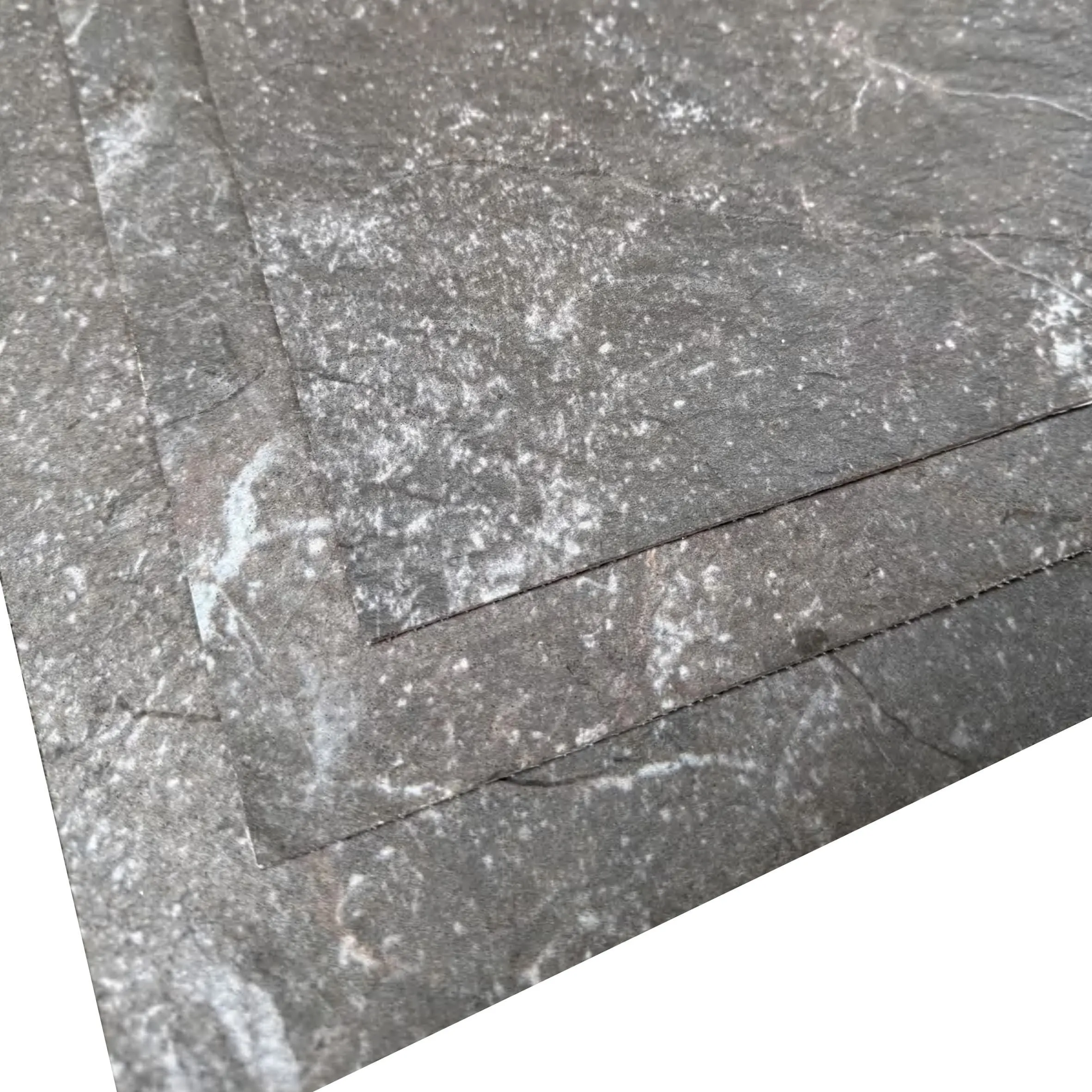
Numbers on a page are one thing, but hearing from homeowners who've lived with these materials tells the real story. Let's look at two case studies.
Sarah and Mike built their dream home in Charleston, South Carolina, right on the coast. They chose MCM big slab board series in "Lunar Peak Silvery" for their exterior. That was 12 years ago—and you'd never know it. "We get hit with hurricanes, salt spray, and humidity that makes everything else moldy," Sarah laughs. "But the MCM panels? They still look like the day they were installed. Last year, a nor'easter sent a tree branch flying into the side of the house, and you can barely see the dent. We just wiped it down, and it was good as new." No sealing, no power washing, no stress—just a home that's weathered 12 coastal seasons without a single repair.
James, a retired architect, wanted a rustic look for his cabin in the Rockies, so he went with Slate Portoro. "I loved the natural stone vibe," he says. "But after five winters, I started noticing issues." The harsh freeze-thaw cycles had caused small cracks in some slabs, and the once-deep black had faded to a dull gray. "I now seal it every spring, which costs about $500 a year, and I've had to replace two cracked slabs—$1,200 each. It's beautiful, but it's high maintenance. If I were building again, I'd think twice about using it in a climate with extreme temperature swings."
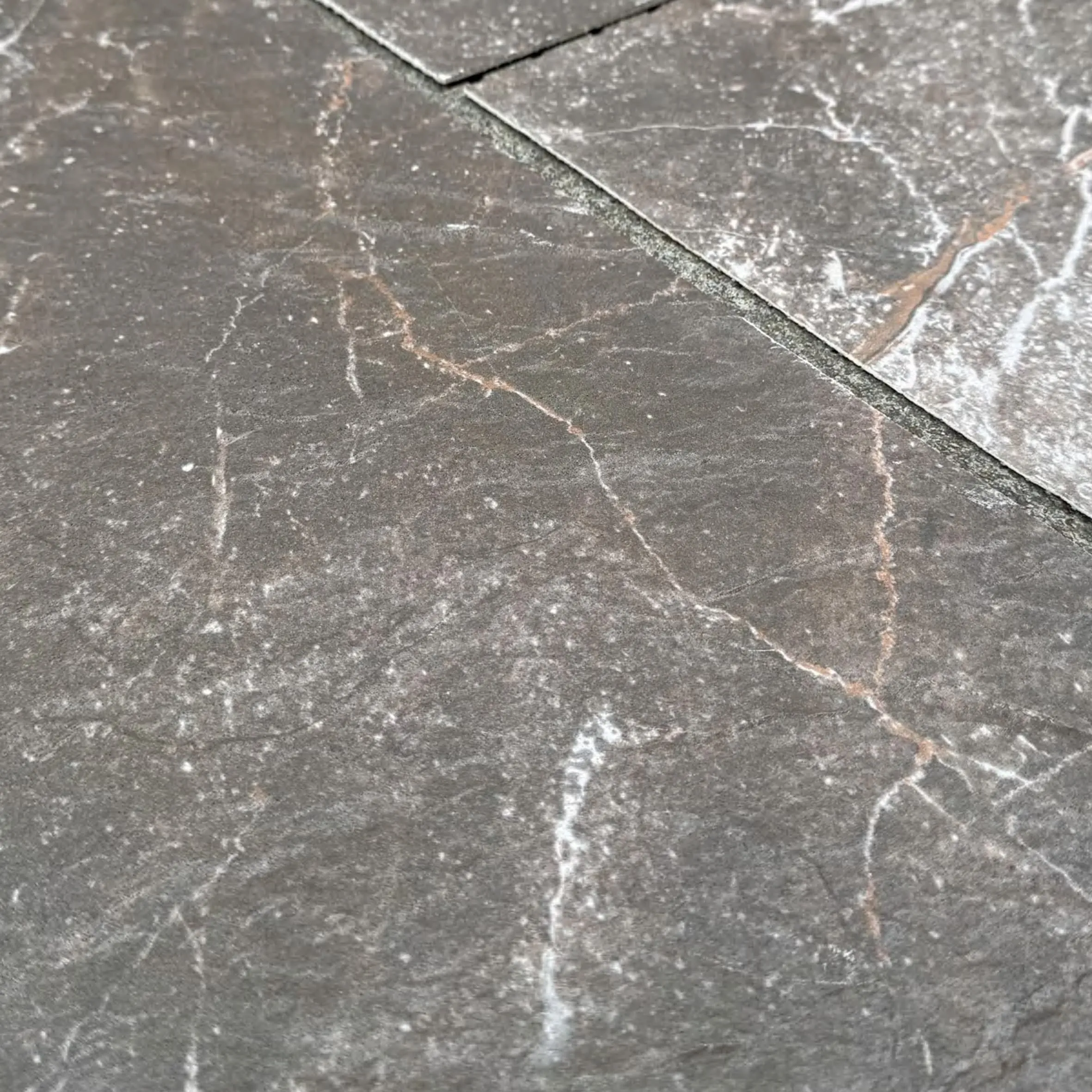
Neither material is "bad"—they're just better suited to different situations. Here's how to decide:
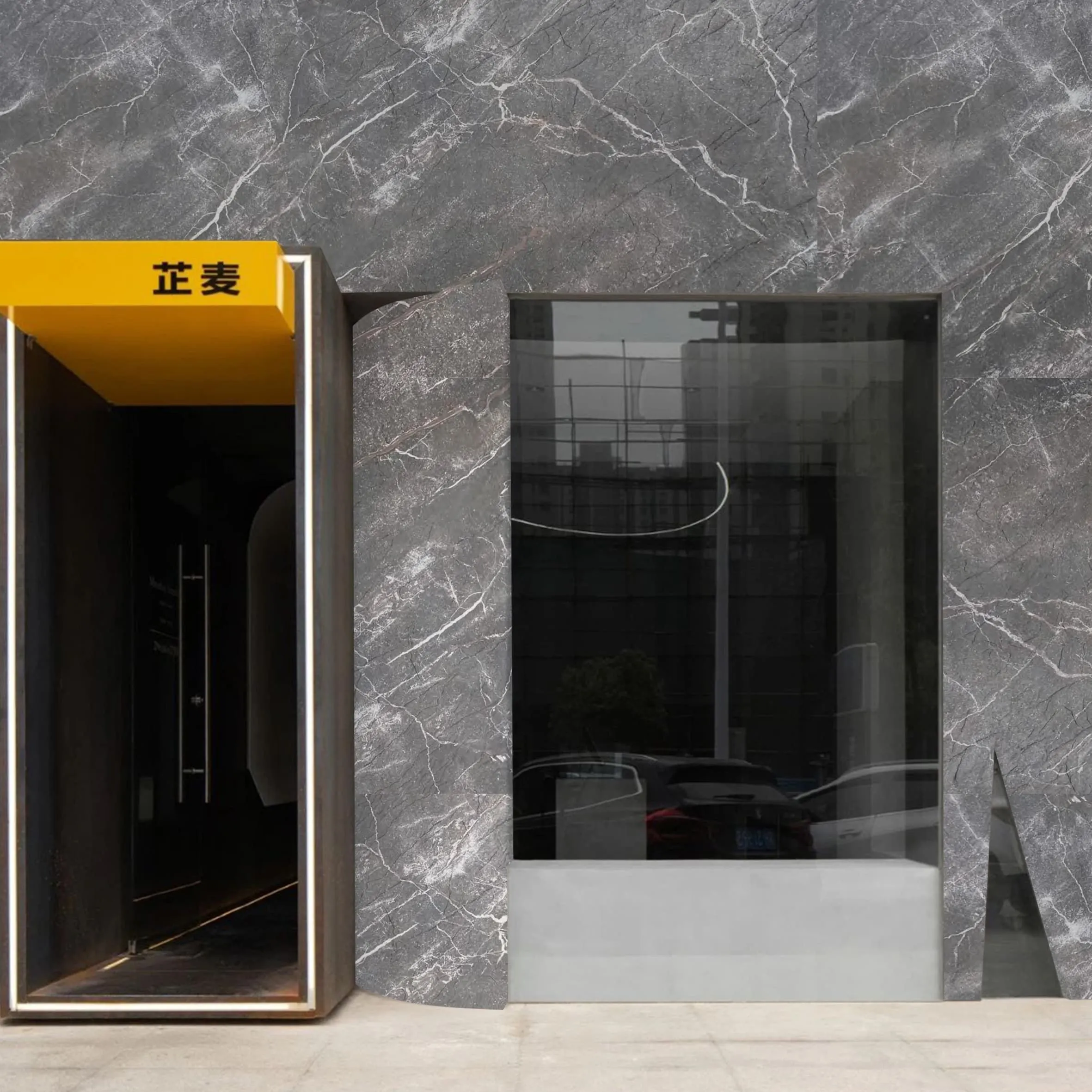
Slate Portoro is undeniably beautiful, and in the right conditions, it can last a lifetime. But when it comes to standing up to the full force of weather—rain, sun, snow, and everything in between— MCM flexible stone and MCM big slab board series are the clear winners. They're engineered to resist water, UV rays, temperature swings, and impacts, all while requiring almost no maintenance. For most homeowners, that means peace of mind: your home's exterior will look great for decades, no matter what the weather throws at it.
At the end of the day, your home is more than walls and a roof—it's a sanctuary. Choosing a material that protects it, saves you time and money, and still looks stunning? That's not just smart—it's investing in the future.
Recommend Products












