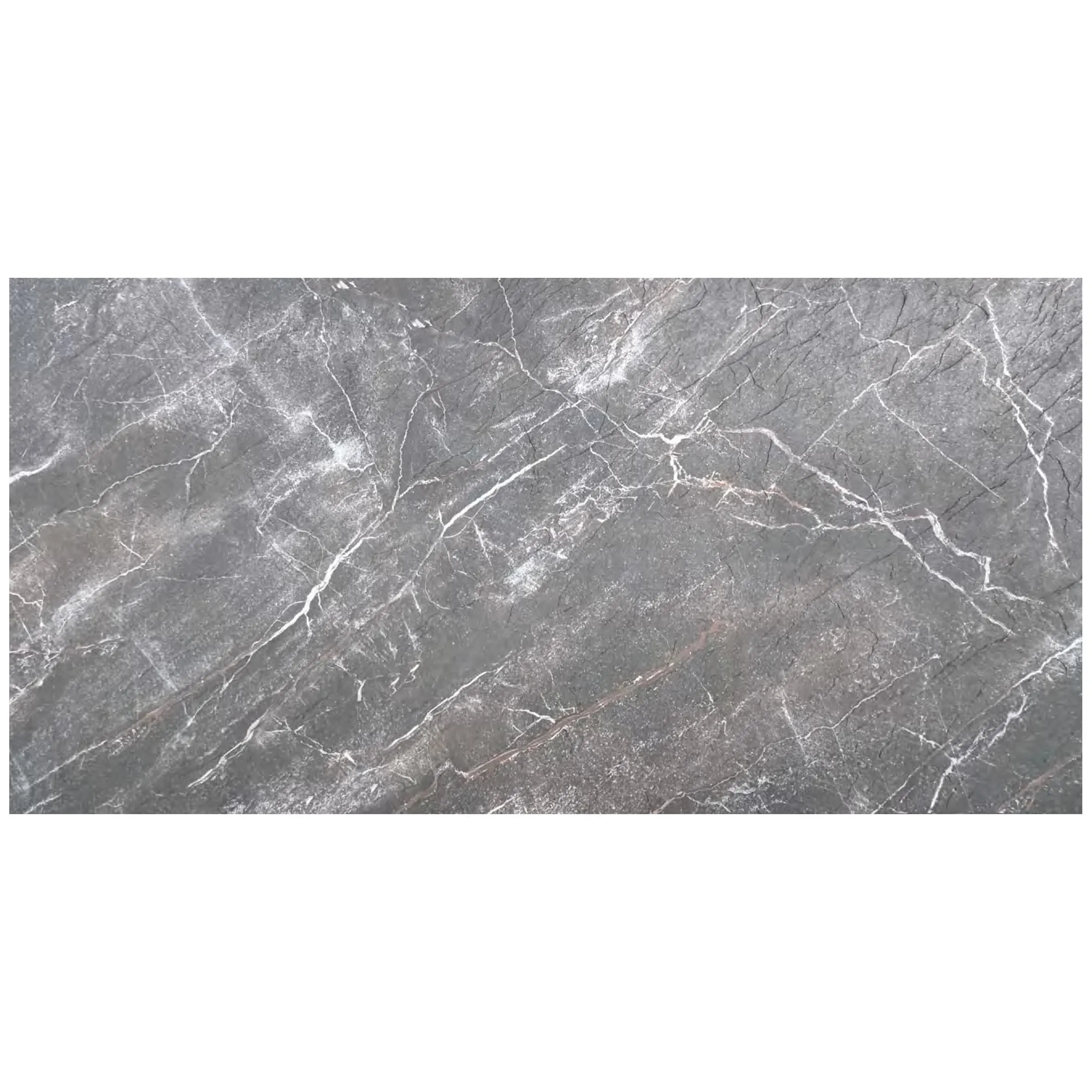
The Timeless Allure of Slate Portoro in Architecture
In the world of high-end architecture and interior design, few materials command attention quite like natural stone. Its ability to blend durability with unmatched aesthetic appeal has made it a staple in luxury spaces for centuries. Among the most coveted of these stones is
Slate Portoro
—a striking material characterized by its deep, velvety black base interlaced with bold, golden veins that seem to flow like liquid sunlight frozen in time. From the marble-clad lobbies of five-star hotels to the opulent countertops of luxury residences,
Slate Portoro has long been the go-to choice for designers aiming to evoke sophistication and grandeur.
Walk into any iconic building—say, a boutique hotel in Milan or a high-end restaurant in New York—and you're likely to encounter
Slate Portoro. Its dramatic contrast of dark and gold creates a sense of timeless elegance, turning ordinary walls into works of art. Architects and designers love it not just for its beauty, but for its versatility: it pairs seamlessly with modern minimalism, classical opulence, and everything in between. Yet, for all its allure,
Slate Portoro has a hidden flaw that has long plagued the industry: its weight.
Traditional natural stone slabs, including
Slate Portoro, are heavy—exceedingly so. A standard 20mm-thick slab can weigh upwards of 25–30 kilograms per square meter, and thicker slabs meant for structural use can tip the scales at 50kg/m² or more. This weight isn't just a minor inconvenience; it's a logistical nightmare that affects every stage of a project, from quarrying to installation. For decades, the industry has grappled with this problem, forced to choose between the beauty of natural stone and the practical demands of modern construction. That is, until the emergence of
mcm big slab board series
—a revolutionary solution that reimagines what stone can be.
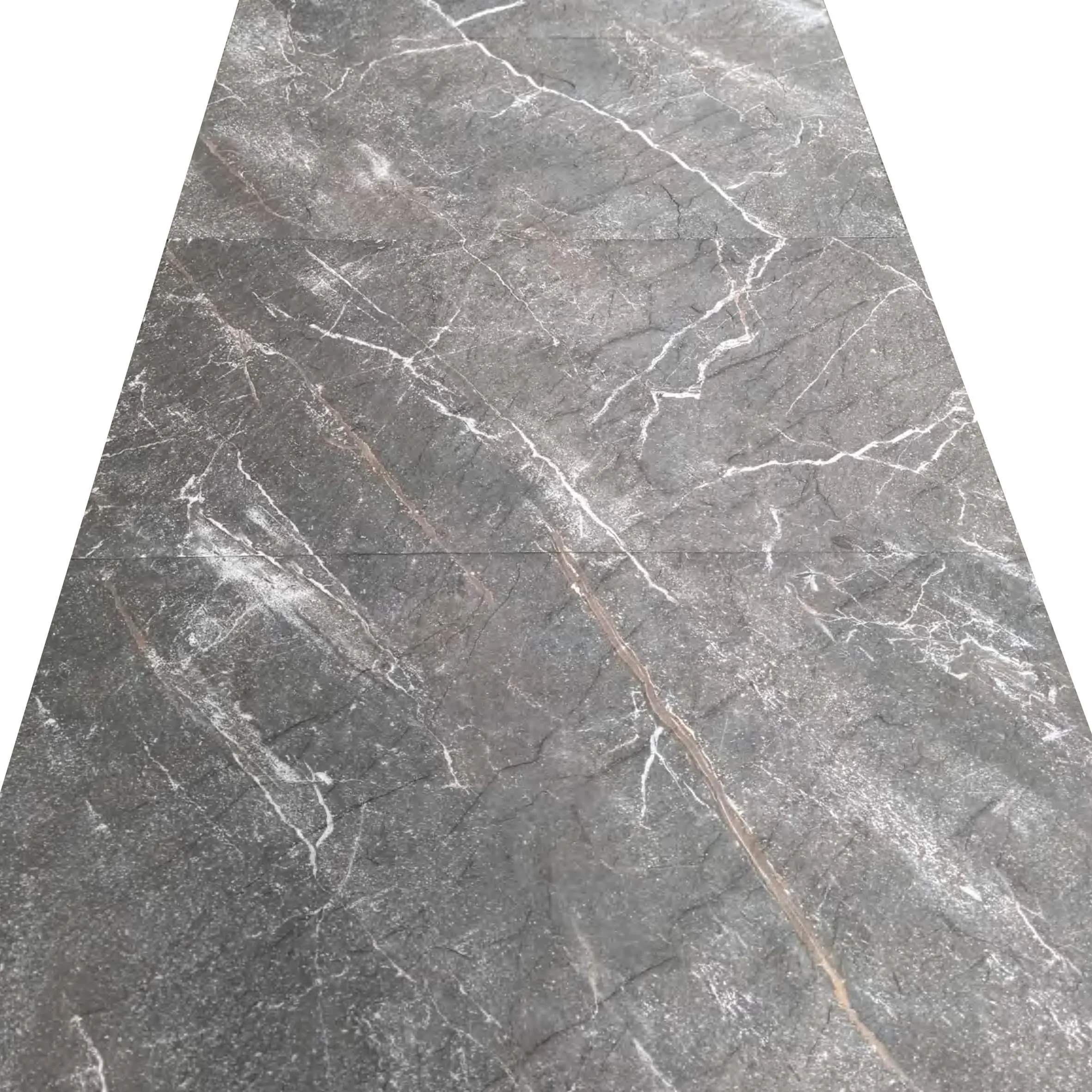
The Hidden Burden: Why Slate Portoro's Weight is a Modern Architectural Dilemma
To understand the challenge of
Slate Portoro's weight, let's start with the basics. Imagine a team of construction workers attempting to lift a 30kg slab of stone onto the 15th floor of a high-rise building. The physical strain is immense, the risk of injury high, and the time required to maneuver such heavy materials is prohibitive. Now multiply that by hundreds of slabs for a single project, and you're looking at delays, increased labor costs, and safety concerns that can derail even the most carefully planned timelines.
The problems don't stop at installation. Transportation is another major hurdle. Traditional stone slabs require specialized trucks with reinforced beds and cranes for loading and unloading. A single truck can carry only a fraction of the slabs needed for a large project, leading to multiple trips and skyrocketing fuel costs. And if a slab cracks during transit? That's a loss of both material and money, not to mention the environmental impact of wasted resources.
Structurally, the weight of
Slate Portoro poses significant risks. Buildings must be engineered to support the load of stone cladding, which often means reinforcing walls, floors, and foundations. For older buildings or retrofits, this can be impossible—or prohibitively expensive. High-rise structures, in particular, face strict weight restrictions to ensure stability, making traditional stone slabs a non-starter for many facade projects. Even in new construction, the added structural support needed for stone can increase overall project costs by 10–15%, a sum that clients and developers are increasingly reluctant to bear.
Then there's the issue of design flexibility. Traditional stone slabs are rigid, meaning they can't be curved or shaped to fit modern architectural trends like rounded walls or organic forms. Want to clad a spiral staircase in
Slate Portoro? Good luck—you'd need to cut the stone into small, awkward pieces, ruining the continuity of its natural veining. For designers aiming to push boundaries, this rigidity is a creative straightjacket.
Perhaps most concerning is the safety risk. In earthquake-prone regions, heavy stone cladding can become a hazard if not properly secured. Even minor tremors can loosen slabs, putting lives at risk. Similarly, in high-traffic areas like shopping malls or airports, a falling stone slab could have catastrophic consequences. These risks have led some cities to impose strict regulations on the use of heavy stone, further limiting its application.
For years, the industry's response was to compromise: use thinner slabs (which sacrifice durability), opt for cheaper, lighter materials (which sacrifice beauty), or limit stone to low-rise projects (which sacrifices ambition). But what if there was a way to have it all—the elegance of
Slate Portoro, the durability of natural stone, and the practicality of a lightweight material? Enter MCM technology.
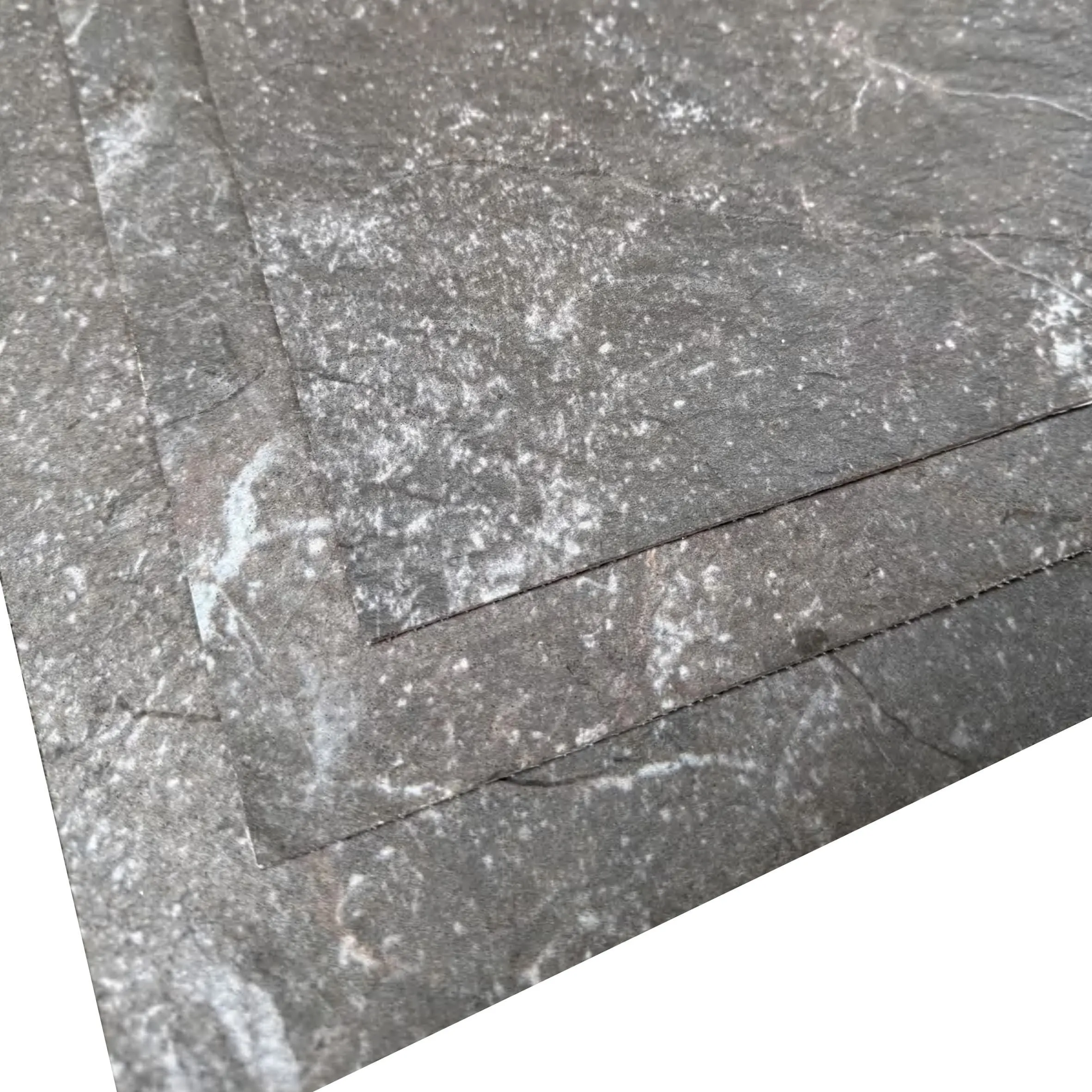
mcm big slab board series
—short for Modified Composite Material Big Slab Board Series—represents a paradigm shift in architectural materials. Developed by leading material scientists, MCM is a hybrid material that combines the best of natural stone and modern composites. At its core, MCM is made from a thin layer of natural stone particles (often recycled) bonded to a lightweight, flexible substrate. The result? A material that looks and feels like natural stone but weighs a fraction of the real thing.
The magic of MCM lies in its construction. Traditional stone slabs are solid blocks of quarried stone, dense and unyielding. MCM, by contrast, is engineered to be lightweight without sacrificing strength. The natural stone layer—typically 1–3mm thick—captures all the texture and color of the original stone, from the golden veins of
Slate Portoro to the subtle variations of
travertine (vintage gold)
. This layer is then fused to a substrate made from materials like fiberglass or aluminum, which adds flexibility and structural integrity without adding bulk.
But MCM isn't just about weight reduction. It's about redefining what stone can do. Unlike traditional slabs, MCM big slabs are flexible—able to bend up to 30 degrees without cracking. This means they can be applied to curved walls, ceilings, and even furniture, opening up a world of design possibilities. Imagine a hotel lobby with a sweeping, curved wall clad in
Slate Portoro MCM, its golden veins flowing seamlessly around the bend. Or a restaurant with a vaulted ceiling covered in
travertine (starry blue)
MCM, mimicking the night sky. These were once pipe dreams; now, they're realities.
The
MCM big slab board series includes a wide range of finishes, from classic stones like
Slate Portoro and marble to more contemporary options like
fair-faced concrete and wood grain. Each finish is meticulously crafted to replicate the look and feel of the original material, using advanced printing and texturing techniques. Run your hand over an MCM
Slate Portoro slab, and you'll feel the same cool, smooth surface as the real thing—no one would ever guess it's not solid stone.
Perhaps most impressively, MCM is designed with sustainability in mind. Traditional stone quarrying is resource-intensive, often requiring the removal of entire mountain sides and disrupting local ecosystems. MCM, on the other hand, uses recycled stone particles and minimal raw materials, reducing its environmental footprint. It's also recyclable at the end of its life, making it a favorite among eco-conscious architects and developers.
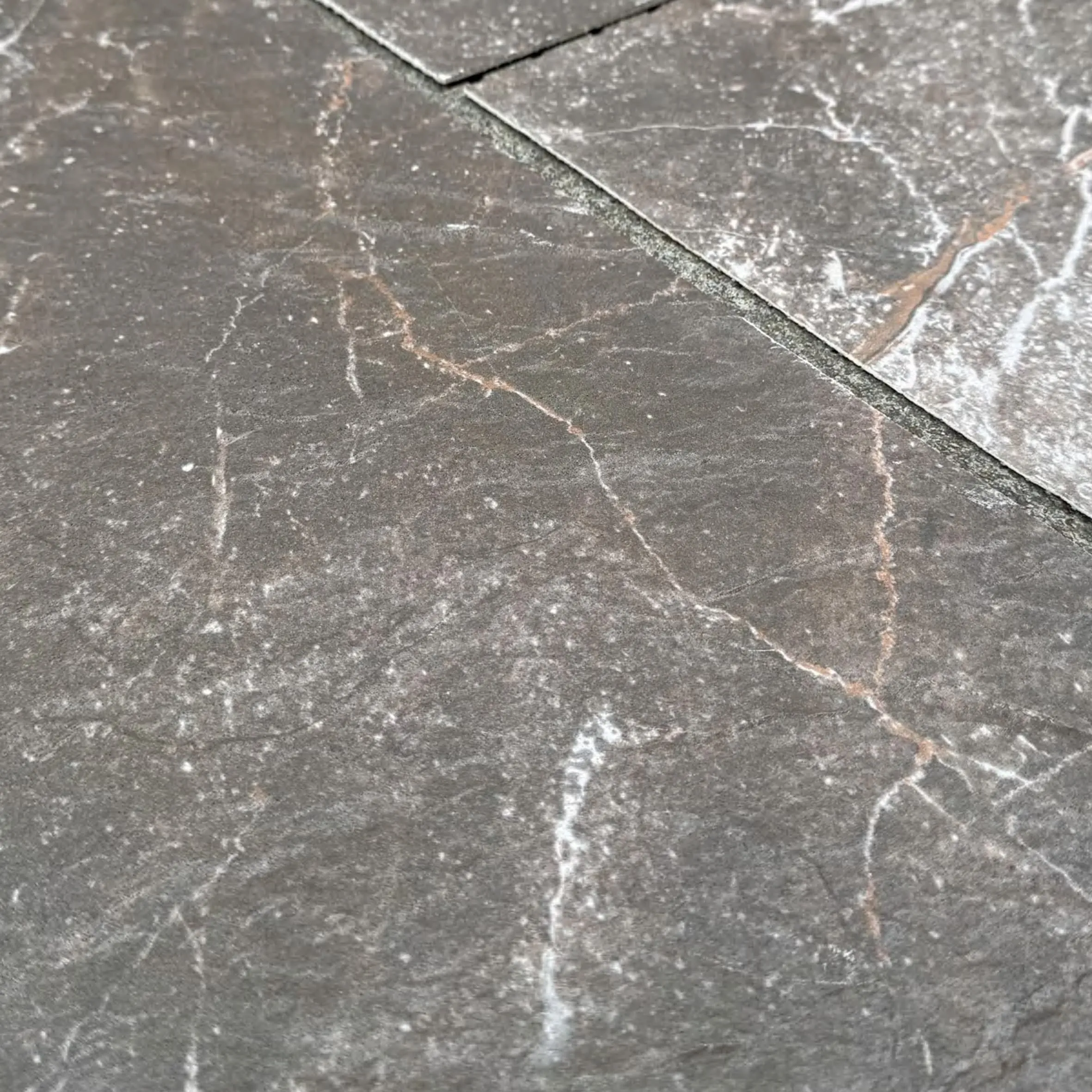
Let's get down to the numbers: the key advantage of
mcm big slab board series
is its weight. A standard MCM
Slate Portoro slab weighs just 3–5kg per square meter—less than 20% of the weight of a traditional 20mm-thick
Slate Portoro slab. To put that in perspective: a 100m² wall clad in traditional
Slate Portoro would weigh 2,500–3,000kg, while the same area in MCM
Slate Portoro would weigh just 300–500kg. That's a reduction of over 80%—a game-changer for any project.
This weight reduction transforms every stage of the construction process. Let's start with transportation. A single truck that could carry 100m² of traditional
Slate Portoro can now carry 500m² of MCM
Slate Portoro. Fewer trips mean lower fuel costs, reduced carbon emissions, and faster delivery times. For international projects, shipping costs plummet, making luxury materials like
Slate Portoro accessible to markets that were once priced out.
Installation is equally revolutionized. MCM slabs are so lightweight that two workers can easily carry and install a 1.2m x 2.4m slab—no cranes, no heavy machinery, no strained backs. This cuts installation time by up to 70%. A project that once took a week to clad can now be completed in a day, freeing up labor for other tasks and accelerating project timelines. What's more, MCM can be installed using simple adhesives, eliminating the need for mortar and reducing mess and waste on-site.
Structurally, the benefits are clear. With MCM, there's no need to reinforce walls or floors to support heavy stone. This not only saves money on structural engineering but also opens up new possibilities for retrofits. Imagine converting an old warehouse into a boutique hotel: with MCM
Slate Portoro, you can clad the interior walls without worrying about overloading the building's original structure. For high-rise buildings, the reduced weight means more floors can be added, or more space can be allocated to usable areas instead of structural supports.
|
Aspect
|
Traditional Slate Portoro Slab (20mm)
|
MCM Big Slab Slate Portoro
|
|
Weight per m²
|
25–30 kg
|
3–5 kg
|
|
Thickness
|
20–30 mm
|
4–6 mm
|
|
Flexibility
|
Rigid; prone to cracking under stress
|
Flexible; bends up to 30° without damage
|
|
Installation Time (100m²)
|
2–3 days (requires heavy machinery)
|
0.5–1 day (manual installation)
|
|
Transportation Cost (per 100m²)
|
$800–$1,200 (specialized trucks)
|
$150–$300 (standard delivery)
|
|
Structural Load Requirement
|
High (requires reinforced walls/floors)
|
Low (suitable for standard construction)
|
|
Sustainability
|
High resource extraction; high carbon footprint
|
Recycled materials; low carbon footprint
|
But MCM isn't just lighter—it's also more durable than traditional stone in many ways. The composite substrate makes MCM resistant to impact, weathering, and UV radiation. Unlike natural stone, which can fade in sunlight or crack in freezing temperatures, MCM maintains its color and integrity for decades. It's also easier to maintain: a simple wipe with a damp cloth is all it takes to keep MCM
Slate Portoro looking brand new. For commercial spaces with high foot traffic, this durability is a huge advantage, reducing long-term maintenance costs.
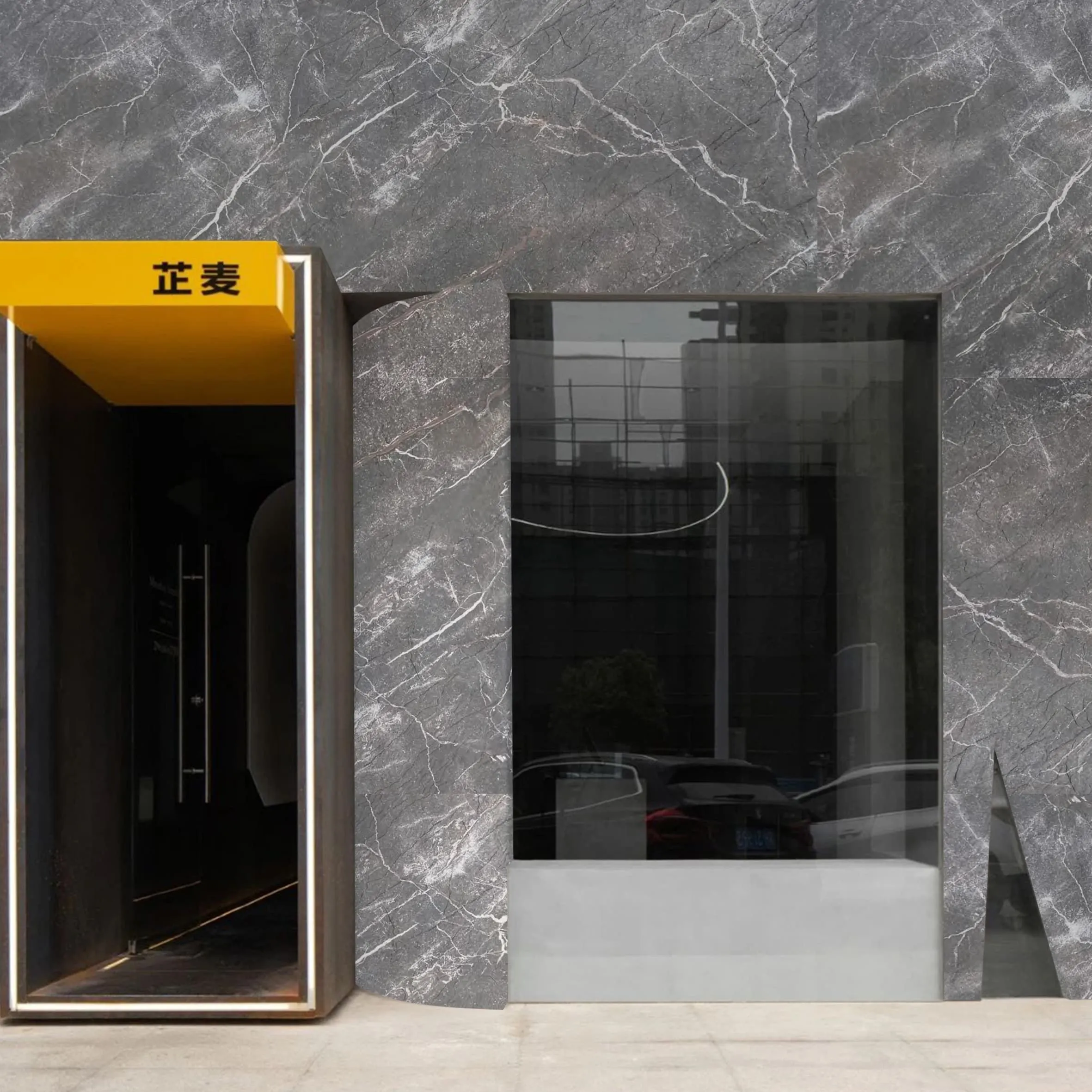
Beyond Weight: The Multifaceted Benefits of MCM Big Slabs
While weight reduction is the headline benefit of
mcm big slab board series
, it's far from the only one. MCM is a material that keeps on giving, offering advantages that extend beyond practicality to creativity, sustainability, and cost-effectiveness.
Design Versatility:
MCM's flexibility opens up a world of creative possibilities. Unlike rigid stone slabs, MCM can be shaped into curves, arches, and even custom 3D forms. This makes it ideal for statement pieces like feature walls, retail displays, or artistic installations. For example, a museum might use MCM
travertine (starry blue)
to create a wave-like facade that mimics the ocean, or a restaurant could use MCM
Slate Portoro to clad a spiral staircase, turning a functional element into a focal point.
Eco-Friendliness:
In an era of increasing environmental awareness, MCM's sustainability credentials are a major selling point. By using recycled stone particles, MCM reduces the need for quarrying, which helps preserve natural landscapes and reduce carbon emissions. The manufacturing process is also energy-efficient, and MCM itself is fully recyclable at the end of its life. For developers aiming for LEED or BREEAM certifications, MCM can contribute to green building credits, making projects more attractive to eco-conscious investors and tenants.
Cost-Effectiveness:
While MCM may have a slightly higher upfront cost than traditional stone, its total cost of ownership is significantly lower. Let's break it down: lower transportation costs, faster installation, reduced labor, minimal maintenance, and no need for structural reinforcement. When you add it all up, MCM can save projects 30–50% compared to traditional stone over their lifetime. For budget-conscious developers, this is a compelling reason to switch.
Global Accessibility:
Traditional stone is often tied to specific regions—
Slate Portoro, for example, is quarried primarily in Italy. This means higher costs for projects outside of Europe. MCM, by contrast, can be manufactured locally using regional materials, reducing import costs and supporting local economies. This global accessibility means that the beauty of
Slate Portoro is no longer limited to luxury projects in major cities; it can now be enjoyed in small towns, coastal resorts, and emerging markets.
Resistance to the Elements:
MCM is engineered to withstand the harshest conditions. It's water-resistant, making it ideal for bathrooms, kitchens, and outdoor cladding. It's also fire-resistant, meeting strict safety standards for commercial buildings. In coastal areas, MCM resists saltwater corrosion, unlike natural stone, which can degrade over time. For a hotel on the beach, MCM
Slate Portoro would maintain its beauty for decades, even in the face of sea spray and humidity.
Health and Safety:
MCM is non-toxic and emits no volatile organic compounds (VOCs), making it safe for indoor use. This is a crucial advantage for projects like hospitals, schools, and residential buildings, where air quality is a priority. Additionally, because MCM is lightweight and securely bonded, there's little risk of slabs falling, making it a safer choice for high-traffic areas.
Case Study: Transforming a Luxury Hotel Lobby with MCM Slate Portoro Big Slabs
To put these benefits into context, let's look at a real-world example: the renovation of the Grand Horizon Hotel, a 5-star property in downtown Singapore. The hotel's lobby, once clad in traditional marble, was due for a refresh, and the design team wanted to upgrade to
Slate Portoro for a more luxurious feel. However, the original building, constructed in the 1980s, had structural limitations that made traditional
Slate Portoro slabs impossible to install—walls couldn't support the weight, and the elevator shafts were too small to transport large slabs.
Enter
mcm big slab board series
. The design team opted for MCM
Slate Portoro big slabs, measuring 1.2m x 2.4m each. The results were transformative:
-
Installation Time:
The lobby, which spans 200m², was clad in just two days, compared to the estimated two weeks for traditional stone. This allowed the hotel to keep the lobby open to guests during the day, with work done overnight.
-
Structural Savings:
No structural reinforcement was needed, saving the hotel $150,000 in engineering costs.
-
Transportation:
MCM slabs were transported via standard elevators, eliminating the need for a crane, which would have cost $20,000 and disrupted the neighborhood.
-
Aesthetic Impact:
Guests and critics alike praised the lobby's new look, with many commenting on the "authenticity" of the Slate Portoro. The golden veins popped against the black background, creating a sense of opulence that matched the hotel's brand.
-
Long-Term Durability:
Three years later, the MCM cladding shows no signs of wear, despite daily foot traffic from thousands of guests. The hotel's maintenance team reports that cleaning is a breeze—just a quick wipe with a damp cloth.
"We were skeptical at first," admits Sarah Lim, the hotel's project manager. "We thought lightweight materials would look cheap, but MCM proved us wrong. It looks exactly like real
Slate Portoro, and the fact that we could install it without disrupting our guests was a game-changer. We've since used MCM in other parts of the hotel, including the restaurant and spa."
The Wider World of MCM: Exploring Flexible Stone and Beyond
While
Slate Portoro is a standout in the
mcm big slab board series
, it's just one of many options. MCM technology has been applied to a wide range of materials, from classic stones to modern composites, ensuring there's a solution for every design vision.
Flexible Stone:
At the heart of MCM is
flexible stone
—a term that refers to MCM's ability to bend and conform to surfaces. This feature is particularly popular in residential design, where homeowners want the look of stone in bathrooms, kitchens, or even furniture. For example,
travertine (vintage gold)
MCM can be used to clad a kitchen island, adding warmth and texture without the weight of real
travertine. Similarly, flexible stone can be applied to curved shower walls, creating a seamless, spa-like feel.
Modern Composites:
MCM isn't limited to stone lookalikes. The series also includes options like
fair-faced concrete, wood grain, and even metal finishes. These materials are perfect for contemporary projects that blend industrial and natural elements. For example, a tech startup's office might use MCM
fair-faced concrete panels for a raw, minimalist look, paired with MCM wood grain accents for warmth. The lightweight nature of these panels makes them easy to install on ceiling grids or partition walls, creating dynamic, functional workspaces.
Specialty Finishes:
For projects that demand something truly unique, MCM offers specialty finishes like
travertine (starry blue)
—a stone-inspired finish with subtle glitter-like flecks that catch the light. These finishes are popular in hospitality and retail, where creating a memorable guest experience is key. A boutique clothing store, for instance, might use starry blue MCM to line its fitting rooms, turning a mundane space into a magical one.
What ties all these options together is MCM's commitment to quality and innovation. Each finish is developed using state-of-the-art technology, ensuring that the look, feel, and durability match or exceed the original material. Whether you're designing a luxury hotel, a cozy home, or a cutting-edge office, there's an MCM big slab that fits the bill.
Looking Ahead: The Future of Architectural Materials
As the construction industry continues to evolve, materials like
mcm big slab board series
are leading the charge toward a more sustainable, innovative, and accessible future. The days of choosing between beauty and practicality are over; with MCM, we can have both.
Looking forward, we can expect to see MCM technology advance even further. Researchers are already working on self-cleaning MCM surfaces that repel dirt and bacteria, making them ideal for healthcare facilities. Others are exploring integrating smart technology, like embedded sensors that monitor temperature or structural stress, turning MCM cladding into a functional part of a building's ecosystem.
For architects and designers, this means more freedom to dream big. Imagine a skyscraper clad in MCM
Slate Portoro, its golden veins glowing at night, or a museum with a facade made of MCM
travertine (starry blue)
that changes color with the light. These are not just fantasies—they're projects that are already in the works, made possible by MCM.
For the rest of us, it means more beautiful, sustainable spaces to live, work, and play in. No longer will luxury be confined to a select few; with MCM, the elegance of
Slate Portoro, the warmth of
travertine, and the durability of natural stone can be enjoyed by everyone, everywhere.
In the end,
mcm big slab board series
isn't just a material—it's a movement. It's a rejection of the idea that we must compromise in construction, a celebration of innovation, and a commitment to building a better, more beautiful world. And for
Slate Portoro, it's a second act—one where its beauty can shine without the burden of its weight.