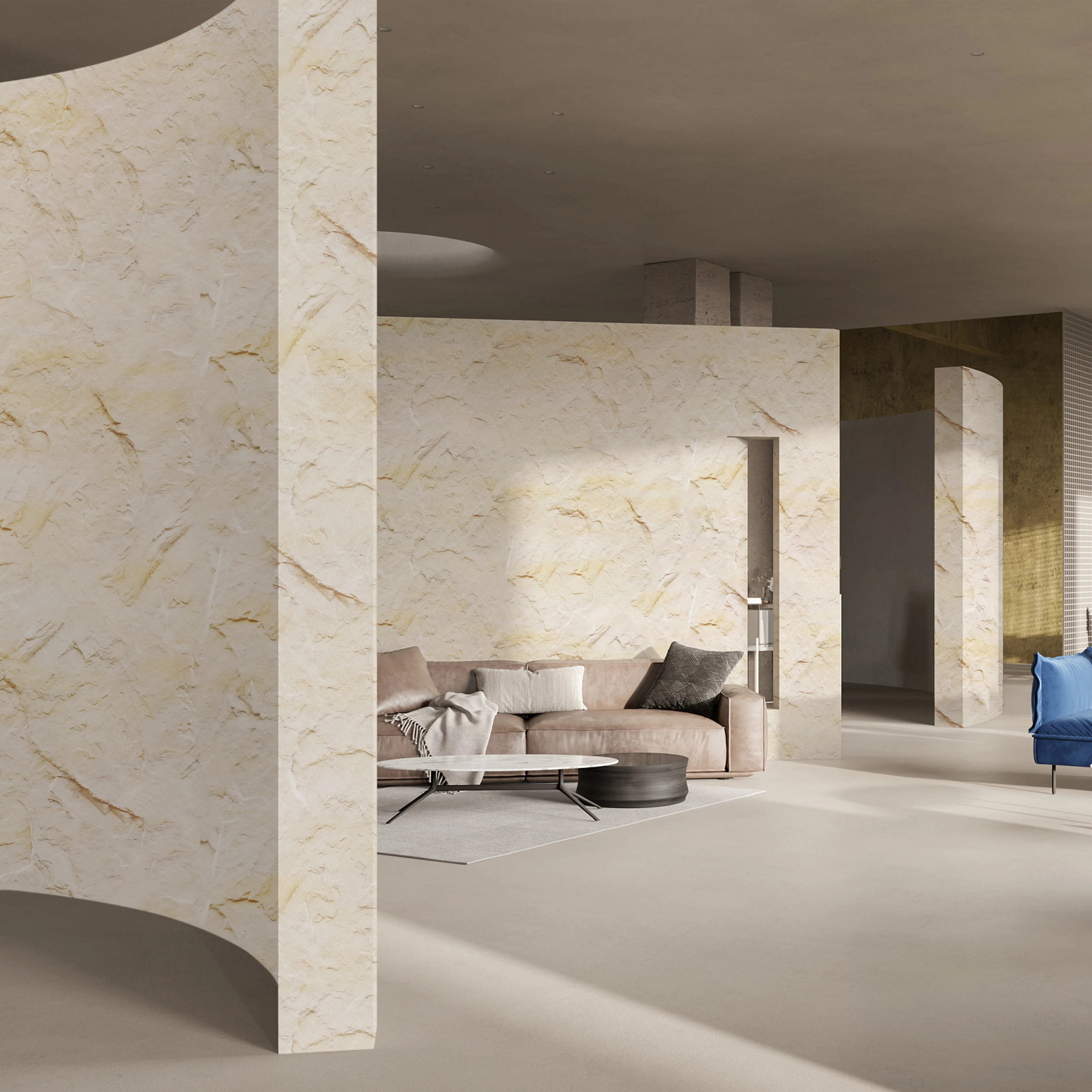
Slate Sunnye's magic lies in its materials. Unlike traditional stone or concrete, which often feel cold and impersonal, the options here are designed to engage the senses. Let's dive into a few that are redefining facade design:
Flexible Stone: Strength with a Soft Touch
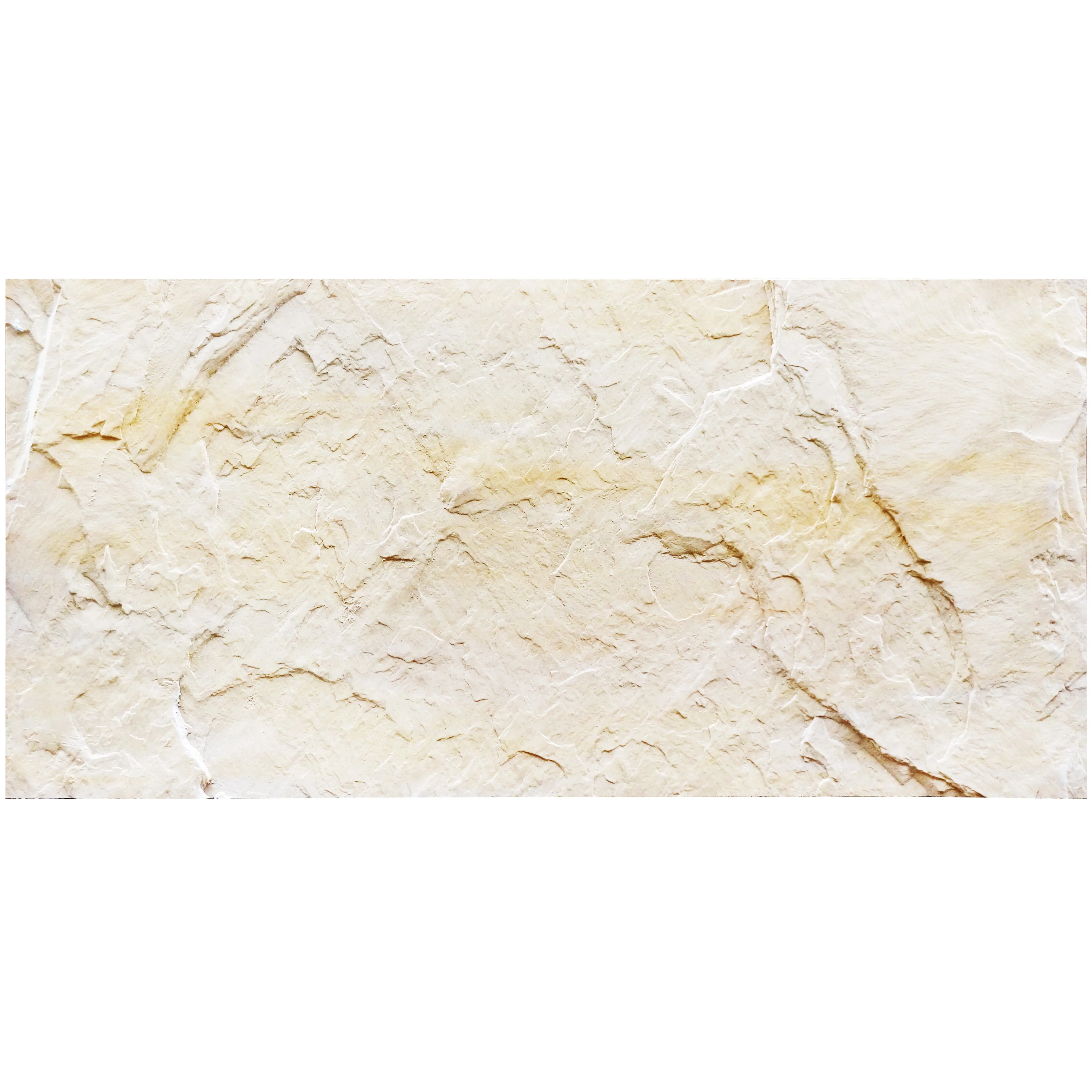
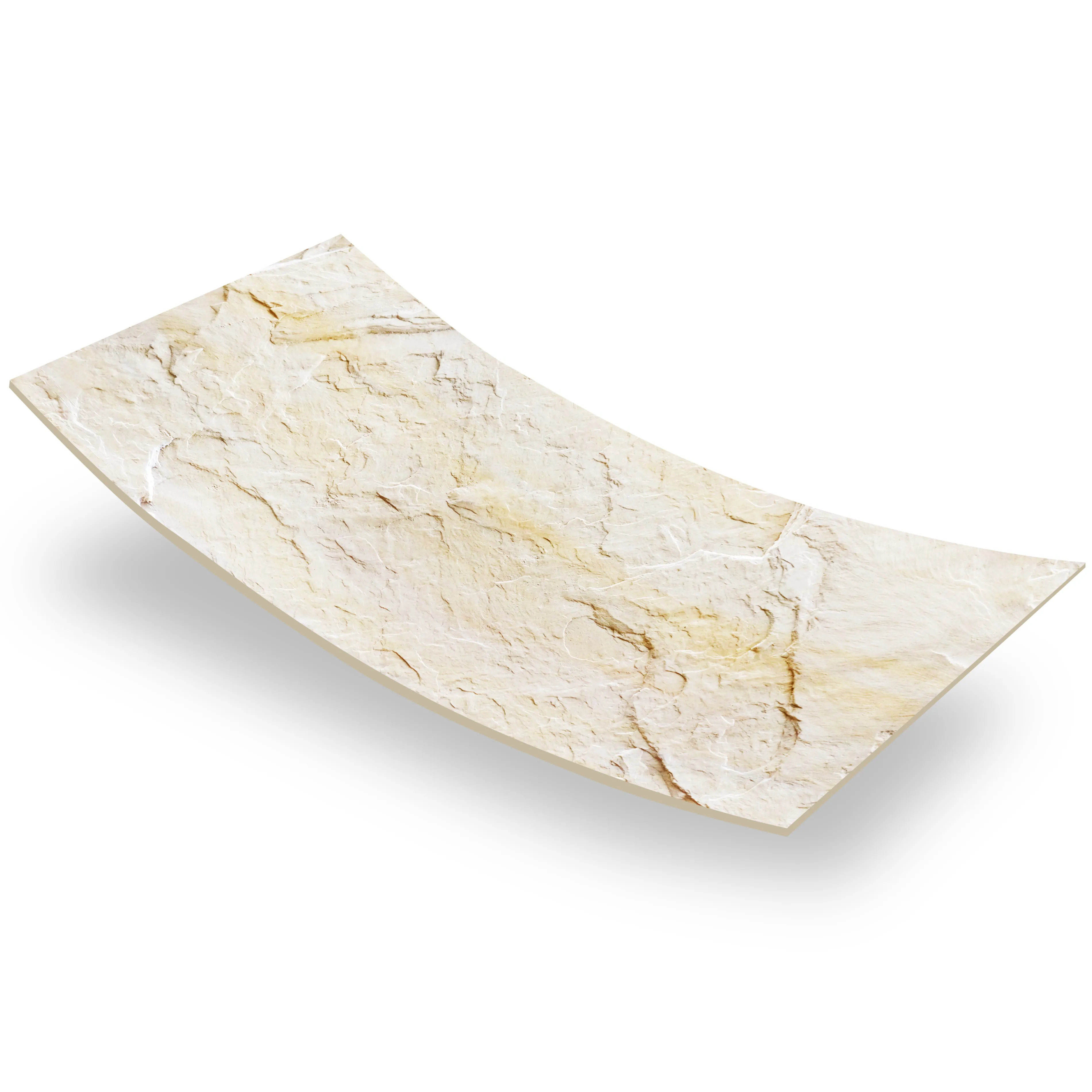
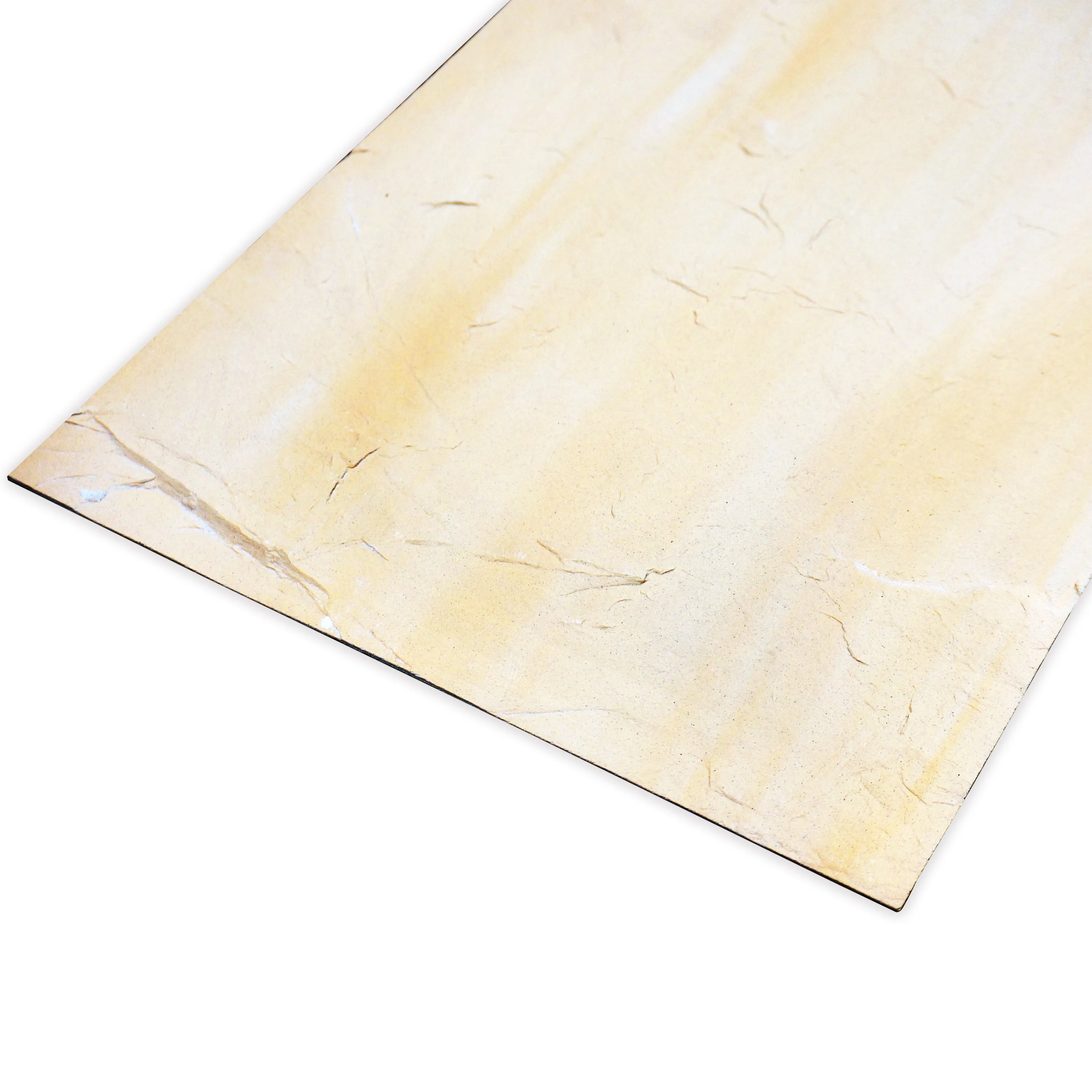
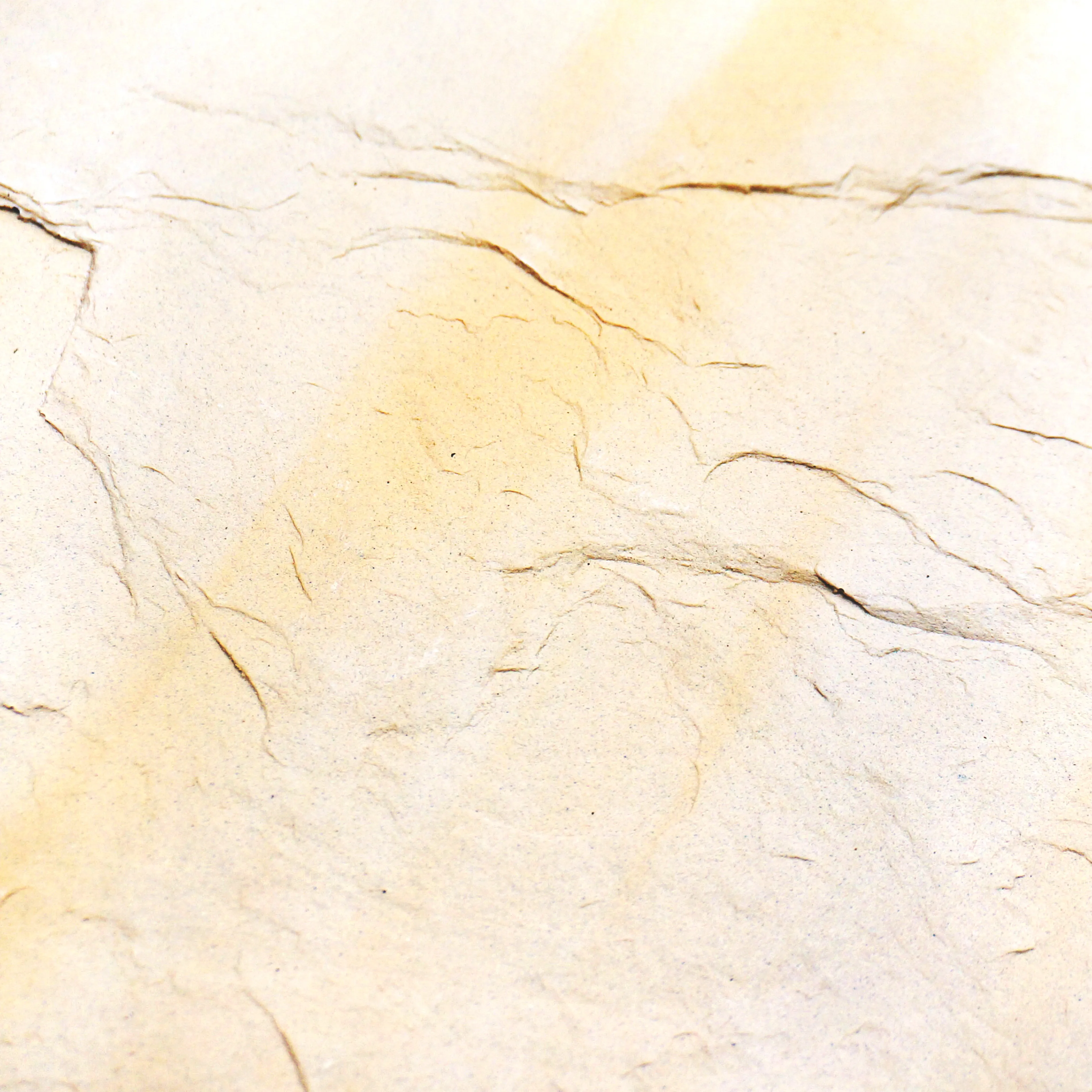
Natural stone is timeless, but it's also heavy and hard to shape. Slate Sunnye's flexible stone solves that. Made from a blend of recycled stone particles and eco-resins, it's 60% lighter than traditional stone but just as resistant to rain, wind, and UV rays. And because it's printed, it can take on textures that would be impossible to carve by hand—think tiny, overlapping scales like dragon skin, or the pitted surface of a river stone smoothed by time. Recently, a boutique hotel in Bali used flexible stone printed to look like weathered lava rock; guests now stop mid-walk to run their hands over the walls, drawn to its tactile, almost alive quality.
Wave Panels: Movement in Static Form
Walls don't have to be flat.
Wave panels
are Slate Sunnye's love letter to dynamism. Printed in undulating curves, they mimic the motion of water, wind, or even sound waves. A coastal café in Lisbon used them to transform its exterior into a visual echo of the nearby ocean—from the street, the building seems to breathe, the panels shifting in tone as sunlight hits their peaks and valleys. And because they're 3D printed, each wave can be tweaked: taller crests for drama, softer swells for calm, or even patterns that spell out a brand's logo when viewed from above. It's architecture that moves, even when standing still.
Wood brings warmth, but it warps, rots, and fades.
Bamboo mat board
offers the best of both worlds. Made by printing bamboo fibers embedded in a durable polymer, it captures the delicate weave of a handwoven mat—complete with tiny imperfections that make it feel authentic. A tech startup in Tokyo chose it for their office facade, pairing it with sleek glass to balance innovation with earthiness. Employees say the bamboo texture makes the building feel less like a "machine" and more like a "second home." And unlike real bamboo, it won't yellow in the sun or attract pests—so that cozy, natural vibe lasts for decades.
Concrete gets a bad rap for being cold, but
fair-faced concrete
(printed by Slate Sunnye) is anything but. Instead of the drab, gray slabs you're used to, this concrete is printed with intentional textures: subtle brushstrokes, tiny air bubbles trapped like frozen foam, or even the impression of leaves pressed into its surface. A community center in Berlin used it to create a mural of local flora—each leaf, vein, and petal printed directly into the concrete walls. The result? A building that feels rooted in its neighborhood, not just dropped into it. And because it's 3D printed, there's no need for formwork (those bulky molds that create waste)—the concrete is laid down precisely where it's needed, cutting down on material use by up to 30%.