
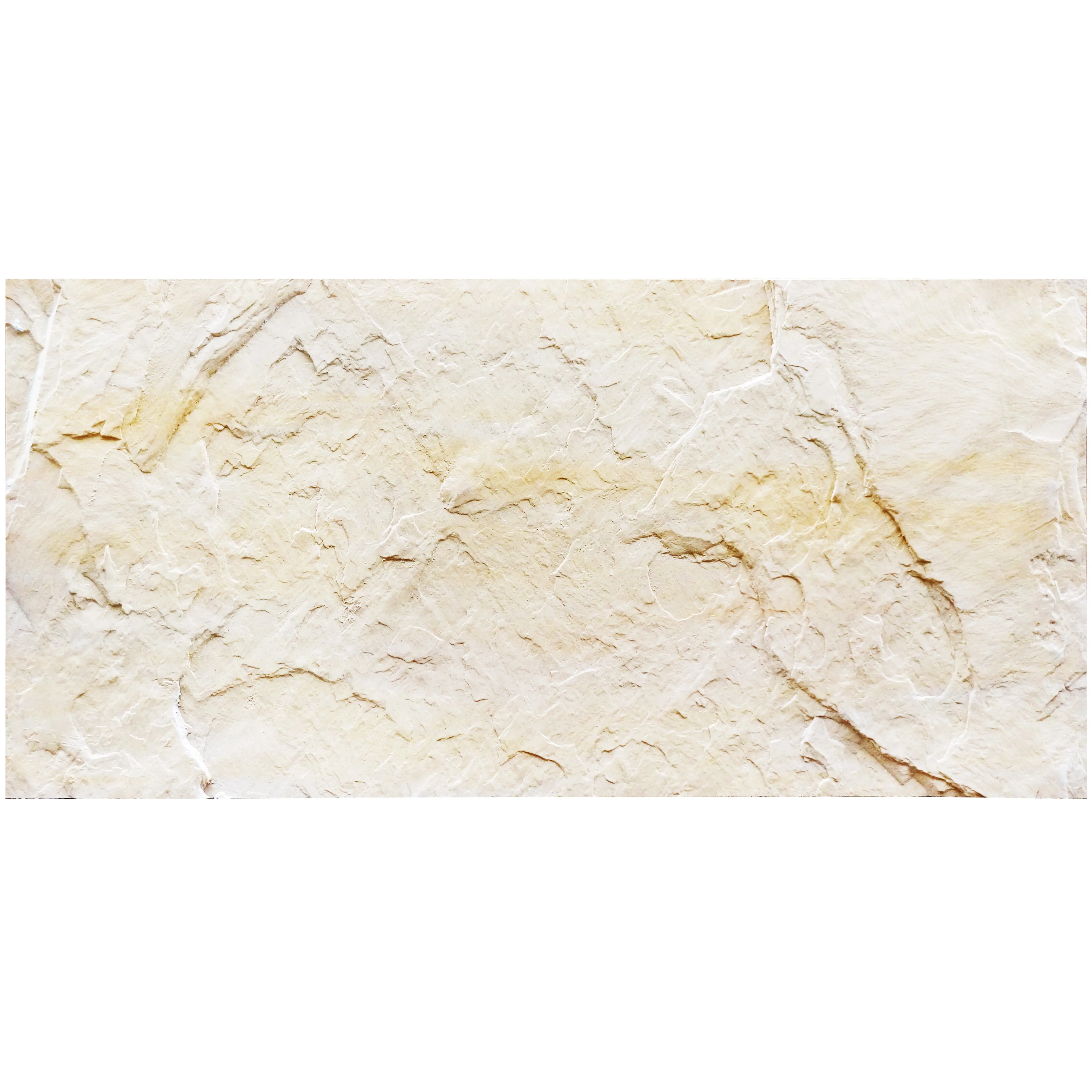
Crafting Spaces That Tell Your Story, One Layer at a Time
Design isn't just about aesthetics—it's about creating spaces that breathe, that reflect the people who use them, and that stand the test of time. For years, I've worked with architects, interior designers, and project managers who share a common frustration: finding materials that are both unique and practical. Too often, the choices feel limited—either rigid, heavy, or cookie-cutter. That's why when I first encountered the MCM 3D Printing Series , and specifically its standout line, the Slate Sunnye 3D Printing Series , I knew it was a game-changer. This isn't just another building material; it's a toolkit for storytelling.
Let me take you behind the scenes. Imagine a boutique café in the heart of the city, where the owner wanted walls that felt like a warm hug—textured, inviting, and unlike any other spot in town. Or a homeowner who dreamed of a living room accent wall that mirrored the rugged beauty of their favorite mountain trail. These aren't just "wants"—they're the kind of details that turn a space into a home, a business into a destination. And until recently, bringing those visions to life meant compromising on durability, cost, or practicality. But with the Slate Sunnye 3D Printing Series, that compromise is a thing of the past.
At its core, the Slate Sunnye 3D Printing Series is part of MCM's broader mission to reimagine building materials for the modern world. MCM, or Modified Composite Material, has long been a pioneer in creating products that blend the best of nature and technology. But the 3D printing arm of their lineup? That's where the magic really happens. Slate Sunnye, in particular, draws inspiration from the organic beauty of natural slate—think the soft veining of Slate Sunnye, the subtle interplay of light and shadow on its surface—but amplifies it with the precision and flexibility of 3D printing.
I remember visiting a design studio last year where an architect was gushing about a recent project: a community library with a facade that seemed to shift color as the sun moved across the sky. "It's like the building is alive," she said. That facade? Slate Sunnye 3D printed panels, custom-designed to mimic the layered texture of sedimentary rock but with a lightweight composition that made installation a breeze. Traditional slate would have been heavy, expensive, and nearly impossible to shape into the curved, flowing patterns she wanted. But with 3D printing, every curve, every indentation, every shade variation was intentional—and achievable.
But what truly sets this series apart is its commitment to customization. In a world where "unique" often means picking from a handful of prefab options, Slate Sunnye says, "Tell us your vision." Whether you're craving the weathered look of a desert canyon (hello, Gobi Panel vibes) or the sleek modernity of Foamed Aluminium Alloy, the 3D printing process lets you tailor every aspect—texture, color, pattern, even size—to fit your project's personality. And it does this without sacrificing the durability you need. These aren't fragile art pieces; they're built to withstand the elements, foot traffic, and the test of time.
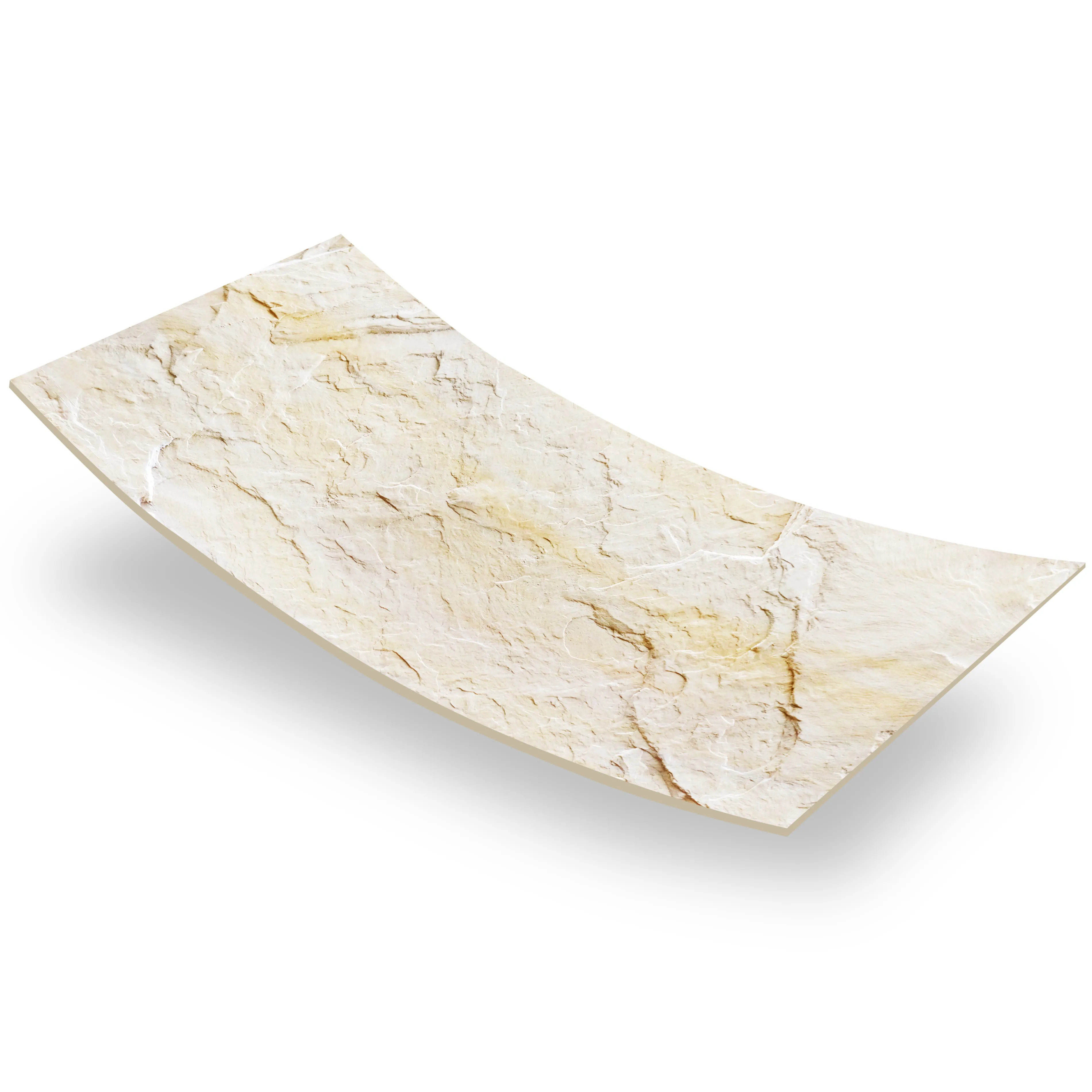
Let's talk about 3D printing for a second—not the small desktop printers that make plastic trinkets, but the industrial-grade technology that's reshaping construction and design. For years, the building industry has been stuck in a loop: traditional materials like concrete, stone, and wood are reliable, but they're limited by their rigidity. You can carve stone, sure, but it's time-consuming, costly, and risky (one wrong move, and the whole slab is ruined). 3D printing changes that by building materials layer by layer, allowing for intricate designs that would be impossible with traditional methods.
Take the 3D art concrete board real photo trend I've been seeing lately. Designers are using 3D printed concrete panels to create walls that look like they're covered in abstract art—swirling patterns, geometric shapes, even pixelated images—all while maintaining the strength of concrete. And Slate Sunnye takes this a step further by infusing that 3D printed concrete with the natural elegance of slate. The result? A material that feels both cutting-edge and timeless.
Another advantage? Weight. Traditional stone slabs can weigh hundreds of pounds, requiring heavy machinery and reinforced structures to install. Slate Sunnye 3D printed panels, on the other hand, are lightweight—thanks to MCM's advanced composite formula—without skimping on strength. This not only makes installation faster and cheaper but also opens up possibilities for projects where weight is a concern, like high-rise facades or retrofitting older buildings that can't support heavy materials.
| Feature | Traditional Slate/Stone | Slate Sunnye 3D Printing Series |
|---|---|---|
| Customization | Limited to natural variations; hard to shape complex designs | Unlimited: custom textures, patterns, colors, and sizes |
| Weight | Heavy (often 100+ lbs per sq ft) | Lightweight (30-50 lbs per sq ft on average) |
| Installation | Requires heavy machinery and specialized labor | Can be installed with standard tools; faster turnaround |
| Durability | High, but prone to cracking if mishandled | High; impact-resistant and weatherproof |
| Sustainability | Mining and processing can be resource-intensive | Uses recycled materials; reduces waste via precise printing |
It's not just about looks, though. 3D printing also reduces waste. Traditional manufacturing often involves cutting large slabs down to size, leaving behind scraps that end up in landfills. 3D printing, by contrast, only uses the material needed for the project, minimizing waste and making it a more eco-friendly choice—something that aligns with the growing demand for green building materials in today's market.
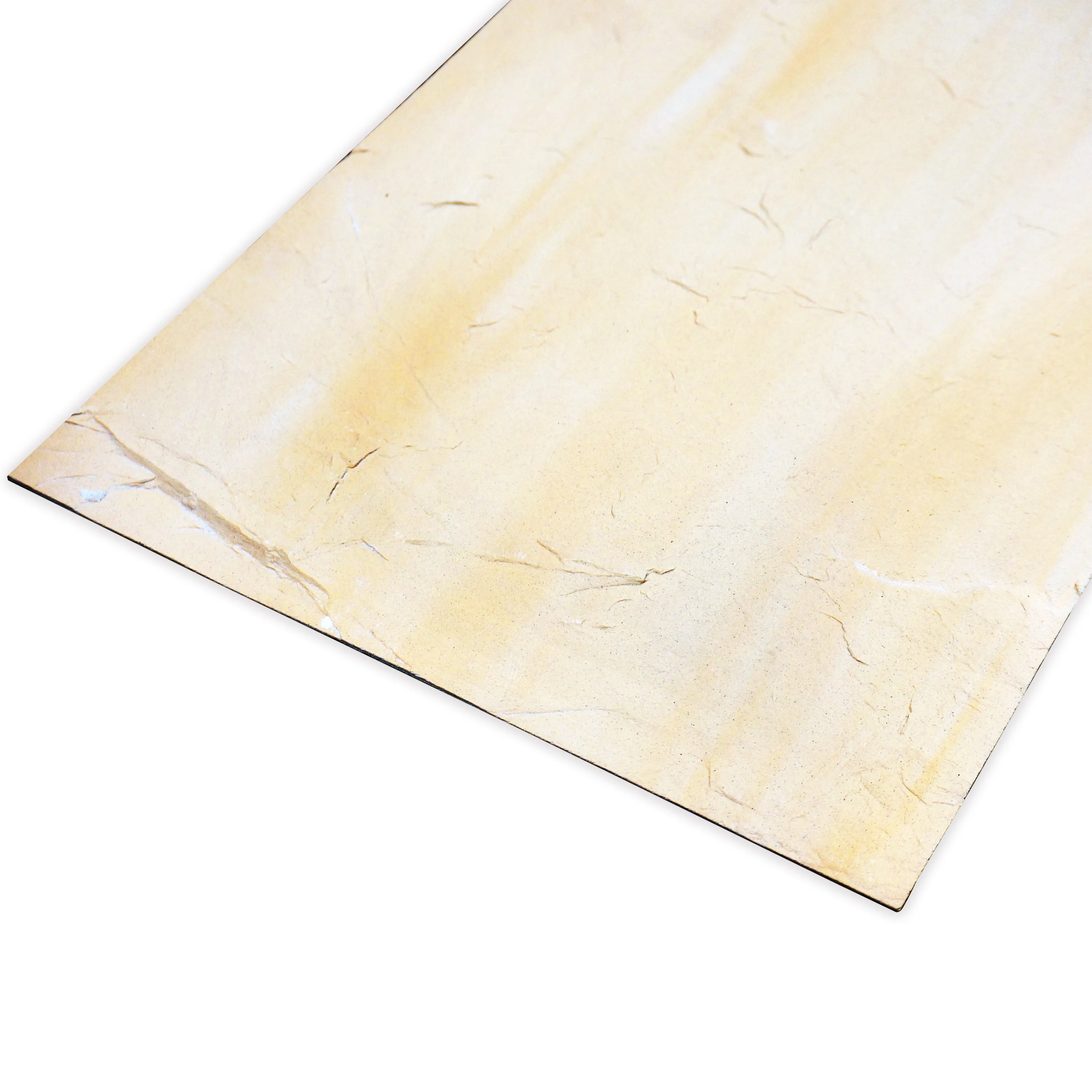
I'd be remiss if I didn't talk about flexible stone —a material that's quietly revolutionizing how we think about stone in design. When most people hear "stone," they picture something hard, rigid, and unyielding. But flexible stone? It's like stone with a personality. It's thin, lightweight, and yes—bendable. This means it can wrap around curves, follow uneven surfaces, and even be used on ceilings (something traditional stone would never tolerate).
Slate Sunnye 3D Printing Series integrates flexible stone into its panels, adding another layer of versatility. Imagine a retail store with a curved wall that feels like it's made of solid stone, but weighs a fraction of the real thing. Or a restaurant booth where the backrest is wrapped in flexible stone, conforming to the body for extra comfort. These are the kinds of details that make a space memorable, and flexible stone makes them possible.
One of my favorite examples is a yoga studio I visited that used flexible stone from the Slate Sunnye line on its walls. The designer wanted a space that felt grounded and connected to nature, but also calm and inviting. The flexible stone panels were printed with a soft, matte finish that looked like river rock, and because they're lightweight, they were installed directly over the existing drywall—no need for expensive structural changes. The result? A studio that feels like a cave of tranquility, without the coldness of traditional stone.
And let's not forget durability. Flexible stone might be bendable, but it's tough. It's resistant to scratches, stains, and moisture, making it perfect for high-traffic areas like lobbies, kitchens, and bathrooms. Plus, it's easy to clean—just a quick wipe with a damp cloth, and it looks as good as new. For busy designers and homeowners, that's a game-changer.
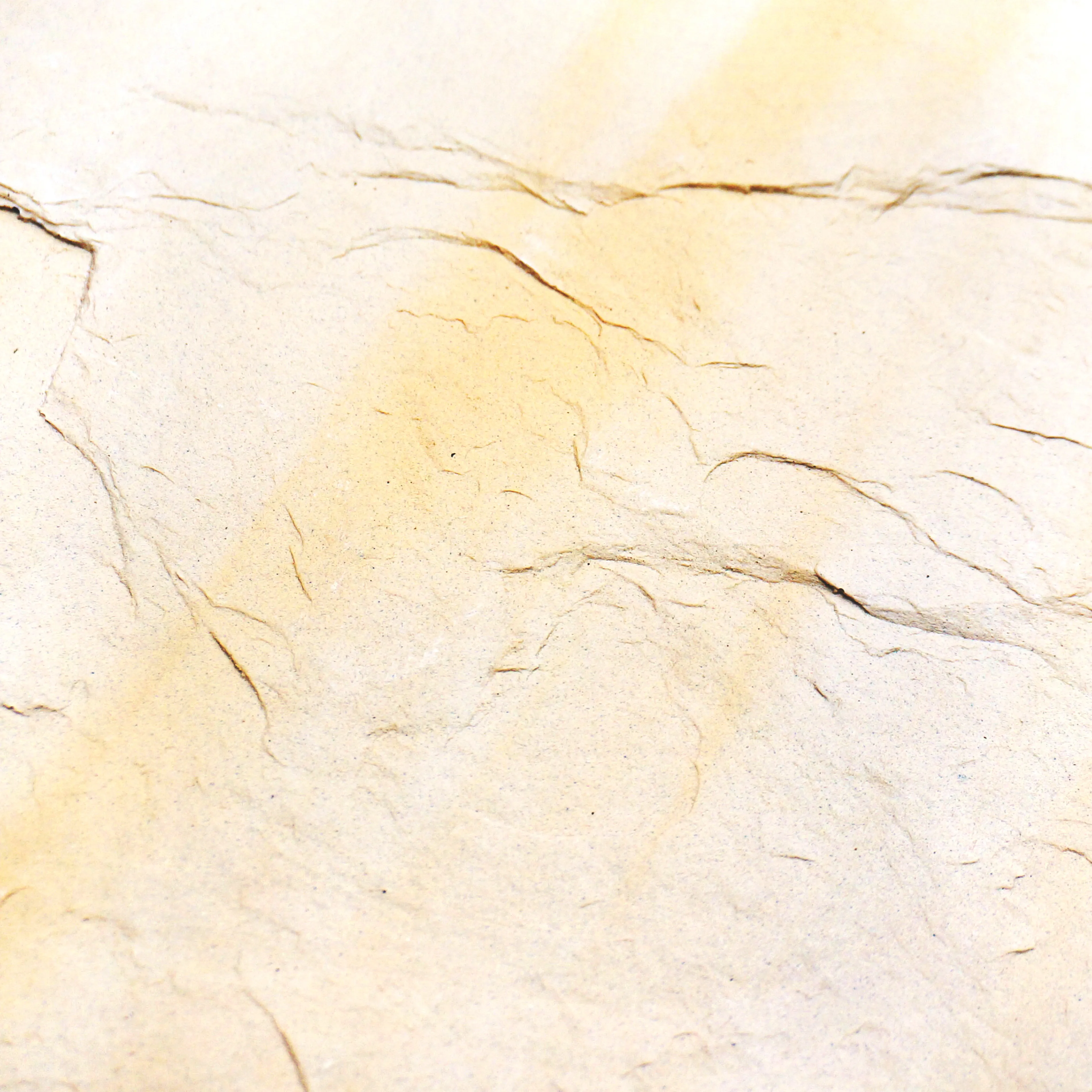
Exterior design is where first impressions are made. A building's facade is like its face—it tells the world what's inside, whether that's a bold innovation hub or a cozy bed and breakfast. But too often, exterior materials are chosen for function over form: "We need something weatherproof, so let's go with generic concrete." Enter custom MCM exterior panels from the Slate Sunnye 3D Printing Series. These panels let you have both: the durability to withstand rain, wind, and sun, and the custom look to make your project stand out from the crowd.
Take, for example, a tech startup in Austin that wanted its headquarters to reflect its innovative spirit. They worked with MCM to create custom exterior panels using Slate Sunnye 3D printing, incorporating geometric patterns that echoed the company's logo. The panels were printed in a gradient of blues and grays, mimicking the look of a digital interface come to life. Passersby stop to take photos; employees say it makes them proud to work there. That's the power of custom design—it turns a building into a brand statement.
Or consider a coastal home in California, where the owner wanted a facade that blended with the ocean views but also stood up to saltwater and strong winds. Traditional wood would warp; standard stone was too heavy. Slate Sunnye's custom MCM panels, printed with a weathered texture and soft blue-gray hue, were the perfect solution. They're lightweight enough to withstand high winds, resistant to salt corrosion, and designed to fade gently over time, giving the home a timeless, beachy vibe.
The best part? Custom doesn't mean complicated. MCM's design team works with you from concept to completion, using 3D modeling software to let you see exactly how the panels will look before they're printed. Want to tweak the texture? Adjust the color? Add a pattern? It's all possible, and it's all included in the process. No more settling for "close enough"—your exterior can be as unique as your vision.
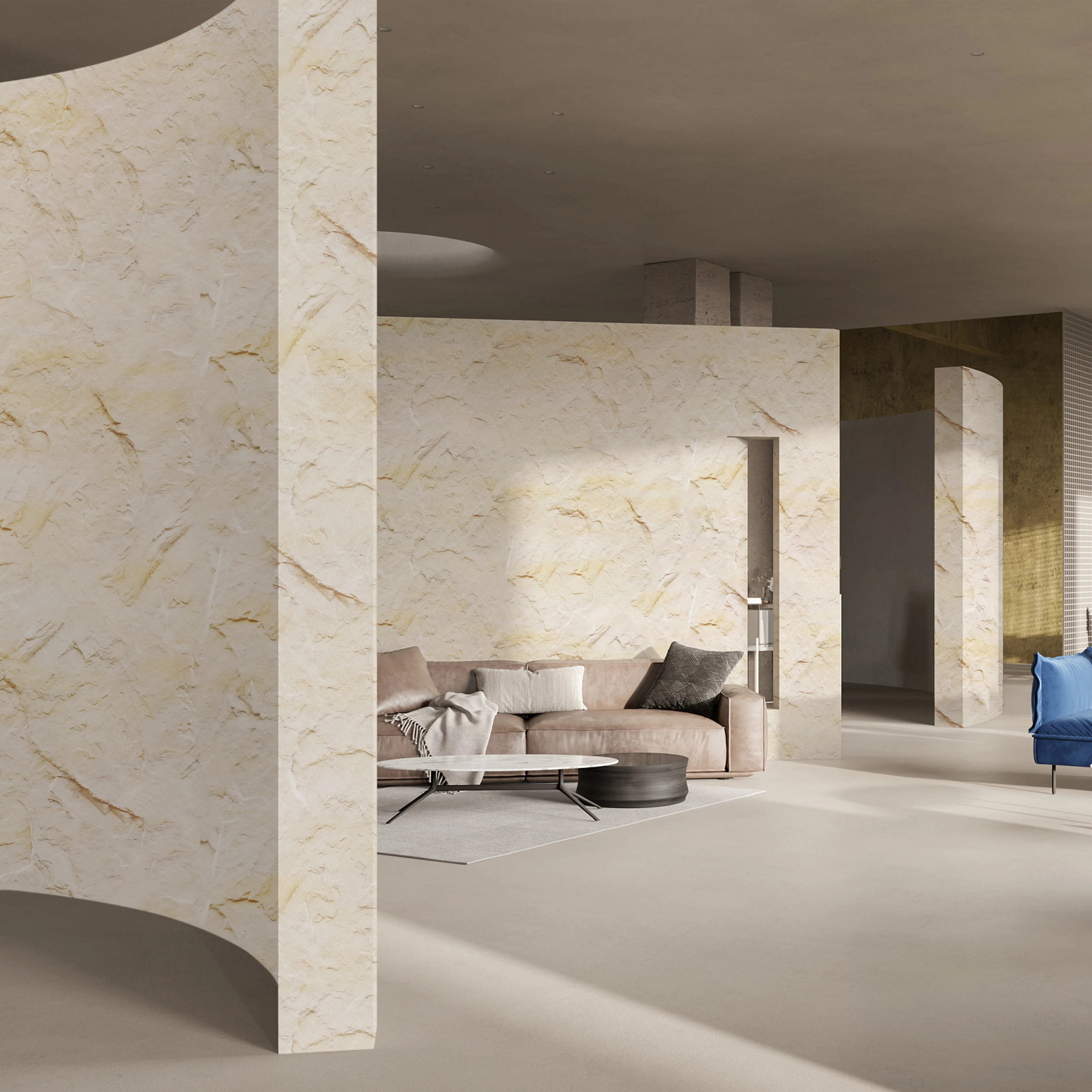
So, you're sold—you want to use Slate Sunnye 3D Printing Series for your next project. What happens next? Let me walk you through the process, step by step, so you know exactly what to expect.
1. Consultation: Sharing Your Vision – It starts with a conversation. You'll sit down with MCM's design team (in person or virtually) to talk about your project: the space, the mood you want to create, any specific textures or colors you love (or hate). Bring photos, sketches, even fabric swatches—anything that helps convey your vision. The team will ask questions: How will the space be used? What's your budget? Are there any environmental factors (like coastal weather or high foot traffic) to consider?
2. Design & 3D Modeling – Next, the team translates your vision into a 3D model. Using advanced software, they'll create a digital rendering of the panels, complete with texture, color, and size. This is your chance to tweak things—"Can we make the pattern a little more organic?" "What if we lighten the color by 10%?"—until it's exactly right. You'll sign off on the model before moving forward.
3. Prototyping (Optional but Recommended) – For larger projects, MCM can print a small prototype panel so you can see and feel the material in person. Run your hand over the texture, hold it up to different light sources, test how it looks with your other materials. It's a small step that ensures there are no surprises later.
4. Printing & Production – Once the design is finalized, the industrial 3D printers get to work. Layer by layer, your custom panels are printed using MCM's proprietary composite material, infused with flexible stone or 3D art concrete as needed. The process is precise, so each panel matches the 3D model exactly.
5. Quality Control & Delivery – Before shipping, every panel undergoes rigorous testing: checking for defects, ensuring color consistency, verifying dimensions. Once approved, they're packaged securely and delivered to your project site, with clear installation instructions (or the option to hire MCM's recommended installers).
6. Installation & Enjoyment – Installation is straightforward, thanks to the panels' lightweight design. Most can be installed with standard tools, and MCM provides support if questions come up. Once in place, all that's left is to step back and admire your one-of-a-kind space.
I've seen this process work for projects of all sizes, from a tiny home office nook to a sprawling hotel complex. The key is communication—be honest about what you want, and trust the team to guide you. The result? A space that feels uniquely yours, built to last.
I talk to designers every day, and the excitement around Slate Sunnye 3D Printing Series is palpable. Here's why they can't stop raving about it:
As someone who's been in the design world for over a decade, I can confidently say: the future belongs to customization. People don't want spaces that feel like they came from a catalog; they want spaces that tell their story, reflect their values, and make them feel seen. Slate Sunnye 3D Printing Series isn't just a material—it's a tool for that storytelling.
Whether you're an architect designing a landmark building, a homeowner renovating your kitchen, or a business owner looking to make your storefront unforgettable, Slate Sunnye gives you the freedom to dream big. It's stone, but better. It's concrete, but cooler. It's design, but personal.
So, what's your story? What does your dream space look like? With Slate Sunnye 3D Printing Series, it's not just a dream anymore. It's a blueprint. And it's waiting to be built—layer by layer, detail by detail, uniquely yours.
Recommend Products












