
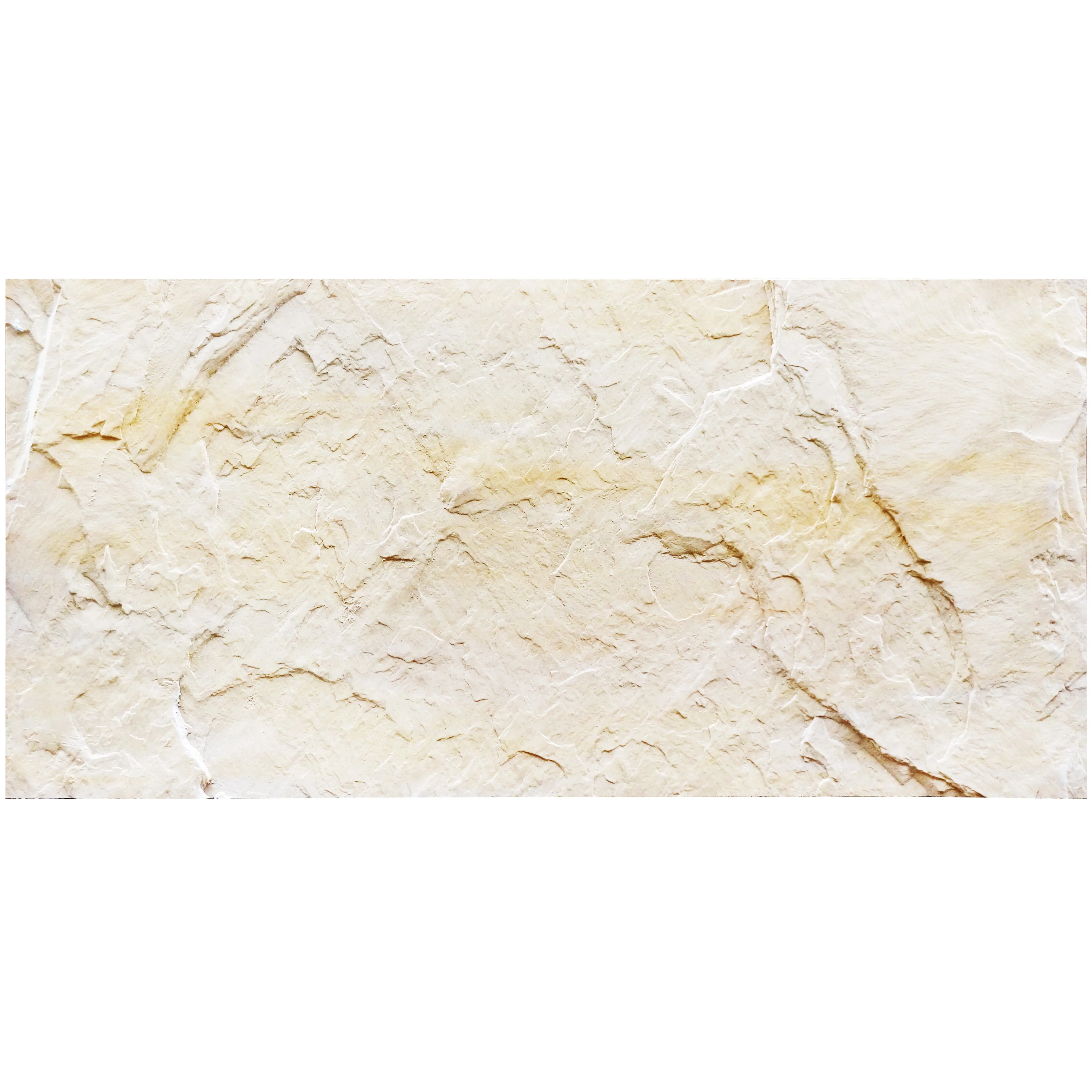
In the dynamic landscape of Middle Eastern property development, where innovation meets tradition and luxury is redefined daily, the choice of building materials can make or break a project. From the soaring skylines of Dubai to the cultural hubs of Riyadh and the coastal elegance of Doha, developers are constantly seeking materials that don't just meet functional demands but also tell a story—one of durability, aesthetics, and forward-thinking design. Enter Slate Sunnye, a standout in the MCM flexible stone series that's quickly becoming a go-to for developers aiming to blend resilience with refined beauty. In a region where climate extremes test even the sturdiest materials, and where architectural identity is paramount, Slate Sunnye isn't just a choice—it's a strategic investment.
Property developers in the Middle East face a unique set of challenges. The region's harsh climate—scorching summers, occasional sandstorms, and high humidity—demands materials that can withstand years of wear without losing their appeal. At the same time, projects here often aim for opulence, whether it's a luxury residential tower, a five-star hotel, or a mixed-use complex that aims to become a landmark. Traditional materials like marble or granite, while beautiful, can be heavy, expensive to install, and prone to weathering. On the flip side, cheaper alternatives may compromise on aesthetics, leaving developments feeling generic in a market that thrives on distinction.
This is where the MCM flexible stone series has made waves, offering lightweight, durable, and versatile solutions. Among its lineup, Slate Sunnye emerges as a particularly compelling option. Unlike some materials that prioritize one attribute over others, Slate Sunnye strikes a rare balance: it's tough enough to handle the Middle East's climate, visually striking enough to elevate architectural designs, and cost-effective enough to keep projects on budget. But what truly sets it apart is its ability to adapt—whether paired with modern elements like fair-faced concrete or traditional textures reminiscent of historical pathfinders stone, it integrates seamlessly, making it a chameleon in the best sense.
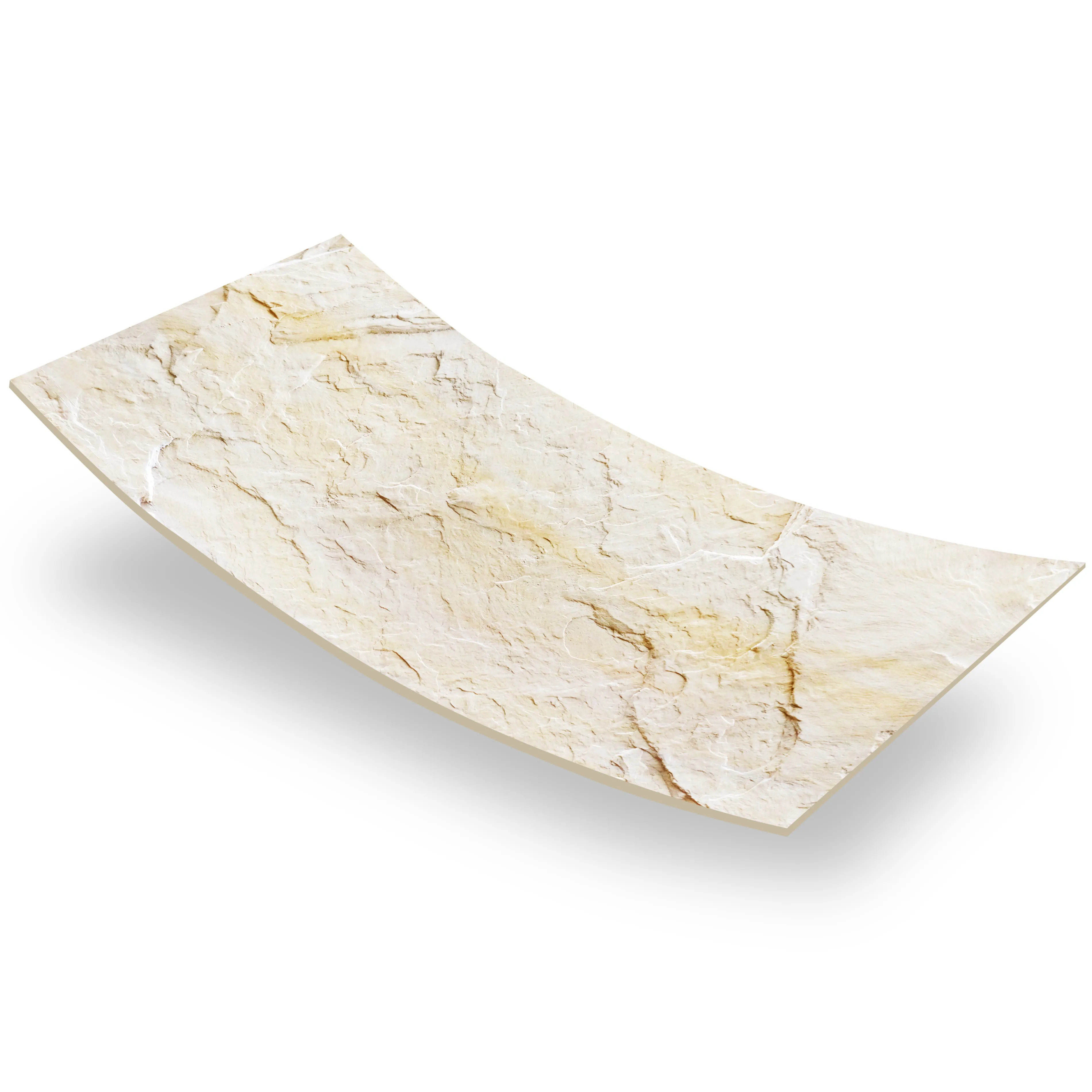
In a region where temperatures can soar above 45°C (113°F) and sandstorms abrasive enough to scratch glass are not uncommon, material durability is non-negotiable. Slate Sunnye is engineered to withstand these extremes. Crafted with advanced composite technology, it resists fading from UV radiation, doesn't crack under thermal expansion, and stands up to the erosive power of sand and wind. Unlike natural slate, which can be brittle and prone to chipping, Slate Sunnye's flexibility allows it to absorb minor impacts without damage—a critical feature for high-traffic areas like lobbies, retail spaces, or exterior cladding.
Developers in Dubai and Abu Dhabi have already noted its performance in comparison to alternatives like lunar peak golden, a popular metallic-finish material. While lunar peak golden offers a striking aesthetic, it requires more frequent polishing to maintain its sheen in harsh sunlight. Slate Sunnye, by contrast, retains its matte, earthy texture with minimal upkeep, reducing long-term maintenance costs—a major plus for developers focused on ROI.
The Middle East's architectural scene is a tapestry of styles: ultra-modern glass towers, desert-inspired minimalism, and nods to traditional Islamic design. Slate Sunnye's neutral palette—warm grays with subtle veining that mimics natural stone—complements this diversity. It can be used as exterior cladding to give a building a grounded, organic feel, or as interior wall panels to add depth to spaces. Its understated elegance pairs beautifully with both bold accents, like the rusty reds of historical pathfinders stone, and sleek modern materials such as foamed aluminium alloy board (vintage gold).
Take, for example, a recent mixed-use development in Jeddah that combined Slate Sunnye with fair-faced concrete. The result? A structure that feels both industrial and inviting, with the slate adding warmth to the concrete's coolness. Interior designers praised its ability to reflect light softly, creating spaces that feel bright without being harsh—ideal for luxury apartments where natural light is abundant but needs to be diffused gently.
For developers, every dirham counts. Slate Sunnye delivers value at every stage of a project. Its lightweight composition (up to 70% lighter than natural stone) reduces structural load requirements, cutting down on foundation and support costs. Installation is faster, too: unlike natural stone slabs, which require heavy machinery and specialized labor, Slate Sunnye can be cut on-site with standard tools and installed using simple adhesives, slashing labor time by up to 30%.
Long-term savings are equally impressive. With a lifespan of over 25 years and minimal maintenance needs (occasional cleaning with mild detergent is usually enough), it outperforms materials like marble or even polished concrete, which often require sealing every 1–2 years to prevent staining. A recent cost analysis by a Dubai-based development firm found that choosing Slate Sunnye over natural marble for a 50,000 sq. ft. project reduced total lifecycle costs by nearly 20%.
As the Middle East embraces sustainable development—with initiatives like Dubai's 2040 Urban Master Plan prioritizing green construction—eco-friendly materials are in high demand. Slate Sunnye checks this box, too. Its production process uses recycled stone aggregates and low-VOC binders, reducing its carbon footprint. Its lightweight nature also lowers transportation emissions, and its longevity means less frequent replacement, minimizing waste.
Compare this to foamed aluminium alloy board (vintage silver), which, while recyclable, has a higher embodied energy due to its manufacturing process. Slate Sunnye's sustainability credentials make it an attractive choice for developers aiming to achieve LEED or Estidama certifications, which can boost a project's marketability and appeal to environmentally conscious buyers and tenants.
| Material | Durability (Climate Resistance) | Aesthetic Flexibility | Installation Cost | Annual Maintenance Cost | Sustainability |
|---|---|---|---|---|---|
| Slate Sunnye | High (UV, sandstorm, and thermal resistant) | Excellent (complements modern and traditional styles) | Moderate (lightweight, fast installation) | Low (minimal cleaning required) | High (recycled materials, low carbon footprint) |
| Fair-Faced Concrete | High (resistant to elements but prone to staining) | Good (industrial, minimalist) | High (requires skilled labor, heavy formwork) | Moderate (sealing every 2–3 years) | Moderate (recyclable but high embodied energy) |
| Lunar Peak Golden | Moderate (prone to fading, requires polishing) | High (metallic finish, bold aesthetic) | High (specialized installation for metallic layers) | High (polishing every 6–12 months) | Moderate (recyclable but energy-intensive production) |
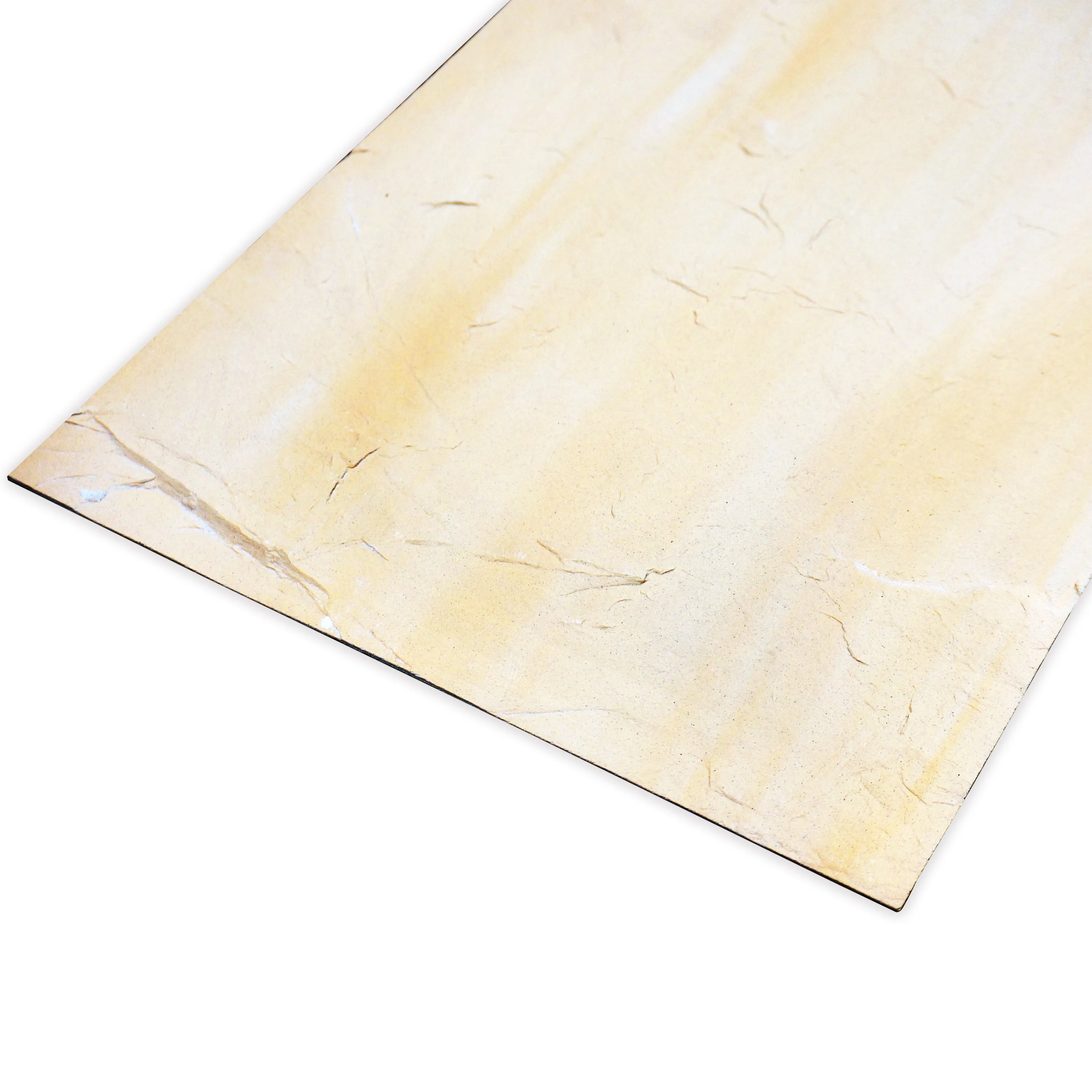
To understand Slate Sunnye's value, look no further than the "Desert Bloom" residential complex in Abu Dhabi. Completed in 2024, the project features Slate Sunnye as exterior cladding on 12 of its 15 buildings. The developer, aiming for a balance of luxury and sustainability, chose it over traditional limestone (beige) for its lower weight and better thermal insulation. Residents have praised the buildings' cooler interiors during summer months, attributing it to Slate Sunnye's natural heat resistance—a feature that also reduces reliance on air conditioning, cutting utility costs.
In Riyadh, a boutique hotel used Slate Sunnye in its lobby and restaurant areas, pairing it with historical pathfinders stone accents to evoke the region's heritage. Guests noted that the space felt "rooted in tradition but not stuck in the past," a sentiment that translated to positive reviews and higher occupancy rates. The hotel's design team reported that the material's ease of customization—they requested custom-cut panels to fit arched doorways—made it a joy to work with, unlike rigid materials that limit design flexibility.
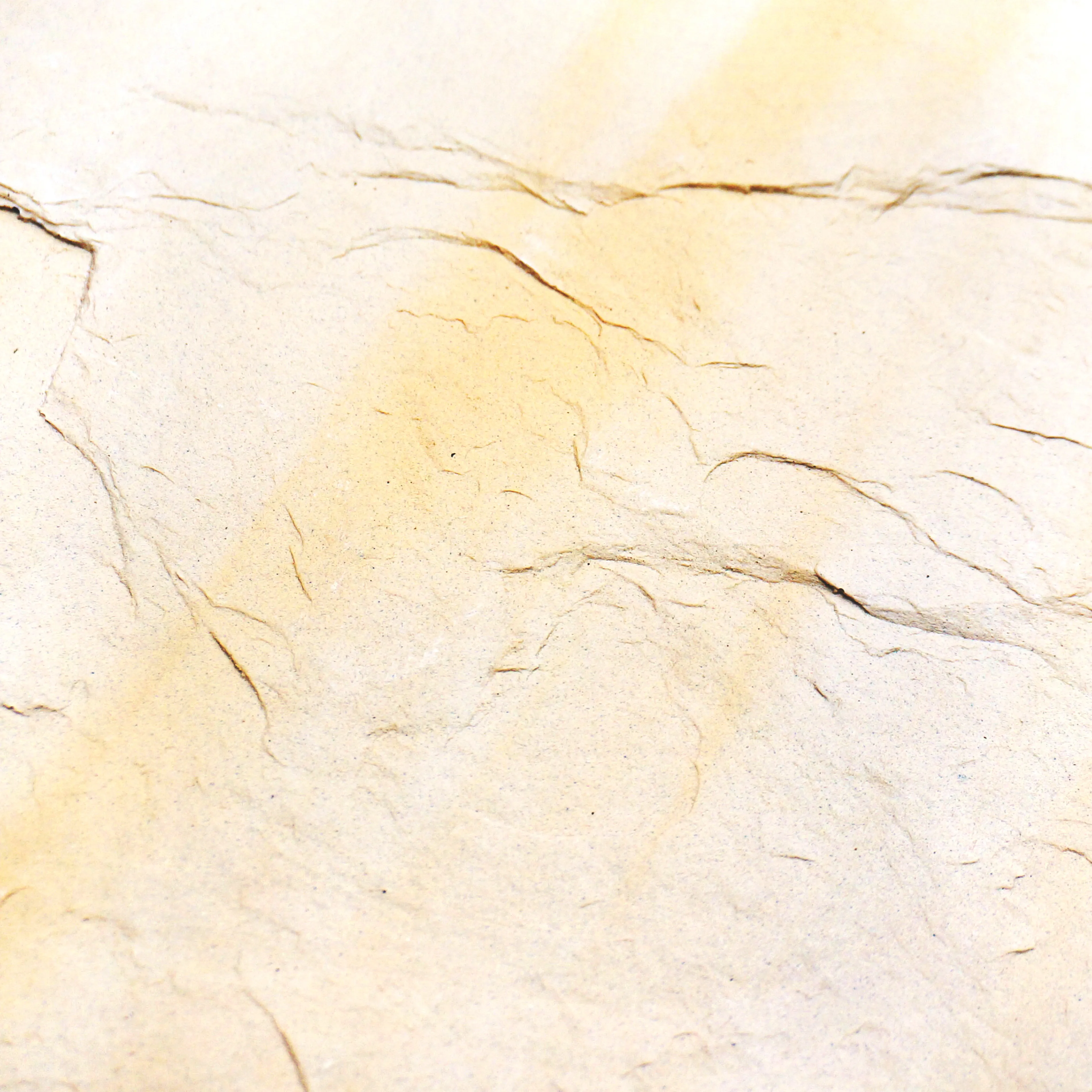
As the Middle East continues to grow as a global real estate hub, developers are under pressure to deliver projects that are not just profitable but also iconic. Slate Sunnye's combination of durability, beauty, cost-effectiveness, and sustainability positions it as a material that can help achieve both goals. Its ability to adapt to diverse architectural styles—from the futuristic skyline of Neom to the cultural preservation projects in Cairo—makes it a versatile tool in any developer's toolkit.
Moreover, as younger buyers and tenants prioritize authenticity and sustainability, materials that feel "real" but don't harm the planet will become increasingly important. Slate Sunnye, with its natural stone look and eco-friendly credentials, aligns perfectly with this trend. It's not just a building material; it's a statement that a development is thoughtful, forward-looking, and built to last.
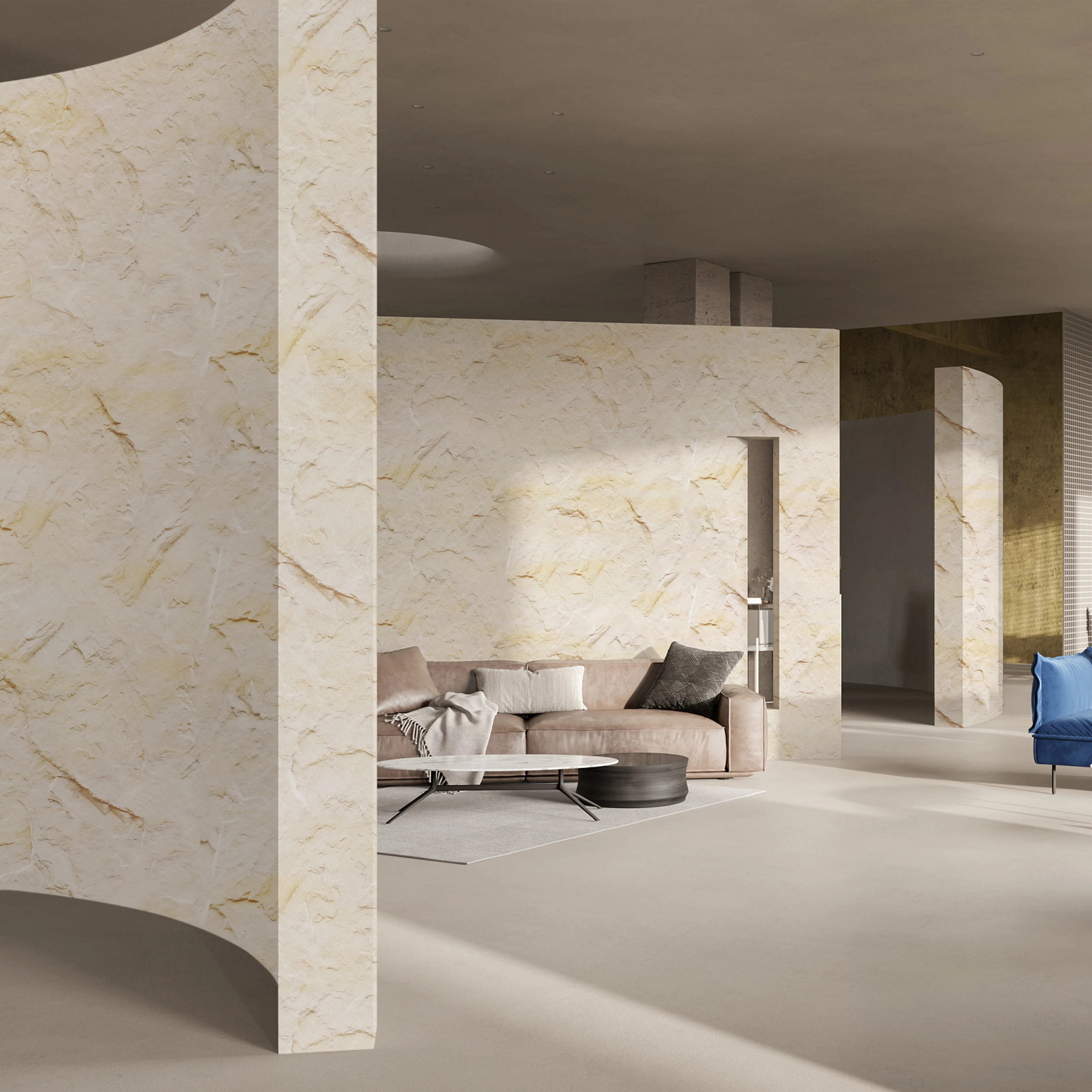
For property developers in the Middle East, every decision is a bet on the future. Choosing Slate Sunnye is a bet on durability that stands up to the desert sun, aesthetics that resonate with diverse audiences, and costs that make sense today and tomorrow. It's a material that doesn't just build structures—it builds legacies. In a region where the next architectural icon is always on the horizon, Slate Sunnye is more than a smart investment; it's the foundation of projects that will be admired for decades to come.
So, whether you're planning a luxury resort in Bahrain, a commercial tower in Kuwait City, or a residential complex in Muscat, consider Slate Sunnye. It's not just about building with stone—it's about building with sense.
Recommend Products












