
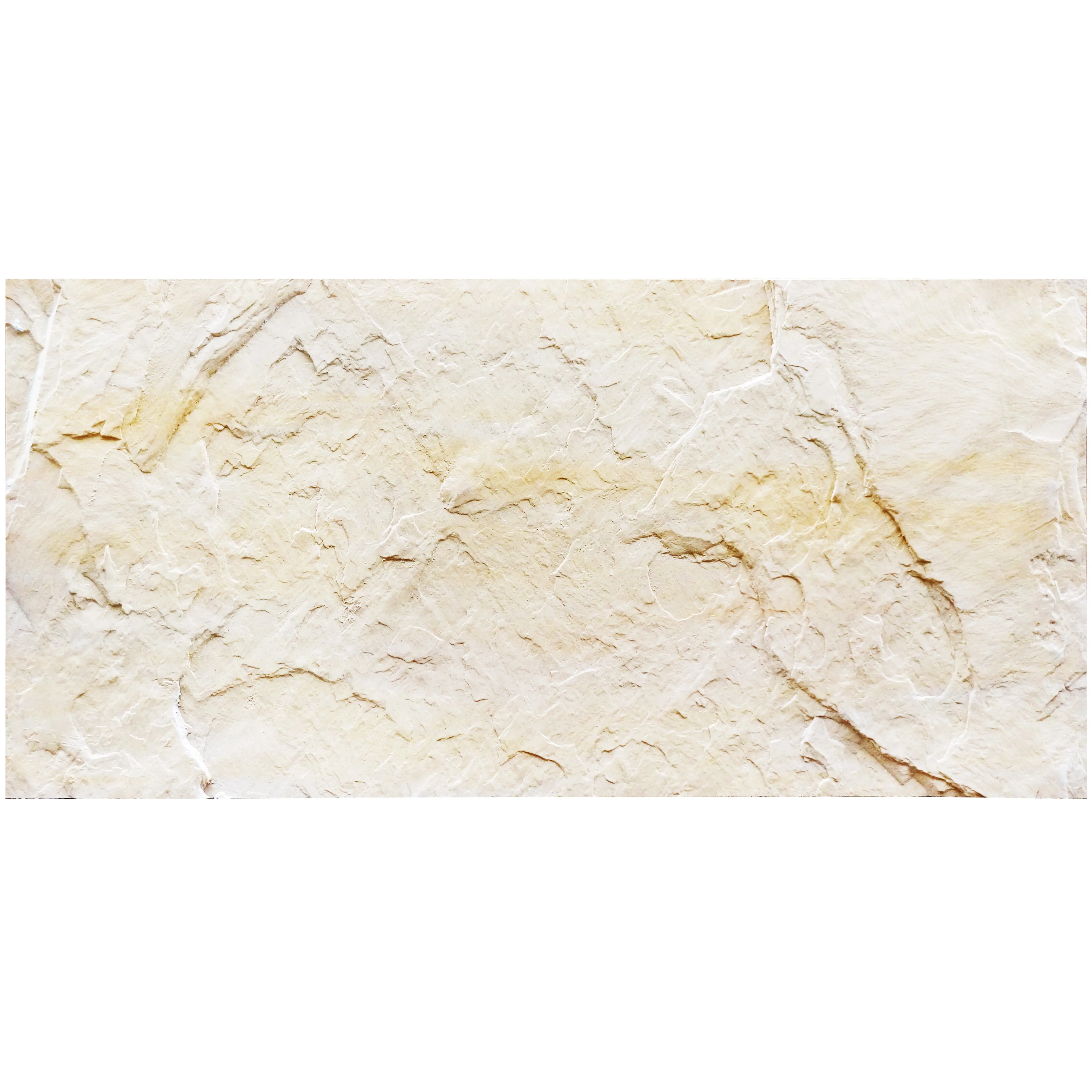
Redefining Aesthetics, Durability, and Sustainability in Modern Architecture
In today's fast-paced world of commercial development, the line between "functional space" and "experiential destination" is blurrier than ever. Architects, developers, and designers aren't just building structures—they're crafting environments that tell a story, leave a lasting impression, and stand the test of time. From bustling retail plazas and sleek corporate headquarters to luxury hotels and dynamic mixed-use complexes, the choice of building materials plays a starring role in this narrative. Enter Slate Sunnye Big Slab Board , a flagship product in the MCM big slab board series that's quickly becoming the go-to choice for those who refuse to compromise on beauty, performance, or purpose.
Gone are the days when commercial exteriors and interiors were limited to drab concrete or high-maintenance natural stone. Today's projects demand materials that are as visually striking as they are resilient, as versatile as they are sustainable. Slate Sunnye Big Slab Board checks all these boxes and more, offering a rare blend of industrial strength, artistic flexibility, and eco-conscious design. Whether you're aiming for a minimalist modern look, a rustic industrial vibe, or a timeless classic aesthetic, this innovative material adapts to your vision—without sacrificing the durability that commercial spaces demand.
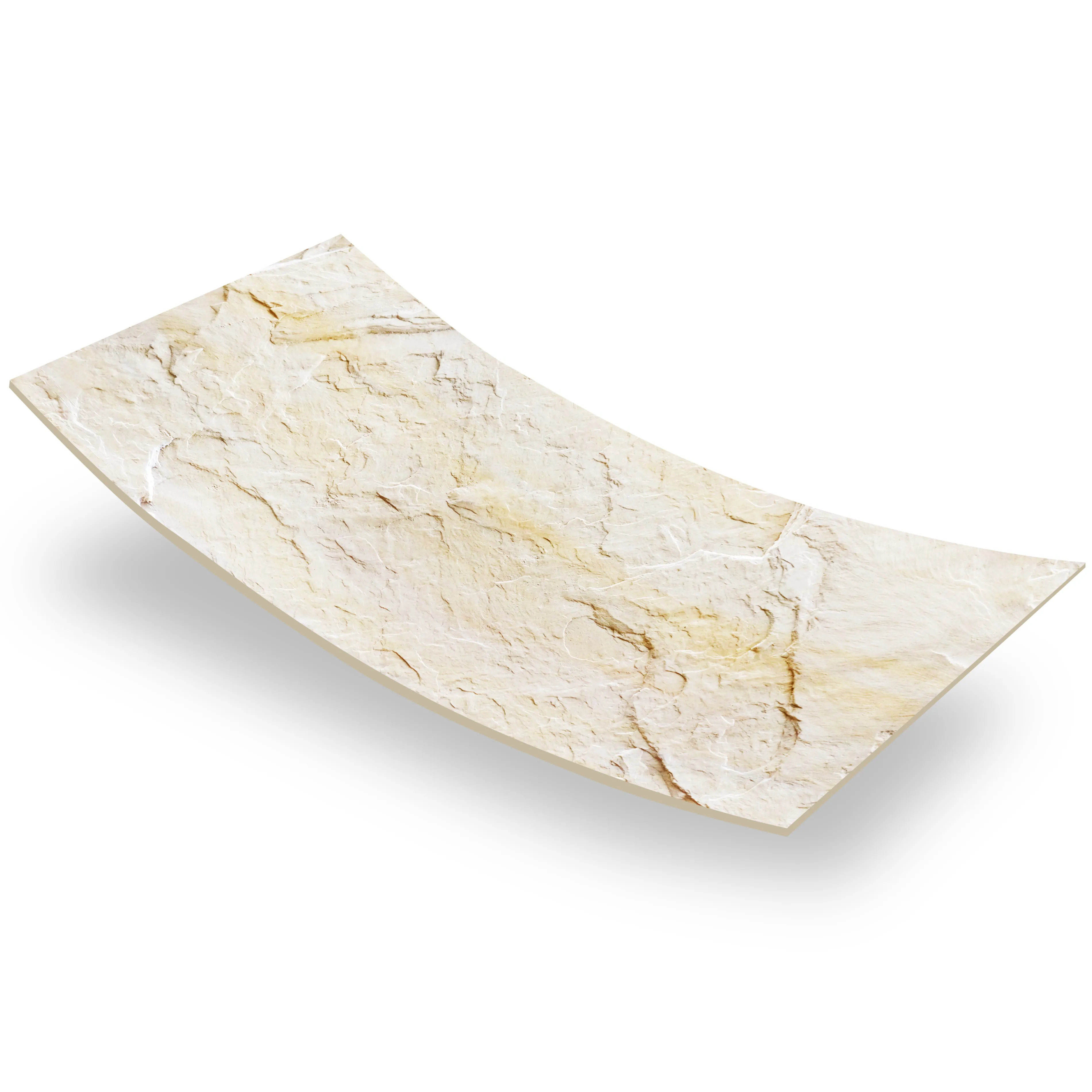
Commercial developments are tough on materials. Think about it: a shopping mall facade faces years of harsh sunlight, rain, snow, and even the occasional hailstorm. A hotel lobby floor endures thousands of footsteps daily, from stiletto heels to rolling luggage. A restaurant wall must resist spills, scratches, and the wear and tear of constant cleaning. For too long, developers have had to choose between "pretty" and "practical"—opting for natural stone that fades or cracks, or generic concrete that feels cold and lifeless. Slate Sunnye Big Slab Board changes that equation entirely.
Crafted using advanced Modified Composite Material (MCM) technology, Slate Sunnye is engineered for resilience. Unlike traditional natural slate, which is prone to chipping, staining, or weathering, MCM-based slabs are formed by bonding layers of mineral composites with a lightweight core, resulting in a material that's both incredibly strong and surprisingly flexible. This unique construction gives Slate Sunnye impressive resistance to:
But don't just take our word for it. Compare Slate Sunnye to traditional natural slate, and the difference is clear. The table below breaks down key durability metrics, showing why the MCM big slab board series is the smarter choice for commercial projects:
| Feature | Slate Sunnye (MCM Big Slab) | Traditional Natural Slate |
|---|---|---|
| Scratch Resistance | High (resists daily wear) | Medium (prone to surface scratches) |
| Stain Resistance | Excellent (non-porous surface) | Poor (requires frequent sealing) |
| UV Stability | 50+ years (no fading) | 10–15 years (fades over time) |
| Impact Resistance | High (flexible core prevents cracking) | Low (brittle, prone to chipping) |
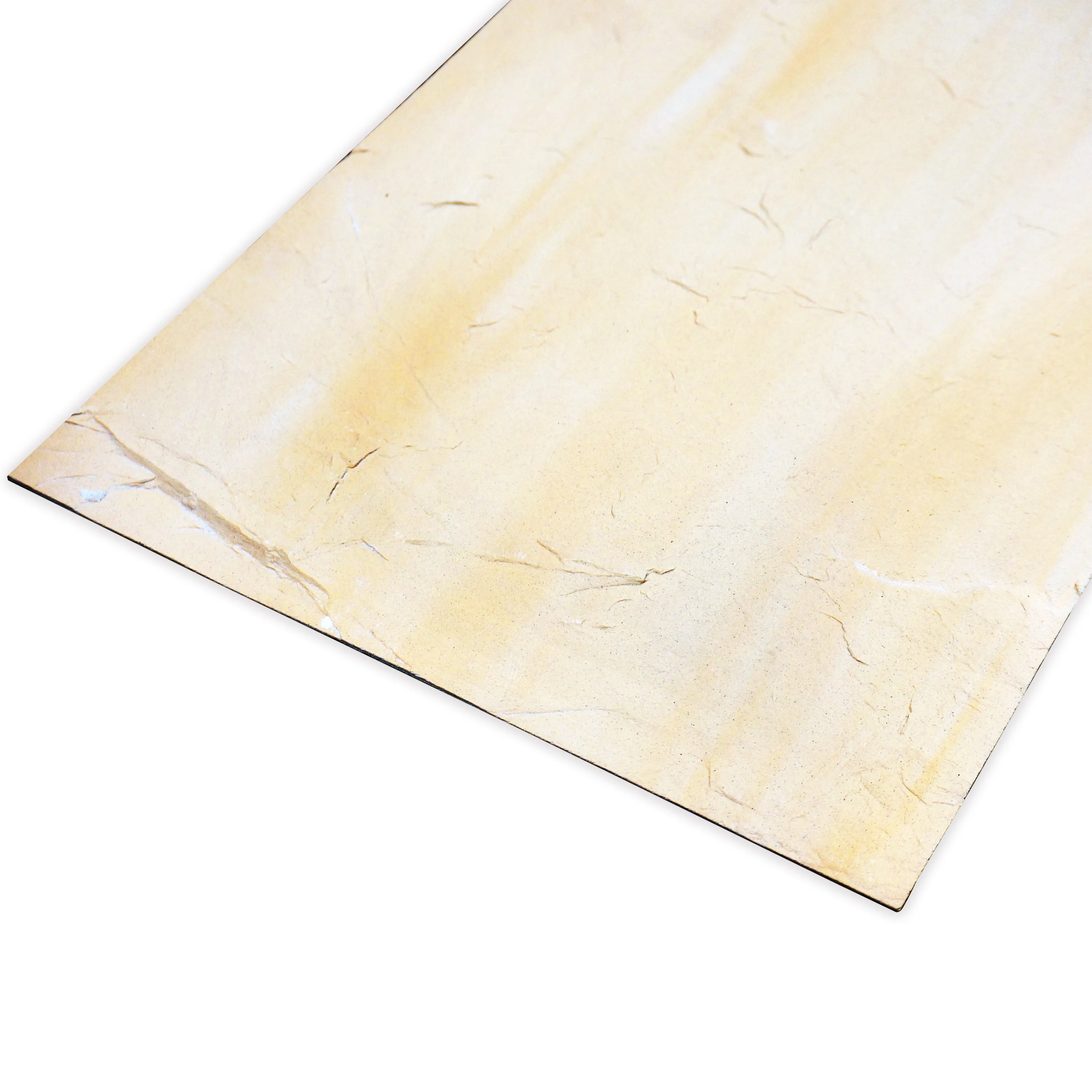
In commercial design, first impressions matter. A building's facade is its "face" to the world; an interior lobby sets the tone for what's inside. Architects and designers crave materials that don't just "work"—they inspire. Slate Sunnye Big Slab Board delivers that inspiration in spades, thanks to its versatility and attention to aesthetic detail.
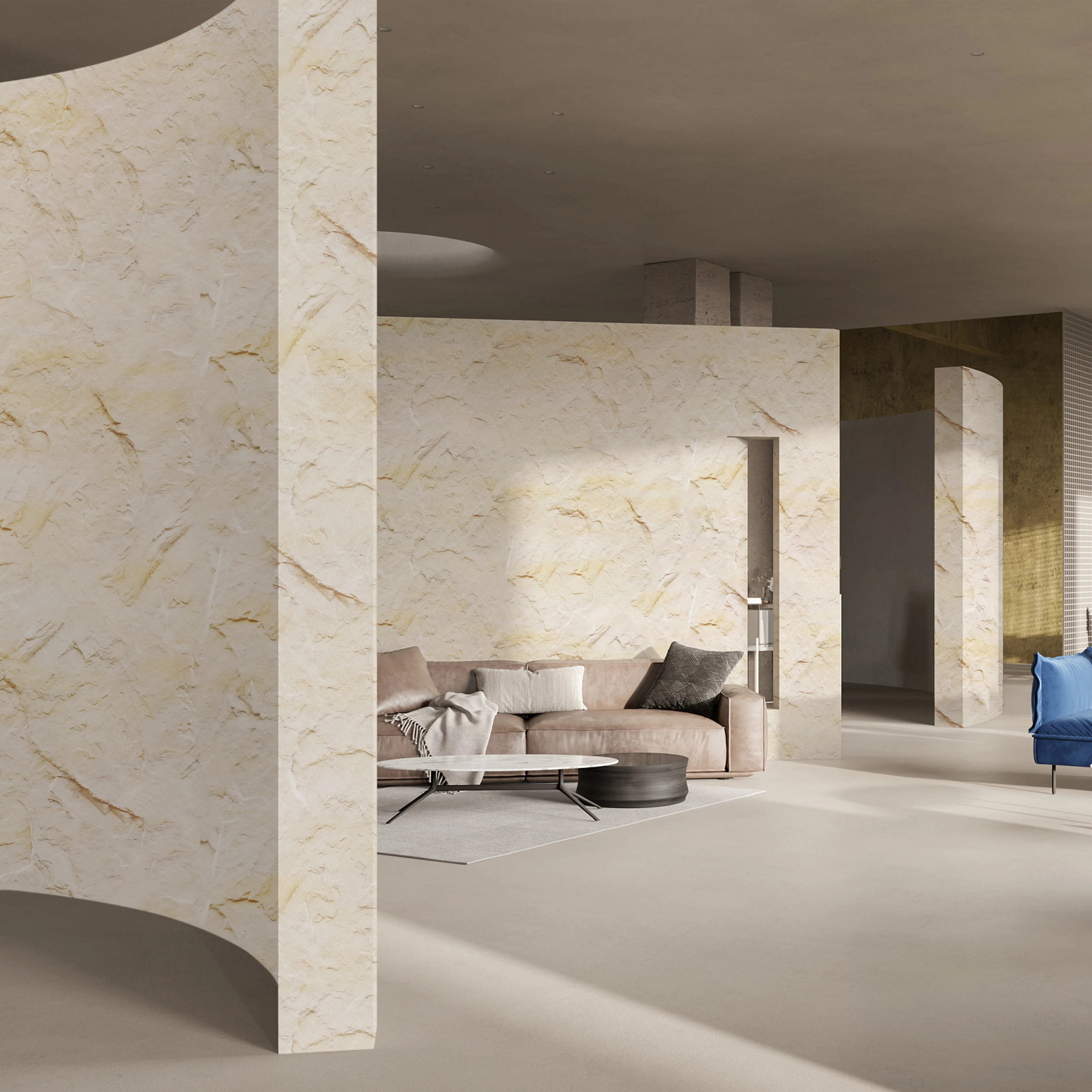
One of the biggest advantages of big slab boards is their seamless appearance. Traditional natural stone or tile often comes in smaller pieces, leading to visible grout lines or seams that break up the visual flow. Slate Sunnye, however, is available in large-format slabs (up to 1200x2400mm), meaning fewer joints and a cleaner, more modern look. Imagine a retail store with a wall clad in these massive slabs—no interruptions, just a smooth, continuous surface that draws the eye and makes the space feel larger and more cohesive.
But it's not just about size—Slate Sunnye also offers a stunning range of textures and finishes. Want the rugged, earthy feel of natural slate? The MCM series replicates that texture with uncanny accuracy, right down to the subtle variations in tone. Prefer a sleek, polished look for a contemporary office tower? Slate Sunnye can be finished to a high gloss, reflecting light and adding a touch of luxury. And because it's a composite material, the color consistency is far superior to natural stone, ensuring that every slab matches perfectly—no more worrying about mismatched batches or uneven veining.
Another design advantage is Slate Sunnye's compatibility with other materials. Pair it with fair-faced concrete for an industrial-chic vibe in a boutique hotel. Mix it with wood accents for a warm, organic feel in a coworking space. Or use it alongside metal panels for a bold, modern facade on a tech company headquarters. The possibilities are endless, and because Slate Sunnye is lightweight (up to 70% lighter than natural stone), it can be installed on both interior and exterior surfaces without adding excessive weight to the building structure—a game-changer for renovation projects or buildings with load restrictions.
Take, for example, a recent project in downtown Chicago: a 10-story mixed-use development with ground-floor retail and luxury apartments above. The architects chose Slate Sunnye Big Slab Board for the facade, opting for a matte finish in a warm gray tone that complements the building's steel and glass elements. The large slabs create a sense of continuity, while the material's texture adds depth and interest. "We wanted something that felt both modern and timeless," says the project's lead architect. "Slate Sunnye gave us that—plus, the fact that it's low-maintenance was a huge win for the building owners."
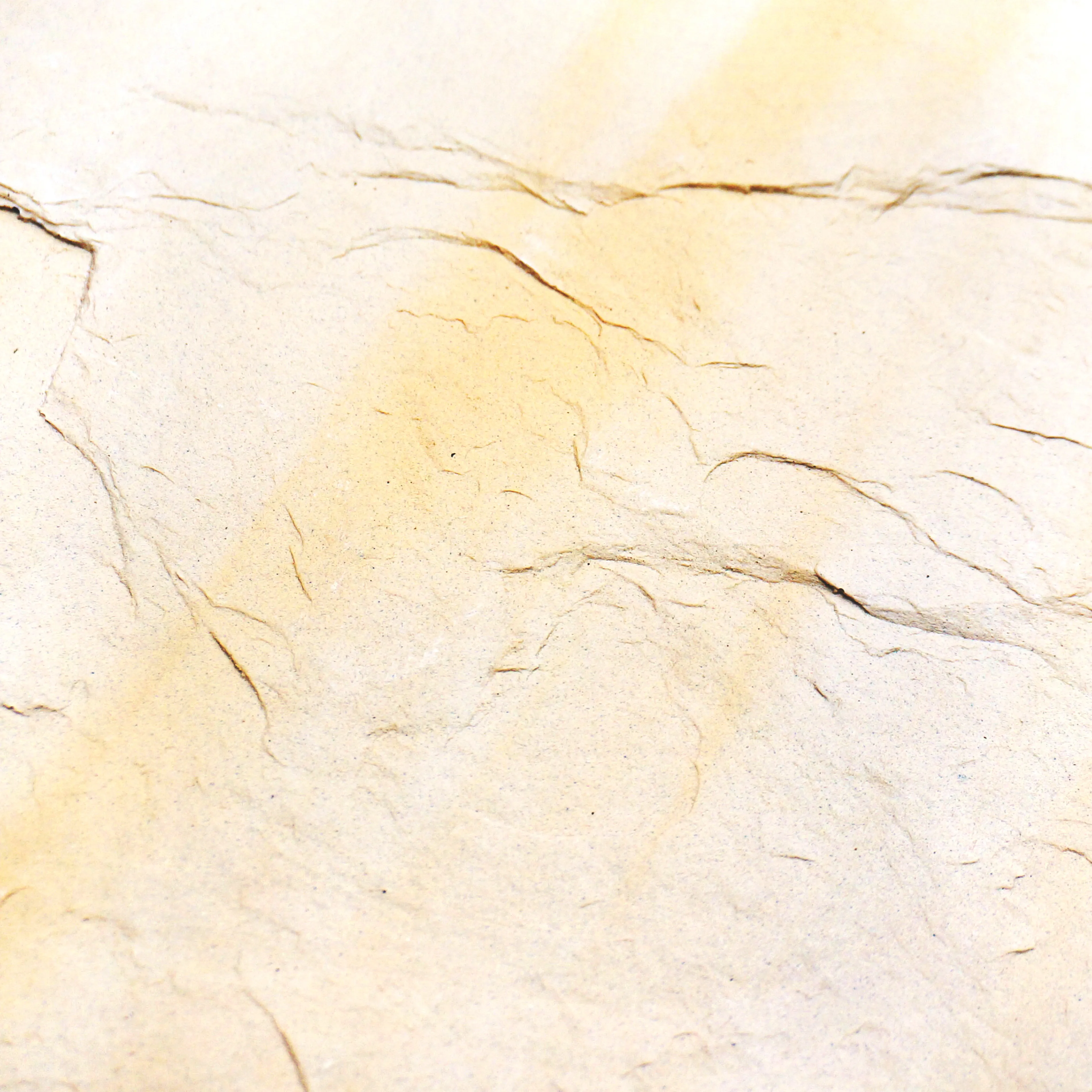
In today's construction industry, sustainability isn't just a buzzword—it's a requirement. Developers, tenants, and even governments are prioritizing green building practices, with certifications like LEED, BREEAM, and WELL becoming standard benchmarks. Slate Sunnye Big Slab Board aligns perfectly with this shift, making it an ideal choice for eco-conscious commercial projects.
First and foremost, MCM technology is inherently sustainable. Unlike natural stone, which requires extensive quarrying (a process that can disrupt ecosystems and deplete finite resources), Slate Sunnye is made using a blend of recycled minerals and polymers, reducing its environmental footprint. The production process also uses significantly less water and energy compared to traditional stone cutting or ceramic tile manufacturing, and emits fewer greenhouse gases—making it a more climate-friendly option from cradle to gate.
Then there's the material's lightweight nature. Weighing in at just 4–6 kg per square meter (compared to 20–30 kg for natural stone), Slate Sunnye reduces the need for heavy-duty transportation, cutting down on fuel consumption and emissions during delivery. Once on-site, its light weight also means less structural support is required, allowing for more efficient building designs and potentially reducing the amount of concrete and steel needed in the structure itself—another win for sustainability.
But the sustainability benefits don't stop at installation. Slate Sunnye's long lifespan (50+ years with minimal maintenance) means fewer replacements over the building's lifetime, reducing waste. And when the time does come to replace it, the material is fully recyclable, diverting it from landfills. For developers aiming for green building certifications, these factors can contribute to points in categories like "Materials and Resources" and "Energy and Atmosphere."
"Sustainability isn't optional for us anymore—it's part of our brand identity," says a senior developer at a leading real estate firm. "When we chose Slate Sunnye for our latest office project, we weren't just getting a beautiful, durable material—we were investing in a product that aligns with our commitment to reducing our carbon footprint. The fact that it helped us earn LEED Gold certification was the cherry on top."
Let's talk numbers—because at the end of the day, commercial development is also a business, and every decision comes down to ROI. While some might assume that a high-performance material like Slate Sunnye comes with a premium price tag, the reality is quite the opposite. When you factor in the total cost of ownership—initial purchase, installation, maintenance, and replacement—Slate Sunnye often proves to be more cost-effective than traditional options.
Let's break it down. First, installation costs. Because Slate Sunnye is lightweight and comes in large slabs, it requires fewer labor hours to install compared to heavy natural stone or small tiles. A typical natural stone installation might require a team of workers to maneuver and secure each heavy slab; with Slate Sunnye, the same area can be covered in less time, reducing labor expenses by up to 30%. Additionally, the material's flexibility means it can be cut and shaped on-site with standard tools, eliminating the need for specialized equipment or custom fabrication.
Then there's maintenance. Traditional natural stone often requires regular sealing (sometimes as often as every 1–2 years) to prevent staining and water damage. Each sealing session costs time and money, not to mention the disruption to the commercial space (imagine closing a retail store for a day to seal the floors). Slate Sunnye, on the other hand, is virtually maintenance-free. A simple wipe-down with mild soap and water is all it takes to keep it looking new, saving thousands of dollars in maintenance costs over the years.
Finally, longevity. A natural stone floor or wall might last 10–15 years before showing significant wear; Slate Sunnye, with its resistance to fading, scratching, and weathering, can easily last 50 years or more. That means fewer replacements, less downtime for renovations, and more time generating revenue from the space. When you calculate the cost per year of service, Slate Sunnye's value becomes clear.
Consider this example: A 10,000 sq ft retail space using traditional natural slate might cost $50 per sq ft for materials and installation, plus $5 per sq ft every 2 years for sealing. Over 20 years, that's $500,000 + ($5 x 10,000 x 10 sealings) = $500,000 + $500,000 = $1,000,000 total. The same space using Slate Sunnye might cost $45 per sq ft for materials and installation (slightly lower due to labor savings) and $0.50 per sq ft annually for basic cleaning. Over 20 years, that's $450,000 + ($0.50 x 10,000 x 20) = $450,000 + $100,000 = $550,000 total. That's a savings of $450,000 over two decades—money that can be reinvested into other aspects of the project, like better lighting, higher-end fixtures, or marketing.
In the world of commercial development, where every detail matters, Slate Sunnye Big Slab Board stands out as a material that doesn't just meet expectations—it exceeds them. Part of the innovative MCM big slab board series , it combines the best of durability, design flexibility, sustainability, and cost-effectiveness into a single package, making it the ideal choice for architects, developers, and designers who refuse to settle for "good enough."
Whether you're building a towering office complex that needs to make a bold statement, a cozy boutique hotel that prioritizes warmth and character, or a high-traffic retail space that demands both style and resilience, Slate Sunnye delivers. It's a material that understands the needs of modern commercial projects—where beauty and function must coexist, where sustainability is non-negotiable, and where every dollar spent must deliver long-term value.
So, the next time you're planning a commercial development, ask yourself: What kind of legacy do I want to build? A structure that fades, cracks, and requires constant upkeep? Or one that stands strong, inspires awe, and contributes to a greener future? With Slate Sunnye Big Slab Board, the answer is clear. It's not just a building material—it's a partner in bringing your vision to life, one seamless, stunning slab at a time.
Recommend Products












