

Picture this: You're standing in the middle of a room that's about to be transformed. Maybe it's your dream kitchen, a sleek office lobby, or a cozy café where you hope customers will linger. The walls, the countertops, the floors—they all need that perfect surface to tie the space together. But here's the thing: the size of the slab you choose isn't just a numbers game. It's about how that material makes you feel when you walk in, how it interacts with light, and even how it fits the story you want your space to tell. Today, we're diving into two options that often leave designers and homeowners scratching their heads: the bold, expansive Slate Sunnye Big Slab and the tried-and-true standard sizes. Which one is right for you? Let's break it down, no jargon, just real talk.
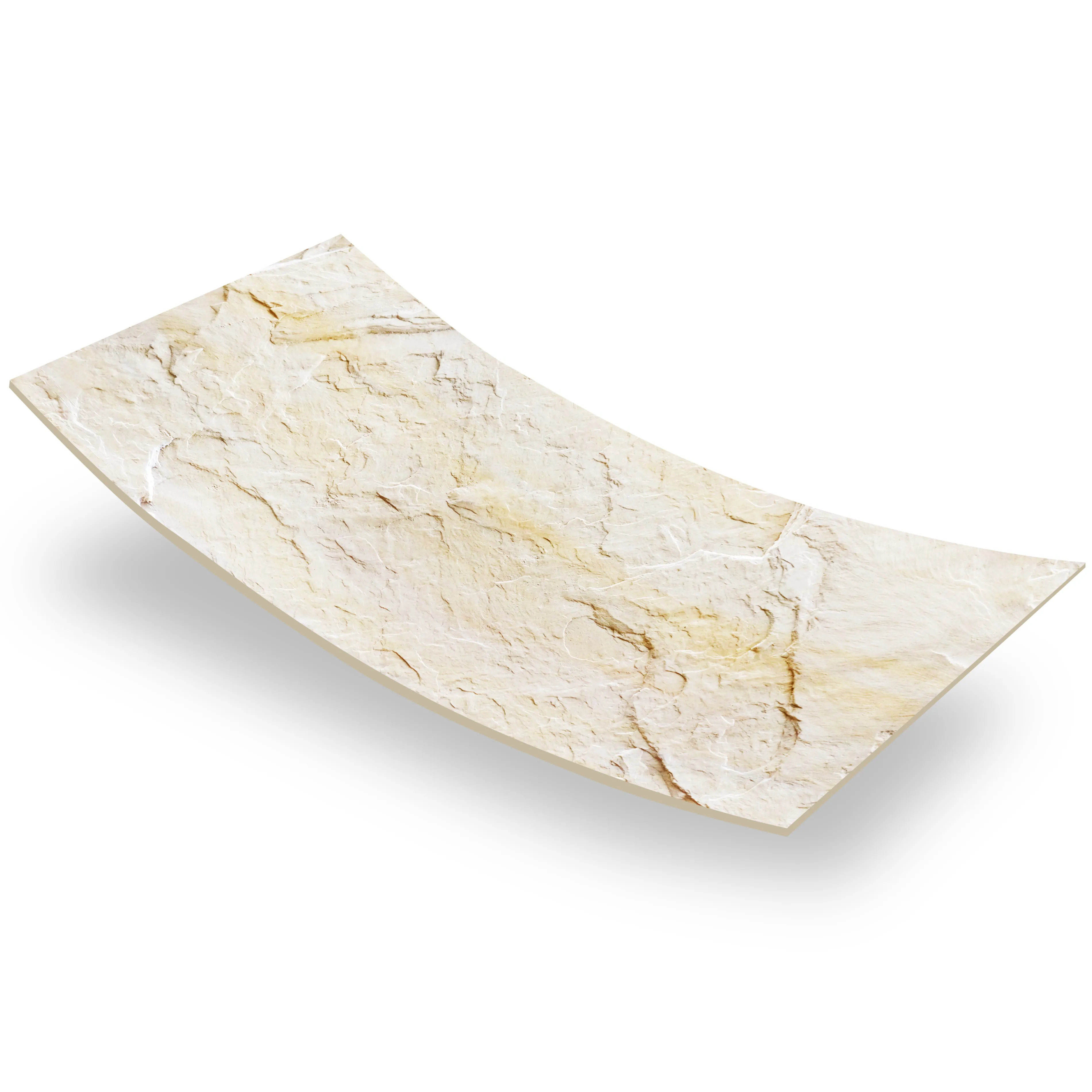
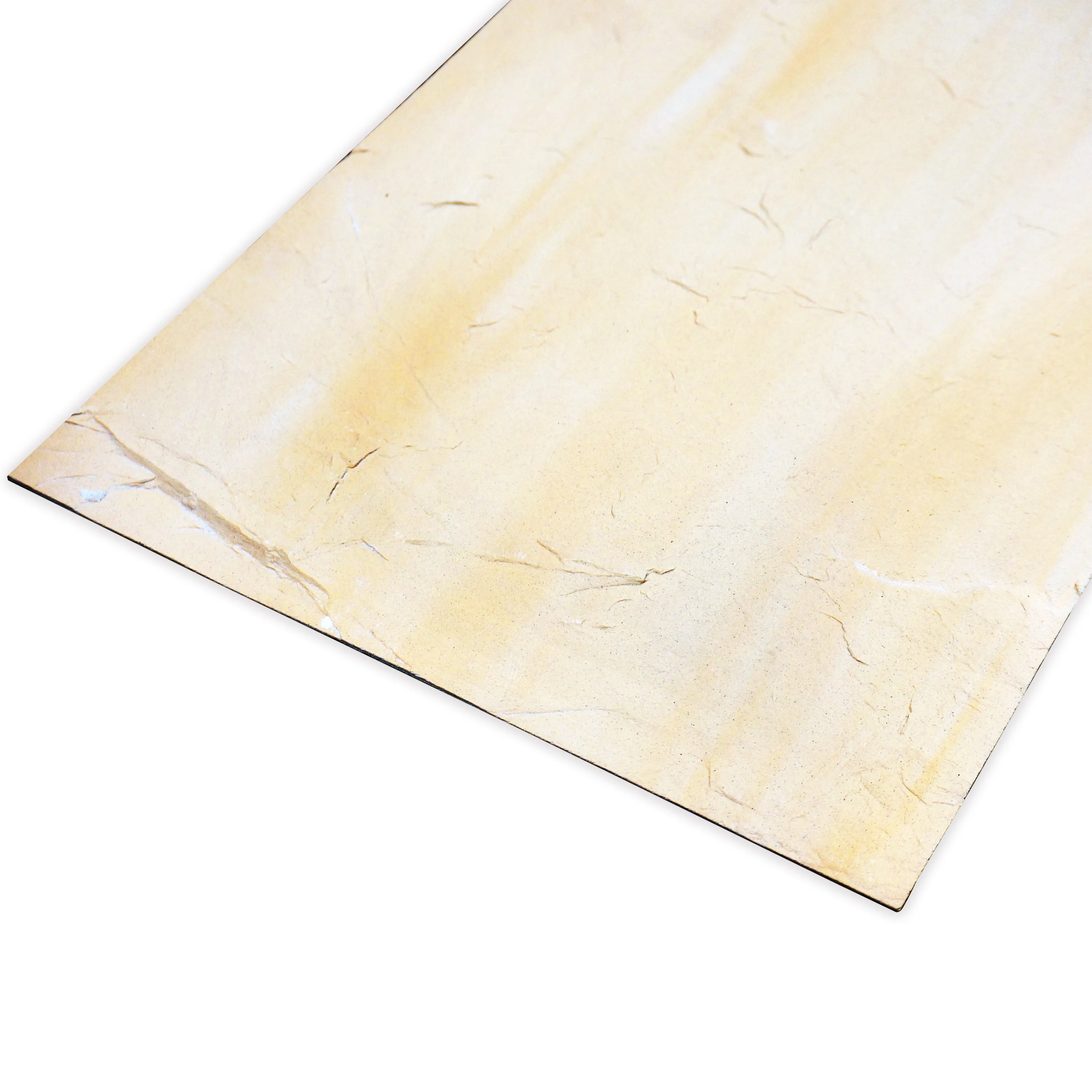
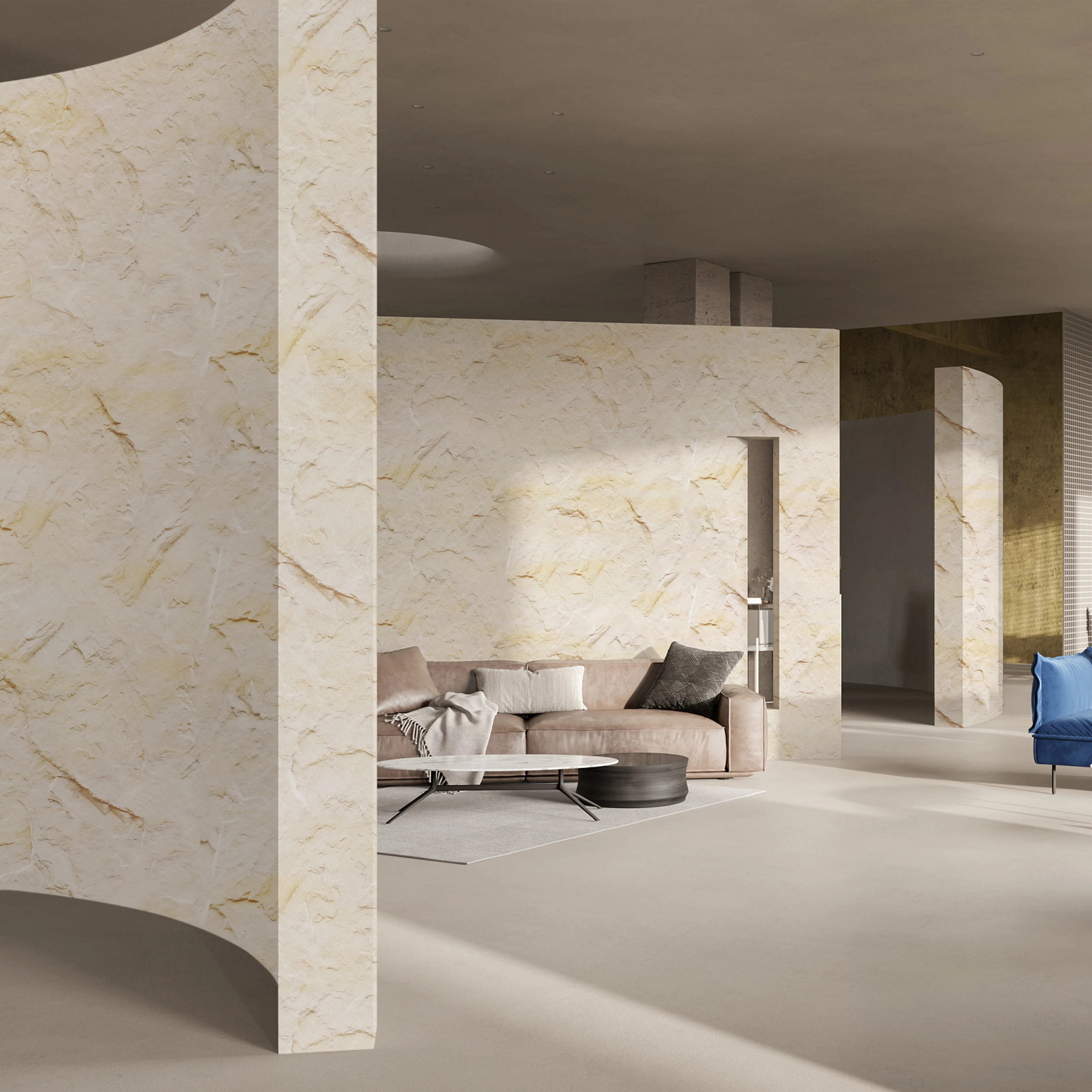
Before we compare sizes, let's get to know the star of the show: Slate Sunnye. If you haven't heard of it, you're in for a treat. Part of the innovative mcm big slab board series , Slate Sunnye isn't your average stone slab. Imagine a material that marries the rugged beauty of natural slate with a warm, sunlit undertone—like a piece of the earth that's been kissed by golden hour light. Its surface has this subtle veining, not too busy, but just enough to add depth, making it feel organic yet modern. And because it's part of MCM's big slab lineup, we're talking about some seriously impressive dimensions here—think panels that stretch 10 feet or more, minimizing seams and maximizing that "wow" factor.
I remember chatting with a designer friend last year who used Slate Sunnye in a downtown restaurant. She told me the clients wanted the space to feel "open and airy, like you're dining under a wide sky." By installing Slate Sunnye across an entire accent wall, they eliminated the need for multiple smaller tiles, and the result? A seamless backdrop that made the room feel twice as big. "It's not just a material," she said. "It's a mood setter."
Now, let's talk about the other side of the ring: standard sizes. These are the slabs you've probably seen in most homes and commercial spaces—think 24x48 inches, 36x36 inches, or 18x36 inches. They're the "goldilocks" of the material world: not too big, not too small, just right for most projects. Standard sizes have been around forever, and there's a reason for that. They're versatile, easy to handle, and fit into just about any design style, from traditional to contemporary.
Take fair-faced concrete , for example. It's a classic standard-size material, loved for its raw, industrial charm. I recently helped a homeowner install fair-faced concrete tiles in their home office, and because the room was on the smaller side (about 12x15 feet), using 24x36 inch slabs meant we could navigate tight corners without cutting huge pieces. The result was a cozy, textured space that felt intentional, not overwhelming. Standard sizes shine here—they're like the reliable friend who always shows up, no matter the situation.
Okay, so we know what each option is. Now, let's get into the nitty-gritty. How do they stack up when it comes to the stuff that actually matters: looks, installation, durability, and cost? Let's break it down with a side-by-side comparison.
| Factor | Slate Sunnye Big Slab (mcm big slab board series) | Standard Sizes (e.g., fair-faced concrete, wood grain board) |
|---|---|---|
| Dimensions | Typically 48x120 inches or larger; minimal seams | 24x48 inches, 36x36 inches, etc.; more seams |
| Aesthetic Vibe | Modern, seamless, statement-making; ideal for open, minimalist spaces | Versatile, cozy, or industrial; works in small to medium spaces |
| Installation | Requires professional installers and special equipment (e.g., cranes for very large slabs); longer setup time but fewer pieces to lay | DIY-friendly for smaller projects; shorter per-piece installation but more pieces to align |
| Durability | Thicker, fewer seams mean fewer weak points; resistant to chipping at joints | Durable but seams can trap moisture/dirt over time; more edges to protect |
| Cost | Higher upfront material cost; lower labor cost (fewer pieces) | Lower material cost per piece; higher labor cost (more pieces, more seams to seal) |
| Best For | Large open spaces (living rooms, commercial lobbies, kitchen islands) | Smaller rooms, historic homes, DIY projects, textured/traditional designs |
Let's dig deeper into a few of these. Aesthetics, for starters: Slate Sunnye big slabs are all about drama. If you want a space that feels expansive and unbroken—like a luxury hotel lobby or a modern beach house—those large, seamless panels are unbeatable. They reflect light differently, too; with fewer seams, there are fewer shadows, making the room feel brighter. On the flip side, standard sizes can add character through their seams. Think of a wood grain board in a cabin: the smaller planks create a warm, rhythmic pattern that feels homey and inviting. It's all about the story you want to tell.
Installation is another biggie. I once watched a crew install Slate Sunnye big slabs in a penthouse kitchen. They had to rent a small crane to lift the panels through the window—no easy feat! But because there were only four panels instead of 20 smaller ones, the actual laying process was quicker. Standard sizes, though? My neighbor installed 24x24 inch fair-faced concrete tiles in his backyard patio by himself over a weekend. No crane, no pros—just a level, a trowel, and some elbow grease. So, if you're a DIY enthusiast or working with a tight timeline, standard sizes might be your best bet.
Durability-wise, both options hold up well, but Slate Sunnye has a secret weapon: fewer seams. Seams are like tiny magnets for dirt, water, and grime, which can lead to mold or discoloration over time. With big slabs, you're minimizing those weak points. That said, standard sizes can be more forgiving if a piece cracks—you can replace just one tile instead of an entire slab. It's a trade-off between long-term resilience and easy repairs.

At the end of the day, there's no "one size fits all" answer. The right choice depends on your space, your style, and even your personality. Here are a few questions to ask yourself to narrow it down:
1. How big is your space? If you're working with a grand entryway, a large kitchen, or a commercial space with high ceilings, Slate Sunnye big slabs will make it feel even more impressive. But if your room is small—a bathroom, a home office, or a cozy breakfast nook—standard sizes will keep it from feeling cramped.
2. What's your design style? Are you all about clean lines and minimalism? Big slabs are your soulmate. Love rustic charm, industrial edge, or traditional details? Standard sizes (like wood grain board or fair-faced concrete) will play better. For example, a farmhouse kitchen with open shelving and vintage hardware might feel off with a giant, seamless slab—it needs the texture of smaller, more tactile pieces.
3. What's your budget? Big slabs have a higher upfront cost for materials, but you'll save on labor (fewer pieces to install). Standard sizes are cheaper per tile, but you'll pay more in labor and grout. If you're on a tight budget but love the big slab look, consider using Slate Sunnye as an accent wall and standard sizes for the rest of the space—it's a great compromise.
4. Do you plan to DIY or hire pros? If you're handy and want to tackle the project yourself, stick to standard sizes. Big slabs require specialized tools and experience—trust me, you don't want to drop a 10-foot slab on your foot (or your floor). Hire a pro if you're going big.
Sometimes the best way to decide is to hear from people who've been there. Let's look at two scenarios:
Case Study 1: The Modern Penthouse Sarah, a graphic designer, bought a 1,800-square-foot penthouse with floor-to-ceiling windows. She wanted her living room to feel like a gallery space for her art collection. Her designer recommended Slate Sunnye big slabs for the main wall. "We went with a 5x10 foot panel, and it's like having a living, breathing piece of art," Sarah told me. "The light hits it in the afternoon, and the veining looks different every hour. No seams, no distractions—just my art and this beautiful backdrop." Total cost? Higher than standard sizes, but Sarah says it was worth every penny: "It's the first thing people notice, and it makes the whole space feel expensive and intentional."
Case Study 2: The Historic Cottage Mark and Lisa restored a 1920s cottage in the countryside. Their kitchen was small but full of character, with exposed wooden beams and a vintage stove. They considered big slabs but quickly realized they'd clash with the home's charm. Instead, they went with 36x36 inch fair-faced concrete tiles. "The smaller tiles let us work around the beams and the uneven walls," Lisa explained. "And the seams add this subtle texture that feels cozy, like the cottage has always been this way." They even DIY-installed the tiles over a long weekend, saving on labor costs. "It's not about being 'trendy'—it's about fitting the home's story," Mark added.
At the end of the day, both Slate Sunnye big slabs and standard sizes have their place. The mcm big slab board series brings innovation and drama, perfect for making a statement in large, modern spaces. Standard sizes like fair-faced concrete and wood grain board offer versatility and charm, ideal for smaller rooms or those with unique architectural features. The key is to ask yourself: What does my space need? What do I want to feel when I walk in? And don't forget to have fun with it—design is about expressing yourself, after all.
Whether you go big or go standard, remember: the best slab is the one that makes you smile every time you see it. Happy designing!
Recommend Products












