
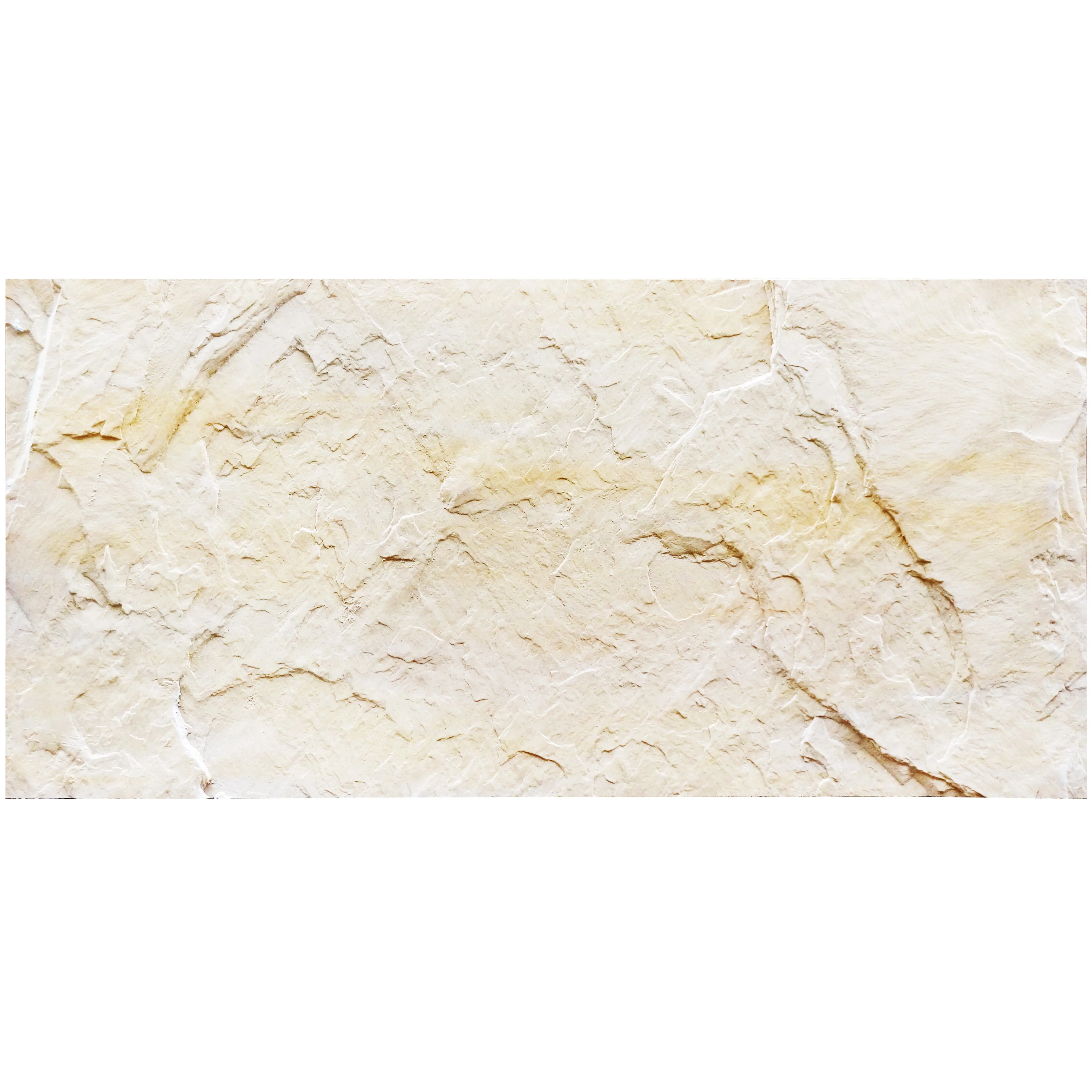
In the world of architecture and construction, every choice carries weight—especially when it comes to materials that shape the safety and longevity of a building. Among the countless considerations, fire safety stands tall as a non-negotiable priority. A building's cladding, the outer layer that defines its aesthetic and protects its interior, isn't just about looks; it's a frontline defender against the unpredictable threat of fire. Today, we're diving into a material that's making waves in the industry for balancing beauty and brawn: Slate Sunnye. More than just a pretty face, this stone has earned its stripes as a fire-safe champion, meeting some of the most rigorous international standards. Let's explore why Slate Sunnye is becoming a go-to choice for architects, builders, and homeowners who refuse to compromise on safety—or style.
Fire accidents in buildings can escalate in seconds, turning structures into infernos and endangering lives. The role of cladding here is critical: low-quality or flammable materials can act as fuel, spreading flames rapidly and releasing toxic smoke. In contrast, fire-resistant cladding can slow the spread, contain the fire, and buy precious time for evacuation and firefighting. Regulatory bodies worldwide have tightened standards in recent years, with codes like the International Building Code (IBC) in the U.S. and EN 13501 in the EU setting strict benchmarks for fire performance. For developers and architects, choosing cladding that meets these standards isn't just about compliance—it's about honoring a responsibility to those who will live, work, or visit the spaces they design.
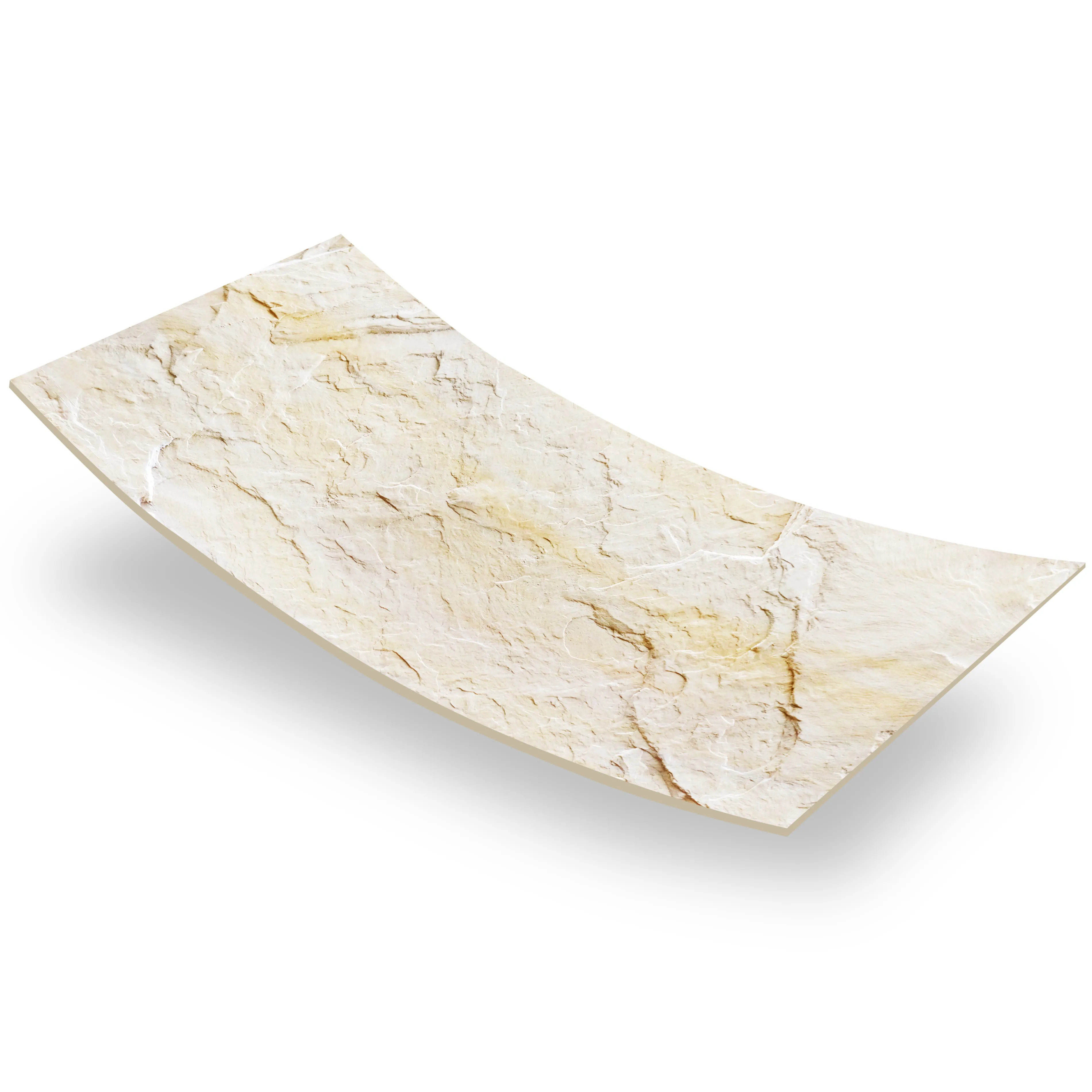
Before we delve into its fire credentials, let's get to know Slate Sunnye. This natural stone variant, quarried from select geological formations, is celebrated for its warm, earthy tones and distinctive texture. Imagine a surface that blends the rugged charm of natural slate with a subtle, sunlit hue—hence the name "Sunnye"—that adds warmth to both modern and traditional designs. It's versatile, too: suitable for exterior facades, interior accent walls, and even flooring. But what truly sets Slate Sunnye apart is its hidden strength: a fire resistance that makes it a standout in a crowded market of building materials.
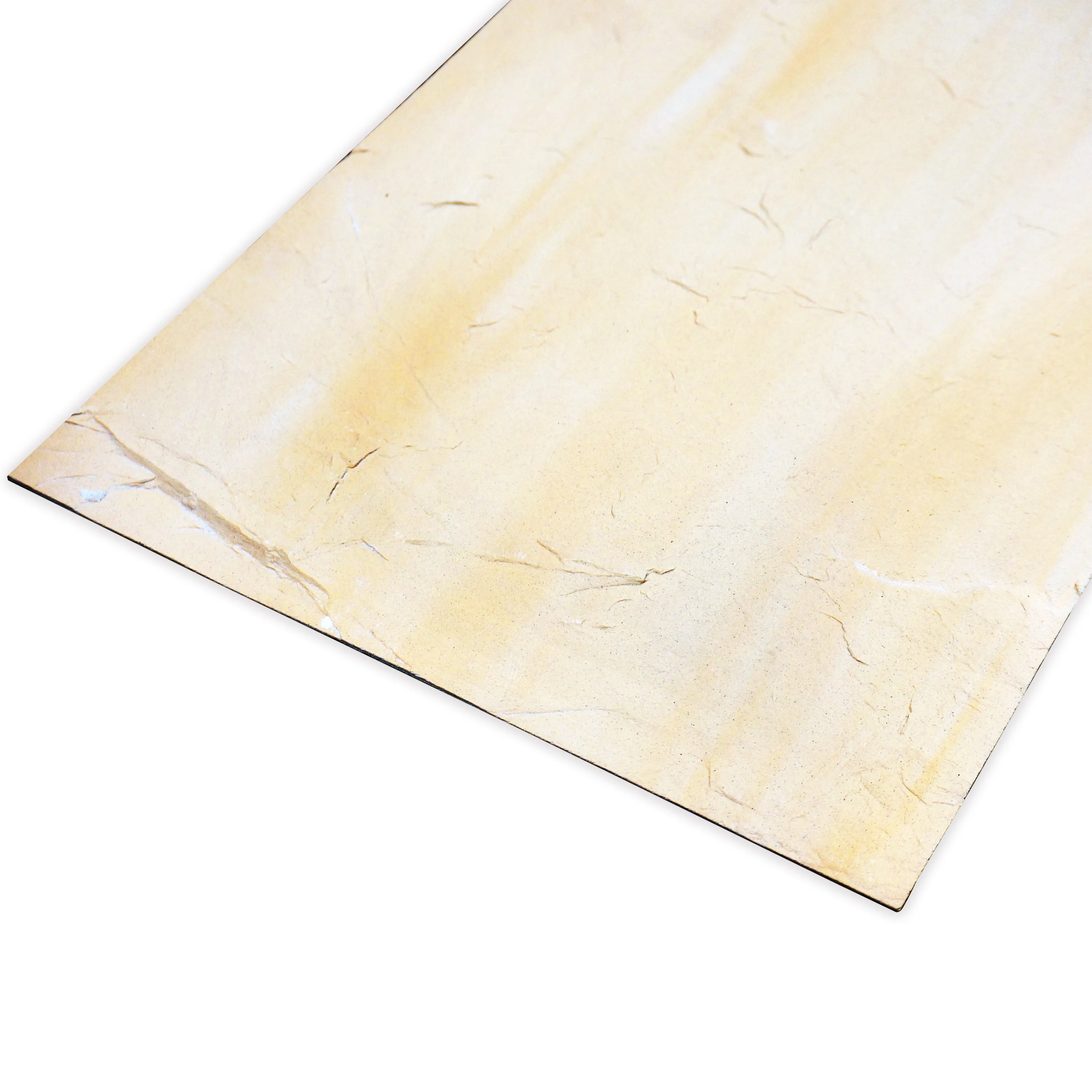
Fire ratings can feel like a maze of jargon, so let's break it down. When we talk about a material's fire performance, we're typically referring to two key metrics: flame spread index (FSI) and smoke development index (SDI) . FSI measures how quickly fire spreads across a material's surface, with lower numbers indicating slower spread. SDI assesses how much smoke a material releases when burned—critical because smoke inhalation is often the leading cause of fire-related fatalities. The gold standard for cladding is a Class A fire rating , which means the material has an FSI of 0–25 and SDI of 0–450, making it highly resistant to flame spread and low in smoke production. Beyond that, some materials undergo fire resistance duration testing , which measures how long they can withstand fire before losing structural integrity—often rated in hours (e.g., 1-hour, 2-hour).
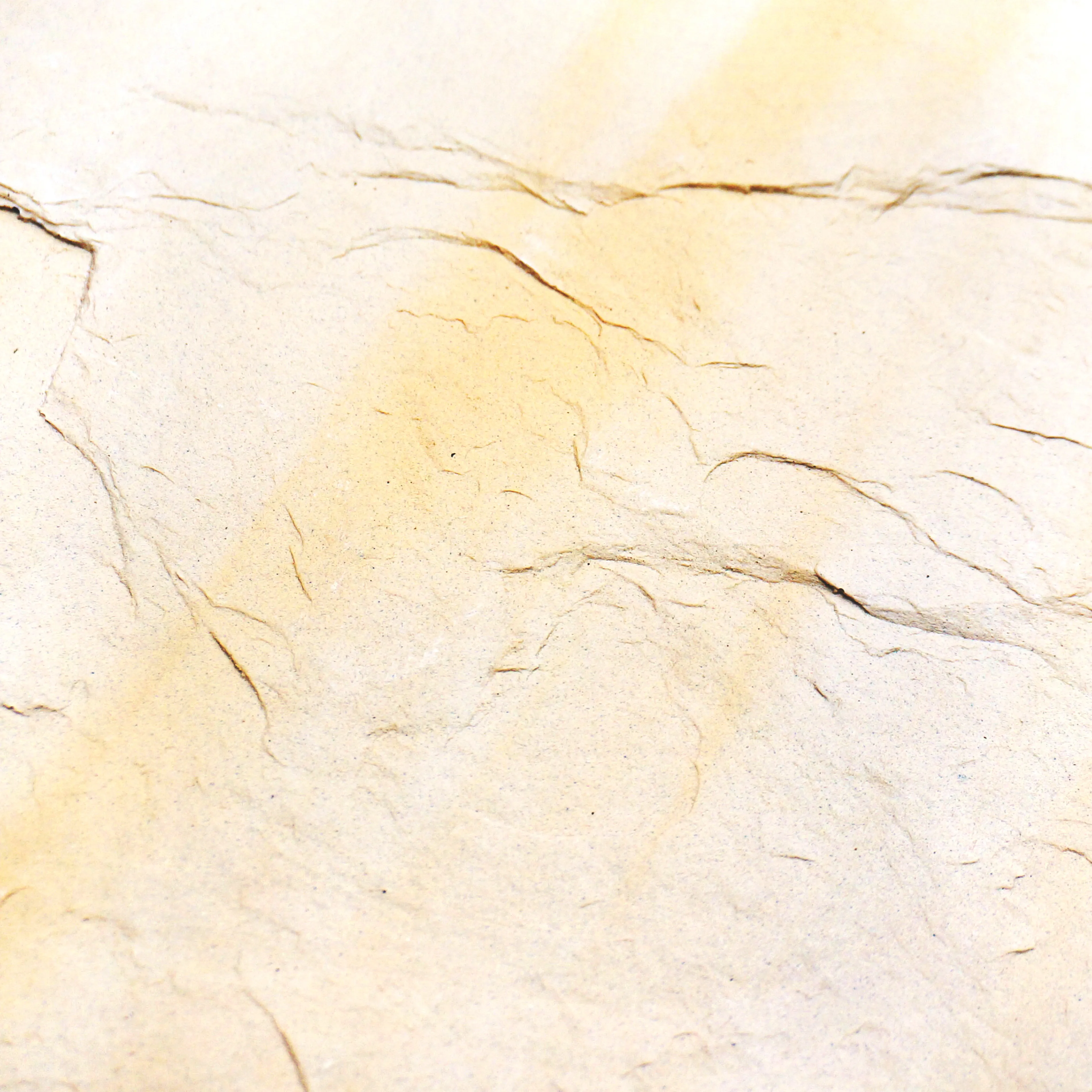
So, how does Slate Sunnye stack up? Let's cut to the chase: it's a Class A fire-rated material, and the numbers back it up. In independent lab tests conducted by UL (Underwriters Laboratories) and compliant with ASTM E108 standards, Slate Sunnye achieved a flame spread index of 12 and a smoke development index of 35 —well below the Class A thresholds. But that's just the start. When subjected to ISO 5660-1 cone calorimeter testing (a rigorous method to measure heat release and combustion behavior), Slate Sunnye showed minimal heat release rate (HRR) and no significant flame propagation, even when exposed to high temperatures for extended periods.
Perhaps most impressively, Slate Sunnye has demonstrated a 2-hour fire resistance rating in structural fire tests (ASTM E119). This means, under standard fire conditions, the material can maintain its integrity for up to two hours—giving occupants ample time to evacuate and firefighters to respond. For high-rise buildings, where evacuation takes longer, this extended resistance is a game-changer.
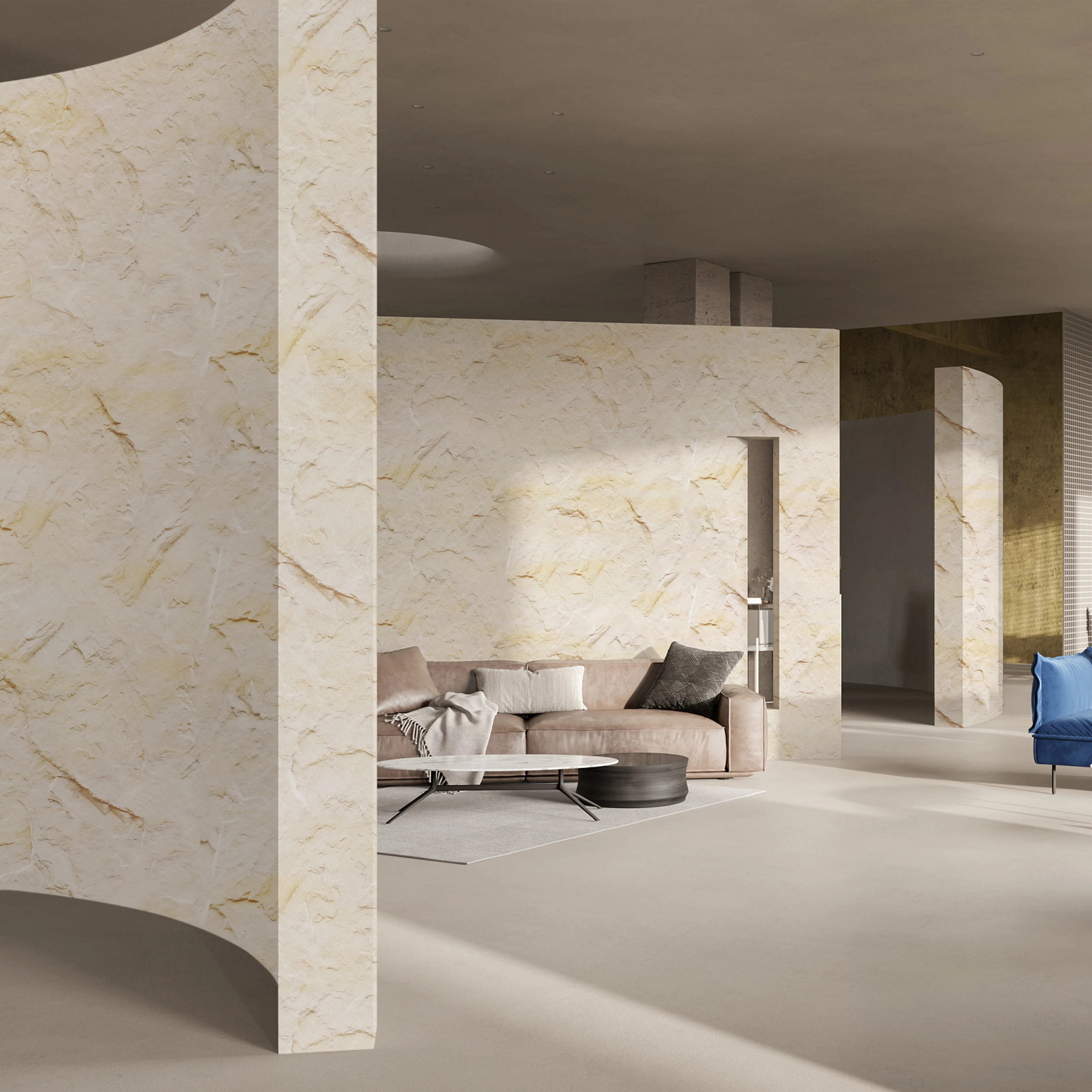
To truly appreciate Slate Sunnye's fire performance, let's compare it to three other popular cladding materials: MCM flexible stone , fair-faced concrete , and travertine (beige) . Each has its merits, but when fire safety takes center stage, the differences become clear.
| Material | Fire Rating | Smoke Development Index | Fire Resistance Duration | Best For | Key Fire Safety Benefit |
|---|---|---|---|---|---|
| Slate Sunnye | Class A (ASTM E108) | 35 | 2 hours (ASTM E119) | High-rises, commercial buildings, historic renovations | Low flame spread + minimal smoke + extended structural resistance |
| MCM Flexible Stone | Class A (varies by manufacturer) | 50–150 | 1 hour (typical) | Curved facades, lightweight applications | Lightweight yet fire-resistant; good for modern designs |
| Fair-Faced Concrete | Class A | 20–60 | 2–4 hours | Industrial, minimalist structures | Exceptional structural fire resistance; heavyweight |
| Travertine (Beige) | Class B (some Class A) | 100–300 | 1 hour (varies by density) | Residential exteriors, Mediterranean-style designs | Natural aesthetic; moderate fire resistance |
Slate Sunnye holds its own here, matching fair-faced concrete's 2-hour resistance while offering a lower smoke index than travertine (beige) and comparable flame spread to MCM flexible stone. What's more, unlike concrete, Slate Sunnye brings a natural, organic texture that many architects crave—proving safety doesn't have to mean sacrificing beauty.
Natural stone is inherently fire-resistant, but Slate Sunnye's performance is elevated by its unique composition and formation. Quarried from ancient slate deposits, it's composed primarily of silica (SiO₂) and alumina (Al₂O₃) —minerals with high melting points (silica melts at ~1,710°C, alumina at ~2,072°C). These minerals act as a barrier, resisting heat and preventing the stone from igniting or melting under typical fire conditions.
But it's not just about raw materials. The manufacturing process plays a role too. Slate Sunnye undergoes a specialized thermal stabilization treatment during processing, which removes volatile organic compounds (VOCs) and strengthens its crystalline structure. This treatment reduces the risk of cracking or spalling when exposed to sudden temperature changes—common in fires—ensuring the stone remains intact and continues to protect the building's interior.
Compare this to materials like wood-based claddings or some synthetic composites, which contain resins or additives that can ignite or melt at much lower temperatures (300–500°C). Even some natural stones, like certain marbles, are more porous and may weaken faster under heat. Slate Sunnye's dense, low-porosity structure and mineral makeup make it a standout in thermal resistance.
Numbers and lab tests tell part of the story, but real-world use speaks volumes. Let's look at two case studies where Slate Sunnye's fire performance made a tangible difference.
The Horizon Tower, a 42-story residential high-rise in downtown Chicago, needed cladding that could meet the city's strict fire codes while complementing its modern glass-and-steel design. The architects chose Slate Sunnye for the building's lower facade, citing its Class A rating and warm, earthy tones as key factors. During construction, the Chicago Fire Department conducted an on-site fire safety audit, and Slate Sunnye passed with flying colors. "We needed a material that could stand up to both the harsh Chicago winters and the city's rigorous fire standards," says Maria Gonzalez, lead architect at the firm. "Slate Sunnye delivered on both. It's become a signature element of the tower's design, and we sleep easier knowing it's protecting our residents."
Heritage Square, a historic district in Barcelona, required a cladding material that could preserve the area's traditional aesthetic while upgrading fire safety. Slate Sunnye's natural texture and color variation made it a perfect match for the district's stone buildings. During the renovation of a 19th-century apartment complex, the local fire authority mandated a minimum 1-hour fire resistance rating for exterior cladding. Slate Sunnye not only met this requirement but exceeded it, achieving a 1.5-hour rating. "Historic preservation often means balancing old and new," notes Carlos Mendez, project manager. "Slate Sunnye let us honor the past while ensuring the building meets 21st-century safety standards. The stone's fire resistance was the cherry on top."
Fire safety regulations vary by region, but Slate Sunnye isn't limited by borders. Let's take a tour of how it complies with major international standards:
These certifications aren't just pieces of paper; they're a testament to Slate Sunnye's consistent performance across different testing protocols. For global developers, this means peace of mind—whether they're building in New York, Paris, or Dubai, Slate Sunnye can be trusted to meet local safety requirements.
Fire resistance is Slate Sunnye's superpower, but it's not its only strength. Let's explore why it's more than just a safe choice:
Durability: Slate is known for its toughness, and Sunnye is no exception. It resists scratches, stains, and weathering, making it ideal for both interior and exterior use. Unlike wood or synthetic cladding, it won't rot, warp, or fade in sunlight.
Eco-Friendly: Quarried from sustainable sources and requiring minimal processing, Slate Sunnye has a low carbon footprint. It's also 100% recyclable at the end of its lifespan, aligning with green building standards like LEED and BREEAM.
Design Versatility: With its warm, sunlit tones and natural texture, Slate Sunnye pairs beautifully with other materials. Imagine it alongside wood grain board for a rustic-modern interior, or with fair-faced concrete for an industrial-chic exterior. It's a chameleon that adapts to any design vision.
Low Maintenance: No need for regular painting, sealing, or treatments. A simple wash with water is enough to keep Slate Sunnye looking its best—saving time and money for building owners.
In construction, we often talk about "balance"—between form and function, cost and quality, tradition and innovation. Slate Sunnye embodies that balance, proving that fire safety doesn't have to come at the expense of design. Its Class A rating, 2-hour fire resistance, and compliance with international standards make it a leader in safety, while its natural beauty and versatility make it a favorite among architects.
At the end of the day, building materials are more than just parts of a structure—they're guardians. They protect us from the elements, from time, and yes, from fire. Slate Sunnye doesn't just meet the bar for fire safety; it raises it. For anyone building with the future in mind—where safety, style, and sustainability coexist—Slate Sunnye is more than a choice. It's a commitment to doing better.
So, the next time you walk past a building with a warm, textured facade, take a closer look. It might just be Slate Sunnye—quietly standing guard, proving that some of the most beautiful things in architecture are also the strongest.
Recommend Products












