
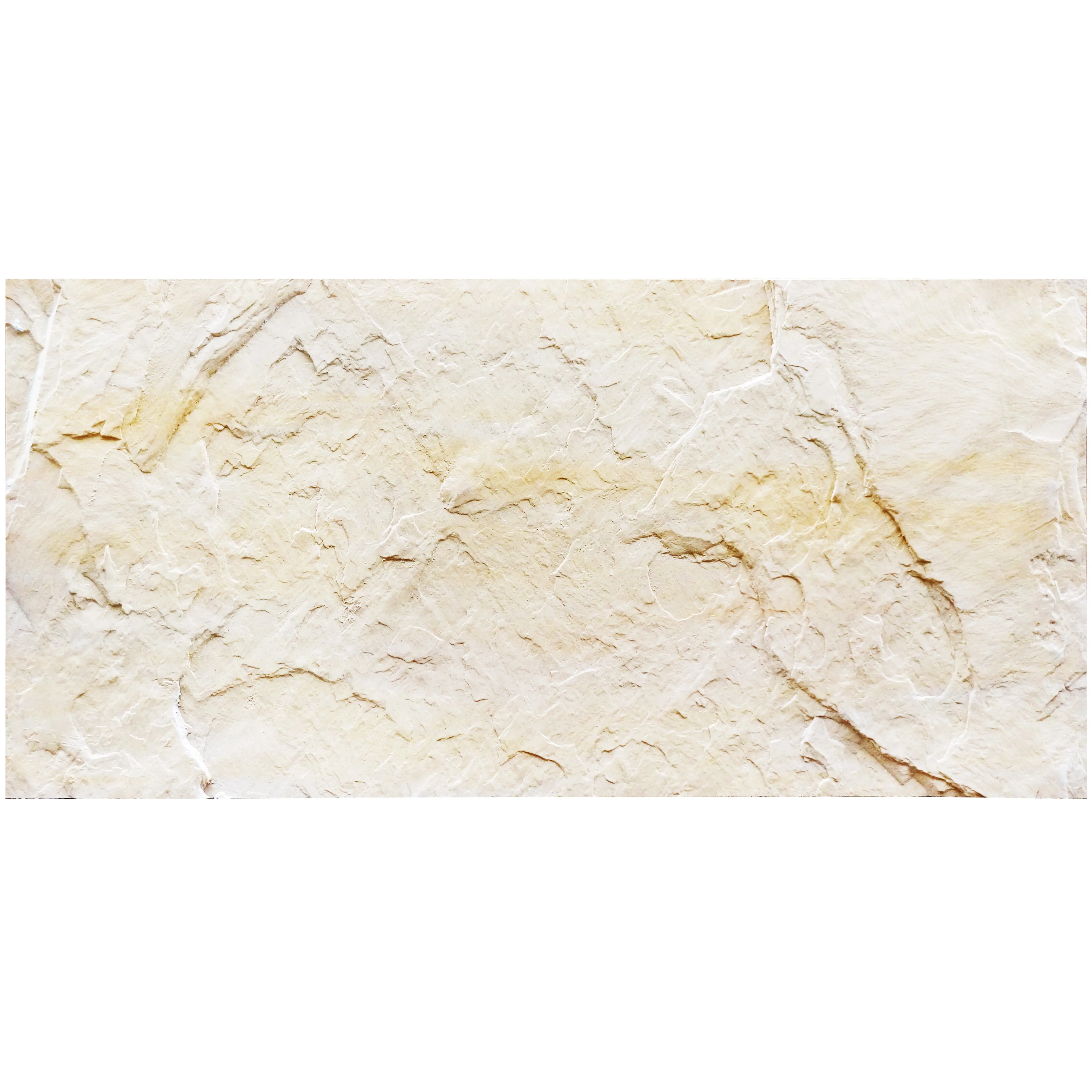
Where resilience meets artistic freedom—redefining how we build with stone
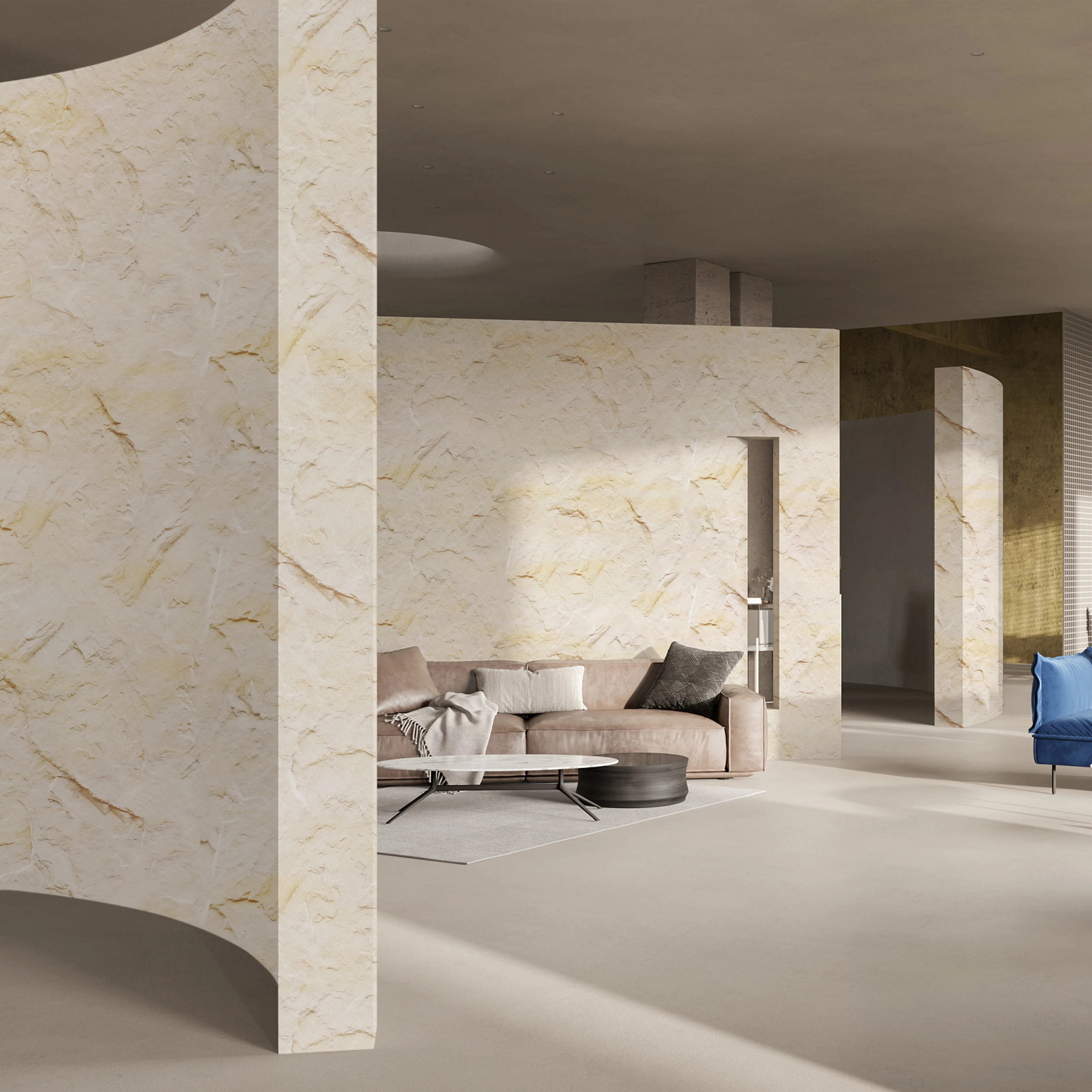
Imagine standing before a building that seems to breathe. Its facade isn't a rigid, cold wall of concrete or marble, but a canvas of warm, earthy tones that catch the light like a sunset over a canyon. This is the magic of Slate Sunnye —a star in the MCM flexible stone family that doesn't just cover surfaces, but transforms them into stories. For architects and designers, it's more than a material; it's a collaborator that bends to their vision, not the other way around.
Let's talk about the elephant in the room (or rather, the stone on the wall): rigidity. Traditional natural stones are stunning, but they're stubborn. Try to curve them, and they crack. Force them into a dynamic, modern design, and they resist. That's where Slate Sunnye changes the game. Its bending strength isn't just a technical spec on a datasheet—it's the difference between a designer saying, "I wish we could" and "We did."
Picture this: A boutique hotel in Lisbon wants a lobby with a sweeping, curved accent wall that flows like a wave. The designer's first thought? "Natural stone is too heavy, too brittle." Then they discover Slate Sunnye. With its impressive flexural strength (up to 12MPa, for the technically curious), it bends gently around the curve, no cracks, no. The result? A space that feels alive, where the wall seems to embrace guests as they walk in. "It's like working with clay, but with the durability of stone," says Maria Santos, the lead architect on the project. "Finally, a material that doesn't limit creativity."
But why does bending strength matter beyond aesthetics? Think about longevity. In regions with seismic activity or extreme temperature swings, rigid materials expand, contract, and fail. Slate Sunnye? It moves. It adapts. It laughs in the face of thermal stress. A restaurant in Tokyo, which installed Slate Sunnye cladding 10 years ago, still gets compliments on its "brand-new" facade. "We've had earthquakes, typhoons, and that wall hasn't so much as chipped," says the owner, Hiroshi Tanaka. "It's not just beautiful—it's tough. Like a warrior in a silk kimono."
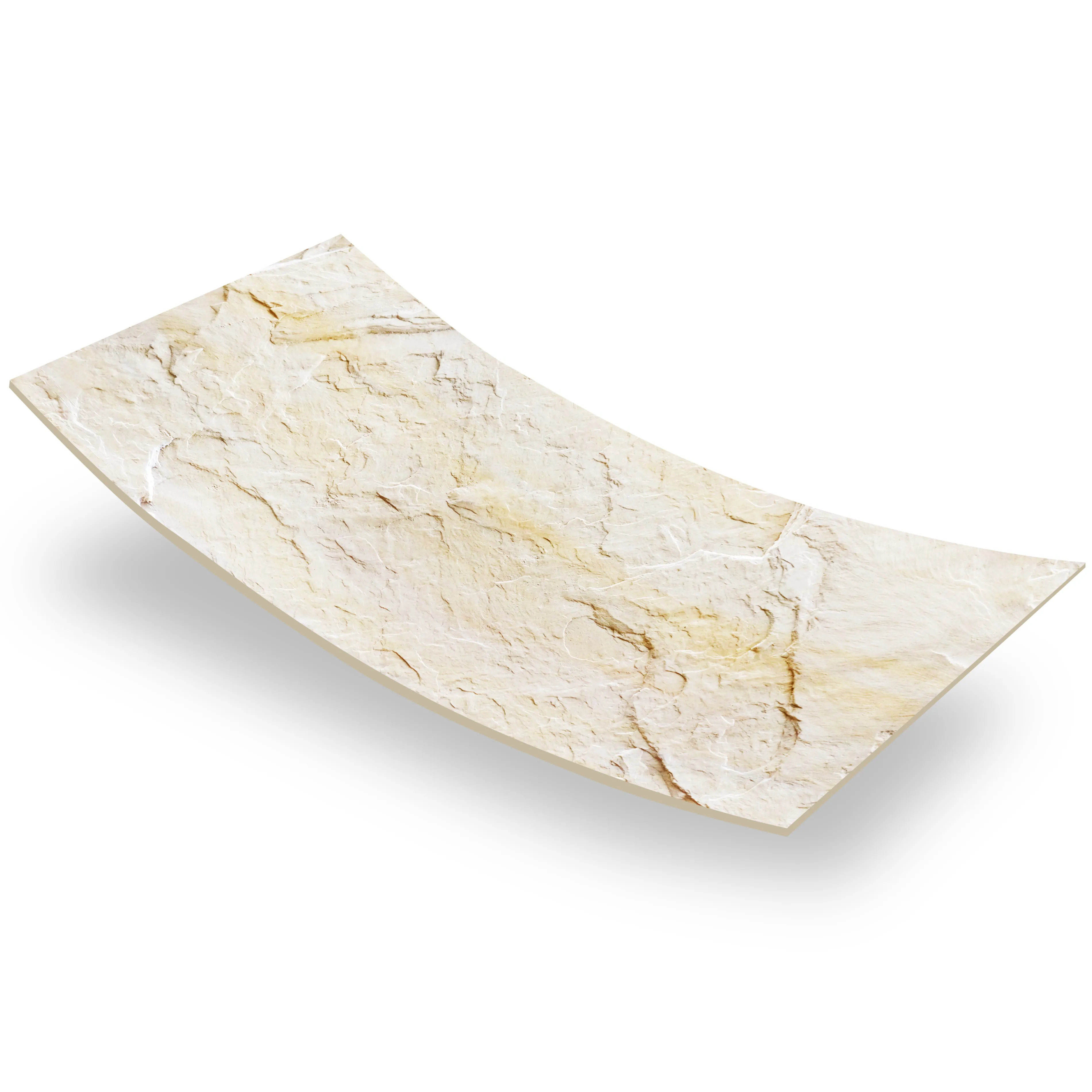
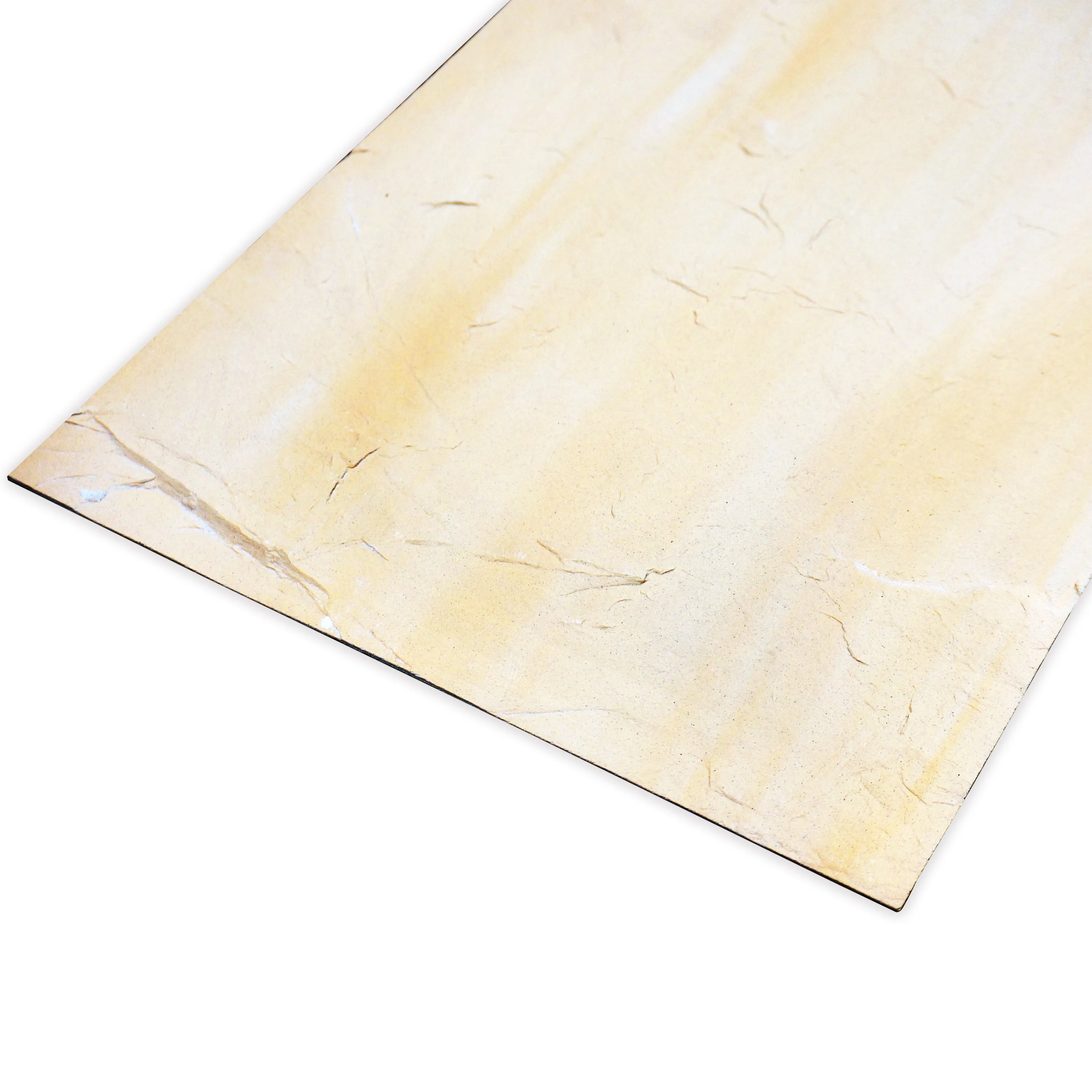
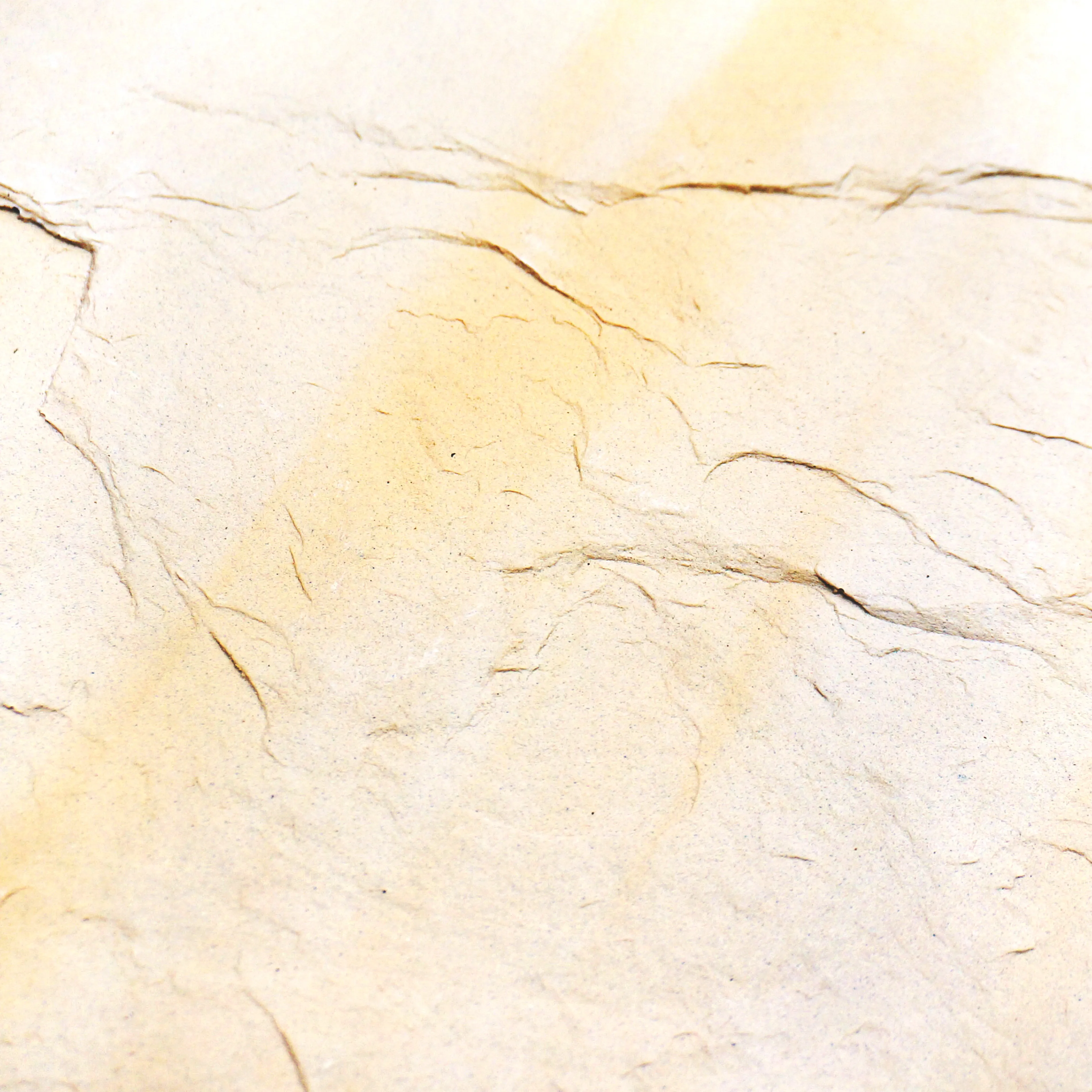
If bending strength is Slate Sunnye's backbone, its versatility is its soul. Walk into a showroom displaying Slate Sunnye samples, and you'll feel like you've stepped into a gallery of earth's finest art. There's the classic, sunlit beige that evokes a Mediterranean villa; the deep, moody gray that channels urban sophistication; and, for the bold, hints of terracotta and amber that add a touch of drama. But it's not just about color—it's about texture, pattern, and how it plays with light.
Take the "starry" variants, for example. Run your hand over a Slate Sunnye panel with starry detailing, and you'll feel tiny, glittering flecks that catch the light like constellations. It's subtle, not gaudy—like the night sky peeking through a thin layer of clouds. "We used the starry Slate Sunnye in a children's hospital," says interior designer Lina Patel. "The kids call it 'the wall that sparkles.' It turns a sterile corridor into something magical. That's the power of good design—healing through beauty."
And when it comes to pairing with other materials, Slate Sunnye is the ultimate team player. Mix it with wood grain board for a cozy, cabin-like vibe in a mountain retreat. Combine it with fair-faced concrete for an industrial-chic look in a downtown loft. Or, for something truly avant-garde, layer it with MCM big slab board series panels to create depth and dimension. The possibilities? Endless. "It's like having a box of crayons where every color works with every other color," says Patel. "You can't go wrong."
| Material | Bending Strength | Design Flexibility | Best For |
|---|---|---|---|
| Slate Sunnye | High (up to 12MPa) | Curved surfaces, starry textures, color variety | Lobbies, accent walls, hospitals, hotels |
| Fair-Faced Concrete | Low (brittle, prone to cracking) | Minimalist, industrial looks (limited curves) | Warehouses, modernist exteriors |
| Wood Grain Board | Moderate (susceptible to warping) | Warm, natural textures (limited outdoor use) | Indoor accent walls, cabins |
| MCM Big Slab Board | High (similar to Slate Sunnye) | Large, seamless surfaces | Commercial exteriors, grand foyers |
In a world where "green" is no longer a trend but a responsibility, Slate Sunnye checks another crucial box: sustainability. As part of the MCM flexible stone range, it's engineered to be lightweight—up to 70% lighter than traditional natural stone slabs. That means less fuel is needed to transport it, fewer emissions are released, and buildings require less structural support (which, in turn, reduces concrete and steel usage). It's a win-win-win for the planet, the builder, and the budget.
But it's not just about weight. The production process for Slate Sunnye prioritizes recycled materials and low-energy manufacturing. "We used to feel guilty about specifying natural stone because of its environmental impact," says sustainability consultant Rajiv Mehta. "Slate Sunnye changed that. It has the look and feel of natural stone, but with a carbon footprint that makes our clients proud. One project we worked on cut its embodied carbon by 30% just by switching to MCM flexible stone."
And let's not forget durability. A Slate Sunnye panel can last for decades with minimal maintenance—no need for frequent replacements that end up in landfills. "I installed Slate Sunnye on my home's exterior 15 years ago," says homeowner Carlos Mendez. "It still looks as good as the day it went up. I hose it down once a year, and that's it. No fading, no cracks, no hassle. It's sustainable, but it's also practical. That's rare."
At the end of the day, numbers and specs don't build connections—stories do. Let's meet a few people whose projects were reimagined thanks to Slate Sunnye.
The Coastal Café with a View: Emma Wilson, owner of "Wave & Bean" in Cornwall, UK, dreamed of a café that felt like an extension of the nearby beach. "I wanted walls that looked like sandstone but could handle the salty sea air and wind," she says. Traditional sandstone would have eroded quickly, and concrete was too cold. Then she found Slate Sunnye in a warm, sandy beige. "We curved the exterior wall to mimic the shape of waves. Now, when the sun sets, the wall glows like the beach at dusk. Customers say it feels like dining outside, even when we're indoors. It's become the heart of the café."
The Urban Office with Soul: In downtown Chicago, a tech startup wanted an office that felt creative, not corporate. "We were tired of the same old glass and steel," says CEO Alex Chen. "We wanted something that felt organic, like a breath of fresh air in the city." They combined Slate Sunnye (in a sleek, charcoal gray) with wood grain board for the interior walls. "The contrast is stunning—modern yet warm. Employees say it's easier to think creatively here. And clients? They always comment on the 'vibe.' That's Slate Sunnye's doing."
Slate Sunnye isn't just a material. It's a reminder that great design should feel human. It bends, it adapts, it inspires. It turns "can't" into "can," and "ordinary" into "extraordinary." Whether you're building a hospital that heals, a café that comforts, or an office that sparks innovation, Slate Sunnye is there—quietly, beautifully, bending to your vision.
"Design is about solving problems with beauty. Slate Sunnye doesn't just solve problems—it makes them disappear." — Anonymous Architect
Recommend Products












