
Why this innovative building material is becoming a game-changer for those who value time, budget, and peace of mind
Let's start with a scenario we've all heard (or lived): A property manager's phone buzzes at 7 a.m. on a Saturday. It's the tenant from Unit 4B, complaining about a water stain spreading across the lobby wall—again. Last month, it was the wooden deck splintering; the month before, the marble floors needing another expensive polish to hide scratches. Sound familiar? For busy property managers, the job often feels like a never-ending cycle of repairs, replacements, and budget overruns. Maintenance isn't just a line item on a spreadsheet—it's a drain on your most precious resource: time.
What if there was a building material that could slash those maintenance headaches in half? One that looks stunning, lasts for decades, and barely asks for anything in return? Enter Slate Sunnye —a rising star in the world of low-maintenance construction materials that's quickly becoming the secret weapon for property managers who refuse to choose between aesthetics and practicality. In this article, we'll dive into why Slate Sunnye matters, how it solves the biggest pain points of property management, and why it's time to stop settling for high-maintenance materials that hold your schedule (and sanity) hostage.
Before we talk about solutions, let's get real about the problem. Traditional building materials—marble, natural wood, even some types of concrete—are beautiful, but they come with a hidden price tag: upkeep. Let's break it down:
The truth is, for busy managers, "low maintenance" isn't a luxury—it's a necessity. And that's where Slate Sunnye steps in.
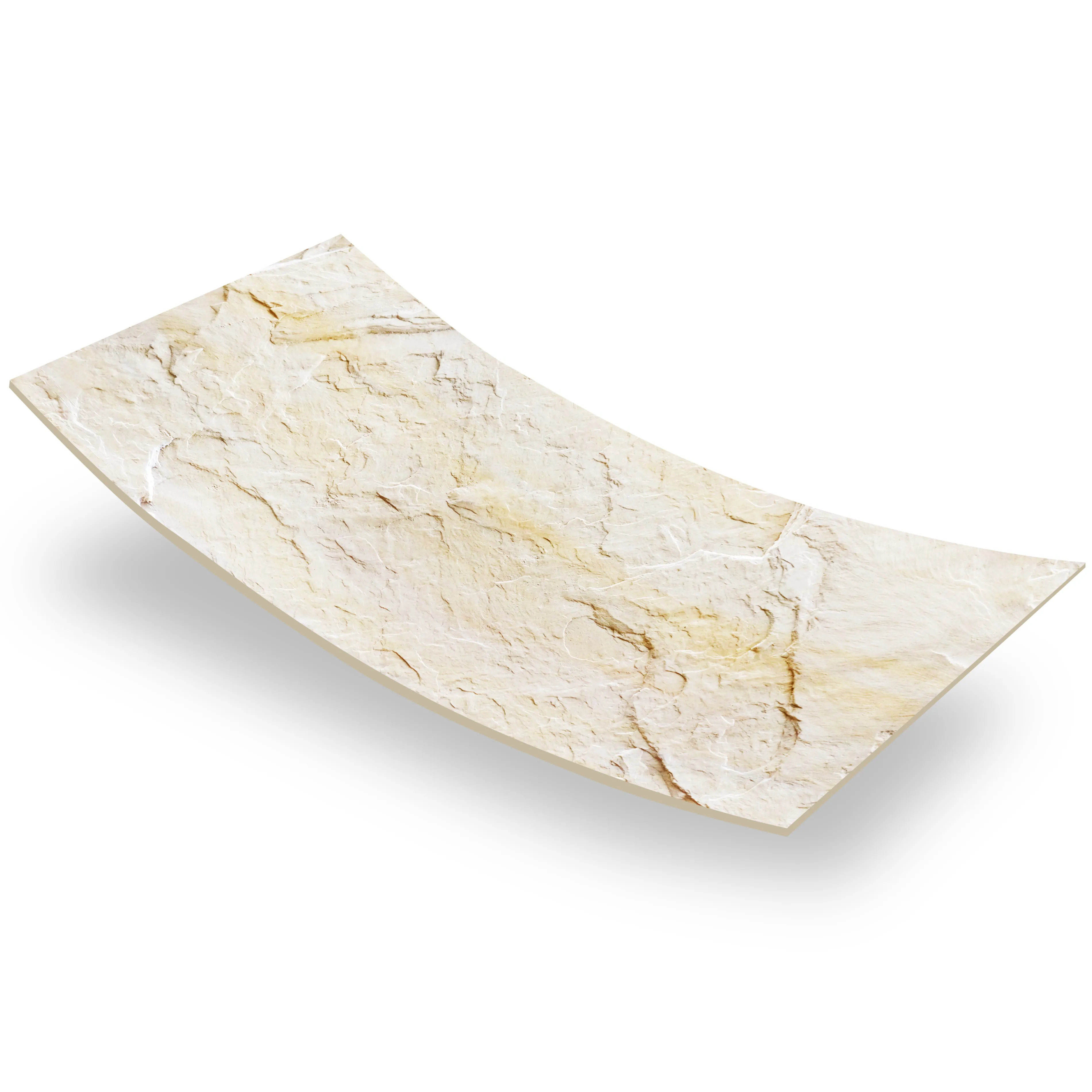
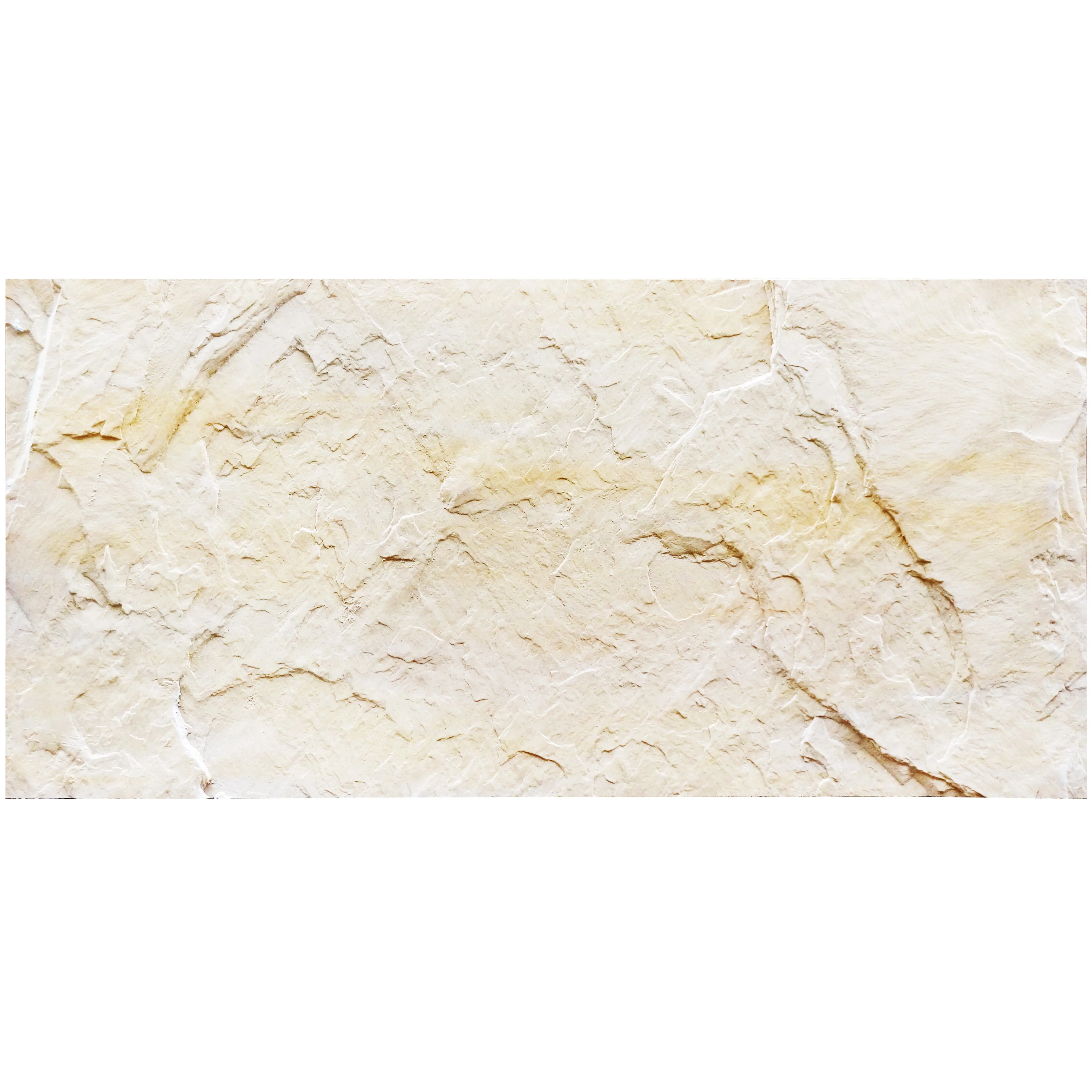
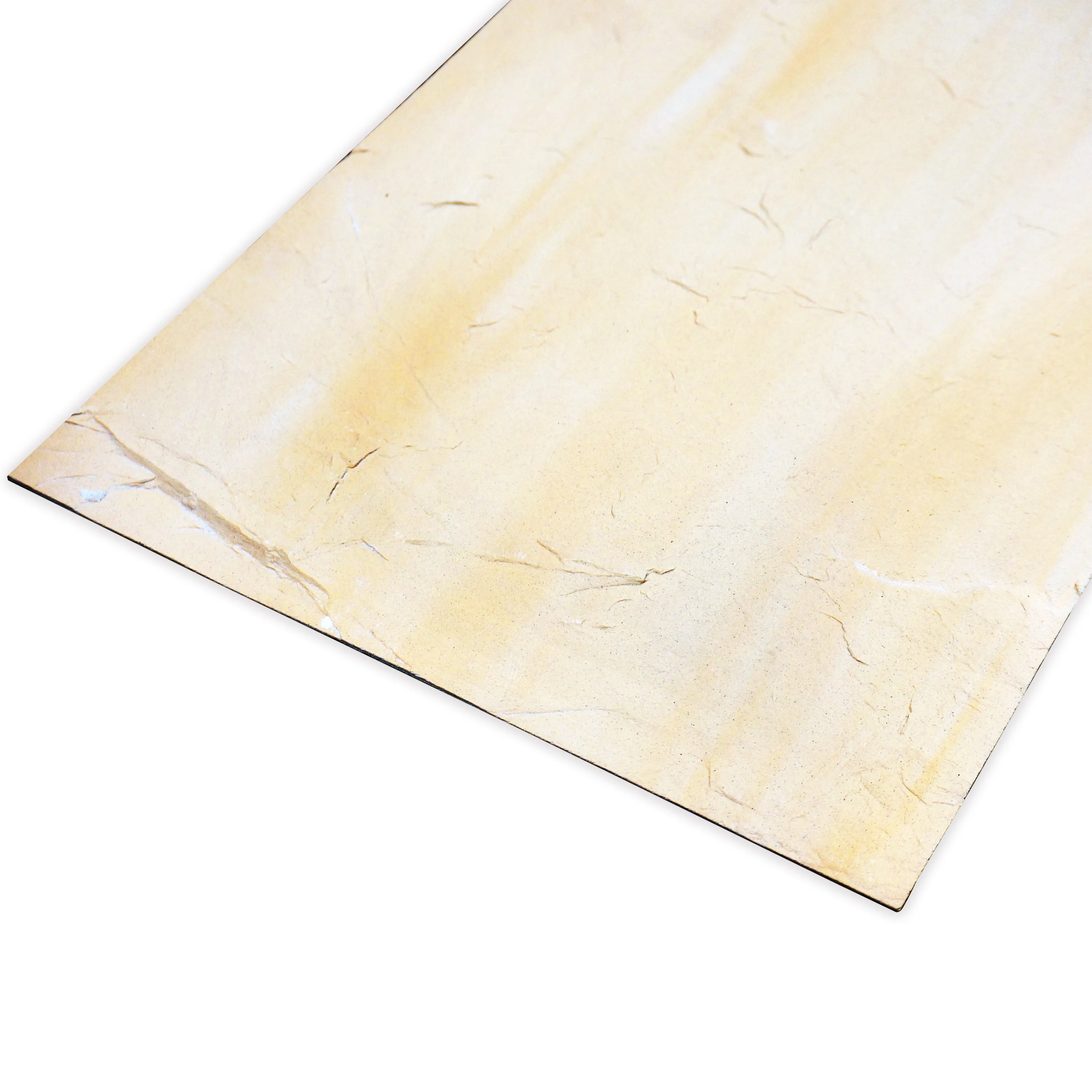
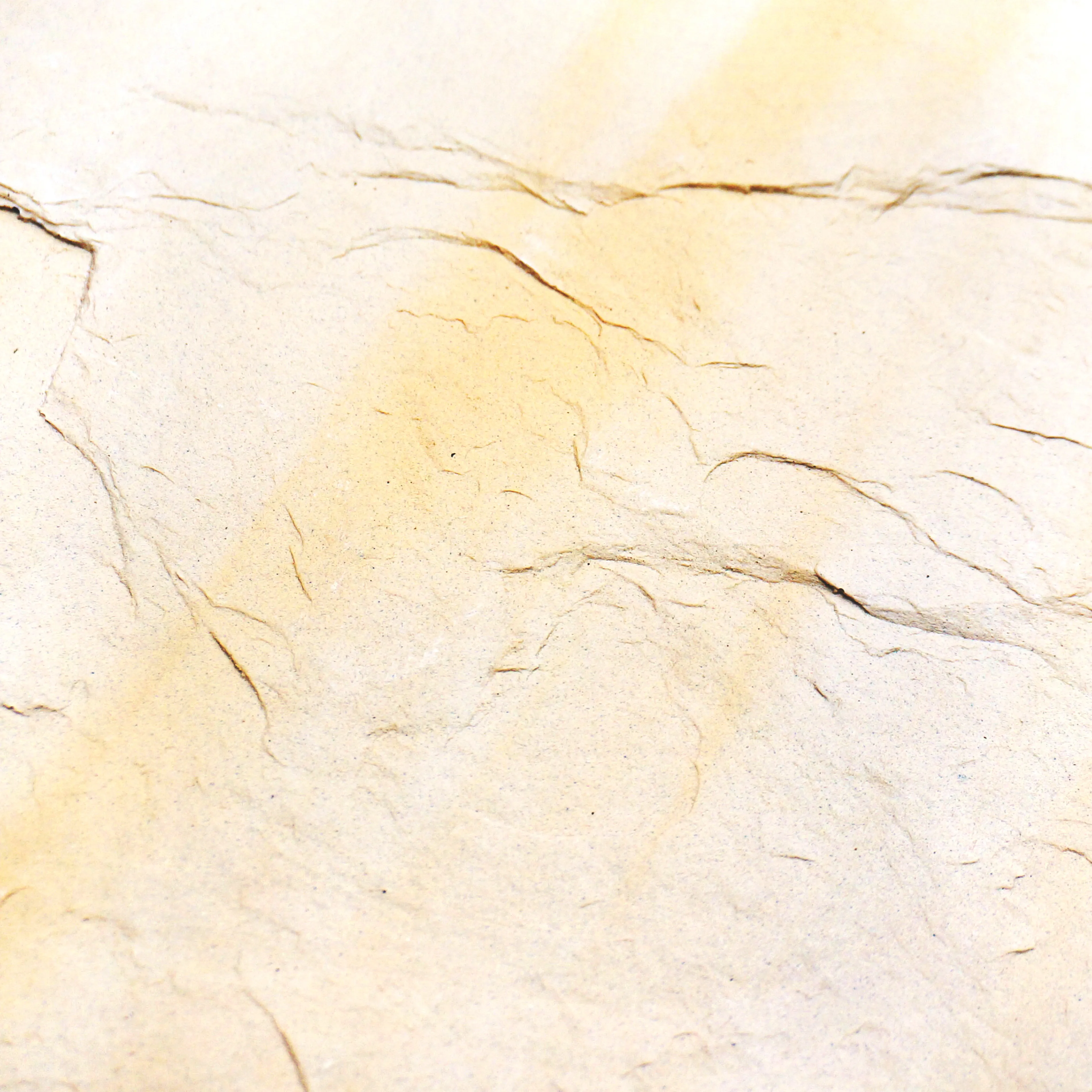
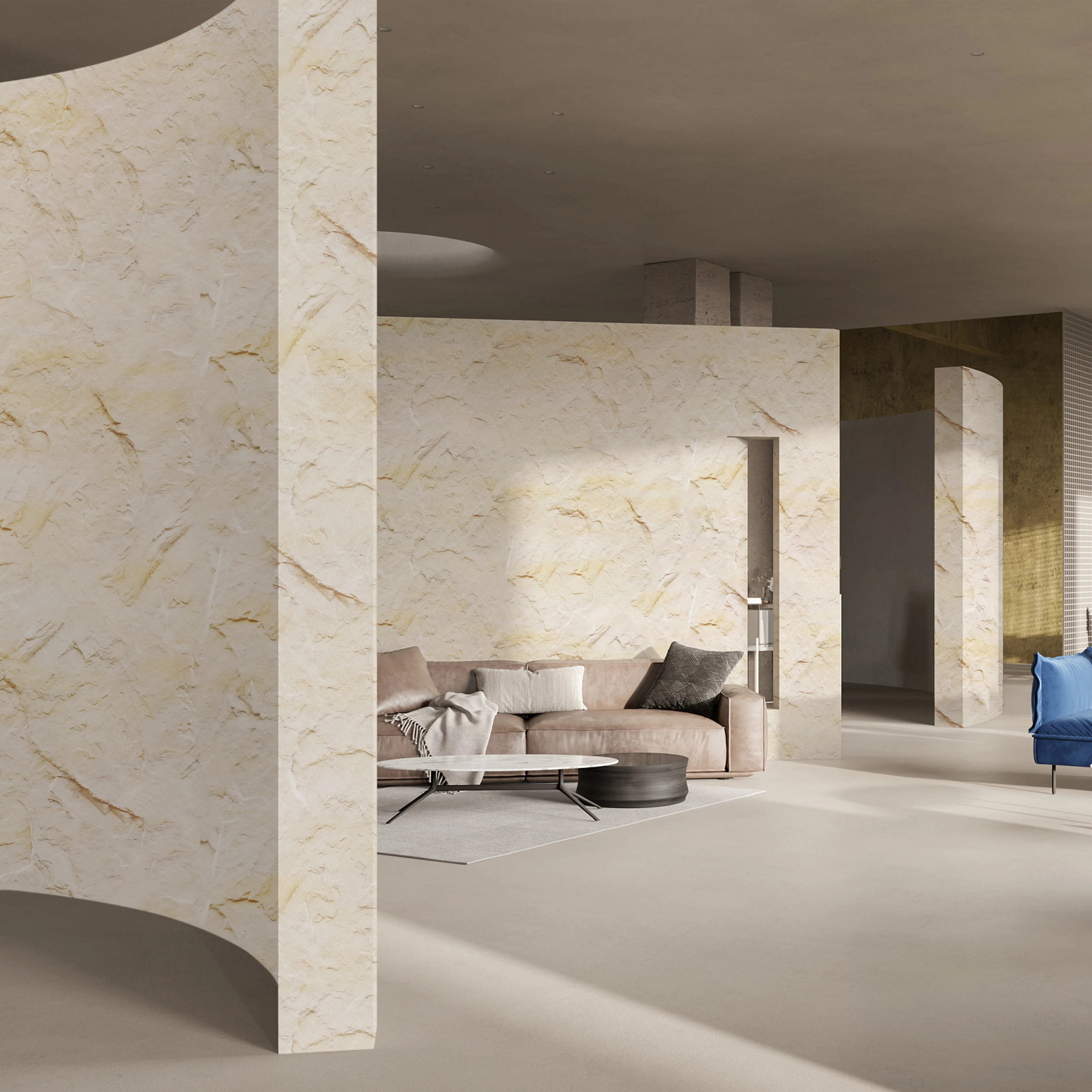
At first glance, Slate Sunnye looks like it belongs in a high-end design magazine. With its soft, veined texture—reminiscent of natural slate but with warmer, sunlit undertones—it adds depth and character to any space, whether it's a boutique hotel lobby, a residential apartment complex, or a corporate office. But here's the kicker: unlike natural slate (which is porous and prone to chipping), Slate Sunnye is engineered for durability. It's part of the broader category of modified composite materials (MCM), which blend natural minerals with advanced polymers to create a product that's both tough and beautiful.
Slate Sunnye starts with a base of natural slate particles, reinforced with fiberglass mesh and bound together with a high-performance polymer resin. This combo gives it three superpowers traditional materials can't match:
But durability alone isn't enough. Property managers also need materials that fit their design vision. Slate Sunnye delivers here, too, with a range of finishes—matte, semi-gloss, and textured—that mimic everything from rough-hewn stone to smooth, modern concrete. It's available in warm neutrals (ivory, sand, soft gray) that complement other popular materials like Wood Grain Board or Rammed Earth Board , giving you endless design flexibility without the maintenance trade-off.
Don't just take our word for it. Let's compare Slate Sunnye side-by-side with four common building materials on the metrics that matter most to property managers: maintenance frequency, durability, cost over time, and tenant appeal.
| Material | Maintenance Frequency | Expected Lifespan | 10-Year Maintenance Cost (per sq. ft.) | Tenant Satisfaction (Based on Surveys) |
|---|---|---|---|---|
| Slate Sunnye | Minimal (occasional cleaning with soap/water) | 30+ years | $5–$10 (mostly labor for cleaning) | 92% (high marks for "fresh, low-fuss look") |
| Natural Marble | Polish every 3–6 months; seal yearly | 15–20 years (with heavy maintenance) | $150–$300 (polishing, sealing, repairs) | 85% (loved for beauty, but complaints about "always looking dirty") |
| Natural Wood (Untreated) | Stain/seal every 1–2 years; replace rotting boards every 5–8 years | 10–15 years (outdoors: 5–7 years) | $200–$400 (staining, repairs, replacements) | 88% (loved for warmth, but frustrated by splinters/warping) |
| Traditional Concrete | Power wash every 3 months; repair cracks yearly | 20–25 years (prone to spalling in freeze-thaw climates) | $80–$120 (cleaning, crack filler, resurfacing) | 75% (seen as "industrial" or "cold"; complaints about mold growth) |
| Wood Grain Board (MCM) | Occasional cleaning; no sealing/staining | 25+ years | $10–$15 (minimal upkeep) | 90% (warm look with none of wood's flaws) |
The numbers speak for themselves. Over a decade, Slate Sunnye costs a fraction of what marble or wood would in maintenance, and it outlasts them by 10+ years. For property managers, that's not just savings—it's freedom to focus on what matters: tenant experience, community building, and growing your portfolio.
Slate Sunnye isn't a one-trick pony. Its versatility makes it perfect for almost any part of a building, indoors or out. Let's look at a few case studies (inspired by real projects) where property managers swapped high-maintenance materials for Slate Sunnye—and never looked back.
The Azure Hotel, a 50-room boutique property in Austin, Texas, was struggling with its lobby walls. Originally clad in natural travertine, the porous stone absorbed stains from coffee spills, rainwater, and even handprints. "We were cleaning the walls twice a week and replacing damaged tiles every month," says the hotel's operations manager, Carlos M. "It was costing us $3,000 a month in labor and materials alone."
In 2023, they renovated the lobby with Slate Sunnye in a soft ivory finish. "The transformation was instant," Carlos recalls. "Guests still comment on how 'luxurious' the walls look, but now we clean them once a month with a damp mop. No more stains, no more replacements. In the first year, we saved $30,000—enough to add a new rooftop bar for guests."
Maple Ridge Apartments, a 200-unit complex in Denver, Colorado, had a turnover rate of 25%—well above the city average of 18%. Tenant surveys pointed to one common complaint: "The building feels run-down." The culprit? Peeling paint on exterior walls, splintered wooden balconies, and stained concrete hallways.
Property manager Lisa T. decided to invest in a exterior and common-area upgrade, swapping out the problematic materials for Slate Sunnye (exterior walls), Rammed Earth Board (balconies), and Wood Grain Board (hallway accents). "We chose Slate Sunnye for the walls because Colorado's harsh winters—freezing temps, heavy snow—were destroying the old paint. Now, the walls repel water, resist fading, and still look fresh two years later."
The result? Turnover dropped to 15%, and tenant satisfaction scores rose by 30%. "Tenants say the building feels 'new' and 'well-cared for,'" Lisa notes. "And I'm not chasing maintenance requests anymore. It's a win-win."
Slate Sunnye is a star, but it's even better when paired with other low-maintenance materials from the modified composite family. Let's explore how these products work together to create a building that's as easy to manage as it is beautiful:
Not every wall or ceiling is flat. For curved surfaces—like a lobby's rounded archway or a stairwell's sweeping banister— MCM Flexible Stone is the perfect partner. Thin, lightweight, and bendable, it can wrap around corners or follow unique architectural shapes without cracking. And like Slate Sunnye, it's stain-resistant and UV-protected. Together, they let you create custom designs without worrying about upkeep.
Wood adds warmth, but real wood warps, rots, and needs constant staining. Wood Grain Board mimics the look of oak, cedar, or teak with precision—right down to the grain patterns—but it's made from recycled wood fibers and polymers. Pair it with Slate Sunnye in a lobby, and you get a space that feels cozy and upscale, minus the splinters or annual sealing. "We used Slate Sunnye on the lower half of the walls and Wood Grain Board on the upper half in our community room," says Jamie L., the Chicago property manager. "It looks like a high-end restaurant, but we've never had to sand or refinish a thing."
Rammed earth has a timeless, earthy appeal, but traditional rammed earth is heavy, porous, and hard to install. Rammed Earth Board captures that same rustic texture—warm terracotta, soft beige, rich gray tones—but in a lightweight, water-resistant panel. Use it alongside Slate Sunnye in outdoor spaces (patios, garden walls) or indoor accent walls for a look that's both organic and low-maintenance. "We used Rammed Earth Board and Slate Sunnye in our courtyard," says Carlos from The Azure Hotel. "They complement each other perfectly, and neither needs sealing or special care—even with rain and humidity."
For a modern, industrial vibe, pair Slate Sunnye with Fair-Faced Concrete (another low-maintenance MCM option). Fair-faced concrete panels have a raw, textured look but are engineered to resist mold, staining, and cracking. Together, they create a sleek, urban aesthetic that's perfect for tech offices or trendy retail spaces. And unlike traditional concrete, neither material needs power-washing or resurfacing—just an occasional wipe-down.
Here's a bonus for property managers who care about green building: Low-maintenance materials like Slate Sunnye are also better for the planet. How?
For property managers working toward LEED certification or green building goals, this is a huge plus. "Sustainability isn't just a trend—it's a requirement for many of our clients," notes Lisa T. from Maple Ridge Apartments. "Choosing Slate Sunnye helped us earn points toward our LEED Silver certification, which makes the property more attractive to eco-conscious tenants."
Busy property managers don't need another "fad" material. They need solutions that work as hard as they do—materials that look great, last long, and demand little in return. Slate Sunnye checks all those boxes and more.
It's not just about saving money (though it does that). It's about reclaiming your time. It's about creating spaces that make tenants happy, not frustrated. It's about building a portfolio that's resilient, sustainable, and ready for whatever the future throws at it.
So the next time you're planning a renovation or new build, ask yourself: Is this material going to support my goals—or drain my resources? For property managers who refuse to settle, the answer is clear: Slate Sunnye isn't just a material. It's a smarter way to manage.
Your schedule (and your sanity) will thank you.
Recommend Products












