
If you've ever wandered through a historic neighborhood, you've likely felt the pull of old buildings—their weathered brick, intricate moldings, and the quiet stories embedded in every crack. But for property owners and architects, that charm often comes with a hidden price tag: crumbling facades, outdated materials, and renovation budgets that balloon unexpectedly. Old buildings demand care, but they shouldn't drain your resources. That's where Slate Sunnye enters the picture—a material that marries the durability of natural stone with the practicality modern renovations demand. In this article, we'll explore how Slate Sunnye is transforming old building upgrades, why it's a cost-effective choice, and how it stacks up against other popular materials like MCM flexible stone and fair-faced concrete. Whether you're restoring a 1920s townhouse or revamping a mid-century commercial space, Slate Sunnye might just be the upgrade your project has been waiting for.
Renovating an old building is a labor of love, but it's rarely straightforward. Let's start with the obvious: age. Decades of exposure to rain, wind, and temperature swings take a toll. Brickwork crumbles, mortar weakens, and wooden elements rot. Then there's the issue of outdated materials—think heavy stone facades that strain structural supports or single-pane windows that drive up energy bills. Add in strict historic preservation rules (if your building is in a protected district) and the need to balance "old charm" with "new functionality," and you've got a project that's equal parts exciting and overwhelming.
Cost is often the biggest roadblock. Natural stone, for example, is beautiful but expensive—both to source and install. Traditional concrete can crack under the shifting foundations of old buildings. And wood, while warm and inviting, requires constant maintenance to fend off pests and moisture. For many, the choice feels like a trade-off: either blow the budget on high-quality materials or compromise on durability to save money. But what if there was a material that didn't force you to choose?
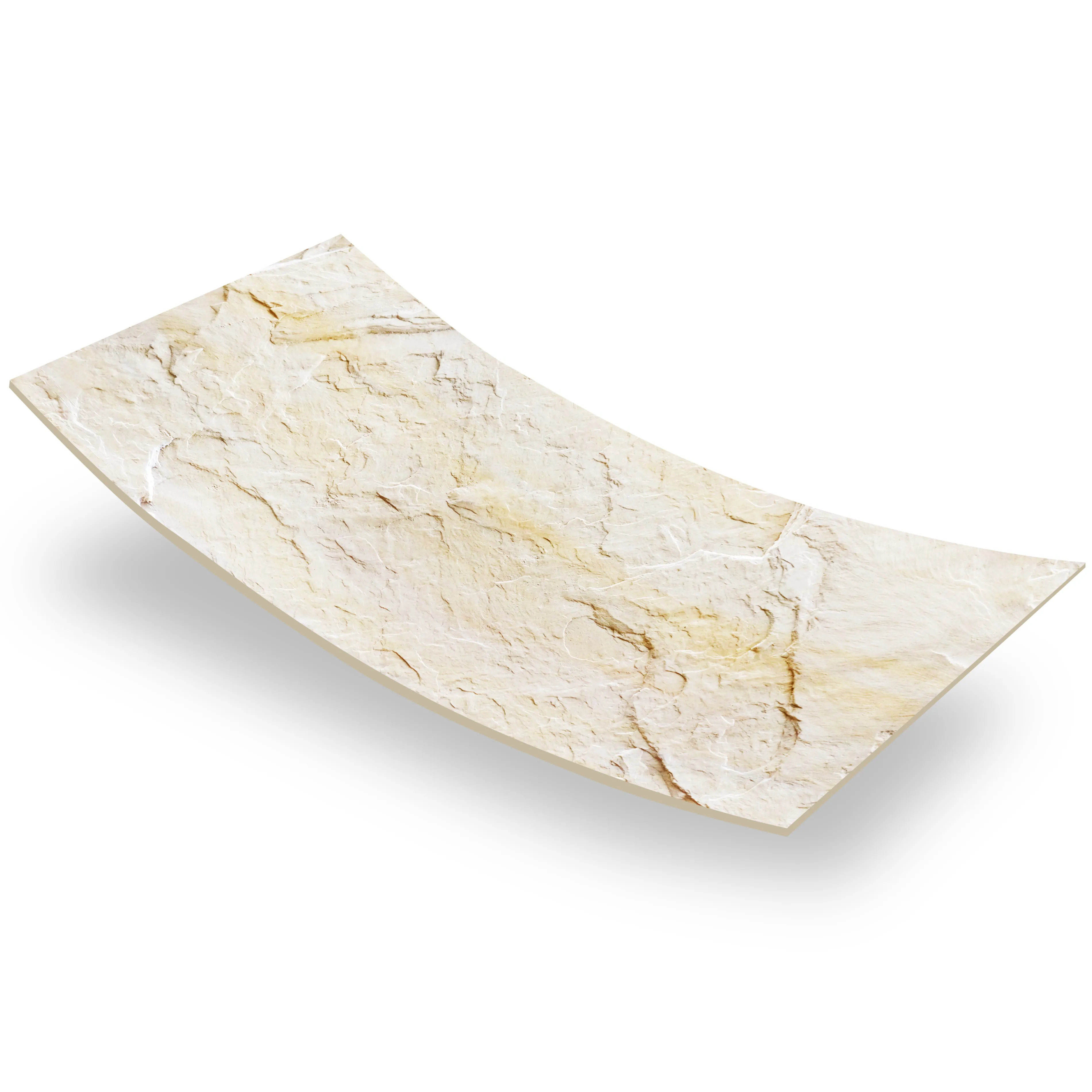
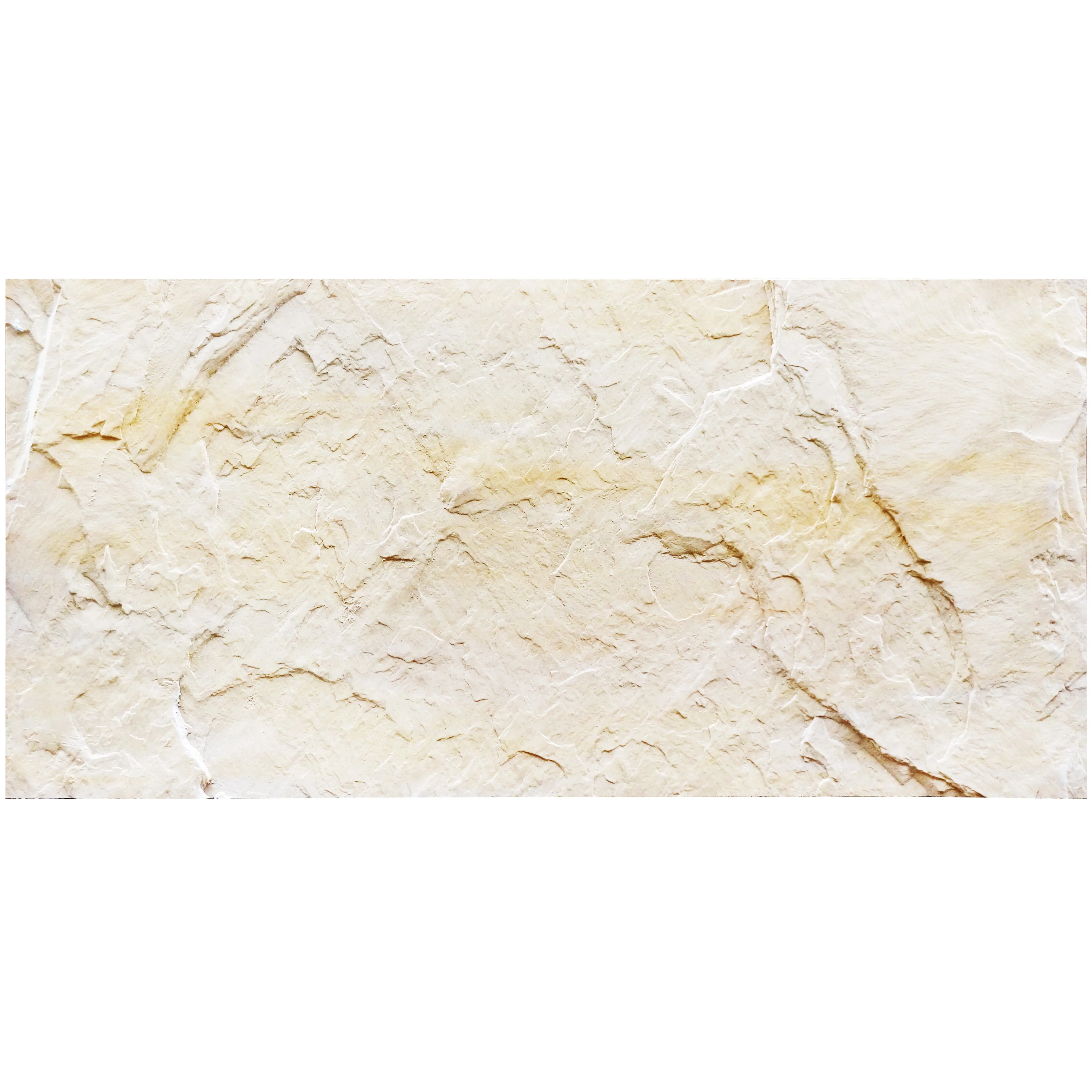
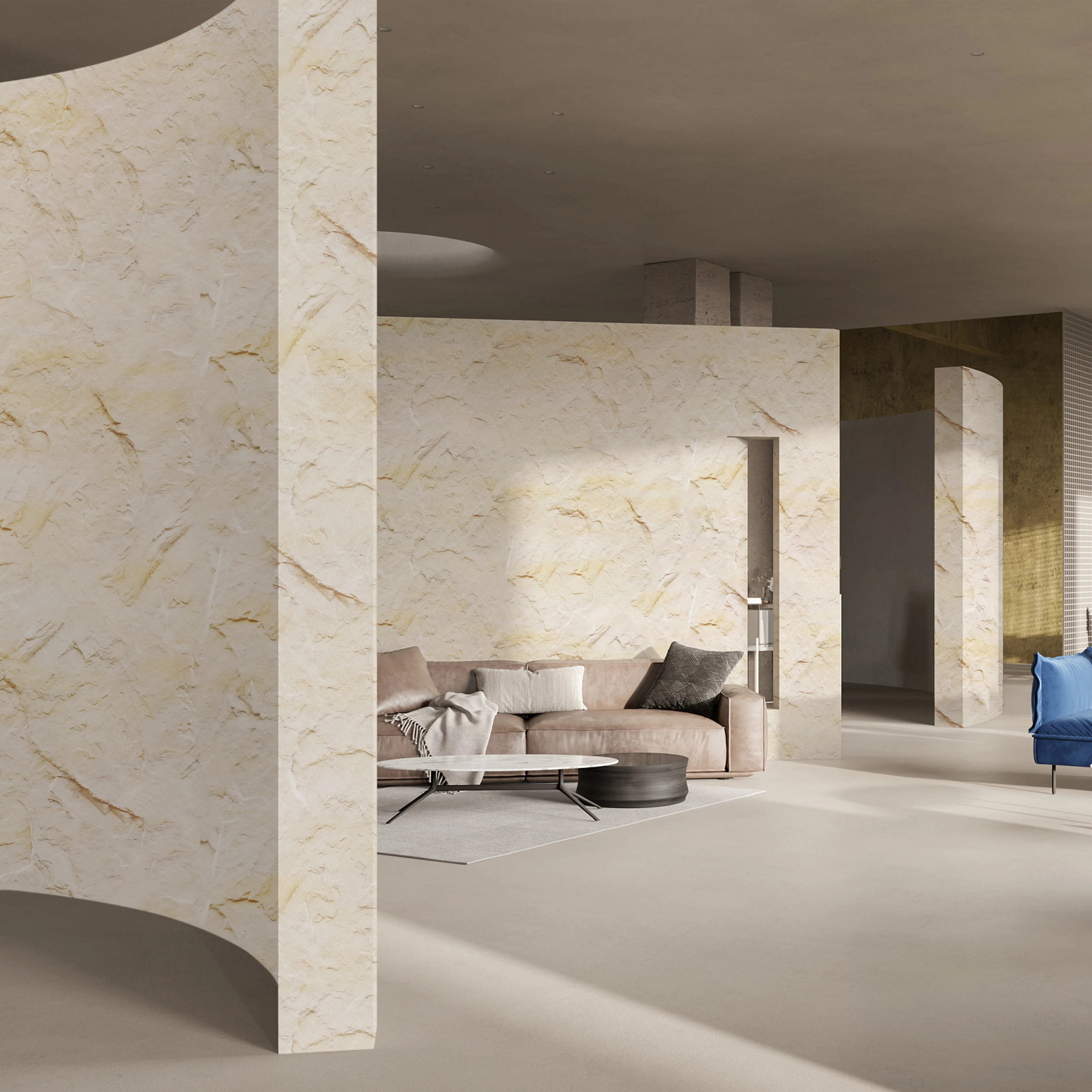
Slate Sunnye is a engineered stone composite designed specifically for renovation projects. At its core, it's a blend of natural slate aggregates, reinforced polymers, and mineral pigments, fused into thin, lightweight panels. The result? A material that looks and feels like quarried slate but weighs a fraction of the real thing—about 8-10 pounds per square foot, compared to 25-30 pounds for natural slate. That lightness is a game-changer for old buildings, where structural systems often can't handle heavy materials.
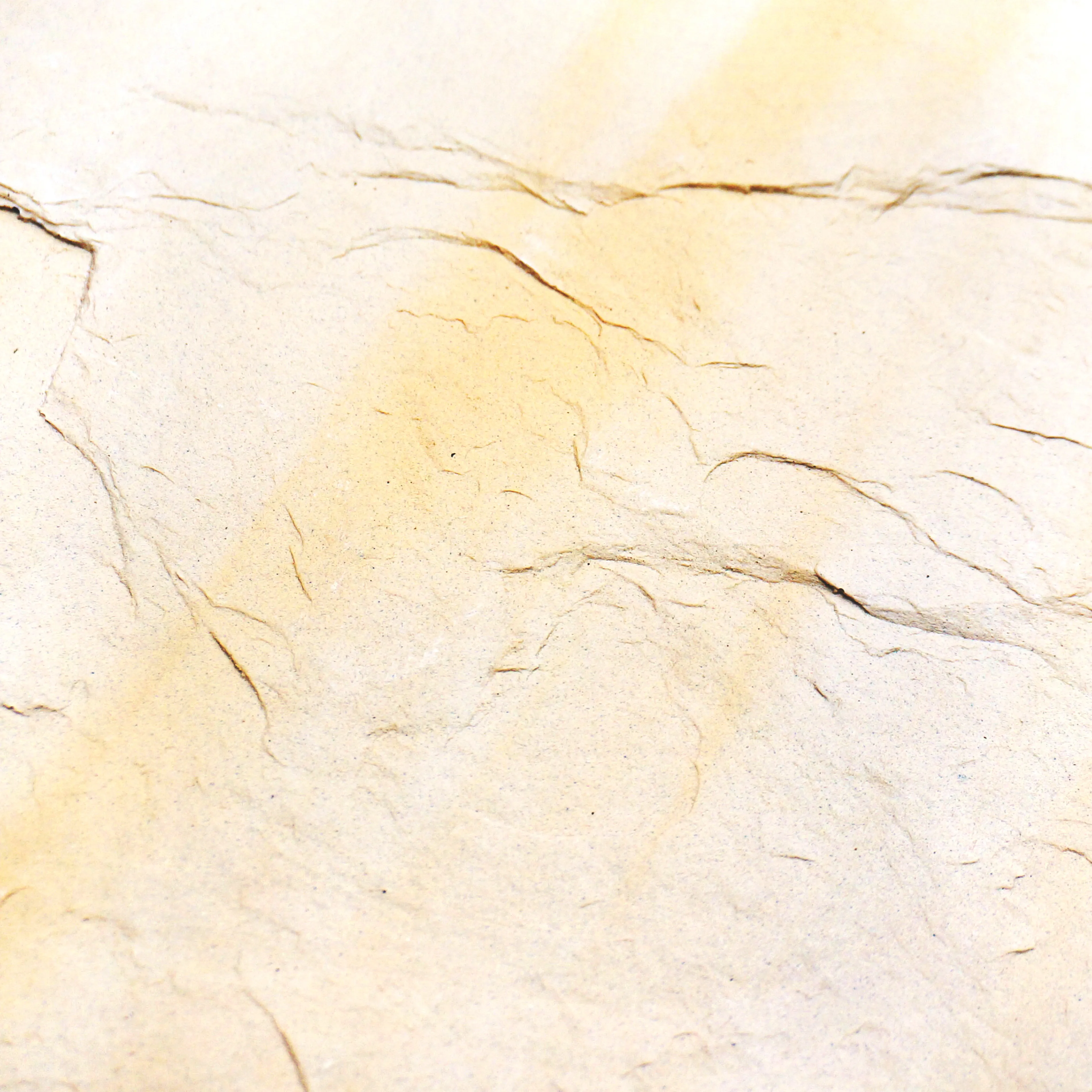
But Slate Sunnye isn't just about weight. It's engineered to mimic the texture and color variations of natural slate, from soft grays to deep charcoals, with subtle veining that adds depth. And because it's man-made, it offers consistency—no more worrying about uneven slabs or color mismatches. It's also highly customizable: panels can be cut into various sizes, shaped into curves, or even printed with patterns to match historic details. For architects and designers, this versatility is a dream—you can honor a building's past while infusing it with modern flair.
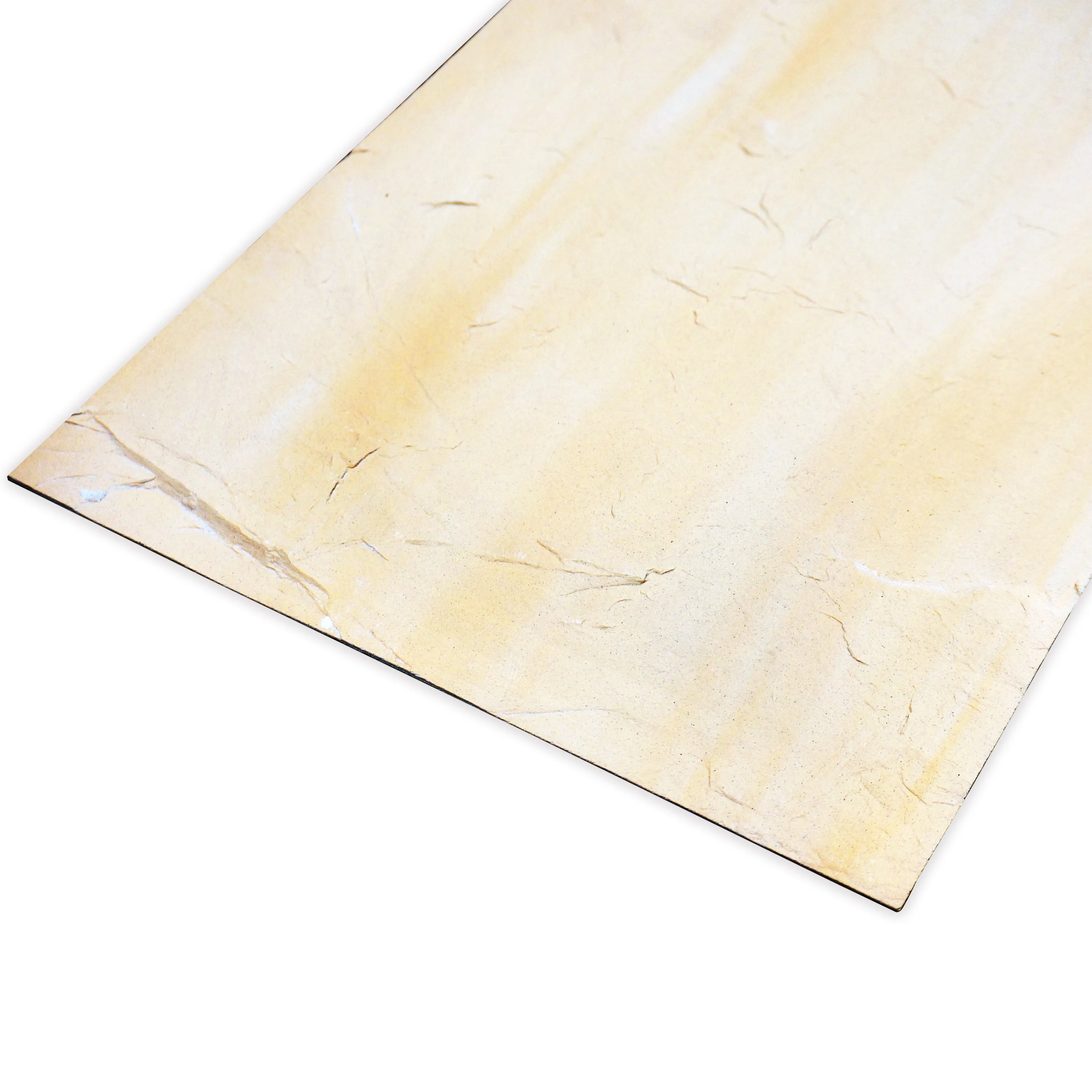
Let's talk numbers—because at the end of the day, renovation budgets matter. Slate Sunnye typically costs $15-$25 per square foot, including materials and installation. Compare that to natural slate, which can run $30-$50 per square foot, or high-end marble, which often exceeds $60. But the savings don't stop at installation. Slate Sunnye is low-maintenance: it resists stains, mold, and fading, so you won't need to repaint or seal it every few years. Natural stone, by contrast, requires regular sealing (usually every 1-3 years) and can chip or crack, leading to costly repairs. Over a 20-year lifespan, Slate Sunnye can save you 30-40% compared to traditional materials.
Old buildings need materials that can stand up to the same wear and tear that aged their original exteriors. Slate Sunnye delivers here, too. Its polymer reinforcement makes it resistant to impact—no more worrying about hailstorms or stray baseballs cracking the facade. It's also water-resistant: unlike porous brick or natural stone, it won't absorb rainwater, which means less risk of mold, mildew, or freeze-thaw damage (a common issue in colder climates). In fact, most manufacturers back Slate Sunnye with a 25-year warranty against fading, chipping, or delamination. For a building that's already decades old, that kind of longevity is priceless.
One of the biggest risks in old building renovations is overloading. Many historic structures were built with materials like brick and mortar that, while sturdy, weren't designed to support the weight of modern cladding. Slate Sunnye's lightweight design (remember, 8-10 pounds per square foot) eliminates this risk. It can be installed directly over existing surfaces—think old brick or concrete—without requiring structural reinforcements. This not only saves time (no need to tear out and replace framing) but also cuts down on labor costs. For example, a 2,000-square-foot facade renovation with Slate Sunnye might take a crew of 3-4 people just 3-4 days, compared to a week or more for natural stone.
These days, "green building" isn't just a trend—it's a requirement for many projects, especially in urban areas with strict sustainability codes. Slate Sunnye checks this box, too. Its production process uses recycled slate waste (from natural stone quarries) and low-VOC polymers, reducing its carbon footprint. Because it's lightweight, transportation emissions are lower than hauling heavy natural stone. And since it lasts decades with minimal maintenance, it reduces the need for frequent replacements—meaning less waste in landfills. For projects aiming for LEED certification or other green building standards, Slate Sunnye can contribute to credits for "sustainable materials" and "reduced environmental impact."
To truly understand Slate Sunnye's value, let's compare it to other materials commonly used in old building renovations. We'll focus on four popular options: MCM flexible stone, fair-faced concrete, wood grain board, and traditional natural slate. The table below breaks down cost, durability, installation ease, and aesthetic versatility—key factors for any renovation project.
| Material | Cost (per sq ft, installed) | Durability (1-5 scale, 5=best) | Installation Ease (1-5 scale, 5=easiest) | Aesthetic Versatility | Eco-Friendliness |
|---|---|---|---|---|---|
| Slate Sunnye | $15-$25 | 4.5 | 4 | High (slate textures, custom colors/patterns) | High (recycled materials, low VOCs) |
| MCM Flexible Stone | $20-$30 | 4 | 4.5 | Very High (mimics stone, wood, metal) | Medium (some recycled content, but higher VOCs) |
| Fair-Faced Concrete | $12-$18 | 5 | 2 | Low (limited color/texture options) | Medium (high embodied carbon, but durable) |
| Wood Grain Board | $10-$20 | 3 | 3.5 | Medium (wood tones, grain patterns) | Medium (depends on sourcing; may require treatments) |
| Natural Slate | $30-$50 | 5 | 1 | High (unique natural variations) | Low (high quarrying/transport emissions) |
As you can see, Slate Sunnye hits a sweet spot: it's more affordable than MCM flexible stone and natural slate, more durable than wood grain board, and easier to install than fair-faced concrete. Its aesthetic versatility—able to mimic not just slate but also weathered stone or even brick—makes it adaptable to a range of architectural styles, from Victorian to mid-century modern. For old building renovations, where matching historic details is often crucial, this flexibility is a huge advantage.
Numbers and specs are helpful, but nothing beats real-world examples. Let's dive into two renovation projects that used Slate Sunnye to transform old buildings—proving it's not just a theoretical solution, but a practical one.
In Chicago's Logan Square neighborhood, a 1927 apartment building was showing its age. The original limestone facade was cracking, and water had seeped into the walls, causing mold and rot. The owners wanted to preserve the building's historic character but needed a solution that wouldn't require replacing the entire facade (a project that would have cost upwards of $250,000). Enter Slate Sunnye.
The architects chose a custom "Weathered Gray" Slate Sunnye panel, printed with subtle veining to mimic the original limestone. Because the panels are lightweight, the crew installed them directly over the existing (stabilized) limestone, avoiding the need to tear out and rebuild the structure. The result? A facade that looks nearly identical to the original, but with modern durability. Total cost? $85,000—less than half the projected cost of natural stone replacement. Two years later, the owners report no cracks, no water issues, and even a 15% reduction in heating costs (thanks to the panels' insulating properties). "We thought we'd have to choose between keeping the building's charm and staying on budget," says the building manager. "Slate Sunnye let us do both."
A 1950s-era retail building in Austin's South Congress district had a different challenge: a boring, flat concrete facade that felt out of place among the area's vibrant, eclectic shops. The new owner wanted to attract customers with a "modern rustic" look but needed to work within a tight timeline (the lease for a new tenant started in 6 weeks). Slate Sunnye, paired with wood grain board accents, was the answer.
The design team opted for Slate Sunnye in "Rustic Charcoal" for the main facade, with wood grain board panels (in a warm oak finish) around the storefront windows. Installation took just 5 days, and the result was striking: the Slate Sunnye added texture and depth, while the wood grain board brought warmth. The tenant—a boutique coffee shop—reports that customers often comment on the "cozy, inviting" exterior. Best of all, the total material and labor cost was $32,000, well under the $50,000 budget. "We were worried we'd have to delay the opening," says the shop owner. "Slate Sunnye saved the day."
Like any material, Slate Sunnye works best when installed correctly—especially on old buildings with uneven surfaces. Here are a few pro tips to ensure your project goes smoothly:
At the end of the day, every renovation project is unique. But if your old building needs a facade upgrade, and you're prioritizing cost, durability, and aesthetics, Slate Sunnye is hard to beat. It's not just a material—it's a solution that addresses the specific challenges of old buildings: tight budgets, structural limitations, and the need to balance past and present.
Whether you're restoring a historic home, revamping a commercial space, or just looking to add curb appeal to an old property, Slate Sunnye offers something rare: a way to upgrade without compromise. It's durable enough to stand up to decades of wear, affordable enough to keep your budget intact, and versatile enough to match any style. And in a world where renovation projects often feel like a series of trade-offs, that's a win worth celebrating.
Old buildings deserve to be preserved—not just for their charm, but for the stories they tell and the character they bring to our neighborhoods. With Slate Sunnye, you can give these buildings a new lease on life without breaking the bank. It's a material that respects the past while embracing the future—and isn't that what renovation is all about? So the next time you're staring at a crumbling facade or a renovation budget that's spiraling, remember: there's a better way. Slate Sunnye is more than an upgrade; it's a smart investment in your building's future.
Recommend Products












