
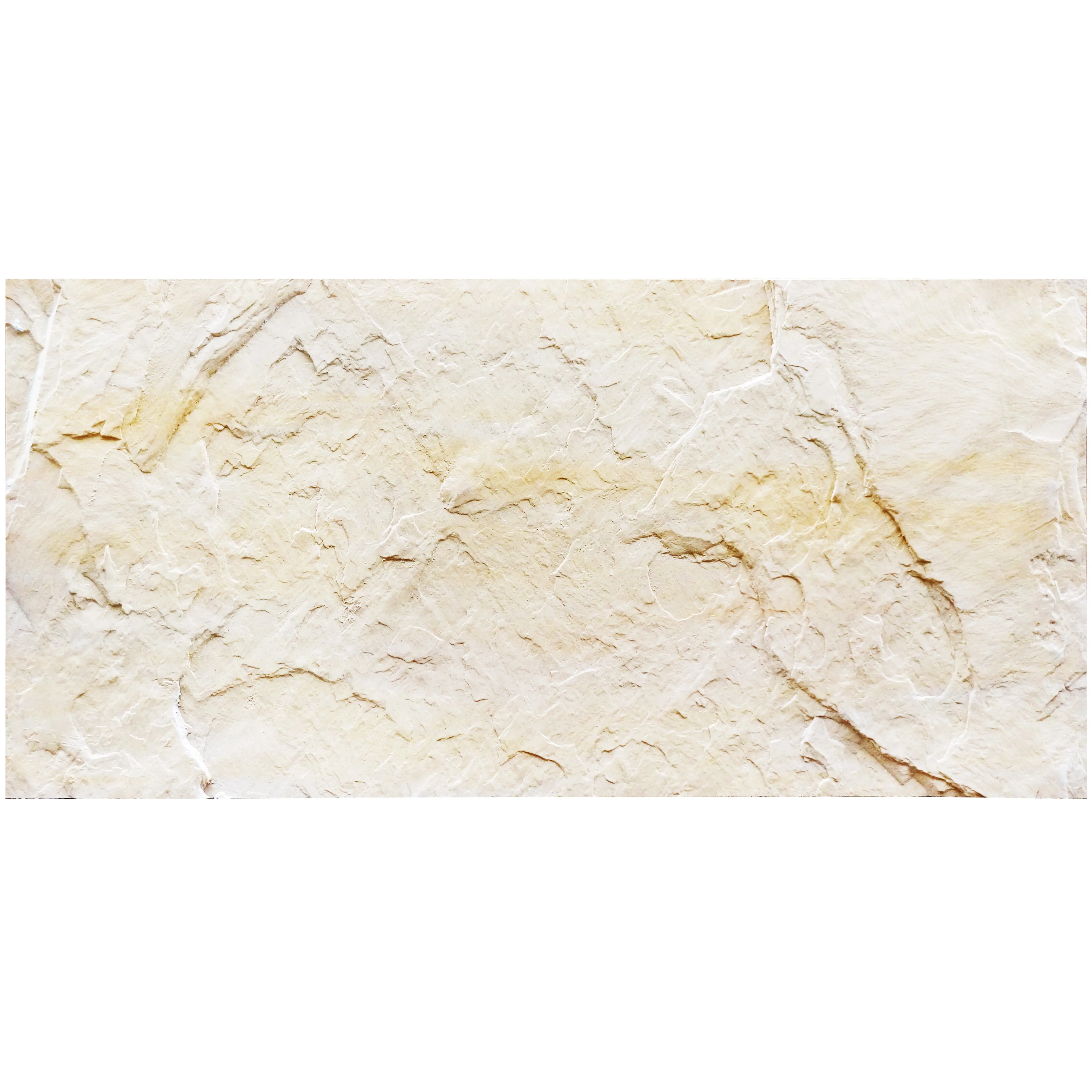
Home is more than just walls and a roof—it's a sanctuary where we start and end our days, where laughter echoes and quiet moments unfold. The materials that clothe these spaces shape not just how our homes look, but how they feel. Imagine stepping into a living room where the walls breathe with natural texture, where the floor invites bare feet to linger, and where every surface tells a story of intention. In recent years, homeowners and architects alike have shifted from cold, impersonal materials to ones that blend aesthetics with sustainability, and at the heart of this movement lies Slate Sunnye—a material that feels less like a product and more like a conversation starter. But it doesn't stand alone. When paired with complementary options like MCM flexible stone, fair-faced concrete, and Lunar Peak Silvery, it creates homes that are as kind to the planet as they are to the soul.
Gone are the days when home design prioritized flash over substance. Today, we crave spaces that reflect our values: spaces that are durable without being wasteful, beautiful without being trendy. This shift isn't just about "going green"—it's about creating homes that grow with us. A young family might dream of a kitchen that can withstand messy dinners and muddy boots; empty nesters might seek a bedroom that feels calm and timeless. The materials we choose become silent partners in these stories. They don't just fill space—they frame memories.
Architects and designers are leading this charge, swapping generic drywall and synthetic flooring for options that honor nature's complexity. "Clients used to ask, 'What's the cheapest?' or 'What's in style?'" says Maria Gonzalez, a residential designer with 15 years of experience. "Now, they ask, 'Where does this come from?' and 'How will it feel when my kids run their hands over it?' That's a game-changer." It's this focus on experience that makes materials like Slate Sunnye and travertine so compelling—they're not just surfaces, but sensory experiences.
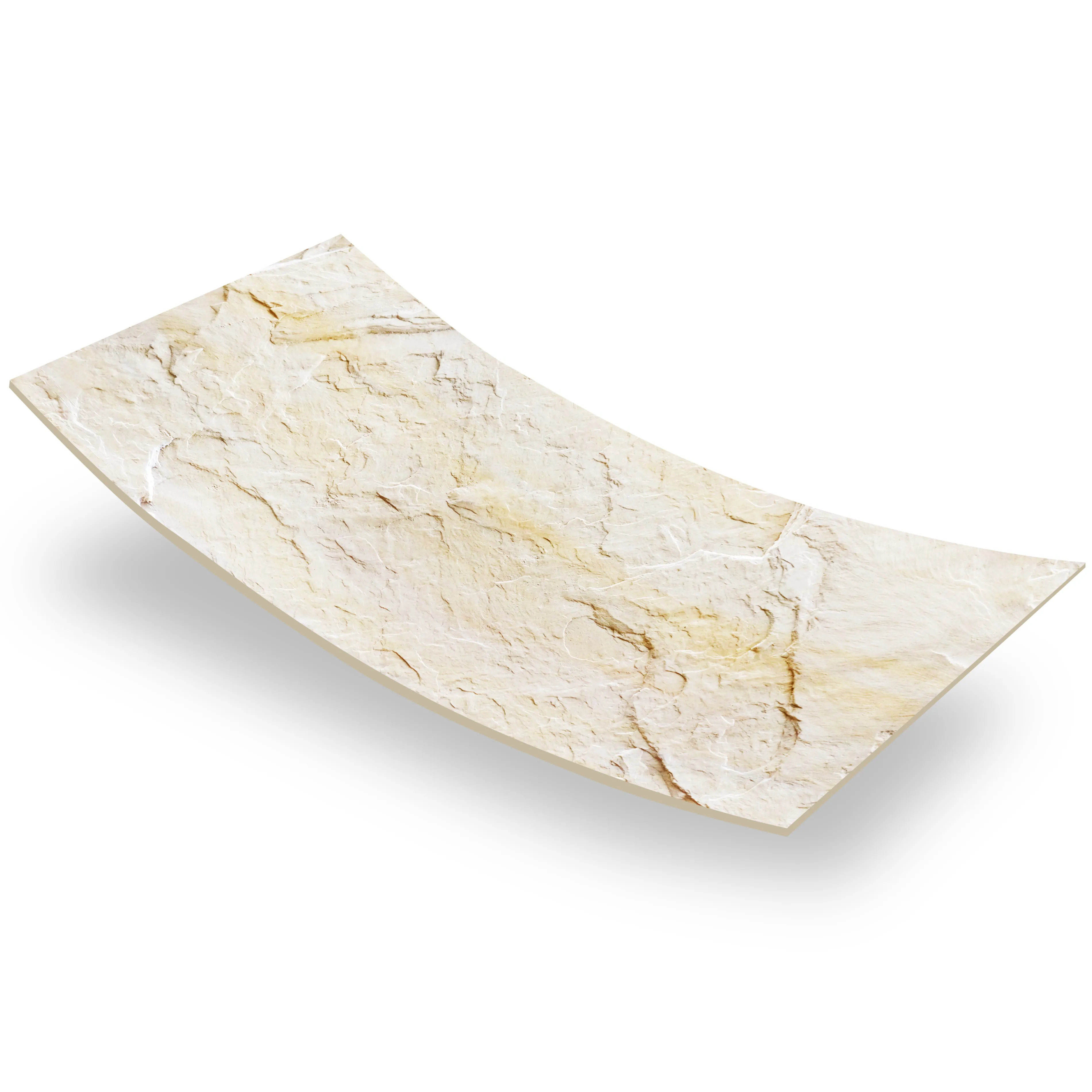
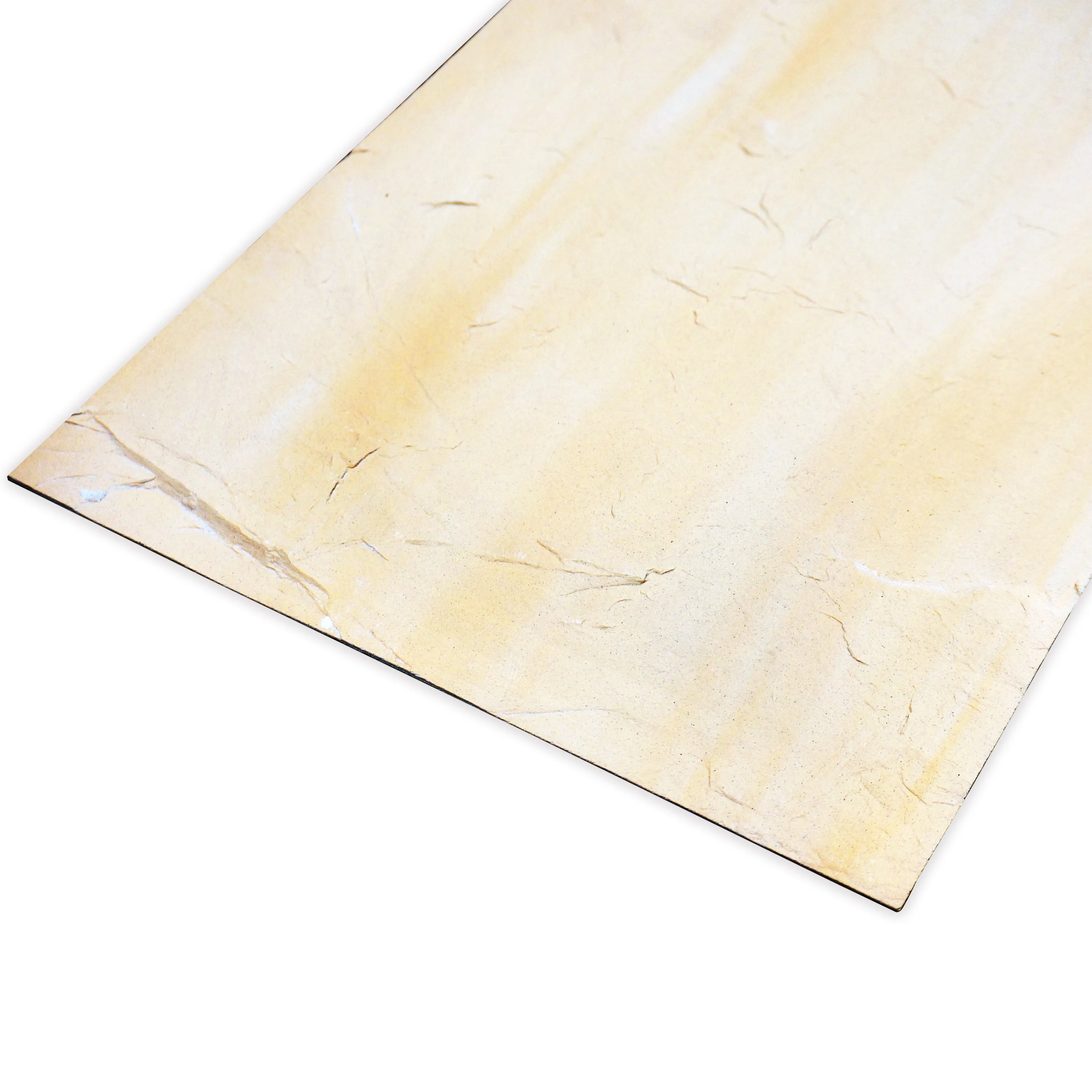
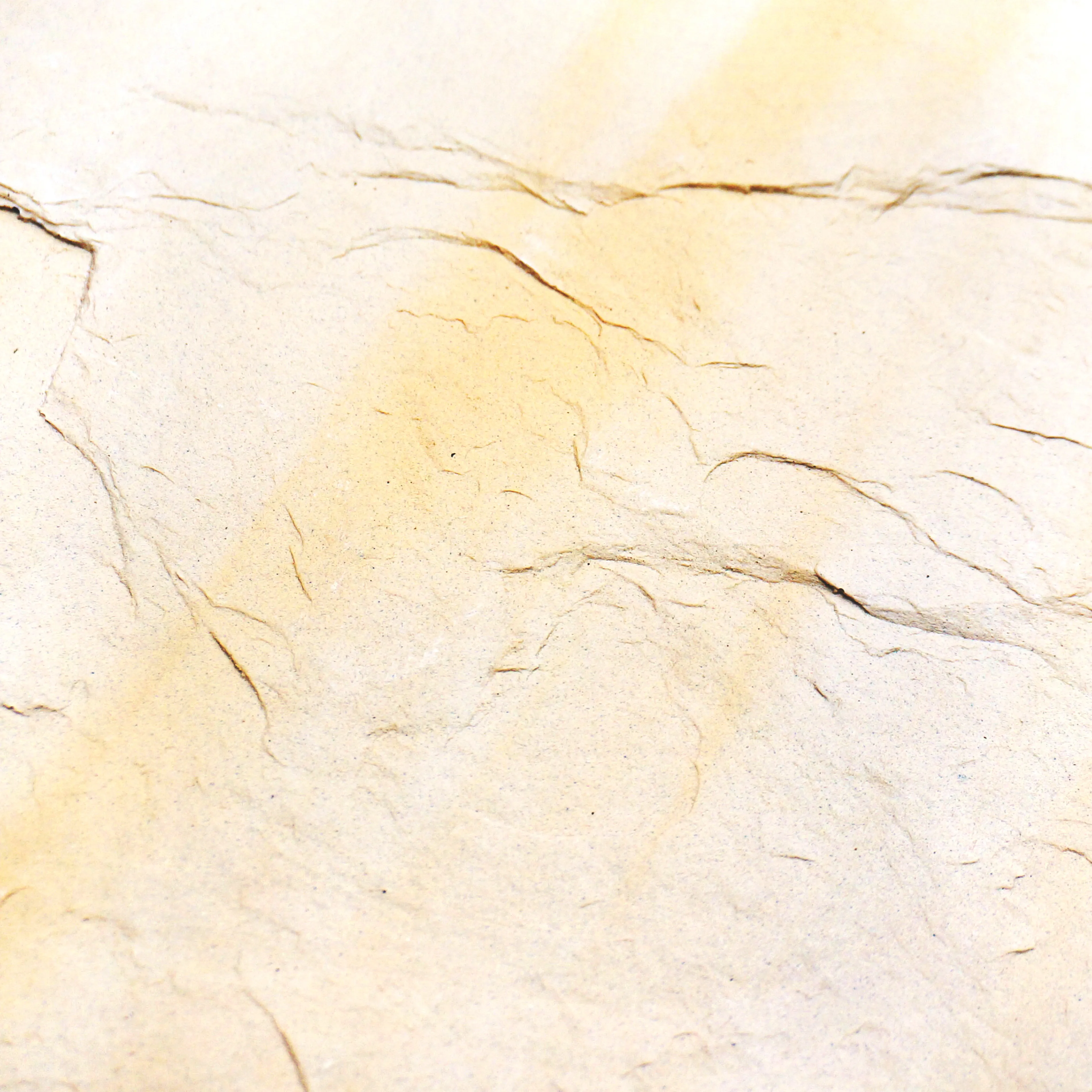
Slate Sunnye isn't your average stone. Quarried from regions known for their sustainable mining practices, it carries the earthy warmth of traditional slate but with a lighter, airier quality that feels uniquely modern. Its color—think soft golden-gray with hints of amber—shifts with the light: warm and honeyed in the morning, cool and silvery as the sun dips low. Run your hand over it, and you'll notice subtle ridges and valleys, the result of natural weathering that no machine could replicate. It's a material that doesn't hide its age; instead, it wears it proudly, like a well-loved book with dog-eared pages.
What truly sets Slate Sunnye apart, though, is its commitment to sustainability. Unlike synthetic materials that rely on harsh chemicals and energy-heavy production, Slate Sunnye is processed with minimal intervention. The quarries use water recycling systems, and leftover stone is repurposed into smaller tiles or landscaping materials, leaving almost no waste behind. "It's one of the few materials where 'green' doesn't mean sacrificing beauty," notes environmental engineer James Chen. "Its natural durability means it rarely needs replacement, which is the ultimate form of sustainability."
But perhaps its greatest strength is versatility. Slate Sunnye works as a feature wall in a minimalist living room, adding depth without overwhelming the space. It shines as a backsplash in a kitchen, where its non-porous surface resists stains and heat. And in outdoor spaces—like a patio or pool deck—it stands up to rain, snow, and UV rays without fading. "I used it in a client's mudroom last year," says Gonzalez. "They have two golden retrievers, and that floor has seen everything from wet paws to spilled coffee. A year later, it still looks brand new—and it still feels warm, not cold like tile. That's the magic of it."
Great design is about balance, and Slate Sunnye plays well with others. Pairing it with the right materials can elevate a space from "nice" to "unforgettable." Below are a few standout options that complement its warmth and texture, each bringing its own personality to the mix:
| Material | Key Traits | Best For | Sustainability Edge |
|---|---|---|---|
| MCM Flexible Stone | Lightweight, adaptable, with a range of textures (from smooth to rough-hewn) | Accent walls, furniture panels, or curved surfaces (it bends without cracking!) | Made from recycled stone particles and low-VOC binders; reduces transportation emissions due to light weight |
| Fair-Faced Concrete | Raw, industrial-chic, with subtle variations in color and texture | Fireplaces, countertops, or exterior facades for a modern, grounded look | Uses locally sourced aggregates; can incorporate recycled materials like fly ash |
| Lunar Peak Silvery | Sleek, metallic sheen with a matte finish; cool-toned but not sterile | Light fixtures, backsplashes, or accent trim in contemporary spaces | Low-energy production process; 100% recyclable at end of life |
| Travertine | Warm, porous, with natural pits and veins; available in soft beiges, golds, and terracottas | Flooring, bathroom walls, or outdoor patios (its slip-resistant surface is a plus!) | Quarried using traditional methods with minimal machinery; biodegradable if ever replaced |
Take, for example, a bathroom renovation using Slate Sunnye and travertine. The shower walls, clad in Slate Sunnye, bring a cool, grounding energy, while the travertine floor adds warmth underfoot. A vanity topped with fair-faced concrete ties the two together, its raw texture balancing the stone's smoothness. "It's like a spa, but it feels like home," says Sarah, a homeowner who recently completed this project. "I didn't want it to feel like a hotel—I wanted it to feel like mine . The materials made that possible."
Mark and Lisa, a couple in their 40s, wanted a home that felt calm but not cold. Their 1,800-square-foot bungalow in Portland, Oregon, now features Slate Sunnye on the living room accent wall, paired with fair-faced concrete floors and Lunar Peak Silvery light fixtures. "We used to live in a house with white walls and carpet, and it always felt like we were walking on eggshells," Lisa says. "Now, the Slate Sunnye wall has a scratch from where our dog jumped up to greet us, and the concrete floor has a coffee stain from our morning rush. But instead of feeling messy, it feels lived-in. It's like the house is keeping score of our life, and that's beautiful."
Their kitchen, too, leans into this ethos: Slate Sunnye backsplash, fair-faced concrete countertops, and open shelving made from reclaimed wood. "We cook a lot, and this space doesn't fight us," Mark adds. "The stone doesn't stain, the concrete doesn't chip, and it all looks better with age. It's not perfect—and that's the point."
In upstate New York, a family of five transformed a 1920s barn into a home that honors its past while embracing modern sustainability. The main bedroom features a Slate Sunnye headboard wall, flanked by travertine nightstands and MCM flexible stone paneling on the ceiling. "The barn had so much character, but the original walls were drafty and uneven," says Tom, the homeowner. "MCM flexible stone was a game-changer—it conformed to the barn's wonky ceiling lines, so we didn't have to tear anything down. And the travertine? It's like bringing the outdoors in. Our kids love sitting on the nightstands to read—they say it feels like sitting on a rock by the creek."
The outdoor patio, too, uses Slate Sunnye pavers, which have held up to harsh winters and summer barbecues. "Last year, we had a snowstorm that dumped two feet of snow," Tom laughs. "I was sure the pavers would crack, but they didn't. They just looked like they belonged there, like they'd been part of the landscape forever."
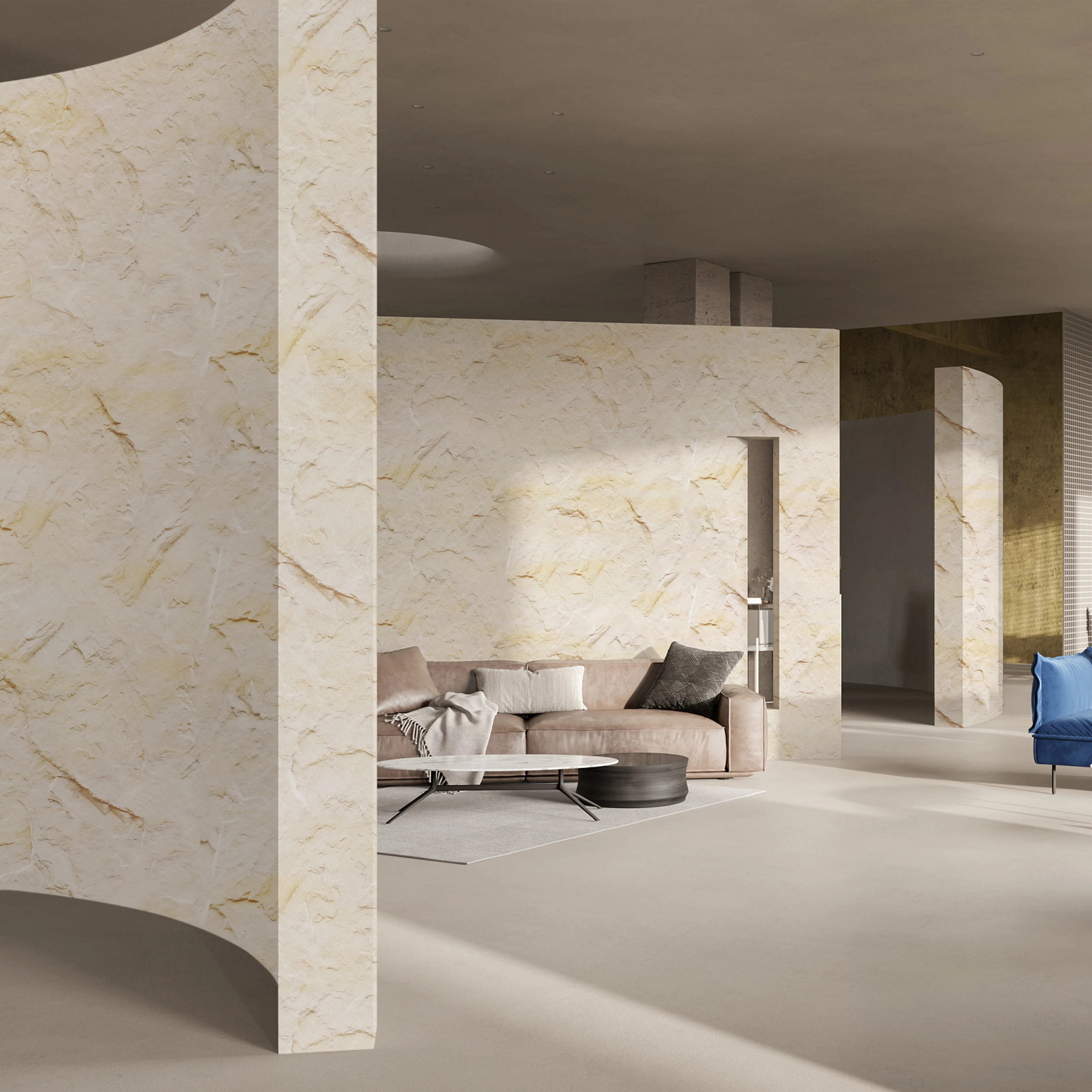
It's easy to talk about materials in terms of durability and sustainability, but their greatest power lies in how they make us feel. Think about the last time you walked into a room and immediately felt at ease. Chances are, natural textures played a role. Slate Sunnye's subtle warmth, travertine's organic pits, MCM flexible stone's adaptability—these aren't just design choices; they're emotional ones.
"I had a client who was grieving the loss of her mother," Gonzalez recalls. "She wanted her bedroom to feel like a hug. We used Slate Sunnye on the walls and travertine on the floor, and she told me later that on hard days, she'd sit on the floor and run her hand over the travertine. 'It feels like Mom's hands,' she said. 'Rough in spots, but so warm.' That's the power of these materials—they become vessels for memory."
Even in public spaces, natural materials have this effect. A coffee shop with MCM flexible stone walls feels cozier than one with painted drywall; a hotel lobby with Lunar Peak Silvery accents feels more welcoming than one with chrome. "There's a reason we're drawn to stone and wood and concrete," Chen adds. "They're reminders of the world outside our screens. In a time when everything feels digital and ephemeral, these materials are real . They anchor us."
Sustainability isn't just a buzzword—it's a responsibility. The construction industry is one of the largest contributors to carbon emissions, but choosing green materials can significantly reduce a home's environmental footprint. Slate Sunnye, for example, requires minimal processing compared to synthetic alternatives, and its longevity means less waste over time. MCM flexible stone, made from recycled stone particles, diverts waste from landfills. Fair-faced concrete, when sourced locally, cuts down on transportation emissions.
But the benefits go beyond the planet. Green materials often translate to healthier homes. Many synthetic materials off-gas volatile organic compounds (VOCs), which can cause headaches, allergies, and long-term health issues. Natural materials like Slate Sunnye and travertine are low-VOC, making them safer for families with kids, pets, or respiratory conditions. "We had a client with asthma who could barely breathe in her old home," Gonzalez says. "After we renovated with Slate Sunnye and MCM flexible stone, her symptoms improved dramatically. That's not just sustainable design—that's life-changing."
And let's not forget the financial benefits. While green materials may have a higher upfront cost, their durability means lower maintenance and replacement costs over time. A Slate Sunnye backsplash might cost more than ceramic tile initially, but it won't crack, fade, or need replacing in 10 years. "It's an investment in your future self," Tom says. "We spent more on materials, but we won't have to redo the kitchen in five years. And when we sell, buyers will notice the quality."
Slate Sunnye isn't just a material—it's a symbol of how we're reimagining home. When paired with MCM flexible stone, fair-faced concrete, travertine, and Lunar Peak Silvery, it creates spaces that are sustainable, beautiful, and deeply human. These aren't just homes—they're living, breathing testaments to the idea that design can be both intentional and kind.
So the next time you walk through your home, take a moment to notice the materials around you. Do they feel like they belong? Do they tell your story? If not, maybe it's time to start a new chapter—one where your walls are as warm as your memories, and your floors are as resilient as your dreams. After all, home isn't just where the heart is—it's where the materials meet the soul.
Recommend Products












