
Walk into any well-designed home, and you'll notice that the most beloved spaces—bathrooms and kitchens—are more than just functional. They're sanctuaries where we start our mornings, unwind after long days, and gather with loved ones. But in these high-moisture zones, the walls take a beating: steam from showers, splashes from sinks, heat from stovetops, and the occasional grease splatter. Choosing a wall material that can handle the chaos while still looking stunning? That's the real challenge. Enter Slate Sunnye—a material that's been quietly revolutionizing wet-area design with its rare blend of durability, texture, and warm elegance. Let's dive into why this slate variant is becoming the go-to choice for homeowners and designers alike, and how it transforms bathrooms and kitchens from ordinary to unforgettable.
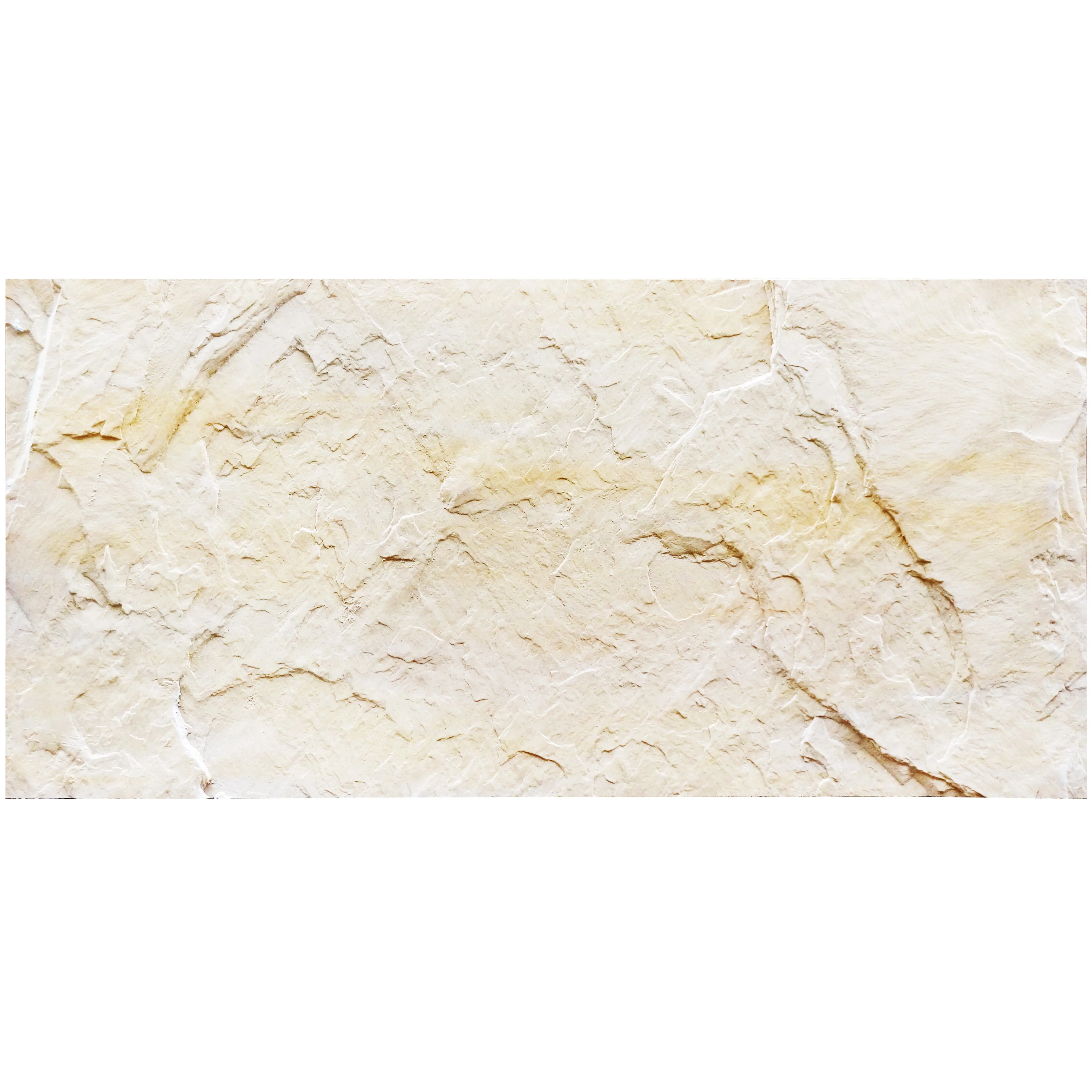
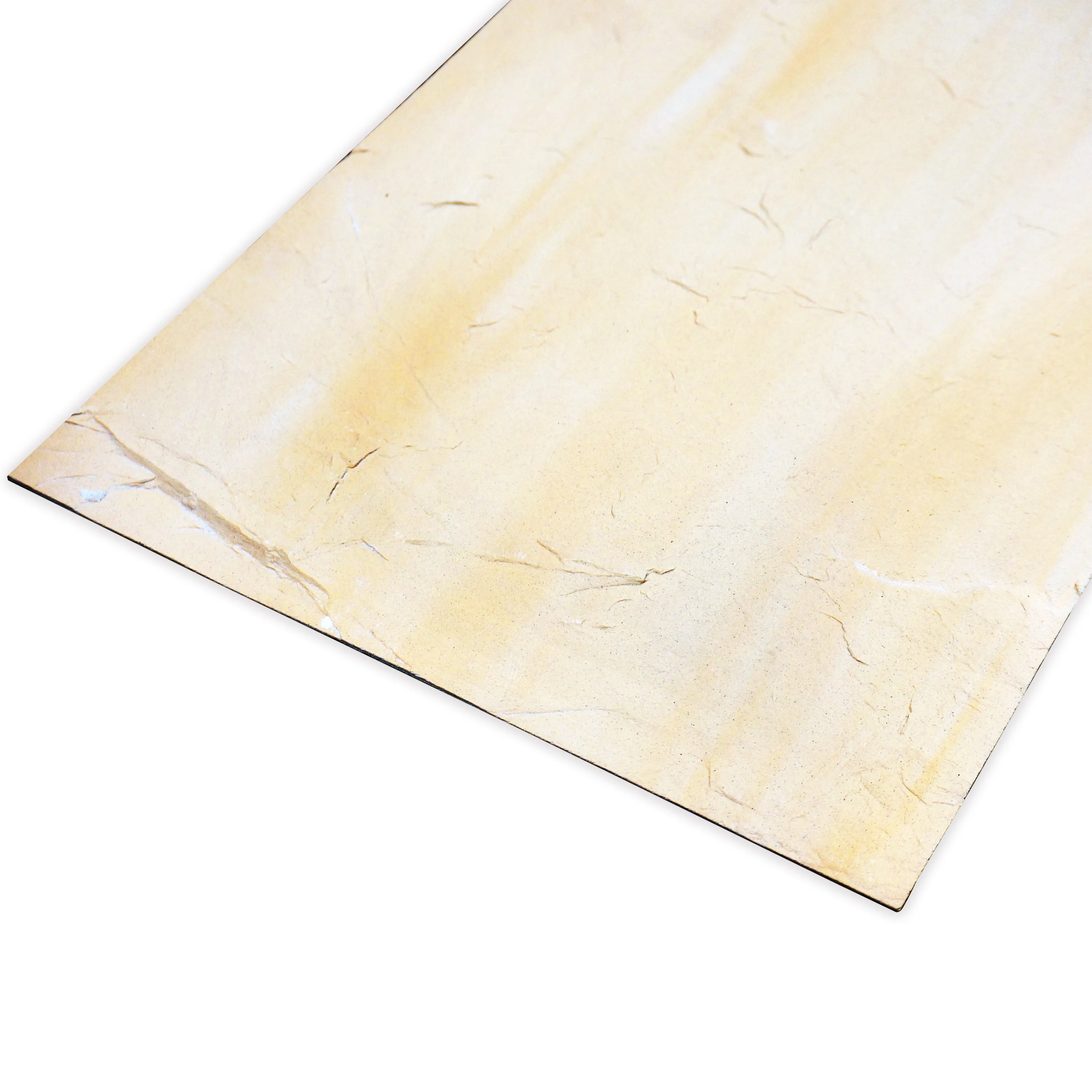
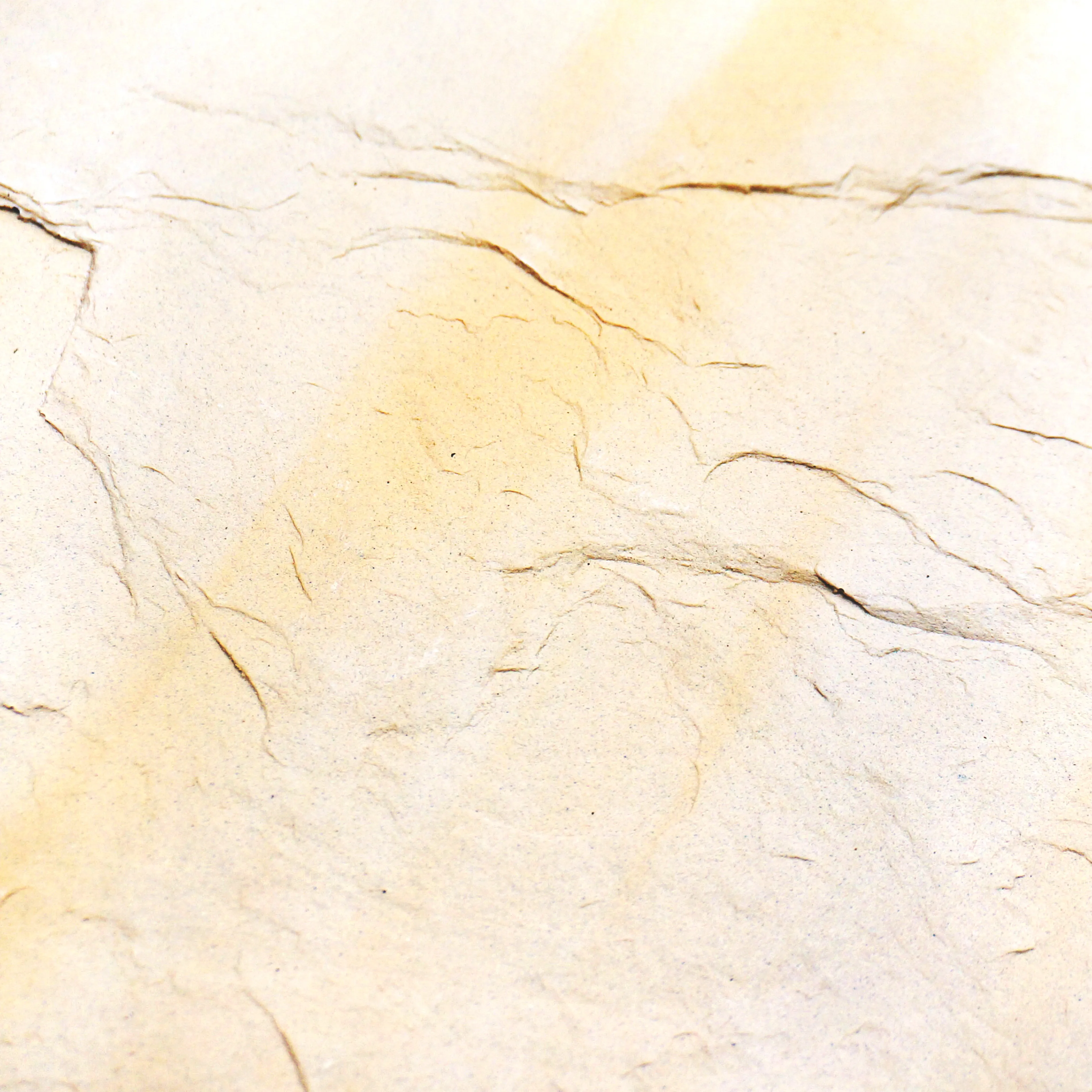
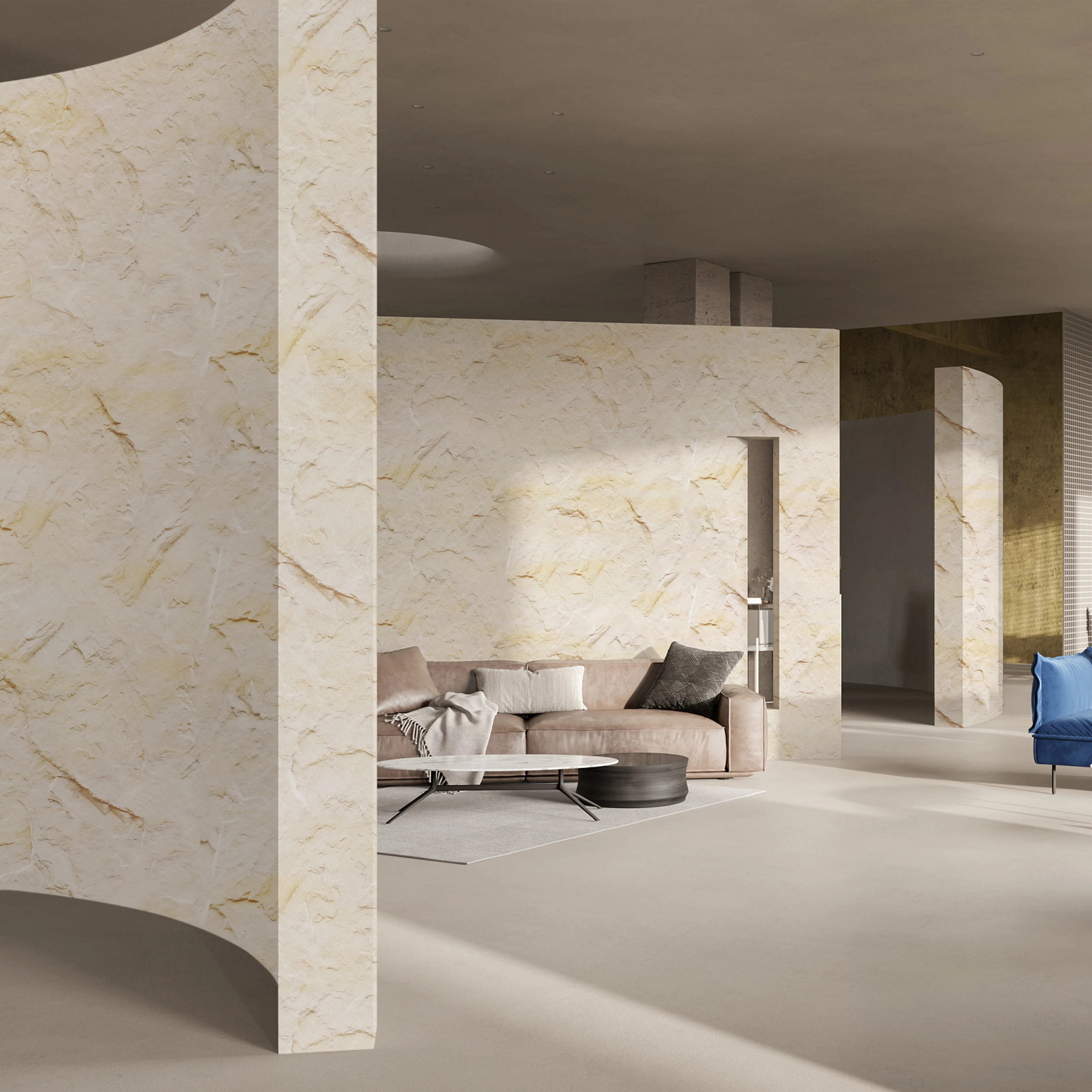
First things first: Let's get to know Slate Sunnye. Unlike the cool, gray slates you might picture, Sunnye is a departure from the ordinary. Quarried from select regions known for their mineral-rich soil, this stone carries a unique "sunlit" quality—think warm beige undertones swirled with soft grays and hints of amber, like sunlight filtering through morning mist. Its surface is slightly textured, not glossy, with natural veining that tells a story of millions of years of geological formation. What sets it apart from other slates? Its density. While traditional slate can be porous, Slate Sunnye is denser, thanks to a slower cooling process during formation, making it naturally more resistant to water and stains. It's not just a stone; it's a piece of Earth's art, polished (but not overly so) to bring the outdoors in.
You might be wondering, "Why 'Sunnye'?" The name itself hints at its aesthetic appeal. Unlike darker slates that can feel heavy, this variant leans into warmth. It doesn't just cover walls—it illuminates them, reflecting light gently to make small spaces feel larger and large rooms feel cozier. It's versatile, too: pair it with crisp whites for a modern look, or with rich woods for a rustic vibe, and it adapts effortlessly. But enough about looks—let's talk about why it's a workhorse for wet areas.
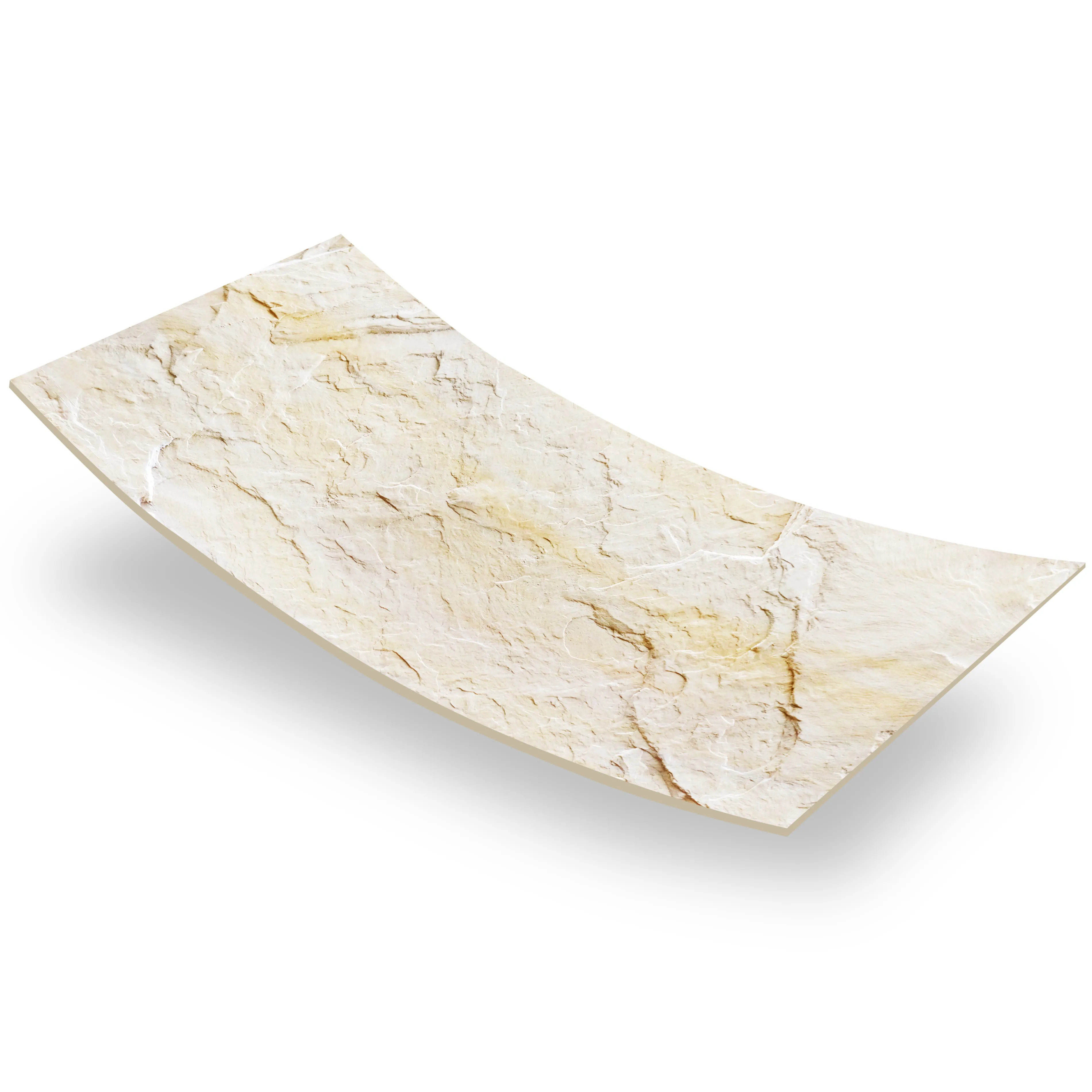
Wet areas demand three non-negotiables: durability , water resistance , and easy maintenance . Slate Sunnye checks all three boxes, and then some. Let's break it down:
Bathrooms and kitchens are high-traffic zones, and their walls need to handle more than just moisture. In the bathroom, there's constant steam from hot showers; in the kitchen, heat from ovens and occasional impacts from pots and pans. Slate Sunnye, being a natural stone, is inherently tough. It resists chipping, scratching, and heat, so you won't have to worry about unsightly marks from a wayward spatula or a dropped shampoo bottle. Unlike ceramic tiles, which can crack if something heavy hits them, Slate Sunnye holds its ground—literally.
Here's where density matters. Porous materials like travertine or standard marble absorb water, leading to mold, mildew, or staining over time. Slate Sunnye, with its tight grain structure, repels water more effectively. When properly sealed (more on that later), it becomes nearly impervious to moisture, making it ideal for shower walls, backsplashes, or even full bathroom feature walls. Compare that to fair-faced concrete, another popular industrial-chic option: while fair-faced concrete has its own raw appeal, it's prone to water seepage if not sealed meticulously, and its uniform gray can feel cold in a bathroom. Slate Sunnye, by contrast, offers both protection and personality.
Okay, walls aren't floors, but hear us out: in bathrooms, especially, shower walls can get slippery with soap scum. Slate Sunnye's textured surface provides just enough grip to prevent water from pooling, making it safer to clean (no more sliding sponges!) and reducing the risk of mold buildup in crevices. It's a small detail, but one that adds up to a more practical, low-stress space.
Let's not forget the "why" behind design: beauty. Slate Sunnye isn't just functional—it's a statement. Its warm, earthy tones complement nearly every color palette: soft pastels in a cottage bathroom, bold blacks in a modern kitchen, or natural woods in a Scandinavian-inspired space. Unlike wood grain board, which can warp in high humidity, Slate Sunnye maintains its shape and color, ensuring your walls look as good in 10 years as they did on day one. And because each slab is unique, no two installations are the same—your home gets a one-of-a-kind look without the one-of-a-kind price tag of rare marbles.
Bathrooms are personal spaces—they should feel like a retreat, not a utility room. Slate Sunnye elevates bathroom walls in ways few materials can, whether you're going for a luxurious spa vibe or a cozy cabin feel. Let's explore the best spots to use it:
Imagine stepping into a shower wrapped in Slate Sunnye. The steam rises, and the stone's warm tones glow softly under recessed lighting, making early mornings feel less like a chore and more like a mini-vacation. Unlike glass shower surrounds (which show every water spot) or ceramic tiles (which can feel cold and clinical), Slate Sunnye adds depth and texture. Pro tip: Pair it with a rainfall showerhead and wooden bath accessories for a nature-inspired oasis. And because it's resistant to mold, you won't have to scrub grout lines as often—win-win.
Even if you don't cover the entire bathroom in Slate Sunnye, a well-placed backsplash behind the vanity or an accent wall behind the tub can transform the room. For a minimalist look, use large-format Slate Sunnye slabs with minimal grout lines; for a more rustic feel, mix in smaller, irregularly shaped pieces. One designer we spoke to recently used Slate Sunnye as a vanity backsplash paired with a wood grain board countertop— the combination of stone and wood brought warmth and balance to a small, windowless bathroom. "It felt like bringing the forest inside," they said. "The client now spends 10 extra minutes in there every morning—just because it feels good."
Wet rooms—where the shower is open to the rest of the bathroom—are trendy but demanding. Every wall surface is exposed to constant moisture, so the material must be bulletproof. Slate Sunnye thrives here. Its density and natural water resistance mean you can skip the extra waterproofing membranes (though we still recommend a good sealant), and its slip-resistant surface adds safety. Plus, with no shower curtain or door to break up the space, the stone's veining becomes a focal point, turning the entire room into a work of art.
Kitchens are the heart of the home, but they're also war zones. Grease splatters from frying pans, tomato sauce splashes from simmering pots, and steam from boiling water—your walls take a beating. Slate Sunnye isn't just pretty here; it's a practical choice that keeps up with your culinary adventures.
A kitchen backsplash needs to be heat-resistant, stain-resistant, and easy to wipe clean. Slate Sunnye nails all three. Unlike travertine, which is porous and prone to absorbing oil, Slate Sunnye's dense surface repels stains. Spilled red wine? Wipe it up with a damp cloth. Grease from the grill? A little soapy water does the trick. And because it's not glossy, it hides minor imperfections—no more staring at every fingerprint or water spot. One homeowner we interviewed replaced their old ceramic tile backsplash with Slate Sunnye and said, "I used to dread cleaning the kitchen walls; now I barely notice the splatters. Plus, it makes the whole room feel warmer—even when I'm burning toast."
For those who love drama, covering an entire kitchen wall in Slate Sunnye is a game-changer. It works especially well in open-concept kitchens, where the wall connects to the living or dining area. The stone's natural veining creates a seamless transition between spaces, while its warm tones keep the kitchen from feeling too sterile. Pair it with white cabinetry and brass hardware for a modern look, or with dark wood cabinets for a moody, sophisticated vibe. And if you're worried about it clashing with appliances? Fear not—Slate Sunnye complements stainless steel, black, and even retro-colored fridges with ease.
Not ready for full walls? Use Slate Sunnye under upper cabinets to add a pop of texture without overwhelming the space. This is a great way to introduce the stone if you're on the fence—plus, it protects the wall from water and heat when you're reaching for items on the counter. We've seen designers pair this with MCM flexible stone on the opposite wall for a cohesive, layered look. MCM flexible stone, with its thin, lightweight design, complements Slate Sunnye's solidity, creating a balanced aesthetic that's both modern and organic.
Still not sure if Slate Sunnye is right for you? Let's see how it compares to other popular wet-area materials. We've broken down the key factors—water resistance, maintenance, aesthetics, and cost—to help you decide:
| Material | Water Resistance | Maintenance | Aesthetics | Cost (Relative) |
|---|---|---|---|---|
| Slate Sunnye | High (dense, low porosity) | Low (seal once every 2-3 years; wipe clean with soap and water) | Warm, earthy tones with natural veining; textured surface | Moderate (more than ceramic tile, less than rare marble) |
| Travertine | Low (porous; requires frequent sealing) | High (seal every 6-12 months; prone to staining) | Classic, creamy with holes; elegant but delicate | Moderate to High |
| Fair-faced Concrete | Medium (needs sealing; can develop cracks over time) | Medium (seal annually; stains can be hard to remove) | Industrial, uniform gray; modern but cold | Low to Moderate |
| Wood Grain Board | Low (prone to warping in high humidity) | High (needs regular oiling; avoid direct water contact) | Warm, natural wood look; cozy but not ideal for wet areas | Moderate |
As you can see, Slate Sunnye strikes a sweet spot between durability, beauty, and practicality. It's not the cheapest option, but its longevity and low maintenance make it a smart investment in the long run.
Slate Sunnye is a natural stone, so installation requires a bit of care—but don't let that scare you. With the right prep and a professional installer, it's a straightforward process. Here's what you need to know:
Pro tip: Hire a installer experienced with natural stone. They'll know how to handle the slabs (which can be heavy!) and ensure the finished look is smooth and even. A little extra investment in labor now will save you headaches later.
The best part about Slate Sunnye? It's low-maintenance—no special cleaners or daily rituals required. Here's how to keep it shining:
Stick to mild dish soap and warm water. Avoid harsh chemicals like bleach, ammonia, or vinegar, which can strip the sealant and damage the stone's surface. A soft sponge or microfiber cloth works best—abrasive scrubbers can scratch the texture.
Act fast! Blot spills (don't rub) with a clean cloth. For stubborn stains, make a paste of baking soda and water, apply it to the stain, and let it sit for 10-15 minutes before wiping it off. This gentle abrasive should lift most stains without harming the stone.
Seal Slate Sunnye every 2-3 years in wet areas (like showers) and every 3-5 years in drier spots (like kitchen backsplashes). To check if it's time to reseal, pour a small amount of water on the surface—if it beads up, the seal is still good; if it soaks in, it's time for a fresh coat.
At the end of the day, choosing wall materials for wet areas is about more than function—it's about creating a mood. Bathrooms should feel like sanctuaries, kitchens like gathering places, and Slate Sunnye has a unique ability to set the tone. Its warm, sunlit tones make spaces feel inviting, while its durability ensures they stay beautiful for years to come. Whether you're renovating a tiny apartment bathroom or building a dream kitchen, Slate Sunnye isn't just a choice—it's an investment in comfort, style, and peace of mind.
So, the next time you're standing in a bathroom or kitchen, staring at blank walls and wondering what to do with them, think of Slate Sunnye. It's not just stone—it's a story, a texture, a feeling. And in the spaces where life happens most, that's priceless.
Recommend Products












