
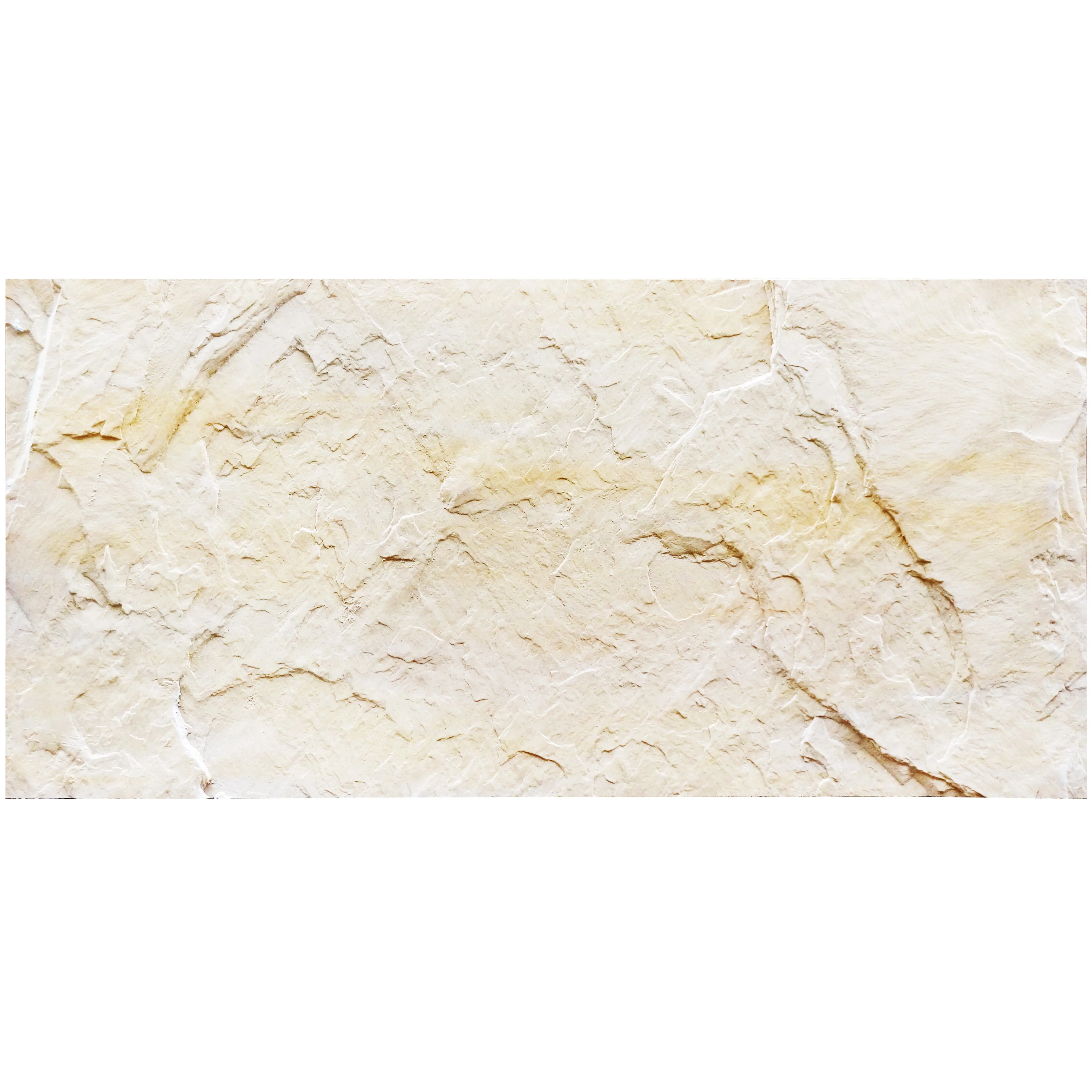
There's something undeniably magical about coastal living. Waking up to the sound of waves crashing, stepping outside to feel the breeze carry the scent of salt, and watching sunsets paint the sky in hues of pink and gold over the ocean—these are the moments that make coastal homes dream destinations. But for anyone who's ever owned or designed a home near the shore, there's a less romantic side to this idyll: the unforgiving nature of the coastal environment. Saltwater spray, relentless humidity, and harsh UV rays can turn even the most beautiful building materials into worn, weathered versions of their former selves. That's where Slate Sunnye comes in—a material that doesn't just withstand the coastal elements, but thrives in them, letting homeowners hold onto that ocean view without sacrificing durability or beauty.
Coastal homes face a unique set of challenges that inland properties rarely encounter. Let's start with saltwater: it's not just the occasional splash from high tide. Wind-driven salt spray can travel miles inland, coating everything in a fine, corrosive mist. Those salt crystals? They're tiny but destructive, penetrating porous materials, breaking down binders, and causing cracks, pitting, and discoloration over time. Then there's humidity—coastal air is thick with moisture, especially in summer or during stormy seasons. This isn't just uncomfortable for humans; it's a breeding ground for mold, mildew, and rot, which can eat away at wood, warp drywall, and even compromise structural integrity.
Traditional materials often struggle here. Natural wood, beloved for its warmth, can rot within years if not constantly sealed. Concrete, while tough, is surprisingly porous; saltwater seeps in, reacts with the cement paste, and leads to "concrete cancer," where the material spalls and flakes off. Even metals, like steel or iron, fall victim to rust, turning from sleek accents to corroded eyesores. And let's not forget aesthetics: many coastal homeowners want their homes to blend with the natural landscape—think earthy tones, organic textures, the look of stone or driftwood—but finding materials that offer that beauty and stand up to the elements has long been a headache for architects and homeowners alike.
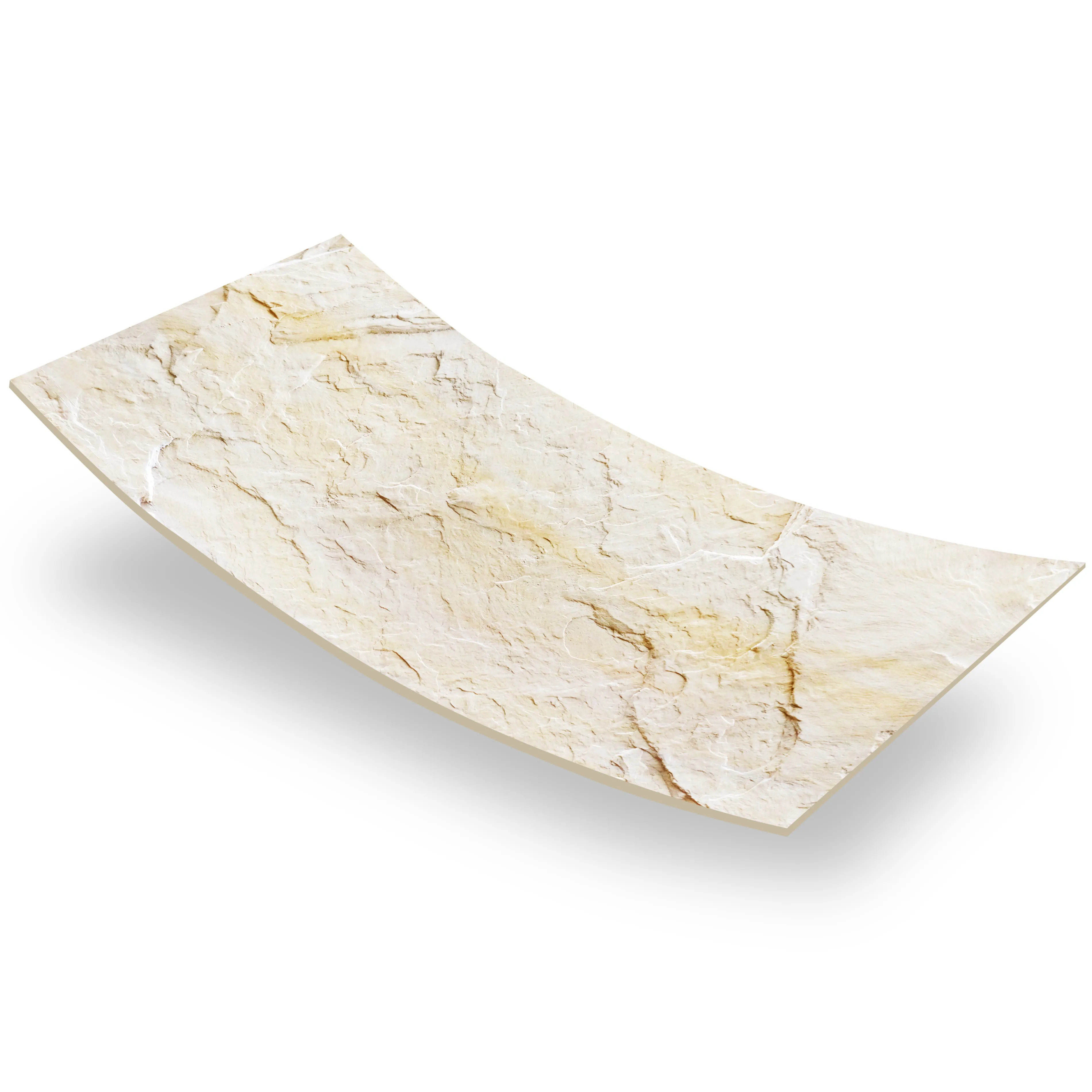
So what exactly is Slate Sunnye? At first glance, it might remind you of a high-quality natural slate—rich in color, with subtle veining and a texture that feels both rugged and refined. But unlike traditional slate, which can be brittle or porous, Slate Sunnye is engineered with coastal challenges in mind. It's part of a new generation of building materials that marry the best of natural aesthetics with modern durability, designed to meet the demands of environments where "good enough" just isn't enough.
Visually, Slate Sunnye leans into the organic. Its color palette is inspired by the coast itself: soft grays that echo storm clouds, warm beiges that mirror sandy beaches, and hints of blue-green that nod to shallow ocean waters. The surface texture is slightly matte, with gentle variations that catch the light, avoiding the overly uniform look of some synthetic materials. It's the kind of material that makes a home feel grounded, as if it's been part of the landscape for decades, even when it's brand new.
But the real magic is in what you can't see: the engineering that makes Slate Sunnye a coastal champion. Let's break down how it stands up to the two biggest foes of coastal homes: saltwater and humidity.
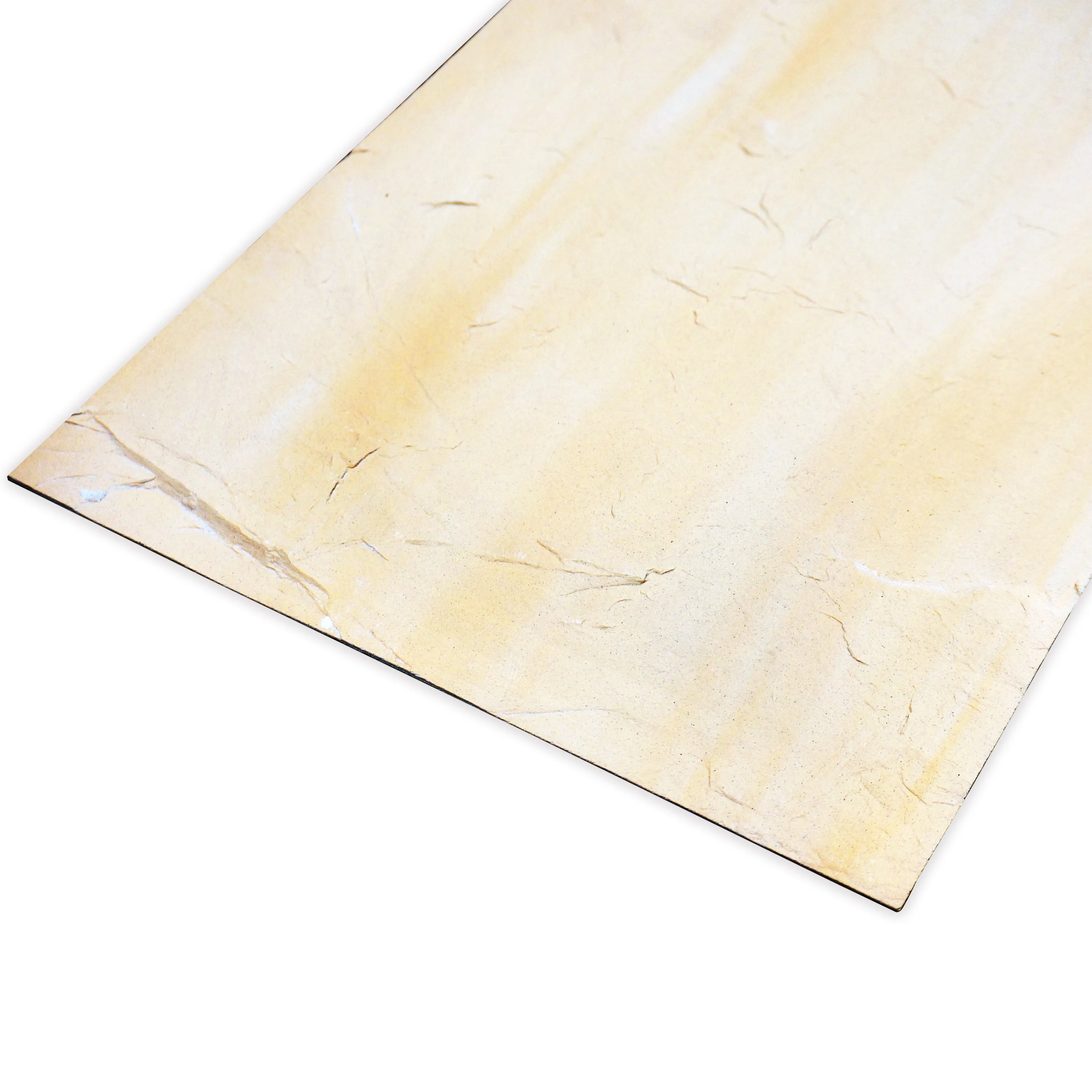
Saltwater is perhaps the most insidious of coastal threats, and Slate Sunnye's resistance to it starts at the molecular level. Traditional stone or concrete has tiny pores—microscopic spaces that let water and salts seep in. Over time, as the water evaporates, those salts crystallize, expanding and pushing the material apart from the inside out. Slate Sunnye, by contrast, has an ultra-dense surface with minimal porosity, thanks to a proprietary manufacturing process that compresses and seals the material without sacrificing its natural look.
To put it simply: saltwater has a hard time getting into Slate Sunnye, and even harder time doing damage once it's there. In independent lab tests, Slate Sunnye samples were subjected to accelerated salt spray testing—simulating years of coastal exposure in just weeks—and showed no signs of pitting, discoloration, or structural weakening. Compare that to natural limestone, which often develops unsightly salt stains or crumbles under the same conditions, or even fair-faced concrete, which, while durable, can still show efflorescence (those white, powdery salt deposits) after prolonged salt exposure.
Real-world examples back this up. Take the case of a beachfront home in Cape Cod, Massachusetts, where the exterior cladding was replaced with Slate Sunnye five years ago. The homeowners report that even after winter nor'easters—storms that batter the coast with wind, rain, and salt—their siding still looks as crisp as the day it was installed. No peeling, no fading, no signs of the saltwater wear that had forced them to repaint their previous wood siding every two years.
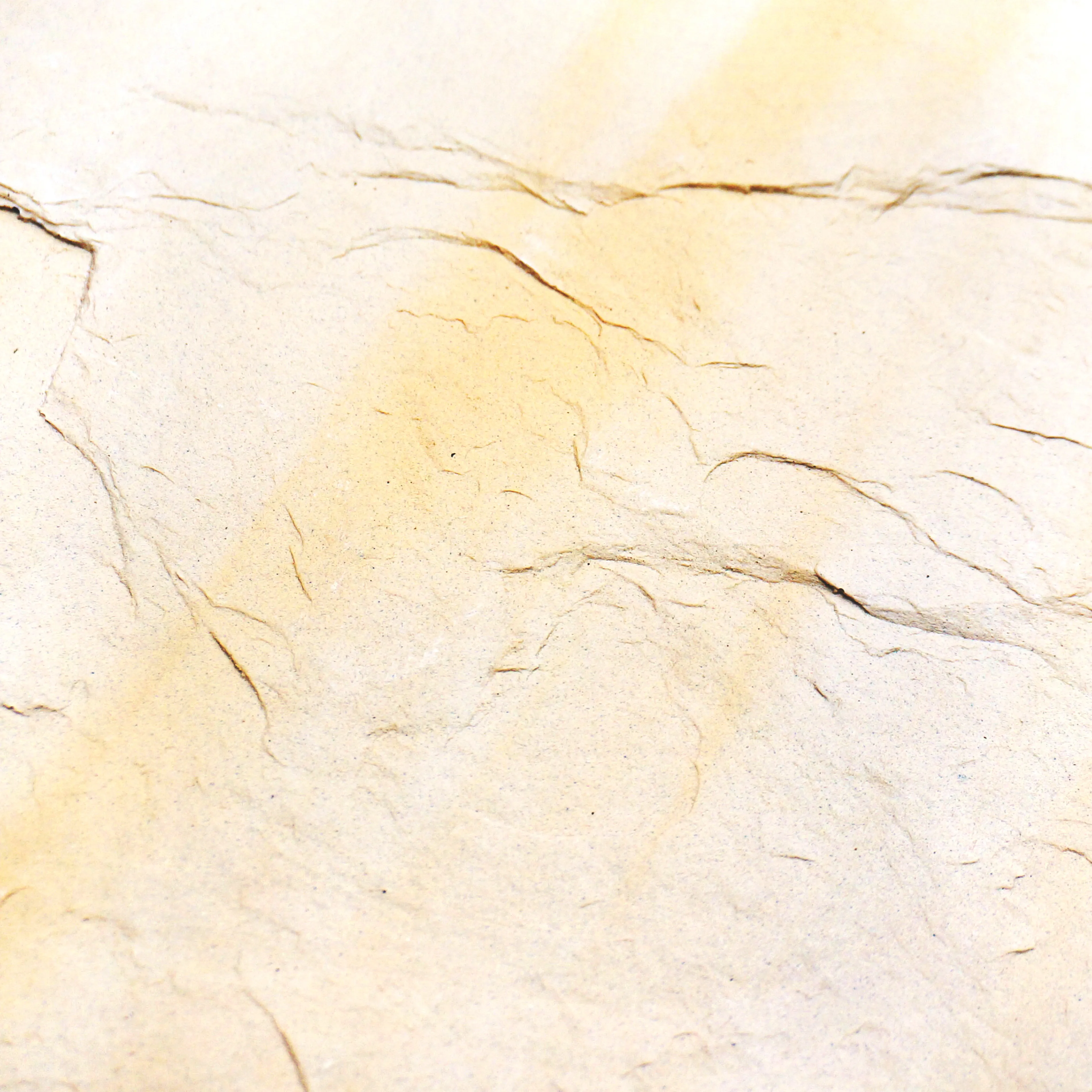
High humidity is the other half of the coastal equation. In places like Charleston, South Carolina, or Bali, Indonesia, humidity levels can hover around 80% for months on end. For most materials, this means trouble: wood swells and warps, drywall absorbs moisture and grows mold, and even some stone can trap moisture, leading to staining or mildew growth. Slate Sunnye, however, is designed to be both moisture-resistant and breathable—a tricky balance, but one that's critical for coastal living.
Here's how it works: the material's dense surface acts as a barrier to liquid water, preventing rain or splashes from soaking in. But unlike non-breathable materials like vinyl or plastic, Slate Sunnye also allows water vapor to escape. This is key because when warm, moist air hits a cool surface (like an exterior wall on a humid evening), condensation can form. If the material traps that moisture, mold and mildew follow. Slate Sunnye's breathability lets that vapor evaporate, keeping the material dry and mold-free.
Homeowners in humid coastal areas often notice the difference immediately. In a recent interview, a designer in Miami, Florida, shared that she'd specified Slate Sunnye for a client's outdoor kitchen backsplash—a space where grills, sinks, and ocean air combine to create a perfect storm of humidity. "We were worried about mildew growing in the grout or on the stone," she said, "but two years later, it still looks brand new. No black spots, no musty smell—just that beautiful, natural texture we fell in love with."
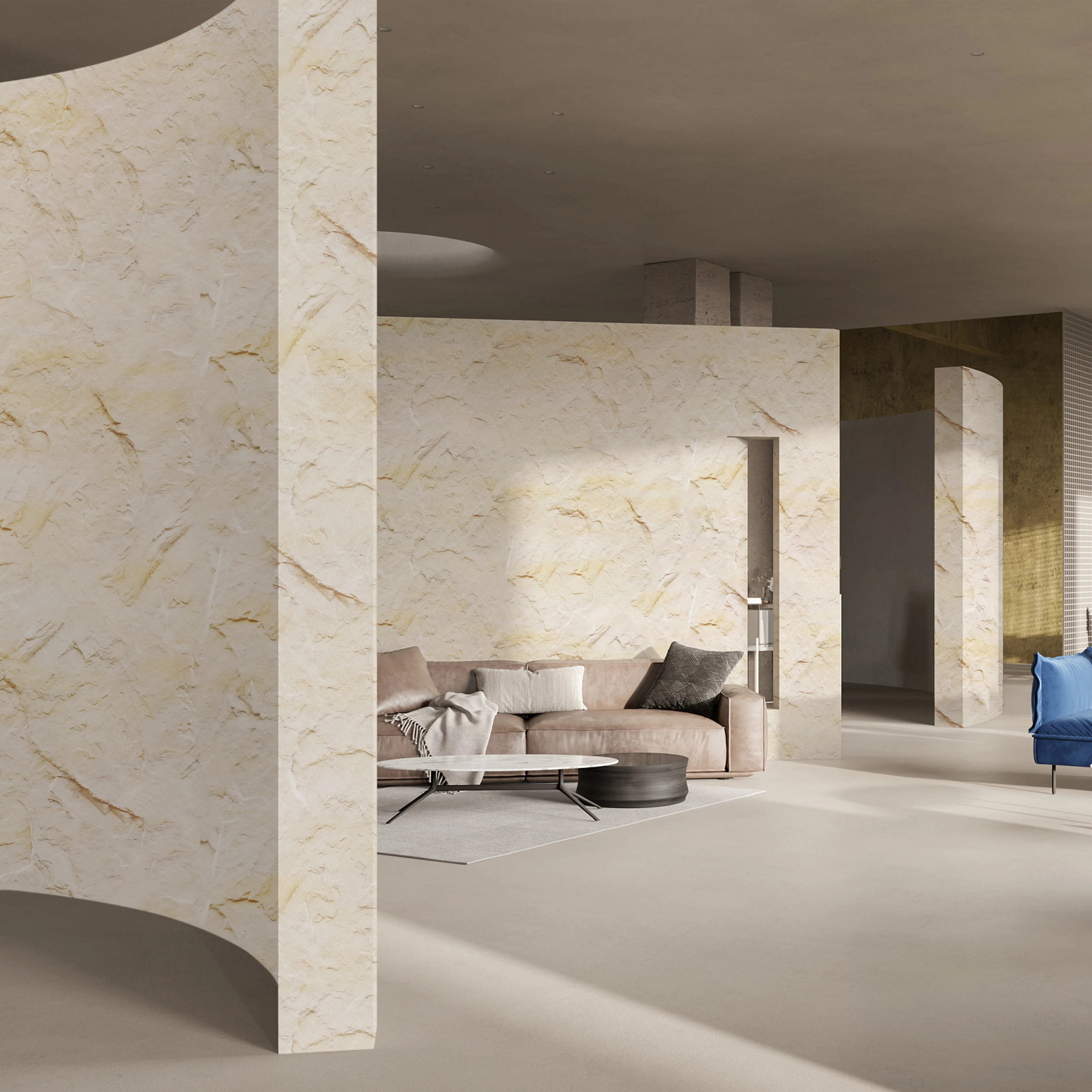
To truly appreciate Slate Sunnye's coastal credentials, it helps to see how it compares to other materials commonly used in shoreline construction. Let's take a look at four popular options: fair-faced concrete, rust square line stone, historical pathfinders stone, and, of course, Slate Sunnye.
| Material | Saltwater Resistance | Humidity Resistance | Durability (Expected Lifespan) | Aesthetic Appeal |
|---|---|---|---|---|
| Slate Sunnye | Excellent: Dense surface resists salt penetration; no pitting or discoloration reported in coastal tests. | Excellent: Breathable yet moisture-resistant; prevents mold and mildew growth. | 50+ years with minimal maintenance. | Organic, natural slate appearance with subtle veining; available in coastal-inspired tones. |
| Fair-Faced Concrete | Moderate: Porous; may develop efflorescence (salt deposits) and spalling over time. | Good: Resists mold but can trap moisture if not sealed regularly. | 30–40 years with annual sealing. | Industrial, minimalist look; can be stained or stamped for texture. |
| Rust Square Line Stone | Low: Iron-rich composition is prone to rusting when exposed to saltwater. | Moderate: Natural porosity can hold moisture, leading to mildew in humid climates. | 15–20 years before significant corrosion or crumbling. | Rustic, weathered charm; develops a patina over time (some find this appealing, others not). |
| Historical Pathfinders Stone | Moderate: Traditional stone with moderate porosity; requires frequent sealing to resist salt. | Moderate: Absorbs moisture; needs regular cleaning to prevent mold. | 25–35 years with annual sealing and maintenance. | Classic, timeless appearance; mimics ancient stone used in historical coastal structures. |
As the table shows, Slate Sunnye outperforms these alternatives in both saltwater and humidity resistance, while still offering the natural, organic aesthetic that coastal homeowners crave. Historical Pathfinders Stone, for example, is beautiful and steeped in tradition, but its need for annual sealing (a time-consuming and costly chore) makes it less practical for busy homeowners. Rust Square Line Stone has a rugged, coastal vibe, but that rust isn't just a look—it's a sign of deterioration that only accelerates near saltwater.
Slate Sunnye isn't limited to exterior siding or walls, though that's where it shines brightest. Its versatility makes it a favorite for a range of coastal applications, both inside and out. Let's explore a few:
Outdoor Living Spaces: Patios, decks, and pool surrounds are ground zero for saltwater and humidity exposure. Slate Sunnye's slip-resistant texture (even when wet) makes it ideal for pool areas, while its resistance to staining means spilled drinks or pool chemicals won't leave permanent marks. Imagine hosting a summer barbecue on a Slate Sunnye patio—no worries about salt spray discoloring the surface or rainwater causing mold between the pavers.
Roofing: Coastal roofs take a beating from wind, rain, and salt. Slate Sunnye shingles or panels offer a durable alternative to traditional asphalt (which curls in humidity) or wood shakes (which rot). Their low maintenance needs mean no more climbing ladders to replace damaged shingles after every storm.
Interior Accents: Even indoor spaces in coastal homes can benefit from Slate Sunnye. Think accent walls in living rooms, backsplashes in kitchens, or flooring in bathrooms—areas where humidity levels are naturally higher. Its resistance to mold and mildew means you can enjoy the look of natural stone in a bathroom without worrying about grout lines turning black.
Landscaping: Retaining walls, garden paths, and outdoor fireplaces all face the same coastal challenges as home exteriors. Slate Sunnye's durability makes it perfect for these hardscaping elements, blending seamlessly with native plants and ocean views.
To bring this all to life, let's look at a real-world example: a 1,800-square-foot cottage in Newport, Rhode Island, built in the 1970s and renovated in 2020. The original home had cedar siding, which had rotted in multiple places, and a concrete patio that was cracked and stained from salt exposure. The homeowners, a retired couple who'd dreamed of retiring to the coast, wanted to update the home but were hesitant to sink money into materials that would just need replacing in a decade.
Their architect recommended Slate Sunnye for the exterior cladding and patio. "At first, we were skeptical," the homeowner recalls. "We'd heard 'durable' before, and it always meant sacrificing style. But when we saw the samples—those soft gray tones, the subtle texture—we were sold. We took a leap of faith."
Three years later, that leap has paid off. "Last winter, we had a nor'easter with 70 mph winds and storm surges that came right up to the patio," the homeowner says. "After the storm, we expected to see damage—scratches, dents, maybe even some loose panels. But the Slate Sunnye looked exactly the same as the day it was installed. No chips, no fading, no signs that the storm had even touched it. For the first time since we moved here, we don't dread checking the house after a bad storm. That peace of mind? It's priceless."
Coastal living shouldn't mean choosing between a home that looks good and one that lasts. Slate Sunnye represents a shift in how we think about building materials—one where resilience and aesthetics aren't opposing forces, but partners. It's a material that understands the coastal lifestyle: the early mornings watching the tide roll in, the lazy afternoons on the porch, the evenings grilling with friends as the sun sets over the water. It doesn't just protect homes from the elements; it protects the moments that make coastal living worth it.
For architects, it's a tool to design homes that honor the landscape without compromising on function. For homeowners, it's a chance to fall in love with their coastal home all over again—this time, without the stress of constant repairs. And for the rest of us, it's a reminder that with the right materials, we don't have to choose between the beauty of nature and the durability we need. Slate Sunnye doesn't just withstand the coast; it lets the coast be the beautiful, unapologetic place it is—while letting your home be, too.
So if you're dreaming of a coastal home, or if you're already living that dream but tired of fighting the elements, consider Slate Sunnye. It's more than a building material; it's a way to hold onto the magic of the coast, one durable, beautiful panel at a time.
Recommend Products












