
Walk into any modern commercial space today, and you'll notice something different: it's not just about function anymore. Architects and designers are crafting environments that tell stories, evoke emotions, and leave lasting impressions. At the heart of this shift is the careful choice of materials—elements that do more than cover walls or floors; they shape experiences. Among these, Slate Sunnye has emerged as a quiet standout, especially in dynamic cities like Dubai and Riyadh. Its warm, earthy charm, paired with surprising versatility, has made it a go-to for projects aiming to balance luxury with authenticity. Let's dive into what makes Slate Sunnye special, and explore how it's transforming commercial spaces in two of the Middle East's most innovative urban hubs.
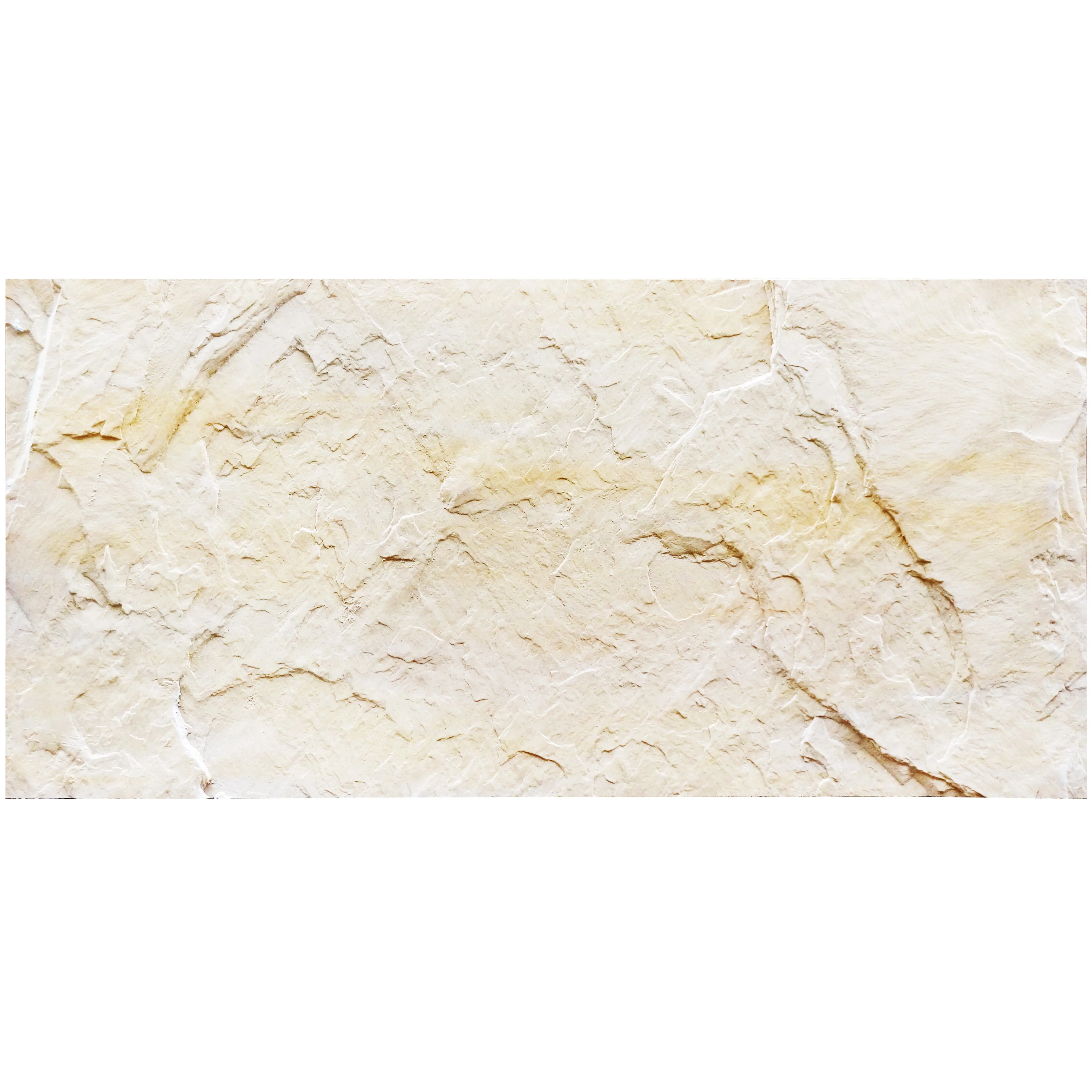
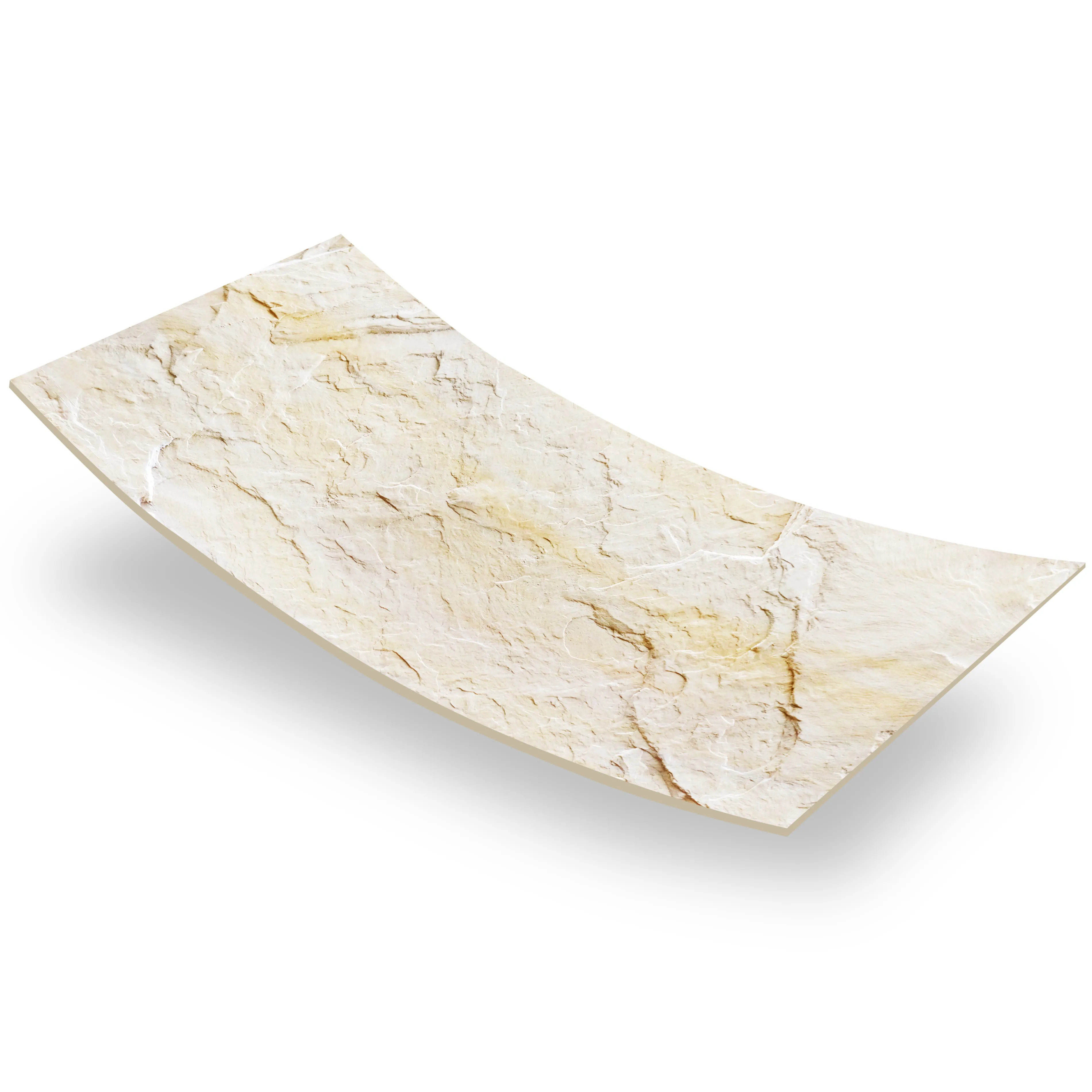
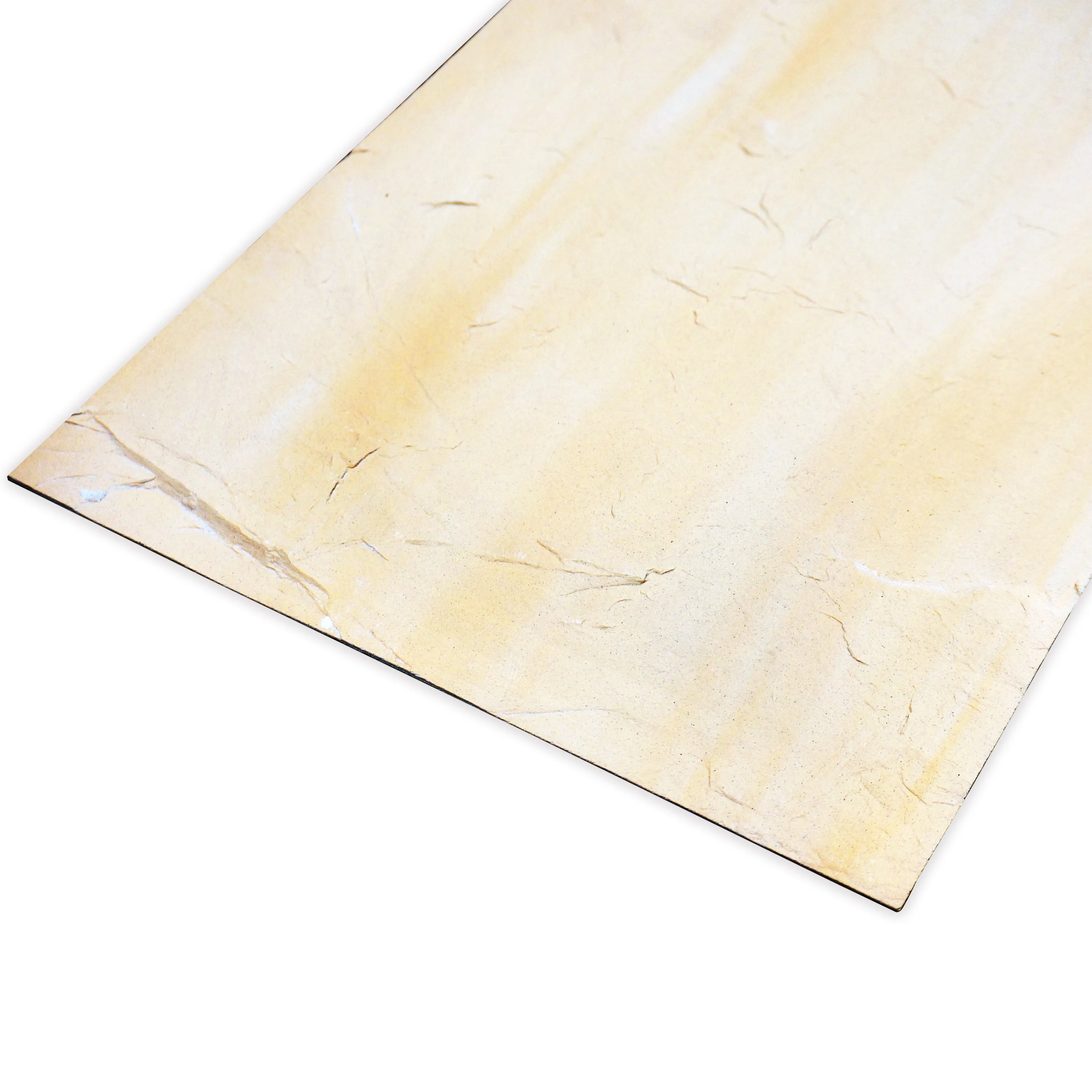
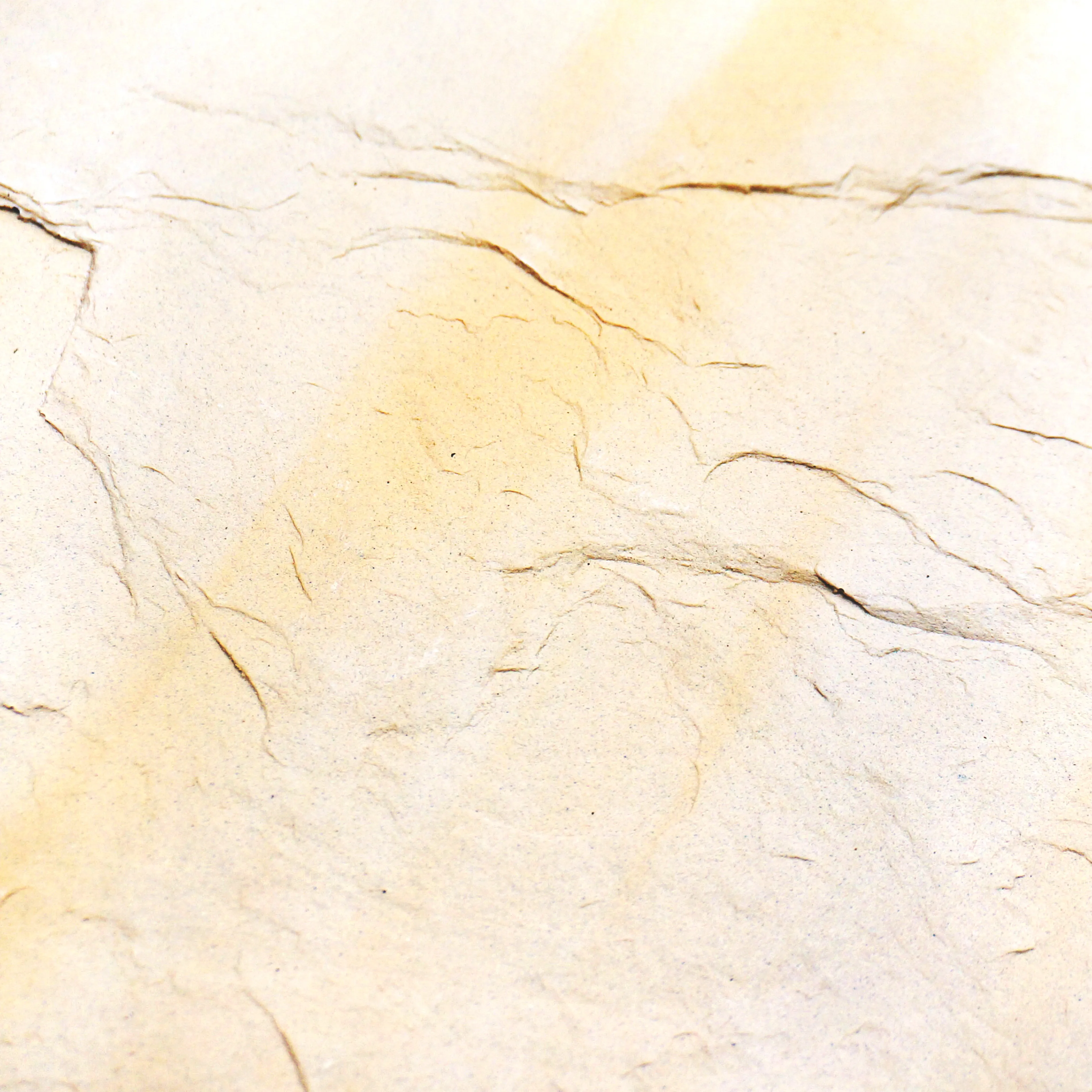
Before we jump into the case studies, let's get to know Slate Sunnye up close. Unlike the cool, gray slates you might picture from rainy European villages, Slate Sunnye is a celebration of warmth. Think soft, honeyed tones—ranging from pale sand to deep amber—with subtle veining that mimics the patterns of desert winds sweeping over dunes. Its surface has a gentle matte finish, not too shiny, not too flat, which means it plays beautifully with light. In the morning, it glows with a soft, golden hue; in the afternoon, it deepens into richer, warmer tones; and under artificial light, it takes on a cozy, inviting aura.
But Slate Sunnye isn't just about looks. It's a durable, natural stone that holds up to the chaos of commercial life—foot traffic, spills, even the harsh sun of the Middle East. What really sets it apart, though, is its versatility. It works as flooring, wall cladding, accent panels, or even custom furniture. And when paired with complementary materials like MCM flexible stone or fair-faced concrete, it creates layered, textured spaces that feel both curated and organic.
Dubai is no stranger to over-the-top design, but the team behind Oasis Mall wanted something different: a space that felt luxurious without feeling cold. Located in the bustling Downtown Dubai district, the mall caters to high-end shoppers and food enthusiasts seeking a respite from the city's glitz. The architects, a local firm known for blending global trends with regional sensibilities, turned to Slate Sunnye as their star material.
"We wanted the atrium to be the 'heart' of the mall—something that draws people in and makes them want to linger," says Lina Hassan, lead architect on the project. "Dubai has so many shiny, reflective surfaces; we wanted to balance that with something grounded, something that felt connected to the desert landscape outside." Slate Sunnye checked all the boxes. Its warm palette echoed the city's golden hour skies, while its natural texture added a tactile element missing from many modern malls.
The atrium spans three floors, with Slate Sunnye covering the main floor and wrapping up the lower half of the walls. The stone's large format slabs (up to 120x60cm) create a seamless flow, making the space feel expansive yet intimate. What's striking is how it interacts with light: the mall's glass ceiling floods the area with sunlight, and as the day progresses, Slate Sunnye shifts from a bright, sunlit beige to a deeper amber, mirroring the desert's own color transitions. "We noticed shoppers slowing down here," Hassan laughs. "They'll sit on the benches, touch the walls—something about the stone invites that kind of interaction."
To complement the Slate Sunnye, the team used MCM flexible stone for the upper walls and ceiling accents. MCM (Modified Composite Material) flexible stone is a lightweight, thin material that mimics natural stone but is easier to install on curved surfaces. "We wanted the atrium to feel cohesive but not one-note," Hassan explains. "The MCM flexible stone, in a slightly lighter shade of cream, adds depth without competing with the Slate Sunnye. Plus, its flexibility let us create gentle curves in the ceiling, softening the atrium's rectangular shape."
The dining pavilion, adjacent to the atrium, takes the material story further. Here, Slate Sunnye is used for tabletops and bar fronts, paired with warm wood accents and brass fixtures. "Restaurants here wanted to feel like 'destination spots,' not just mall eateries," says Hassan. "Slate Sunnye adds that touch of sophistication—guests comment on how it feels like dining in a high-end boutique hotel, not a shopping center."
Six months after opening, the feedback has been clear: Oasis Mall's atrium is now a social media favorite, with visitors posting photos of the "golden stone hall" at sunset. "It's more than a material," Hassan reflects. "Slate Sunnye became part of the mall's identity. People remember it."
Riyadh, a city racing toward the future while honoring its past, demands materials that bridge both worlds. The Al Faisal Corporate Tower, home to a leading Saudi conglomerate, needed a lobby that projected professionalism, stability, and a sense of rootedness. Enter Slate Sunnye—this time, paired with fair-faced concrete for a bold, contemporary look with subtle nods to local heritage.
"The client wanted a space that said, 'We're innovative, but we're also grounded in our values,'" explains Omar Khalid, the project's lead designer at a Riyadh-based architecture studio. "Fair-faced concrete is sleek and modern, but on its own, it can feel cold. Slate Sunnye warms it up, adding that human touch."
The lobby is a study in contrast: soaring 12-meter ceilings clad in fair-faced concrete, with Slate Sunnye covering the floor and lower walls. The stone's amber tones and irregular veining soften the concrete's industrial edge, creating a space that feels both powerful and welcoming. "We played with scale," Khalid notes. "The concrete panels are large and imposing, but the Slate Sunnye has these organic, almost handcrafted details—like the way the veining meanders—that make the space feel less sterile."
Durability was a key concern, too. Riyadh's climate is unforgiving: scorching summers, occasional sandstorms, and high humidity in winter. Slate Sunnye's natural resistance to heat and abrasion made it a practical choice. "We tested samples for months," Khalid recalls. "We exposed them to direct sunlight, simulated sandstorms, even coffee and oil spills—Slate Sunnye held up perfectly. No fading, no staining. For a high-traffic lobby, that's non-negotiable."
Upstairs, the executive floors take a more refined approach. Slate Sunnye here is used for accent walls in meeting rooms and the CEO's office, paired with rich wood paneling and leather furniture. "The executives wanted spaces that felt private and prestigious," Khalid says. "Slate Sunnye here is more of a luxury accent—its warm tones complement the wood, and its matte finish feels exclusive, like a well-tailored suit."
What surprised the team most was how Slate Sunnye resonated with employees and visitors. "A lot of our clients are from older generations, and they mention how the stone reminds them of traditional Najdi architecture—those earthy, sun-baked walls," Khalid shares. "Younger visitors, meanwhile, love how modern it feels. It's a rare material that bridges those generational tastes."
| Aspect | Dubai: Oasis Mall | Riyadh: Al Faisal Corporate Tower |
|---|---|---|
| Project Type | Luxury retail mall (atrium & dining pavilion) | Corporate headquarters (lobby & executive floors) |
| Primary Material | Slate Sunnye (flooring, wall cladding, tabletops) | Slate Sunnye (flooring, accent walls) |
| Complementary Materials | MCM flexible stone (upper walls, ceiling accents), warm wood, brass fixtures | Fair-faced concrete (ceiling, upper walls), rich wood paneling, leather |
| Design Goal | Create a warm, inviting "oasis" in a bustling retail environment; balance luxury with approachability | Project professionalism and stability; merge modernity with cultural heritage |
| Key Challenge | Large, open atrium needing cohesion without feeling overwhelming | Harsh climate requiring durable materials; cold concrete needing warmth |
| Outcome | Social media-worthy atrium; increased foot traffic and dwell time; positive feedback on "cozy luxury" | Employees report feeling "proud" of the space; clients note the "balance of strength and warmth" |
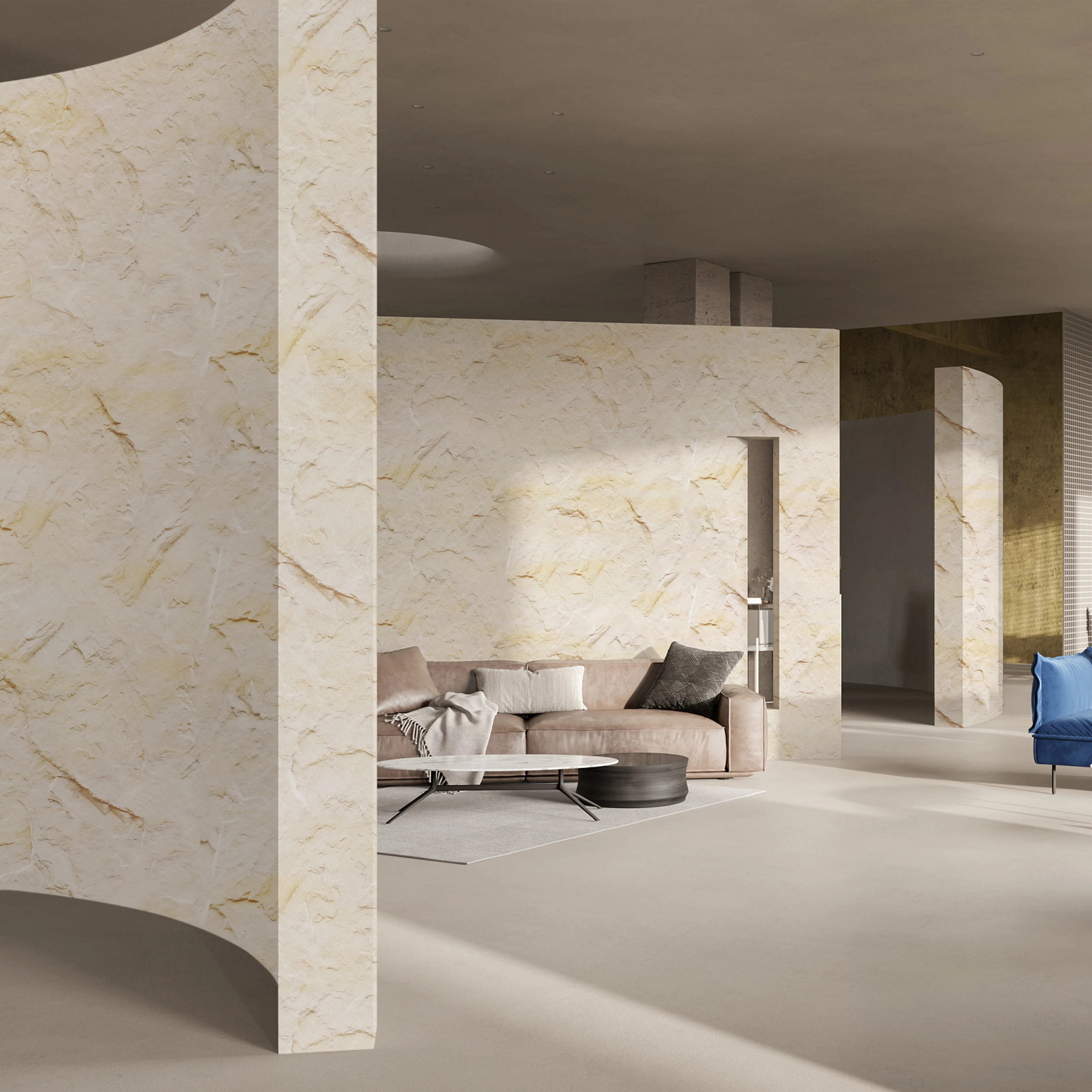
So, what makes Slate Sunnye a top pick for these high-stakes commercial projects? It's not just about its good looks—though that helps. Let's break down the practical and emotional benefits that make it a designer favorite:
As Dubai and Riyadh continue to grow as global design hubs, the demand for materials that tell stories will only rise. Slate Sunnye, with its blend of beauty, durability, and emotional depth, is leading this charge. It's a reminder that commercial spaces don't have to be cold or impersonal—they can be places that feel like home, even when you're there to work or shop.
In Dubai's Oasis Mall, it's the stone that turns a shopping trip into an experience. In Riyadh's Al Faisal Tower, it's the material that says, "We're moving forward, but we haven't forgotten where we came from." And in both cases, it's proof that the right material can transform a space from "nice" to "unforgettable."
So, the next time you step into a commercial space that feels surprisingly warm, inviting, or uniquely "you," take a closer look at the walls and floors. Chances are, there's a material like Slate Sunnye working behind the scenes—quietly, beautifully, shaping the way you feel. And in a world that's always rushing, that's a gift worth celebrating.
Recommend Products












