
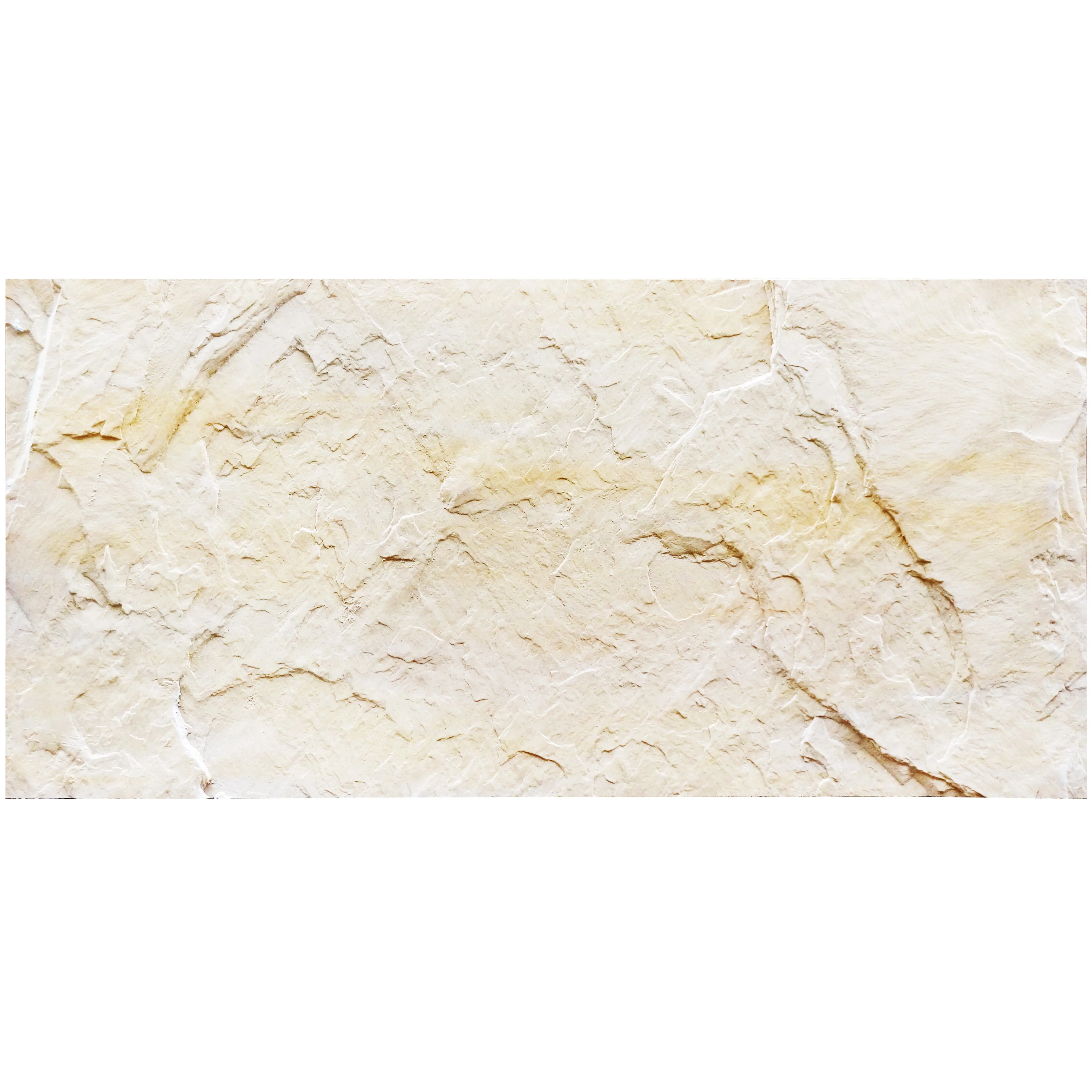
Every construction project, whether a cozy home renovation or a sprawling commercial complex, starts with one crucial element: the materials. They're the silent partners that turn blueprints into reality, and none demand more care than unique, texture-rich options like Slate Sunnye. But here's the thing—handling building materials isn't just about "getting them from A to B." It's about preserving their integrity, their beauty, and ultimately, the success of your project. Whether you're working with Slate Sunnye, fair-faced concrete, or masonry stone, the way you transport and store these materials can make or break their performance and aesthetic appeal. Let's dive into the specifics, starting with what makes Slate Sunnye so special, and then explore the best practices that apply to it and its equally stunning counterparts like rough granite stone (medium grey) and travertine (starry blue).
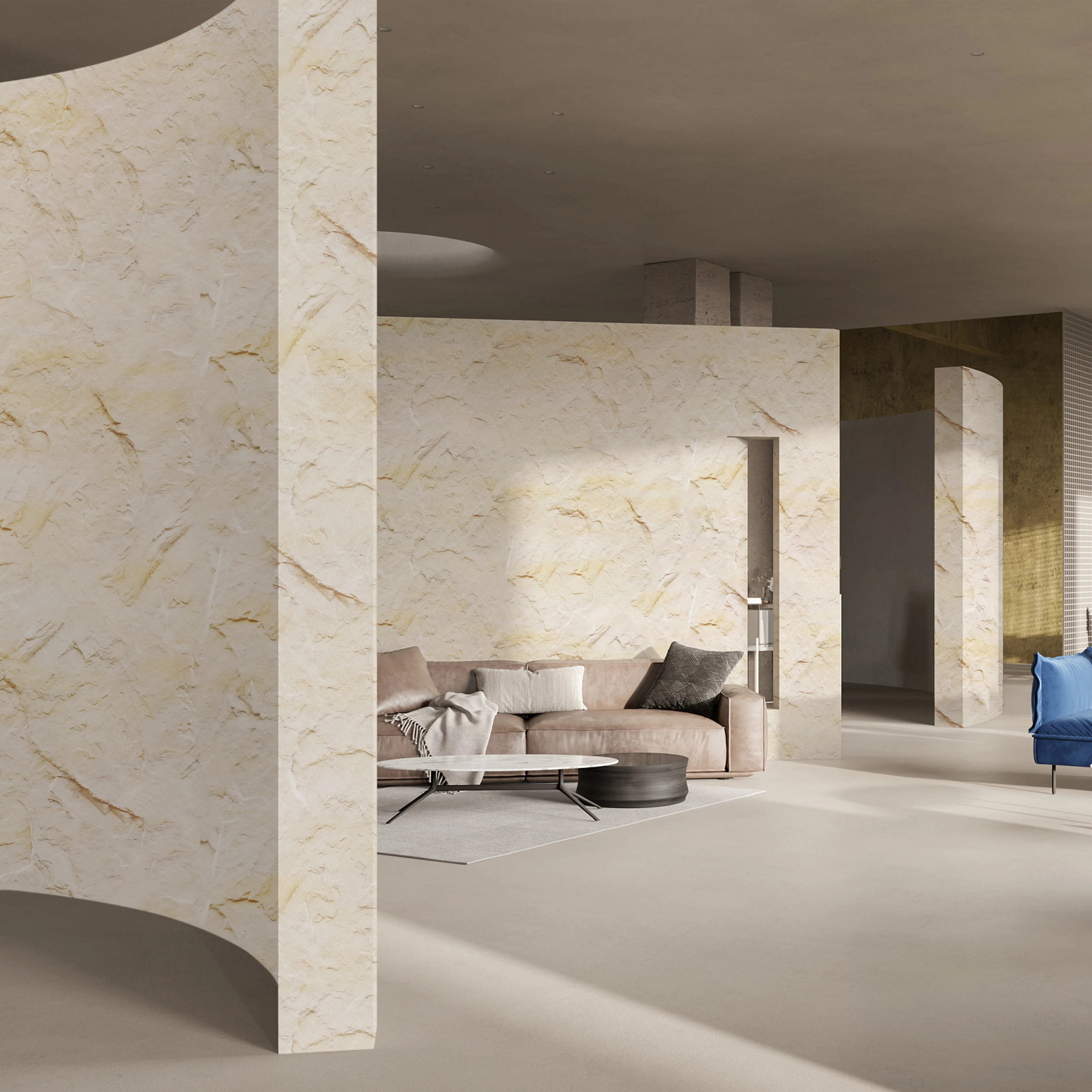
Before we talk about handling, let's take a moment to appreciate Slate Sunnye. Unlike standard building materials, it's not just about function—it's a statement. With its soft, sunlit veining and subtle texture, it adds warmth and character to walls, floors, and facades. But that beauty comes with fragility. Its surface is prone to scratching, and its edges can chip if not protected. Think of it like a piece of art: you wouldn't toss a painting into the back of a truck, and you shouldn't treat Slate Sunnye that way either. This isn't to say it's "delicate" in the sense that it can't withstand use—it's durable once installed—but during transit and storage, it needs a little extra TLC. The same logic applies to materials like travertine (starry blue), which boasts vibrant, star-like patterns that fade if exposed to moisture for too long, or masonry stone, which, while sturdy, can lose its natural finish if stacked carelessly.
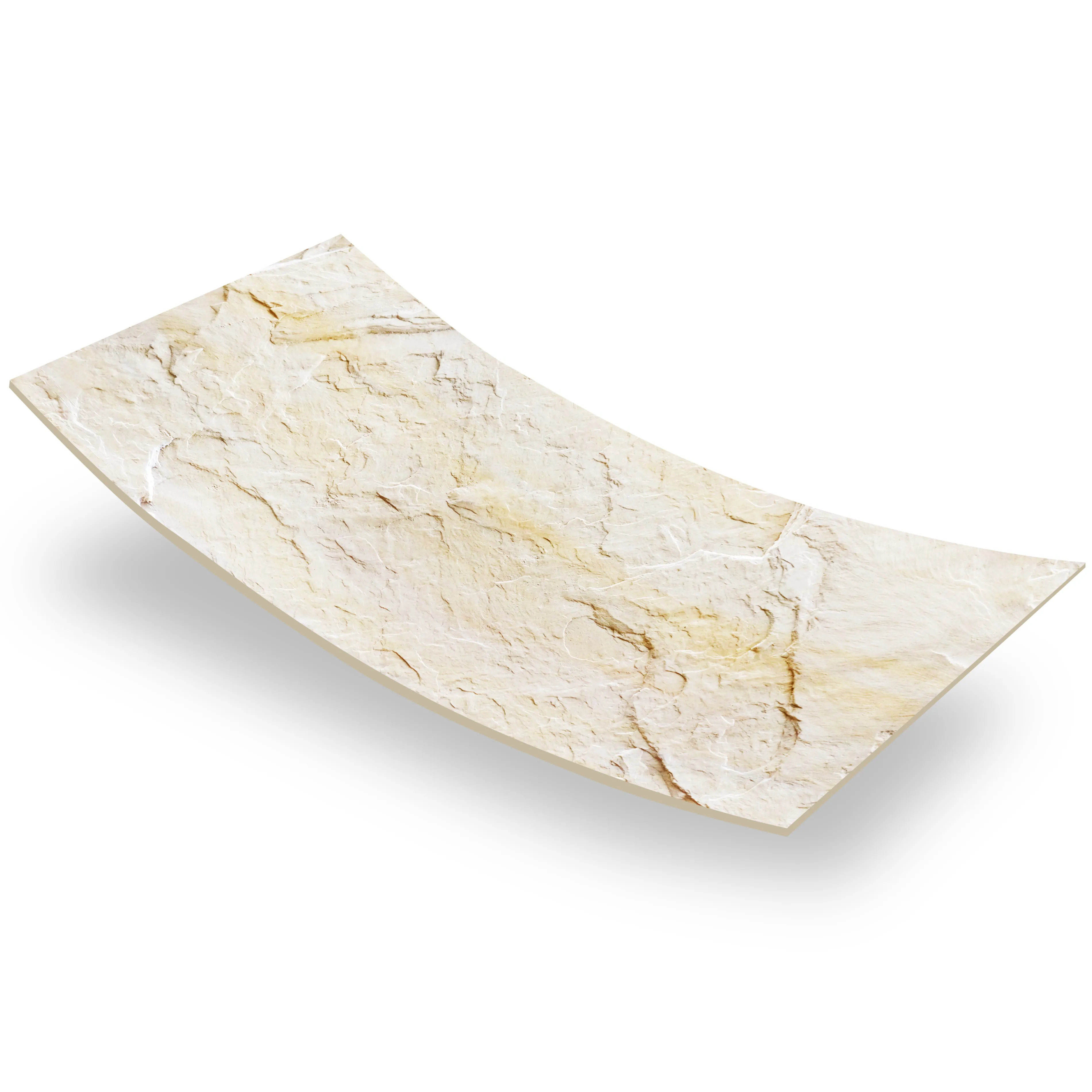
Transportation is often where materials face their first big test. Bumps in the road, sudden stops, and shifting loads can turn a pristine batch of Slate Sunnye into a pile of damaged slabs. Let's break down the steps to keep your materials safe, whether you're hauling Slate Sunnye, fair-faced concrete, or rough granite stone (medium grey).
Packaging isn't just about wrapping—it's about creating a barrier between your materials and the chaos of the road. For Slate Sunnye, start with a layer of foam padding or bubble wrap, ensuring every inch of the surface is covered. Then, place each slab in a custom wooden crate with dividers to prevent movement. Why custom? Standard crates might leave gaps, and gaps mean friction, which means scratches. You'd do the same for travertine (starry blue), by the way—those starry patterns are too precious to risk rubbing against other slabs. For heavier materials like rough granite stone (medium grey), you might skip the foam (it can compress under weight) but still opt for sturdy crates with reinforced corners. And fair-faced concrete? Even though it's denser, its smooth finish can stain if exposed to dirt during transit, so wrap it in moisture-resistant plastic before crating.
Pro tip: Avoid "one-size-fits-all" packaging. A Slate Sunnye tile for a backsplash needs different protection than a large Slate Sunnye slab for a feature wall. Smaller pieces might fit into padded boxes, while larger ones require full crates with shock-absorbing materials like polystyrene beads in the gaps.
You've got your Slate Sunnye perfectly packaged—now it's time to load it onto the truck. Rushing this step is a recipe for disaster. For large slabs, use a forklift with padded forks (yes, padded—metal against stone is a scratch waiting to happen). If you're working with smaller tiles, opt for a pallet jack with a non-slip surface to prevent shifting. And never, ever stack Slate Sunnye directly on top of other heavy materials, like bags of cement or tools. Even if they're packaged, the weight can crack the slabs below.
Unloading is just as critical. Let's say you're delivering Slate Sunnye to a job site with uneven ground. Instead of forcing the forklift to navigate ruts, use a team of two or three people to manually carry smaller pieces (with proper lifting technique, of course—bend at the knees, not the waist!). For masonry stone, which tends to be bulkier, you might need a crane with a soft sling to avoid crushing the edges. Remember: the goal is to treat each material like it's the most important part of the project—because it is.
Rain, heat, and bumpy roads—they're all enemies of building materials, especially Slate Sunnye. If you're transporting during the rainy season, line the truck bed with a waterproof tarp before loading. Even with crates, moisture can seep in and cause discoloration or mold. For hot climates, avoid leaving materials in direct sunlight for hours on end. Slate Sunnye's color can fade, and extreme heat can weaken the adhesive in packaging materials. Fair-faced concrete, on the other hand, is more resilient to heat but can absorb water if left uncovered, leading to surface cracks as it dries.
Road conditions matter too. Potholes and sudden stops can jostle even the best-packaged Slate Sunnye. Plan your route in advance, avoiding construction zones or poorly maintained roads. If you're hauling travertine (starry blue) alongside Slate Sunnye, separate them with a divider—their finishes are equally sensitive, and friction during transit could mar both.
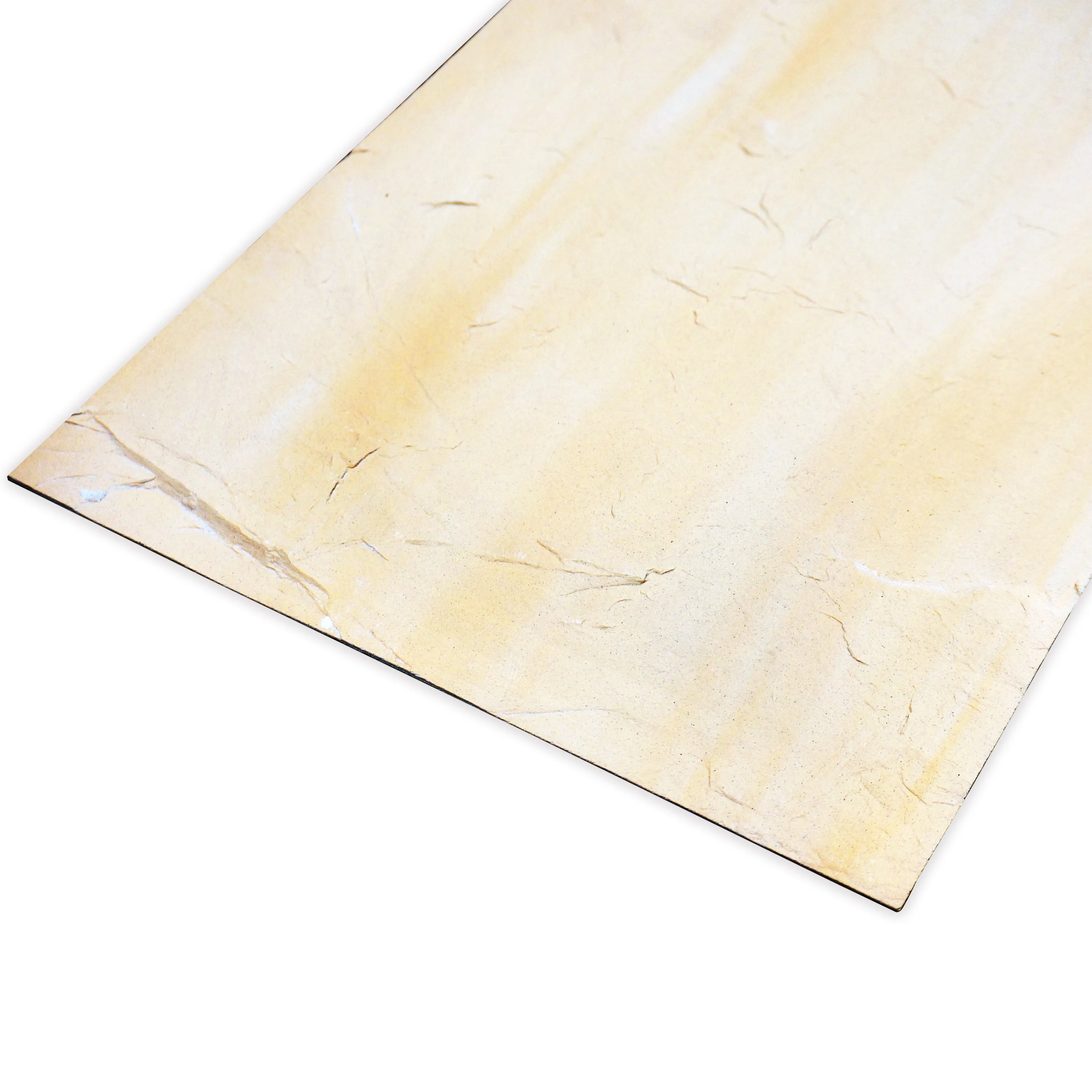
You've safely transported your Slate Sunnye to the site—now where do you put it? Storage is often an afterthought, but it's just as important as transportation. A damp, cluttered storage area can ruin materials before they're even installed. Let's break down the key rules.
First, find a dry, well-ventilated space. Slate Sunnye hates moisture—even high humidity can lead to mold growth on its surface. If you're storing it outdoors temporarily (not ideal, but sometimes necessary), use a raised platform (like wooden pallets) to keep it off the ground, and cover it with a breathable tarp (plastic traps moisture—opt for canvas instead). For long-term storage, an indoor warehouse with climate control is best. Aim for temperatures between 15–25°C (59–77°F) and humidity levels around 40–60%. This isn't just for Slate Sunnye—masonry stone and rough granite stone (medium grey) also thrive in stable environments, as extreme temperature swings can cause expansion and contraction, leading to cracks.
How you stack your materials can make a huge difference. For Slate Sunnye slabs, stack them vertically, not horizontally. Horizontal stacking puts pressure on the bottom slabs, increasing the risk of cracking. Use A-frame racks or leaning shelves designed for stone slabs, and place a soft, non-abrasive material (like felt) between each slab to prevent scratching. If you're short on space, stack smaller tiles in sturdy boxes, but don't exceed 3 boxes high—even lightweight tiles add up, and the bottom box can collapse.
Fair-faced concrete panels, which are often flat and heavy, require a different approach. Stack them horizontally on a level surface, with wooden spacers between each panel to allow air circulation. And never stack masonry stone on top of Slate Sunnye—masonry stone is denser and can easily damage the softer slate below.
Storage isn't a "set it and forget it" task. Check on your Slate Sunnye at least once a week. Look for signs of moisture (like condensation on crates), pest infestations (wooden crates can attract bugs), or shifting stacks. If you notice a slab has shifted in its rack, gently reposition it—don't wait until it falls. For travertine (starry blue), inspect the starry patterns for fading, which could indicate exposure to light. And for rough granite stone (medium grey), check for dust buildup—while it's durable, dust can scratch the surface when wiped, so brush it off gently with a soft broom.
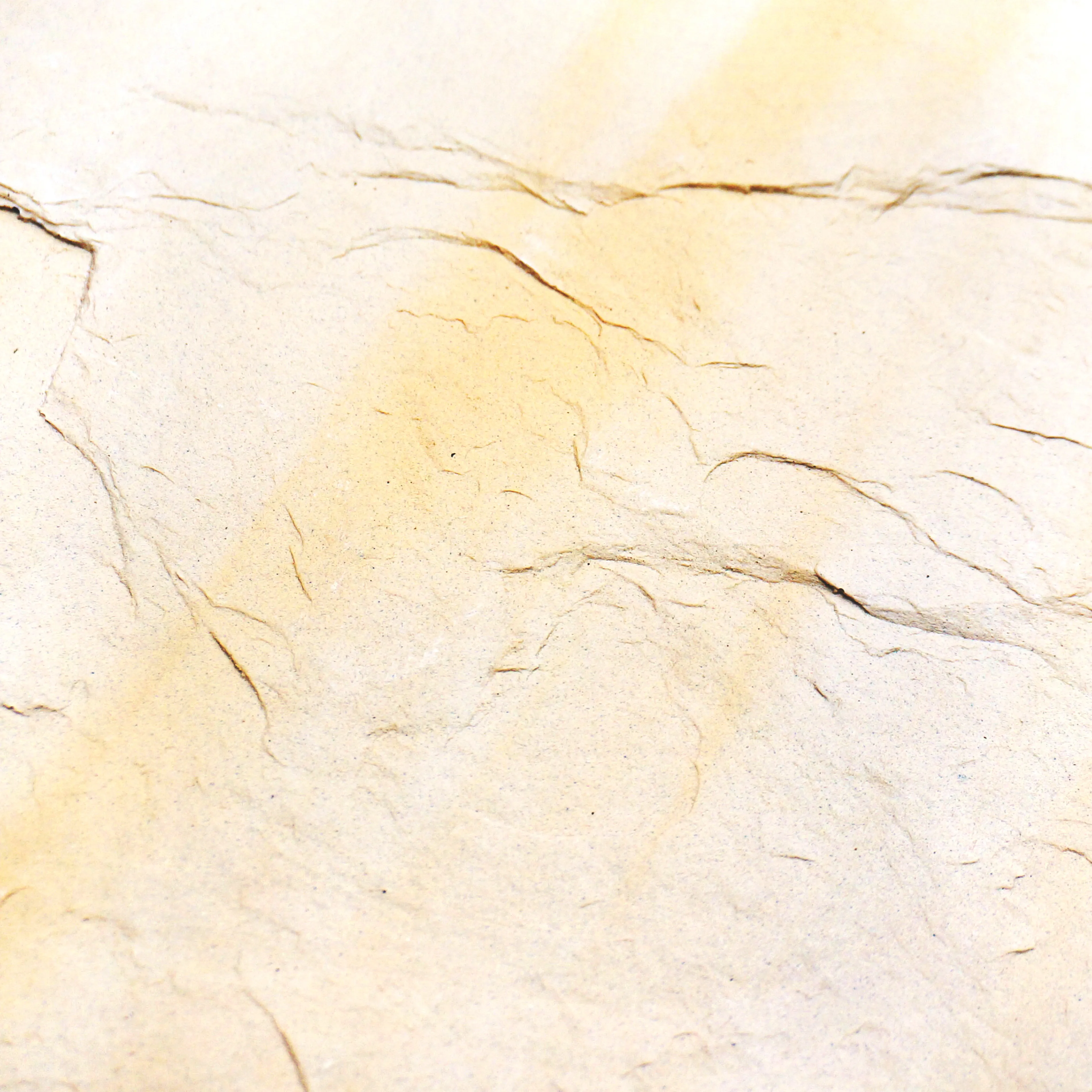
To make things easier, here's a handy breakdown of how Slate Sunnye compares to other popular materials when it comes to transportation and storage. Use this as a quick reference for your next project:
| Material | Transportation Key Tips | Storage Best Practices | Common Risks to Avoid |
|---|---|---|---|
| Slate Sunnye | Use custom crates with foam padding; load vertically; avoid extreme temps. | Store in dry, ventilated area; stack vertically with felt dividers; inspect weekly. | Scratching, chipping, moisture damage, color fading. |
| Fair-Faced Concrete | Wrap in moisture-resistant plastic; secure with straps to prevent shifting. | Stack horizontally with wooden spacers; keep in stable temperature. | Cracking from uneven stacking, water absorption, surface staining. |
| Masonry Stone | Use reinforced pallets; separate with cardboard to prevent chipping. | Store on raised pallets; avoid stacking more than 4 layers high. | Edge damage, crumbling from excessive weight, mold in humid conditions. |
| Rough Granite Stone (Medium Grey) | Use padded forklift forks; secure with non-slip mats in transit. | Stack vertically on A-frames; keep away from direct sunlight. | Scratching, cracking from temperature swings, dust buildup. |
| Travertine (Starry Blue) | Same as Slate Sunnye—custom crates, vertical loading, climate control. | Store in low-light area to preserve starry patterns; use breathable covers. | Fading of starry veining, surface pitting from moisture, edge chipping. |
Even with the best intentions, it's easy to slip up. Here are a few pitfalls to avoid when handling Slate Sunnye and other materials:
At the end of the day, handling Slate Sunnye (and its counterparts like fair-faced concrete, masonry stone, and travertine (starry blue)) is about respect—respect for the craftsmanship that goes into creating these materials, and respect for the role they play in your project. A chipped Slate Sunnye slab isn't just a loss of material; it's a delay, a, and a missed opportunity to showcase its beauty. By taking the time to package carefully, transport mindfully, and store wisely, you're not just protecting materials—you're protecting the vision of the space you're building.
So the next time you're gearing up to transport or store Slate Sunnye, remember: slow, steady, and attentive wins the day. Your future self (and your project's budget) will thank you.
Recommend Products












