
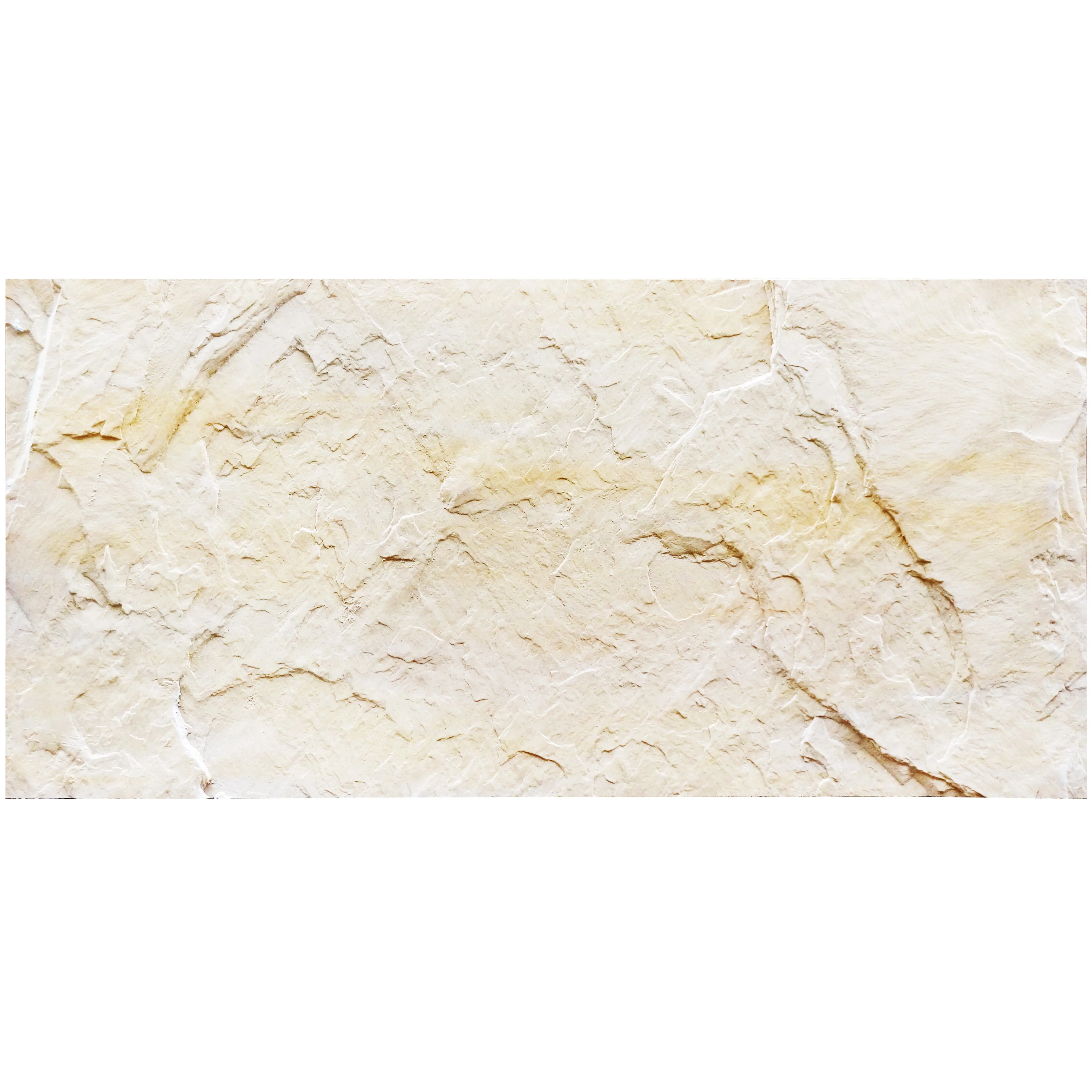
Walk into any thoughtfully designed space—whether it's a boutique hotel lobby, a cozy café, or a sleek modern home—and you'll likely notice something that ties the whole room together: the walls. They're not just barriers; they're storytellers, setting the mood, reflecting the designer's vision, and often, showcasing the materials that make the space feel alive. In recent years, the world of building materials has seen a quiet revolution, one that marries the timeless beauty of natural stone with the practicality and innovation of modern technology. Enter Slate Sunnye MCM Board—a material that's quickly becoming a favorite among architects, interior designers, and homeowners alike. But what makes it stand out in a market flooded with options? Let's dive in.
If you've ever worked with traditional natural stone, you know its allure: the unique veining, the earthy textures, the sense of history in every slab. But you also know its downsides: heavyweight that strains structural loads, fragility that complicates installation, and a carbon footprint tied to quarrying and transportation. Slate Sunnye MCM Board steps into this gap, offering the best of both worlds—stone-like beauty with the benefits of engineered innovation. Part of the broader MCM (Modified Composite Material) family, it's designed to address the limitations of traditional materials while doubling down on what makes them special. And as we'll explore, it's not just about aesthetics; it's about sustainability, durability, and adaptability in a world where design and responsibility go hand in hand.
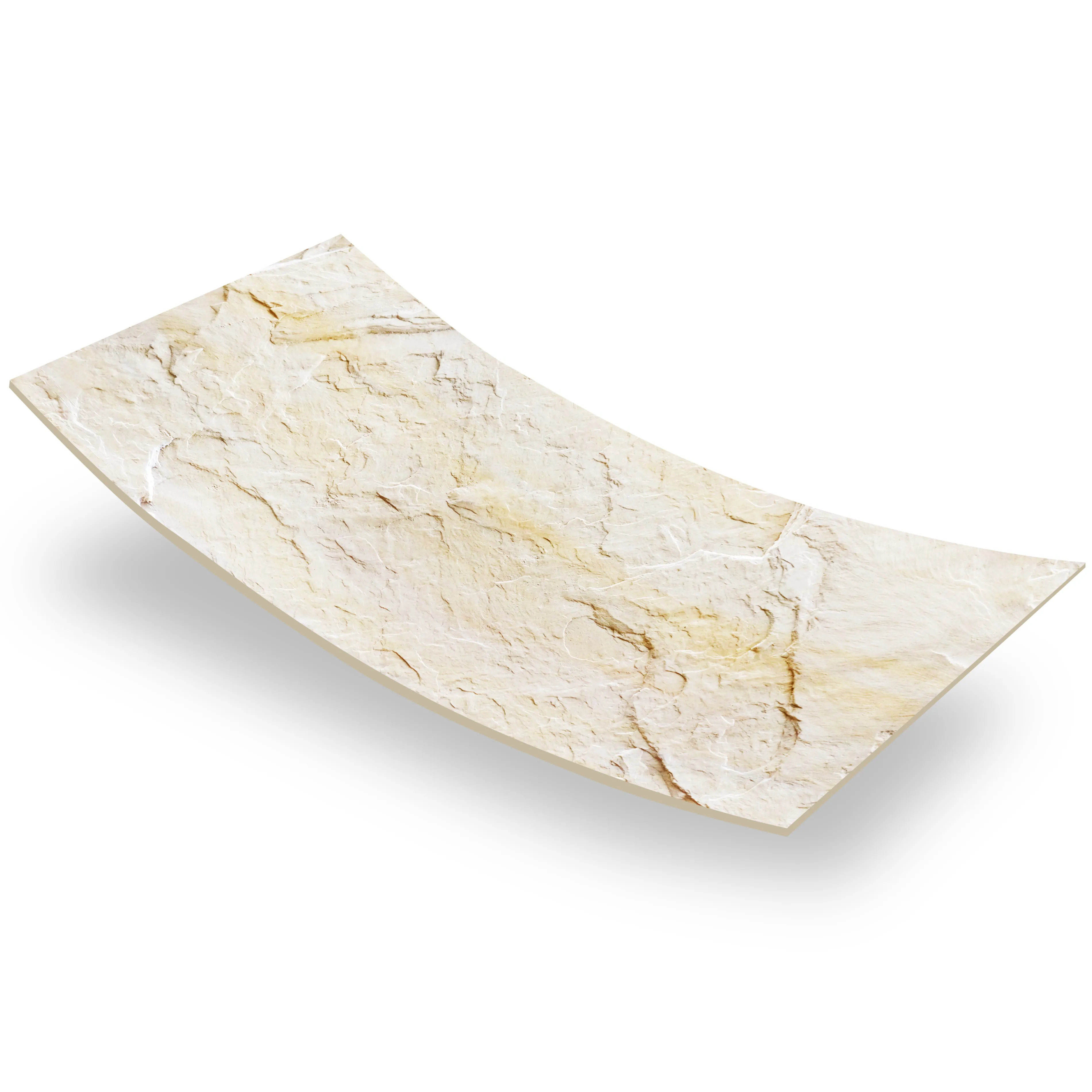
At its core, Slate Sunnye MCM Board is a masterclass in material engineering—blending natural elements with advanced polymers to create something that feels both organic and cutting-edge. Let's break down what goes into making this innovative material.
First, the foundation: natural stone aggregates . Slate Sunnye starts with finely ground slate particles, chosen for their distinctive color palette and texture. These aggregates are sourced from sustainable quarries, ensuring that the raw materials honor the earth without depleting it. But unlike traditional slate, which is mined in large, heavy blocks, these aggregates are processed into a fine powder, reducing waste and allowing for precise control over the final product's appearance.
Next, the binder: polymer resins . This is where the "modified" in MCM comes into play. The stone aggregates are mixed with high-performance, eco-friendly polymers that act as a glue, holding the material together while adding flexibility—a key feature we'll explore later. These resins are carefully selected for their durability and low environmental impact; many are water-based or contain recycled content, minimizing volatile organic compounds (VOCs) and ensuring the material is safe for indoor use.
The final step in composition is the reinforcement layer . A thin, lightweight fiberglass mesh is integrated into the mix during manufacturing, adding tensile strength without adding bulk. This layer is what gives Slate Sunnye its impressive flexibility—unlike solid stone, which cracks under stress, the mesh allows the material to bend slightly, making it ideal for curved surfaces or installations where traditional stone would fail.
The result? A material that looks and feels like natural slate—with its characteristic matte finish, subtle color variations, and tactile texture—but behaves like a modern engineered product. It's a composition that's been refined over years of research, balancing the "rawness" of nature with the reliability of science.
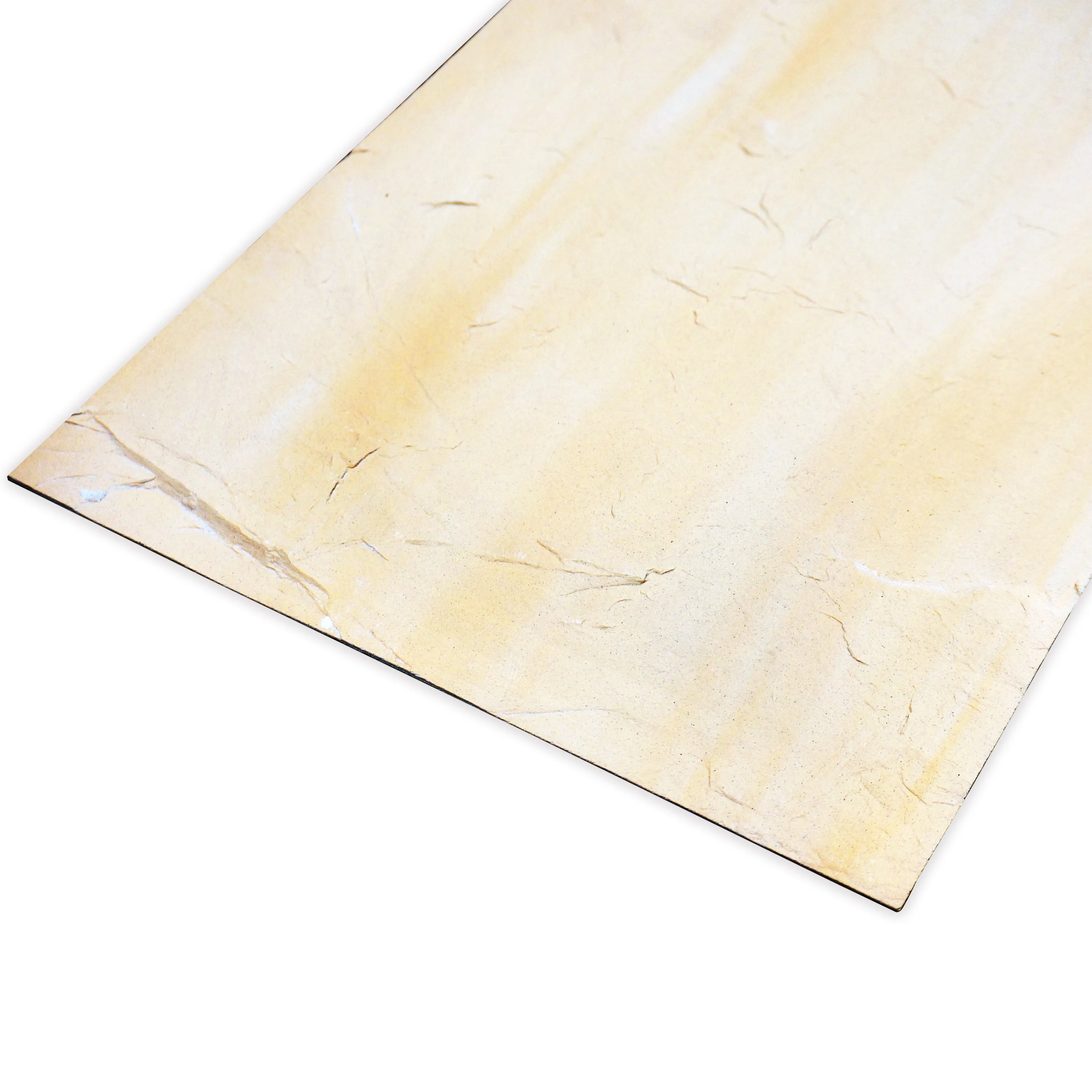
Great composition is just the start. What truly makes Slate Sunnye MCM Board a game-changer are its properties—the features that make it not just beautiful, but practical for real-world use. Let's take a closer look at what sets it apart.
Traditional natural slate can weigh anywhere from 20 to 30 kilograms per square meter, making installation a labor-intensive process that often requires additional structural support. Slate Sunnye, by contrast, clocks in at just 4–6 kg/m²—light enough to be installed by a small team without compromising on strength. This lightweight nature isn't a trade-off, either: the polymer-resin matrix and fiberglass reinforcement give it impressive impact resistance, standing up to daily wear and tear, accidental bumps, and even harsh weather conditions when used outdoors.
Here's where the MCM (Modified Composite Material) label really shines. Unlike rigid natural stone, which can crack if bent even slightly, Slate Sunnye is flexible—able to curve around corners, follow architectural contours, or be applied to uneven surfaces with ease. This flexibility opens up a world of design possibilities. Imagine a restaurant with a curved feature wall that flows seamlessly from floor to ceiling, or a home exterior with a sloped roofline clad in matching Slate Sunnye panels—no awkward seams, no broken slabs, just a smooth, cohesive look. It's a property that architects and designers are calling "design freedom," and it's a big reason why Slate Sunnye is becoming a staple in modern projects.
Whether used indoors or out, a wall material needs to stand up to the elements—sunlight, rain, humidity, and the occasional spill. Slate Sunnye delivers here, too. The polymer coating acts as a barrier against moisture, preventing water absorption that can lead to mold, mildew, or staining. UV resistance ensures that its color won't fade even after years of direct sunlight, making it perfect for exterior cladding or sunlit interior walls. And when life happens—a coffee spill in the kitchen, a muddy handprint in the hallway—cleaning is a breeze: just a damp cloth and mild soap, no harsh chemicals or specialized sealants required. Compare that to natural slate, which often needs regular sealing to prevent stains, and the difference becomes clear.
Slate Sunnye isn't just a standalone product—it's part of the MCM Big Slab Board Series, a line of large-format panels designed for minimal joints and maximum impact. Available in sizes up to 1200x2400mm, these slabs reduce the number of seams in a project, creating a sleek, uninterrupted surface that's visually striking. For designers aiming for a "monolithic" look—think a minimalist office lobby or a luxury retail space—this is a game-changer. Installation is also faster: with lightweight panels and a simple adhesive application, a team can cover a large area in a fraction of the time it would take to install traditional stone, cutting down on labor costs and project timelines.
| Feature | Traditional Slate | Slate Sunnye MCM Board |
|---|---|---|
| Weight (per sqm) | 20–30 kg | 4–6 kg |
| Flexibility | Rigid; prone to cracking | Flexible; bends without breaking |
| Installation Time | Slow (requires structural support) | Fast (lightweight, large slabs) |
| Stain Resistance | Low (requires regular sealing) | High (polymer barrier prevents absorption) |
| Environmental Impact | High (quarrying, heavy transportation) | Low (sustainable sourcing, reduced waste) |
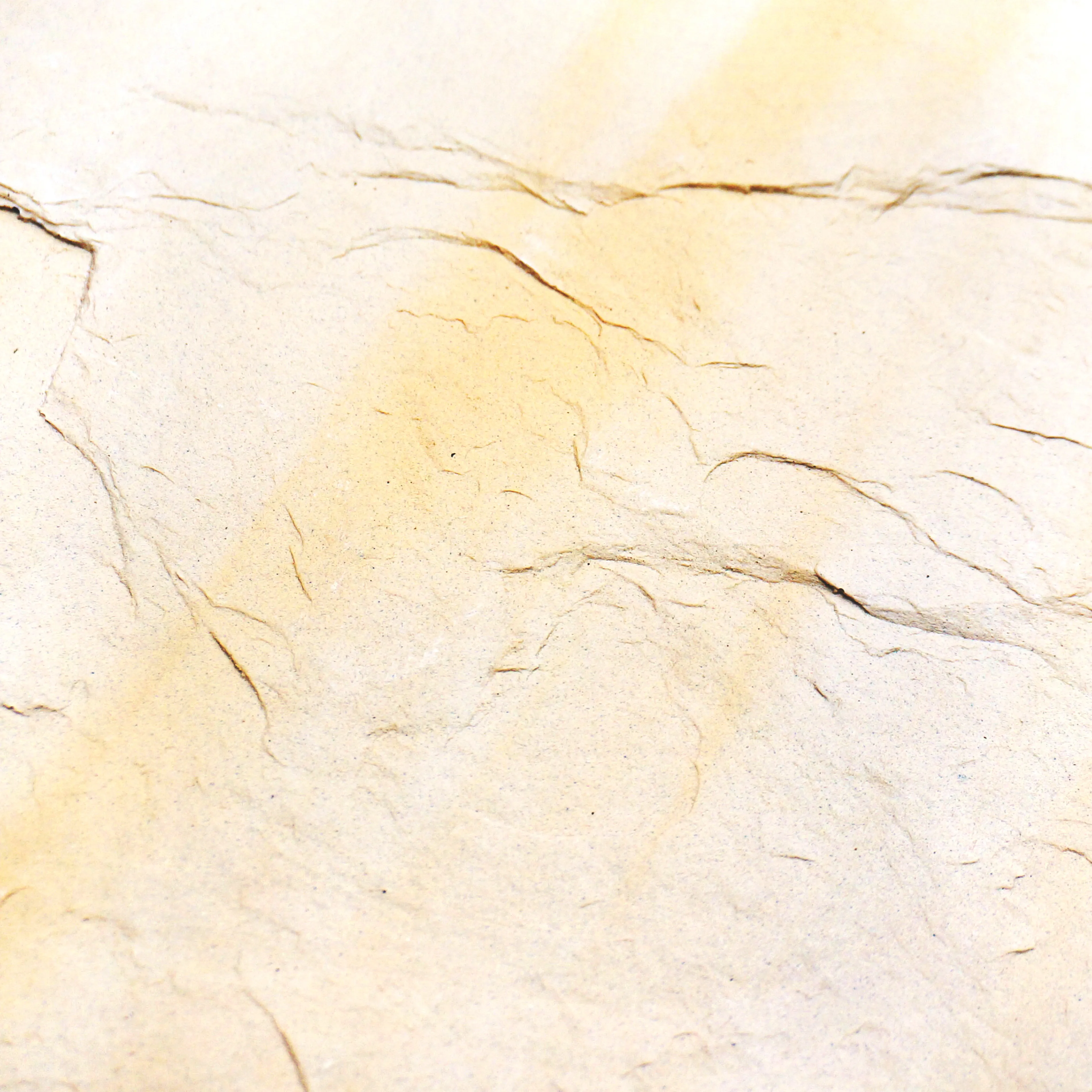
In an era where "sustainability" is more than just a buzzword—it's a responsibility—Slate Sunnye MCM Board doesn't just meet the mark; it sets a new standard. Let's break down how this material aligns with eco-friendly building practices, from production to installation to long-term use.
Traditional stone quarrying is resource-intensive: it involves heavy machinery, large-scale land disturbance, and significant water usage. Slate Sunnye, by contrast, uses recycled stone aggregates in its composition—up to 70% of its raw materials are sourced from post-industrial waste, such as leftover stone from quarrying operations that would otherwise end up in landfills. This not only reduces the demand for new mining but also cuts down on waste, making the production process circular and efficient.
Energy usage is another area where Slate Sunnye shines. The manufacturing process requires less heat and electricity compared to firing ceramics or processing solid stone, thanks to its low-temperature curing method. This translates to lower carbon emissions—a critical factor in combating climate change. Additionally, the lightweight nature of the panels reduces transportation emissions: a single truck can carry 10 times more Slate Sunnye panels than traditional slate slabs, cutting down on fuel consumption and road congestion.
Sustainability isn't just about production—it's about how long a material lasts. A product that needs frequent replacement is rarely eco-friendly, no matter how "green" its manufacturing process. Slate Sunnye is built to last: its UV resistance, moisture barrier, and impact resistance mean it won't fade, warp, or degrade over time. In fact, it's estimated to have a lifespan of 30+ years with minimal maintenance, compared to traditional slate, which may need repairs or replacement after 15–20 years in harsh conditions.
Low maintenance also plays a role here. Unlike natural stone, which often requires annual sealing to prevent staining, Slate Sunnye needs no special treatments. This not only saves time and money for homeowners and businesses but also reduces the use of chemical sealants that can harm the environment. It's a "set it and forget it" material—one that keeps performing without constant intervention.
Even the most durable materials eventually reach the end of their lifecycle, but Slate Sunnye is designed to minimize waste here, too. At the end of its use, the panels can be recycled: the polymer resins can be broken down and repurposed, while the stone aggregates can be reused in new construction materials. This stands in stark contrast to traditional stone, which often ends up in landfills when removed from a building, as it's difficult to repurpose without significant processing.
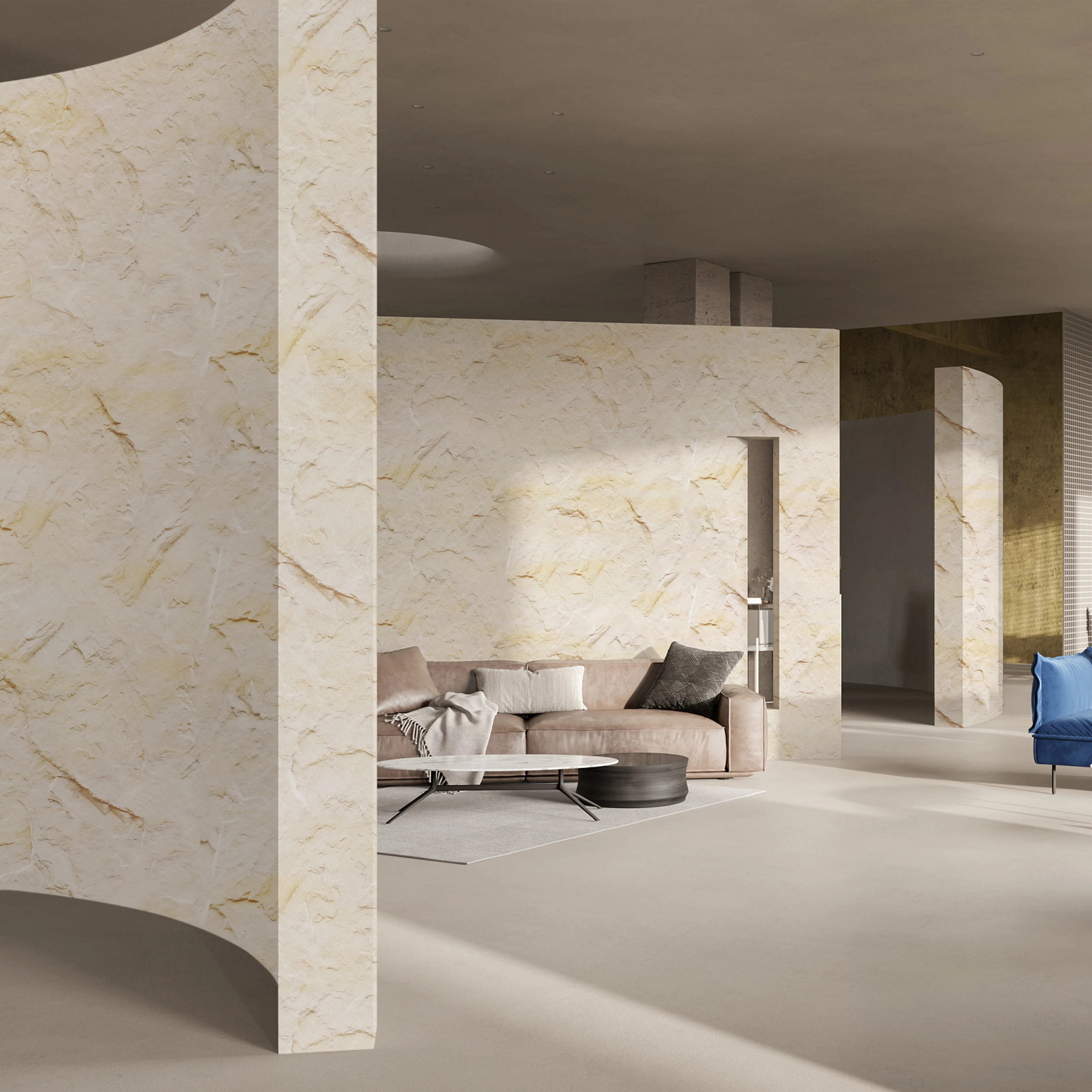
A material with great properties and sustainability credentials is only as good as its real-world applications. Slate Sunnye MCM Board's versatility makes it suitable for a wide range of projects, both indoors and out. Let's explore some of the most popular uses.
Indoors, Slate Sunnye is a designer's dream for feature walls. Imagine a home living room with a Slate Sunnye accent wall behind the sofa, its matte finish softening the room's lighting and adding depth to the space. Or a restaurant bar area where the wall is clad in large-format Slate Sunnye panels, creating a backdrop that complements the warm glow of pendant lights and the rich tones of wooden bar stools. Its neutral color palette—think soft grays, warm beiges, and subtle earthy hues—makes it easy to pair with other materials, from wood to metal to glass, ensuring it fits into any design scheme, whether modern, rustic, or industrial.
Commercial spaces are also embracing Slate Sunnye. Office lobbies use it to create a professional yet welcoming atmosphere, while hotels opt for it in guest rooms to add a touch of luxury without overwhelming the space. Even retail stores are getting in on the trend: clothing boutiques use it to highlight merchandise, as its understated texture doesn't compete with the products on display but rather elevates them.
Outdoors, Slate Sunnye proves its mettle as a durable cladding material. Its weather resistance makes it ideal for exterior walls, facades, and even pool surrounds. In coastal areas, where saltwater and humidity can corrode traditional materials, Slate Sunnye holds its own, resisting rust and degradation. In colder climates, it stands up to freeze-thaw cycles without cracking—a common issue with natural stone. Homeowners love it for its ability to transform a plain exterior into something distinctive: a modern home with a Slate Sunnye facade exudes sophistication, while a cottage-style house with the material adds a touch of rustic charm.
Commercial buildings, too, benefit from its exterior applications. Shopping centers use it to create cohesive outdoor plazas, while schools and community centers appreciate its low maintenance and safety features (it's non-slip, even when wet). It's a material that looks good from day one and only gets better with age, developing a subtle patina that adds character without compromising its integrity.
Slate Sunnye's flexibility and heat resistance make it suitable for more niche uses, too. Fireplace surrounds, for example, are a natural fit: the material can withstand high temperatures without warping, and its texture adds a cozy, inviting feel to the hearth. Furniture designers are also experimenting with it, creating unique pieces like coffee tables, accent chairs, and even kitchen countertops. Imagine a kitchen island with a Slate Sunnye top—durable enough to handle pots and pans, easy to clean, and stunningly beautiful.
To truly appreciate Slate Sunnye, it helps to compare it to other popular building materials on the market. Let's see how it measures up against two common alternatives: traditional natural slate and fair-faced concrete.
As we've touched on earlier, traditional slate has unparalleled beauty, but its weight and fragility are significant drawbacks. Slate Sunnye offers the same aesthetic appeal but with none of the hassle. Installation is faster, structural requirements are simpler, and maintenance is minimal. For homeowners or businesses on a budget, the reduced labor costs alone make it a more attractive option than natural slate, which often requires specialized installers and heavy equipment.
Fair-faced concrete is another popular material in modern design, prized for its industrial, raw look. While it shares Slate Sunnye's durability and low maintenance, it lacks the warmth and texture of natural stone. Slate Sunnye offers a softer, more organic alternative—its subtle color variations and tactile surface add depth that concrete, with its uniform finish, can't match. Additionally, Slate Sunnye is more flexible than concrete, making it better suited for curved or irregular surfaces. For designers who want the "industrial chic" look but crave a touch of nature, Slate Sunnye is the perfect middle ground.
Slate Sunnye MCM Board isn't just a material—it's a reflection of where the building industry is heading: toward innovation that honors the past while embracing the future. It takes the timeless beauty of natural stone, enhances it with modern engineering, and wraps it all in a sustainable package that aligns with our growing commitment to the planet. Whether you're an architect designing a landmark building, a designer curating a cozy home, or a homeowner looking to upgrade your space, Slate Sunnye offers something rare: a material that's as practical as it is beautiful, as durable as it is eco-friendly, and as versatile as it is distinctive.
In a world where we're all looking to make choices that matter—for our spaces, our wallets, and our planet—Slate Sunnye MCM Board stands out as a choice that checks every box. It's a reminder that progress doesn't have to mean sacrificing beauty, and that sustainability can go hand in hand with style. So the next time you walk into a space and find yourself drawn to the walls, take a closer look. Chances are, you might be looking at the future of building materials—and it's called Slate Sunnye.
Recommend Products












