
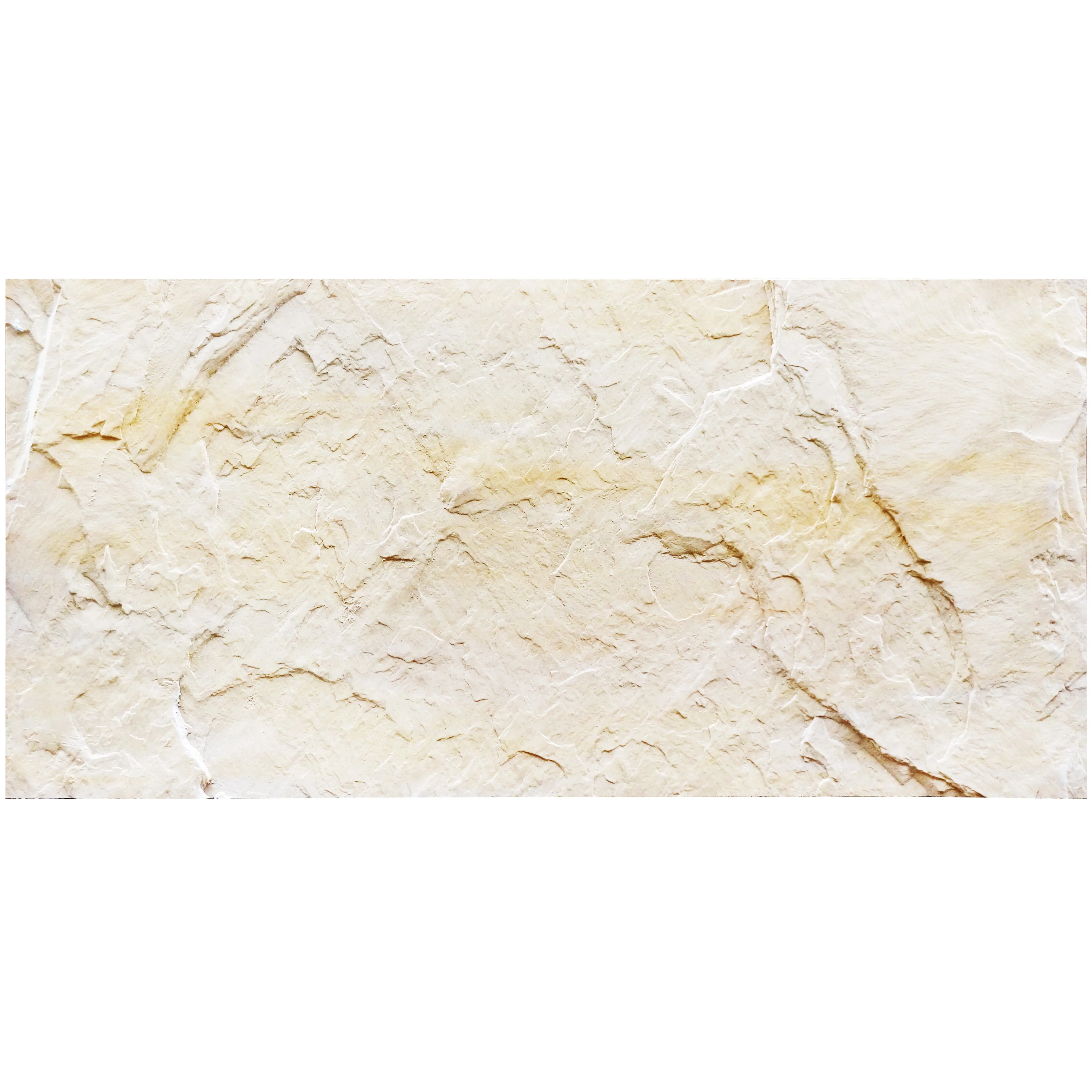
Think about the last time you walked past a building that looked worn down—maybe the paint was peeling, the walls had water stains, or the facade seemed to sag under the weight of years of rain, sun, and snow. It's a common sight, but it doesn't have to be. The materials we choose for our buildings don't just shape their appearance; they determine how well they stand up to the elements, year after year. That's where Slate Sunnye MCM comes in. Part of the innovative MCM flexible stone series, this material isn't just another pretty face—it's a workhorse designed to laugh off rain, shine, and everything in between. In this article, we're diving deep into what makes Slate Sunnye MCM a standout choice for architects, builders, and anyone who wants their project to look great and last.
Before we get into the nitty-gritty of water resistance and weatherproofing, let's make sure we're all on the same page about what Slate Sunnye MCM actually is. MCM stands for Modified Composite Material, a technology that's been shaking up the building industry by blending the best of natural materials with modern engineering. Traditional slate is beautiful, no doubt—those rich, layered textures and earthy tones have been used in architecture for centuries. But it's heavy, brittle, and can be a nightmare to install on large surfaces. Slate Sunnye MCM flips that script.
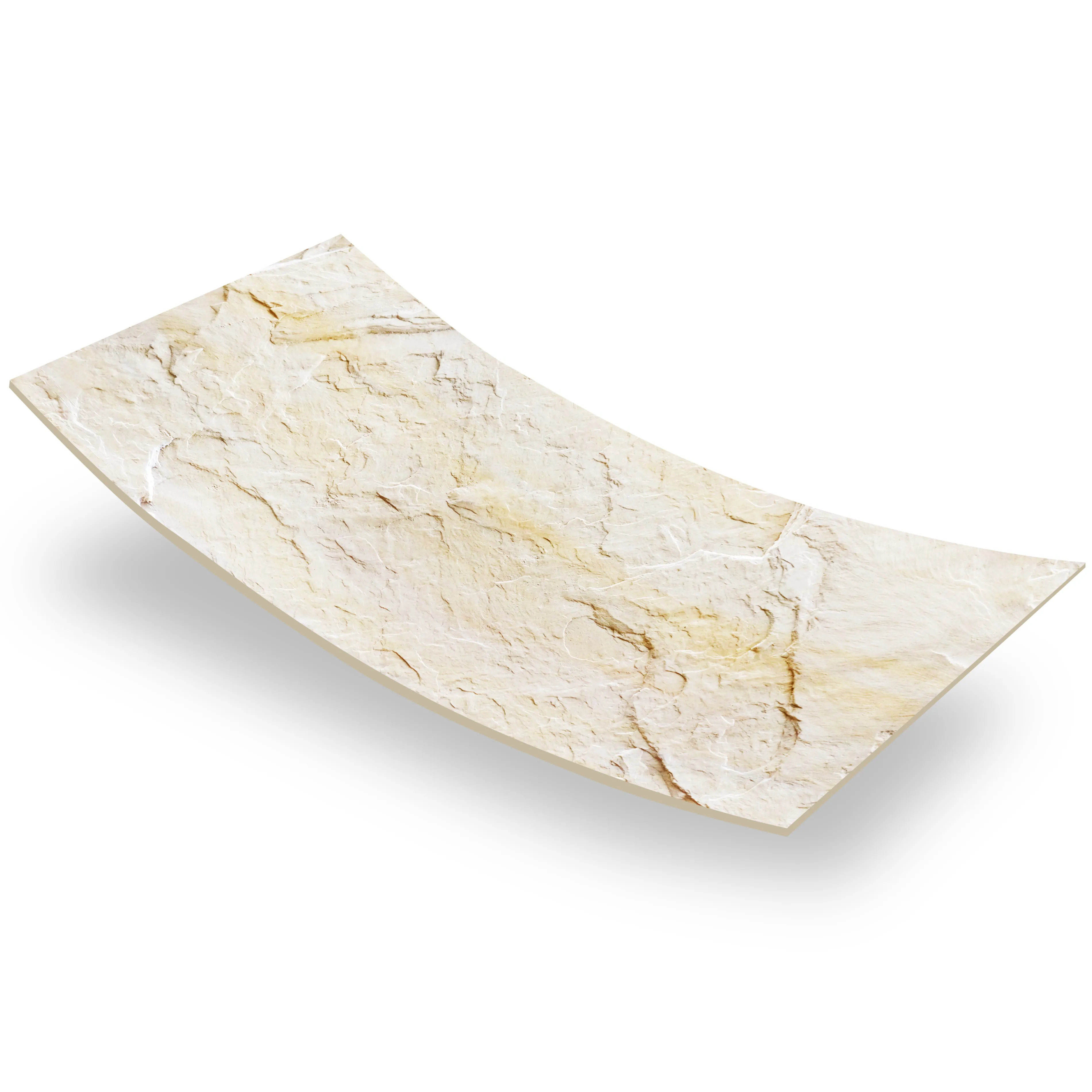
Imagine taking the authentic look and feel of natural slate and compressing it into a lightweight, flexible panel. That's essentially what Slate Sunnye MCM is. It's made by combining natural slate aggregates with a high-performance polymer matrix, then reinforcing it with fiberglass for added strength. The result? A panel that weighs up to 70% less than traditional slate, bends without breaking, and installs in a fraction of the time. And unlike some synthetic alternatives that scream "fake," Slate Sunnye MCM retains that organic, weathered charm that makes slate so timeless.
But here's the kicker: all that flexibility and lightness doesn't come at the cost of durability. In fact, it's quite the opposite. MCM technology is engineered to address the weaknesses of natural materials—like their tendency to absorb water or crack under temperature changes. Which brings us to the first big topic: water resistance.
Water is the silent enemy of buildings. It seeps into cracks, freezes and expands, rots wood, corrodes metal, and breeds mold. Over time, even a small amount of water absorption can turn into big problems—staining, structural damage, and expensive repairs. For exterior cladding, water resistance isn't just a nice-to-have; it's a make-or-break feature. So how does Slate Sunnye MCM stack up here?
To really understand a material's water resistance, you can't just spray it with a hose and call it a day. The building industry has strict standards, and Slate Sunnye MCM is put through rigorous testing to prove its mettle. One of the most common tests is the water absorption rate test, where samples are submerged in water for 24 hours and weighed before and after. The lower the absorption rate, the better.
Traditional natural slate typically has an absorption rate of around 0.5% to 1.5%—which is decent, but not exceptional. Fair-faced concrete, another popular exterior material, can absorb up to 5% water in the same test. Now, compare that to Slate Sunnye MCM: in independent lab tests, it consistently clocks in at less than 0.1% water absorption. Let that sink in—less than a tenth of a percent. That's practically hydrophobic. How does it do that?
The secret lies in that polymer matrix we mentioned earlier. The high-performance polymers in Slate Sunnye MCM create a tight, non-porous barrier that repels water at the surface. Unlike natural slate, which has tiny pores and micro-cracks that water can sneak into, MCM panels are engineered to be uniformly dense. Even if the surface gets wet—say, during a heavy rainstorm—the water beads up and runs off instead of soaking in. And because the panels are flexible, they're less likely to develop cracks over time that could let water in, unlike rigid materials like fair-faced concrete that can crack under stress.
Real-World Example: Let's take a case study from Seattle, a city famous for its rainy weather. A commercial office building there installed Slate Sunnye MCM on its facade five years ago. In that time, it's endured over 150 inches of annual rainfall—more than three times the national average. Inspections last year showed zero signs of water penetration behind the panels. No staining, no mold, no deterioration of the underlying structure. Compare that to a neighboring building with traditional slate cladding, which required patching and sealing after just two years due to water damage. The difference? Slate Sunnye MCM's ability to shed water instead of absorb it.
Laboratory tests are great for benchmarks, but real life is messy. Rain doesn't fall evenly; wind drives water sideways; buildings have corners and edges where water can pool. Slate Sunnye MCM is designed to handle these real-world scenarios, thanks in part to its installation system. The panels are mounted using a rainscreen system, which creates a small air gap between the cladding and the building's structure. This gap acts as a buffer—any water that does manage to get behind the panels (though it's rare) can drain out and evaporate, instead of getting trapped and causing damage.
Another advantage is that Slate Sunnye MCM doesn't require sealing. Traditional slate needs regular coats of sealant to maintain its water resistance, which adds to maintenance costs and labor. But because of its polymer matrix, Slate Sunnye MCM is inherently water-resistant from day one, and that resistance doesn't wear off over time. No more scheduling annual sealant jobs or worrying about the sealant peeling and leaving your building vulnerable.
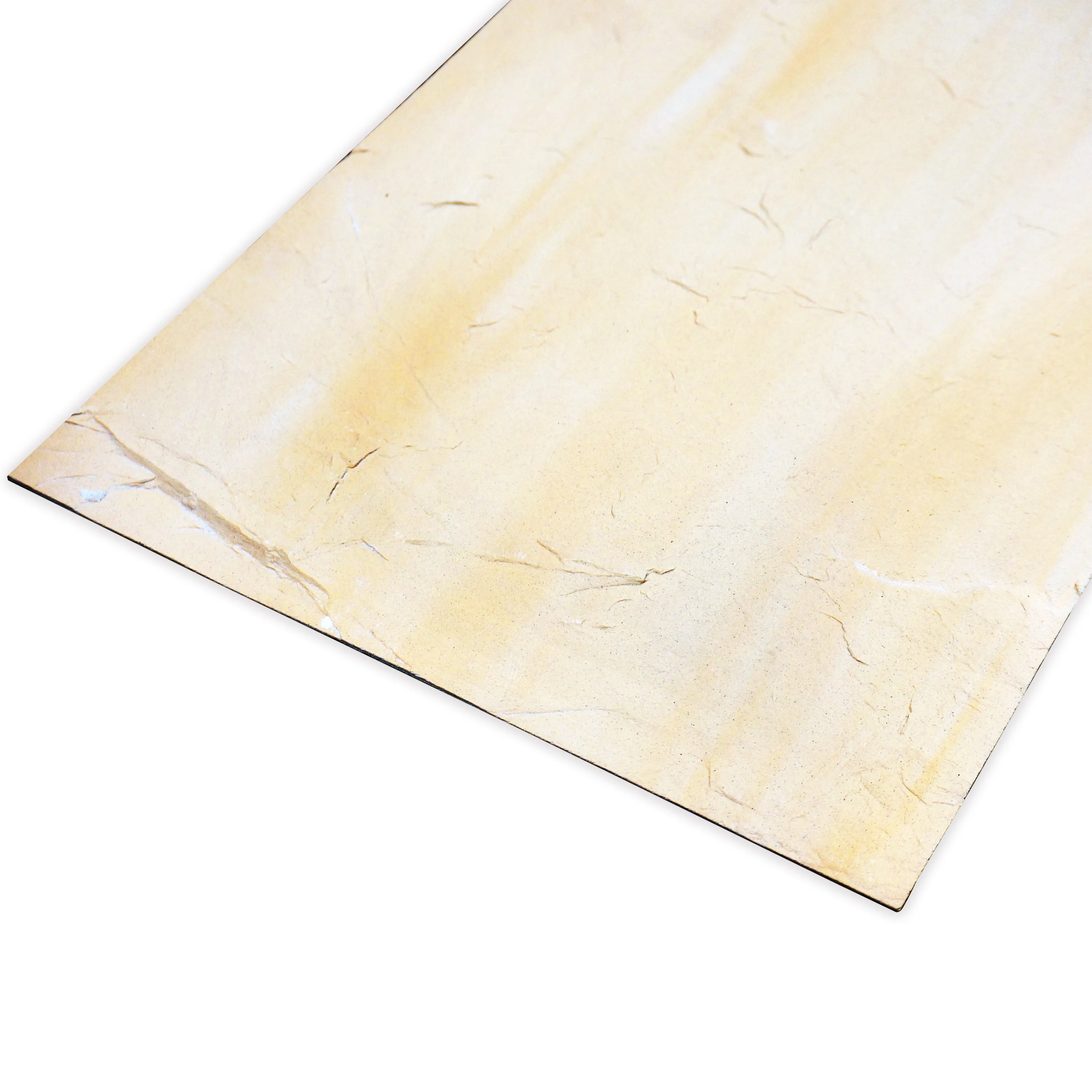
Water resistance is a big part of the weatherproofing puzzle, but it's not the whole picture. A truly weatherproof material needs to handle the full spectrum of Mother Nature's moods: scorching UV rays, freezing winters, humid summers, and even extreme temperature swings. Let's break down how Slate Sunnye MCM holds up in each scenario.
Ever noticed how some building materials fade after a few years in the sun? That's UV radiation at work, breaking down pigments and polymers. For exteriors, fading isn't just an aesthetic issue—it can also signal that the material itself is degrading, becoming brittle or less water-resistant over time. Slate Sunnye MCM is formulated with UV stabilizers that act like sunscreen for the panels, blocking those harmful rays and preventing color fading.
To put this to the test, manufacturers expose samples to accelerated UV testing—simulating years of sun exposure in a matter of weeks. Slate Sunnye MCM consistently scores high here, with color retention rates of over 95% even after 2,000 hours of UV exposure. Compare that to some natural stones, which can fade significantly in just a few years under intense sunlight. If you've ever seen a building with a facade that looks "washed out" compared to when it was new, chances are UV damage is to blame. Slate Sunnye MCM avoids that fate, keeping its rich, vibrant tones for decades.
Buildings don't get to pick their climate—some are in the scorching deserts of the Middle East, others in the freezing winters of Canada. Materials need to expand and contract with temperature changes without cracking or warping. Slate Sunnye MCM's flexibility is a huge asset here. Unlike rigid materials like fair-faced concrete or traditional stone, which can crack when they expand, Slate Sunnye MCM has a degree of give. It expands and contracts with temperature fluctuations, reducing stress on the panels and the building structure.
Let's talk numbers: Slate Sunnye MCM can handle temperatures from -40°C (-40°F) to 80°C (176°F). That's a range that covers everything from the coldest winter nights in Siberia to the hottest summer days in Arizona. Even in places with extreme diurnal temperature swings—like deserts, where it's blistering hot during the day and freezing cold at night—the panels remain stable. No cracking, no warping, no delamination.
One of the most brutal tests for building materials is the freeze-thaw cycle. When water seeps into a material, freezes, and expands, it creates internal pressure that can crack or spall the surface. Over time, this can turn a smooth facade into a pockmarked mess. But remember how we talked about Slate Sunnye MCM's low water absorption rate? That's the key here. Since it absorbs so little water, there's almost no moisture to freeze and expand in the first place. Even in regions with harsh winters, where freeze-thaw cycles are common, Slate Sunnye MCM holds its ground.
To put this to the test, samples are submerged in water, frozen to -20°C, thawed, and repeated—sometimes hundreds of times. Slate Sunnye MCM has undergone 300+ freeze-thaw cycles with no visible damage, which is far more than the typical requirement for most building codes. For anyone in a cold climate, that's peace of mind knowing your cladding won't start falling apart after a few winters.
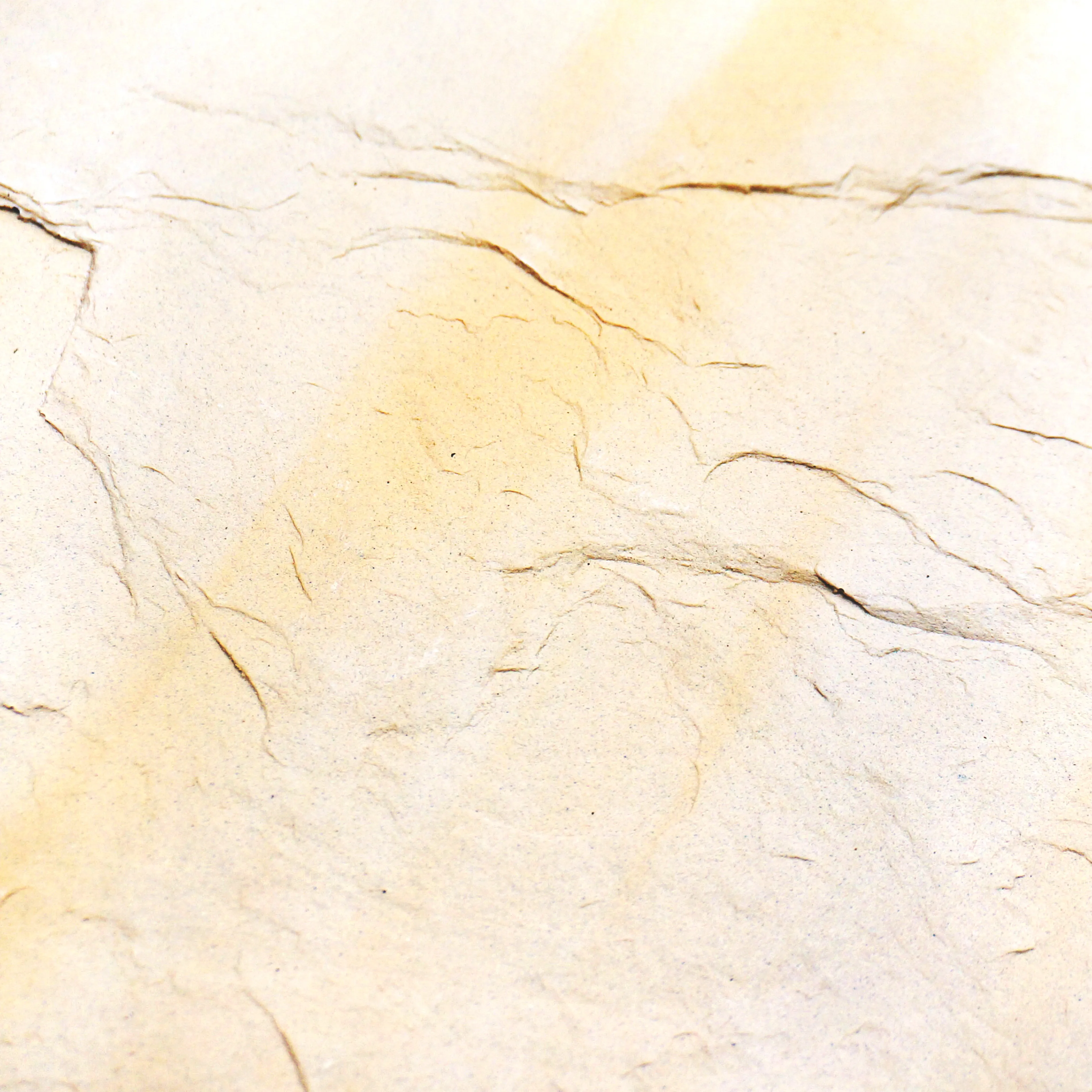
We've talked a lot about how great Slate Sunnye MCM is, but it's always helpful to see how it stacks up against other popular building materials. Let's take a look at a few common alternatives and compare their water resistance, weatherproofing, and overall durability.
| Material | Water Absorption Rate | UV Resistance | Freeze-Thaw Cycles (Tested) | Weight (kg/m²) | Maintenance Needs |
|---|---|---|---|---|---|
| Slate Sunnye MCM | <0.1% | 95% color retention after 2,000 hours | 300+ cycles (no damage) | 4-5 kg/m² | None (no sealing required) |
| Fair-Faced Concrete | 3-5% | Prone to fading and staining | 50-100 cycles (may crack) | 20-25 kg/m² | Regular sealing required |
| Epoch Stone | 1.2-1.5% | Good (85% color retention) | 150-200 cycles | 12-15 kg/m² | Sealing every 2-3 years |
| Lunar Peak Silvery | 0.8-1.0% | Excellent (90% color retention) | 200+ cycles | 8-10 kg/m² | Minimal (sealing every 5 years) |
As you can see, Slate Sunnye MCM outperforms traditional options like fair-faced concrete in nearly every category. It has lower water absorption, better UV resistance, handles more freeze-thaw cycles, and is significantly lighter—all with zero maintenance. Even compared to other MCM products like Lunar Peak Silvery, it holds its own, with slightly better water resistance and lower weight.
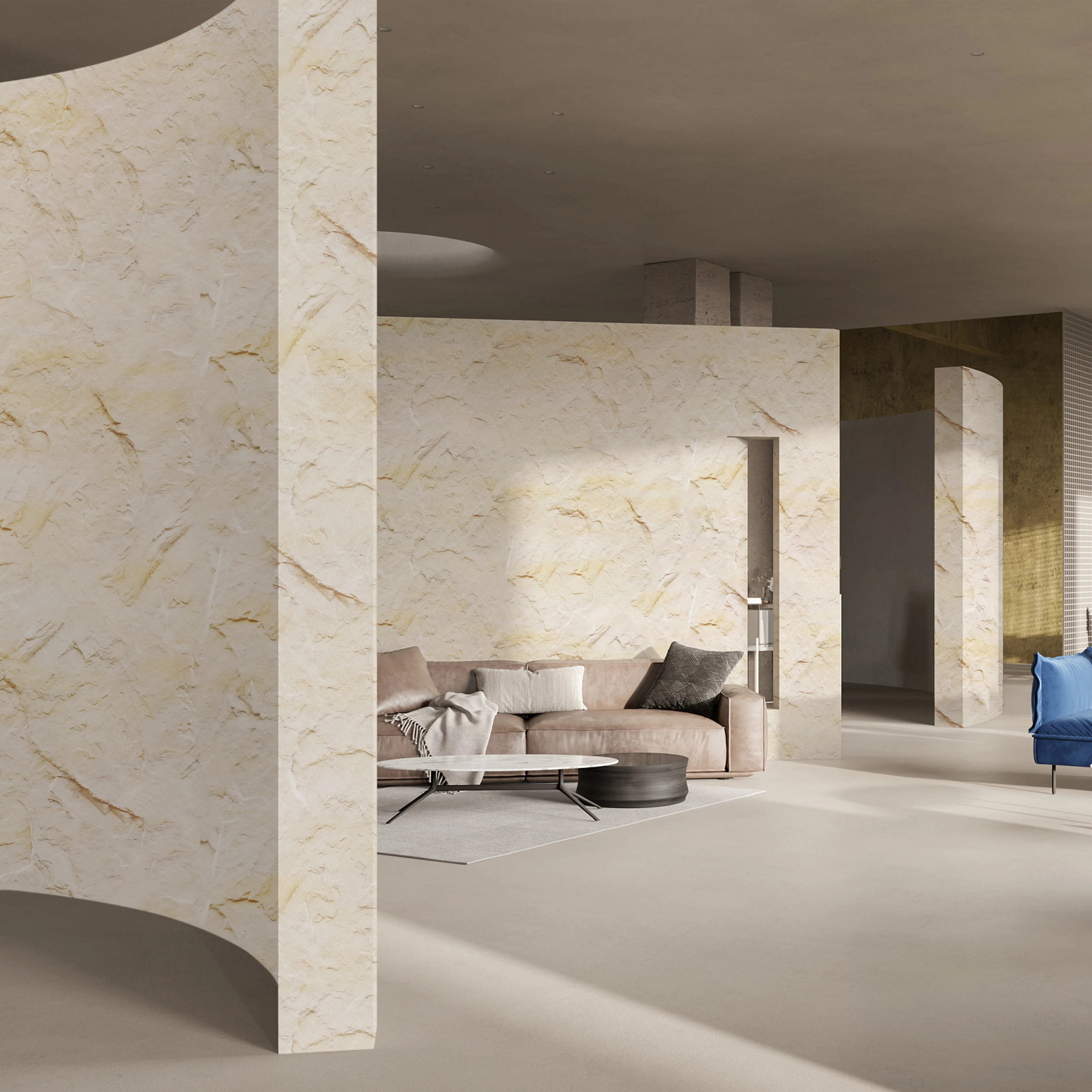
So, now that we know Slate Sunnye MCM is water-resistant, weatherproof, and durable, where does it make the most sense to use it? The short answer: just about anywhere you need a beautiful, low-maintenance exterior cladding. But there are a few applications where it really stands out.
Cities like Seattle, Portland, or London—places where rain is a way of life—benefit hugely from Slate Sunnye MCM's water resistance. No more worrying about rain stains or mold growth on your facade.
Coastal areas have to deal with saltwater spray, which is even more corrosive than fresh water. Slate Sunnye MCM's polymer matrix is resistant to salt damage, making it ideal for beachfront properties or buildings near the ocean.
Many historic buildings have traditional slate roofs or facades that are crumbling under their own weight. Slate Sunnye MCM can replicate the look of the original slate while being lightweight enough to install without reinforcing the structure—preserving history without sacrificing safety.
Big box stores, office towers, and shopping malls need cladding that's quick to install and low-maintenance. Slate Sunnye MCM's large panel sizes (up to 1200x600mm) and lightweight design cut installation time and labor costs, while its durability means fewer repairs down the line.
At the end of the day, building materials are an investment. You want to know they'll last for decades, not just a few years. Slate Sunnye MCM is backed by a 20-year warranty, but in reality, it's expected to last much longer—50+ years in most climates. That's comparable to traditional slate, but without the weight and maintenance issues.
Part of that longevity comes from the fact that MCM is inert. It doesn't rot, rust, or degrade biologically. Pests like termites can't eat it, and it's fire-resistant (it has a Class A fire rating, the highest possible). Even in harsh environments, the material itself remains stable, so the only thing that might change over time is the patina—and that's a good thing. Like natural slate, Slate Sunnye MCM develops a subtle, weathered look over the years, adding character instead of looking worn out.
Case Study: A 10-Year-Old Installation In Barcelona, a hotel installed Slate Sunnye MCM on its exterior in 2015. Since then, it's endured hot, dry summers, mild but rainy winters, and the occasional hailstorm. When the hotel underwent renovations in 2024, the contractors were shocked to find the cladding still in near-perfect condition. No cracks, no fading, no water damage. The hotel's manager noted that they hadn't spent a single euro on maintenance for the facade in those 10 years—just a quick power wash once a year to keep it looking fresh.
Building materials are about balance—beauty, durability, cost, and practicality. Slate Sunnye MCM nails that balance. It gives you the timeless, organic look of natural slate without the weight, brittleness, or maintenance headaches. Its water resistance and weatherproof qualities aren't just marketing buzzwords; they're backed by rigorous testing and real-world performance. Whether you're building a beach house in Florida, a commercial complex in Chicago, or restoring a historic building in Boston, Slate Sunnye MCM offers peace of mind that your facade will look great and stand strong for decades to come.
At the end of the day, the best building materials are the ones you don't have to think about. They do their job quietly, protecting your building from the elements while enhancing its beauty. Slate Sunnye MCM is exactly that kind of material. It's not just a cladding option—it's a smart investment in the longevity and resilience of your project. And in a world where the weather is getting more unpredictable by the year, that's a value that's hard to beat.
Recommend Products












