
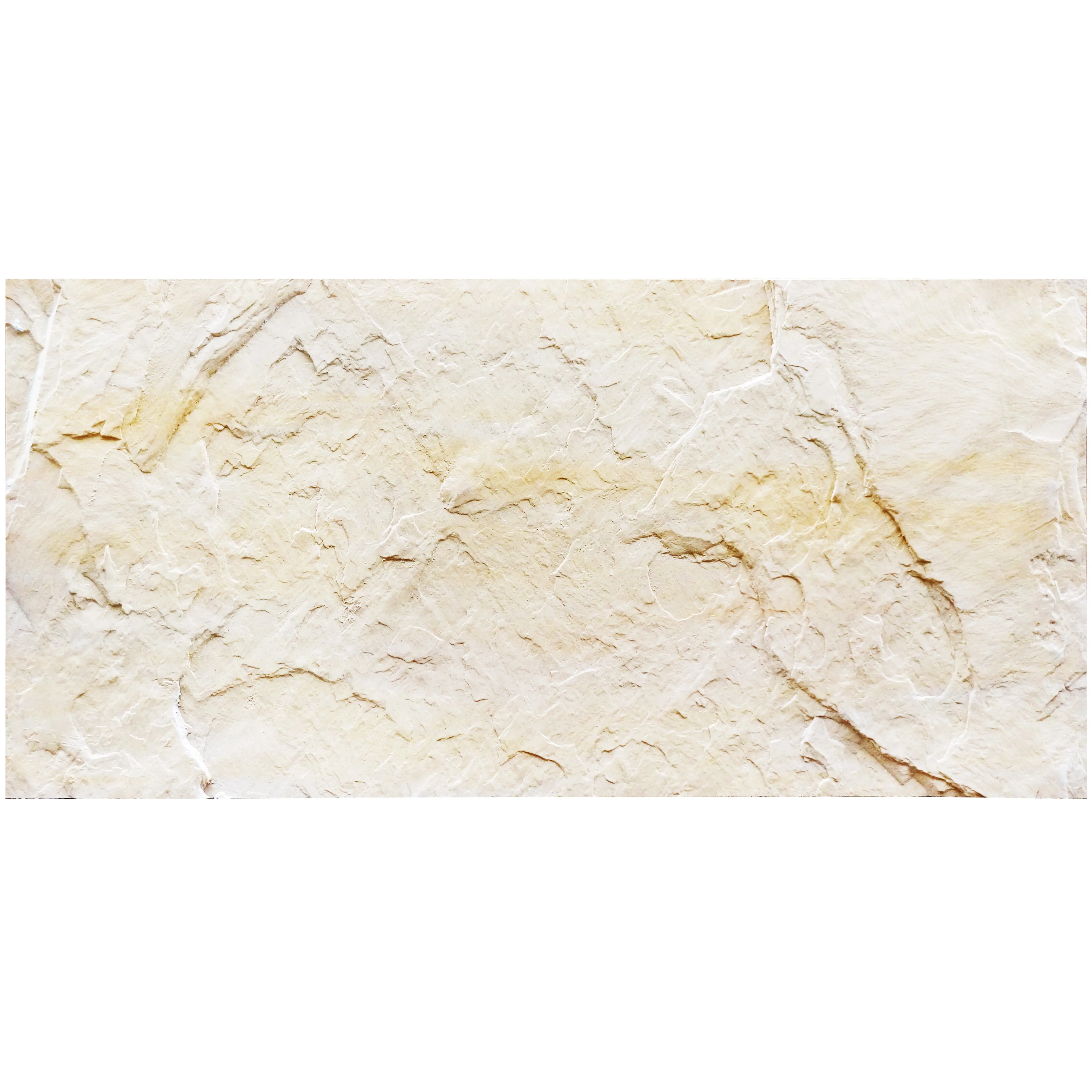
If you've ever walked into a bustling airport terminal, a high-traffic shopping mall, or a busy hotel lobby, you've probably never stopped to think about the floor beneath your feet—until it cracks, fades, or starts to look worn before its time. For commercial architects and designers, that "invisible" floor (or wall, or facade) is the unsung hero of a project. It needs to withstand coffee spills, rolling luggage, scuffing shoes, and even the occasional rogue shopping cart—all while looking intentional, polished, and true to the design vision. That's the balancing act we set out to solve with the Slate Sunnye Project Board Series. Born from the innovation of MCM flexible stone technology and refined through years of listening to what commercial teams really need, this series isn't just about materials—it's about giving you the confidence to create spaces that last, both in function and beauty.
A few years back, we sat down with a team of architects who'd just finished a luxury hotel project. They raved about the design—until they mentioned the lobby floors. "We chose a beautiful natural stone," one said, "but six months in, there are hairline cracks by the entrance. The maintenance crew is begging us to switch to something easier to clean, but the client wants to keep the 'high-end' look." Another designer sighed: "We used fair-faced concrete for a mall renovation. It's durable, sure, but it's so heavy—installation took twice as long as we budgeted, and we had to reinforce the subfloor. And don't even get me started on customization—we wanted a subtle texture, but concrete? It's either smooth or rough, no in-between."
That conversation stuck with us. Commercial spaces shouldn't have to choose between "tough enough" and "looks amazing." What if there was a material that could take the abuse of daily life in a busy space, but still let designers play with texture, color, and pattern? Enter MCM flexible stone—a game-changer in the building materials world. Unlike traditional stone or concrete, MCM (Modified Composite Material) is lightweight, flexible, and engineered to resist impacts, stains, and weather. But we didn't stop there. We asked: How can we take that technology and tailor it specifically to the chaos of commercial projects? The answer was the Slate Sunnye Series.
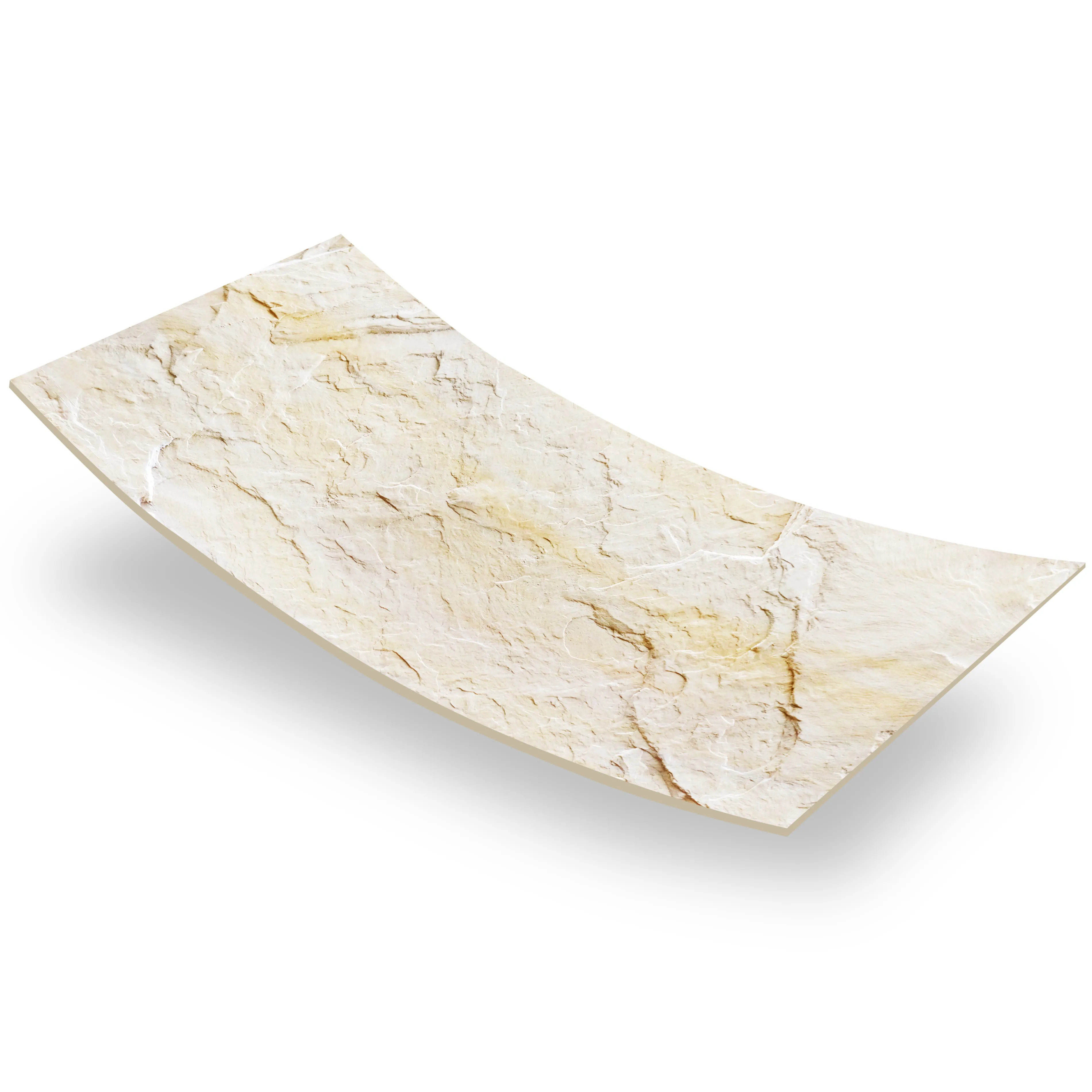
At its core, Slate Sunnye is built on three pillars: durability that outlasts the daily grind, design flexibility that sparks creativity, and practicality that keeps project managers happy. Let's break it down:
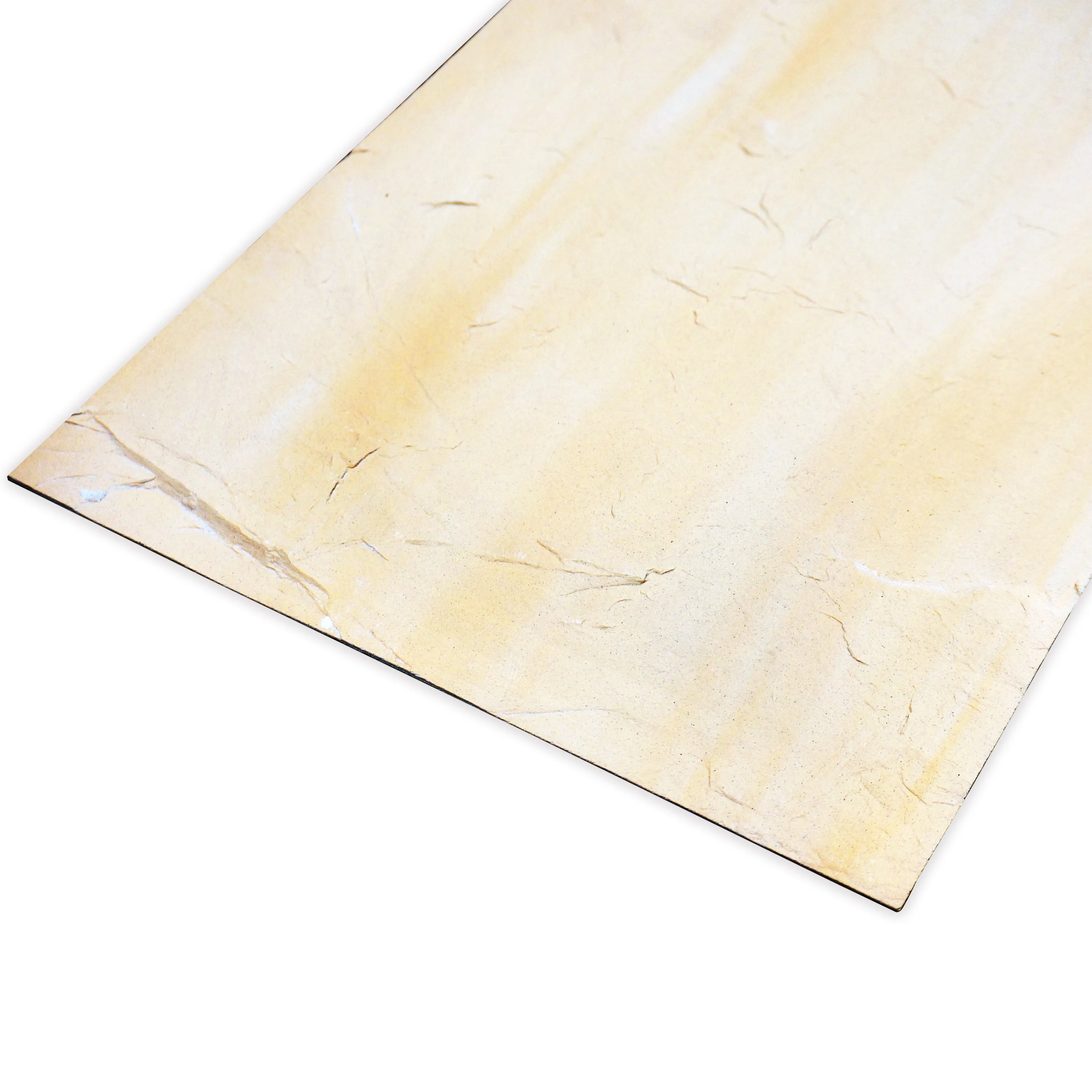
If you love the warmth of wood but hate the upkeep, this is your new go-to. We replicated the look of aged oak, reclaimed pine, and even bamboo mat board textures—right down to the subtle knots and grain variations. But unlike real wood line materials, it won't warp in humidity, scratch from furniture legs, or fade in sunlight. A restaurant chain in Chicago used this finish for their booth panels last year; they report zero stains from tomato sauce spills and no visible wear after 18 months of daily use. "We wanted that 'rustic chic' vibe without the rustic upkeep," their designer told us. "Slate Sunnye gave us exactly that."
Travertine is a classic for a reason—it's timeless, earthy, and adds depth to any space. But traditional travertine can be unpredictable: pores that trap dirt, uneven coloring, and weight issues. Our Linear Travertine (Claybank) takes the best of that natural look—a soft, warm beige with subtle linear veining—and engineers out the hassle. The surface is sealed to resist stains, the color is consistent across batches (no more "this slab is lighter than the last"), and at 12kg/m², it's a breeze to install on walls or floors. A healthcare clinic in Seattle used this for their waiting room walls; they love that it's easy to sanitize and still feels "calming," not clinical.
The backbone of the entire series, our MCM flexible stone core is what makes Slate Sunnye possible. It's a blend of natural stone particles and a polymer binder, pressed into thin, flexible sheets that can be cut, curved, or even shaped into custom forms (hello, curved walls!). Unlike rigid materials like boulder slab, which can crack if the building shifts slightly, Slate Sunnye moves with the structure—perfect for high-rise lobbies or areas prone to minor settling. A stadium in Texas used this for their concourse walls; after two football seasons of fans leaning against them, jumping, and even leaning drinks on the ledges, the walls still look brand-new.
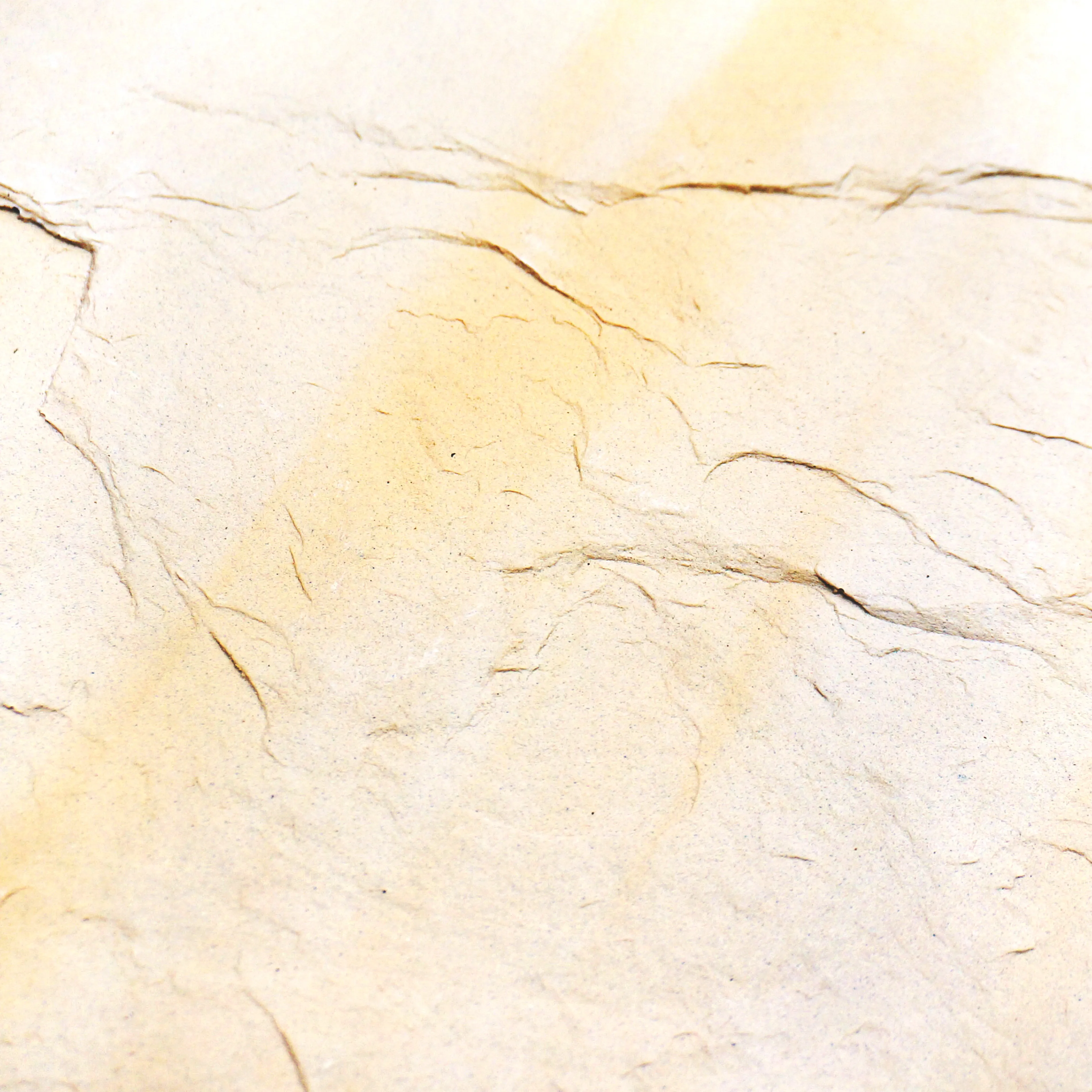
We know you need hard facts to sell the idea to clients or project managers. So we put Slate Sunnye head-to-head with two common commercial materials: traditional fair-faced concrete and natural boulder slab. Here's how it compares:
| Feature | Slate Sunnye Project Board | Traditional Fair-Faced Concrete | Natural Boulder Slab |
|---|---|---|---|
| Compressive Strength | 50MPa (resists heavy impacts) | 40MPa (good, but prone to hairline cracks) | 45MPa (strong, but brittle under stress) |
| Weight per m² | 12kg (lightweight, easy to install) | 25kg (requires reinforced subfloors) | 30kg (heavy; higher shipping/installation costs) |
| Installation Time | ~2 hours per m² (no special tools needed) | ~4 hours per m² (needs curing time) | ~5 hours per m² (requires precision cutting) |
| Design Customization | High (custom colors, textures, Wood Grain Board, linear patterns) | Low (limited to smooth/rough finishes, minimal color options) | Moderate (natural variation, but no custom patterns) |
| Maintenance Needs | Annual sealing (resists stains, easy to wipe clean) | Quarterly sealing (prone to staining if not sealed regularly) | Biannual sealing (porous; requires deep cleaning) |
| Sustainability | Recyclable core; 30% less energy used in production vs. natural stone | High carbon footprint (cement production is energy-intensive) | Non-renewable; mining impacts ecosystems |
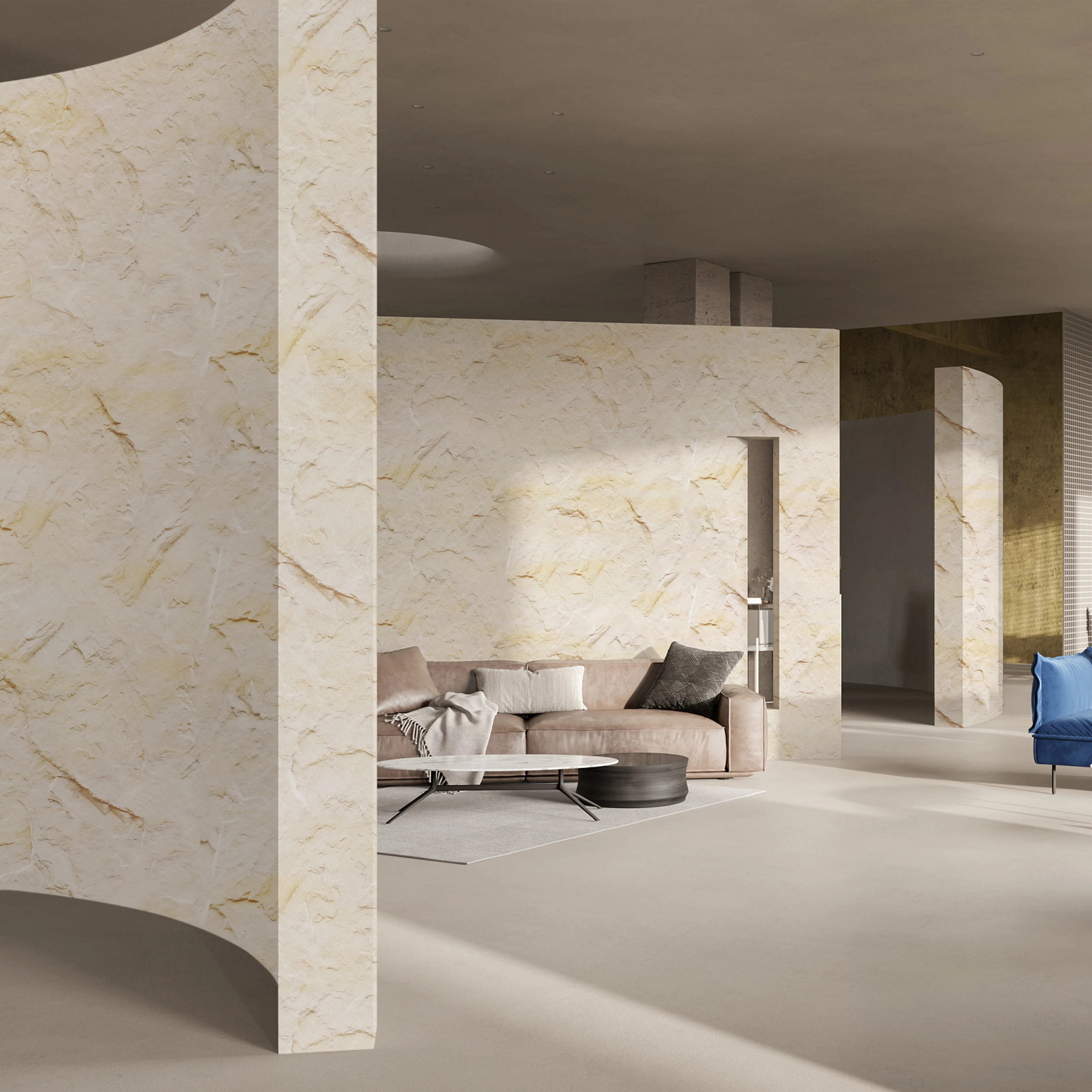
Let's talk about real-world use. Take the Riverfront Mall in Denver, which renovated its food court last year. The original floors were a mix of tile and fair-faced concrete—both showing signs of wear after 10 years. The design team wanted something that could handle food spills, high chairs, and constant foot traffic, but also tie into the mall's "natural meets modern" vibe. They chose Slate Sunnye with the Wood Grain Board finish for the seating areas and linear travertine (claybank) for the walkways. Six months later, the floors still look fresh. "We had a spill of hot sauce that sat for three hours before cleanup," the project manager. "Wiped right off with a damp cloth. No stain, no discoloration. I wish all materials were this low-drama."
Then there's the SkyView Airport Terminal in Atlanta. Their challenge? A facade that needed to withstand Georgia's humid summers and icy winters, while matching the terminal's sleek, modern design. They opted for Slate Sunnye panels in "slate veil white" with aluminum alloy accents. "Traditional stone facades would have been too heavy for the existing structure," the lead architect explained. "Slate Sunnye's lightweight panels meant we didn't have to redo the entire support system. And after a year of rain, snow, and direct sun? The color hasn't faded a bit. It still looks like we installed it yesterday."
It's not just about the specs—it's about the peace of mind. We recently surveyed 50 commercial project managers who'd used Slate Sunnye, and three themes kept popping up:
We're not stopping with the current lineup. Next year, we're rolling out new textures inspired by global landscapes—think "gobi panel" patterns that mimic the wind-swept lines of desert dunes, and "stream limestone" textures that look like water-worn stone. We're also exploring how to integrate elements from our 3D printing series for even more intricate designs—imagine a feature wall with raised geometric patterns, all in the durability of Slate Sunnye. And because we know commercial projects often need cohesive design language, we're expanding the color palette to match popular MCM lines, like the lunar peak silvery and golden tones, so you can mix Slate Sunnye with other materials for a seamless look.
At the end of the day, choosing a building material is an act of trust. You're trusting that it will perform as promised, that it will make your design look as good in year five as it did in year one, and that it won't let you down when the client walks through the door. The Slate Sunnye Project Board Series was built on that trust—trust in MCM flexible stone technology, trust in the feedback from designers and builders, and trust that commercial spaces deserve materials that work with them, not against them.
So whether you're designing a hotel lobby, a retail store, or an airport terminal, remember: the best spaces aren't just built—they're engineered to last. And with Slate Sunnye, you've got an engineered solution that's ready to keep up with whatever your project (and your clients) throw at it.
Recommend Products












