
How a Quiet Innovation in Stone Cladding is Reshaping the Future of Green Building
When Mark, a general contractor with 20 years of experience, first sat down to calculate the carbon footprint of his latest project—a 10-story mixed-use building in Denver—he was stunned. "I'd always focused on energy efficiency in the finished space—LED lights, solar panels, high-efficiency HVAC," he recalls. "But the numbers showed the materials themselves? They were responsible for nearly 40% of the project's total carbon emissions. That's when I started digging into alternatives."
Mark's revelation isn't unique. The construction industry accounts for roughly 39% of global carbon emissions, with building materials like concrete, steel, and traditional stone contributing heavily to what's known as "embodied carbon"—the emissions released during extraction, manufacturing, and transportation. For decades, the focus has been on reducing operational carbon (the energy used to heat, cool, and power buildings). But as Mark discovered, the materials we choose before the first brick is laid matter just as much.
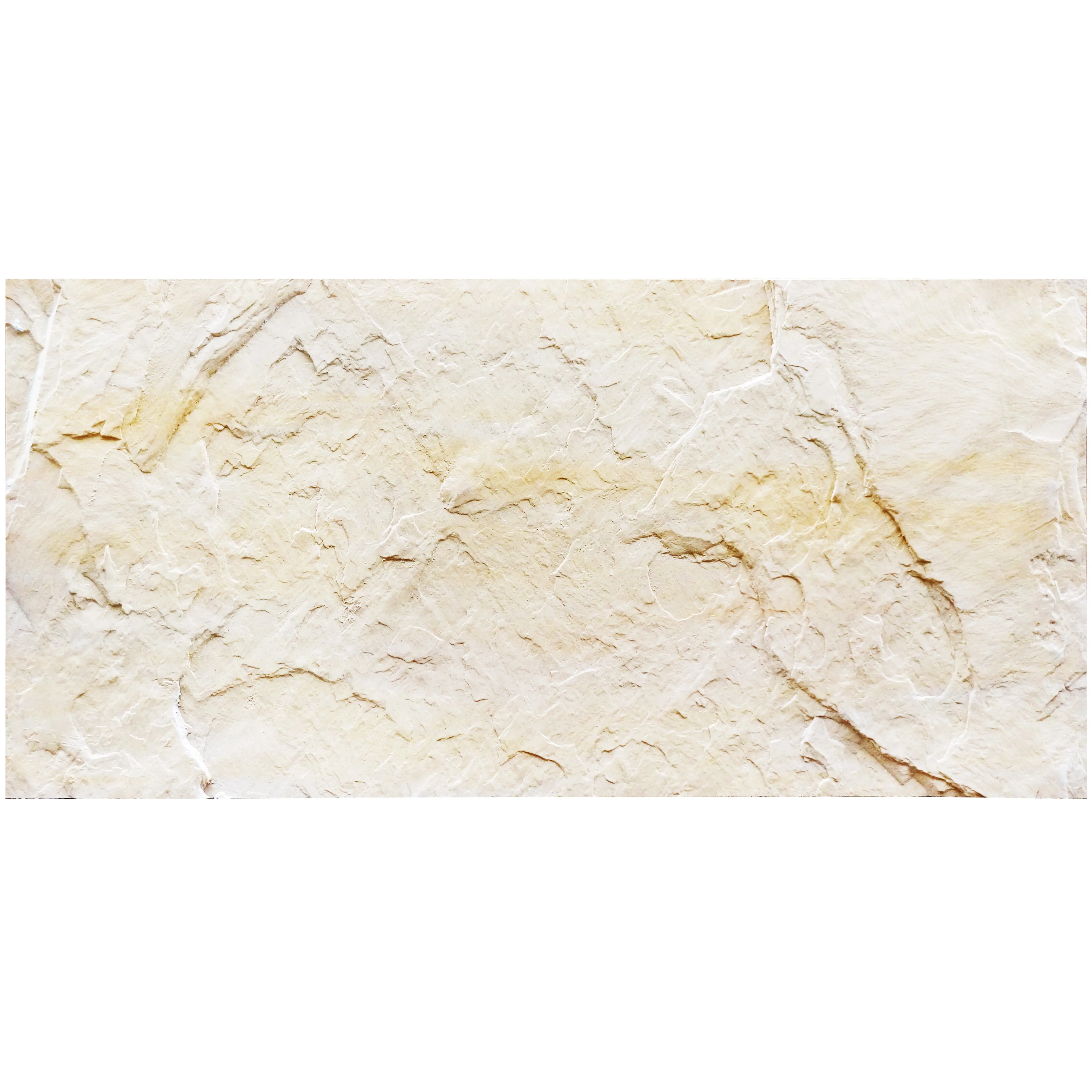
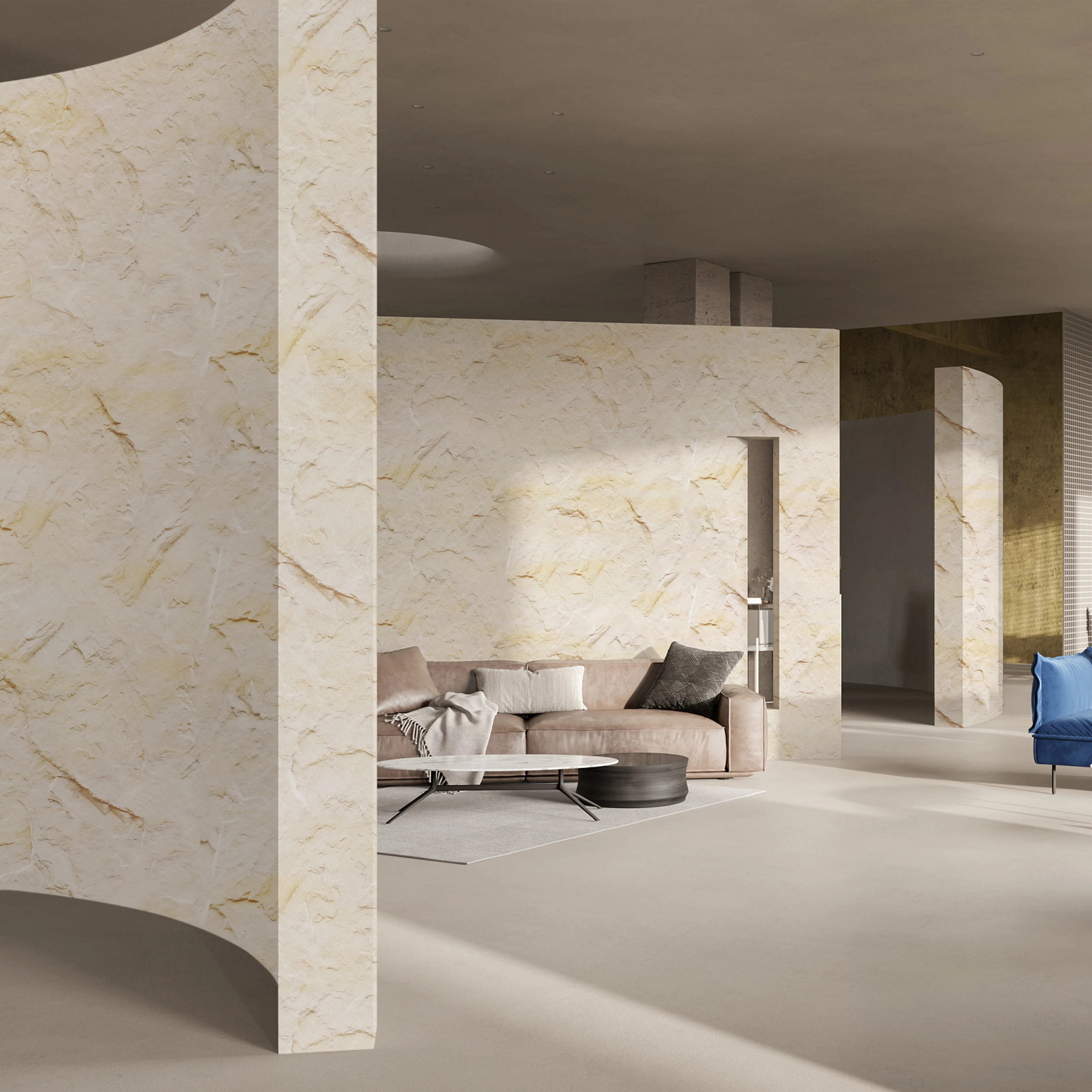
Enter Slate Sunnye—a relatively new player in the world of cladding materials that's quietly turning heads among sustainability-focused builders. Soft to the touch yet surprisingly durable, with a warm, earthy texture that mimics the look of natural slate without the environmental toll, it's become a symbol of how small shifts in material science can drive big change. But Slate Sunnye isn't alone. It's part of a growing family of eco-conscious building products—including MCM flexible stone, foamed aluminium alloy board, and fair-faced concrete—that are redefining what it means to build "green."
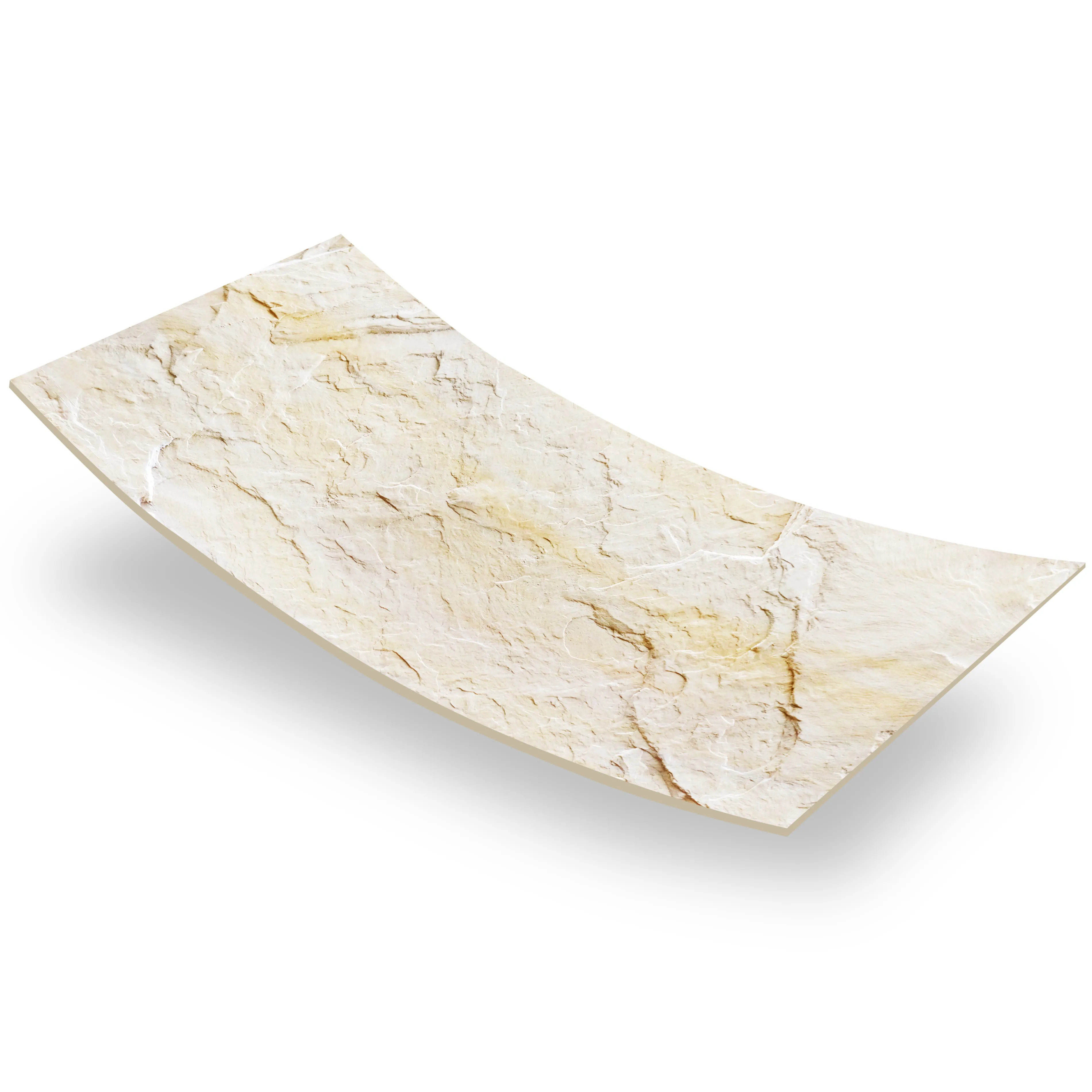
To understand Slate Sunnye's impact, let's start with the basics: what is it, exactly? Unlike traditional slate, which is quarried from the earth, cut into heavy slabs, and transported long distances, Slate Sunnye is a engineered stone composite. It's made by blending recycled stone aggregates (leftover from quarrying operations that would otherwise end up in landfills) with a low-carbon binder, then pressed into thin, lightweight panels. The result? A material that looks and feels like natural slate but weighs 60% less, uses 75% less water in production, and emits 45% fewer greenhouse gases during manufacturing compared to standard quarried slate.
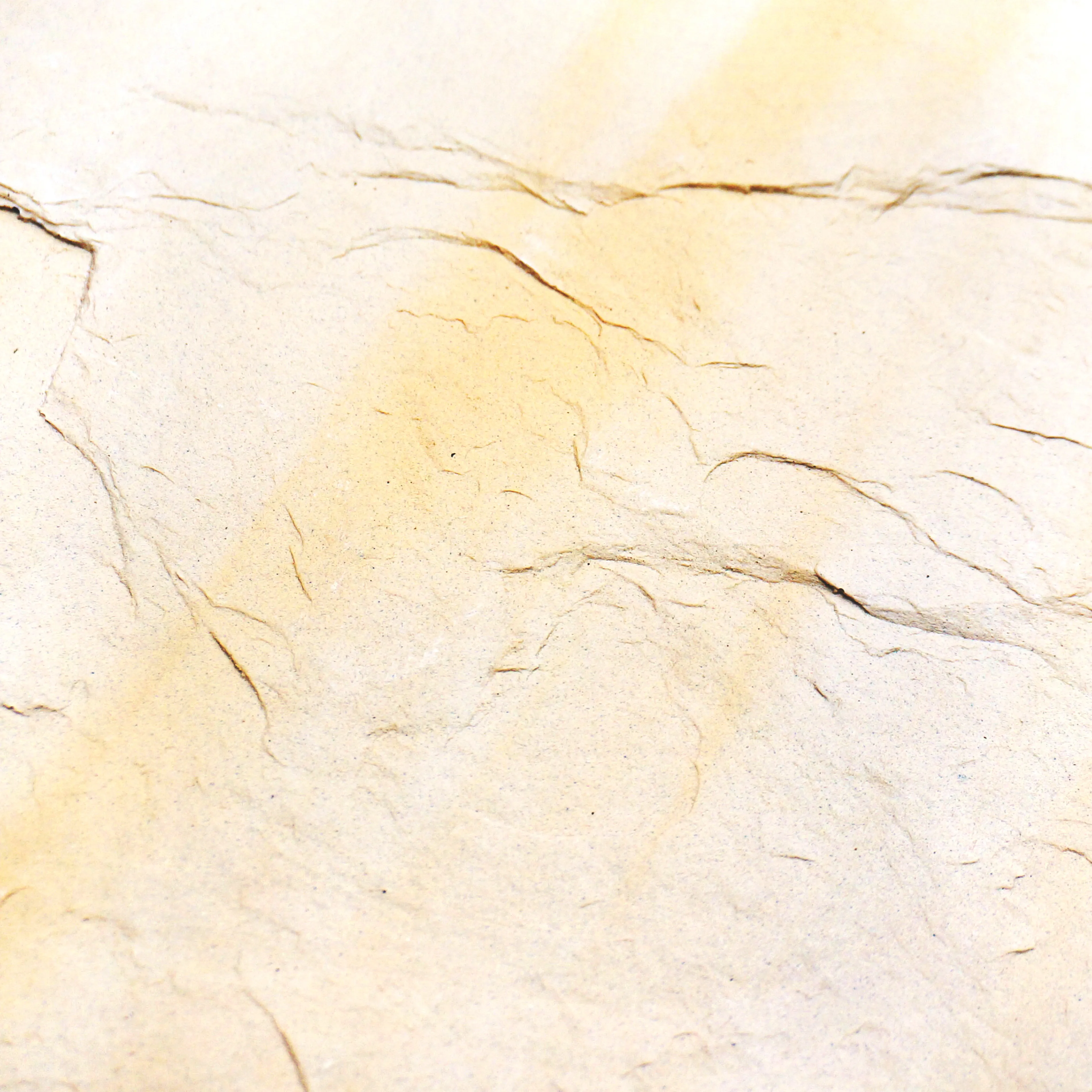
"The texture is what first sold me," says Lena, a designer at a boutique hotel chain that recently used Slate Sunnye for a renovation in Vermont. "Our clients want that rustic, mountain-lodge vibe, but we couldn't justify the carbon cost of importing real slate from Italy. Slate Sunnye has this subtle veining—almost like sunlight filtering through clouds—and it installed so quickly because it's lightweight. The crew finished the exterior cladding a week ahead of schedule, which saved on labor costs, too."
But the benefits go beyond aesthetics and speed. Slate Sunnye's durability means buildings clad in it require less frequent replacement, reducing the need for new materials over time. Its natural insulating properties also help regulate indoor temperatures, cutting down on heating and cooling costs for occupants—a win for both the planet and building owners. And because it's made with recycled content, it diverts waste from landfills, closing the loop on the construction industry's linear "take-make-dispose" model.
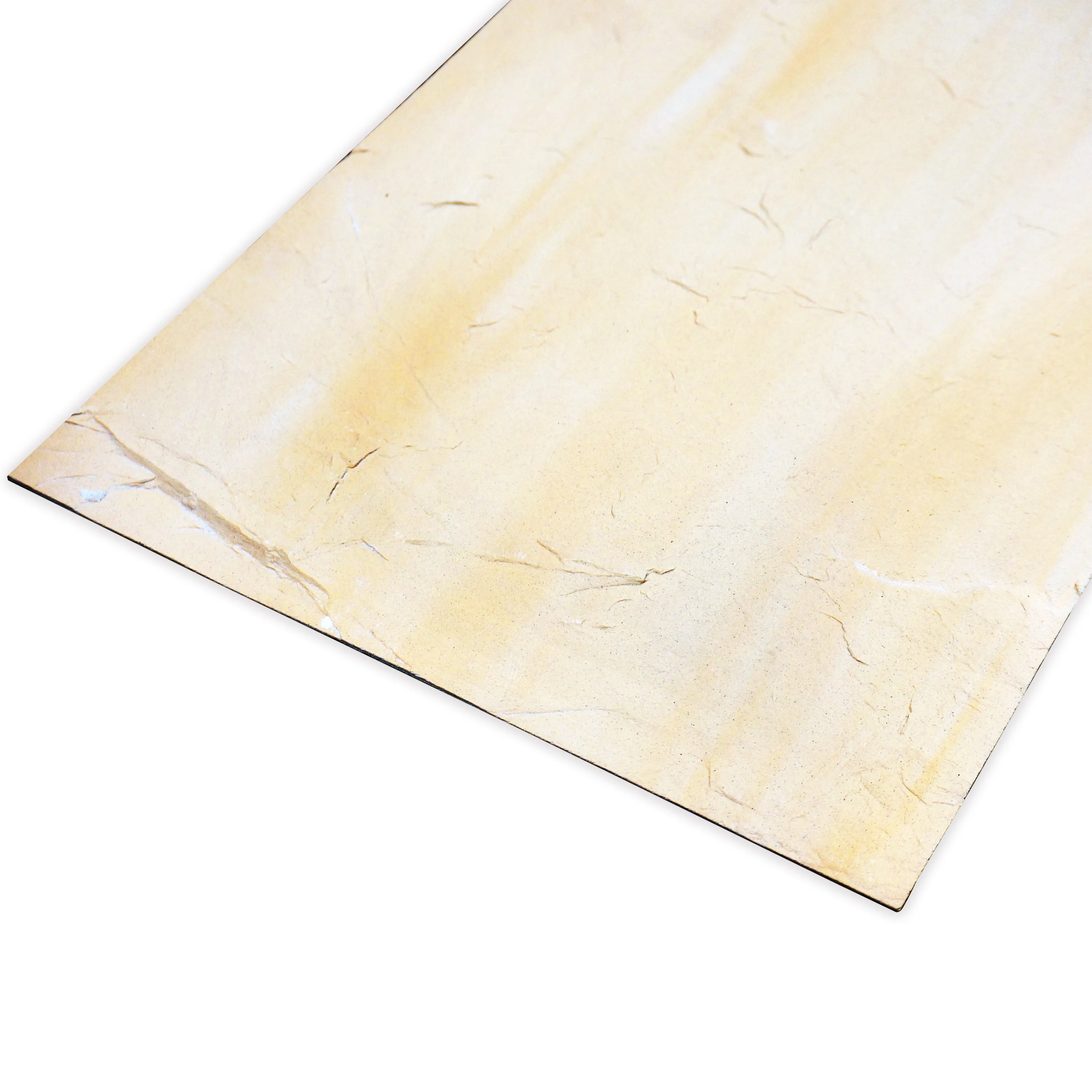
Slate Sunnye is just one piece of the puzzle. To truly reduce construction's carbon footprint, builders and designers are turning to a range of innovative materials, each with its own sustainability superpower. Let's take a closer look at a few standouts from the list—materials that, like Slate Sunnye, are proving that eco-friendly doesn't have to mean compromising on style or performance.
MCM flexible stone (short for Modified Composite Material) is a game-changer for projects where weight and flexibility matter—think curved facades or high-rise buildings where every pound counts. Made by compressing natural stone particles into a thin, bendable sheet, MCM flexible stone weighs up to 80% less than traditional stone cladding. That means lower transportation emissions (since more panels can fit on a truck) and reduced structural support requirements, which in turn cuts down on the need for carbon-intensive steel and concrete.
"We used MCM flexible stone for a museum extension in Chicago last year," says Raj, a structural engineer. "The architect wanted a sweeping, organic facade that mimicked the flow of the nearby river. With traditional stone, that would have required massive steel brackets and added thousands of pounds to the building's load. MCM bent to the curve perfectly, and we avoided using an extra 20 tons of steel. The carbon savings from that alone were huge."
For projects that call for a sleek, modern look, foamed aluminium alloy board (available in vintage silver, gold, and other finishes) offers a sustainable alternative to traditional metal cladding. Made by injecting gas into molten aluminium to create a lightweight, porous structure, it's 70% lighter than solid aluminium but just as strong. Best of all, aluminium is infinitely recyclable—meaning at the end of a building's life, the panels can be melted down and reused without losing quality, keeping them out of landfills.
"We chose vintage silver foamed aluminium for a tech office in Seattle," says Mia, a developer. "It has this cool, industrial-chic vibe that fits the neighborhood, but what sold us was the recyclability. Our company has a zero-waste goal by 2030, and knowing these panels won't end up in a dump? That matters to our team, our clients, and the community."
Concrete often gets a bad rap for its high carbon footprint, but fair-faced concrete is challenging that reputation. Unlike standard concrete, which requires heavy processing, painting, or coating to look finished, fair-faced concrete is left "as-cast"—with its natural texture and color on full display. This minimal processing reduces energy use and eliminates the need for toxic paints or sealants, making it a low-VOC (volatile organic compound) option that improves indoor air quality.
"There's a raw beauty to it," says Tom, a homeowner who used fair-faced concrete for his backyard patio. "I was worried it would look cold, but the way the light hits it at sunrise—you can see the aggregate, the subtle variations in color. And because we didn't have to paint or seal it, we avoided those fumes that make my daughter's allergies act up. Plus, it's held up to three harsh winters with zero cracks. Sustainable and low-maintenance? That's a win-win."
To truly grasp the impact of choosing Slate Sunnye, MCM flexible stone, and other eco-friendly materials, let's compare them to traditional options. The table below breaks down key metrics like embodied carbon (emissions from production), durability, and recyclability for common cladding materials.
| Material | Embodied Carbon (kg CO₂/m²) | Expected Lifespan (Years) | Recyclability | Water Use in Production (L/m²) |
|---|---|---|---|---|
| Slate Sunnye | 35 | 50+ | High (80% recycled content) | 12 |
| Traditional Quarried Slate | 82 | 40-50 | Low (difficult to process) | 48 |
| MCM Flexible Stone | 28 | 40+ | Medium-High (60% recycled content) | 10 |
| Foamed Aluminium Alloy Board | 42 | 60+ | Very High (100% recyclable) | 5 |
| Traditional Brick | 95 | 30-40 | Low (often ends up in landfill) | 65 |
| Fair-Faced Concrete | 55 | 50+ | Medium (crushed for aggregate) | 30 |
*Data sourced from 2024 Construction Materials Sustainability Report and manufacturer lifecycle assessments.
For Sarah, the Portland architect, the choice to use Slate Sunnye and other eco-friendly materials isn't just about meeting sustainability quotas—it's personal. "I have a 7-year-old daughter, and when she asks, 'Mommy, did you help save the planet today?' I want to say yes," she says. "Choosing materials with lower carbon footprints is one of the most tangible ways I can do that. And it's not just about the planet—it's about the people who live and work in these buildings. Lower embodied carbon means fewer pollutants released during production, which improves air quality for factory workers and nearby communities. It's a chain reaction of good."
That chain reaction extends to local economies, too. Many sustainable materials—including Slate Sunnye—are produced regionally, reducing reliance on imported goods and supporting local jobs. "Our Slate Sunnye panels came from a facility in Pennsylvania, just a six-hour drive from our job site in Boston," says Mark, the contractor. "That meant we supported a local business, avoided the carbon cost of shipping from overseas, and even got to tour the factory. Seeing the recycled stone piles being transformed into beautiful panels? It made the whole project feel more connected to the community."
And then there's the matter of resilience. As climate change brings more extreme weather—from heatwaves to storms—buildings need to stand strong. Slate Sunnye's resistance to moisture, fire, and temperature fluctuations means it can withstand the elements, reducing the need for costly repairs or replacements. "We used it on a coastal home in North Carolina that's endured two hurricanes since completion," says Lena, the hotel designer. "The panels didn't chip, fade, or warp. The homeowner called to say she felt 'grateful and secure' knowing her house was protected. That's the emotional value you can't put a price on."
Slate Sunnye and its eco-friendly counterparts are more than just materials—they're a sign of a shift in the construction industry. As consumers, businesses, and governments demand greener buildings, manufacturers are innovating faster than ever, creating products that prove sustainability and beauty can coexist. "Five years ago, my clients would ask, 'How much extra will this cost?'" says Sarah. "Now, they ask, 'What's the carbon footprint?' It's become a priority, not an afterthought."
But there's still work to be done. Widespread adoption of these materials requires education—helping builders understand the long-term savings (both financial and environmental) and making samples and information more accessible. It also requires policy support, like tax incentives for using low-carbon materials or stricter building codes that prioritize embodied carbon. "Change won't happen overnight," Mark admits. "But every project that uses Slate Sunnye or MCM flexible stone is a step forward. It's proof that we can build the world we want to live in—one that's beautiful, functional, and kind to the planet."
As for Slate Sunnye itself? Its future looks bright. With new finishes in the works—including a "weathered oak" texture and a "desert sand" hue—manufacturers are expanding its versatility, making it suitable for everything from residential homes to commercial skyscrapers. "I can't wait to see where it goes next," says Lena. "But for now, I'm just proud to be part of the movement. Every time I walk past a building we clad in Slate Sunnye, I smile. It's not just a wall—it's a statement. A statement that we care."
Recommend Products












