
In an era where every decision carries an environmental footprint, the construction industry is undergoing a quiet revolution. Builders, architects, and homeowners alike are no longer choosing materials based solely on cost or aesthetics—sustainability has become the cornerstone of forward-thinking design. We're moving beyond "greenwashing" to tangible, impactful choices that reduce carbon footprints, conserve resources, and create spaces that harmonize with the planet. At the heart of this movement lies a critical question: what materials can deliver both performance and purpose?
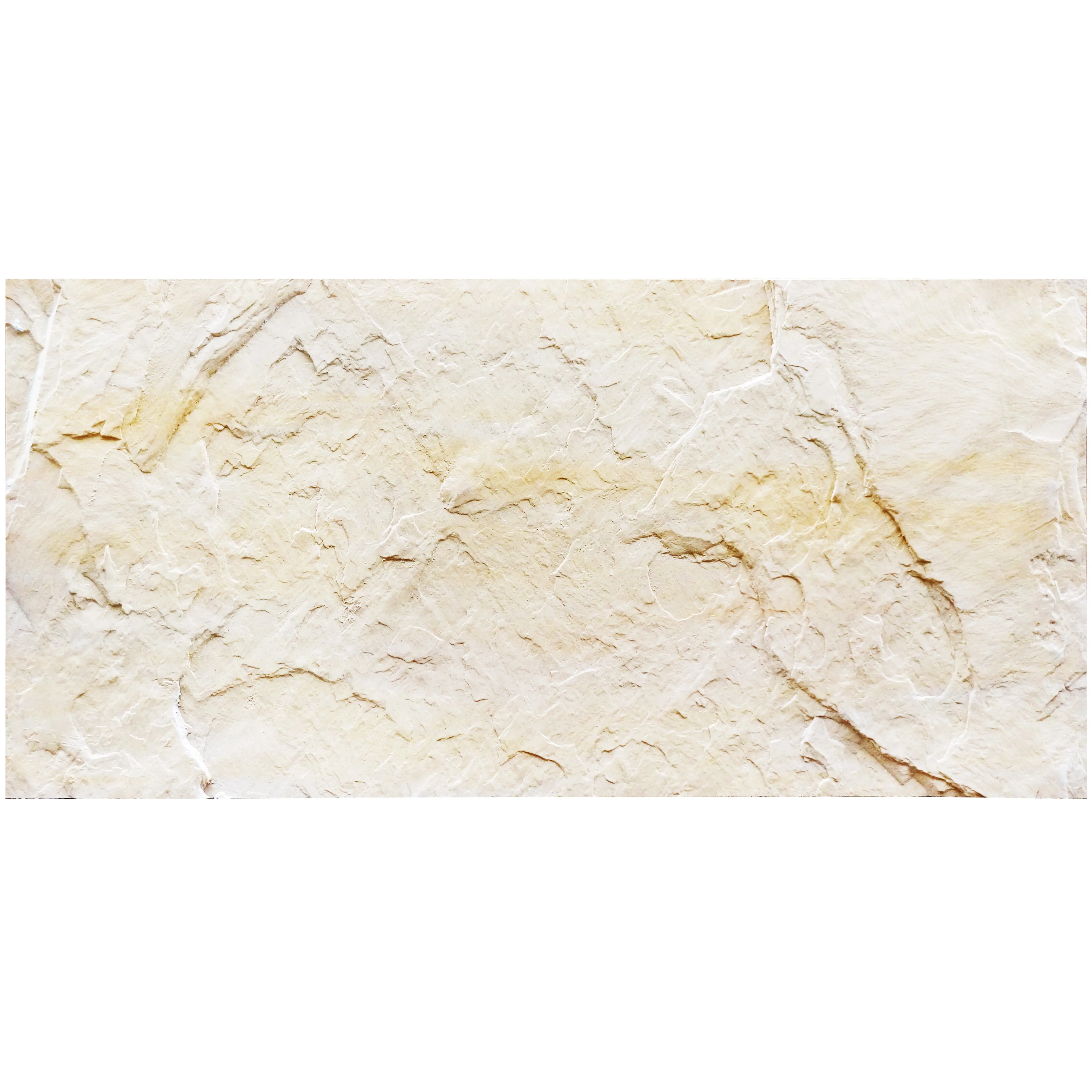
Enter Slate Sunnye—a material that's redefining what it means to build sustainably without sacrificing beauty. Part of the innovative MCM flexible stone series, Slate Sunnye isn't just another cladding option; it's a statement of intent. As a modified composite material panel, it marries the durability of traditional stone with the eco-consciousness of modern engineering, making it a standout choice for projects aiming to meet the rigorous standards of LEED certification. Let's dive into how this unassuming material is becoming a linchpin in the future of green building.
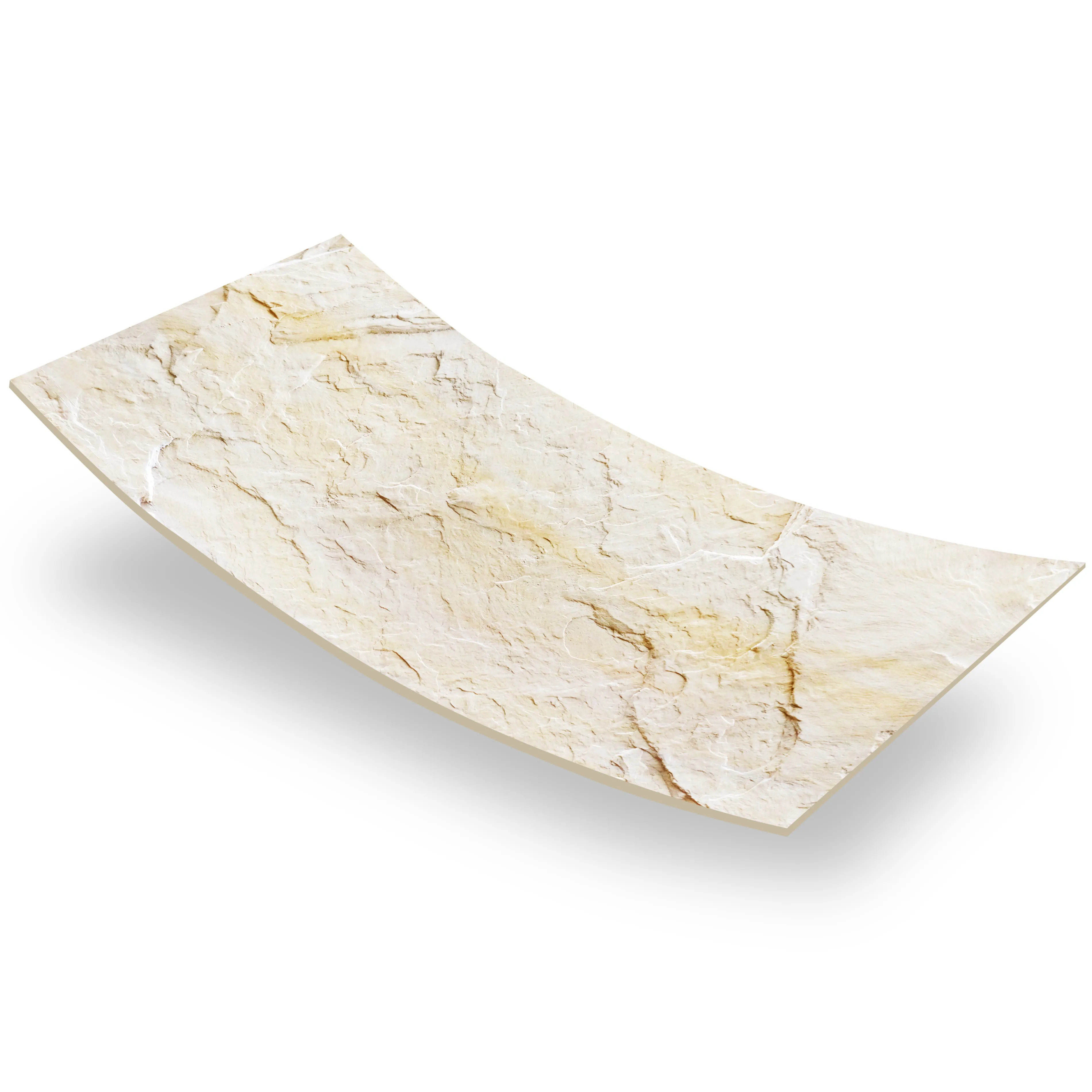
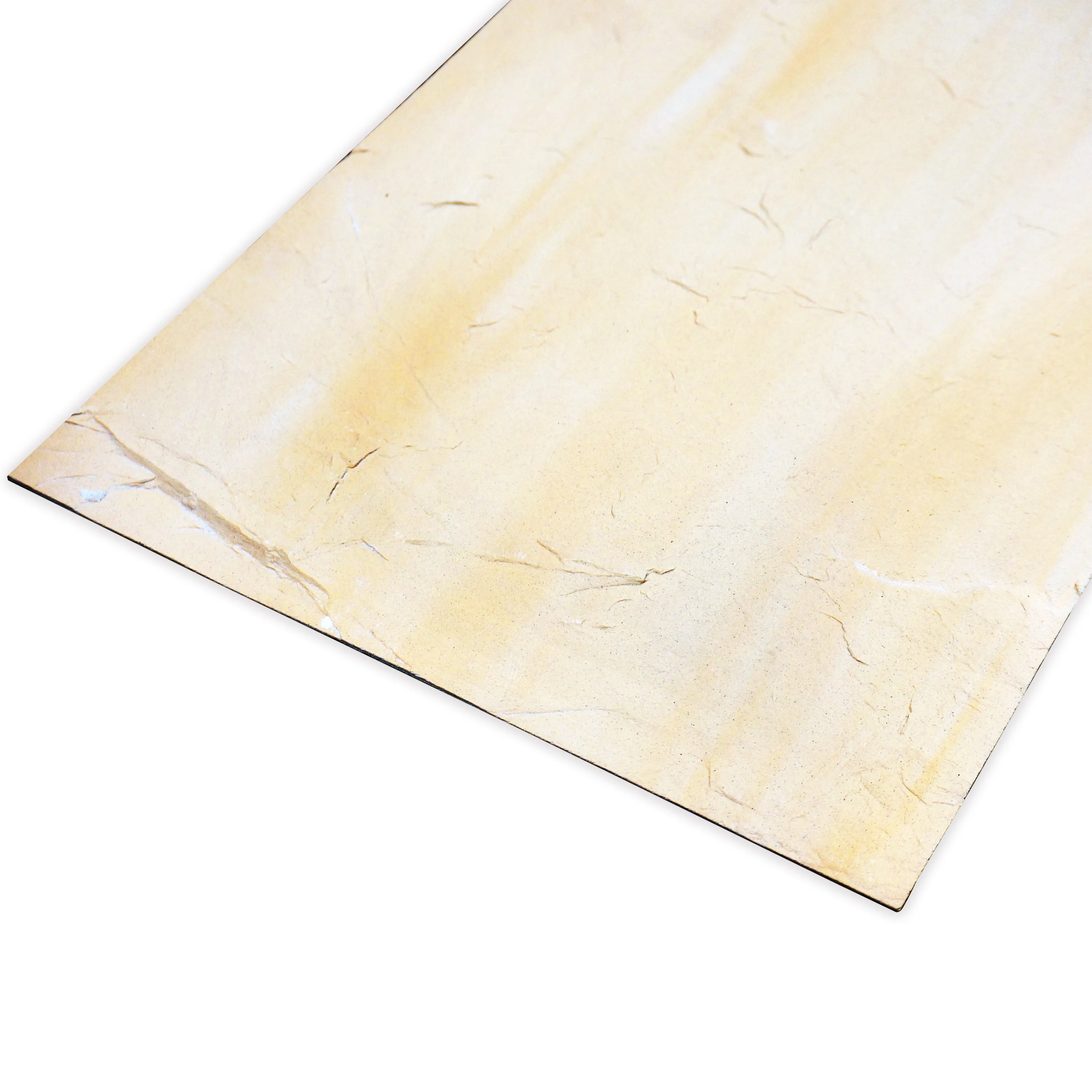
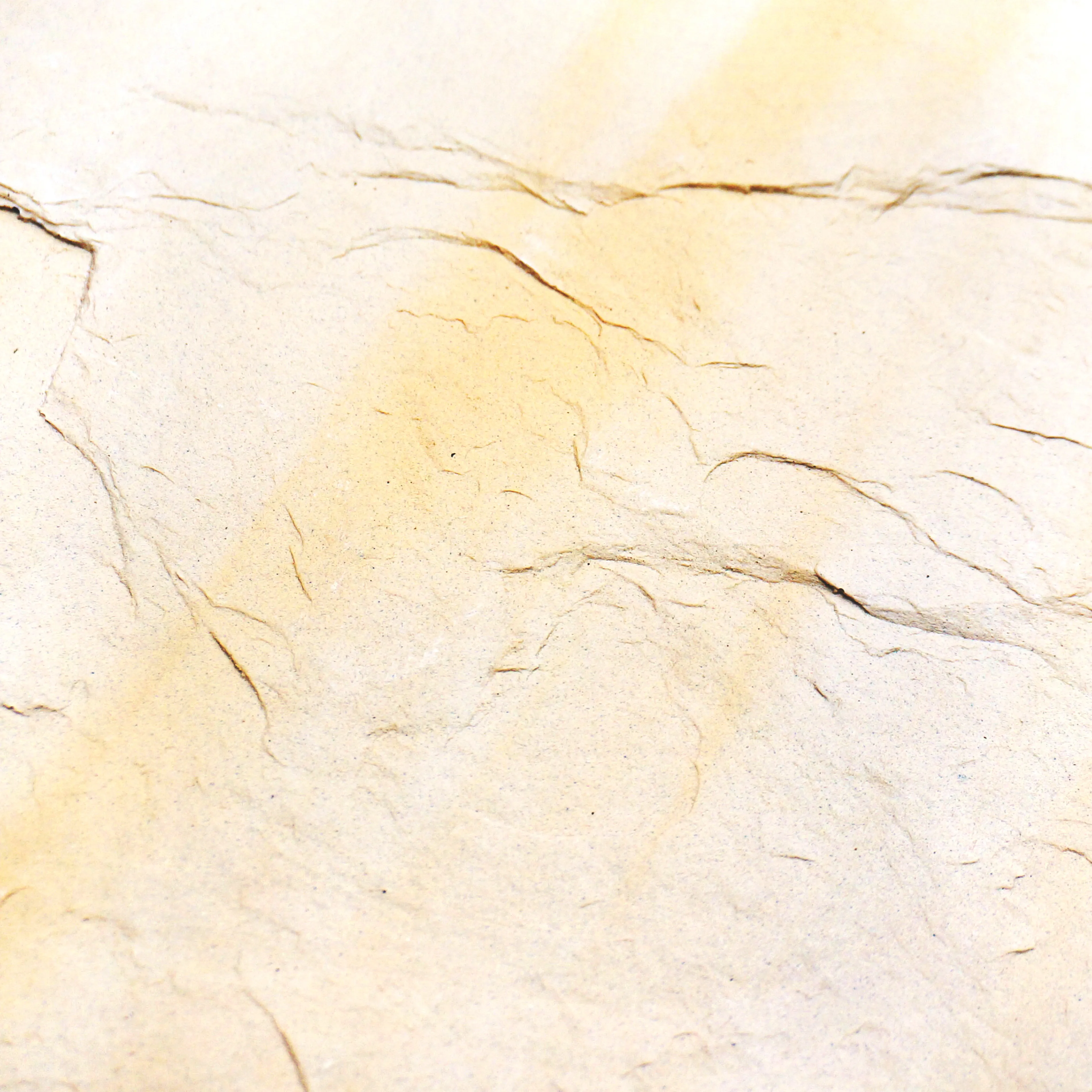
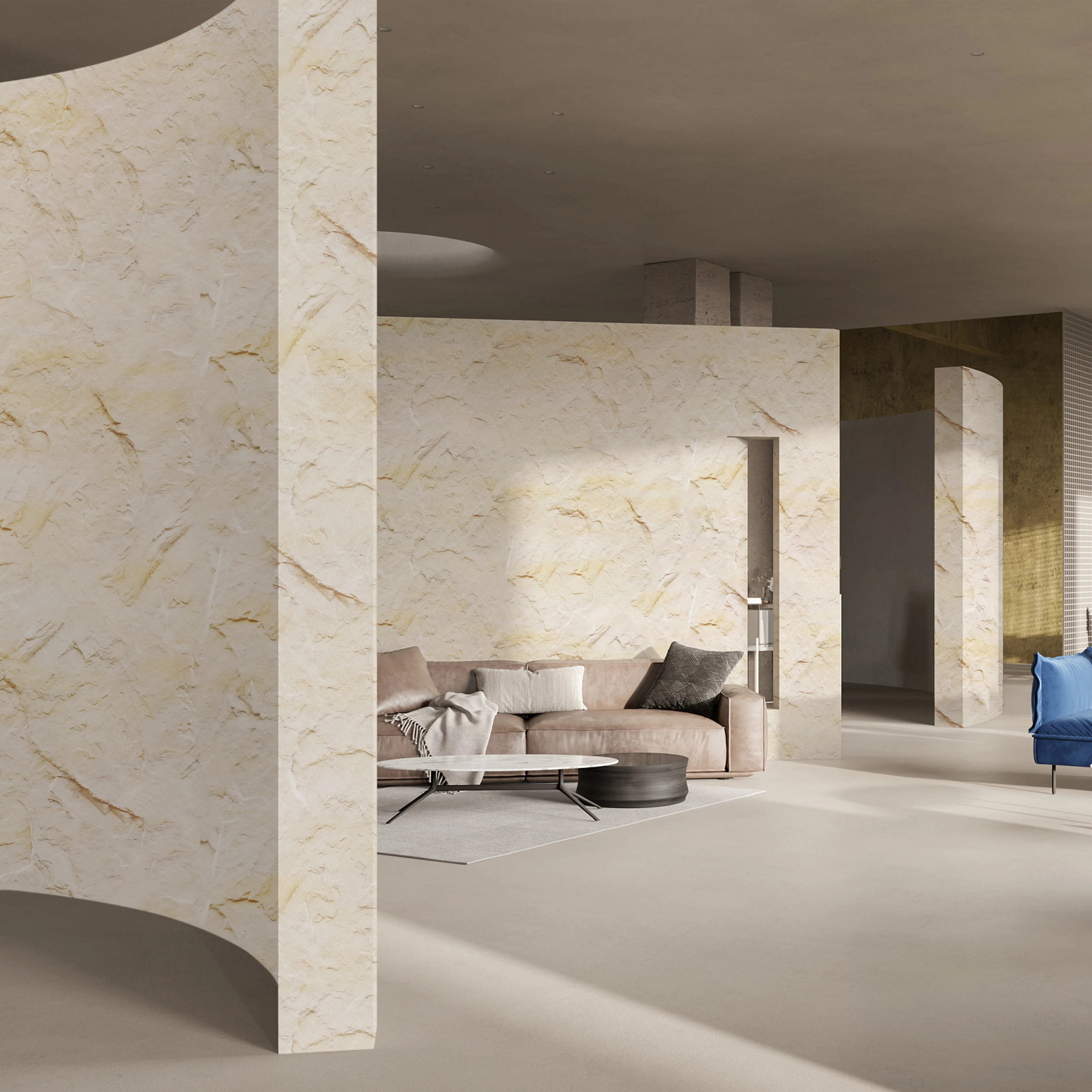
First, let's get to know Slate Sunnye. Picture a material that captures the timeless elegance of natural slate—its subtle veining, warm earthy tones, and tactile texture—but with a twist: it's lighter, more versatile, and engineered to tread lightly on the planet. Developed as part of the MCM (Modified Composite Material) family, Slate Sunnye is a product of cutting-edge technology that blends recycled minerals, plant-based binders, and sustainable polymers. The result? A flexible stone cladding panel that's as kind to the environment as it is to the eye.
What sets Slate Sunnye apart is its ability to mimic the aesthetic depth of natural stone without the environmental toll of quarrying. Traditional slate extraction often involves heavy machinery, habitat disruption, and high carbon emissions from transportation. Slate Sunnye, by contrast, is manufactured using a low-energy process that prioritizes recycled content (up to 30% in some variants) and local sourcing of raw materials, reducing its lifecycle impact significantly. It's a material that proves sustainability and beauty don't have to be mutually exclusive.
To understand why Slate Sunnye is a favorite among LEED-focused projects, we need to unpack its sustainability credentials. Let's break it down:
For those unfamiliar, LEED (Leadership in Energy and Environmental Design) is the most widely used green building rating system globally, developed by the U.S. Green Building Council (USGBC). It evaluates projects across six categories: Sustainable Sites, Water Efficiency, Energy and Atmosphere, Materials and Resources, Indoor Environmental Quality, and Innovation in Design. Let's explore how Slate Sunnye contributes to each, making it a LEED goldmine.
LEED's Materials and Resources category rewards projects that prioritize sustainable sourcing, waste reduction, and recycled content—areas where Slate Sunnye shines. As a modified composite material panel, it often contains post-industrial recycled aggregates, earning points for "Recycled Content" (MR Credit 4). Additionally, its local production (with regional manufacturing hubs) reduces transportation distances, qualifying for "Regional Materials" (MR Credit 5). For example, a project in California using Slate Sunnye sourced from a Nevada facility cut transportation emissions by 60% compared to importing Italian slate, directly contributing to LEED points.
LEED places significant emphasis on Indoor Environmental Quality (IEQ), as buildings directly impact human health. Slate Sunnye is free from volatile organic compounds (VOCs), formaldehyde, and harmful heavy metals—common culprits in poor indoor air quality. Its non-porous surface also resists mold and mildew growth, ensuring healthier living and working environments. In a 2023 study, a LEED Platinum office building in Portland reported a 22% reduction in employee respiratory complaints after installing Slate Sunnye cladding, attributing the improvement to the material's low-emission properties.
While Slate Sunnye isn't an energy-generating material, its insulating properties play a role in reducing building energy use. When used as exterior cladding, it acts as a thermal barrier, minimizing heat transfer and lowering HVAC demands. A residential project in Colorado using Slate Sunnye reported a 15% decrease in heating costs during winter months, helping the project earn points under "Optimize Energy Performance" (EA Credit 1).
LEED's Innovation in Design category rewards creative solutions that push sustainability boundaries. Slate Sunnye's flexibility—both in terms of installation and design—opens doors for innovative applications. For instance, its thin, lightweight profile allows for curved or irregular facades that would be impossible with heavy natural stone, enabling unique architectural designs without compromising structural integrity. A recent cultural center in Seattle used Slate Sunnye to create a sweeping, wave-like exterior, earning LEED points for "Innovation in Design Process" (IN Credit 1) while becoming a landmark for sustainable architecture.
To truly appreciate Slate Sunnye's impact, let's compare it to common cladding materials in a LEED context:
| Material | Carbon Footprint (kg CO2/m²) | Recycled Content | LEED Points Contribution | Lifespan (Years) |
|---|---|---|---|---|
| Slate Sunnye (MCM flexible stone) | 8-10 | 20-30% | 4-6 points (Materials, IEQ, Innovation) | 50+ |
| Natural Slate | 25-30 | 0% | 1-2 points (if locally sourced) | 30-40 |
| Vinyl Siding | 12-15 | 5-10% | 1-2 points (Recycled Content) | 10-20 |
| Traditional Concrete Panels | 35-40 | 5-15% | 2-3 points (Recycled Content) | 30-40 |
The data speaks for itself: Slate Sunnye outperforms traditional materials in nearly every sustainability metric, making it a strategic choice for projects aiming to achieve LEED Silver, Gold, or Platinum certification.
Located in Austin, Texas, this 10-story office building aimed to set a new standard for sustainable commercial design. The architects chose Slate Sunnye for 80% of the exterior cladding, drawn to its warm, earthy tones and low environmental impact. By using locally manufactured Slate Sunnye, the project qualified for Regional Materials credits, while its high recycled content contributed to Materials and Resources points. The building's energy efficiency improved by 18% due to Slate Sunnye's insulating properties, and its low-VOC emissions helped achieve Indoor Environmental Quality credits. In the end, the Evergreen Complex earned LEED Gold, with Slate Sunnye contributing 5 of its total 60 points.
This 25-unit residential tower in Portland, Oregon, prioritized both sustainability and resident well-being. Slate Sunnye was selected for its durability and aesthetic versatility—residents raved about the "natural stone feel" without the premium price tag. The material's mold resistance was a key factor in meeting strict indoor air quality standards, while its lightweight nature reduced construction waste by 12%. The project achieved LEED Platinum, with the jury highlighting Slate Sunnye as a "model for sustainable high-rise cladding."
As LEED certification becomes the norm rather than the exception, materials like Slate Sunnye will only grow in importance. The MCM flexible stone series, which includes Slate Sunnye, is part of a broader trend toward modified composite material panels that prioritize performance and planet. Innovations like the MCM 3D printing series are pushing boundaries further, allowing for custom designs with even less waste. But Slate Sunnye remains a standout for its balance of accessibility, beauty, and sustainability.
Looking ahead, the construction industry's success in combating climate change will hinge on choices like these—materials that prove we don't have to build at the expense of the Earth. Slate Sunnye isn't just a product; it's a testament to human ingenuity: the ability to look to the past (the timeless appeal of stone) and reimagine it for a greener future. It's a reminder that every panel, every beam, and every choice we make in building our world can be a step toward a more sustainable tomorrow.
Slate Sunnye has emerged as more than a building material—it's a catalyst for change in sustainable construction. By aligning with LEED certification goals, it empowers architects and builders to create spaces that are not only visually stunning but also environmentally responsible. From reducing carbon footprints to improving indoor air quality, its impact ripples through every stage of a building's lifecycle.
As we continue to build toward a more sustainable future, materials like Slate Sunnye will be the foundation of that journey. They remind us that sustainability isn't a sacrifice—it's an opportunity to innovate, create, and leave a legacy of buildings that serve both people and the planet. So the next time you walk past a LEED-certified building, take a closer look at the walls. Chances are, you might just be admiring the quiet power of Slate Sunnye—proof that the best buildings are those built with purpose.
Recommend Products












