
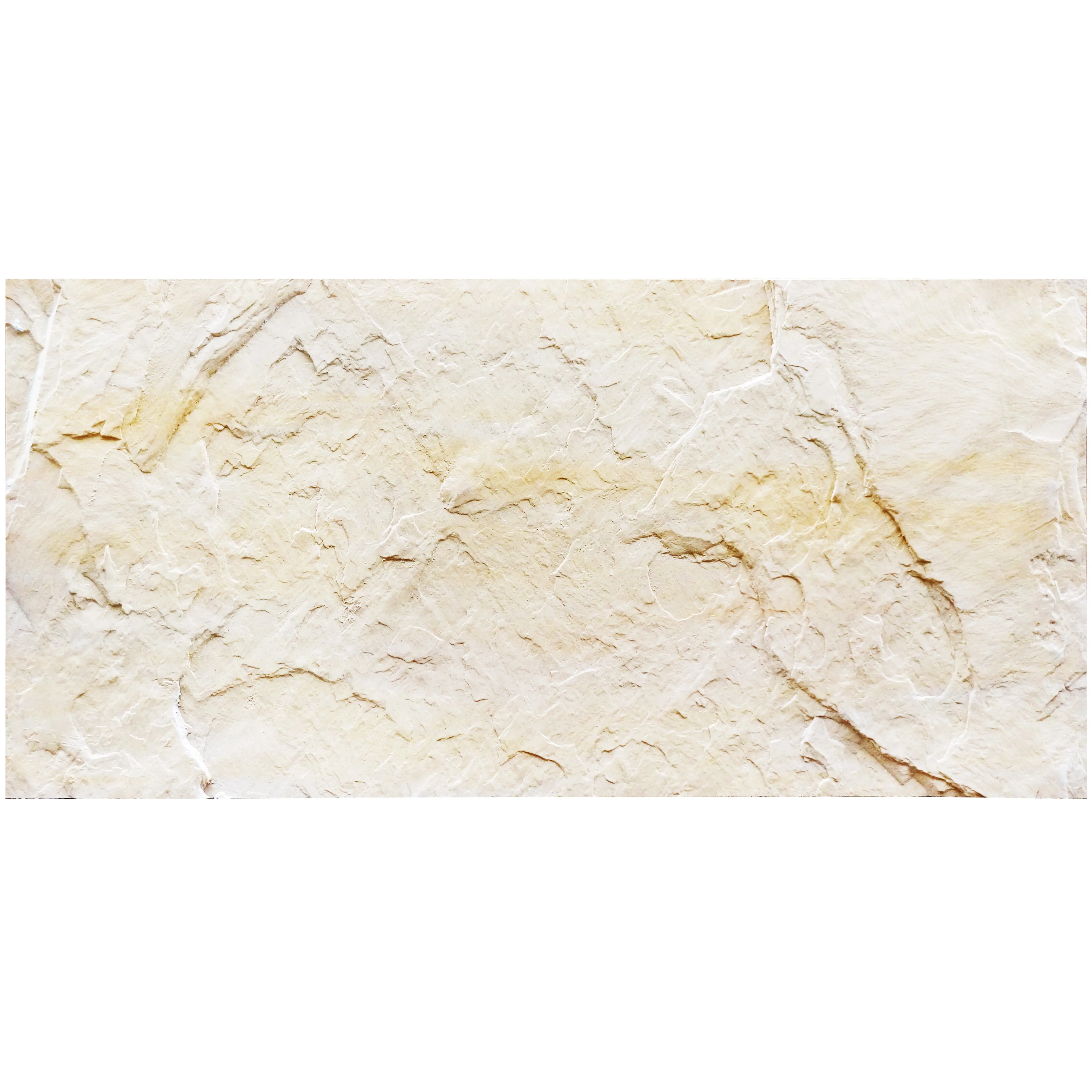
In the quiet hum of a well-insulated home, where winter chills stay outside and summer heat lingers only in memories, there's an unsung hero: the building materials that cradle our spaces. We often think of insulation as fluffy pink batts or spray foam, but the truth is, the very bones of our buildings—walls, floors, cladding—play a silent yet powerful role in keeping us comfortable. Among these, natural stones have long stood as both guardians of tradition and innovators of efficiency. Today, we turn our attention to a material that's been turning heads in architectural circles not just for its beauty, but for its remarkable ability to regulate temperature: Slate Sunnye. This isn't just stone; it's a bridge between nature's wisdom and modern energy needs, a material that whispers of ancient geological processes while shouting solutions for sustainable living.
To understand Slate Sunnye's thermal magic, we first need to meet the stone itself. Picture a quarry nestled in the rolling hills of a region where time moves at the pace of tectonic plates—where layers of sediment, pressure, and heat have, over millions of years, forged a material as resilient as it is refined. Slate Sunnye emerges from these depths, a metamorphic stone born from shale that's been subjected to intense heat and pressure, transforming its clay minerals into tightly packed, layered crystals. What sets it apart from ordinary slate? Its unique mineral composition, for one: traces of quartz and feldspar add strength, while subtle inclusions of mica give it a soft, matte sheen that catches light like sunlight on water.
Run your hand over a slab of Slate Sunnye, and you'll feel the story of its formation. The surface is cool to the touch, with a texture that's smooth yet not slippery—like the worn edge of a river stone polished by centuries of current. Its color palette is a study in understatement: soft grays that shift from silvery to charcoal, streaked with veins of pale blue or sage green, as if the stone itself holds fragments of the sky and earth that birthed it. These aren't just aesthetic flourishes; they're clues to its thermal prowess. The dense, layered structure and natural pigments work in harmony to reflect heat in summer and trap warmth in winter, making it a living example of how form follows function in nature.
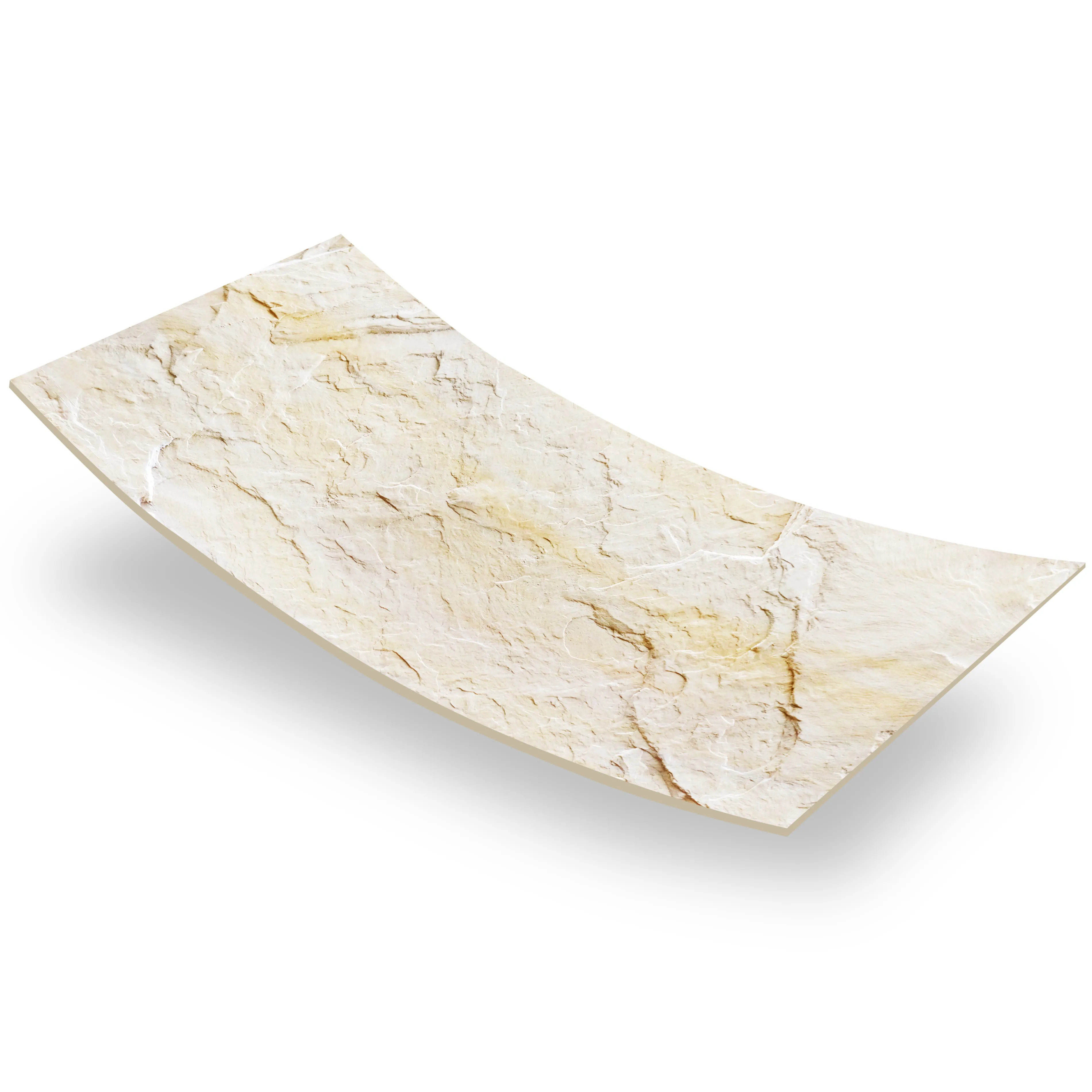
Thermal insulation isn't magic—it's physics. At its core, it's about slowing the transfer of heat, which naturally moves from warm areas to cold ones. In buildings, this means keeping heat inside during winter and outside during summer. Materials do this in two key ways: by resisting heat flow (measured by thermal conductivity, or k-value) and by storing heat (thermal mass). Slate Sunnye excels at both, and here's why.
First, its thermal conductivity. Think of thermal conductivity as a material's "heat speed"—how quickly heat travels through it. The lower the k-value, the slower the heat moves. Slate Sunnye boasts a k-value of around 1.2 W/m·K (watts per meter-kelvin), which might not sound impressive until you compare it to common building materials. Take fair-faced concrete, that utilitarian staple of modern construction: its k-value hovers around 1.7 W/m·K, meaning heat passes through it 40% faster than Slate Sunnye. Even travertine, another popular natural stone, sits at about 1.5 W/m·K. What this means in practical terms: a wall clad in Slate Sunnye will act as a slower-draining "heat battery," holding onto warmth longer in winter and delaying the penetration of summer heat.
Then there's thermal mass. Unlike lightweight insulators like fiberglass, which trap air to slow heat, dense materials like stone absorb and store heat, releasing it slowly over time. This is why stone homes feel cooler in summer afternoons and warmer on winter nights—they "buffer" temperature swings. Slate Sunnye, with its high density (around 2.7 g/cm³), has exceptional thermal mass. Imagine a sunny winter day: sunlight hits a Slate Sunnye wall, which absorbs that heat throughout the day. As evening falls and temperatures drop, the wall gently releases that stored warmth into the room, reducing the need for heating. In summer, it works in reverse: the stone absorbs heat from the hot air outside, preventing it from rushing indoors until night, when the cooler air can carry it away.
| Material | Thermal Conductivity (k-value, W/m·K) | Thermal Mass (High/Medium/Low) | Real-World Impact |
|---|---|---|---|
| Slate Sunnye | 1.2 | High | Slows heat transfer; stores and releases heat gradually, stabilizing indoor temps. |
| Fair-Faced Concrete | 1.7 | High | Heats up/cools down faster; less effective at temperature regulation. |
| Travertine | 1.5 | Medium-High | Good thermal mass but higher conductivity than Slate Sunnye. |
| Foamed Aluminium Alloy Board | 0.3 (low, due to air bubbles) | Low | Resists heat flow well but can't store heat; may feel "cold" in winter. |
| Rammed Earth Board | 0.9 | Very High | Excellent thermal mass but less durable than stone; prone to cracking. |
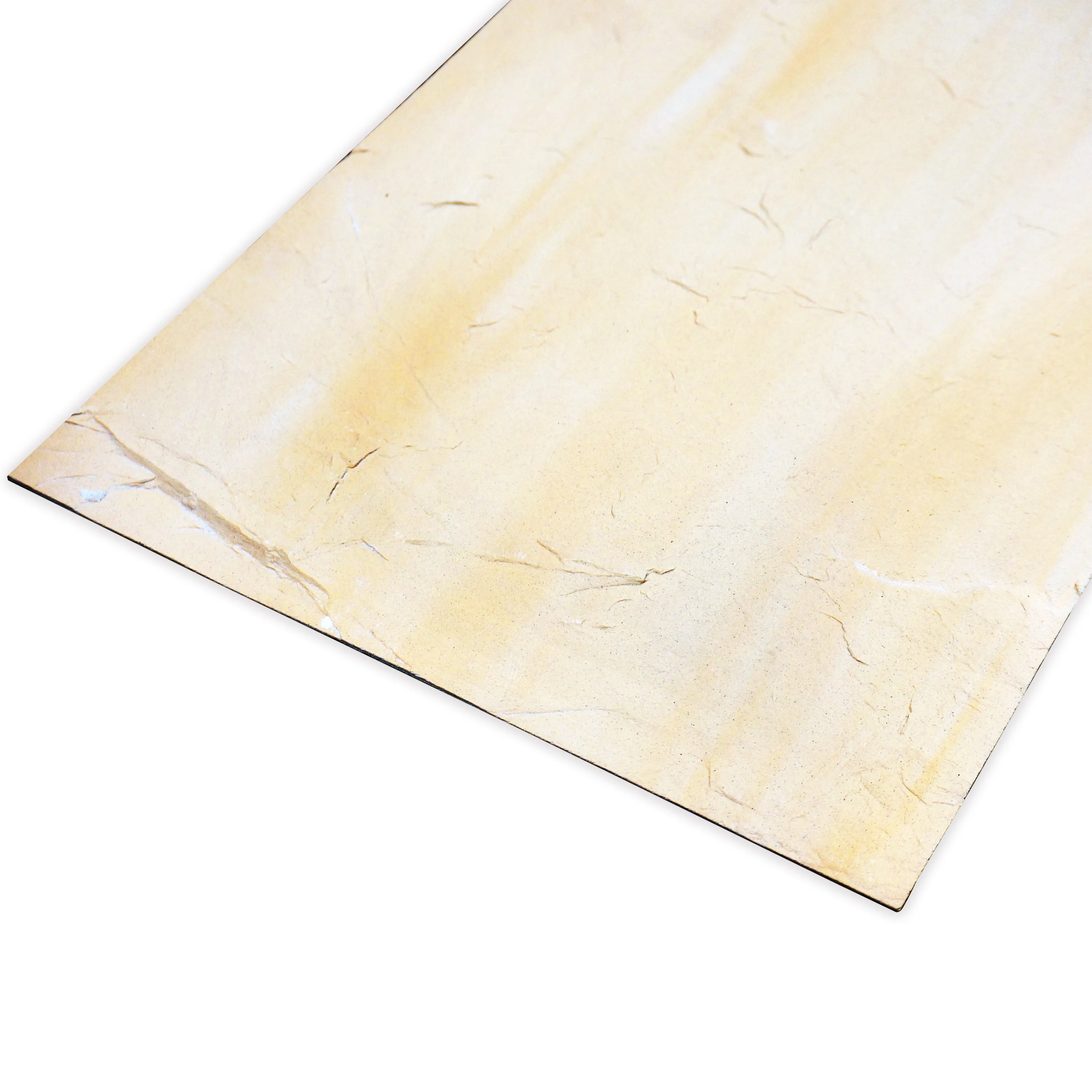
Numbers tell part of the story, but the real test of a building material is how it makes you feel. Let's step into a home clad in Slate Sunnye. It's a crisp January morning; outside, the thermometer reads 28°F (-2°C), and a wind whips through the trees. Inside, though, the air is still and warm—68°F (20°C)—without the furnace roaring nonstop. The Slate Sunnye walls, which absorbed sunlight through the south-facing windows yesterday, are gently releasing that stored heat, creating a buffer against the cold. No drafty corners, no sudden temperature dips when the heat cycles off. Just steady, quiet comfort.
Summer arrives, and the script flips. Outside, it's 95°F (35°C), but inside, the same walls now keep the heat at bay. The stone's low thermal conductivity slows the sun's rays from penetrating, while its thermal mass absorbs what little heat does get through, releasing it only when the sun sets and the windows are opened to let in cool night air. No sticky, stagnant heat; no AC struggling to keep up. It's a rhythm as old as the earth itself, and Slate Sunnye dances to it beautifully.
Then there's noise. Thermal insulation often goes hand-in-hand with sound insulation, and Slate Sunnye doesn't disappoint. Its density muffles outdoor noise—traffic, barking dogs, neighbors' lawnmowers—turning a busy street into a distant hum. In a world where quiet is a luxury, this is more than a bonus; it's a quality-of-life upgrade. Imagine working from home in a Slate Sunnye-clad office, where the only sounds are your keyboard and the rustle of leaves outside. That's the peace this stone brings.
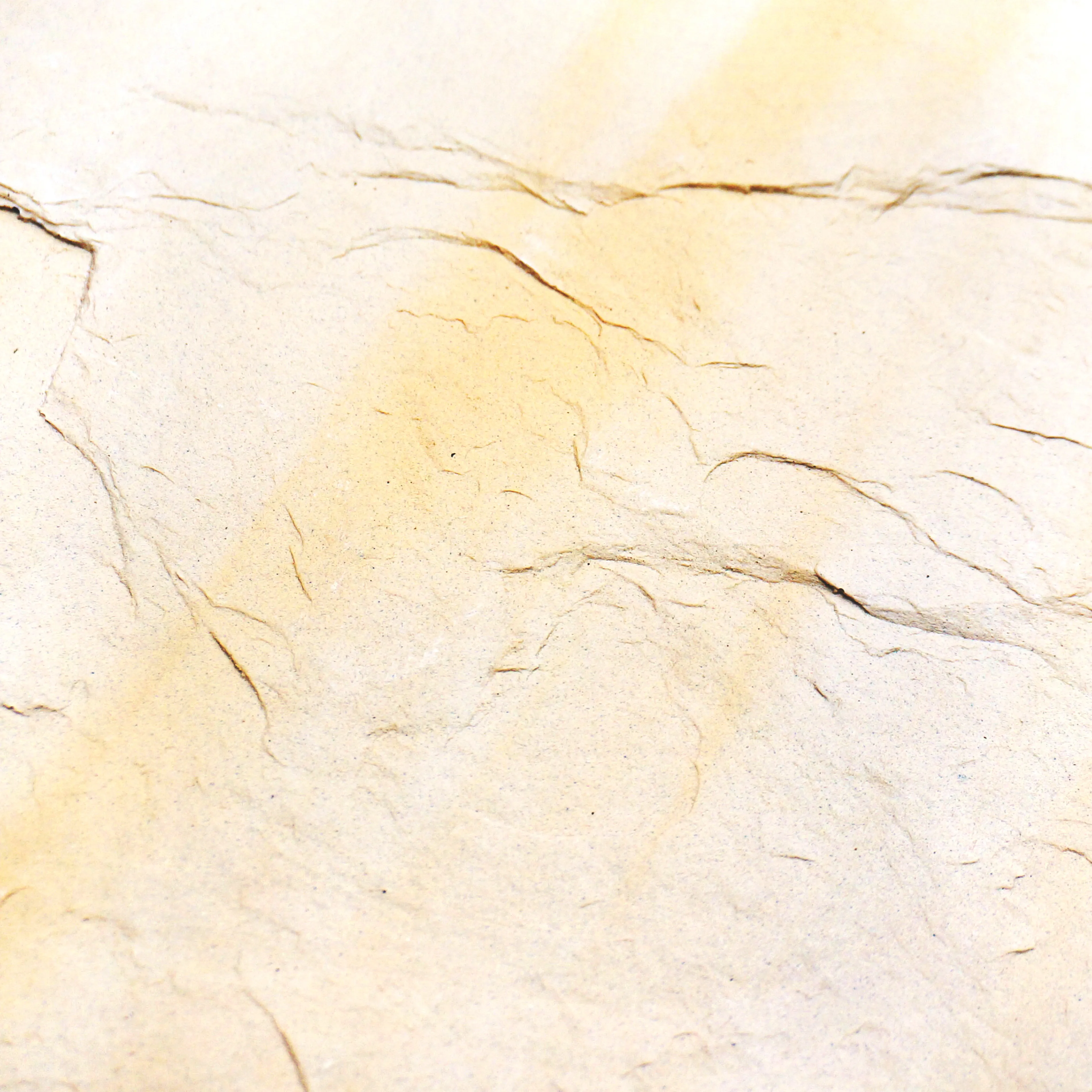
Slate Sunnye isn't picky about where it lives. Its versatility makes it a star in residential, commercial, and even historical restoration projects. Let's explore a few scenarios where it truly stands out.
In a modern home, Slate Sunnye can be used as exterior cladding, interior accent walls, or even flooring. Imagine a minimalist living room with a Slate Sunnye feature wall behind the sofa: its soft gray tones complement warm wood floors, while its thermal mass keeps the room cozy in winter. Or a bedroom with Slate Sunnye flooring, cool to the touch in summer but quick to warm up with a rug, creating a space that adapts to the seasons.
Restaurants, offices, and retail stores thrive on atmosphere—and energy efficiency. A café with Slate Sunnye walls stays cool during lunch rushes without cranking the AC, keeping customers comfortable and utility bills low. An office building using Slate Sunnye cladding reduces its carbon footprint while making a design statement; its natural texture adds warmth to sleek glass facades, creating a balance of modern and organic.
Older buildings often struggle with insulation, but Slate Sunnye offers a solution that respects the past. Take a 19th-century townhouse with drafty stone walls: adding a layer of Slate Sunnye cladding (matched to the original stone's color) improves thermal performance without altering the building's historic character. It's a marriage of old and new, where preservation meets progress.
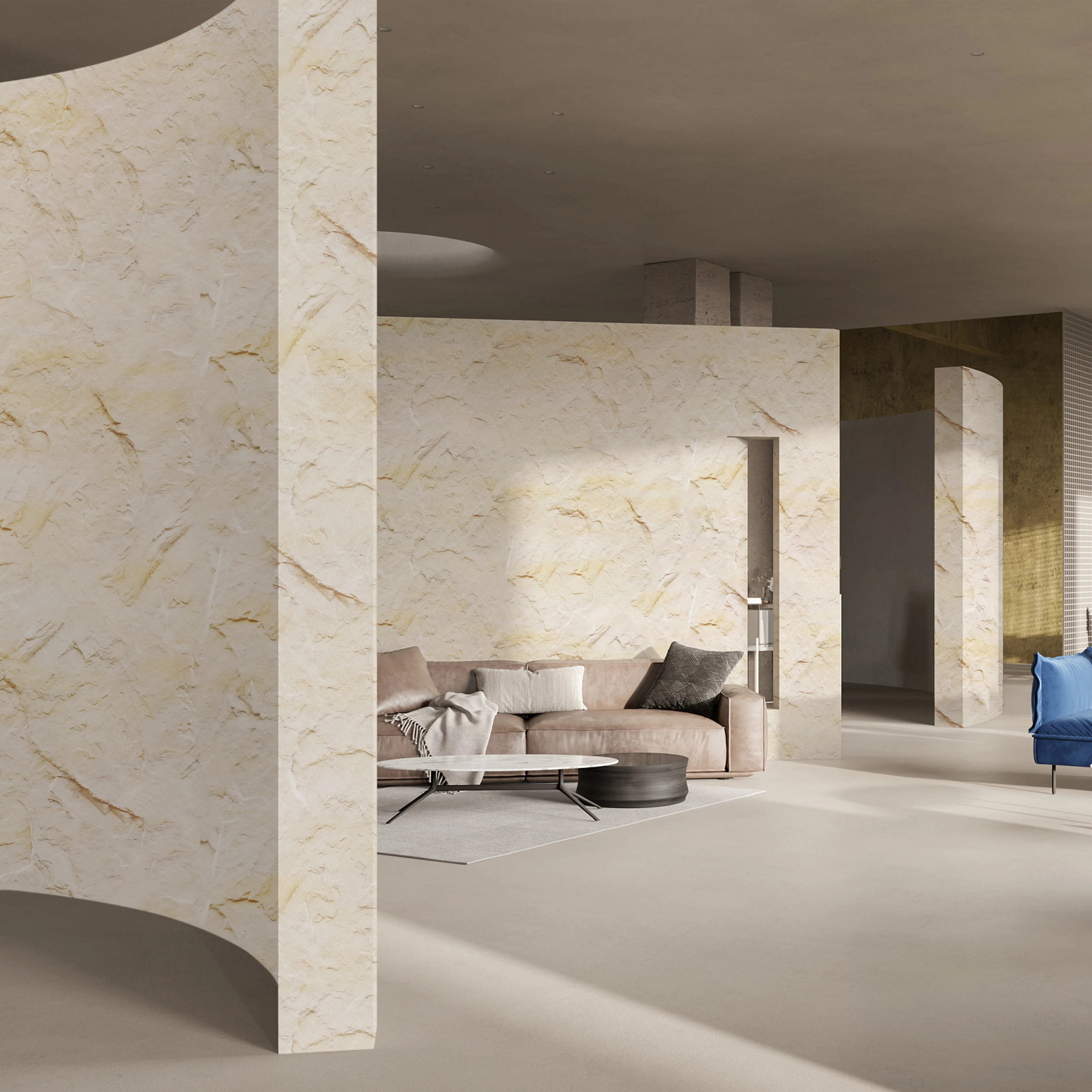
Let's be clear: Slate Sunnye isn't the only thermal insulator out there. So why choose it over, say, foamed aluminium alloy board (that shiny, modern material with air bubbles for insulation) or rammed earth board (the traditional, earthy option)? The answer lies in its balance of performance, durability, and soul.
Foamed aluminium alloy board has a low k-value (around 0.3 W/m·K), meaning it resists heat flow very well. But it's lightweight, with almost no thermal mass. That means it can't store heat, so on cold winter nights, it offers no residual warmth—you're entirely dependent on your heating system. Plus, it's a manufactured material, made from aluminium ore and energy-intensive processes, which raises sustainability questions. Slate Sunnye, by contrast, is natural, with both insulation and storage capabilities, and its extraction has a smaller carbon footprint than manufacturing metals.
Rammed earth board, a traditional material made from compacted soil, has excellent thermal mass and a low k-value (0.9 W/m·K). It's sustainable and beautiful, but it's not as durable as stone. It can crack in extreme weather, absorb moisture, and requires careful maintenance. Slate Sunnye, being a hard metamorphic rock, is virtually maintenance-free: it resists water, pests, and weathering, lasting 50+ years with minimal upkeep. In a world where longevity equals sustainability, that's a big win.
Then there's travertine, a cousin in the stone family. Travertine is porous and lightweight, with a warm, rustic charm. But its porosity means it can absorb heat quickly (higher k-value than Slate Sunnye) and lacks the same density for thermal mass. It's lovely for accents, but for primary insulation, Slate Sunnye outperforms it in both function and durability.
In an era of climate change, every building choice matters. Slate Sunnye isn't just energy-efficient in use—it's sustainable from the ground up. Let's break it down:
Low Embodied Energy: Embodied energy is the total energy used to extract, process, and transport a material. Slate Sunnye, being a natural stone, requires minimal processing—just cutting and shaping. Compare that to foamed aluminium, which involves mining bauxite, refining it into aluminium, and foaming it with high heat: its embodied energy is off the charts. Slate Sunnye's "carbon footprint" is tiny by comparison.
Longevity: The average synthetic insulation needs replacement every 15–20 years. Slate Sunnye? It lasts 50–100 years, even in harsh climates. Fewer replacements mean less waste, less energy spent on manufacturing new materials, and fewer resources extracted from the planet. It's the ultimate "buy once, buy well" material.
Non-Toxic: Unlike some synthetic insulations, which can off-gas volatile organic compounds (VOCs) into your home, Slate Sunnye is inert. It doesn't release harmful chemicals, making it safe for families, pets, and the planet. It's a material you can feel good about living with.
Recyclable: When a Slate Sunnye structure finally reaches the end of its life (decades from now), the stone can be recycled—crushed into aggregate for roads or reused as decorative stone. It doesn't end up in landfills, unlike foam insulations that persist for centuries.
As we build for a warmer, more crowded world, the demand for energy-efficient, sustainable materials will only grow. Slate Sunnye isn't just a trend; it's a preview of what the future of construction could look like: a return to natural materials that work with the planet, not against it. Architects and builders are already taking notice, specifying Slate Sunnye in projects that prioritize both performance and beauty. From eco-friendly housing developments to green-certified office towers, this stone is proving that you don't have to sacrifice aesthetics for efficiency—or vice versa.
Imagine a cityscape where buildings are clad in Slate Sunnye, their gray-blue surfaces glowing softly in the sun, each one a fortress of comfort and sustainability. No more energy-guzzling skyscrapers; no more cookie-cutter concrete boxes. Just structures that breathe, adapt, and endure—much like the stone they're made of.
Slate Sunnye is more than a building material. It's a story written in stone—a story of time, pressure, and the quiet power of nature to solve modern problems. Its thermal insulation properties aren't just numbers on a spec sheet; they're the difference between a home that feels like a burden (with sky-high energy bills and uncomfortable temperatures) and one that feels like a sanctuary.
Whether you're building a new home, renovating a historic property, or designing a commercial space, Slate Sunnye offers something rare: a chance to do better. Better for your wallet, better for your comfort, and better for the planet. It's a material that respects the past while embracing the future, and in a world that often feels divided between old and new, that's a gift.
So the next time you walk into a building and feel that perfect, steady warmth (or cool), take a moment to look around. Maybe the walls are whispering a secret—one that Slate Sunnye has known for millions of years: that the best solutions often come from the earth itself.
Recommend Products












