
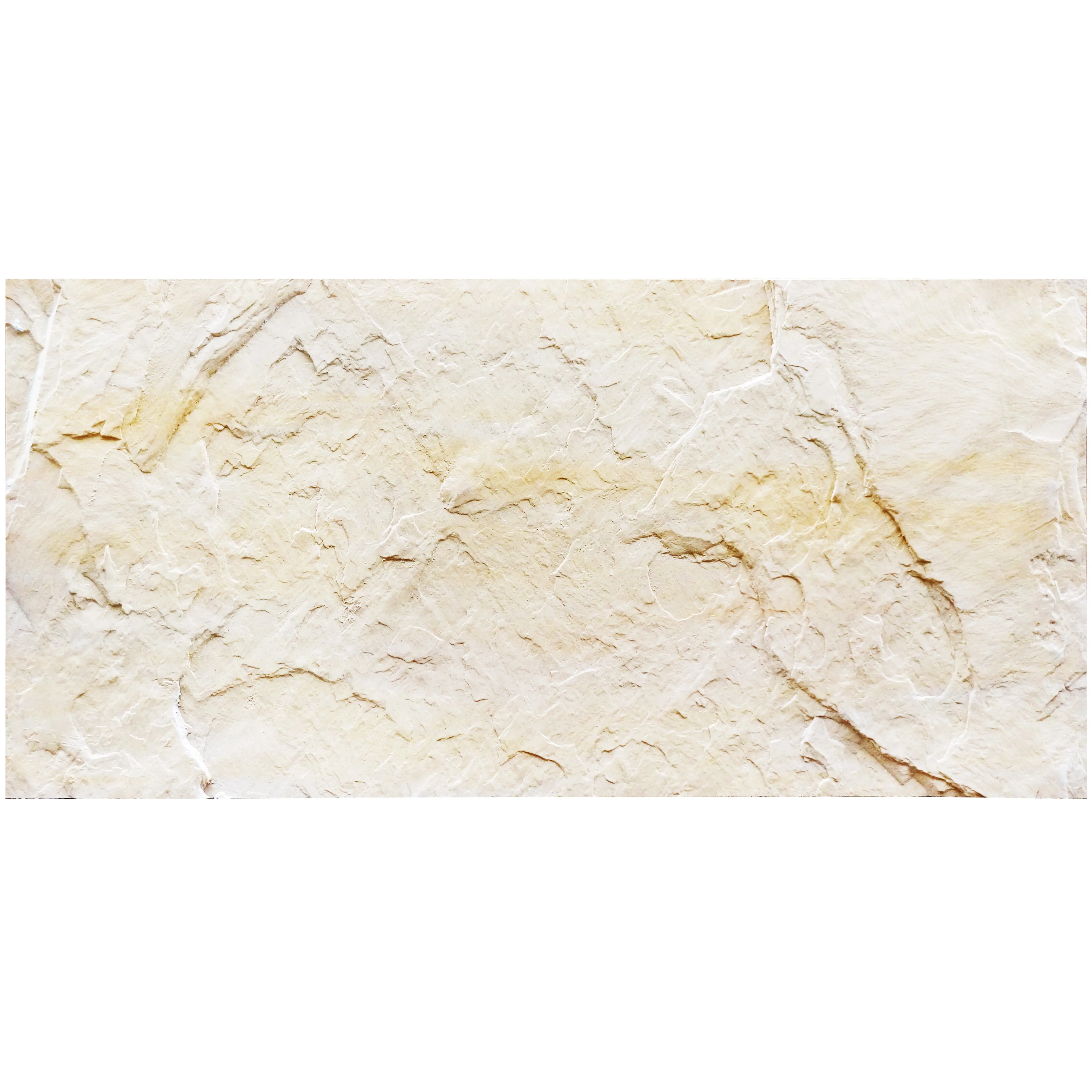
It's a sweltering July afternoon in Riyadh, and you're standing outside your office building, squinting up at the facade. Five years ago, when the structure was new, that warm terracotta finish gleamed under the sun, a proud statement of modern design. Today? It's faded to a washed-out pink, streaked with patches where the color has all but disappeared. You've noticed the same thing across the city—apartment complexes that once stood out in soft blues now blend into the skyline as pale grays; retail stores with "vibrant" red accents that look more like dusty rose. In Saudi Arabia, the sun doesn't just shine—it tests everything it touches. And for building materials, that test often ends in disappointment.
But what if there was a material that could stand up to this relentless scrutiny? A cladding solution that doesn't just promise color retention but delivers it, year after year, even under the harshest Saudi sunlight? Enter Slate Sunnye—a star product in the MCM flexible stone lineup, engineered specifically to turn the tables on UV damage. In this article, we'll dive into why UV radiation is such a formidable enemy for building exteriors in Saudi Arabia, how traditional materials fall short, and why Slate Sunnye is emerging as the go-to choice for architects, developers, and homeowners who refuse to let their buildings fade into obscurity.
To understand why building facades in Saudi Arabia fade so quickly, you need to first grasp the intensity of the sunlight here. Saudi Arabia sits at a latitude where the sun's rays are nearly perpendicular for much of the year, resulting in some of the highest UV index levels on the planet. In cities like Jeddah, Dammam, and Riyadh, the UV index regularly hits 11+ (classified as "extreme") between March and October. That's not just a number—it's a daily assault on any material exposed to the elements.
UV radiation, specifically the UVA and UVB rays, breaks down the chemical bonds in pigments and polymers over time. For painted surfaces, this means the color molecules degrade, leaving behind a dull, lifeless version of the original hue. For natural stones like travertine or limestone, prolonged UV exposure can cause mineral oxidation, leading to discoloration, pitting, and even flaking. Even concrete, often hailed as "durable," isn't immune—unprotected fair-faced concrete will develop a chalky, faded layer as the surface binder erodes under the sun.
Add to that Saudi Arabia's low humidity and high temperatures (summer highs regularly exceed 45°C), and you have a perfect storm for material degradation. Heat accelerates chemical reactions, making UV damage happen faster. The result? A building that looks decades older than it is, with a facade that requires constant touch-ups or, worse, complete replacement. For commercial properties, this isn't just an aesthetic issue—it's a financial one. A faded exterior sends a message of neglect, driving away customers and tenants. For homeowners, it's a blow to pride; that dream villa you invested in shouldn't look tired after just a few years.
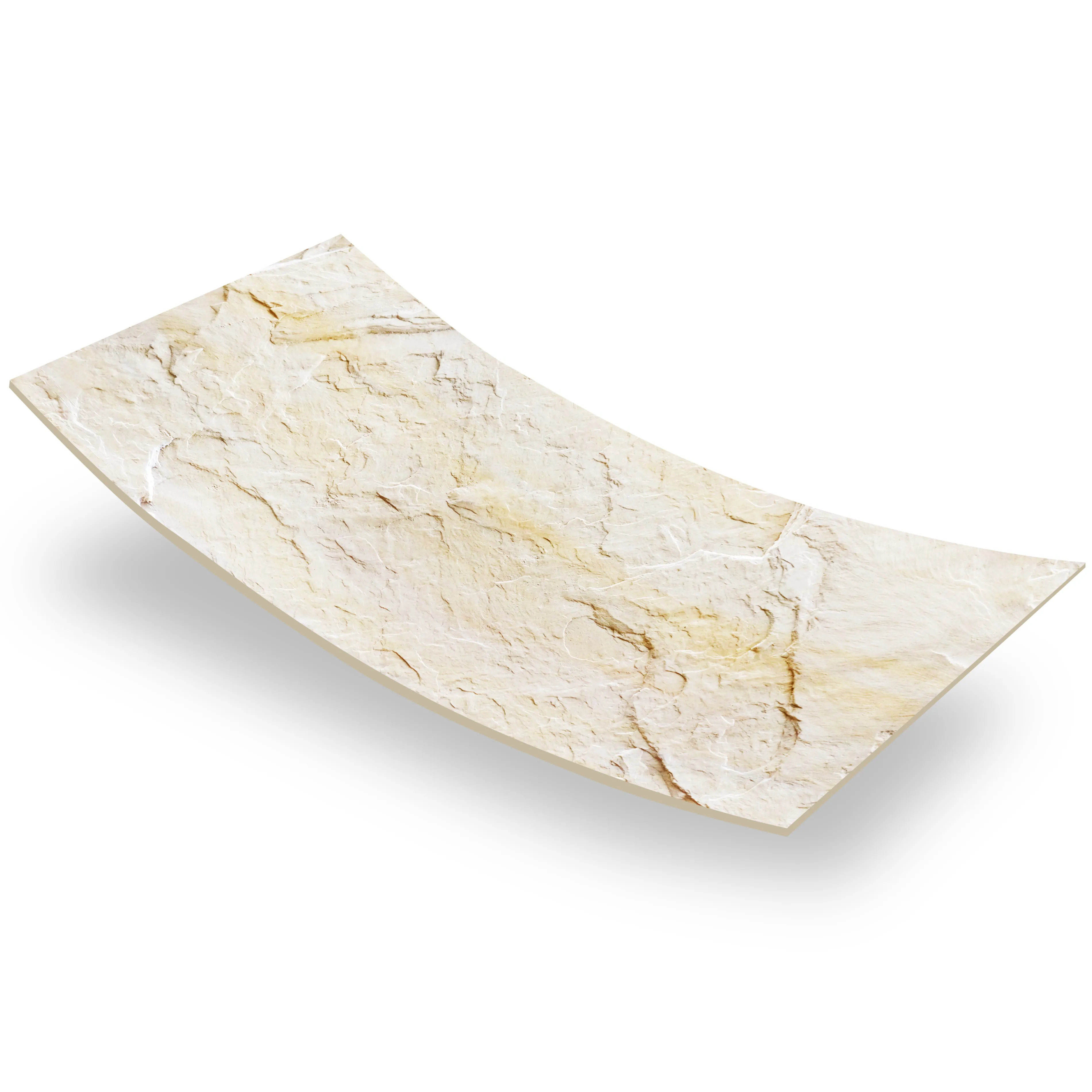
For years, builders in Saudi Arabia have turned to a handful of go-to materials, each with its own promises of durability. Let's take a closer look at how they stack up against the sun's unforgiving rays:
| Material | Color Retention (Typical Lifespan in Saudi Sun) | Maintenance Needs | Key Drawbacks |
|---|---|---|---|
| Exterior Paint | 1–3 years | Repainting every 2–3 years; frequent touch-ups | Peeling, cracking, and rapid fading; high long-term cost |
| Fair-Faced Concrete | 5–7 years (before significant fading) | Sealing every 2 years; surface cleaning to remove chalky residue | Chalking, staining, and loss of structural integrity over time |
| Natural Travertine (Uncoated) | 3–5 years (discoloration begins) | Annual sealing; polishing to restore shine | Porosity leads to UV-induced mineral changes; prone to staining |
| Slate Sunnye (MCM Flexible Stone) | 15+ years (minimal fading) | Low maintenance; occasional washing with water | None noted in Saudi conditions; engineered for UV and heat resistance |
As the table shows, traditional options simply aren't built for the long haul in Saudi Arabia. Paint fades fastest, turning vibrant hues into pastels within a few summers. Fair-faced concrete, while sturdy, loses its uniform color as the surface erodes, developing an uneven, weathered look that's hard to reverse. Natural travertine, beloved for its organic texture, absorbs UV radiation like a sponge, with iron-rich minerals oxidizing to create unsightly rust spots or blotches. Even treated stones require constant upkeep—sealing, polishing, cleaning—that adds up in both time and money.
It's enough to make any building owner sigh. But what if there was a material that didn't just slow down fading, but stopped it in its tracks? That's where Slate Sunnye comes in.
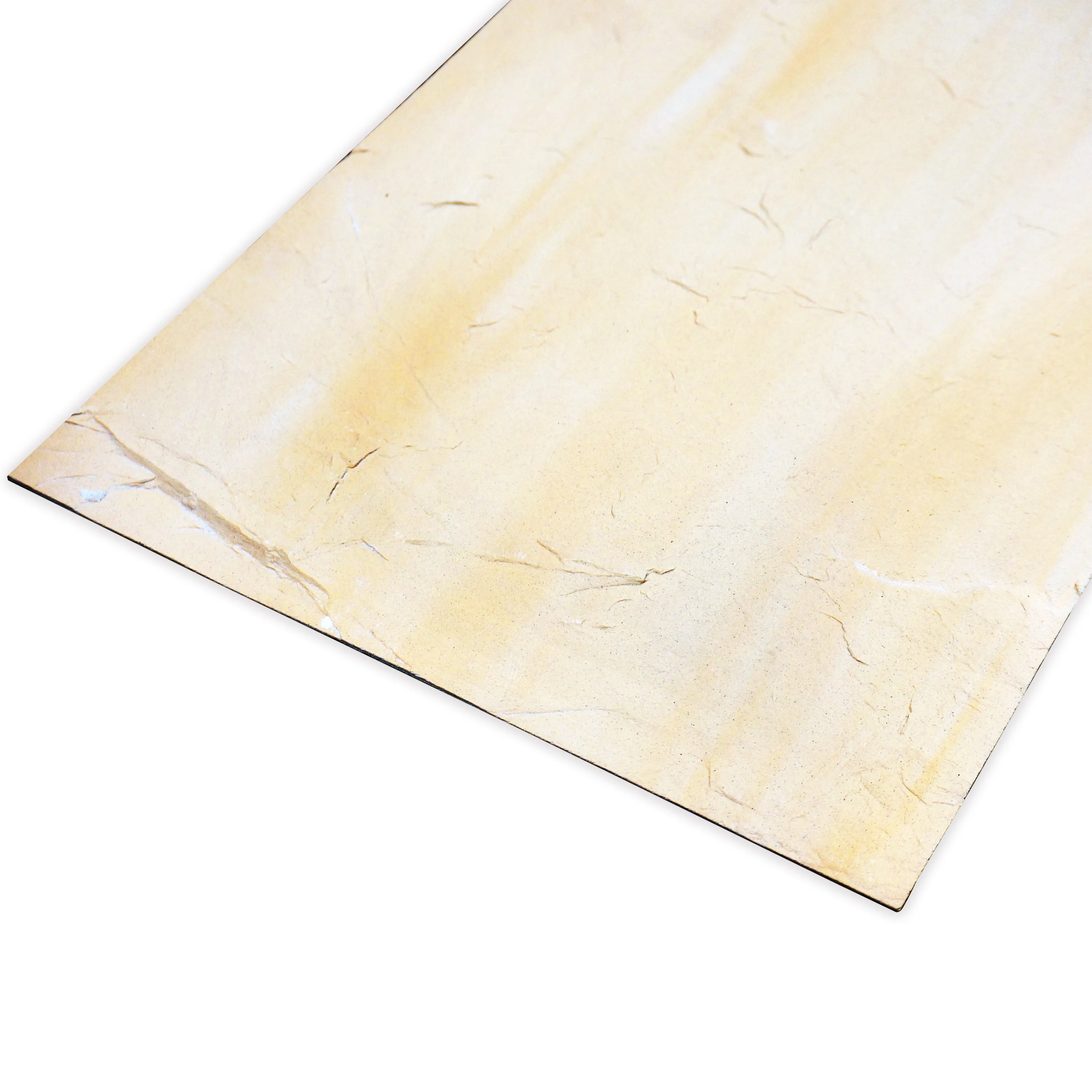
Slate Sunnye isn't just another building material—it's a reimagining of what cladding can be. Part of the MCM flexible stone series, it's engineered from the ground up to thrive in environments where other materials fail. But what exactly makes it different?
First, let's clarify: MCM stands for "Modified Composite Material," a cutting-edge technology that combines natural stone particles with high-performance resins and fibers. The result is a material that's lightweight (up to 80% lighter than natural stone), flexible (able to bend without cracking), and—most importantly for Saudi Arabia— incredibly resistant to UV radiation. Slate Sunnye takes this technology a step further, with a proprietary surface treatment and pigment infusion process that locks in color at the molecular level.
Imagine a layer cake, but instead of frosting, the top layer is a UV-shielding barrier. That's essentially how Slate Sunnye works. The core is a reinforced composite matrix, providing strength and flexibility. On top, a thin but tough protective layer—engineered with UV absorbers and stabilizers—reflects harmful rays and prevents them from penetrating to the color pigments below. Those pigments, unlike traditional paint or dye, are integrated into the composite during manufacturing, not just applied to the surface. So even if the outermost layer takes minor wear, the color remains consistent throughout the material.
But Slate Sunnye isn't just about durability—it's about beauty, too. Available in a range of textures and colors inspired by Saudi Arabia's own landscapes, from the warm terracottas of the historical pathfinders stone to the cool grays of dolomitic travertine, it lets architects and designers create facades that are both striking and sun-proof. Whether you're aiming for a modern, sleek look or a rustic, earthy vibe, Slate Sunnye adapts—without sacrificing performance.
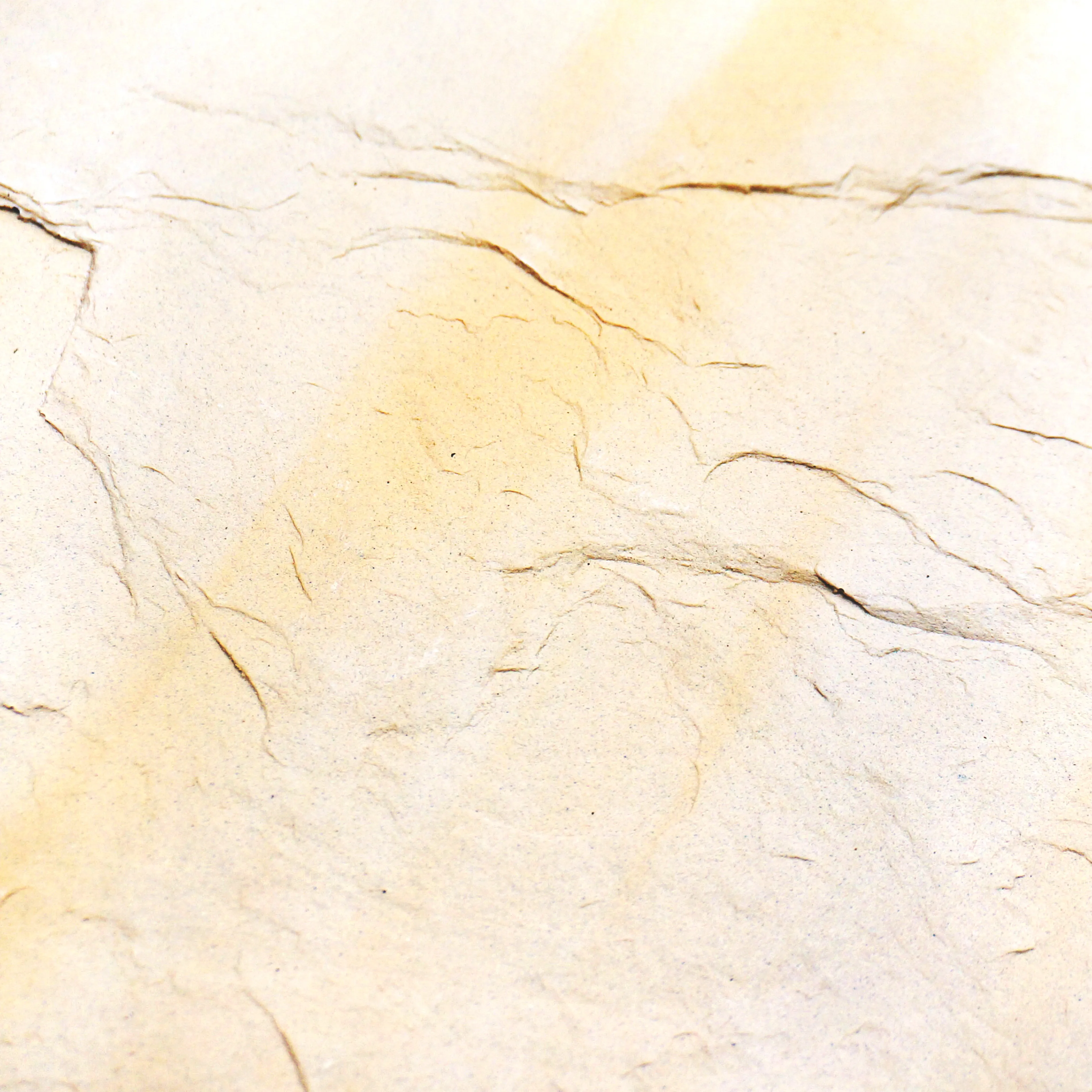
To truly appreciate Slate Sunnye's UV resistance, let's dive into the science. At the heart of its performance is a trio of engineering innovations:
The composite resin used in Slate Sunnye is formulated with hindered amine light stabilizers (HALS) and benzotriazole UV absorbers—chemical compounds that act like tiny bodyguards for the material. HALS work by neutralizing free radicals (unstable molecules created by UV radiation that break down polymers), while UV absorbers absorb and dissipate UV energy as heat, preventing it from causing damage. Together, they extend the resin's lifespan by up to 10 times compared to standard composites.
Traditional pigments are prone to breaking down under UV exposure, leading to fading. Slate Sunnye uses nano-sized pigment particles, which are more stable and less likely to degrade. These particles are evenly distributed throughout the composite layer, ensuring that color remains consistent even as the material ages. Think of it as dyeing a fabric all the way through, rather than just painting the surface—no matter how much you wear it, the color stays true.
The final step in Slate Sunnye's manufacturing process is a specialized surface coating that adds an extra layer of protection. This coating is hydrophobic (water-repellent), preventing moisture from seeping in and exacerbating UV damage, and it has a high solar reflectance index (SRI), meaning it reflects a significant portion of the sun's heat and light. This not only reduces fading but also helps keep buildings cooler, lowering energy costs for air conditioning—a welcome bonus in Saudi Arabia's scorching summers.
In 2018, the Al-Mansoori Group set out to build a 20-story commercial tower in Jeddah's business district, with a bold vision: a facade that would stand out for decades, not just years. The architects initially considered natural travertine, but after seeing how quickly neighboring buildings had faded, they turned to Slate Sunnye in "dolomitic travertine (dark grey)" and "slate veil white."
Fast forward five years, and the tower still looks as striking as the day it opened. "We did a side-by-side comparison with a nearby building that used traditional painted concrete," says project manager Khalid Al-Mansoori. "That building has been repainted twice since 2018, and it still looks faded. Ours? You'd never guess it's five years old. The Slate Sunnye panels haven't just retained their color—they've maintained their texture and sheen, too. Maintenance crews barely touch them; a quick wash with water once a year is all it takes."
Tenants have noticed, too. "Clients comment on how fresh the building looks," says a leasing agent for the tower. "It's a selling point. In a city where so many buildings look tired, being 'the one that stays vibrant' matters."
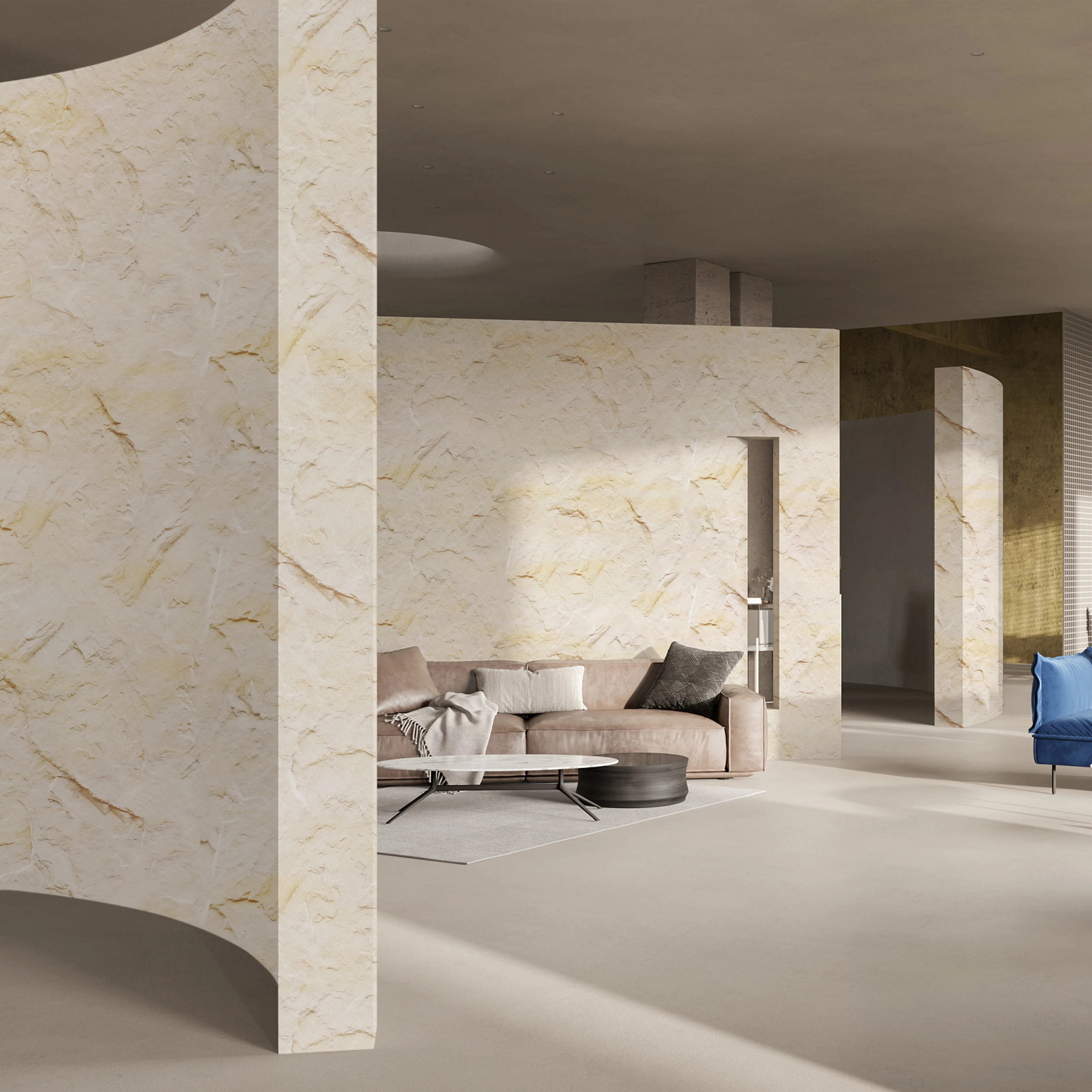
While UV resistance is Slate Sunnye's star feature, it's far from the only reason it's gaining popularity in Saudi Arabia. Let's break down the other benefits that make it a standout choice:
Natural stone can weigh up to 200 kg per square meter, requiring heavy-duty structural support and specialized labor. Slate Sunnye, by contrast, weighs just 4–6 kg per square meter—light enough to be installed on almost any surface, from concrete to metal framing. This reduces construction time and costs, with crews able to cover more area in a day than they would with traditional stone.
Saudi Arabia's desert climate isn't just hot—it's prone to temperature swings. Daytime highs of 45°C can plummet to 20°C at night, causing building materials to expand and contract. Rigid materials like natural stone or fair-faced concrete often crack under this stress. Slate Sunnye's flexibility allows it to move with the building, absorbing thermal shock without damage. In a country where even minor cracks can lead to water intrusion (during rare but heavy rains), this flexibility is a game-changer.
Let's do the math: If you repaint a 1,000 sqm facade every 3 years at a cost of SAR 50 per sqm, that's SAR 50,000 every 3 years, or SAR 166,666 over 10 years. Slate Sunnye, with a 15+ year lifespan and minimal maintenance, has a higher upfront cost (around SAR 200–300 per sqm installed) but requires no repainting, sealing, or major repairs. Over 10 years, that's a total cost of SAR 200,000–300,000—more upfront, but significantly less than repainting every few years. And since it lasts 15+ years, the long-term savings are even greater.
In an era where green building practices are becoming increasingly important, Slate Sunnye shines. Its lightweight nature reduces transportation emissions, and its long lifespan means less material waste over time. Unlike natural stone, which requires quarrying and extensive processing, Slate Sunnye uses recycled materials in its composite matrix, making it a more sustainable choice for environmentally conscious developers.
For architects, developers, and homeowners in Saudi Arabia, the choice of building material is about more than aesthetics—it's about investing in the future. A facade isn't just a pretty face; it's a shield, a statement, and a long-term asset. Slate Sunnye, with its unbeatable UV resistance, durability, and beauty, checks all the boxes.
Whether you're designing a luxury villa in Riyadh, a commercial complex in Dammam, or a heritage-inspired hotel in Makkah, Slate Sunnye adapts to your vision. Its range of colors and textures—from the rustic charm of "historical pathfinders stone" to the modern sleekness of "slate veil white"—means you don't have to sacrifice style for durability. And in a country where the sun is both a blessing and a challenge, that's a rare and valuable combination.
So, the next time you pass a faded building in Saudi Arabia, remember: it doesn't have to be that way. With Slate Sunnye, your building can stand tall, vibrant, and proud—year after year, under the harshest sun the desert has to offer. It's not just a material; it's a promise: your facade will outlast the sun.
Saudi Arabia's skyline is evolving, with ambitious projects like NEOM and the Red Sea Development pushing the boundaries of design. But for all the innovation, one challenge remains constant: the sun. Slate Sunnye, as part of the MCM flexible stone family, isn't just keeping up with that challenge—it's setting a new standard. By combining cutting-edge science with timeless aesthetics, it's proving that buildings in Saudi Arabia can be both beautiful and enduring.
So here's to a future where facades don't fade, where colors stay true, and where the Saudi sun enhances our buildings rather than eroding them. With Slate Sunnye, that future isn't just possible—it's already here.
Recommend Products












