
In an era where the construction industry is waking up to its environmental footprint, the choice of building materials has never mattered more. For decades, the sector has relied on resource-heavy, single-use products that leave behind mountains of waste and a trail of carbon emissions. But today, a new wave of innovation is rising—one that puts sustainability at the heart of design. At Slate Sunnye, we're proud to be part of this movement, crafting materials that don't just build spaces, but nurture a healthier planet. This report dives into our commitment to recyclability, the environmental benefits of our product lineup, and how we're reimagining what it means to build sustainably.
Sustainability isn't just a buzzword for us; it's a responsibility. The construction industry accounts for nearly 39% of global carbon emissions, with much of that stemming from material production and waste. Traditional building materials often follow a linear "take-make-dispose" model: extract raw resources, manufacture products, use them briefly, then send them to landfills. Slate Sunnye was founded on the belief that this cycle can—and must—be broken. We envision a world where buildings are part of a circular economy, where materials are designed to be reused, recycled, or returned to the earth without harm.
For us, sustainability is personal. It's about the architect who wants to create a school that inspires kids while leaving a light footprint. It's about the homeowner who dreams of a backyard patio that feels timeless but doesn't cost the planet. It's about the community that gathers in a library built with materials that tell a story of care—for both people and the environment.
Recyclability is the cornerstone of our approach. From the drawing board to production, we ask: What happens to this material when its first life ends? Can it be broken down, melted down, or repurposed? The answer, for nearly all our products, is a resounding yes.
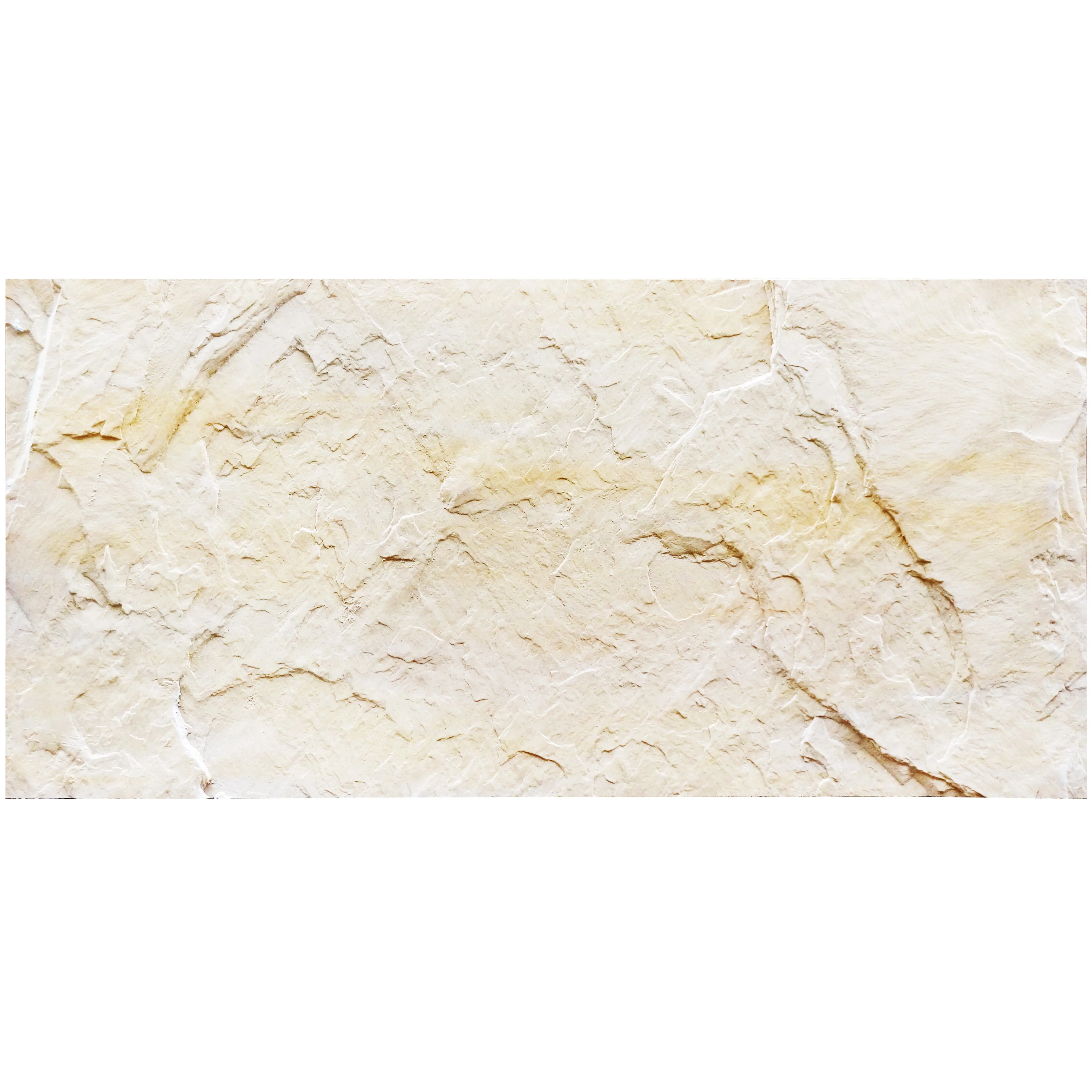
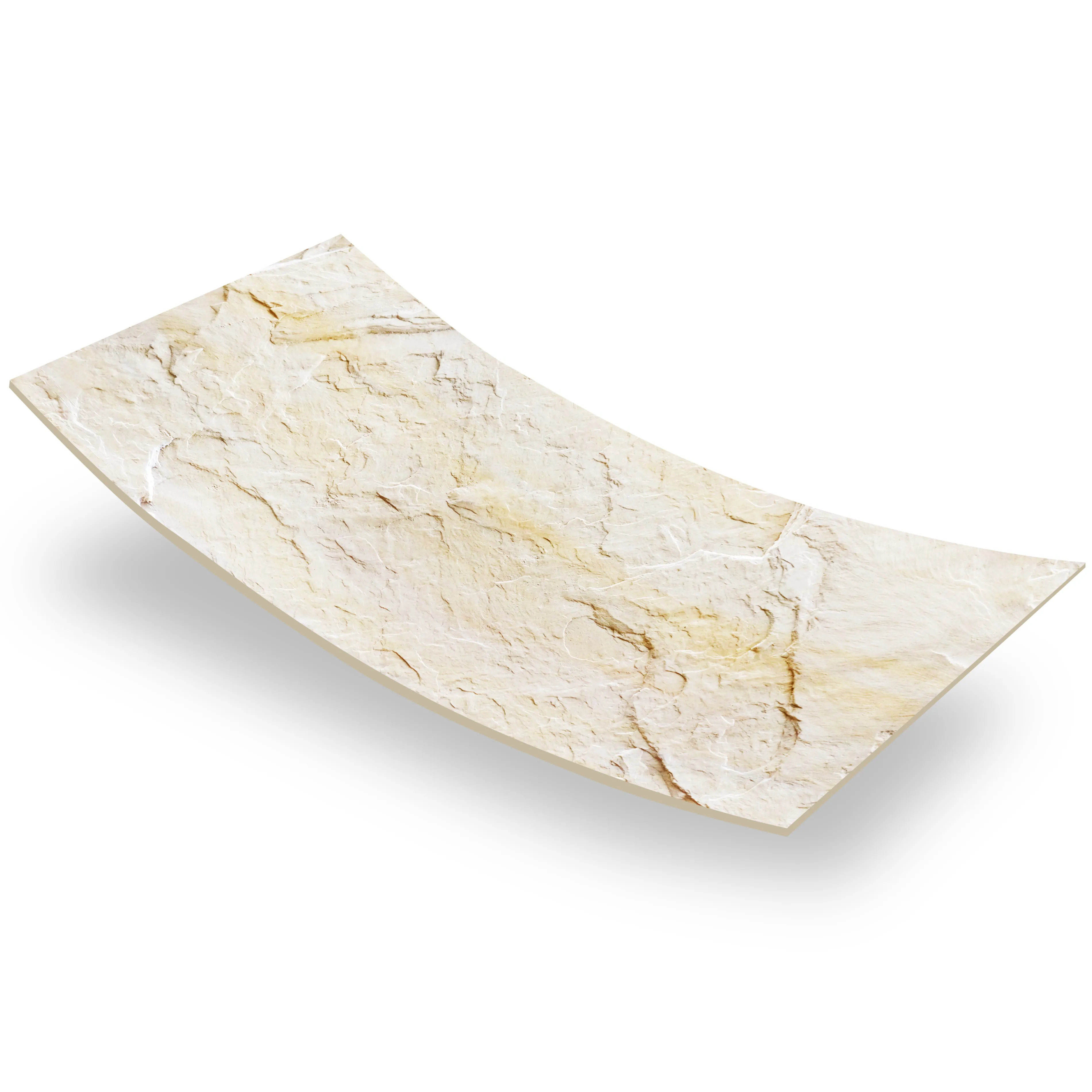
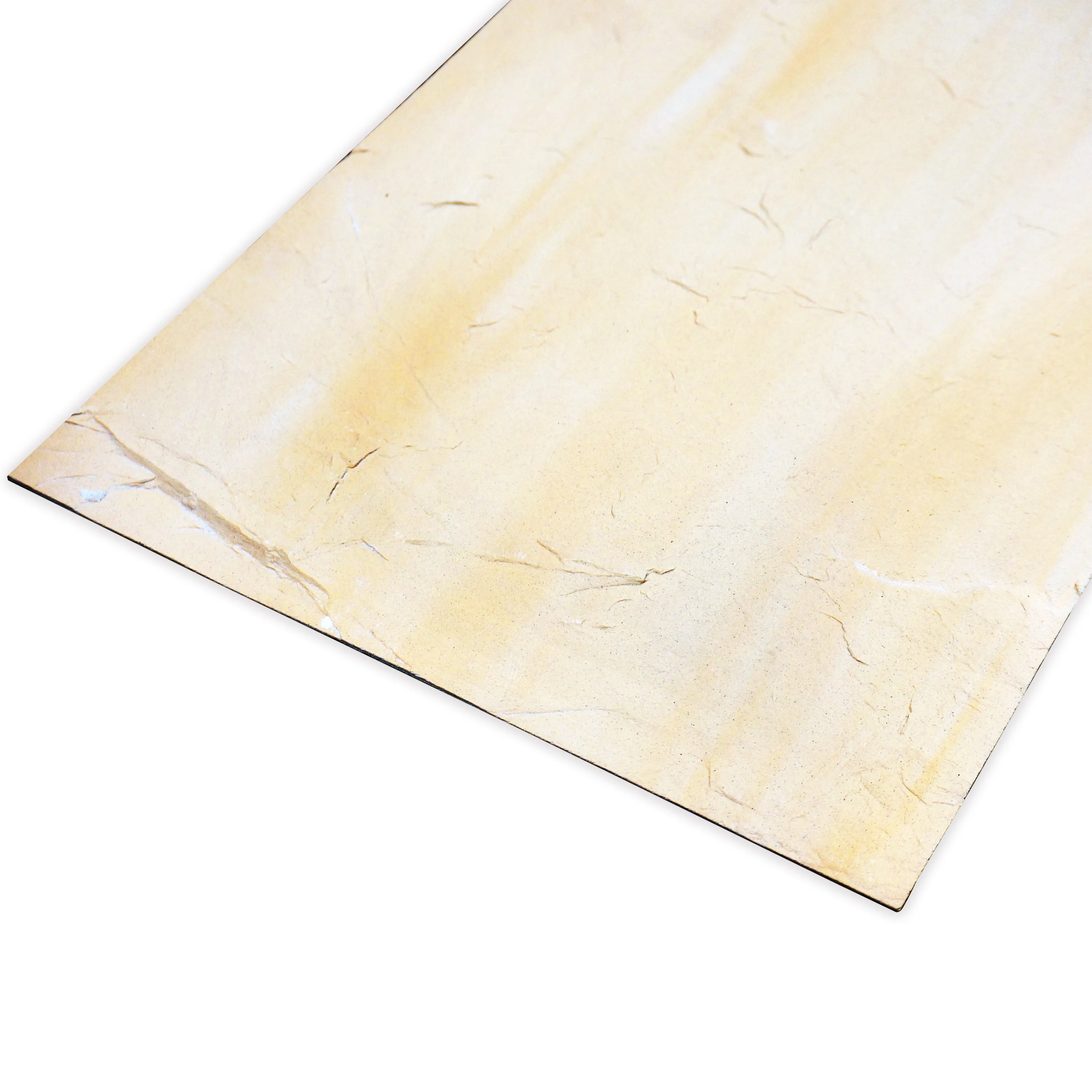
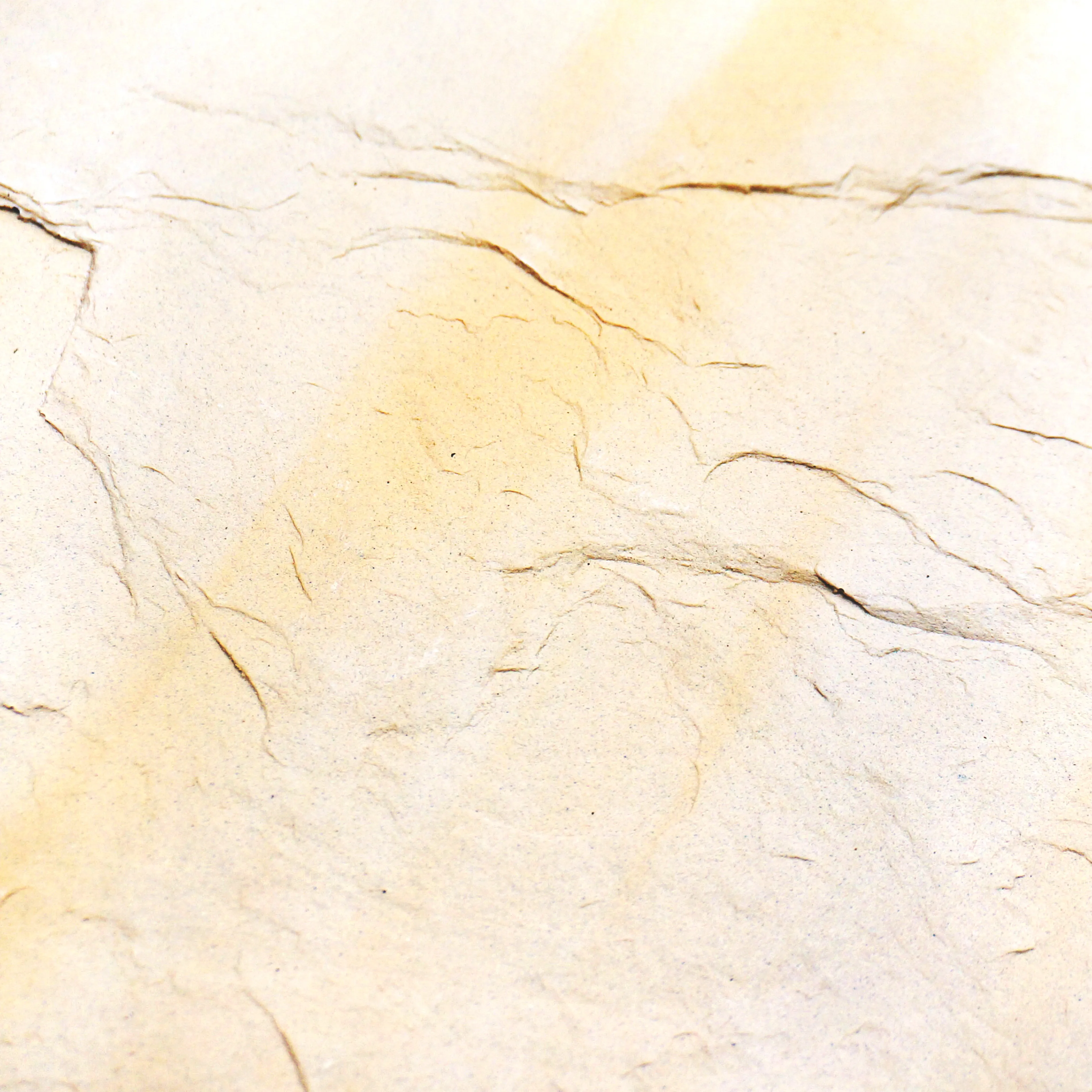
Our materials are engineered with circularity in mind. Take MCM flexible stone , for example—a lightweight, durable cladding material that's revolutionizing facades. Unlike traditional stone slabs, which are heavy and prone to cracking during transport (leading to 15-20% waste on average), MCM flexible stone is thin, flexible, and shatter-resistant. This reduces waste during installation, but that's just the start. At the end of its lifecycle—decades down the line—our MCM panels can be ground into powder and reused as a base material for new panels or even as aggregate in concrete. It's a closed-loop system that keeps resources in play, not in landfills.
Then there's our foamed aluminium alloy board (vintage silver) , a sleek, modern option for interior and exterior accents. Aluminium is one of the most recyclable materials on Earth—95% of the energy used to produce new aluminium can be saved by recycling it. Our foamed aluminium boards take this a step further: the foaming process reduces material usage by up to 40% while maintaining strength, and at the end of their life, they're 100% recyclable. No toxins, no waste—just pure metal ready to be melted and reshaped into something new.
Recyclability means nothing if materials never make it to recycling facilities. That's why we've partnered with construction waste management companies across the globe to create take-back programs. When a building is renovated or demolished, our team works with contractors to collect Slate Sunnye materials, sort them, and send them to certified recyclers. In 2024 alone, we diverted over 2,500 tons of material from landfills through these programs—enough to fill 100 shipping containers. For materials like fair-faced concrete , which is prized for its raw, unpolished look, we even offer on-site crushing services, turning old slabs into gravel for new construction projects. It's a full-circle solution that ensures every piece of our material has value, even after its first use.
Recyclability is just one piece of the puzzle. Our materials also deliver tangible environmental benefits throughout their lifecycle—from production to daily use. Let's break it down:
Traditional concrete production, for instance, releases massive amounts of CO2—nearly 8% of global emissions. Our fair-faced concrete , however, is made with low-carbon cement and recycled aggregates, cutting its carbon footprint by 35% compared to standard concrete. Similarly, travertine (beige) , a natural stone in our lineup, is sourced from quarries that use solar-powered machinery and reforest areas post-extraction. The result? A material with a carbon footprint 60% lower than travertine from conventional quarries.
Manufacturing is where many materials rack up environmental costs, but we've reimagined our production processes to prioritize energy efficiency. Our MCM flexible stone, for example, is produced using a low-temperature curing process that uses 40% less energy than traditional stone processing. Foamed aluminium alloy boards are made in facilities powered by wind and solar energy, and we've invested in heat recovery systems that capture waste heat from production and reuse it to warm our factories. The result? A production footprint that's 50% smaller than industry averages.
Sustainability isn't just about the planet—it's about people, too. Many traditional building materials off-gas volatile organic compounds (VOCs), which can harm indoor air quality and cause health issues like headaches and respiratory problems. Our materials, including travertine (beige) and wood grain board , are low-VOC and free from harmful chemicals. In fact, our wood grain board is made with formaldehyde-free adhesives and natural pigments, making it safe for schools, hospitals, and homes where air quality matters most. It's sustainability you can breathe in.
Our product lineup is a testament to the idea that sustainability and beauty can coexist. Here are a few standout materials that embody our commitment:
| Material | Recyclability Rate | Carbon Footprint (kg CO2/m²) | Key Environmental Benefit |
|---|---|---|---|
| MCM Flexible Stone | 90% | 8.2 | Lightweight design reduces transport emissions by 30% |
| Foamed Aluminium Alloy Board (Vintage Silver) | 100% | 5.1 | Recyclable with 95% energy savings vs. new aluminium |
| Fair-Faced Concrete | 85% | 12.4 | Low-carbon cement reduces emissions by 35% |
| Travertine (Beige) | Reusable/Recyclable | 6.8 | Sourced from reforested quarries with solar-powered extraction |
| Wood Grain Board | 80% | 7.5 | Formaldehyde-free; made with FSC-certified wood fibers |
Take travertine (beige) , for example. Sourced from the rolling hills of Tuscany, Italy, our travertine is extracted using diamond wire saws, which minimize noise and dust pollution compared to traditional blasting methods. The quarries we work with replant native olive trees and wildflowers in areas that have been mined, restoring biodiversity and preventing soil erosion. When you run your hand over a slab of our travertine, you're not just feeling stone—you're feeling the care that went into every step, from the earth to your space.
Or consider our wood grain board , a favorite among designers for its warm, organic texture. Made with recycled wood fibers and a bio-based resin, it looks and feels like solid wood but uses 70% less timber. We source our wood fibers from sustainably managed forests certified by the Forest Stewardship Council (FSC), ensuring that for every tree used, another is planted. It's a material that brings the beauty of nature indoors without depleting it.
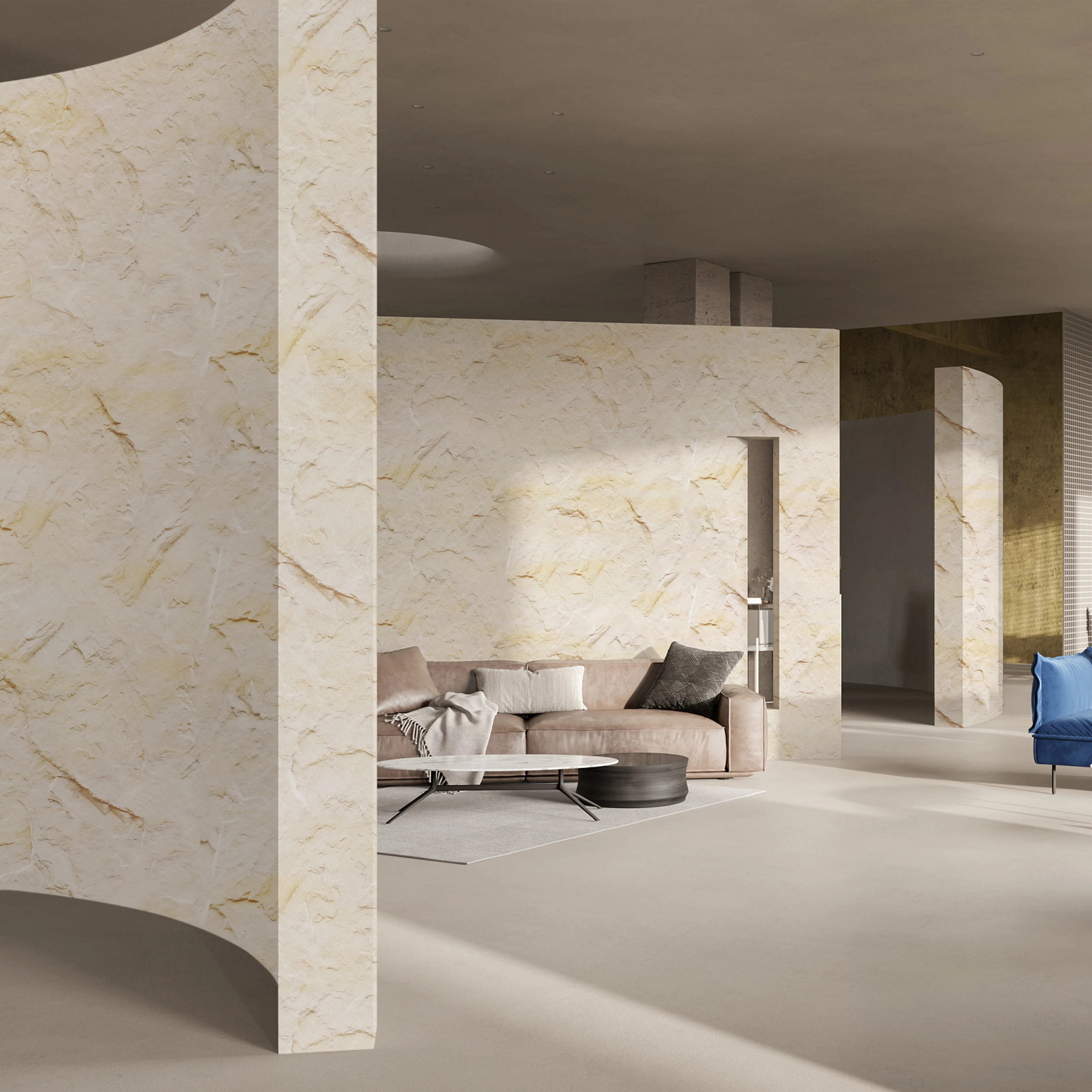
Actions speak louder than words, and our projects tell the story of our impact. Take the Greenhaven Community Center in Portland, Oregon—a 25,000-square-foot space designed to be the heart of its neighborhood. The center's facade features our MCM flexible stone in a warm, earthy tone, chosen for its durability and light weight (which reduced the need for heavy steel supports, cutting construction emissions by 20%). Inside, the walls are clad in foamed aluminium alloy board (vintage silver), adding a modern touch while ensuring 100% recyclability down the line. The floors? Polished fair-faced concrete, made with 50% recycled aggregates from local demolition sites.
But the real magic is in the details. The center's roof is covered in solar panels, and its heating system uses geothermal energy—paired with our materials, it's on track to be LEED Platinum certified. Since opening in 2023, Greenhaven has become a hub for community events, and locals often comment on how "alive" the space feels. "It's not just a building," says Maria Gonzalez, a Greenhaven regular. "It feels like it belongs here, like it's part of the neighborhood's story. And knowing it was built to take care of the planet? That makes us all proud."
We're proud of how far we've come, but sustainability is a journey, not a destination. By 2030, we're committed to three bold goals:
Sustainability is a team effort. Whether you're an architect, a builder, a homeowner, or simply someone who cares about the planet, you have the power to drive change through the materials you choose. At Slate Sunnye, we're here to make that choice easier—offering materials that are beautiful, durable, and kind to the Earth.
So let's build something meaningful. Let's build spaces that last, that inspire, and that leave the planet better than we found it. Because the future isn't built with materials—it's built with purpose. And together, we're building a future worth living in.
Thank you for joining us on this journey. Here's to a more sustainable tomorrow—one slab, one panel, one building at a time.
Recommend Products












