
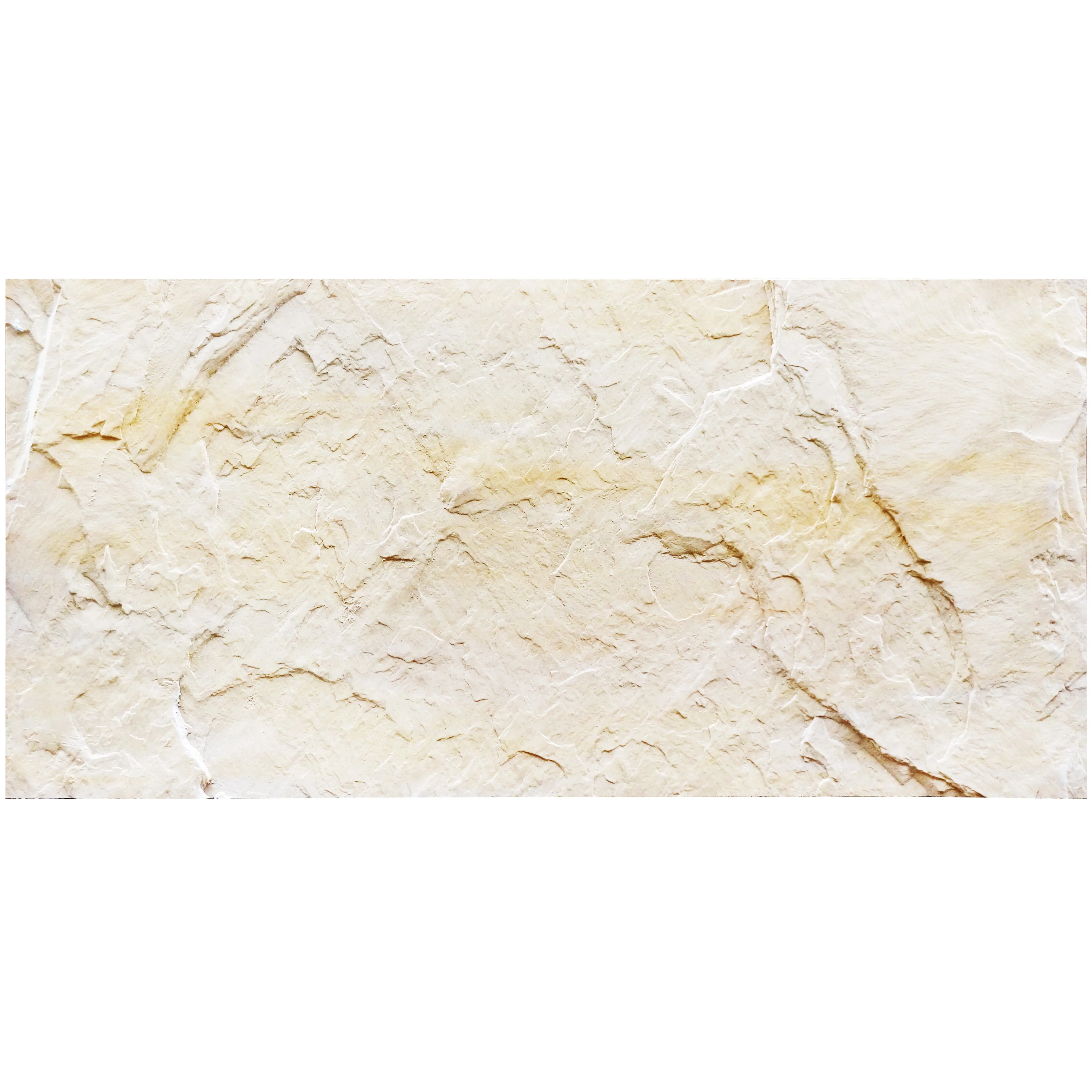
Walls are the quiet storytellers of our spaces. They don't just divide rooms—they set the mood, reflect our tastes, and even shape how we feel when we walk into a home, office, or café. Choosing the right wall material isn't just about picking a color or pattern; it's about finding something that feels like *you*. If you've ever stood in a hardware store, staring at samples of stone, tile, and concrete, you know the decision can feel overwhelming. Today, let's zoom in on two popular contenders: slate sunnye and ceramic tiles. Both have loyal fans, but which one truly shines when it comes to turning your walls into something special? Let's break it down—no jargon, just honest talk about what matters most.
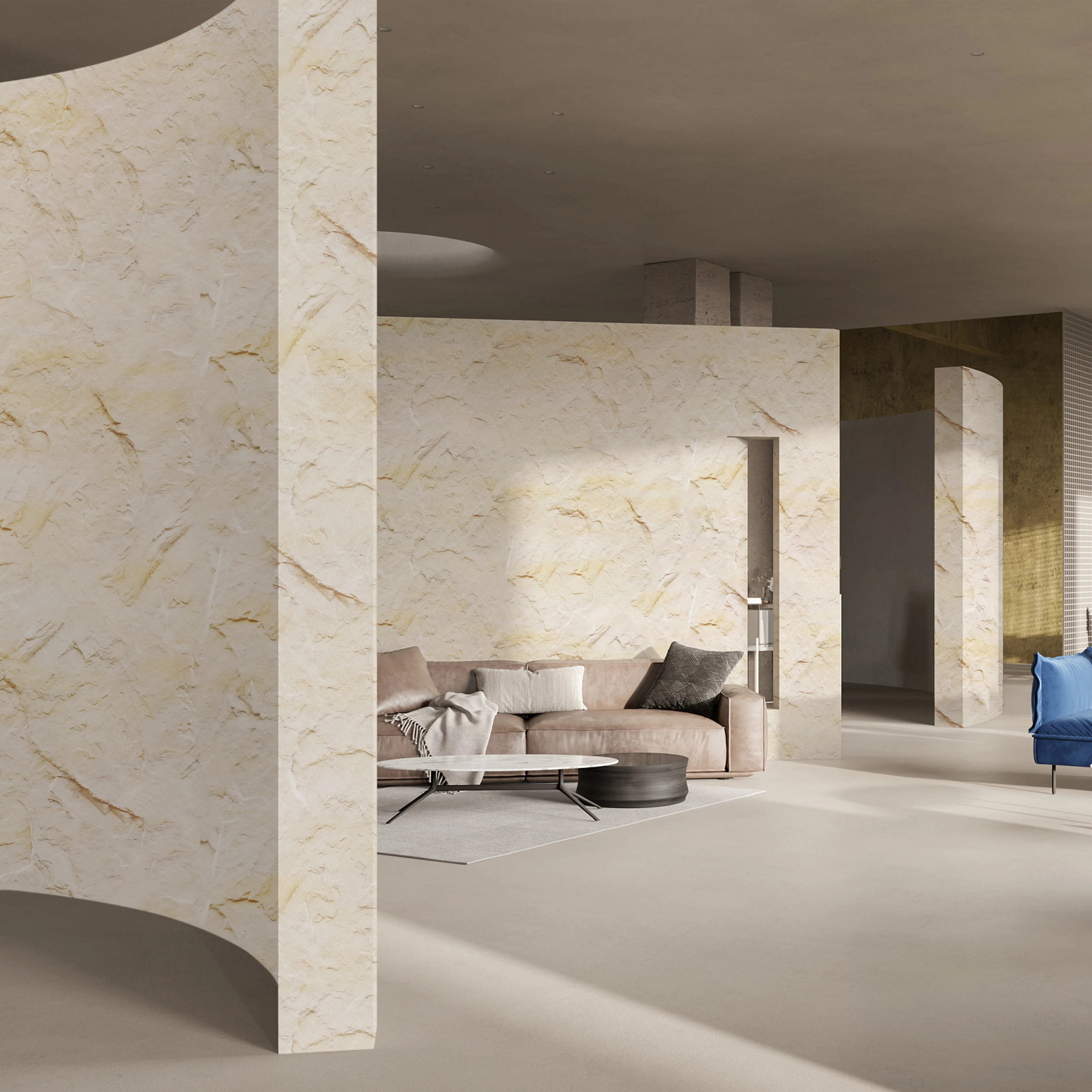
Let's start with the obvious: how they look. After all, the first thing anyone notices about a wall is its vibe. Slate sunnye is like bringing a piece of the outdoors in, but with a warm, sun-kissed twist. Imagine running your hand over a stone that feels like it's been polished by wind and time—subtle ridges, soft color variations, and a texture that catches the light in unexpected ways. It often leans into earthy tones: think warm beiges, soft grays, and hints of terracotta, with patterns that mimic natural phenomena, like the way sunlight filters through clouds or sand shifts on a beach. Some describe it as having a "lived-in elegance," similar to sandstone cloude —organic, not perfectly uniform, and full of character. No two slabs are exactly alike, which means your wall becomes a one-of-a-kind piece of art.
Ceramic tiles, on the other hand, are the chameleons of the design world. They come in every color under the sun, from bold reds to muted pastels, and finishes range from high-gloss (think sleek modern kitchens) to matte (great for a cozy, understated look). The trade-off? Their patterns are often printed or stamped, which means they can feel more "manufactured" compared to the raw beauty of slate sunnye. You'll get consistency—no surprises in the pattern—but sometimes that uniformity can lack the depth of a natural stone. For example, a ceramic tile designed to look like wood might fool the eye from afar, but up close, the texture feels flat next to the real deal. Slate sunnye , by contrast, invites you to lean in and explore its details—like a landscape painting you can touch.
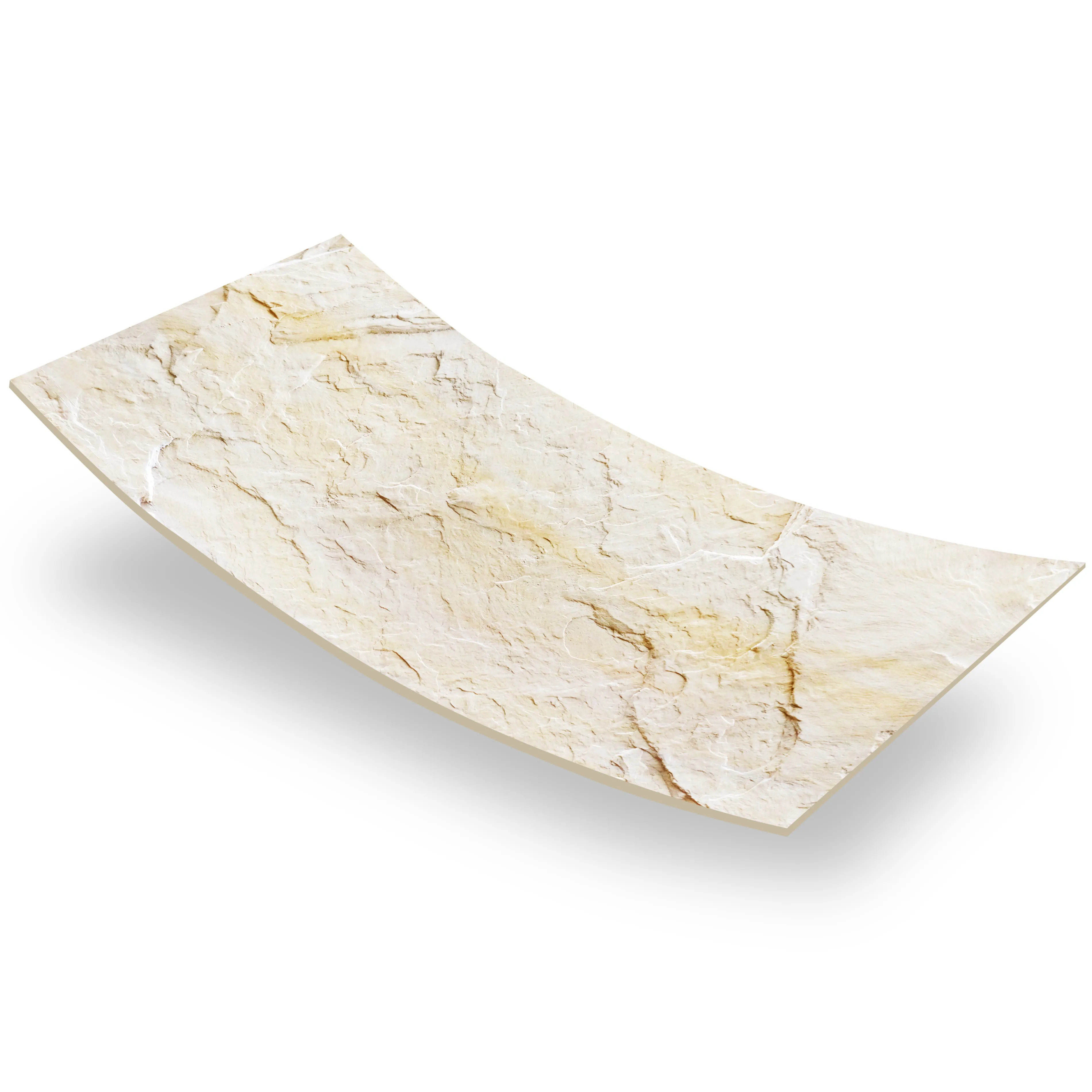
Beauty fades if the material can't keep up with daily life. Let's talk about how these two hold up over the years. Slate sunnye , being a natural stone, is built tough. It's formed under intense pressure over millennia, which makes it resistant to scratches, dents, and even heat. Spill a cup of coffee? Wipe it up, and chances are it won't stain (though we'll get to maintenance later). Have kids who love to draw on walls? A quick wipe with a damp cloth should take care of crayon marks. It's the kind of material that ages gracefully—small scuffs or nicks only add to its "lived-in" charm, like a favorite leather jacket.
Ceramic tiles are no slouches in the durability department, either. They're fired at high temperatures, making them hard and resistant to moisture—great for bathrooms or kitchens. But here's the catch: the grout lines between tiles. Grout is porous, which means it can absorb water, dirt, and mold over time. Even if the tiles themselves stay scratch-free, discolored or cracked grout can make the whole wall look dingy. And while ceramic is tough, it's not indestructible—drop a heavy pot on a tile, and it might chip or crack. Compare that to slate sunnye , which, thanks to its density, can handle accidental bumps without breaking a sweat. It's like the difference between a solid wooden table and a table with a tiled top—both work, but one feels sturdier in the long run.
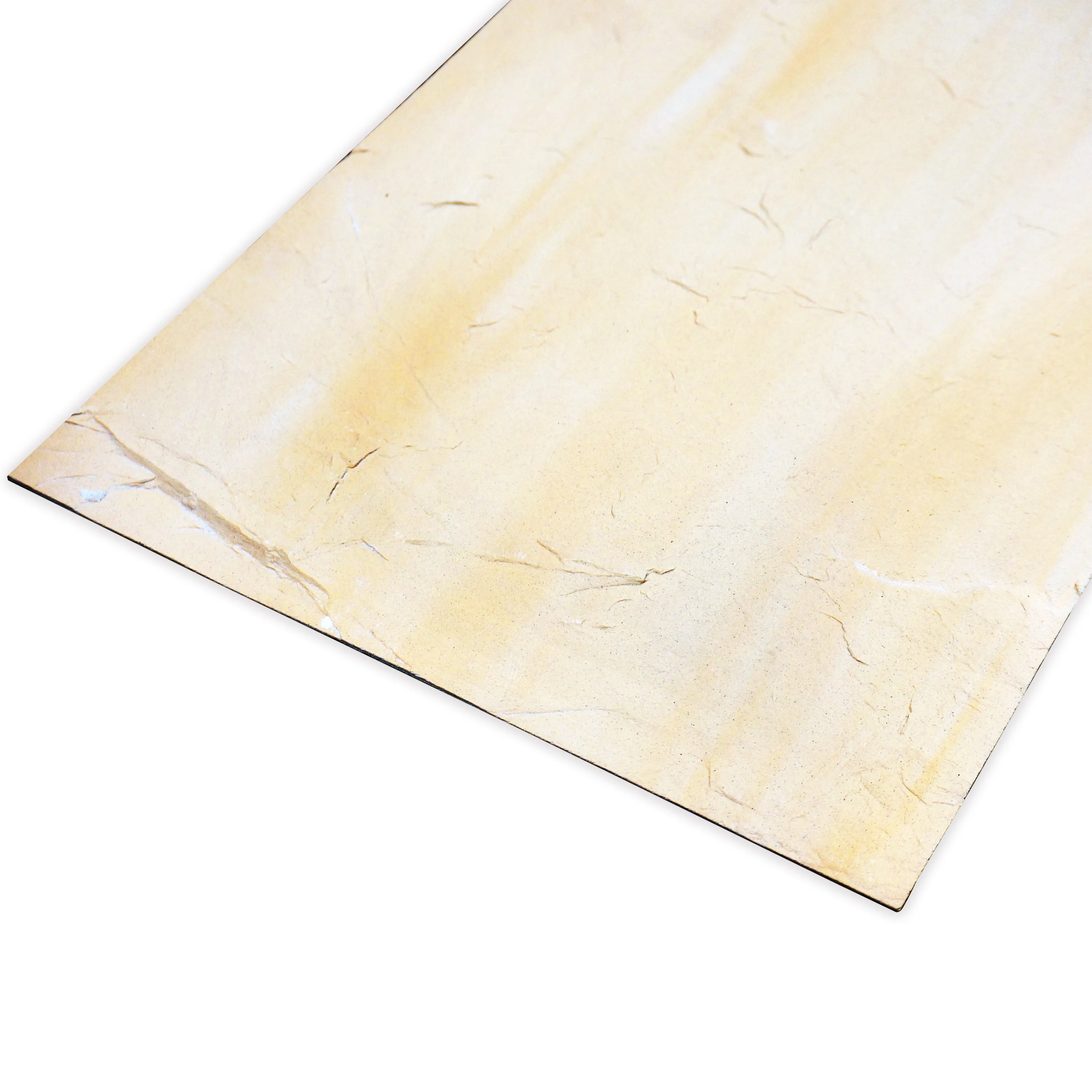
Let's get practical: how hard is it to put these on your walls? If you're a DIY enthusiast, ceramic tiles might sound appealing at first. They're lighter than natural stone, which means you won't need a team of people to haul them up stairs. You can cut them with a tile cutter (though it takes practice to get clean edges), and there are plenty of tutorials online to guide you through the process. But don't let that fool you—installing ceramic tiles well is an art. Getting the grout lines straight, ensuring the tiles are level, and avoiding air bubbles in the adhesive takes patience. Mess up, and you'll end up with uneven walls or tiles that pop loose later.
Slate sunnye is a bit more of a diva when it comes to installation. It's heavier than ceramic, so you'll likely need a professional installer to handle it—especially for large walls. The stone also needs to be sealed before installation to prevent moisture from seeping in, and cutting it requires specialized tools (like a diamond blade saw) to avoid cracking. But here's the upside: once it's up, it's *up*. There's no grout to worry about, so the wall feels seamless, like a single slab of stone. Think of it as investing in a custom suit vs. off-the-rack—more expensive upfront, but the fit (and finish) is worth it.
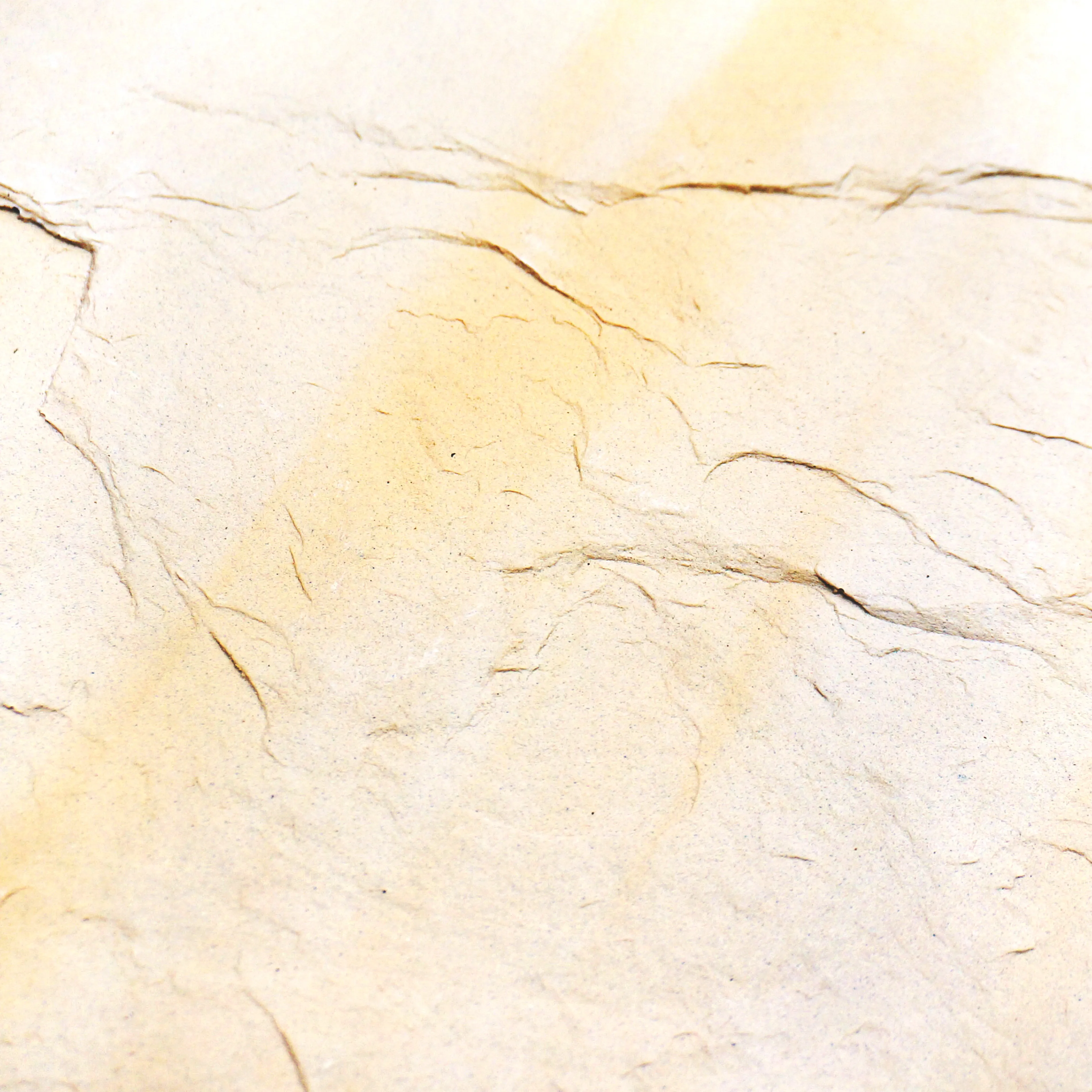
Let's be real: no one wants a wall that needs constant babying. Slate sunnye requires a little TLC, but it's nothing too drastic. Because it's porous (like most natural stones), it needs to be sealed every 1–2 years to prevent stains. That means grabbing a sealant spray, wiping it on, and letting it dry—about an hour of work every couple of years. Day-to-day, though? A quick wipe with a damp cloth is all it takes. No special cleaners, no scrubbing—just gentle care. It's low-maintenance in the way a houseplant is: a little attention now and then keeps it thriving.
Ceramic tiles are often marketed as "low-maintenance," and in some ways, they are. Spills wipe right off, and you can use harsh cleaners without damaging the tiles. But the grout lines? They're a different story. Grout loves to trap dirt, mildew, and soap scum—especially in humid rooms like bathrooms. Keeping grout looking fresh means scrubbing it with a toothbrush and grout cleaner every few months, or even re-grouting every 5–10 years. It's not a dealbreaker, but it's an ongoing chore that slate sunnye skips entirely. If you hate cleaning, that alone might swing the pendulum.
Let's talk numbers. Ceramic tiles are generally more budget-friendly upfront. Depending on the brand and style, you'll pay anywhere from $3–$10 per square foot for the tiles themselves. Installation adds another $5–$10 per square foot, so a 100-square-foot wall might cost $800–$2000 total. That's manageable for most homeowners, especially if you're doing a small project like a backsplash.
Slate sunnye is pricier. The stone itself can run $10–$20 per square foot, and installation (since it requires pros) adds another $10–$15 per square foot. A 100-square-foot wall could set you back $2000–$3500. Ouch, right? But here's the thing: it's a long-term investment. Slate sunnye can last 50+ years with proper care, while ceramic tiles might need replacing every 15–20 years (thanks to grout issues or cracked tiles). When you break it down by year, slate sunnye often ends up costing less in the long run. It's like buying a quality sofa vs. a cheap one—you pay more now, but you won't be shopping for a replacement in a decade.
More of us are thinking about sustainability these days, and wall materials are no exception. Slate sunnye is a natural stone, which means it's quarried from the earth. Quarrying can disrupt local ecosystems if not done responsibly, but many suppliers now use eco-friendly practices—like reforesting quarried areas or using renewable energy in processing. Plus, since it's a natural material, it doesn't off-gas harmful chemicals (unlike some synthetic wall coverings). And because it lasts so long, it reduces the need for frequent replacements, which cuts down on waste.
Ceramic tiles have a more complicated environmental footprint. The manufacturing process involves mining clay, shaping the tiles, and firing them in kilns—all of which use a lot of energy. Some tiles are made with recycled materials, which helps, but the firing step alone releases CO2. On the flip side, ceramic tiles are often locally produced, which reduces transportation emissions. If sustainability is a top priority, mcm flexible stone (a composite material made from recycled stone and resin) is another option, but between slate sunnye and ceramic, slate edges out for its natural, long-lasting properties.
Let's paint some pictures. Imagine you're designing a cozy living room where you want to relax after work. You love the idea of a wall that feels warm and inviting, like a cabin in the woods. Slate sunnye would be perfect here—its earthy tones and texture would pair beautifully with wooden furniture and soft lighting. It's the kind of wall you'd want to lean against with a book, soaking in that natural vibe.
Now, picture a small bathroom with limited natural light. You want something bright, clean, and easy to wipe down. Ceramic tiles in a light, glossy finish would reflect light, making the room feel bigger, and their moisture resistance would stand up to steam and splashes. Just be prepared to scrub the grout occasionally!
For a home office where you host clients, slate sunnye adds a touch of sophistication without feeling stuffy. It says "professional" but also "approachable"—like you care about details but aren't afraid to be warm. Ceramic tiles here might feel too cold or sterile, unless you opt for a unique, hand-painted design (which would drive up the cost).
| Factor | Slate Sunnye | Ceramic Tiles |
|---|---|---|
| Aesthetics | Organic, natural texture with unique patterns; warm, earthy tones. | Uniform, manufactured look; wide range of colors/finishes but less depth. |
| Durability | Highly scratch/moisture resistant; ages gracefully. | Hard and moisture-resistant, but grout lines are vulnerable. |
| Installation | Heavy; requires professional installation and sealing. | Lighter; DIY-friendly but grout/application needs precision. |
| Maintenance | Seal every 1–2 years; easy daily wipe-down. | Wipe-clean tiles, but grout needs regular scrubbing/resealing. |
| Cost | Higher upfront ($20–$35/sq ft installed); lower long-term costs. | Lower upfront ($8–$20/sq ft installed); higher maintenance costs over time. |
| Best For | Living rooms, offices, accent walls; spaces where aesthetics and longevity matter most. | Bathrooms, kitchens, budget projects; spaces where moisture resistance and affordability are key. |
At the end of the day, there's no "perfect" material—only the one that fits *your* needs. If you crave natural beauty, durability, and don't mind investing upfront, slate sunnye is a stunner. It's the kind of wall that will still look amazing decades from now, telling the story of your life right alongside you.
If you're on a budget, need something moisture-resistant, or love the flexibility of bold colors and patterns, ceramic tiles might be the way to go. Just remember: you'll trade some of that organic charm for convenience.
Whichever you choose, don't overthink it too much. Your walls should make you happy every time you look at them. And hey—if you can't decide? Mix them! A slate sunnye accent wall paired with ceramic tiles in the rest of the room could be the best of both worlds. After all, the most memorable spaces are the ones that feel uniquely *yours*.
Recommend Products












