
Choosing the right exterior cladding material for your home or commercial project is like picking a lifelong partner—you want something that looks good, lasts long, and doesn't break the bank. It's not just about aesthetics; it's about value. Value that stands up to rain, wind, and the test of time. Value that makes passersby stop and say, "Wow, that building looks incredible." And value that doesn't leave you with a mountain of maintenance bills ten years down the line. Today, we're diving into two heavyweights in the cladding world: Slate Sunnye and Fiber Cement Boards. Both have their fans, but which one truly delivers better value? Let's roll up our sleeves and find out.
Before we start pitting them against each other, let's get to know each material. Think of this as a first date—no judgments, just facts.
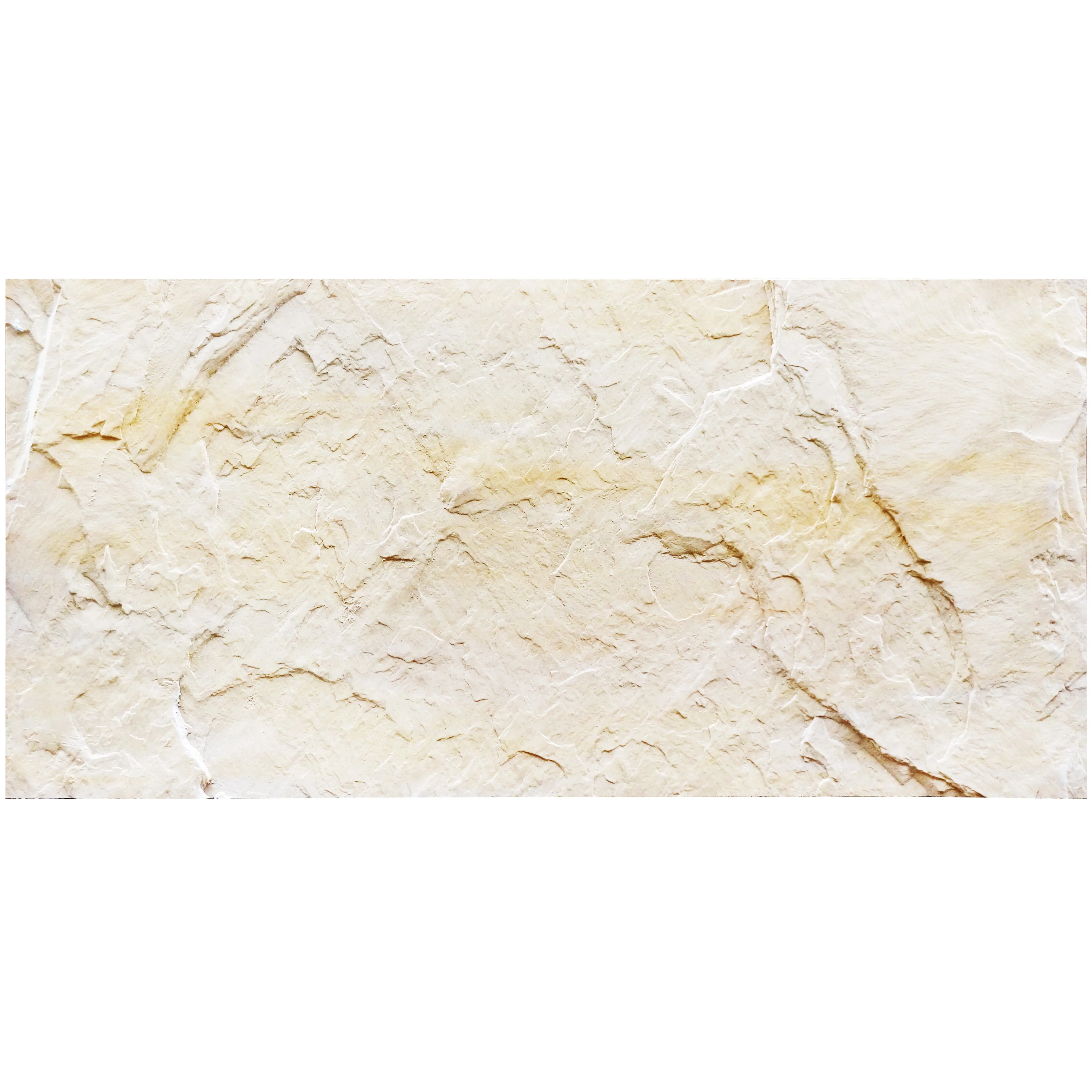
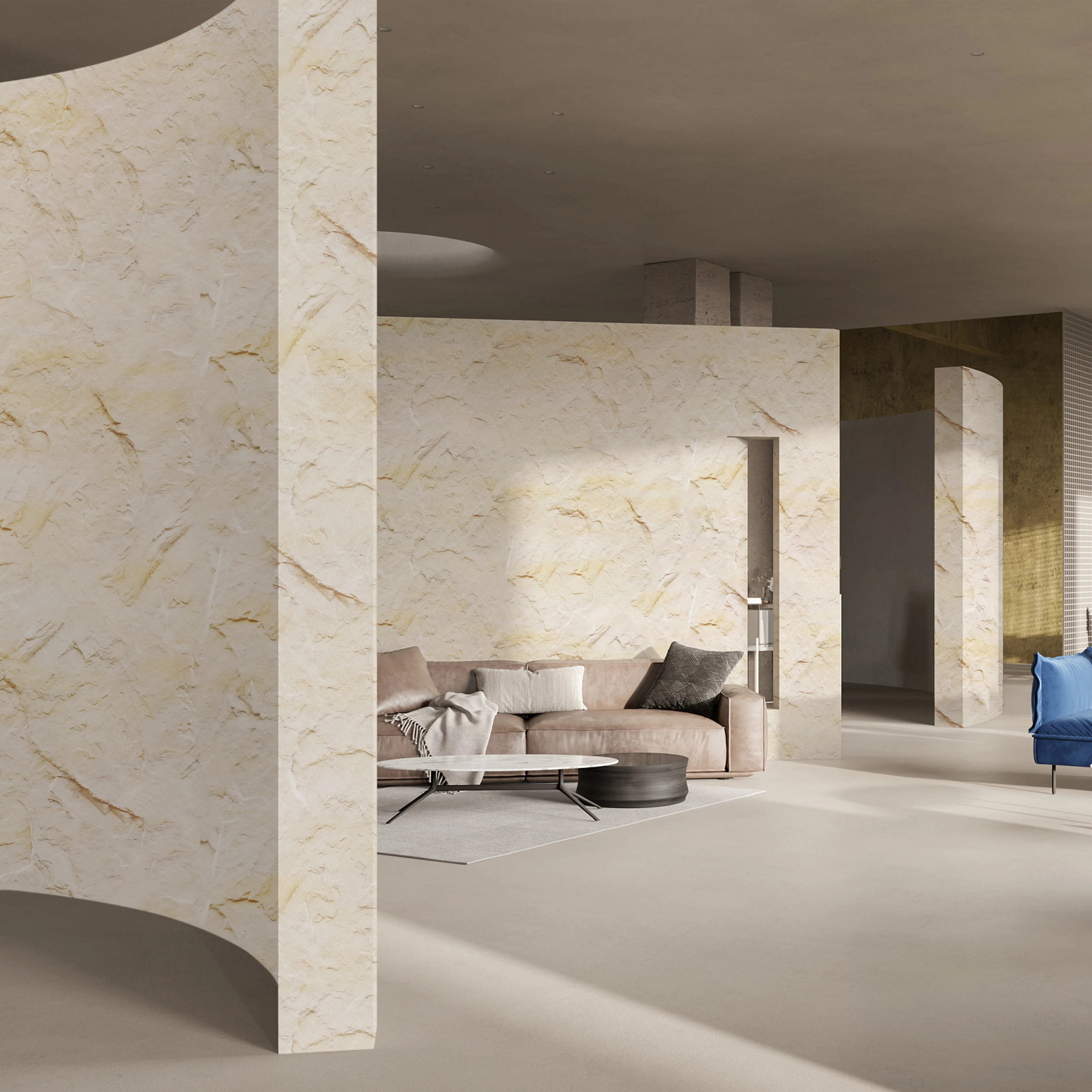
Slate Sunnye isn't just a material; it's a story written in stone. Quarried from select regions where geological forces have spent millions of years crafting layers of fine-grained metamorphic rock, this slate variant gets its name from its warm, sun-kissed hues—think soft terracottas, golden beiges, and subtle pink undertones that shift with the light. Unlike generic slate, which can lean cold or gray, Slate Sunnye has a warmth that feels almost alive, making it a favorite for both modern and rustic designs.
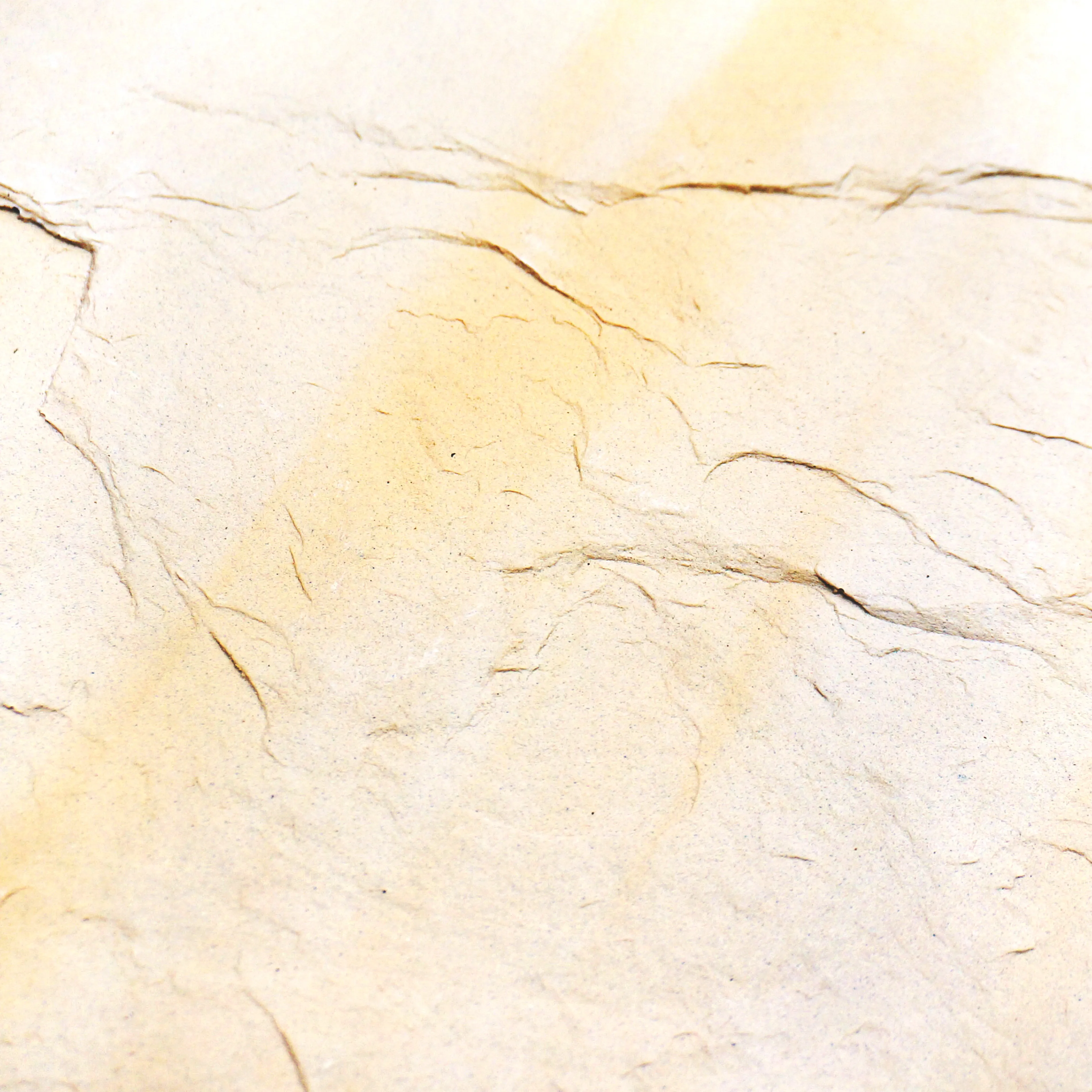
What sets it apart? Its natural density. Formed under intense heat and pressure, Slate Sunnye is dense enough to resist water absorption but still porous enough to "breathe," preventing moisture buildup. It's also split into thin, flat sheets during processing, which gives it that classic layered look we associate with high-end stone cladding. And because it's a natural material, no two pieces are exactly alike—each panel has unique veining, color flecks, and texture, adding depth to any surface it covers.
Fiber Cement Boards, on the other hand, are the new kids on the block—though "new" is relative. Invented over a century ago, they've evolved into a go-to for builders who want durability without the heft (or cost) of natural stone. Made by mixing Portland cement, cellulose fibers (like wood pulp), sand, and water, these boards are molded, pressed, and cured to create a material that's tough, flexible, and surprisingly lightweight.
Their claim to fame? Versatility. Fiber Cement Boards can mimic just about anything—wood, stone, brick, even metal—with the help of advanced printing and texturing techniques. Want the look of cedar siding without the rot? Fiber cement can do that. Dream of a concrete-like finish but hate the weight? Yep, fiber cement has you covered. It's the chameleon of cladding, adapting to whatever style you throw at it.
Let's cut to the chase: When you invest in cladding, you want it to outlast the latest design trends. A material that cracks after a few winters or fades under the sun isn't just a disappointment—it's a financial drain. So how do Slate Sunnye and Fiber Cement Boards stack up in the durability department?
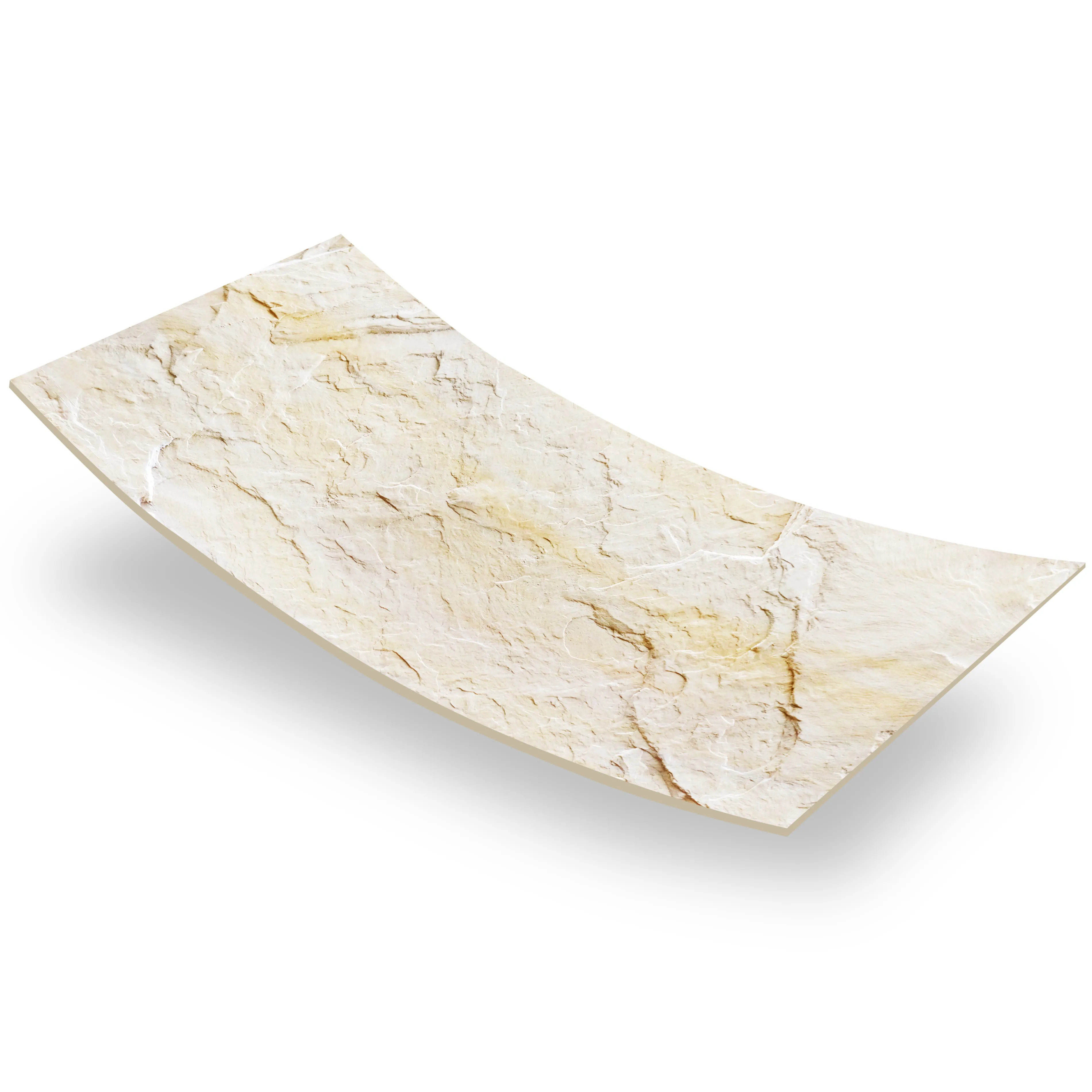
Slate Sunnye is a natural survivor. Thanks to its dense composition, it laughs in the face of rain, snow, and humidity. Water absorption rates are typically below 0.5%, which means it won't swell, warp, or develop mold—even in coastal areas where salt air is a constant threat. UV rays? They might fade some artificial materials, but Slate Sunnye's color is baked into its mineral structure. Over time, it might develop a subtle "patina," but that only adds to its charm, like a well-loved leather jacket.
Fiber Cement Boards hold their own too, but they're not invincible. Most modern fiber cement products are treated to resist moisture, and they don't rot or attract termites (unlike wood). However, they're more porous than slate, so if the sealant wears off, water can seep in, leading to cracking or delamination (where the layers start to separate). UV resistance is solid—most boards come with a baked-on color finish that lasts 15-20 years—but darker colors may fade faster than lighter ones under intense sunlight.
Let's talk about accidents. A stray baseball, a falling branch, a clumsy delivery driver—these things happen. Slate Sunnye is tough, but it's still stone. It can handle minor impacts, but a hard enough hit (think a heavy rock thrown at high speed) might chip or crack a panel. The good news? Because it's installed in overlapping layers, a single cracked piece can be replaced without tearing up the entire wall.
Fiber Cement Boards are surprisingly resilient here. The cellulose fibers act like tiny reinforcements, making the material flexible enough to absorb impacts without shattering. You can hit it with a hammer (within reason) and it might dent, but it's less likely to crack than slate. That's why it's a popular choice for high-traffic areas like commercial buildings or homes with kids and pets.
Let's be honest—we don't just buy cladding to protect our buildings; we buy it to make them look good. A home with stunning exterior cladding feels like a reflection of our taste, while a commercial building with eye-catching design can attract customers. So which material brings the "wow factor"?
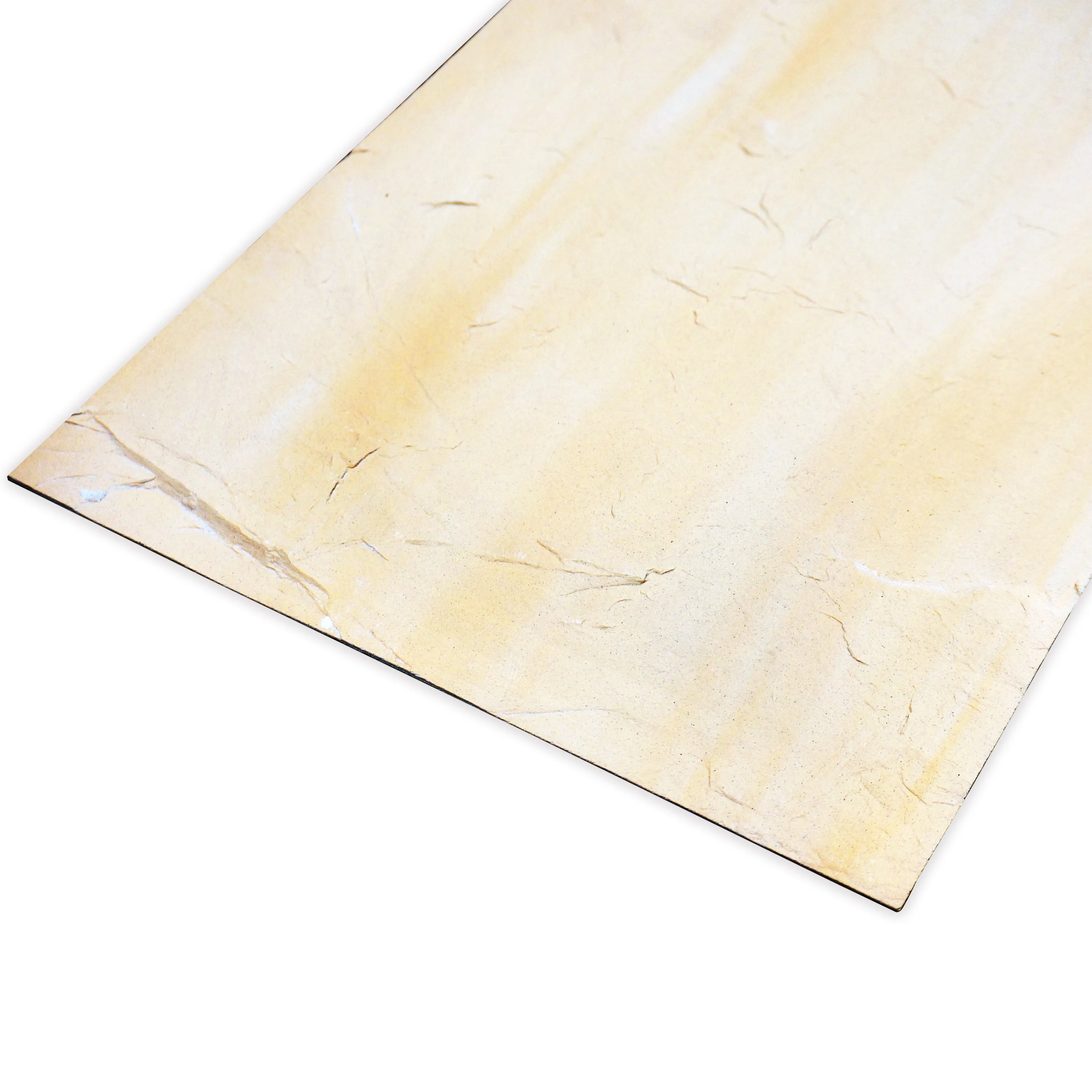
Slate Sunnye is all about natural beauty—the kind that can't be replicated in a factory. Its surface is a tapestry of textures: smooth in some spots, slightly rough in others, with veins of quartz or pyrite adding tiny sparks of light. The color palette ranges from soft golden tans to deeper terracottas, with subtle variations that make every panel unique. Installed on a wall, it looks less like a cladding material and more like a piece of art—especially when the sun hits it, casting shadows that highlight its layered structure.
It's versatile in style too. Pair it with modern glass and steel for a sleek, earthy contrast, or use it on a cottage-style home for a cozy, rustic vibe. Architects love it for accent walls, fireplaces, or entire exteriors because it adds depth without overwhelming the design. And unlike some natural stones (looking at you, marble), it doesn't require constant polishing to shine—its beauty is in its raw, unfiltered state.
Fiber Cement Boards might not have the "authentic" feel of slate, but they make up for it with endless possibilities. Want the look of wood grain board (one of our key keywords!) but hate the maintenance? Fiber cement can mimic oak, pine, or cedar with accuracy, right down to the knots and grain patterns. Love the industrial vibe of fair-faced concrete ? There's a fiber cement board for that too, with a smooth, gray finish that looks just like the real thing.
The downside? While the mimics are convincing from a distance, up close, you can often tell it's not the real deal. The texture is more uniform, and the color might look slightly "flat" compared to natural stone. That said, for budget-conscious projects or when you need a specific look that's hard to achieve with natural materials, fiber cement is a solid choice. It's also great for large-scale projects where consistency is key—no two Slate Sunnye panels are the same, but fiber cement boards can be made identical, creating a clean, uniform appearance.
Even the most durable, beautiful material can become a nightmare if it's a hassle to install or maintain. Let's break down the practical side of things: how easy are these materials to work with, and what kind of upkeep do they demand?
Slate Sunnye is heavy—there's no getting around it. A standard 12x24-inch panel can weigh 15-20 pounds, which means you'll need a team of installers (and possibly a crane for large projects) to get the job done. Cutting it requires specialized tools, like a diamond-tipped saw, to avoid chipping the edges. And because each panel is unique, installers need to plan the layout carefully to ensure the colors and textures flow nicely—a process that can add time (and cost) to the project.
Fiber Cement Boards, on the other hand, are lightweight (around 2-3 pounds per sq ft), making them easier to handle and install. They can be cut with standard power tools (though you'll need a dust mask—cutting fiber cement creates silica dust, which is harmful if inhaled). Most boards come with tongue-and-groove edges or interlocking systems, so installation is faster and more straightforward than slate. This speed can translate to lower labor costs, which is a big plus for tight budgets.
Slate Sunnye is the "set it and forget it" type. Once installed and sealed (which is usually done during installation), it needs almost no maintenance. A quick hose-down with water once or twice a year to remove dirt is all it takes. No repainting, no resealing (unless the sealant starts to wear thin after 20+ years), and no worrying about scratches—most marks can be wiped away with a damp cloth. It's perfect for busy homeowners or commercial buildings where maintenance crews are stretched thin.
Fiber Cement Boards require a bit more TLC. While they're low-maintenance compared to wood, they do need repainting every 10-15 years to keep the color fresh and the sealant intact. If you notice a chip or scratch, you'll need to touch it up with paint to prevent moisture from seeping in. Cleaning is easy (just soap and water), but you have to be careful with pressure washers—too much pressure can damage the surface texture.
Let's talk money. It's the question everyone asks first: "How much does it cost?" But value isn't just about the initial price—it's about how much you'll spend over the material's lifetime. Let's break down the numbers.
| Cost Factor | Slate Sunnye | Fiber Cement Boards |
|---|---|---|
| Material Cost (per sq ft) | $15-$30 (varies by thickness and quarry) | $5-$12 (varies by style and brand) |
| Labor Cost (per sq ft) | $8-$15 (due to weight and specialized installation) | $3-$7 (lighter and easier to install) |
| Total Initial Cost (per sq ft) | $23-$45 | $8-$19 |
| Maintenance Cost (over 20 years) | $50-$100 (occasional sealing) | $500-$1,000 (repainting every 10-15 years) |
| Expected Lifespan | 50+ years (often the life of the building) | 25-30 years (with proper maintenance) |
At first glance, fiber cement is the clear winner for upfront savings—initial costs are roughly half those of Slate Sunnye. But zoom out to a 20-year timeline, and the gap narrows. Slate Sunnye's maintenance costs are minimal, and it can last 50+ years, meaning you might never have to replace it. Fiber Cement Boards, on the other hand, will need repainting at least once (maybe twice) in that period, and you'll likely need to replace them entirely after 30 years. When you factor in those long-term costs, Slate Sunnye starts to look like the better investment.
Of course, budget constraints are real. If you're working with a tight budget, fiber cement lets you achieve a high-end look without the high-end price tag. But if you can swing the initial cost, Slate Sunnye offers better value over time—especially for buildings you plan to own for decades.
In today's world, sustainability isn't just a buzzword—it's a responsibility. How do these materials stack up when it comes to environmental impact?
Slate Sunnye is a natural stone, which means it's biodegradable and doesn't release harmful chemicals into the environment. Quarrying, however, can be energy-intensive, and it disrupts local ecosystems if not done responsibly. The good news? Many modern quarries follow strict sustainability practices, reforesting areas after extraction and minimizing water and energy use. Plus, slate is 100% recyclable—old panels can be crushed and used as aggregate for roads or landscaping.
It's also energy-efficient. Slate has natural insulating properties, which can help reduce heating and cooling costs in buildings. A thick slate cladding can act as a thermal barrier, keeping interiors cool in summer and warm in winter—lowering your carbon footprint in the long run.
Fiber Cement Boards have a mixed sustainability profile. On the plus side, many brands use recycled cellulose fibers (from post-consumer wood waste) and fly ash (a byproduct of coal combustion) in their mixes, reducing the need for virgin materials. They're also lightweight, which means less fuel is used during transportation compared to heavy stone like slate.
The downside? Cement production is a major source of CO2 emissions, accounting for about 8% of global greenhouse gas emissions. While some manufacturers are working to reduce their carbon footprint (using alternative fuels or carbon capture technology), fiber cement still has a higher carbon footprint than natural stone. Also, while the boards themselves are durable, they're not easily recyclable at the end of their life—most end up in landfills.
So, after all this, which material comes out on top? The answer depends on your priorities.
Choose Slate Sunnye if: You value authenticity, long-term durability, and minimal maintenance. If you're building a high-end home, a boutique hotel, or a landmark commercial building where aesthetics and longevity are non-negotiable, Slate Sunnye is worth the investment. Its natural beauty only improves with age, and it will outlast most other cladding materials—making it a smart choice for generations to come.
Choose Fiber Cement Boards if: You're on a budget, need versatility in style, or are working on a large-scale project where consistency is key. If you love the look of wood, concrete, or stone but can't afford the real thing, fiber cement lets you get close—without the steep price tag or high maintenance. It's also a great option for rental properties or buildings where you might want to update the look in 20-30 years.
At the end of the day, "better value" is personal. Slate Sunnye is the luxury watch that never goes out of style, while Fiber Cement is the reliable, affordable accessory that works with every outfit. Both have their place—but if you're looking for a material that combines beauty, durability, and long-term savings, Slate Sunnye edges out as the winner.
Whichever you choose, remember: the best cladding material is the one that fits your project's needs, budget, and style. And hey—whether it's the warm glow of Slate Sunnye or the chameleon charm of fiber cement, a well-chosen exterior will make your building stand out for all the right reasons.
Recommend Products












