
Every architect knows the quiet panic of standing in front of a material sample board, fingers hovering over stone swatches. It's not just about color or texture—it's about choosing a surface that will carry the weight of a client's vision, weather the years, and make people feel something when they walk through the space. Today, let's pull up two heavyweights from that sample board: Slate Sunnye and Granite. They're both natural stones, yes, but in the world of design, they might as well be from different planets. One whispers; the other roars. One bends light like a watercolor; the other reflects it like polished steel. Let's dive in—not just as specs on a page, but as stories waiting to be built.
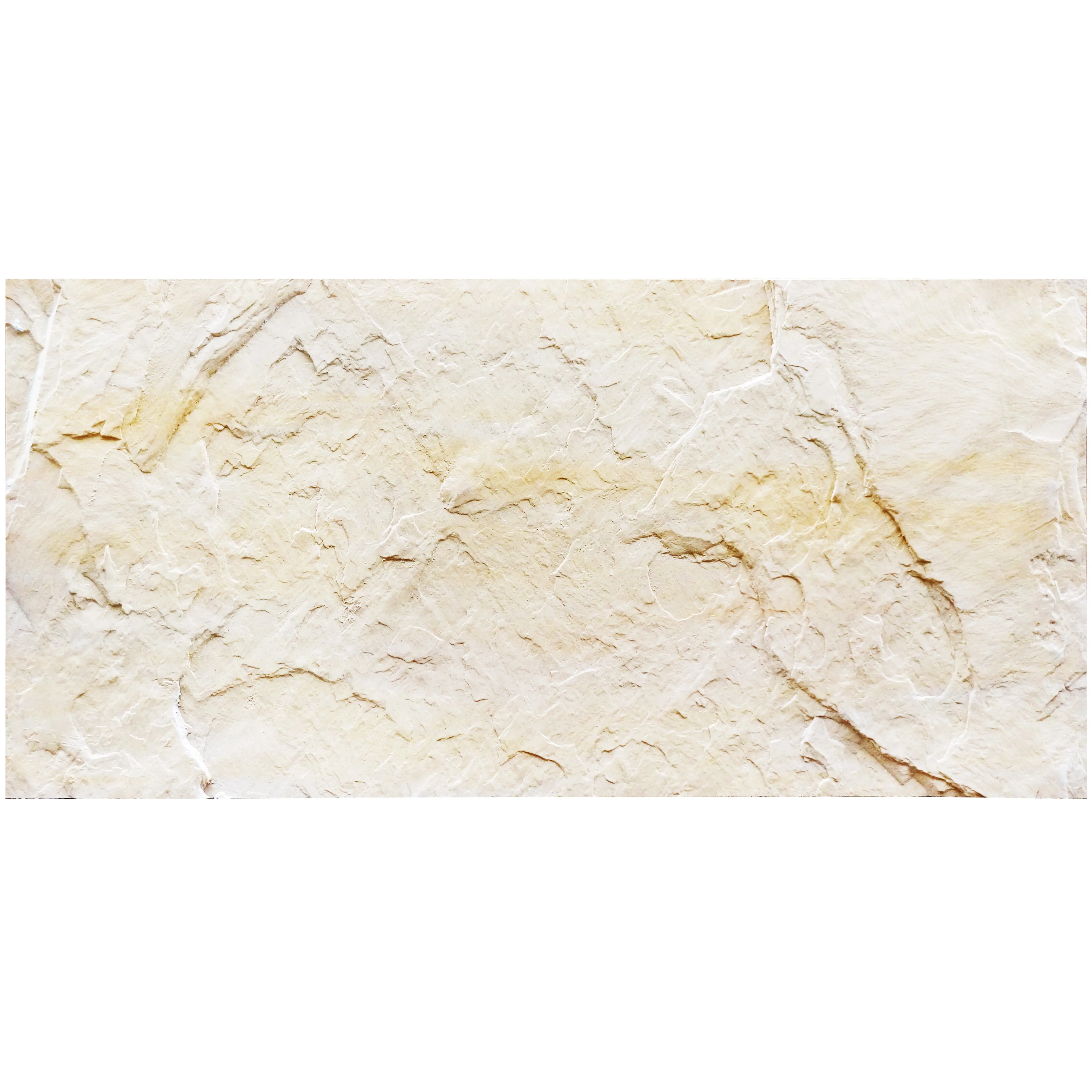
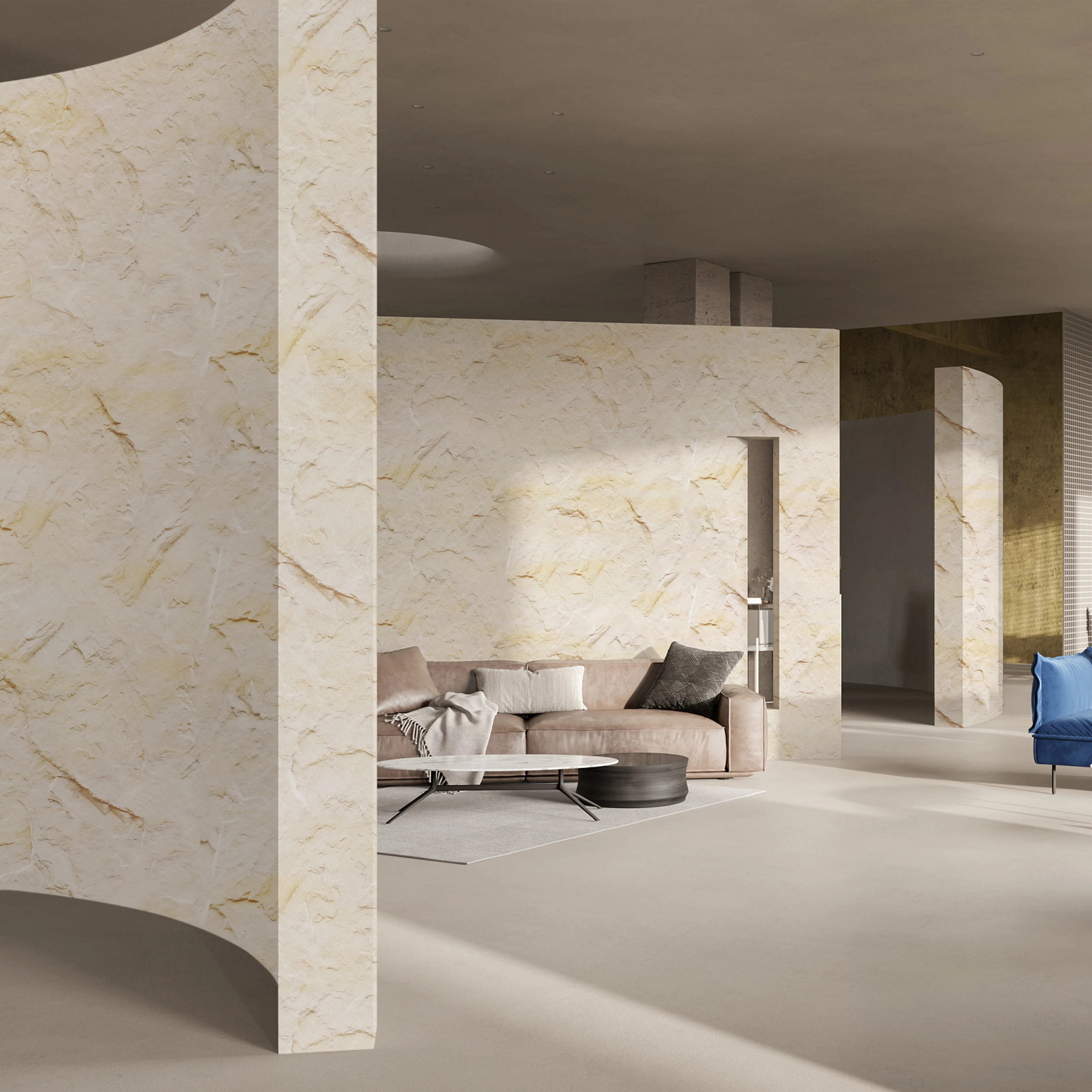
First, let's get acquainted. Slate Sunnye isn't your average slate. Think of it as slate's sophisticated cousin who spent a summer in Tuscany. It's part of the broader slate veil white family, but with a warmth that sets it apart—like sunlight filtered through thin clouds. Run your hand over it, and you'll feel a surface that's smooth but not cold, with veining that looks less like cracks and more like brushstrokes left by a patient artist. It's the kind of stone that makes you want to pause and trace the lines with your eyes, wondering where one vein starts and another ends.
Then there's Granite —the rockstar of the stone world, and for good reason. Mention granite, and most people picture kitchen countertops, but that's just the tip of the iceberg. From the deep, dramatic swirls of granite portoro (think midnight skies streaked with gold) to the understated elegance of granite nero margiua (a charcoal canvas with tiny silver flecks), granite is all about presence. It's formed under extreme heat and pressure, and you can feel that history in its density. Touch it, and it's cool, solid, unyielding—like shaking hands with a mountain.
But why pit these two against each other? Because they represent two fundamental design philosophies: the soft, organic pull of nature versus the bold, enduring strength of the earth's core. As architects, we don't just choose materials—we choose narratives. Let's see which story each stone tells.
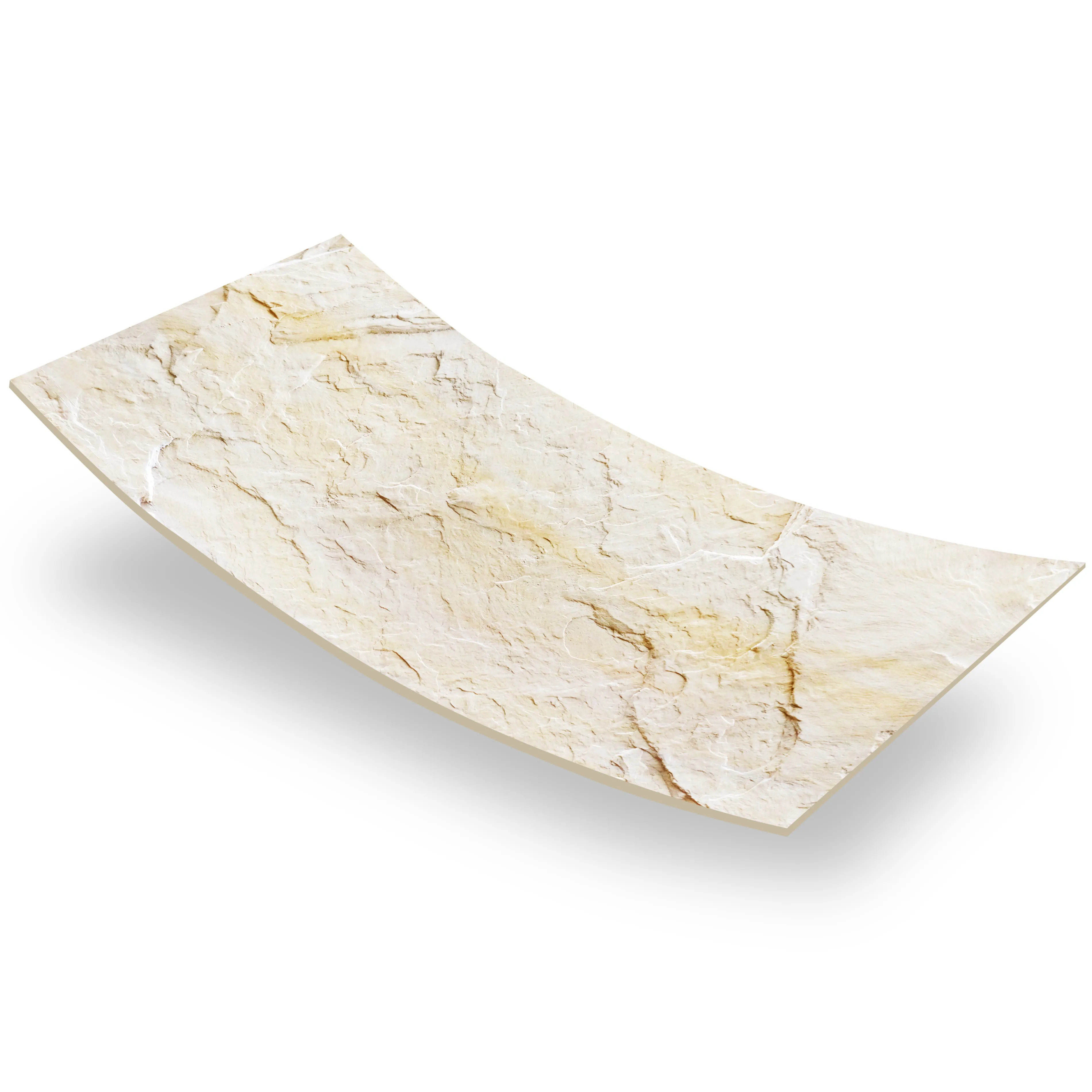
Let's start with the first impression—the way these stones interact with light. Walk into a room clad in Slate Sunnye at dawn, and you'll swear the walls are breathing. Its pale base (a warm off-white, not stark) soaks up the soft morning light and diffuses it, turning the space into a gentle glow. The veining, which ranges from subtle gray to faint taupe, comes alive in this light—not as lines, but as shadows that shift throughout the day. I once worked on a boutique yoga studio in Portland where we used Slate Sunnye for the feature wall. The instructor later told me students would arrive early just to sit and watch the light move across it. "It's like meditating before class even starts," she said. That's the magic of Slate Sunnye: it doesn't demand attention; it invites it.
Granite, on the other hand, is a showstopper. Take granite portoro , for example. In a commercial lobby with high ceilings and recessed lighting, it becomes a stage. The dark background absorbs light, making the gold veins pop like they're lit from within. I remember a client in Dubai who insisted on using portoro for their hotel's reception desk. "I want people to gasp when they walk in," they said. And gasp they did. But here's the thing: granite's boldness can backfire if the light is harsh. In a small room with fluorescent lighting, a dark granite might feel oppressive, like a weight pressing down. It needs space to breathe, to let its patterns unfold without crowding. Think of it as a opera singer—powerful, but best suited to grand venues.
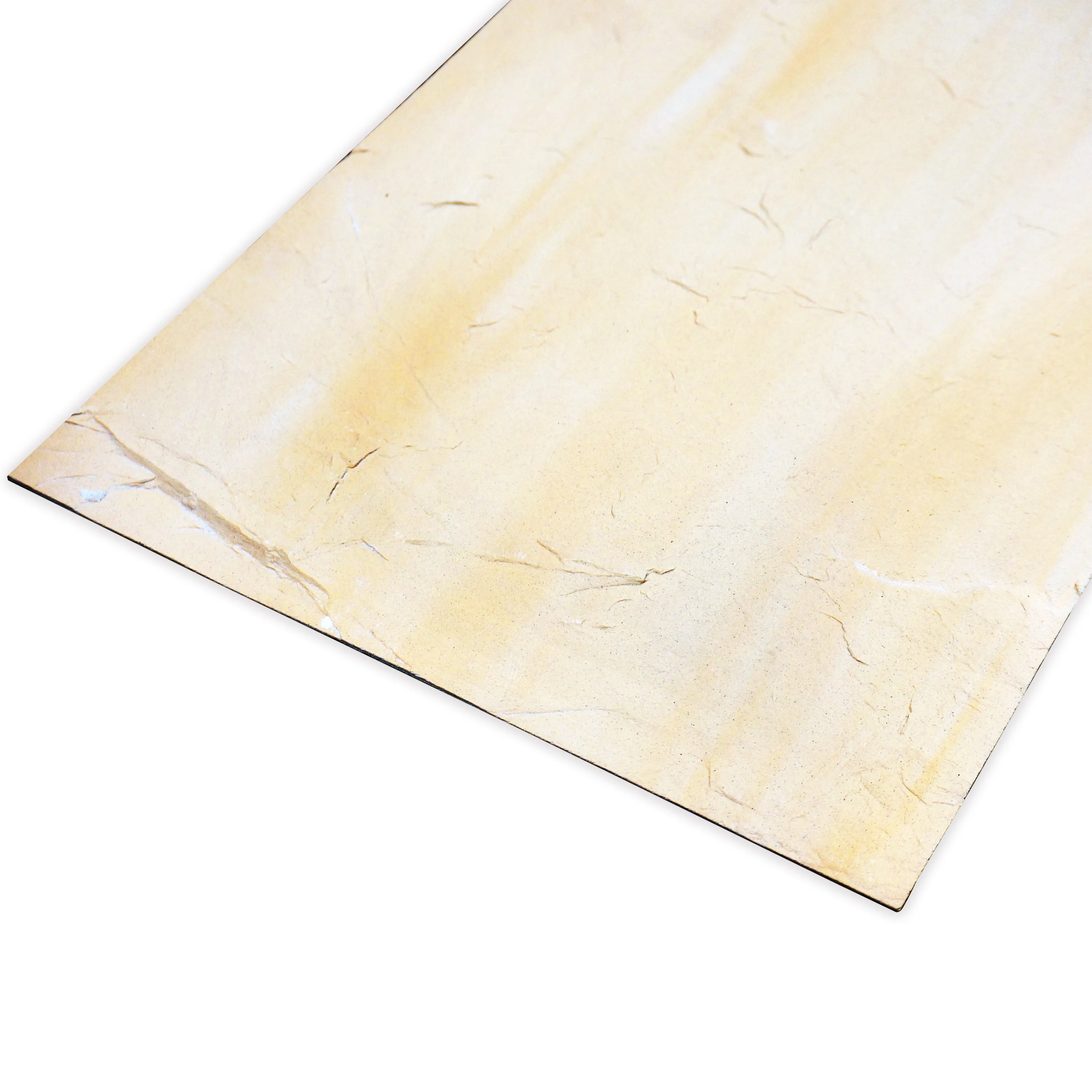
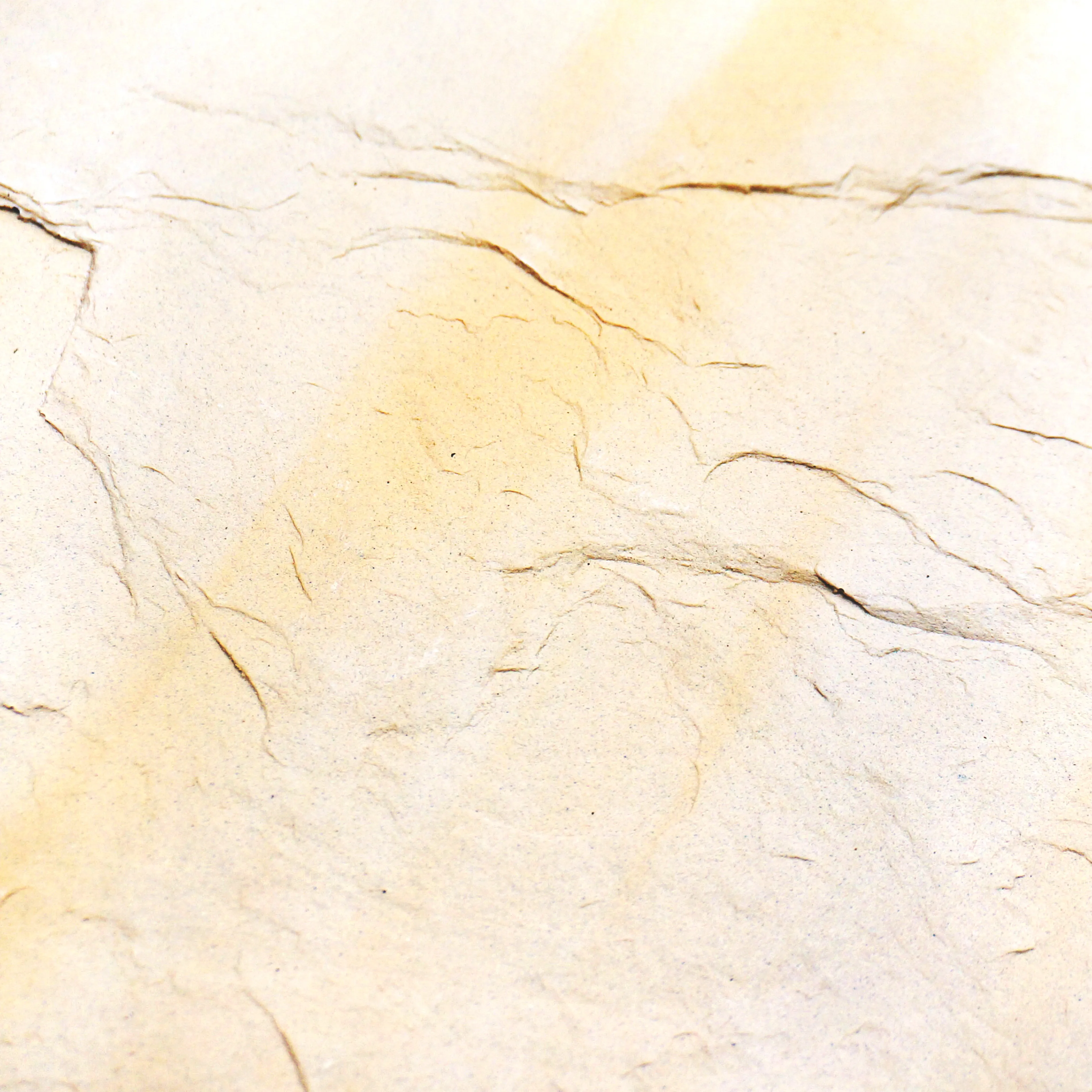
Texture is another battlefield. Slate Sunnye has a lived-in texture. It's honed, not polished, so there's a slight matte quality that catches dust and fingerprints less than a glossy surface. Run your palm over it, and you might feel tiny, almost imperceptible ridges where the stone's layers meet—like the pages of an old book. It's tactile in a comforting way, the kind of texture that makes you want to lean against it, not just look at it.
Granite, when polished, is smooth as glass. Run your finger across a slab of granite nero margiua , and you'll feel zero resistance—just a cold, hard surface that reflects your hand like a mirror. Some designers opt for a honed finish to soften it, but even then, granite's granular structure (those tiny mineral crystals you can see under a magnifying glass) gives it a subtle sparkle that Slate Sunnye lacks. It's a texture that says "precision," not "whimsy." In a tech startup office I designed last year, we used honed black granite for the conference table. It felt sleek, modern, and unapologetically strong—perfect for a team that prides itself on "disrupting the industry."
Color-wise, Slate Sunnye is a chameleon. In warm, incandescent light, its veining leans more taupe; in cool, LED light, it shifts to soft gray. It pairs beautifully with wood tones (think oak or walnut) and muted pastels, making it a favorite for residential projects where "cozy elegance" is the goal. I recently used it in a beach house in Malibu, paired with whitewashed oak floors and linen curtains. The (client) said it felt "like bringing the outside in, but without the sand."
Granite, by contrast, is a statement maker. You don't choose granite portoro if you want to blend in. It's for accent walls, feature columns, or floors that demand to be noticed. In a luxury restaurant in Chicago, we used gold-flecked granite for the bar front, paired with black leather stools and brass fixtures. The result? A space that felt both opulent and timeless. But here's the catch: granite's bold colors can limit your palette. Pair portoro with anything too bright, and it clashes. It needs neutrals—black, white, gray—to let its veins shine.
Aesthetic aside, let's talk about the nitty-gritty—the stuff that keeps architects up at night: durability, maintenance, and installation. Because at the end of the day, a stone that looks stunning but chips after six months is just a pretty paperweight.
Durability: Granite is the heavyweight champion here. On the Mohs scale of mineral hardness, it scores a 6-7 (diamonds are a 10), which means it's resistant to scratches, heat, and stains. I've seen granite countertops in family homes that still look new after 15 years of kids dropping pots and spilling juice. Commercial spaces love it for high-traffic areas—airport lobbies, hotel foyers, shopping malls—because it can take a beating and keep going. Even in exterior applications, granite holds up: I worked on a university campus where we used granite nero margiua for outdoor benches. After five winters of snow and salt, they still look as sharp as the day they were installed.
Slate Sunnye, on the other hand, is softer (Mohs scale 3-4). It's not fragile—slate has been used for roof tiles for centuries, after all—but it's more prone to scratching than granite. drop a heavy pan on a Slate Sunnye floor, and you might end up with a visible chip. That said, its layered structure makes it surprisingly resistant to cracking. In a renovation project in Boston, we uncovered Slate Sunnye floors that had been hidden under carpet for 50 years. After a little restoration, they looked almost new—minus a few superficial scratches that only added to their charm. It's the kind of stone that ages gracefully, turning "imperfections" into character.
Maintenance: Granite demands respect. Because it's porous (yes, even though it's hard), it needs to be sealed every 1-3 years to prevent stains. Wine, oil, coffee—spill any of these on unsealed granite, and you'll have a permanent reminder of your mistake. I once had a client who forgot to seal their granite kitchen countertop and spilled red wine during a dinner party. We tried everything—stain removers, poultices, even professional cleaning—but that purple splotch stayed. It became a running joke ("the wine incident"), but it's a lesson: granite needs care.
Slate Sunnye is more low-maintenance, but not entirely hands-off. It's also porous, so sealing is recommended, but its honed finish hides stains better than granite's polished surface. A spilled glass of juice on Slate Sunnye might leave a mark, but with a quick wipe and a little baking soda paste, it usually comes out. And because its color is more uniform, minor scratches are less noticeable. In that yoga studio I mentioned earlier, the Slate Sunnye walls have taken their fair share of bumps from yoga mats and equipment. A quick once-over with a damp cloth, and they still look fresh. It's the kind of stone that forgives the chaos of daily life.
Installation: Here's where things get tricky. Granite is heavy—really heavy. A standard 3cm slab can weigh 18-20 pounds per square foot. That means you need reinforced structures to support it, especially for vertical applications like feature walls. In a high-rise project in Seattle, we had to beef up the steel studs in the lobby before installing a 20-foot granite accent wall. It added time and cost to the project, but the client insisted: "No compromises on the wow factor."
Slate Sunnye is lighter—around 12-15 pounds per square foot for a 3cm slab. That makes it easier to handle, install, and less demanding on structural support. In a small café renovation in Portland, we installed Slate Sunnye backsplashes ourselves over a weekend (with the help of a few friends, of course). No cranes, no reinforced framing—just a little mortar and some patience. It's a stone that plays well with tight budgets and tight spaces.
Another installation consideration: cutting. Granite is tough, which means cutting it requires diamond-tipped blades and specialized equipment. Mistakes are costly—ruin a slab, and you're out thousands of dollars. Slate Sunnye, being softer, is easier to cut and shape, making it ideal for custom designs. I once designed a curved fireplace surround using Slate Sunnye; the fabricator was able to bend the stone (within reason) to follow the curve, something that would have been nearly impossible with granite.
Let's get practical. When should you reach for Slate Sunnye, and when is granite the better call? Let's walk through a few real-world scenarios.
Residential Living Rooms: If the client wants a space that feels "warm and inviting," Slate Sunnye is your friend. Imagine a living room with a Slate Sunnye accent wall behind the sofa, paired with a reclaimed wood coffee table and soft, neutral furniture. The stone's veining adds visual interest without overwhelming the space, and its texture invites relaxation. I did this for a family in Denver who wanted their living room to be "a place where the kids can roughhouse and the adults can unwind." It worked—last I heard, the kids use the wall as a backdrop for their TikTok dances, and the parents love how it still looks clean.
Granite in a living room? It can work, but it needs balance. A small granite fireplace surround (say, granite portoro ) with a white mantel and light-colored walls can add drama without feeling cold. But a full granite wall? Too much. I once saw a living room where the designer used black granite for all four walls. It felt like a mausoleum—beautiful, but not somewhere you'd want to curl up with a book.
Commercial Lobbies: Here's where granite shines. Clients want lobbies that say "we're successful, we're here to stay," and granite delivers that message. A polished granite floor in a hotel lobby, with its mirror-like finish, makes guests feel like they've stepped into a luxury experience. Pair it with brass fixtures and dramatic lighting, and you've got instant "wow." I worked on a bank lobby in downtown Los Angeles where we used granite nero margiua for the floors and reception desk. The clients reported that customers often commented on how "impressive" the space felt—exactly the vibe a bank wants to project.
Slate Sunnye in a commercial lobby? It's possible, but better suited for brands with a "softer" identity—think wellness centers, boutique hotels, or organic cafes. A yoga retreat in Bali I consulted on used Slate Sunnye for the lobby walls, paired with bamboo ceilings and indoor plants. It felt serene, like a temple rather than a waiting area. Guests said it put them at ease the moment they walked in—mission accomplished.
Bathrooms: Both stones work here, but for different reasons. Slate Sunnye, with its slip-resistant honed finish, is great for shower floors. Its natural texture provides traction, even when wet. I used it in a master bathroom renovation in Austin, and the client (who's klutzy, by their own admission) hasn't slipped once. Plus, its warm tones pair beautifully with subway tiles and brass fixtures.
Granite, with its polished finish, is better for vanities or walls in bathrooms with good ventilation (to prevent water spots). A granite vanity top in granite portoro can turn a basic bathroom into a spa-like retreat. Just make sure to seal it regularly—bathrooms are humid, and moisture can seep into pores over time. I learned this the hard way when a client's granite vanity developed mold in the grout lines because it wasn't sealed properly. Oops.
Outdoor Spaces: Slate Sunnye is a rockstar here. Its natural resistance to weathering (hello, centuries of roof tiles) makes it ideal for patios, walkways, and pool surrounds. I designed a backyard patio in Phoenix using Slate Sunnye pavers. Even in 110-degree heat, the stone stays relatively cool (thanks to its light color), and it doesn't get slippery when wet. The loves hosting summer barbecues there—no more burned feet or slips by the pool.
Granite can work outdoors too, but it's heavier and more prone to heat absorption. Dark granite in direct sunlight can get hot enough to burn bare feet—definitely not ideal for a pool deck. Lighter granites (like granite nero margiua with a honed finish) are better, but they still require more maintenance than Slate Sunnye. I'd save granite for outdoor accent pieces—a fountain, a bench—and stick with Slate Sunnye for large surface areas.
| Feature | Slate Sunnye | Granite (e.g., Portoro, Nero Margiua) |
|---|---|---|
| Aesthetic Vibe | Soft, organic, warm; veining like watercolor brushstrokes; matte, tactile finish. | Bold, dramatic, strong; crystalline patterns with gold/silver flecks; polished or honed, smooth finish. |
| Durability | Moderate (Mohs 3-4); resists cracking but prone to scratches; ages gracefully. | High (Mohs 6-7); scratch/heat resistant; less forgiving of impacts. |
| Maintenance | Low; seal every 2-3 years; stains hide well; easy to clean. | Moderate-high; seal every 1-3 years; stains visible on polished surfaces; requires careful cleaning. |
| Installation | Lighter (12-15 lbs/sq ft); easier to cut/shape; less structural support needed. | Heavy (18-20 lbs/sq ft); requires diamond tools; needs reinforced framing for large applications. |
| Best For | Residential interiors, cozy commercial spaces (cafés, yoga studios), outdoor patios/walkways. | High-traffic commercial lobbies, statement accent walls, luxury bathrooms, durable countertops. |
| Price Range* | $60-$90 per sq ft (materials + installation). | $80-$150 per sq ft (materials + installation; higher for rare types like Portoro). |
*Estimates based on U.S. market in 2025; varies by location, slab quality, and installation complexity.
So, which is better? The answer, of course, is: it depends. It depends on the client's story, the space's purpose, and the feeling you want to evoke. Slate Sunnye isn't "better" than granite, and vice versa—they're just different tools in the toolbox.
If the project is about calm, warmth, and organic beauty—if the client says, "I want people to feel at home here"—Slate Sunnye is your ally. It's the stone of quiet moments, of spaces that wrap around you like a hug.
If the project is about strength, luxury, and making a statement—if the client says, "I want people to remember this space"—granite is the way to go. It's the stone of bold moves, of spaces that demand to be noticed.
And sometimes, they can even work together. I once designed a restaurant where we used Slate Sunnye for the dining room floors (warm, inviting) and granite for the bar (bold, durable). The contrast was striking—the softness of the slate balancing the strength of the granite. It felt like a conversation between two old friends, each bringing something unique to the table.
At the end of the day, stones like Slate Sunnye and granite are more than just building materials—they're storytellers. They carry the earth's history in their veins, and they become part of the stories we build: the first steps a child takes on a Slate Sunnye floor, the business deals sealed over a granite conference table, the quiet moments of reflection in a room with a granite fireplace.
As architects, our job isn't just to choose stones—it's to listen to what they're trying to say. Slate Sunnye whispers, "Stay awhile." Granite roars, "This matters." Both have their place. The trick is to let the project's vision guide you, not just the specs on a sample board.
So next time you're standing in front of that sample board, take a moment to close your eyes and feel the stone. Is it warm or cool? Smooth or textured? Does it make you want to sit or stand tall? The answer will tell you everything you need to know.
Now go build something amazing—whether it whispers, roars, or does a little bit of both.
Recommend Products












