
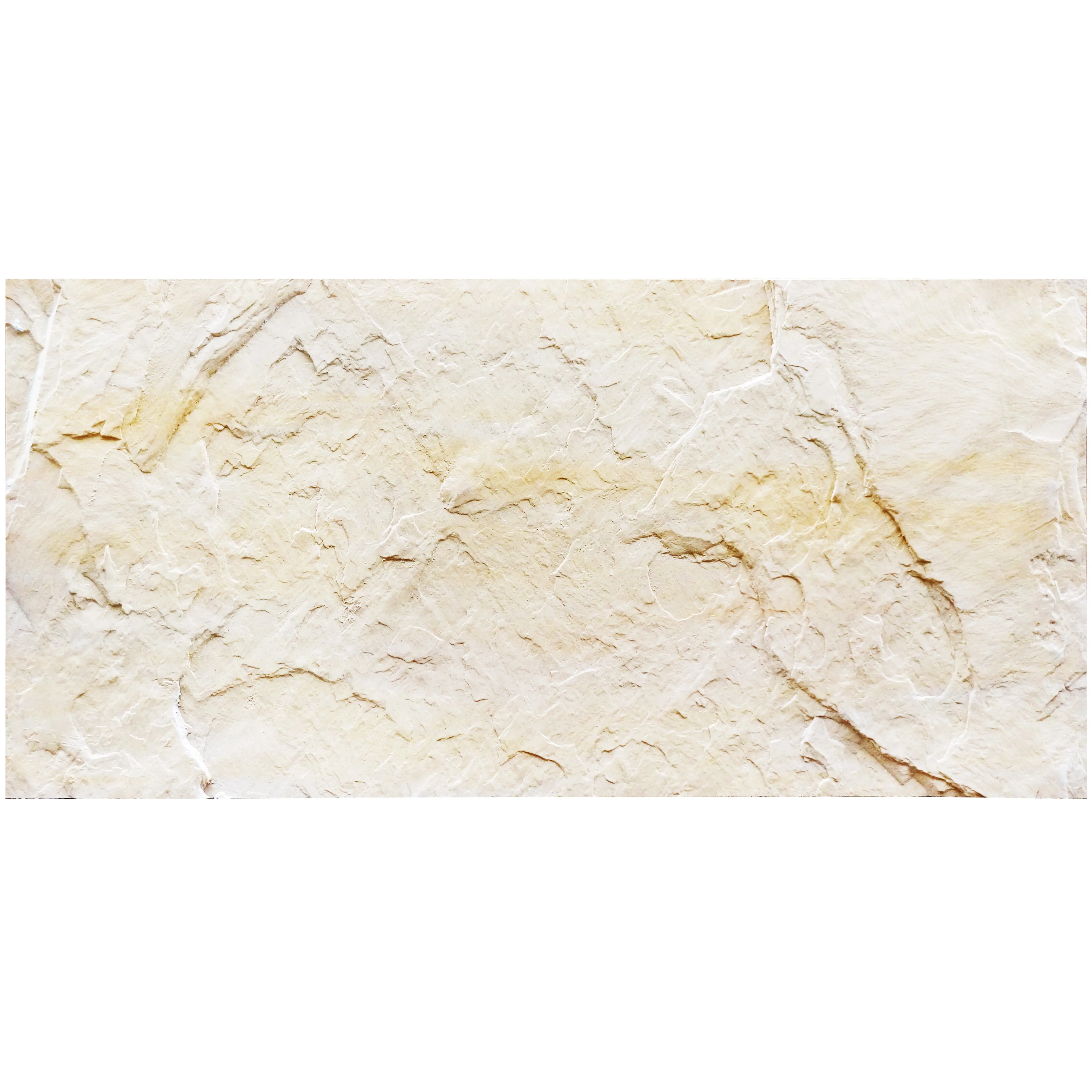
Redefining durability, design, and practicality in today's building landscape
Walk into any modern architectural studio, and you'll likely find a table cluttered with samples: rough-hewn stones, sleek metals, textured concretes. Architects and designers today aren't just building structures—they're crafting experiences, and the materials they choose tell a story. For decades, natural slate has been a go-to for that timeless, earthy charm. Its layered texture, subtle color variations, and matte finish have adorned everything from historic mansions to rustic cabins. But as construction evolves—pushing for taller buildings, more complex shapes, and materials that can keep up with busy, weather-beaten lives—natural slate is starting to show its age.
Enter Slate Sunnye, a standout in MCM's innovative lineup of building materials. Part of the MCM flexible stone series, this engineered material isn't here to replace natural slate's beauty—it's here to enhance it. By blending cutting-edge technology with the organic allure of traditional slate, Slate Sunnye addresses the pain points of natural stone while opening new doors for design. Let's dive into why this modern marvel is becoming a favorite among architects, contractors, and homeowners alike.
Natural slate is beautiful, but it's not invincible. Anyone who's owned a slate patio knows the drill: a stray lawnmower rock chips a corner, a harsh winter freeze-thaw cycle cracks a tile, or years of UV exposure fade its rich color to a dull gray. Traditional slate is porous, too—if not sealed religiously, it soaks up moisture, leading to mold, mildew, or even structural weakening over time. For commercial projects, like a hotel facade or a busy retail plaza, that translates to constant maintenance, repair costs, and a lifespan that's far shorter than the building itself.
Slate Sunnye flips the script. Crafted as part of MCM's advanced stone series, it's engineered to resist the elements that break down natural slate. Its surface is treated to repel water, so rain, snow, and humidity roll off instead of seeping in. UV-resistant pigments mean it won't fade under the sun, even in hot, sunny climates like Arizona or Dubai. And unlike natural slate, which splinters under impact, Slate Sunnye's composite core gives it flexibility—so a falling branch or heavy foot traffic is more likely to leave a mark on the ground than on the material itself.
Take the example of a coastal restaurant in Maine. The owners initially considered natural slate for their outdoor dining deck, drawn to its rustic look. But after consulting with their contractor, they switched to Slate Sunnye. "We get nor'easters here—wind, salt spray, freezing rain," the contractor explained. "Natural slate would've lasted maybe 5 years before needing replacement. Slate Sunnye? We're expecting 20+ with minimal upkeep." Today, that deck still looks as rich and vibrant as the day it was installed, even after years of harsh coastal weather.
Here's a dirty little secret about natural slate: it's heavy. Really heavy. A single square foot of 1-inch thick natural slate can weigh up to 15 pounds. For a large project—say, a 10-story apartment building with a slate-clad facade—that adds up to thousands of pounds of extra weight the structure must support. That means beefed-up framing, stronger foundations, and higher engineering costs. Worse, installing it is backbreaking work: crews need special equipment to lift the slabs, and the risk of dropping (and shattering) a $50 tile mid-install is all too real.
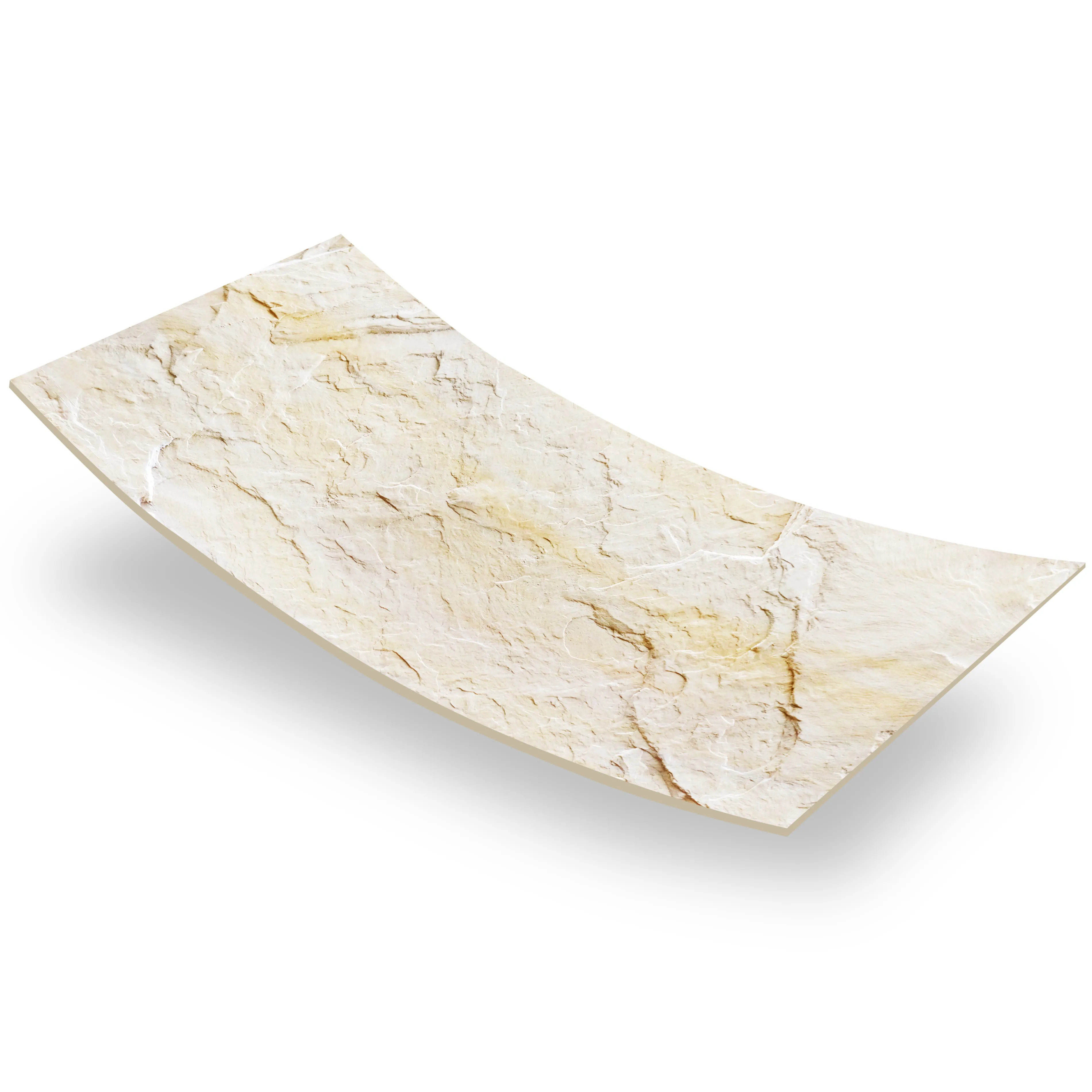
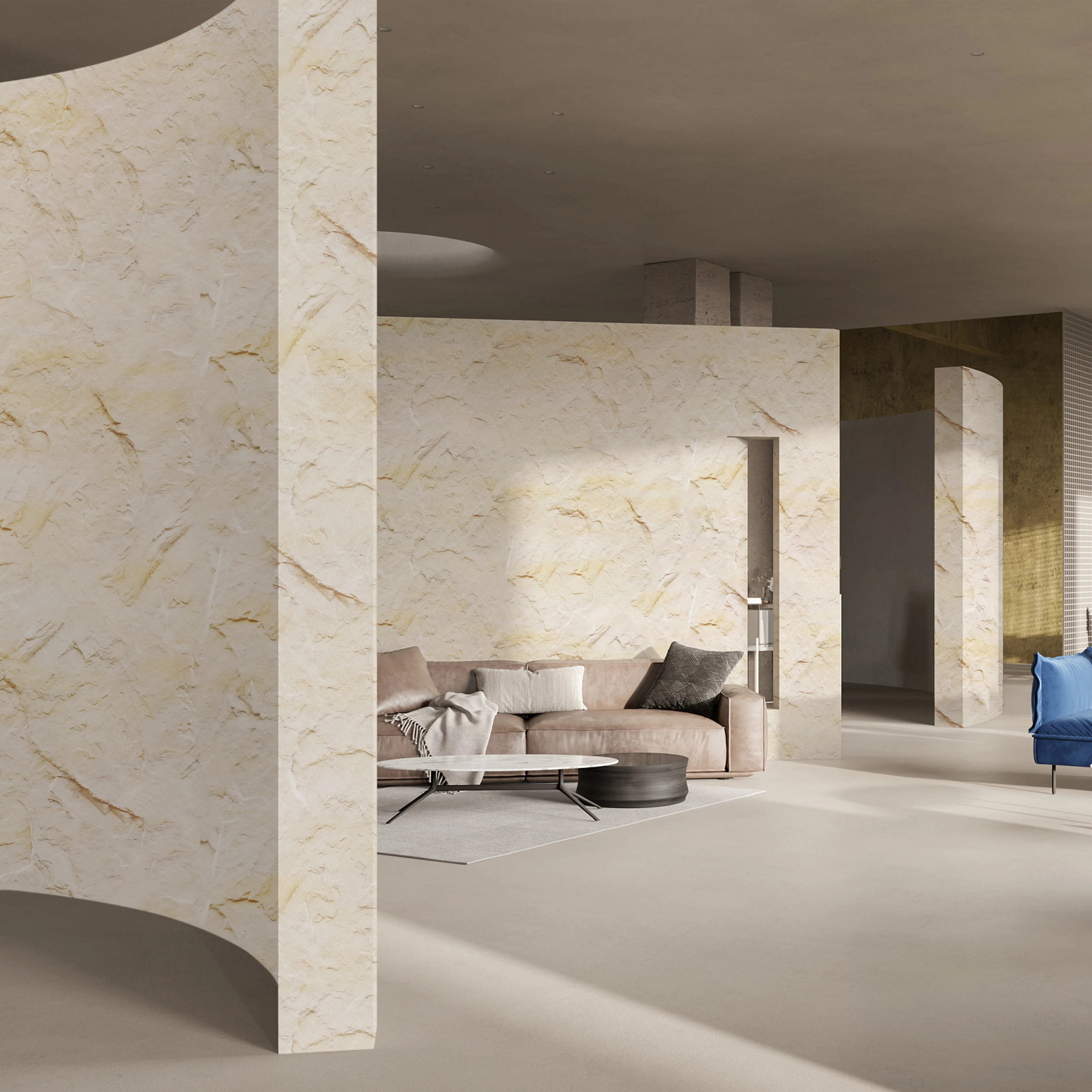
Slate Sunnye, thanks to MCM flexible stone technology, weighs in at just 3-4 pounds per square foot. That's lighter than even fair-faced concrete, a material known for its industrial chic but hefty feel. Its flexibility is another game-changer. Unlike rigid natural slate, which can only be cut into straight, flat pieces, Slate Sunnye bends—up to 90 degrees in some cases. That opens up design possibilities natural slate can't touch: curved walls, rounded archways, even ceiling accents that flow seamlessly from wall to overhead.
A recent project in Chicago illustrates this perfectly. An architect wanted to clad a boutique hotel's lobby with a "wave" of slate, mimicking the nearby Lake Michigan. Natural slate was out of the question—the curves would require custom-cutting each piece (expensive) and the weight would overload the ceiling structure. Slate Sunnye? The installers simply rolled the flexible panels into place, bending them to match the architect's digital renderings. The result? A fluid, eye-catching feature wall that's become the hotel's signature—all without the structural headaches of natural stone.
Natural slate has a classic look, but let's be honest—it's limited. Most quarries offer a handful of colors: gray, black, maybe a hint of green or purple if you're lucky. Textures? Mostly smooth or slightly rough, with little variation. For modern designers, who crave uniqueness and the ability to tailor materials to a project's theme, that's a creative straightjacket. Compare that to, say, wood grain board, which comes in dozens of stains, grains, and finishes—why can't slate be that versatile?
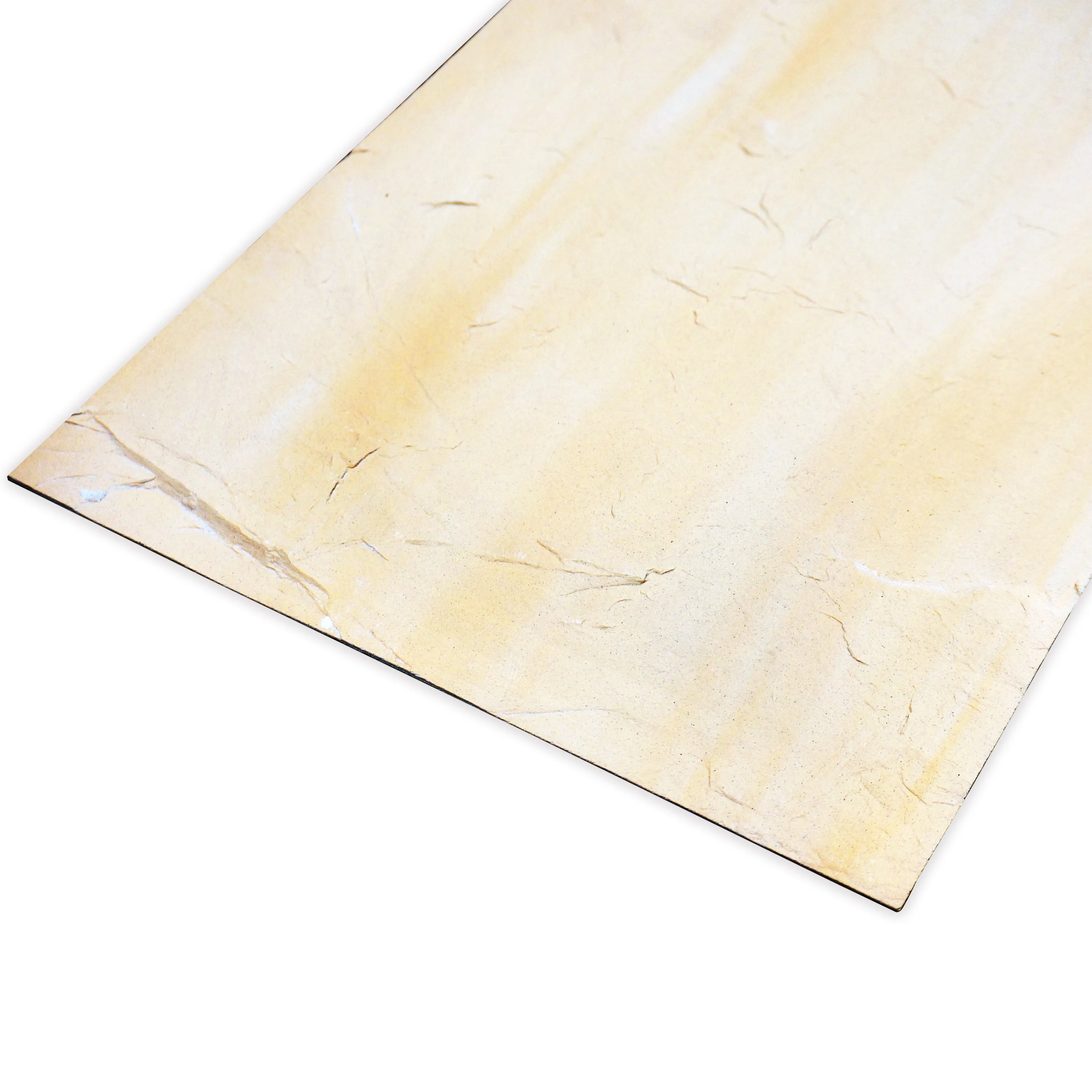
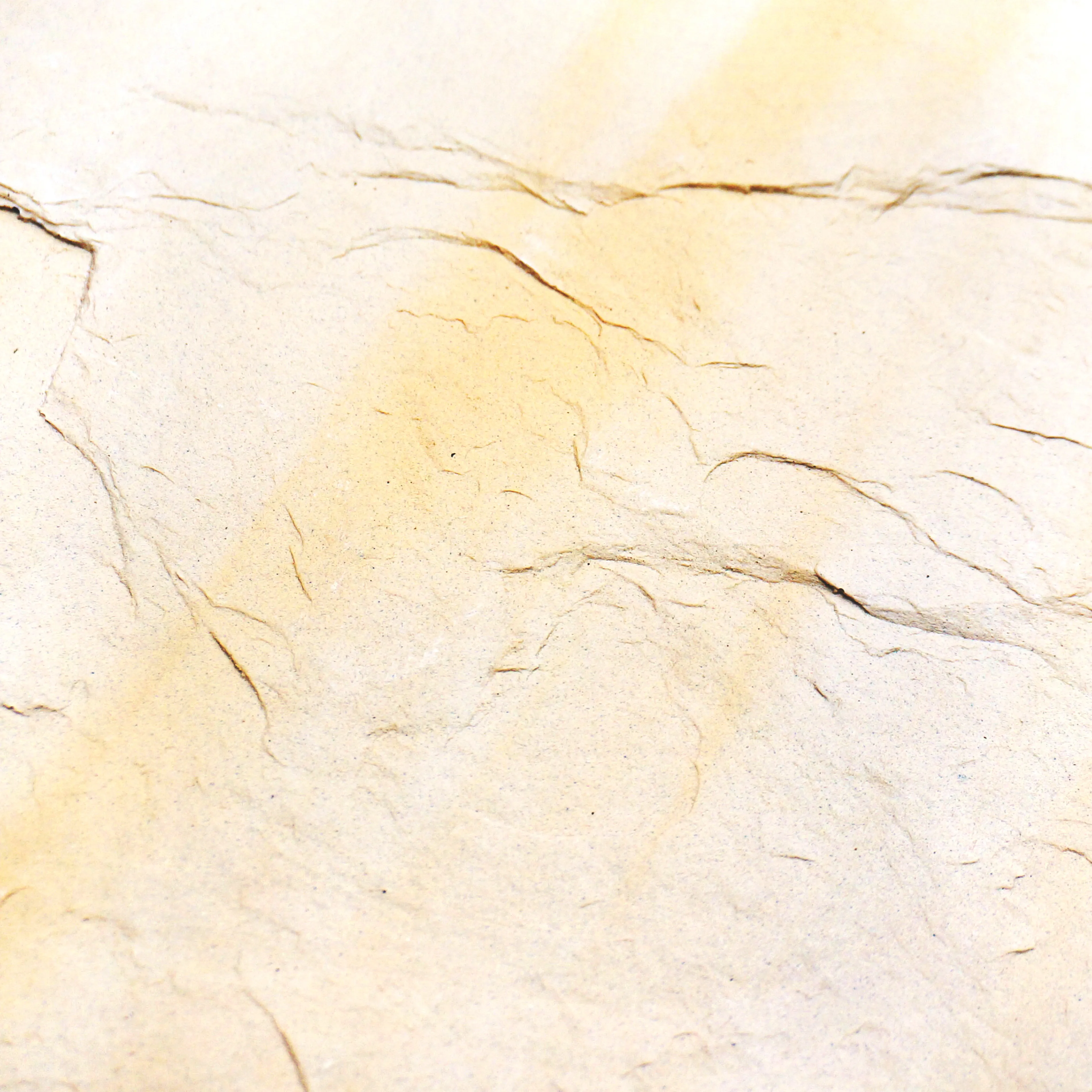
Slate Sunnye answers that call. MCM's manufacturing process lets designers customize everything from color to texture to pattern. Want a warm, terracotta-tinged slate for a Spanish-style villa? Done. Prefer a cool, blue-gray with subtle veining for a minimalist office? No problem. There are even options with metallic flecks for a modern, industrial edge—think fair-faced concrete's raw aesthetic, but with the depth of stone. And because it's printed using high-definition technology, the details are stunning: you'll swear you're looking at natural slate, right down to the tiny pits and fissures that give the material its character.
A recent residential project in Colorado showcases this versatility. The homeowner wanted their mountain home to blend into the landscape, with exterior walls that echoed the gray-green tones of the surrounding rocks. But they also wanted a pop of warmth for the interior fireplace surround. Slate Sunnye delivered both: a custom "mossy gray" for the exterior and a rich "copper vein" finish for the fireplace. "It's like having two different stones that somehow feel cohesive," the homeowner said. "Natural slate could never have pulled that off."
Let's talk numbers. Natural slate isn't cheap. High-quality natural slate tiles can cost $15-$30 per square foot, and that's before installation. Add in the cost of heavy equipment, structural reinforcements, and ongoing maintenance (sealing, repairs, replacement), and the total can easily double or triple over the material's lifespan. For budget-conscious projects—like a small business or a first-time homebuyer—natural slate often gets crossed off the list, replaced by cheaper but less durable options like vinyl or laminate.
Slate Sunnye changes the math. Its price point is comparable to mid-range natural slate, but the savings start the minute it arrives on-site. Because it's lightweight, you don't need a crane or extra labor to move it—two workers can carry a stack of panels that would require four for natural slate. Installation is faster, too: it cuts easily with standard tools, and its flexibility means fewer cuts and less waste. Over time, the savings keep coming: no need for annual sealing, minimal repairs, and a lifespan that's 2-3 times longer than natural slate.
A property developer in Texas crunched the numbers for a 50-unit apartment complex. Choosing Slate Sunnye over natural slate for the exterior cladding saved them $45,000 in installation costs alone. "We were worried about upfront costs, but the contractor showed us the math," the developer said. "Less labor, no need for a bigger crane, fewer truck deliveries—it all added up. And now, with lower maintenance, we'll save even more over the building's life." For renters, that means lower rents (since operating costs are down), and for the developer, higher profits. It's a win-win.
In today's world, sustainability isn't just a buzzword—it's a responsibility. Natural slate mining is resource-intensive: quarries dig deep into the earth, disrupting ecosystems and consuming massive amounts of energy. Plus, because natural slate is heavy and fragile, transporting it long distances adds to its carbon footprint. For green-building projects aiming for LEED certification or other sustainability standards, natural slate's environmental impact is a major drawback.
Slate Sunnye, on the other hand, is designed with sustainability in mind. MCM's manufacturing process uses recycled materials in its composite core, reducing waste and reliance on virgin resources. Its lightweight design also cuts down on transportation emissions—fewer trucks are needed to haul the same amount of material. And because it lasts longer, there's less need to replace it, reducing the overall waste sent to landfills.
A school district in Oregon recently chose Slate Sunnye for a new elementary school, in part because of its sustainability credentials. "We wanted a material that looked good but also aligned with our commitment to the environment," the district's facilities director explained. "Slate Sunnye's recycled content and low maintenance needs helped us earn extra LEED points, and the kids love the way the walls look—they say it 'feels like being outside.'"
Natural slate will always have a place in architecture—its history and beauty are undeniable. But as we build for the future, we need materials that don't just honor tradition, but improve on it. Slate Sunnye does exactly that: it takes the timeless appeal of slate and makes it stronger, lighter, more versatile, and more sustainable. It's a material that works as hard as the people who build with it—whether you're a contractor racing to meet a deadline, a designer pushing creative boundaries, or a homeowner dreaming of a space that lasts.
In the end, construction isn't just about bricks and mortar. It's about creating spaces that inspire, function, and endure. With Slate Sunnye, MCM isn't just selling a product—they're selling a vision: a world where beauty and practicality go hand in hand, and where the materials we build with are as innovative as the structures themselves. And that's a vision worth building toward.
Recommend Products












