
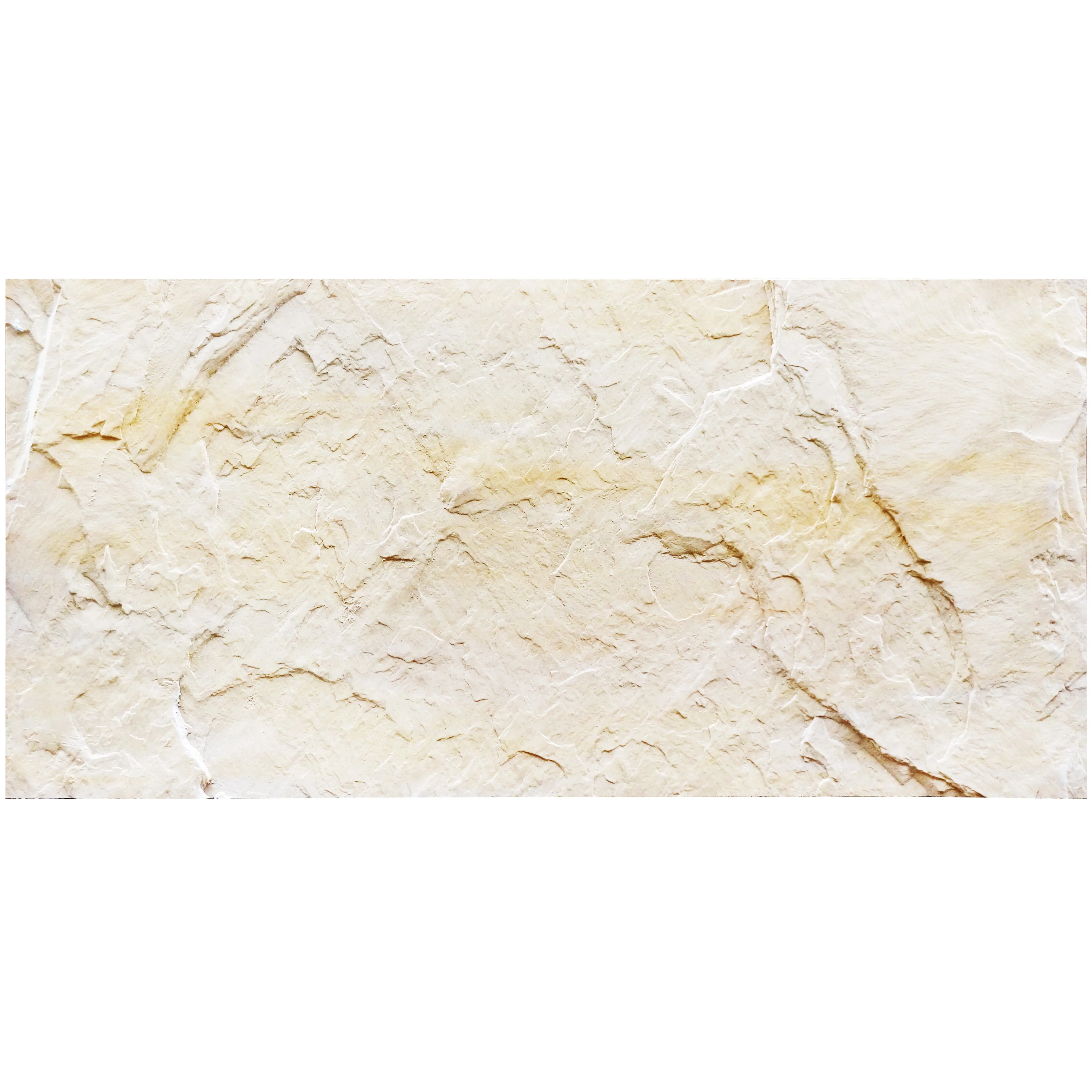
Choosing the right cladding material for a building project is more than just about aesthetics—it's a balance of durability, style, and practicality. For contractors, architects, and homeowners alike, two factors often top the priority list: how long the installation will take and how much labor will cost . In recent years, modern materials like Slate Sunnye (part of the innovative MCM flexible stone family) have emerged as strong competitors to traditional options such as fair-faced concrete or natural stone. But how do they really stack up when it comes to getting the job done quickly and affordably? Let's dive in.
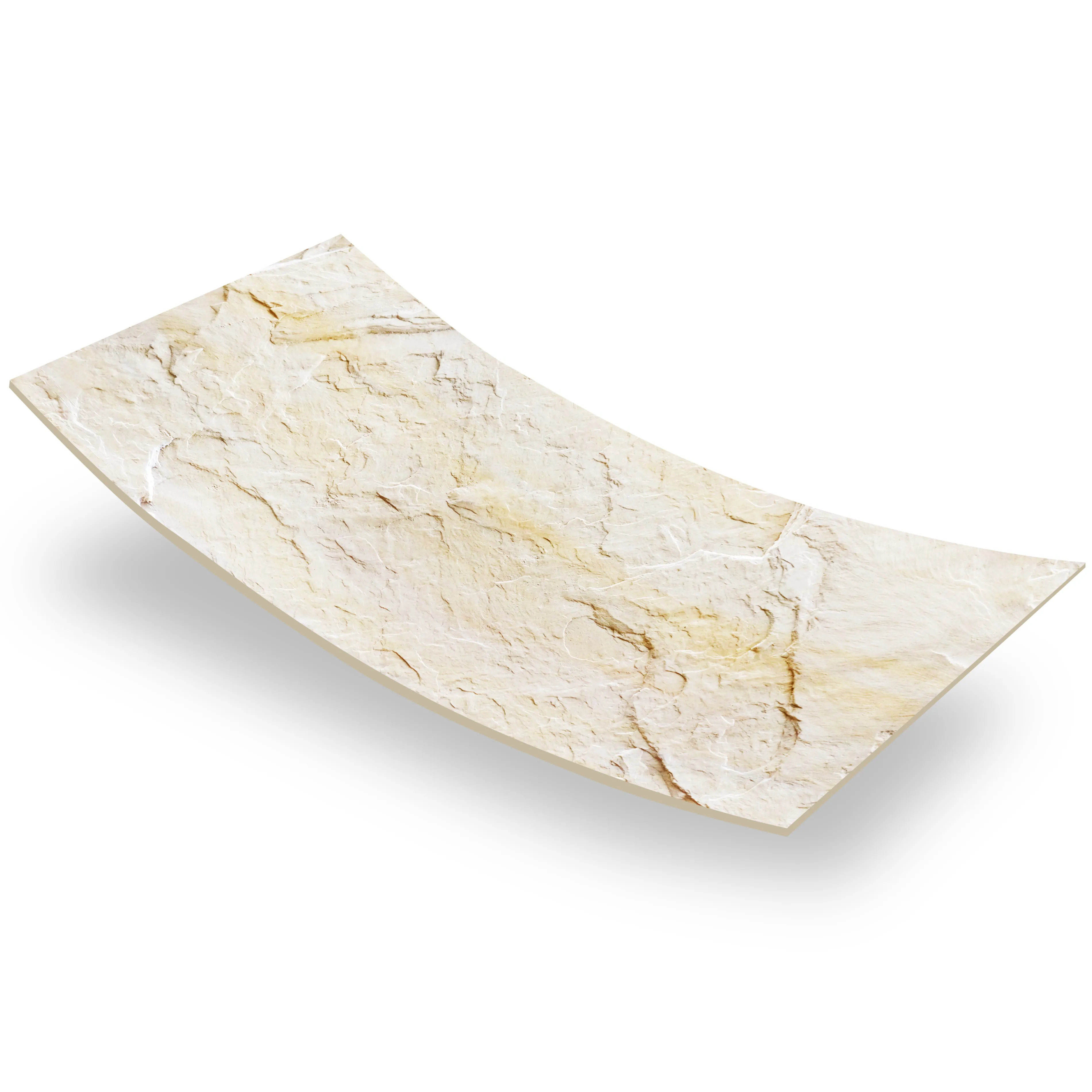
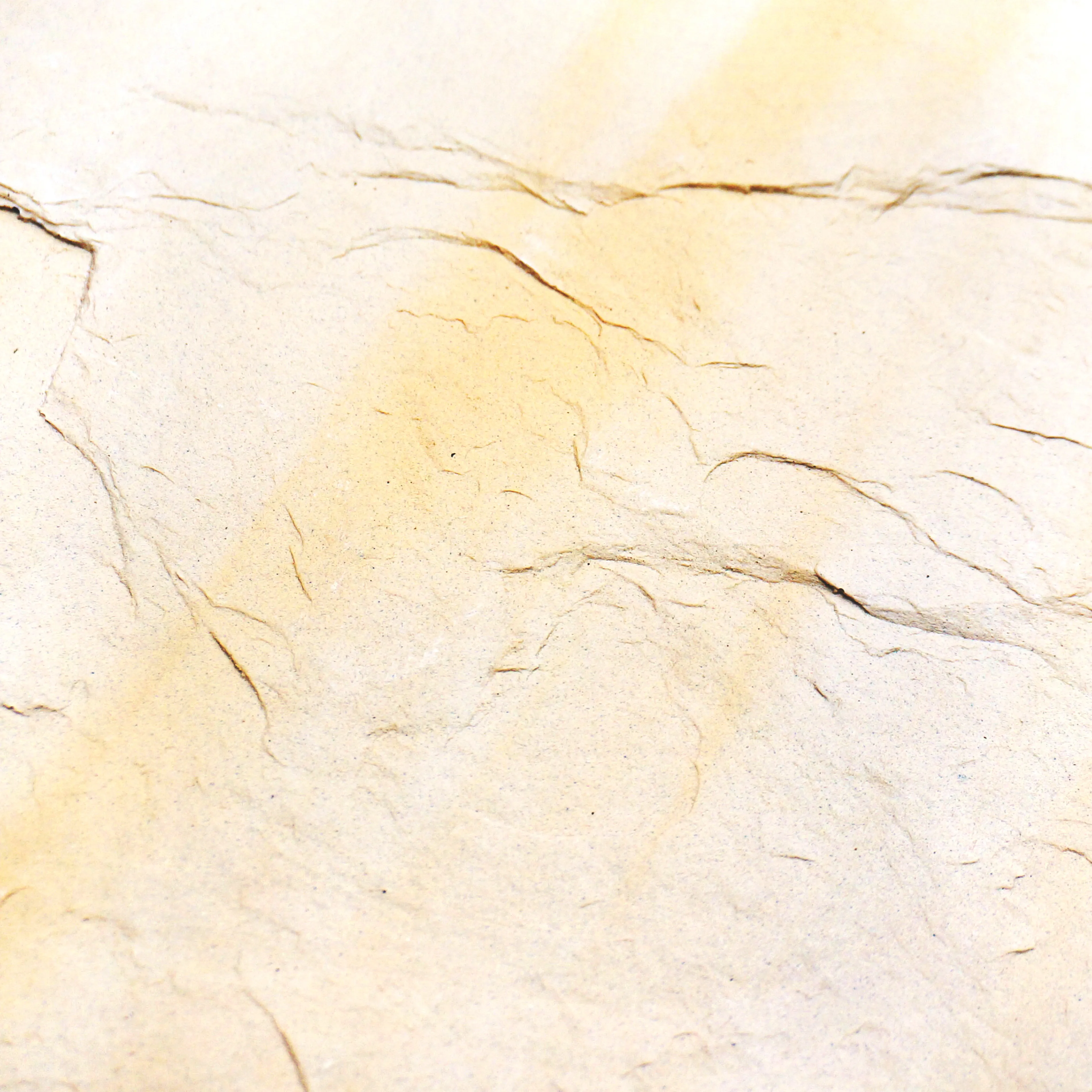
First, let's get familiar with the star of the show. Slate Sunnye isn't your average cladding. It's a lightweight, flexible material crafted from MCM flexible stone—a composite that blends natural stone aggregates with a reinforced polymer backing. This combination gives it the best of both worlds: the authentic look and texture of natural slate, but with the durability and workability of modern engineering. Unlike heavy, brittle traditional stones, Slate Sunnye panels are thin (often just 3-5mm thick), easy to handle, and designed for quick installation. It's part of a broader trend toward materials that simplify construction without sacrificing style—think of it as the "easy-to-use" option in the toolbox of modern cladding.
Traditional cladding materials have been around for decades, and for good reason. Options like fair-faced concrete, natural travertine, or rough granite stone are known for their sturdiness and classic appeal. But "reliable" doesn't always mean "convenient." Take fair-faced concrete, for example: while it offers a raw, industrial look, it's heavy, requires precise on-site mixing, and often needs extensive surface preparation to avoid cracks. Natural stone, on the other hand, demands careful cutting, sealing, and handling—each slab can weigh 30-50kg, making transportation and installation a labor-intensive process. These quirks add up when it comes to time and cost.
Time is money in construction. A project that drags on not only increases labor costs but can also delay phases, frustrate clients, and even lead to penalties. Let's break down how Slate Sunnye and traditional cladding compare in terms of installation speed.
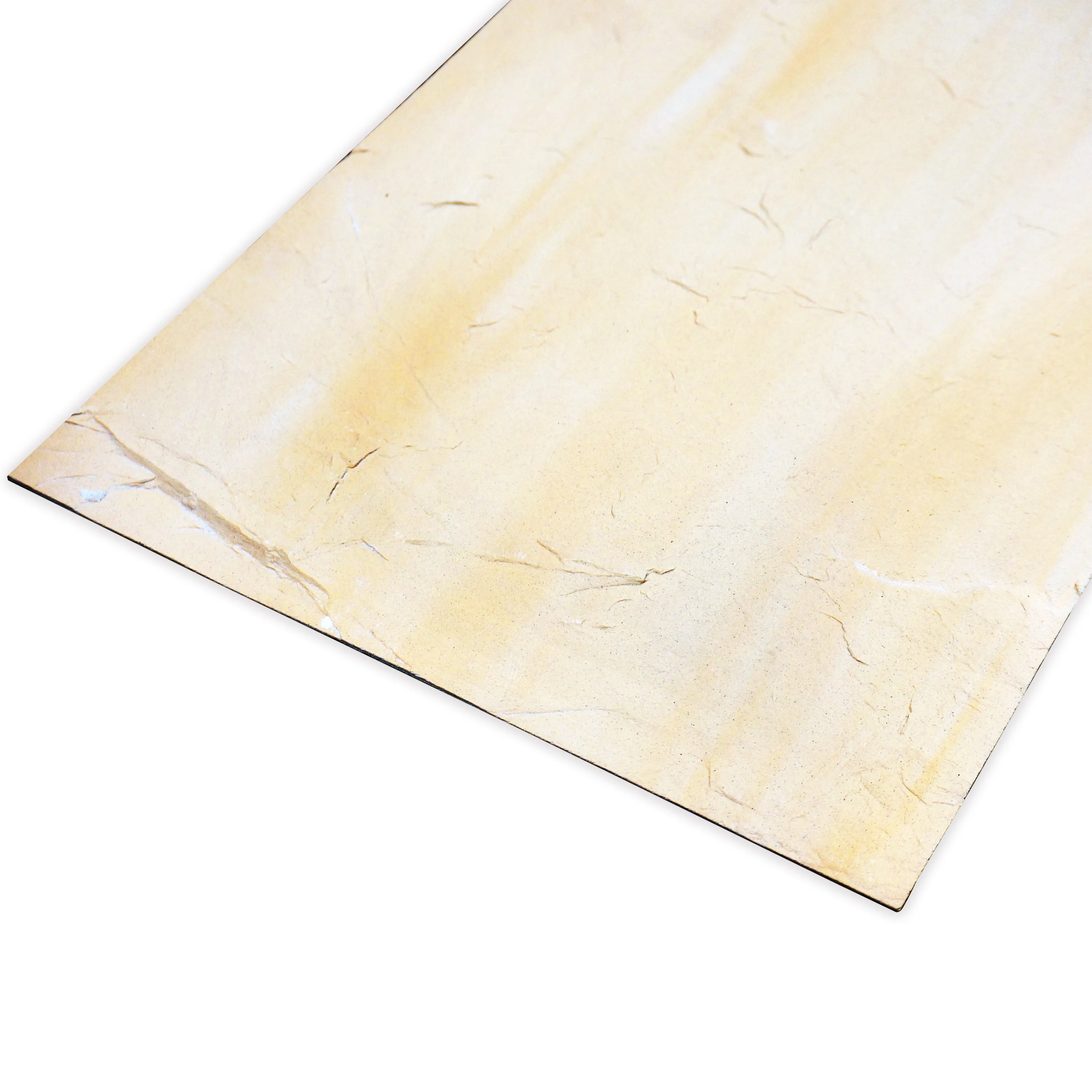
Slate Sunnye's biggest advantage? Its lightweight, flexible nature . Most panels come in large sizes (thanks to innovations like the MCM big slab board series), meaning fewer pieces to install overall. A typical Slate Sunnye panel might measure 1200x600mm—covering more surface area per piece than a traditional 600x300mm natural stone slab. But size isn't the only win: the material is also easy to cut with basic tools (no need for heavy-duty saws), and its flexibility allows it to conform to slight wall irregularities without cracking. Even better, it requires minimal surface preparation: a flat, clean substrate (like plywood or cement board) is usually enough, and adhesive application is straightforward. For a 200 sqm wall, a team of 2-3 workers might finish installation in 3-4 days .
Traditional materials, by contrast, often move at a slower pace. Take fair-faced concrete: it requires formwork setup, precise pouring, curing time (which can take 7-10 days alone), and then finishing. Natural stone cladding adds more steps: transporting heavy slabs, cutting them to size on-site (which generates dust and waste), and securing them with mortar or mechanical fixings. Each of these steps demands careful labor—one wrong cut or misaligned slab can mean starting over. For that same 200 sqm wall, traditional cladding might take 7-10 days with a team of 3-4 workers. That's double the time of Slate Sunnye.
| Material | Installation Prep Time | On-Site Installation Time (per sqm) | Total Time (200 sqm Example) |
|---|---|---|---|
| Slate Sunnye (MCM flexible stone) | 1-2 days (substrate cleaning, adhesive prep) | 0.5-0.7 hours | 3-4 days (total) |
| Fair-Faced Concrete | 3-4 days (formwork setup, reinforcement) | 1.5-2 hours (pouring + finishing) | 10-12 days (including curing) |
| Natural Stone (e.g., Granite) | 2-3 days (substrate leveling, cutting slabs) | 1.2-1.5 hours | 7-9 days |
Faster installation directly translates to lower labor costs—and labor is often one of the biggest line items in a construction budget. Let's break down why Slate Sunnye tends to be gentler on the wallet compared to traditional cladding.
Because Slate Sunnye installs so quickly, you're paying for fewer labor hours. Let's crunch the numbers: if a skilled laborer costs $30/hour, and Slate Sunnye takes 0.6 hours per sqm (average), that's $18 per sqm in labor. For 200 sqm, that's $3,600 total. Plus, since the material is lightweight, you don't need specialized equipment (like cranes or heavy lifting gear) or extra workers to haul slabs—saving even more on equipment rental and crew size.
Traditional cladding? Labor costs can skyrocket. Fair-faced concrete requires skilled concrete finishers (who often charge $40+/hour) and formwork specialists. Natural stone needs masons trained in cutting and setting heavy slabs—another $40-50/hour skill. On top of that, moving 50kg stone slabs may require 2-3 workers per piece, increasing the crew size. For natural stone at 1.3 hours per sqm, that's $52 per sqm ($40/hour x 1.3 hours), totaling $10,400 for 200 sqm. That's nearly three times the labor cost of Slate Sunnye.
Let's say a restaurant owner wants to clad their exterior wall (200 sqm) to match their modern-industrial vibe. They're torn between Slate Sunnye and traditional fair-faced concrete. Here's how the numbers play out:
The result? The restaurant opens 9 days earlier with Slate Sunnye and saves $8,640 in labor costs. For a business, that means earlier revenue and lower overhead—priceless.
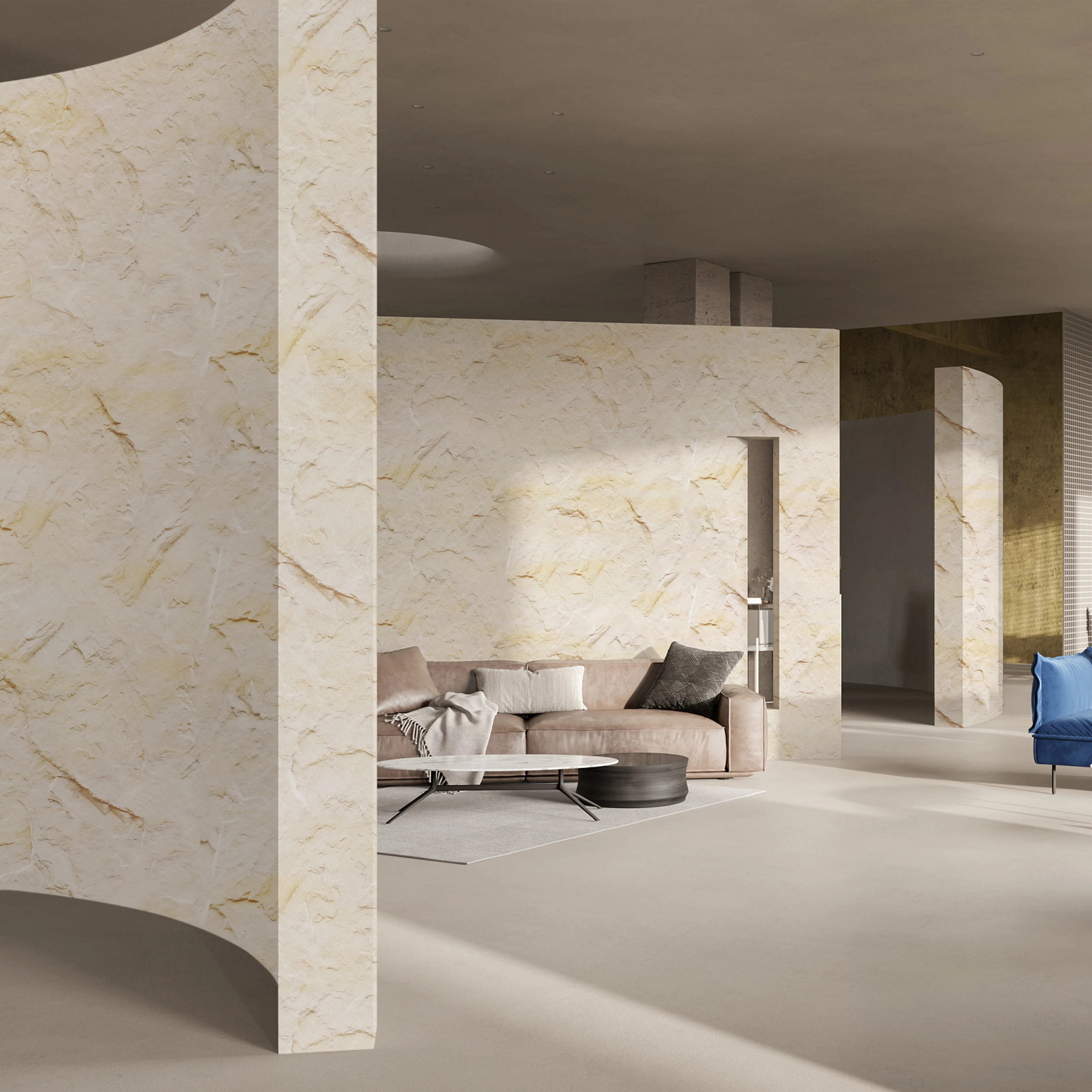
Slate Sunnye's performance isn't an accident. It's built on MCM flexible stone technology, which prioritizes workability without compromising on strength. Unlike rigid traditional materials, MCM panels are designed to be lightweight (3-5kg per sqm vs. 20-30kg for natural stone) and easy to transport, cut, and install. The MCM big slab board series takes this further by offering larger panels (up to 1800x900mm), reducing the number of seams and speeding up installation even more. It's a material that respects the reality of construction sites: time is tight, and every labor hour counts.
At the end of the day, Slate Sunnye (backed by MCM flexible stone technology) outperforms traditional cladding in both installation time and labor cost. Its lightweight, flexible design cuts down on prep work, speeds up on-site installation, and reduces the need for large crews or specialized labor. For projects where time is critical (like commercial builds or tight renovation deadlines) or budgets are tight (hello, homeowners!), it's a clear winner.
Traditional materials like fair-faced concrete or natural stone still have their place—for heritage projects or when a specific aesthetic is non-negotiable. But for most modern builds, Slate Sunnye proves that you don't have to sacrifice style for speed or cost. It's cladding that works with your team, not against them.
So, next time you're planning a cladding project, ask yourself: Do I want to spend weeks on installation and tens of thousands on labor? Or do I want a material that gets the job done in days, saves money, and still looks stunning? The answer might just be Slate Sunnye.
Recommend Products












