
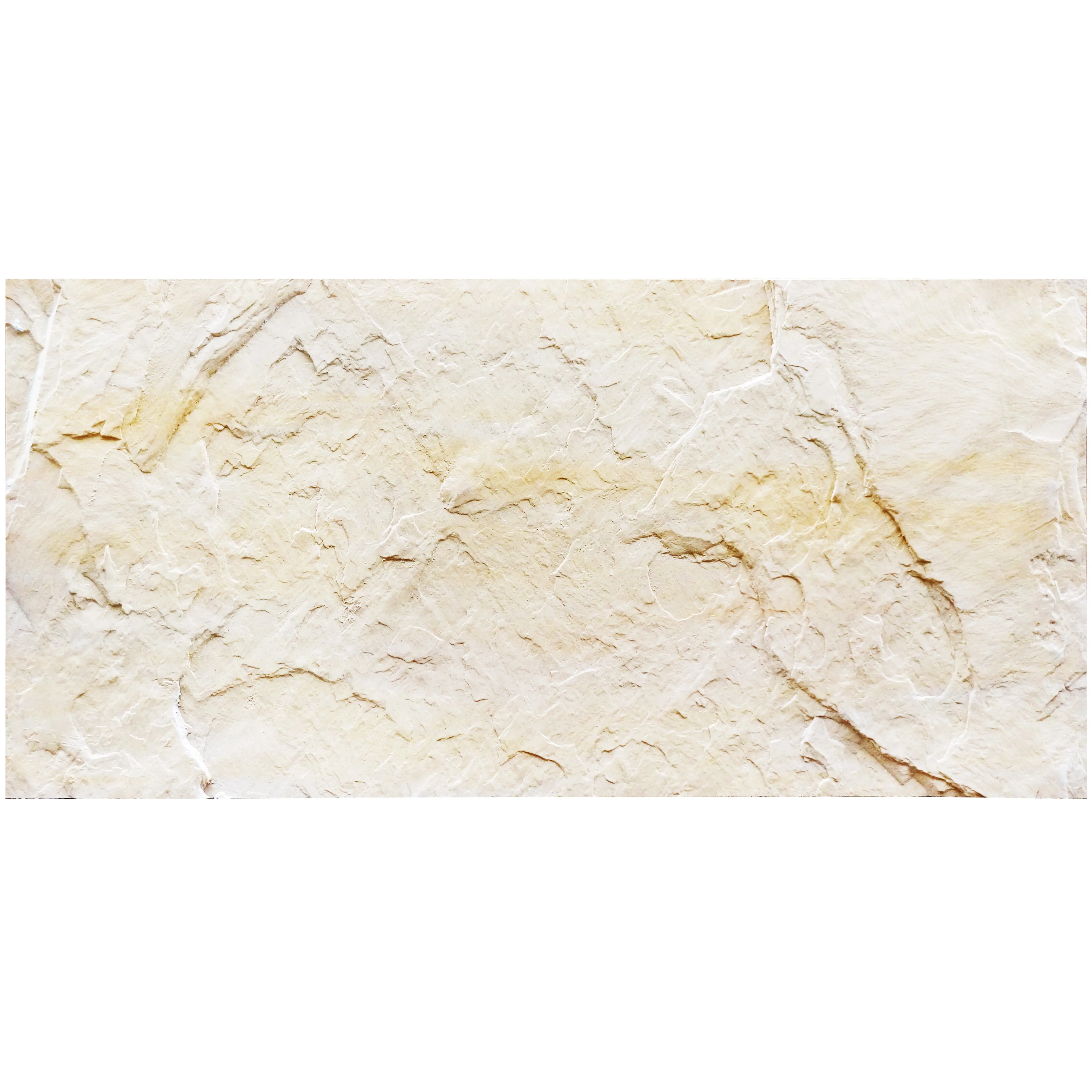
Your home's exterior is more than just a protective shell—it's the first impression, the storyteller of your style, and a silent guardian against the elements. Choosing the right cladding material isn't just about durability; it's about finding something that feels like an extension of your personality. Today, we're diving into two popular contenders: Slate Sunnye , a rising star in natural-inspired cladding, and the long-standing favorite, Vinyl Siding . Let's break down their strengths, quirks, and which one might just be the perfect fit for your home.
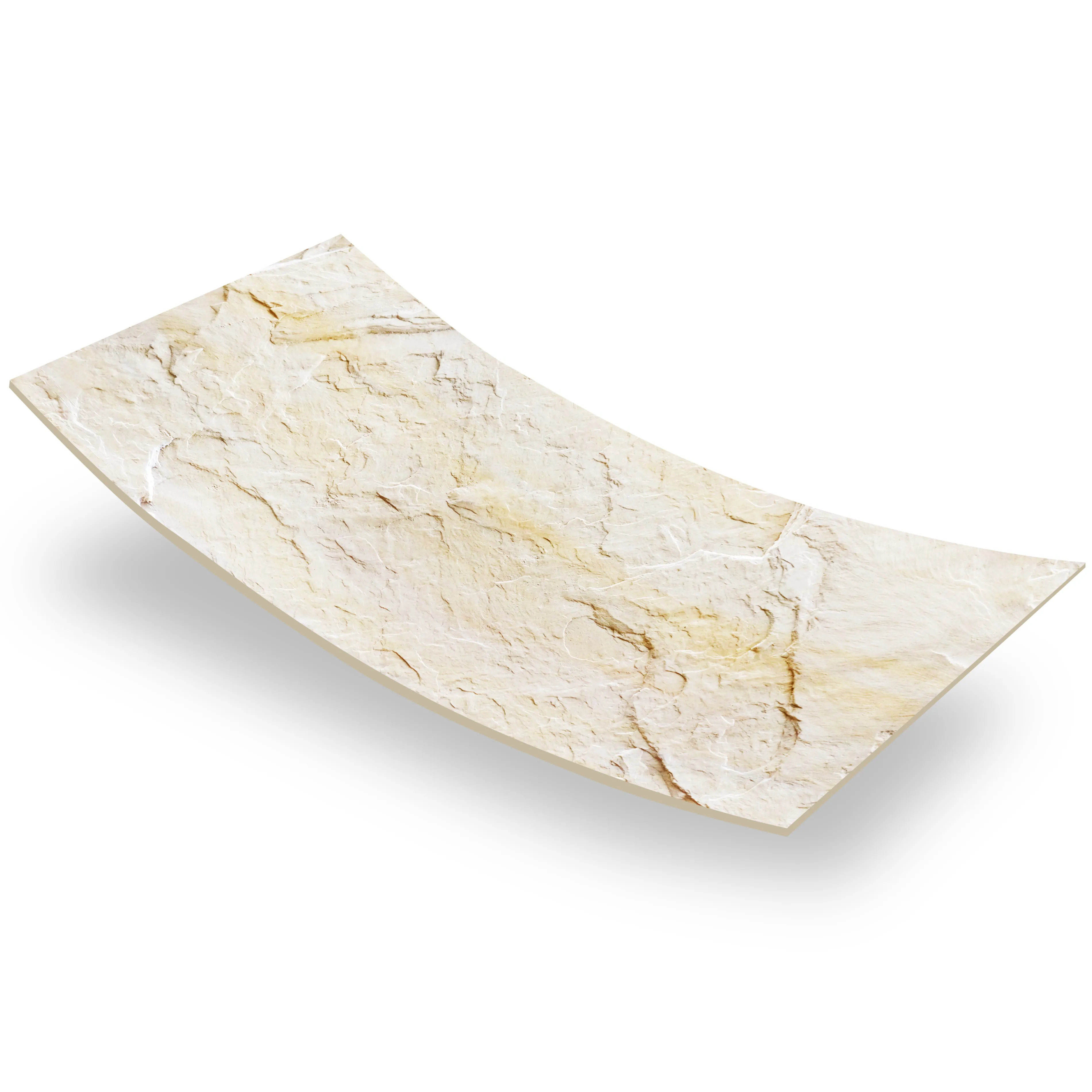
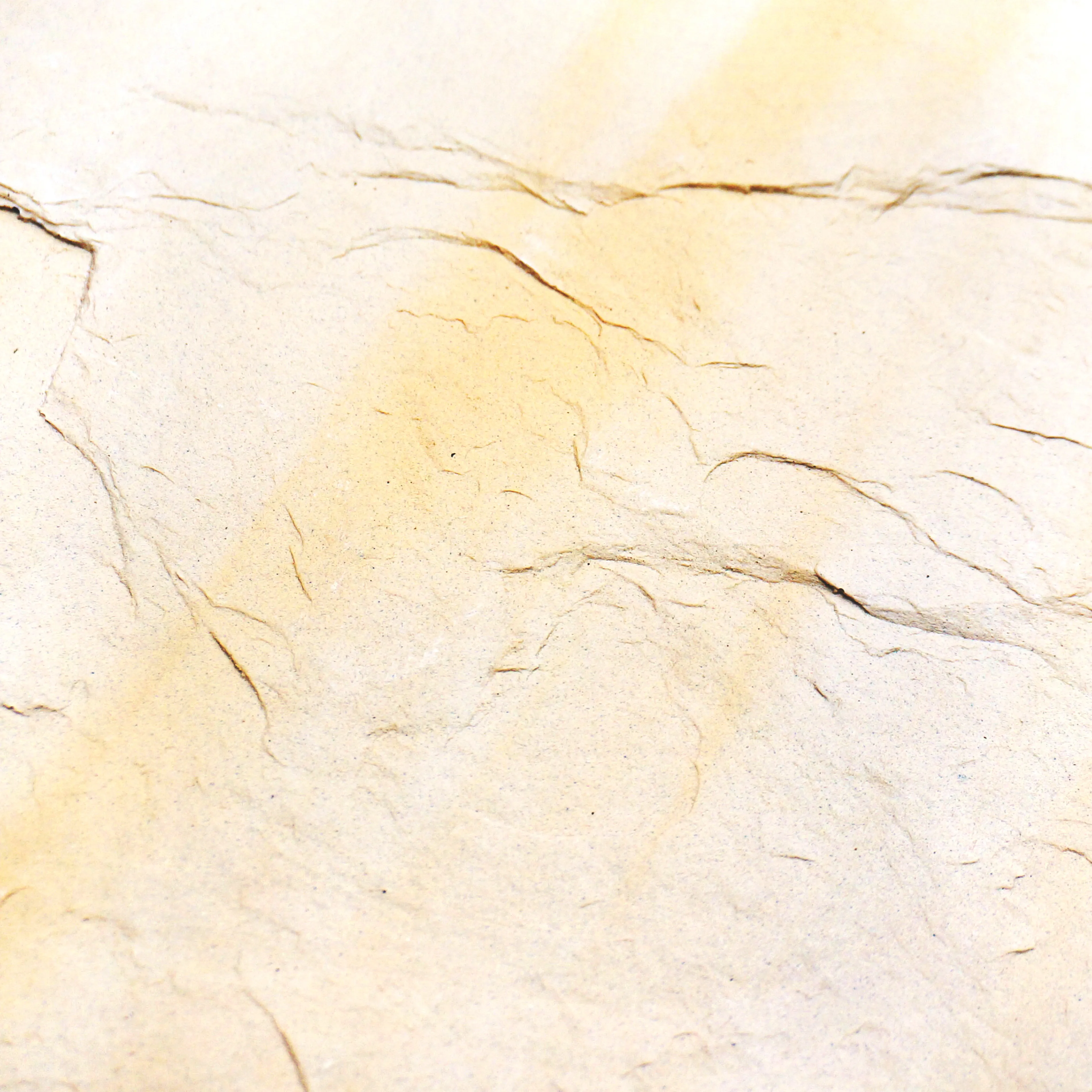
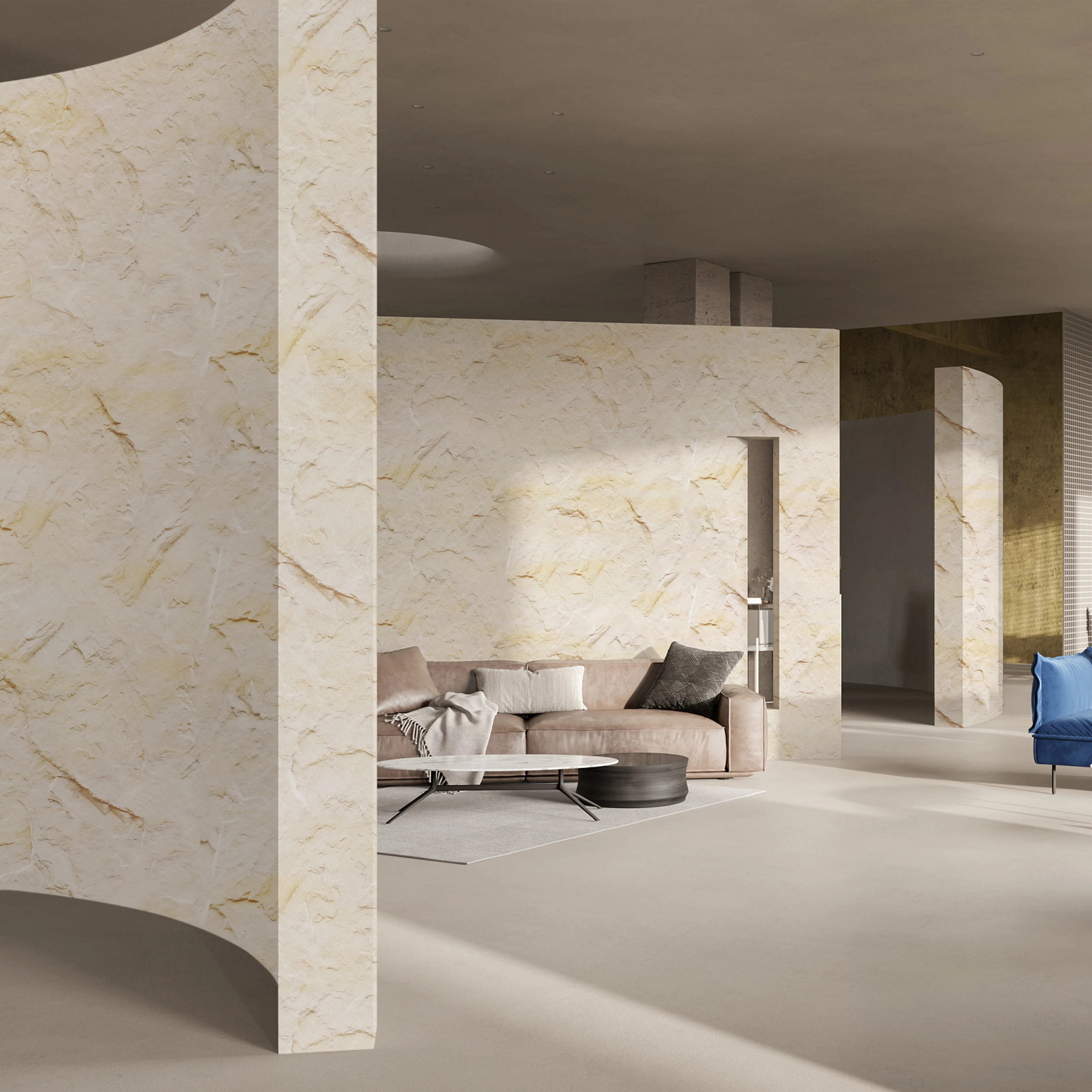
When it comes to curb appeal, first looks matter. Slate Sunnye, part of the innovative MCM flexible stone series, is a masterclass in blending nature's artistry with modern engineering. Imagine running your hand over its surface—you'll feel the subtle ridges and valleys, the kind of texture that makes you pause and think, "Is this real slate?" It's designed to mimic the organic beauty of natural slate, with warm, sunlit hues that shift from soft grays to gentle beiges, accented by hints of gold that catch the light like morning dew on stone. Unlike rigid natural slate, MCM flexible stone gives designers and homeowners the freedom to curve, contour, and create—whether you're cladding a modern minimalist home or a cozy cottage, Slate Sunnye adapts, adding depth and character that feels alive.
Vinyl siding, on the other hand, plays the versatility card. Available in a rainbow of colors (think crisp whites, ocean blues, even wood-like finishes), it's the chameleon of cladding. But here's the catch: that versatility often comes with a trade-off in texture. Vinyl tends to have a smoother, more uniform look—great if you prefer a sleek, consistent facade, but lacking the "lived-in" charm of natural materials. While some premium vinyl options mimic wood grain or stone, they can veer into "too perfect" territory, missing the subtle imperfections that make a home feel unique.
Pro Tip: Slate Sunnye's MCM flexible stone construction means it can be installed on curved walls, gables, or even accent features like porch columns—something vinyl, with its rigid panels, struggles to pull off without looking clunky.
Your home's exterior faces a daily battle: rain, wind, UV rays, and the occasional stray baseball. How do these two materials hold up?
Slate Sunnye, backed by MCM technology, is built tough. MCM flexible stone is engineered to resist cracking, chipping, and fading—even in harsh climates. Unlike natural slate, which can be brittle and prone to breaking under impact, Slate Sunnye's composite structure flexes slightly, absorbing shocks without shattering. It's also UV-stabilized, so that warm "sunnye" hue you fell in love with won't turn dull or gray after a few summers. In coastal areas, where salt air eats away at lesser materials, Slate Sunnye holds its ground, resisting corrosion and mildew.
Vinyl siding, known for its low-maintenance reputation, has come a long way in durability. Modern vinyl is fade-resistant and can withstand moderate winds, but it has limits. Extreme heat? Vinyl can warp or melt if exposed to prolonged direct sunlight (think south-facing walls in desert climates). Cold snaps? It can become brittle, cracking if hit by a falling branch. And while it resists moisture, trapped water behind the panels (from poor installation) can lead to mold or rot—something homeowners often don't notice until it's too late.
Let's talk about the nitty-gritty: how easy are these materials to put up, and how much TLC do they need once installed?
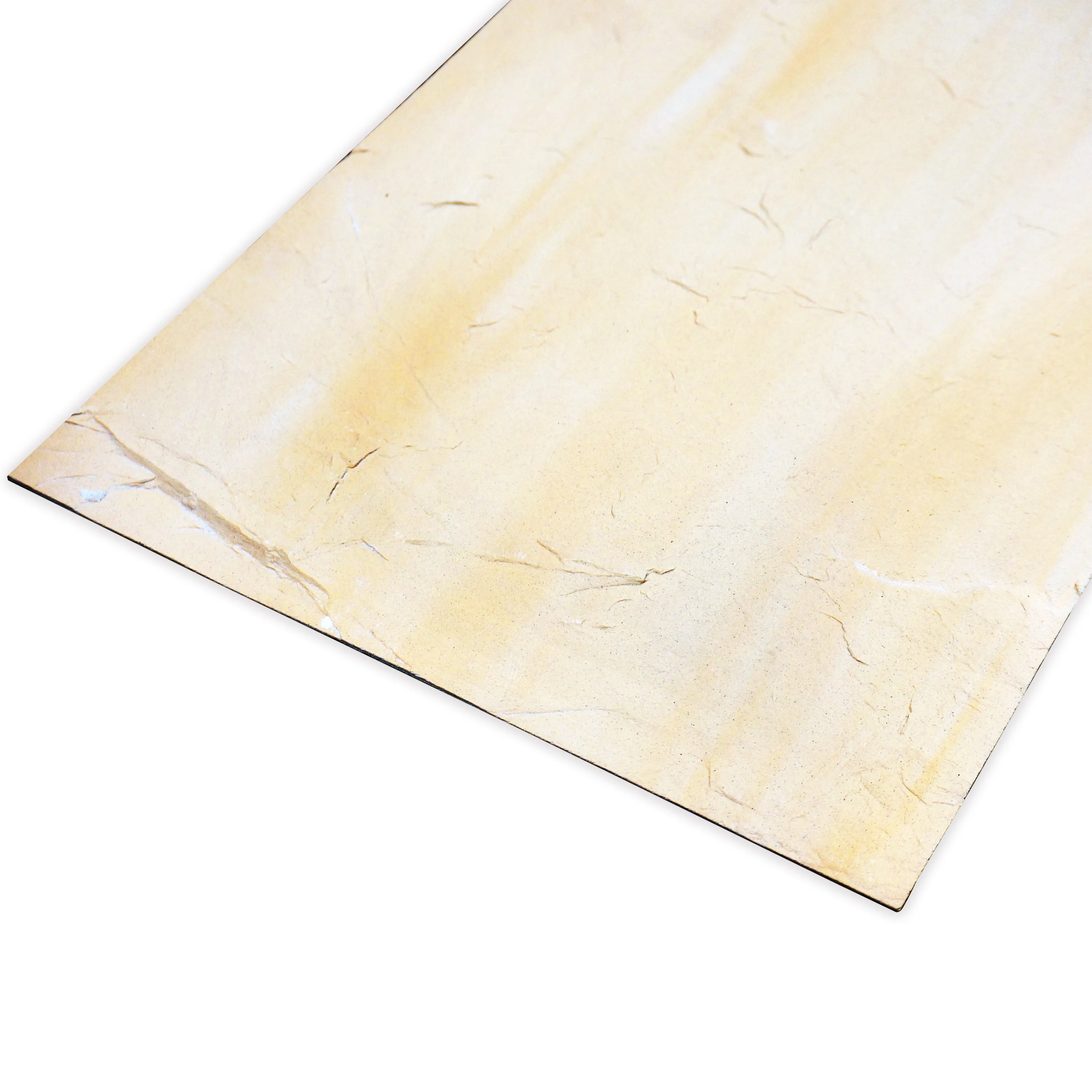
Slate Sunnye's claim to fame (thanks to MCM flexible stone) is its lightweight design. Traditional slate can weigh upwards of 100 pounds per square foot, requiring heavy-duty framing and extra labor. Slate Sunnye? A fraction of that weight, making installation faster and less labor-intensive. Contractors love it because it cuts easily with standard tools, and its flexibility means fewer seams—resulting in a cleaner, more polished look. Most installations take 30-50% less time than natural stone, which translates to lower labor costs for you.
Vinyl siding is also known for being a DIY-friendly option. Its interlocking panels snap into place, and it doesn't require specialized tools. But here's the catch: precision matters. A poorly aligned panel can lead to water intrusion, and vinyl expands and contracts with temperature changes, so leaving proper gaps is crucial. Miss a step, and you might be redoing sections down the line.
Maintenance-wise, Slate Sunnye is a low-key companion. A quick rinse with a garden hose once or twice a year is usually enough to keep it looking fresh. No scraping, painting, or sealing required. Vinyl siding, while low-maintenance, needs a bit more attention. Mildew loves to cling to its smooth surface, especially in humid areas, so you'll be scrubbing with soap and water (or a pressure washer, if you're careful) every few months. And if a panel fades or cracks? You'll need to replace the entire section—vinyl colors can vary between batches, so mismatched panels are a common headache.
In a world where "green building materials" are no longer a trend but a responsibility, let's see how these two stack up.
Slate Sunnye, as part of the MCM family, is designed with sustainability in mind. MCM flexible stone often uses recycled stone aggregates and low-VOC binders, reducing its carbon footprint. Its lightweight nature also cuts down on transportation emissions—fewer trucks needed to haul materials to your site. Plus, since it's incredibly durable, it won't end up in a landfill every 10-15 years like some vinyl products. Many manufacturers even offer LEED credits for using MCM cladding, making it a favorite for eco-conscious builders.
Vinyl siding, made from polyvinyl chloride (PVC), has a more complicated eco-story. PVC production involves toxic chemicals, and while modern vinyl is more stable, it's still plastic—non-biodegradable and difficult to recycle. Most old vinyl siding ends up in landfills, where it can take centuries to break down. On the flip side, some vinyl brands now offer recycled content, and its energy efficiency (when properly insulated) can reduce heating and cooling costs. But for those prioritizing a low-impact home, it's hard to beat the natural credentials of Slate Sunnye.
Let's get real: budget plays a big role in any home improvement project. Vinyl siding has long been the go-to for cost-conscious homeowners, with upfront prices ranging from $3-$7 per square foot. Slate Sunnye, with its premium materials and technology, starts higher—around $8-$12 per square foot. But here's the thing: cost isn't just about the initial check you write. It's about value over time.
Vinyl siding may save you money now, but it typically lasts 15-20 years before needing replacement. Slate Sunnye? With proper care, it can easily hit 50 years or more. Factor in repainting, repairs, and replacement costs for vinyl, and Slate Sunnye often comes out ahead in the long run. Plus, homes clad in natural-inspired materials like Slate Sunnye tend to have higher resale values—buyers pay a premium for curb appeal and durability.
| Feature | Slate Sunnye (MCM Flexible Stone) | Vinyl Siding |
|---|---|---|
| Aesthetic | Natural slate texture, warm, shifting hues, flexible design options | Uniform colors, smooth finish, limited texture; wood/stone mimics available |
| Durability | Resists cracking, fading, warping; withstands extreme weather (50+ year lifespan) | Prone to warping in heat, brittleness in cold; 15-20 year lifespan |
| Installation | Lightweight, fast installation; flexible for curves/seams | DIY-friendly but requires precision; rigid panels may gap over time |
| Maintenance | Low: hose down annually; no painting/sealing | Moderate: frequent cleaning (mildew risk); occasional panel replacement |
| Sustainability | Recycled materials, low VOC, long lifespan (green building material) | PVC-based, non-biodegradable; limited recycling options |
| Cost | Higher upfront ($8-$12/sq ft); better long-term ROI | Lower upfront ($3-$7/sq ft); higher long-term replacement costs |
At the end of the day, the choice between Slate Sunnye and Vinyl Siding comes down to your priorities. If you crave the timeless beauty of natural stone, want a material that can weather decades of storms, and care about sustainability, Slate Sunnye is a standout. It's an investment in a home that looks better with age, not worse.
If budget is your top concern, and you prefer a low-fuss, quick-install option that comes in a rainbow of colors, Vinyl Siding might suit you—just be prepared for eventual repairs or replacement. Think of it as the "starter cladding" for those who want to update their home's look without breaking the bank, but don't mind trading some durability and character for cost.
Whichever you choose, remember: your home's exterior is a reflection of you. It should make you smile every time you pull into the driveway, and stand strong as you build memories inside. For us? We're betting on Slate Sunnye—because some things, like beauty and resilience, are worth every penny.
Recommend Products












