
Cities are reaching for the sky like never before. From Dubai's Burj Khalifa to Shanghai's Tower, high-rises aren't just buildings—they're symbols of ambition, innovation, and the relentless march of urbanization. But here's the thing: building up isn't just about pouring concrete and stacking steel. Every inch of height adds pressure, quite literally, to the structures holding it all together. Architects and engineers don't just ask, "How tall can we go?" They ask, "How do we keep it standing—without breaking the bank or compromising safety?"
One of the biggest hidden challenges? Weight. Think about it: the cladding that covers a skyscraper's exterior, the panels that give it that sleek, modern look—it all adds up. A typical high-rise might have tens of thousands of square meters of facade. If that cladding is heavy, say traditional stone or thick concrete, every kilogram becomes a burden. Foundations need to be stronger, steel beams beefier, and the overall structural system more robust. All of that translates to higher costs, longer construction times, and sometimes, even limits on how tall the building can safely be.
Enter Slate Veil White Flexible Stone —a product that's quietly revolutionizing how we think about high-rise cladding. Part of the broader mcm flexible stone family, it's not just another pretty face. It's a material designed with one critical question in mind: What if cladding could look like premium natural stone, but weigh half as much? Spoiler: It can. And that's a game-changer for high-rise construction.
Let's start with the status quo. For decades, architects have turned to materials like natural stone (marble, granite, slate), thick concrete panels, or even fair-faced concrete for building exteriors. These materials have their perks: natural stone brings timeless elegance, concrete offers industrial chic, and both are durable. But they share a big downside: density.
Take natural slate, for example. A standard 10mm-thick slab of natural slate weighs in at around 27 kg per square meter. Multiply that by a 50-story building with 10,000 square meters of facade, and you're looking at 270,000 kg of cladding alone. That's 270 metric tons—equivalent to about 45 African elephants—sitting on top of the building's frame. Architects then have to design foundations and support structures to handle that weight, which often means thicker steel beams, reinforced concrete cores, and deeper pile foundations. All of these add cost and complexity.
Fair-faced concrete, while more uniform, isn't much better. A 150mm-thick precast concrete panel can weigh upwards of 375 kg per square meter—far heavier than stone. Even "lightweight" traditional options like thin brick veneer still clock in at 30–40 kg/m². Over a large facade, these numbers stack up fast, creating a domino effect of structural demands.
Worse, heavy cladding doesn't just strain the building—it can limit design freedom. Want a curved facade? Good luck bending a rigid, heavy stone slab without cracking it. Dream of a cantilevered overhang? The extra weight might make it structurally unfeasible. In short, traditional materials often force architects to choose between beauty, functionality, and structural practicality.
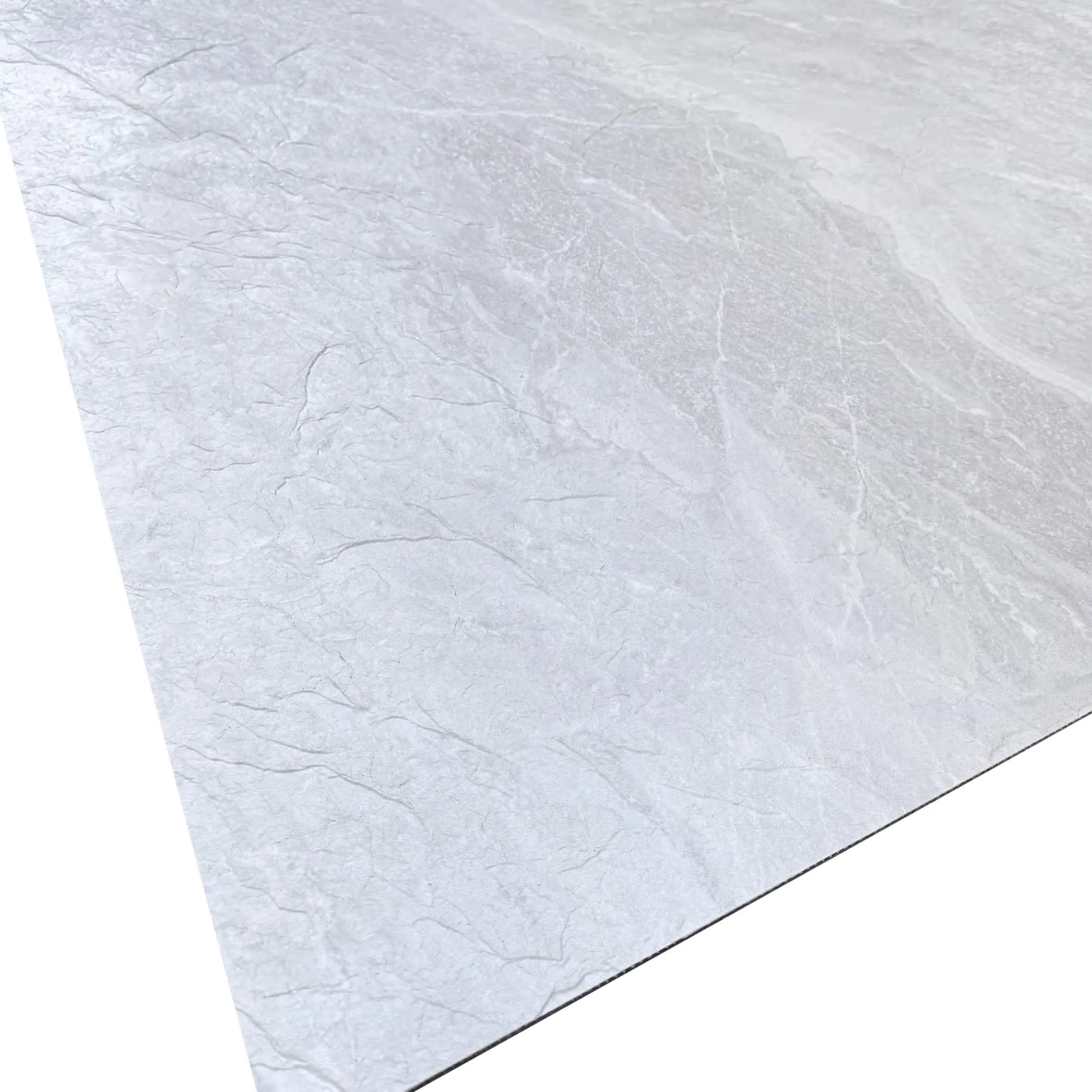
So, what makes Slate Veil White different? Let's start with the basics: it's part of the MCM (Modified Composite Material) flexible stone range, which has been turning heads in the construction world for years. MCM products blend natural stone aggregates (in this case, crushed slate) with a high-performance, flexible polymer backing. The result? A material that looks and feels like natural stone but behaves more like a lightweight, bendable sheet.
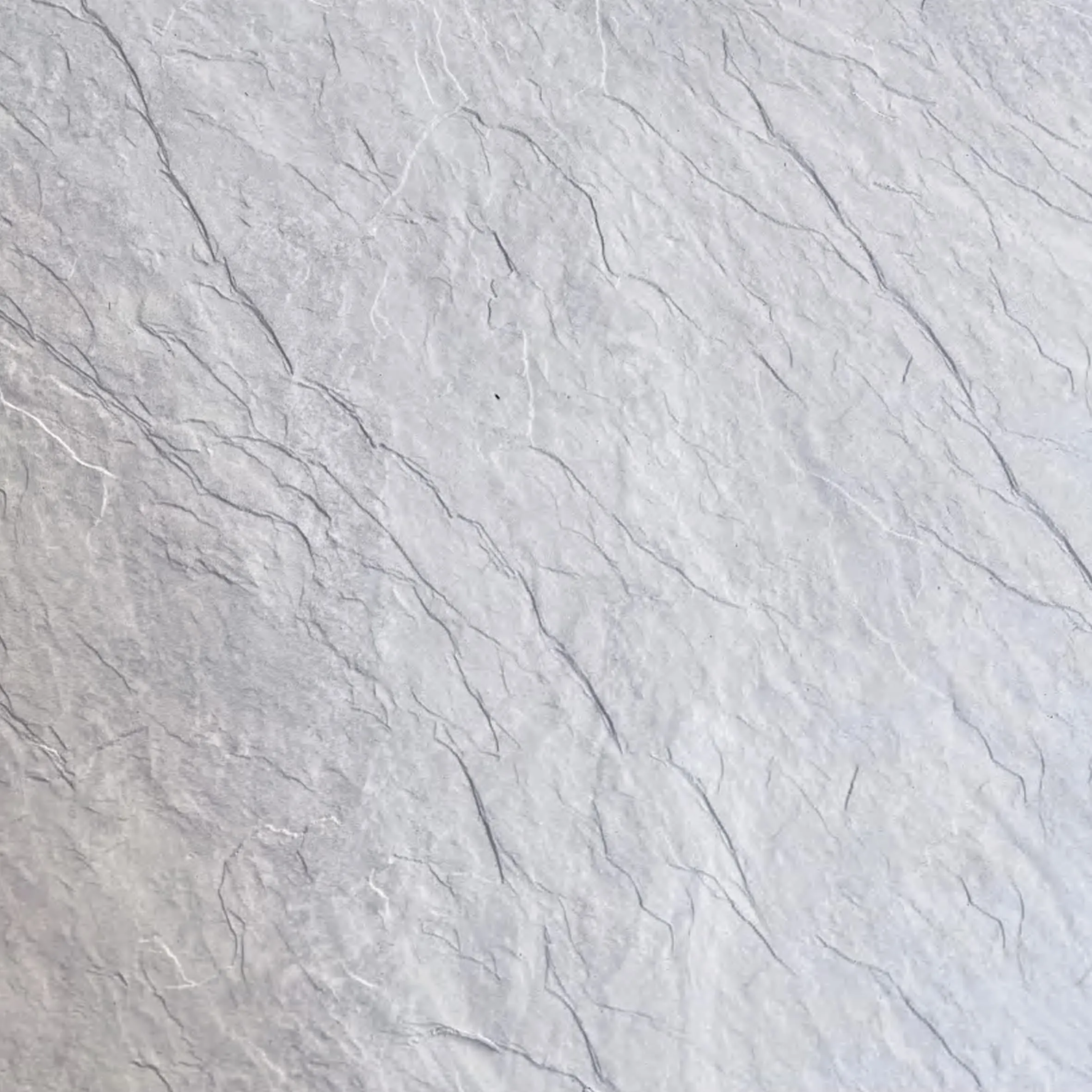
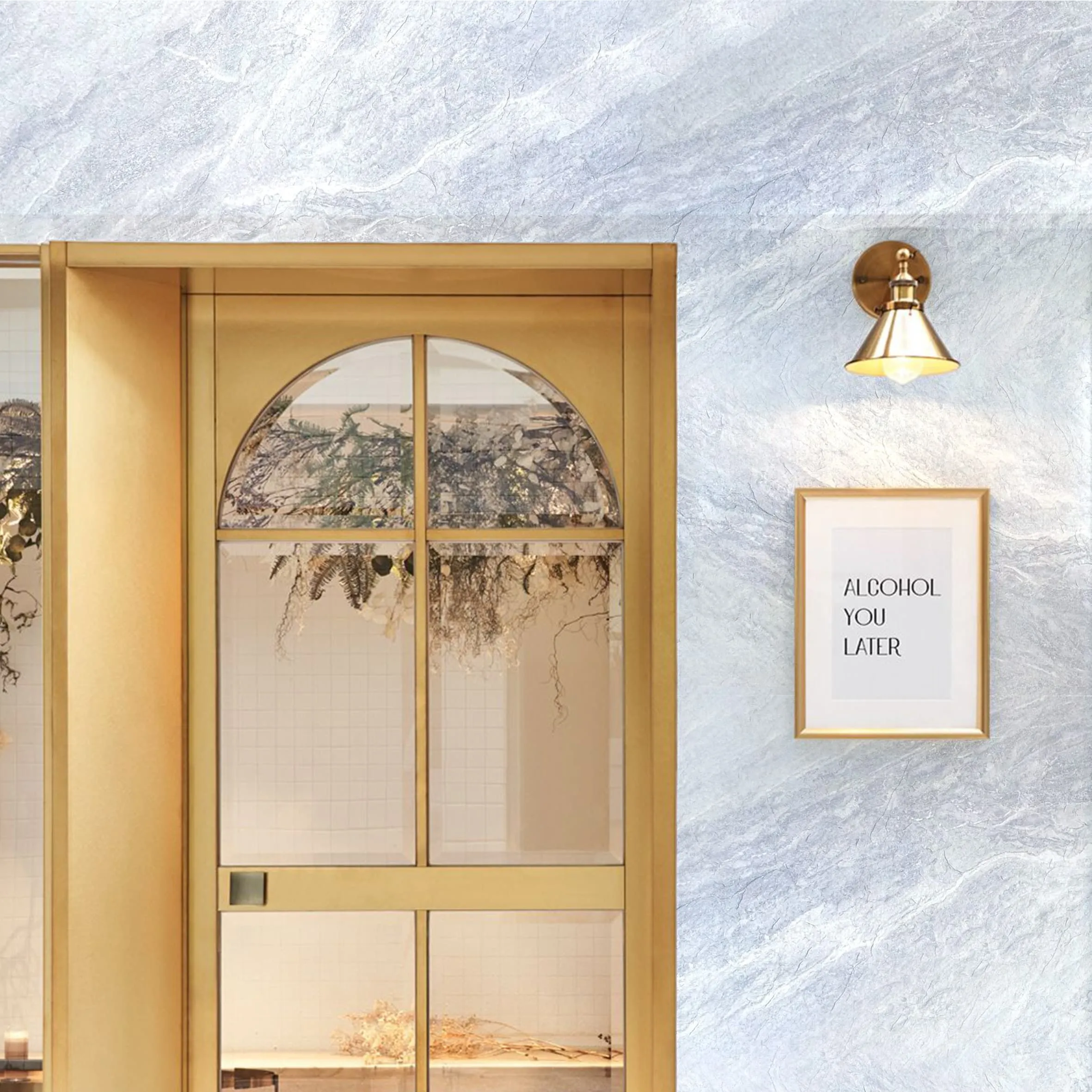
First, the aesthetics: Slate Veil White lives up to its name. It mimics the soft, ethereal look of natural white slate, with delicate gray veining that adds depth without overwhelming. Unlike some synthetic claddings that look "plastic," Slate Veil White has the subtle texture and variation of real stone—you'd swear it was quarried from a mountain, not crafted in a factory. It's versatile enough to fit modern minimalist designs, coastal-inspired buildings, or even classical facades needing a fresh twist.
But the real magic is in its physical properties. Let's talk numbers: Slate Veil White weighs just 8–10 kg per square meter. That's less than a third of natural slate's weight and a fraction of concrete's. For that same 10,000 m² facade we mentioned earlier, Slate Veil White would add only 80–100 metric tons—less than half the weight of natural slate, and a tiny fraction of concrete's load. Suddenly, that 50-story building's structural system breathes easier. Engineers can spec lighter steel, slim down the concrete core, or even extend the building's height without compromising safety.
Then there's flexibility. Traditional stone is rigid—bend it even a little, and it cracks. Slate Veil White, thanks to its polymer backing, can flex up to 30 degrees without damage. That means it can wrap around curved walls, follow organic architectural shapes, or even be installed on sloped surfaces. Imagine a high-rise with a sinuous, wave-like facade—Slate Veil White makes that possible without the need for custom-cut (and ultra-heavy) stone pieces.
Durability? Don't worry—it's not all about being light and bendy. Slate Veil White is built to last. It's water-resistant, fire-retardant, and resistant to UV fading, so that soft white color won't yellow over time. It can handle extreme temperatures, from scorching desert heat to freezing winters, without warping or cracking. And because it's made with natural stone aggregates, it's scratch-resistant too—no need to panic if a maintenance worker's tool bumps against it.
Sometimes, seeing is believing. Let's put Slate Veil White head-to-head with traditional cladding materials to see just how much weight it saves. The table below compares key metrics for a 10,000 m² high-rise facade:
| Material | Weight per m² (kg) | Total Weight for 10,000 m² (metric tons) | Flexibility | Installation Time (for 10,000 m²) |
|---|---|---|---|---|
| Natural Slate (10mm) | 27 | 270 | Rigid (no flex) | 8–10 weeks |
| Fair-Faced Concrete (150mm panel) | 375 | 3,750 | Rigid | 12–16 weeks |
| Thin Brick Veneer | 35 | 350 | Semi-rigid | 6–8 weeks |
| Slate Veil White Flexible Stone | 8–10 | 80–100 | Flexible (up to 30° bend) | 3–4 weeks |
| Boulder Slab (Vintage Silver) * | 12–15 | 120–150 | Semi-flexible | 4–5 weeks |
* Boulder Slab is another lightweight cladding option from the same product line, offering a more textured, rustic look.
The numbers speak for themselves. Slate Veil White cuts the total cladding weight by 60–70% compared to natural slate and a staggering 97% compared to fair-faced concrete. That's not just a weight saving—it's a cost saving. Lighter cladding means smaller foundations, thinner steel, and fewer structural reinforcements. One recent project in Singapore, a 42-story residential tower, switched from natural stone to Slate Veil White and reduced its total structural steel requirement by 12%, saving over $2 million in construction costs. Plus, because it's lightweight and flexible, installation is faster: crews can carry panels by hand (no need for heavy lifting equipment), and the flexibility means fewer cuts and customizations. The Singapore project shaved 6 weeks off its cladding installation timeline—meaning the building opened to residents earlier, generating rental income sooner.
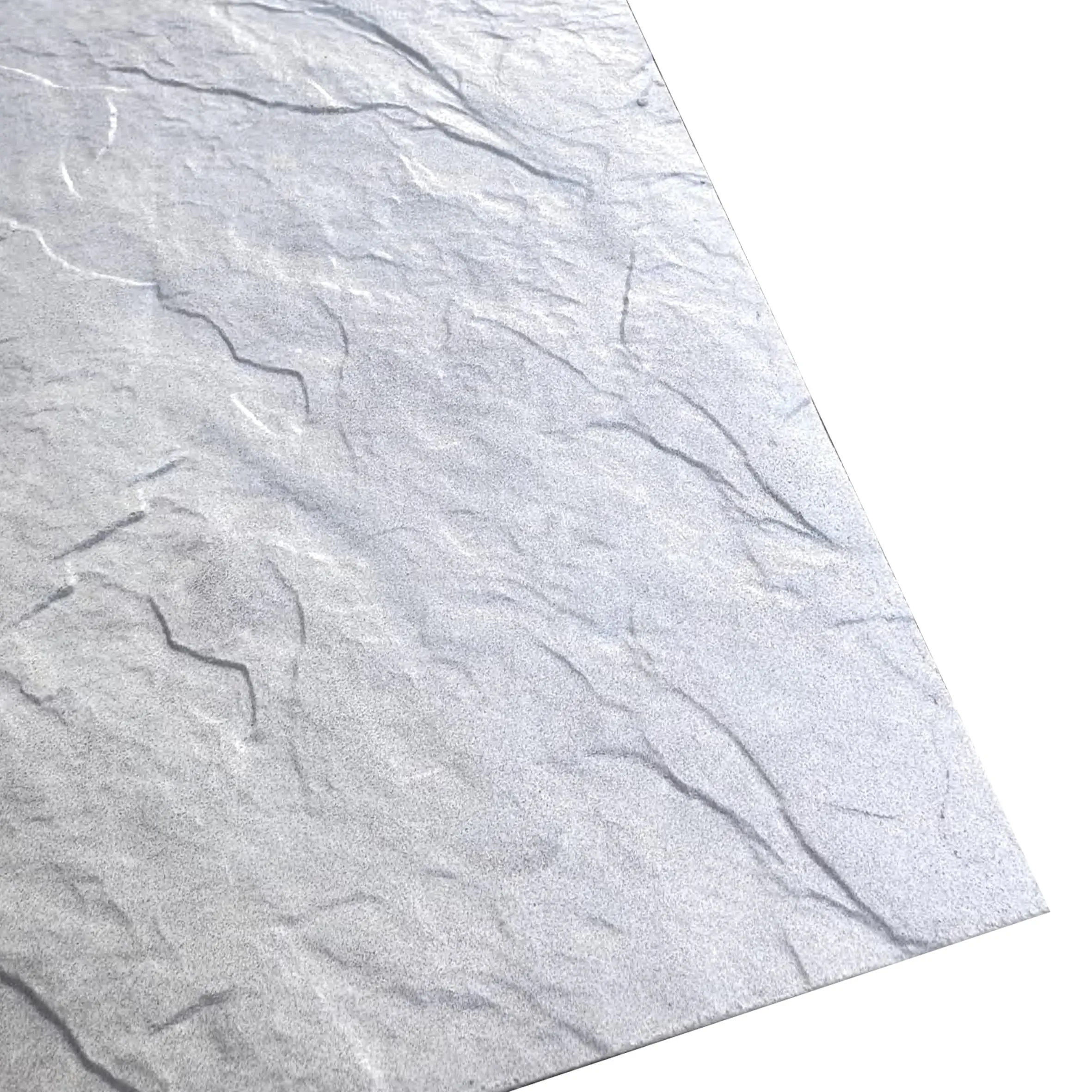
Slate Veil White is a star player, but it's not the only tool in the toolkit. The MCM product range includes other lightweight, high-performance options that pair beautifully with it, letting architects mix textures and styles without sacrificing structural efficiency.
Take boulder slab , for example. Available in vintage silver, gold, and black, Boulder Slab has a rugged, textured surface that looks like weathered stone—perfect for adding contrast to Slate Veil White's smoothness. Imagine a high-rise where the lower floors use Boulder Slab for a grounded, earthy feel, while the upper floors transition to Slate Veil White for a light, airy crown. Both are lightweight (12–15 kg/m² for Boulder Slab), so the total load stays low.
For projects wanting a more artistic touch, there's 3D art concrete board . These panels feature sculptural, three-dimensional patterns—think geometric textures, organic waves, or even custom designs—all cast in lightweight concrete composite. They're ideal for accent walls or feature facades, adding depth without the weight of traditional 3D concrete. Paired with Slate Veil White, they create a dynamic, layered look that elevates the building's aesthetic.
And let's not forget the classics. The range includes everything from travertine (vintage gold) for a warm, luxurious vibe to rust square line stone for an industrial, edgy feel—all built on the same lightweight, flexible MCM platform. So whether you're designing a sleek corporate tower, a boutique hotel, or a residential high-rise, there's a material that fits the vision—without the structural headache.
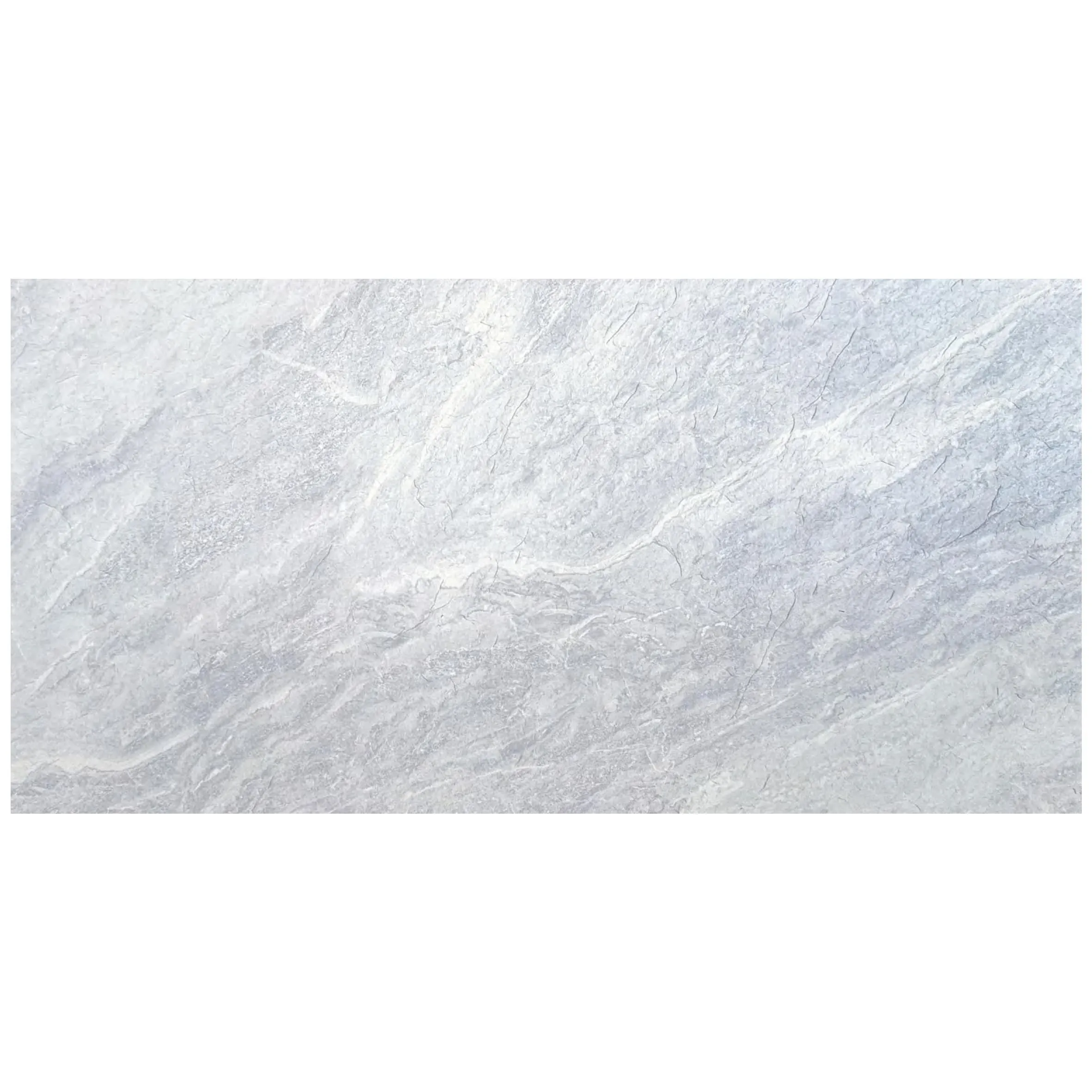
High-rises are more than just buildings—they're statements. They say, "We're reaching for more." But to reach higher, we need to think smarter about the materials we use. Slate Veil White Flexible Stone isn't just a cladding option; it's a rethink of what cladding can be: beautiful, durable, and—crucially—lightweight.
By cutting structural load, it frees architects to design bolder, more innovative facades. It lets engineers optimize structural systems, saving time and money. And it ensures that our cities can keep reaching for the sky without sacrificing safety or sustainability. In a world where urban density is growing and construction budgets are tight, that's not just a win—it's a necessity.
So the next time you look up at a gleaming high-rise, take a closer look at the facade. If it's curved, lightweight, and radiates a soft, veiled beauty, chances are it's wearing Slate Veil White. And behind that beauty? A structure that's not just tall, but smart—built to rise without being weighed down.
Recommend Products












