
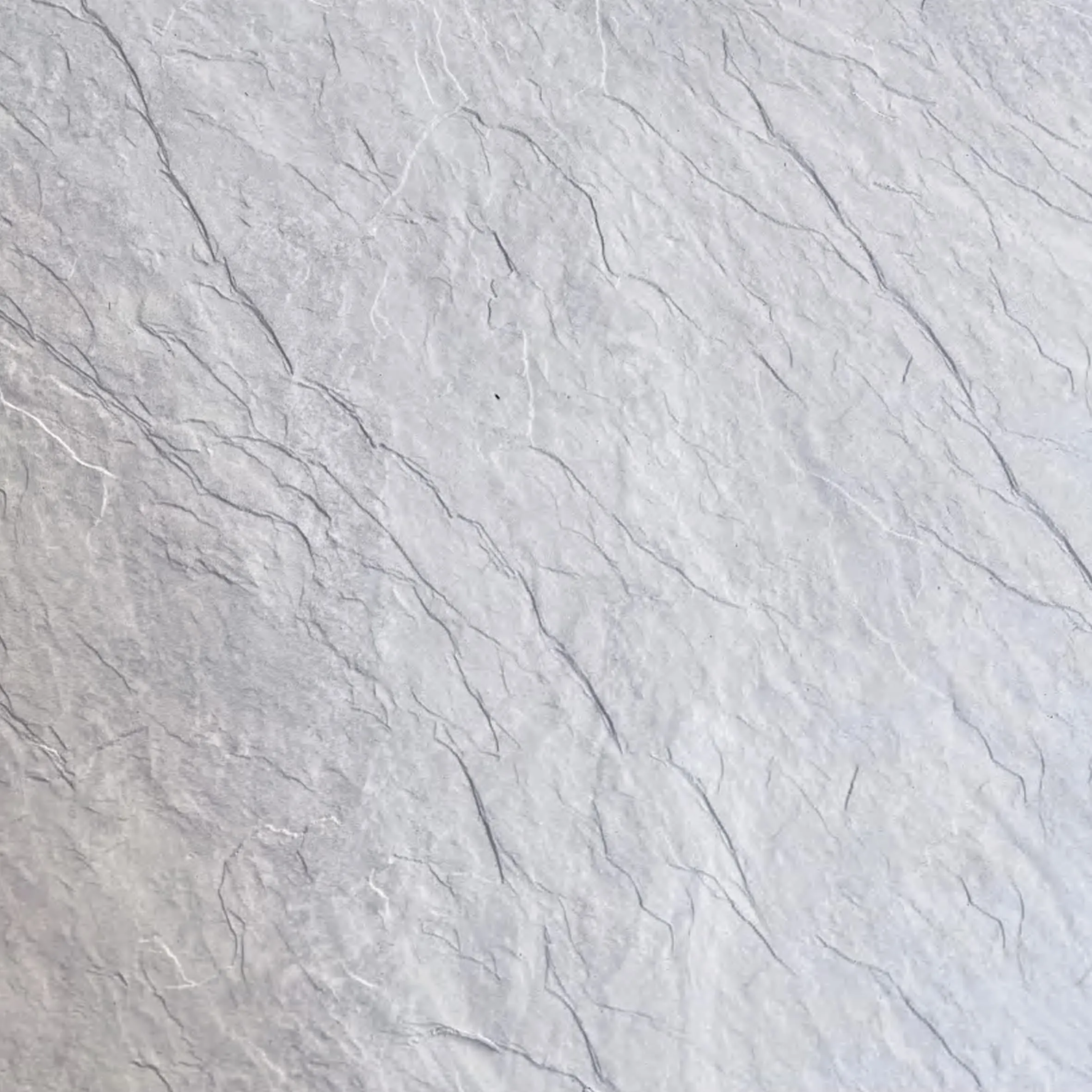
There's something almost magical about stepping into a space where water and design dance in harmony. A pool area that feels like a private lagoon at dawn, a wet room that wraps you in calm after a long day—these aren't just functional zones. They're retreats, places where the chaos of the world fades, and we're left with the quiet luxury of being present. But for these spaces to truly thrive, they need a foundation that can withstand the relentless demands of moisture, foot traffic, and time. Cladding, often overlooked, is the unsung hero here. It's the skin that protects, the canvas that inspires, and the barrier that turns a damp room into a sanctuary. Yet, for too long, homeowners and designers have been forced to choose between beauty and practicality: stunning natural stone that stains, sleek concrete that feels cold, or wood that warps at the first sign of water. What if there was a material that refused to compromise? Enter slate veil white flexible stone—a material that doesn't just cover surfaces, but transforms them into stories.
Let's talk about the elephant in the wet room: moisture. It's relentless. It seeps into cracks, lingers in porous materials, and turns even the most beautiful spaces into breeding grounds for mold and mildew. I've walked through pool areas where once-vibrant travertine (beige) now sports dark, water-stained patches, like a once-pristine painting marred by rain. I've felt the slimy film of algae on fair-faced concrete that was supposed to "age gracefully," only to become a slippery hazard. And don't get me started on wood grain board in wet rooms—charming at first, but within a year, it warps, swells, and loses that warm, organic feel it promised. The truth is, wet areas demand more than "good enough." They need cladding that doesn't just survive moisture, but thrives with it. That resists not just water, but the toll of daily life: the kid cannonballing into the pool, the guest tracking in mud, the steam from a hot shower that clings to every surface. And here's the kicker: it shouldn't just be tough—it should feel alive. It should catch the light when the sun hits the water, feel smooth underfoot when you step out of the shower, and age like fine wine, not forgotten bread.
This is where slate veil white flexible stone enters the conversation. It's not just another material on a shelf. It's the result of asking, "What if we designed cladding specifically for the way people live in wet spaces?" What if it could mimic the soft elegance of marble without the porosity? The flexibility of tile without the grout lines that trap dirt? The warmth of wood without the warping? After years of testing, refining, and reimagining, slate veil white emerged—not as a compromise, but as a revelation.
Close your eyes for a moment and run your hand over a piece of slate veil white. It's not cold, like cement board. Not gritty, like some rough granite stone (medium grey). It's smooth, but not flat—there's a quiet depth to it, like the surface of a frozen lake just before it thaws, with subtle, wispy veining that looks hand-painted. The color is a soft, creamy white, not stark or clinical, but warm, like sunlight filtered through linen curtains. When it's dry, it has a matte finish that feels almost velvety to the touch; when wet, it glows, as if the water brings out hidden layers of luminosity. It's flexible, too—unlike rigid natural stone, it bends gently, making it perfect for curved walls, rounded pool edges, or custom shapes that would break traditional tiles. This isn't just a "material"—it's a texture you want to reach out and touch, a color that calms the eye, and a flexibility that lets design dreams take flight.
But what makes slate veil white truly special is its heart: it's part of the MCM flexible stone series, a line of cladding built from the ground up to tackle the unique challenges of high-moisture environments. MCM, or Modified Composite Material, combines the best of natural minerals and advanced polymers, creating a material that's dense enough to repel water yet light enough to install with ease. Unlike traditional slate, which can be brittle and heavy, slate veil white feels almost weightless in comparison—so much so that installers often remark on how it "clings" to surfaces, as if it wants to be there. It's this combination of beauty and brawn that sets it apart. It doesn't just look like a luxury material; it acts like one, too.
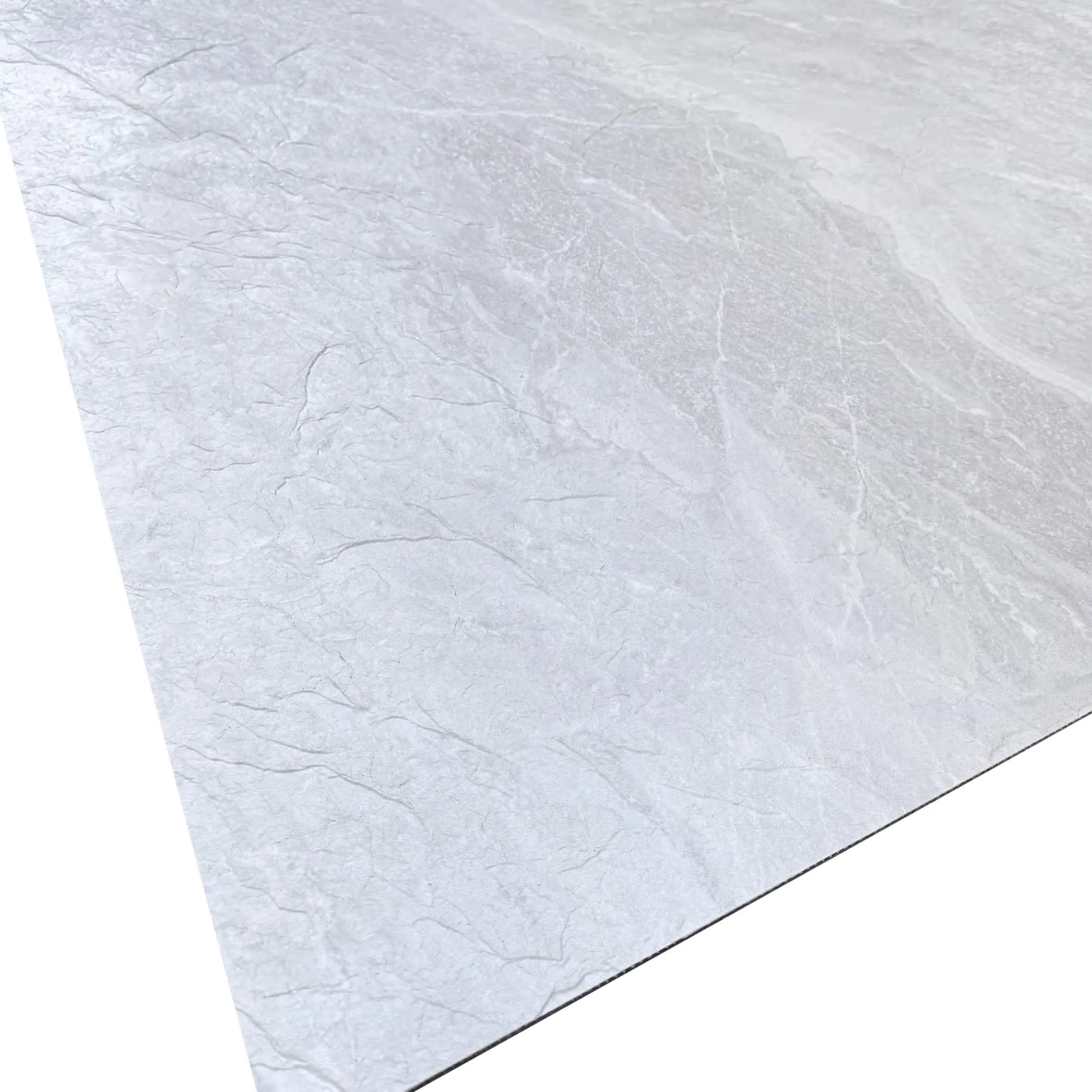
Let's get technical—gently. The secret to slate veil white's waterproof superpowers lies in its structure. Traditional materials like travertine (beige) or even some types of cement board are porous by nature. Think of them as sponges: tiny holes and gaps that soak up water, even if you seal them. Over time, those seals wear off, and the water creeps in, leading to staining, cracking, or worse. Slate veil white, on the other hand, is non-porous. Its MCM core is compressed to such density that water beads up and rolls off, like rain on a newly waxed car. There's no absorption, no lingering moisture, no chance for mold to set up camp. I once watched a designer pour a bucket of water over a sample and then wipe it dry—you'd never have known it was wet. That's the kind of confidence that turns "what if?" into "why not?"
But waterproofing isn't just about repelling water; it's about withstanding the daily grind of wet areas. Let's talk about pool chemicals. Chlorine, bromine, pH adjusters—these are necessary evils to keep water clean, but they're brutal on cladding. I've seen travertine (vintage gold) discolor after six months of chlorine exposure, its warm tones fading to a dull, splotchy gray. Slate veil white? It's chemical-resistant. The polymers in its makeup form a barrier that shrugs off harsh cleaners and pool treatments, ensuring that white stays white, and the veining remains crisp. Even saltwater pools, which can corrode metal fixtures and eat away at stone, barely make a dent. It's not just waterproof—it's life -proof.
A Quick Note on Slip Resistance
Here's a little-known fact: glossy, perfectly smooth surfaces are a disaster in wet areas. Water turns them into ice rinks, and accidents happen. Slate veil white, despite its smooth feel, has a micro-texture that provides just enough grip to prevent slips, even when soaked. It's a subtle detail, but one that matters when you're chasing both beauty and safety. Compare that to polished concrete, which can become dangerously slick when wet, or marble veil white, which often requires anti-slip coatings that dull its shine. With slate veil white, you get the best of both worlds: a surface that looks smooth and feels luxurious, but keeps you steady on your feet.
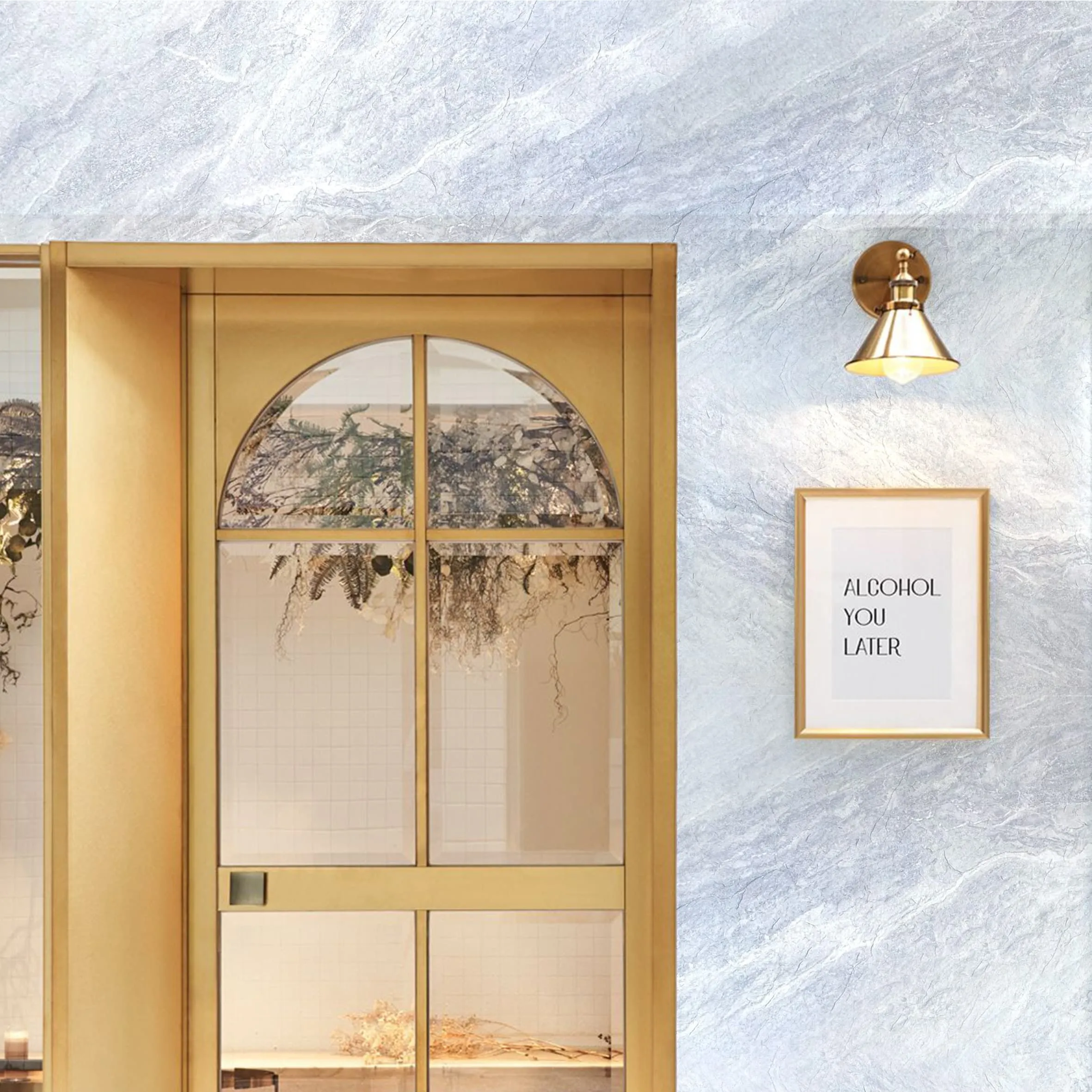
To truly appreciate slate veil white, let's see how it measures up against the materials designers and homeowners have traditionally turned to for wet areas. This isn't about bashing other options—many have their merits—but about showing why slate veil white is a game-changer.
| Feature | Slate Veil White Flexible Stone | Fair-Faced Concrete | Travertine (Beige) | Wood Grain Board | Cement Board |
|---|---|---|---|---|---|
| Waterproofing | Non-porous; water beads and rolls off. No sealing required. | Porous; absorbs water over time. Needs annual sealing. | Highly porous; stains easily. Requires sealing every 6 months. | Absorbs moisture; warps and swells. Not recommended for high-moisture areas. | Semi-porous; resists water but can develop cracks if not sealed. |
| Durability | Resistant to chips, scratches, and chemical damage. Lasts 20+ years with minimal care. | Durable but prone to cracking in freeze-thaw cycles. Ages with "character" (read: stains). | Soft; scratches easily. Develops etch marks from acidic substances (like lemon juice). | Prone to rot, mold, and warping. Lifespan of 3–5 years in wet areas. | Strong but brittle; can crack under impact. Fades in direct sunlight. |
| Aesthetics | Soft white with subtle veining; warm, elegant, and versatile. Works with modern, coastal, and rustic styles. | Industrial, raw look. Cold undertones; can feel stark in residential spaces. | Warm, earthy tones with natural pits. Classic but can look dated if not styled carefully. | Inviting, organic feel. Limited color options; fades to gray in sunlight. | Plain, utilitarian appearance. Often requires painting or tiling over. |
| Installation Ease | Lightweight and flexible; cuts easily with standard tools. Can conform to curves and uneven surfaces. | Heavy; requires professional installation. Difficult to cut or shape on-site. | Heavy and brittle; prone to chipping during installation. Needs precise cutting. | Easy to cut but requires waterproof underlayment and regular maintenance. | Heavy; needs secure fastening. Dusty to cut; requires protective gear. |
| Long-Term Maintenance | Minimal: Wipe with mild soap and water. No sealing, staining, or refinishing. | High: Annual sealing, scrubbing to remove mold, and repairing cracks. | High: Bi-annual sealing, spot cleaning for stains, and replacing damaged tiles. | Extremely high: Regular sanding, sealing, and eventual replacement due to warping. | Moderate: Occasional sealing; repainting if painted over. |
| Cost (Per Square Foot) | Mid-range ($8–$12). Higher upfront than cement board but lower long-term due to no maintenance. | Low ($4–$6). But costs add up with sealing and repairs. | High ($10–$15). Plus sealing and replacement costs over time. | Mid-range ($6–$9). But needs replacement every 3–5 years, making it costly long-term. | Low ($3–$5). But requires additional materials (tile, paint) to look finished. |
The takeaway? Slate veil white isn't just better in one area—it's better across the board. It offers the aesthetics of high-end stone, the durability of concrete, and the low maintenance of synthetic materials, all wrapped into one. It's the rare material that makes you wonder why we ever settled for "good enough."
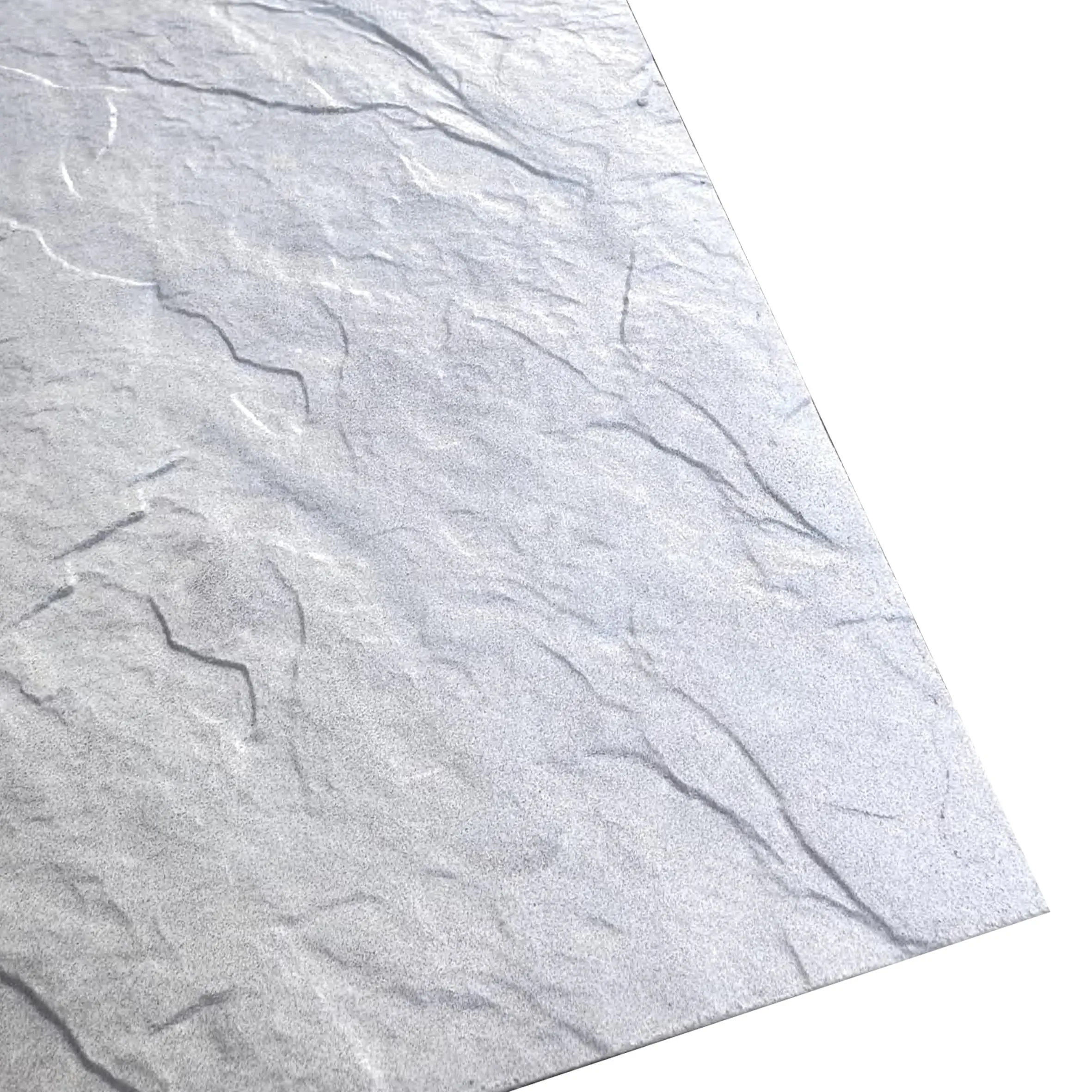
Let's talk installation—a topic that usually makes homeowners' eyes glaze over. But with slate veil white, it's worth getting excited about. Why? Because it's designed to be installer-friendly . Unlike heavy natural stone that requires a team of people to lift, or brittle tile that cracks if you look at it wrong, slate veil white is flexible and lightweight. I've watched a solo installer clad an entire small wet room in a weekend—something that would take twice as long with travertine (beige) or cement board.
Here's how it works: the panels come in large sheets (typically 3x5 feet), which means fewer seams and a cleaner look. They cut like butter with a standard tile cutter or even a sharp utility knife—no need for specialized tools. And because they're flexible, they can conform to curved surfaces, like the edge of a kidney-shaped pool or the arch of a shower niche. Imagine trying to do that with fair-faced concrete or rigid stone tiles—it would require custom cutting, expensive templates, and a lot of frustration. With slate veil white, it's almost intuitive: the material bends gently, as if it wants to hug the curve.
Pro Tips for a Flawless Install
And here's the best part: because slate veil white is so lightweight, it's suitable for both walls and floors. I've seen it used on pool surrounds, shower walls, bathroom floors, even outdoor fountains. It doesn't add significant weight to structures, making it ideal for second-story wet rooms or older homes where structural integrity is a concern. It's a material that adapts to your space, not the other way around.
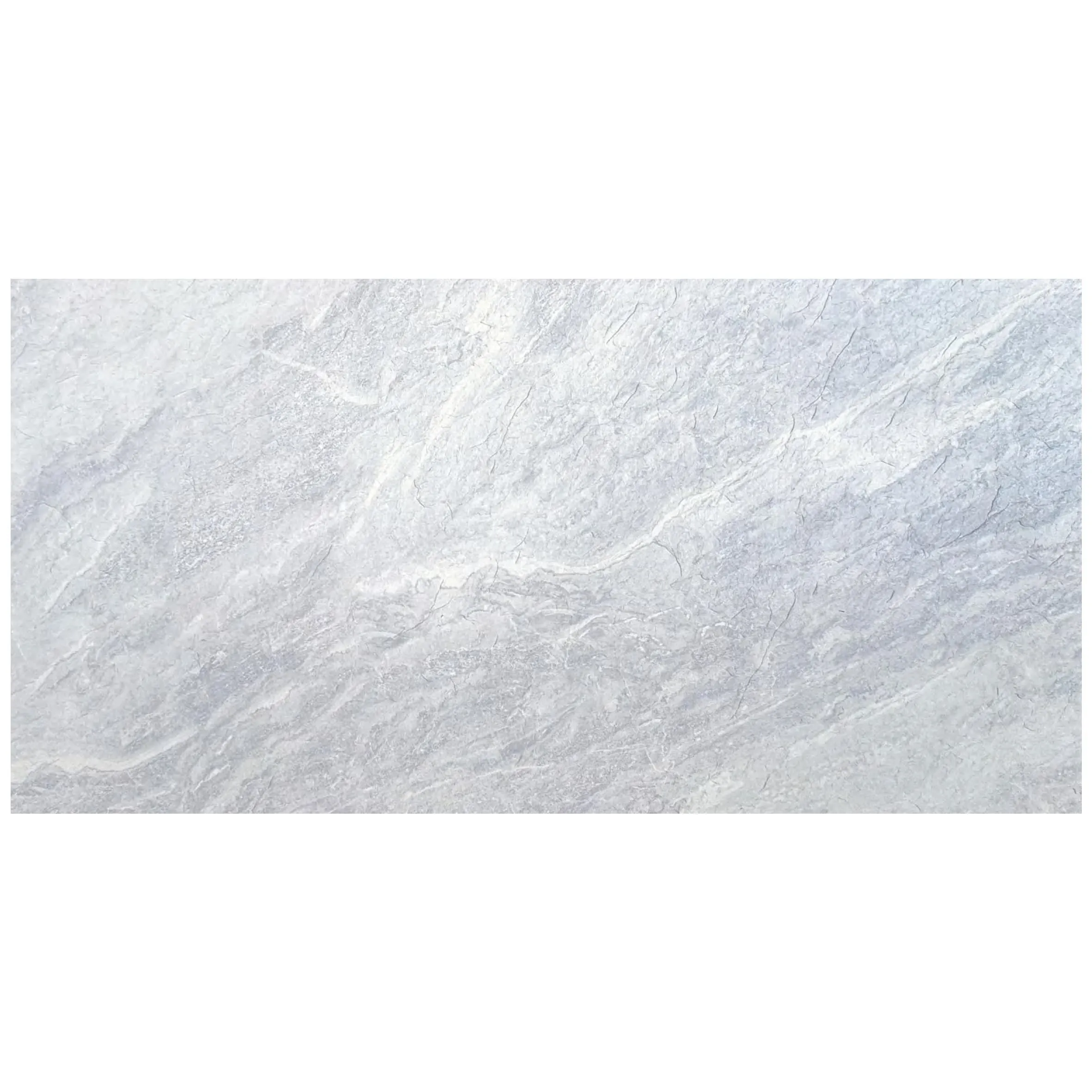
Enough about specs—let's talk about the fun part: design. Slate veil white is more than a cladding material; it's a collaborator. Its soft, neutral palette and subtle veining make it a chameleon, blending with any style while adding a touch of understated luxury. Here are a few ways designers are using it to turn wet areas into works of art:
Picture this: a rectangular pool with clean lines, its surface mirroring the sky. The surrounding deck is clad in slate veil white, which reflects the sun's rays, making the space feel brighter and more open. The coping (the edge of the pool) is also slate veil white, creating a seamless transition from deck to water. To add warmth, the designer paired it with black metal fixtures and potted olive trees, their silvery leaves contrasting beautifully with the white. At night, LED lights under the coping cast a soft glow, turning the pool into a moonlit oasis. It's simplicity at its finest—and it works because slate veil white doesn't compete for attention; it elevates the elements around it.
Wet rooms are all about luxury, and slate veil white plays into that perfectly. Imagine a shower with no curb—just a gentle slope to the drain—clad head to toe in slate veil white. The walls are curved, softening the space, and the ceiling is lined with rainfall showerheads that drench the surface, making the white glow. To add texture, the designer added a niche for toiletries, lined with small, iridescent glass tiles that catch the light. The floor, with its subtle grip, feels safe underfoot, while the walls feel cool and smooth against your skin. It's not just a shower; it's a sensory experience—and slate veil white is the canvas that makes it possible.
For a beachy vibe, pair slate veil white with soft blues and natural textures. One designer I worked with used slate veil white on the bathroom walls, then added a mosaic tile border in "travertine (starry blue)" around the mirror, evoking crashing waves. The floor was slate veil white, too, but she mixed in a few "stream limestone (claybank)" tiles for warmth, like sand peeking through surf. A driftwood vanity and woven baskets completed the look. What made it work? Slate veil white's neutrality let the blue and claybank tiles shine, while its waterproof nature meant the space could handle the humidity of daily showers without a hitch.
Who says industrial can't be warm? A pool house clad in slate veil white and black metal beams strikes the perfect balance. The walls are slate veil white, their smoothness contrasting with the rough-hewn metal. Large windows flood the space with light, making the white glow, while a foamed aluminium alloy board (vintage silver) countertop adds a touch of edgy elegance. The floor, slate veil white with black grout, ties the look together, proving that even industrial design can feel inviting when paired with the right materials.
One of the biggest fears with any home improvement is investing in something that looks great today but dated tomorrow. Will that trendy tile still feel fresh in five years? Will that "modern" concrete finish start to look tired? With slate veil white, you can breathe easy. Its design is intentionally timeless. The soft white base and subtle veining are classic, like a white shirt or a well-tailored blazer—they never go out of style. But what about wear and tear? Let's talk about how it ages.
I visited a home in Florida last year where slate veil white had been installed on a pool deck eight years prior. Florida, with its relentless sun, rain, and humidity, is a tough test for any material. Yet the slate veil white looked almost new. The owner mentioned that she'd never sealed it, never refinished it—just hosed it down occasionally and wiped off the odd leaf or dirt spot. The only sign of age was a slight softening of the veining, as if the material had "settled in," like a favorite book whose pages become more supple over time. No cracks, no stains, no fading—just a surface that had gracefully weathered the elements.
Another example: a hotel in Arizona with a rooftop wet room clad in slate veil white. Rooftop spaces face extreme temperature swings—scorching hot during the day, chilly at night—and intense UV exposure. After five years, the cladding still looked as crisp as the day it was installed. The hotel's maintenance manager told me, "We used to replace the travertine (vintage gold) tiles every three years because they'd fade and crack. With slate veil white, we haven't touched it. It's saved us thousands in repairs." That's the kind of longevity that turns a material into an investment.
At the end of the day, slate veil white flexible stone isn't just about waterproofing or durability. It's about respect—for your time, your space, and your desire to live in a home that feels both beautiful and unburdened. It's the material that says, "I see you. I know you want a pool area that makes you smile every morning, a wet room that feels like a spa, and a surface that doesn't demand constant attention." It's the solution for anyone who's ever looked at a stained travertine tile or a warped wood panel and thought, "There must be a better way."
So, if you're dreaming of a wet area that's more than just functional—one that tells a story, one that feels like a retreat—don't settle for "good enough." Choose a material that was designed to thrive where water and design meet. Choose slate veil white flexible stone. Your future self, stepping into that sunlit pool area or calm wet room, will thank you.
Recommend Products












