
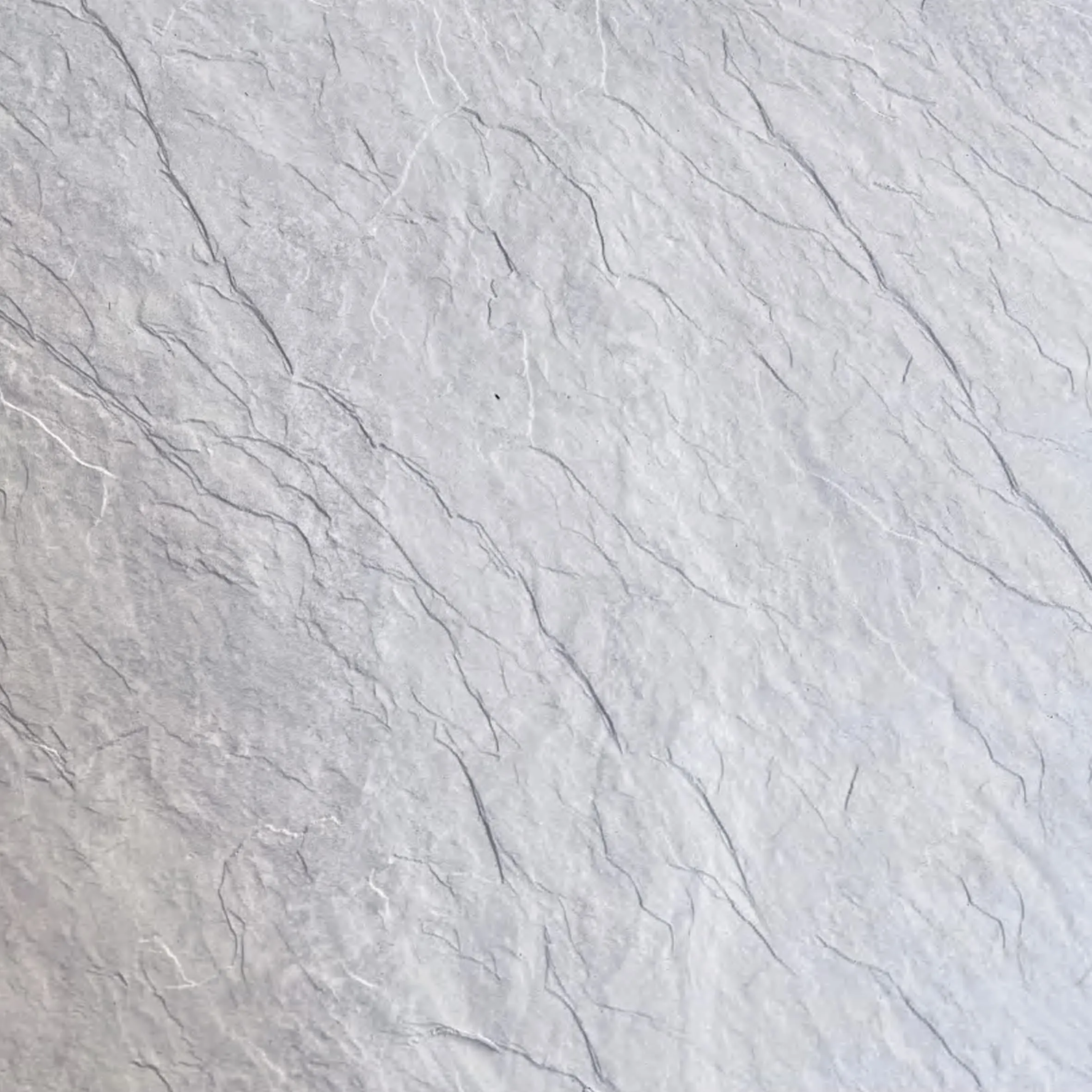
Walk through any modern city, and you'll notice a quiet revolution unfolding across its skyline. Gone are the days when buildings wore busy, cluttered exteriors; today's architecture leans into simplicity —clean lines, unbroken surfaces, and a sense of calm that feels almost meditative. At the heart of this shift? The quest for sleek facades that don't just exist but breathe , turning structures into timeless works of art. And leading this charge is a material that's redefining what's possible: the Slate Veil White MCM Big Slab Series. Let's dive into how this innovative line is making "less is more" the new mantra for architects, designers, and homeowners alike.
First things first: What is MCM, and why does it matter? MCM stands for Modified Composite Material—a cutting-edge blend of natural minerals, polymers, and reinforcing fibers that marries the best of nature and technology. Unlike traditional stone or concrete, MCM is lightweight, flexible, and built to perform in ways older materials can't. And when you scale it up into "big slabs"? You get a game-changer for facades: fewer seams, more surface area, and a look that's as close to "seamless" as architecture gets.
Enter Slate Veil White. Picture this: a facade that looks like a single, unbroken sheet of stone, its surface gently veined with soft grays and whites, mimicking the organic beauty of natural slate but with none of the heaviness or fragility. It's the kind of material that makes you pause and think, "Is that real stone?" —and when you learn it's MCM, you realize it's even better. Slate Veil White isn't just about looks, though; it's about solving the age-old problem that's plagued facades for decades: joints .
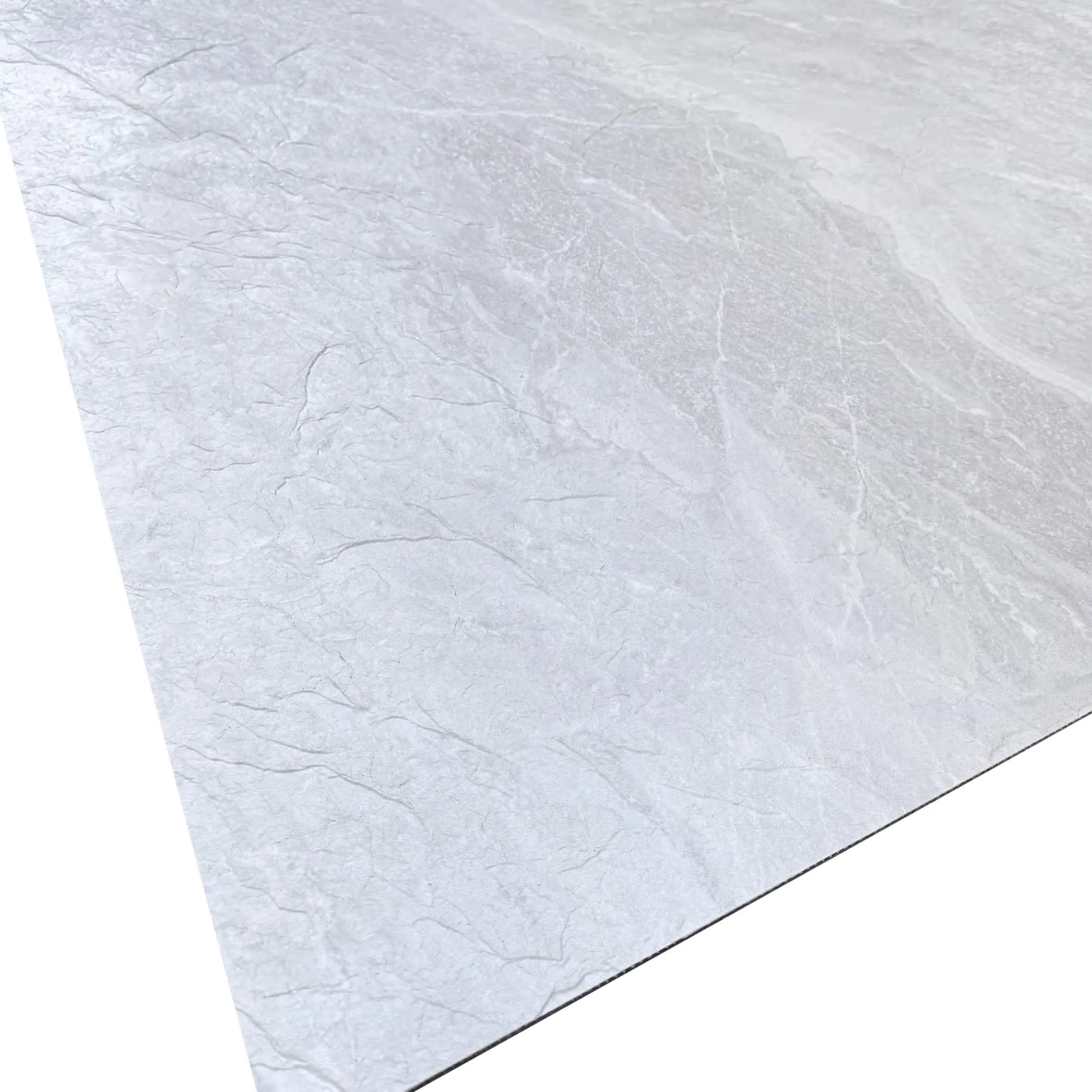
Think about traditional facade materials—brick, small-format tiles, even standard stone slabs. They're all limited by size, which means countless grout lines, mortar joints, or metal clips breaking up the surface. It's like looking at a painting through a grid: the art is there, but the frame distracts. Slate Veil White flips that script. By using big slabs (we're talking up to 1200x2400mm in some cases), it slashes the number of joints by up to 80% compared to standard panels. The result? A facade that reads as one cohesive surface, where light plays across the stone-like texture without interruption. It's the difference between a wall covered in Post-it notes and a blank canvas—suddenly, the building itself becomes the statement.
Joints aren't just an eyesore—they're a weak spot. Every seam is a potential entry point for water, dirt, or pests. Over time, grout cracks, mortar crumbles, and what started as a small gap becomes a big problem: mold, rot, or even structural damage. Slate Veil White's big slabs minimize these risks by reducing the number of "vulnerable zones." With fewer joints, there's less to seal, less to maintain, and less to go wrong. It's a simple equation: fewer seams = a facade that stays stronger, longer.
Let's talk about upkeep. Any homeowner or building manager knows the hassle of cleaning grout lines—scrubbing, resealing, replacing cracked mortar. It's time-consuming, costly, and never quite perfect. Slate Veil White takes that chore off the table. With its large, continuous slabs, there's minimal grout to maintain. A quick wash with mild soap and water, and the facade looks as fresh as the day it was installed. For busy commercial spaces or homeowners who'd rather spend weekends relaxing than scrubbing, this isn't just a convenience—it's a lifestyle upgrade.
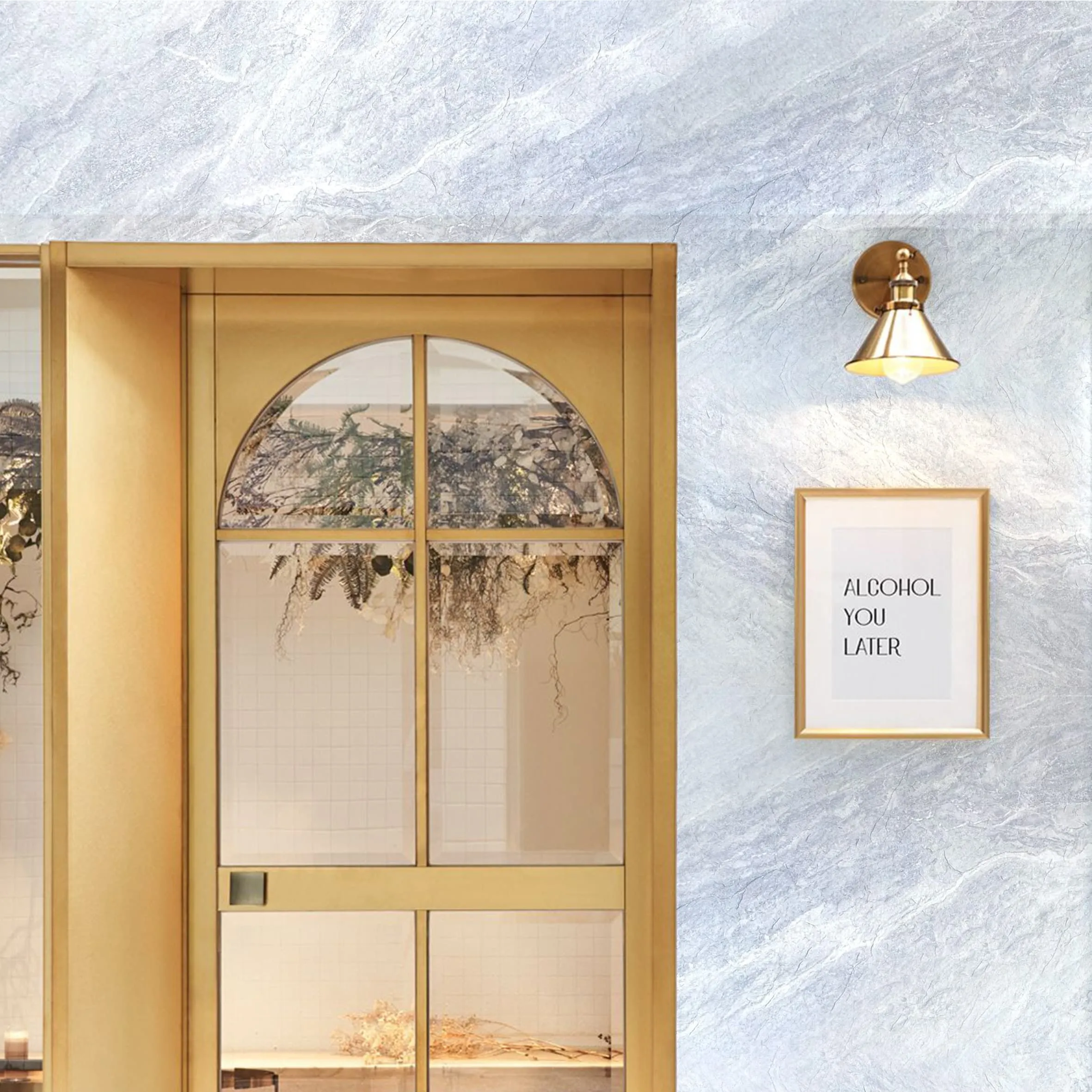
Curious how Slate Veil White stacks up against other popular facade materials? Let's break it down. We've pitted it against two classics—fair-faced concrete and lunar peak silvery—and even a trendy alternative, travertine (starry blue), to see where it truly shines.
| Feature | Slate Veil White MCM Big Slab | Fair-Faced Concrete | Lunar Peak Silvery | Travertine (Starry Blue) |
|---|---|---|---|---|
| Joint Visibility | Minimal (80% fewer joints than standard panels) | Noticeable (seams between pours) | Moderate (smaller slab size) | High (natural pitting requires grout filling) |
| Weight (per sqm) | 8-10kg (lightweight, easy to install) | 22-25kg (requires heavy structural support) | 15-18kg (heavier than MCM) | 20-23kg (dense, limits application) |
| Maintenance Needs | Low (minimal grout, easy to clean) | High (sealing, patching cracks) | Moderate (occasional resealing) | High (pits trap dirt, frequent cleaning) |
| Aesthetic Flexibility | Timeless, neutral, adapts to modern/classic designs | Industrial, raw, limited color options | Metallic sheen, bold but less versatile | Vibrant, decorative, best for focal walls |
| Weather Resistance | Excellent (resists UV, moisture, and temperature swings) | Good but prone to cracking in freeze-thaw cycles | Good but may fade in direct sunlight | Fair (porous, needs regular sealing) |
The takeaway? Slate Veil White isn't just another material—it's a balance of beauty, practicality, and durability that's hard to match. It borrows the elegance of natural stone, the strength of modern composites, and the simplicity of big-slab design to create something truly unique.
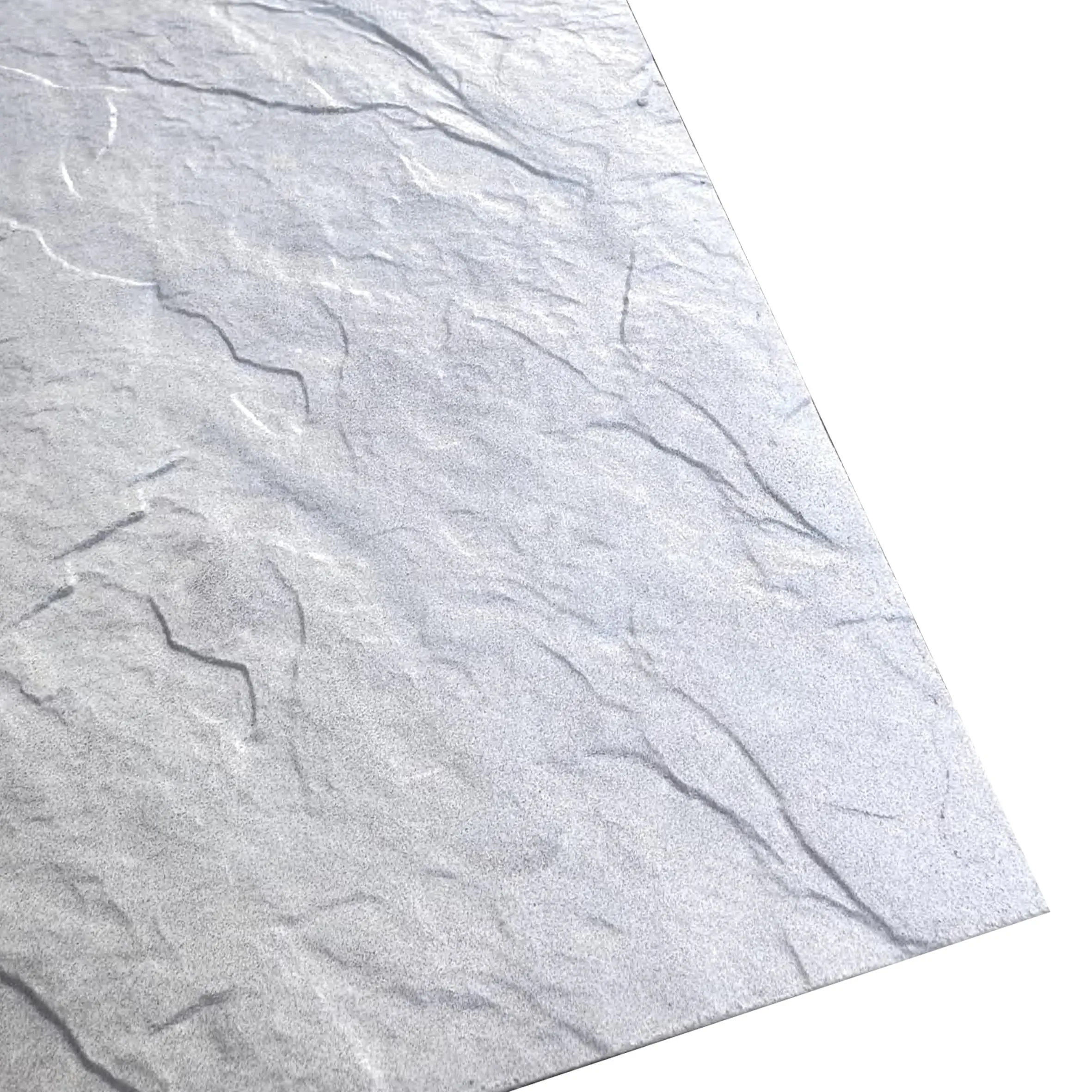
Let's get a little technical (but don't worry—we'll keep it conversational). What makes the Slate Veil White MCM Big Slab Series so special, beyond the obvious "less joints" benefit? For starters, its weight . At just 8-10kg per square meter, it's up to 60% lighter than natural stone. That means installers can handle it without heavy machinery, reducing labor time and costs. It also puts less stress on a building's structure, opening up possibilities for retrofits or high-rise applications where weight is a critical factor.
Then there's the flexibility . Unlike rigid stone or concrete, MCM has a slight "give" to it, which makes it ideal for curved surfaces, uneven walls, or buildings with unique geometries. Ever walked past a rounded facade and noticed how the panels look forced or misaligned? With flexible stone cladding panels like Slate Veil White, that problem disappears. The material bends gently to the building's shape, ensuring a snug, seamless fit even on the most complex designs.
And let's not forget performance . MCM is engineered to stand up to the elements: UV rays won't fade its color, rain and snow won't seep through, and extreme temperatures (from scorching deserts to freezing winters) won't cause warping or cracking. It's the kind of material that looks brand-new after 10 years, not just "well-maintained." For anyone who's ever watched a once-beautiful facade turn dull or damaged, that's a relief worth investing in.
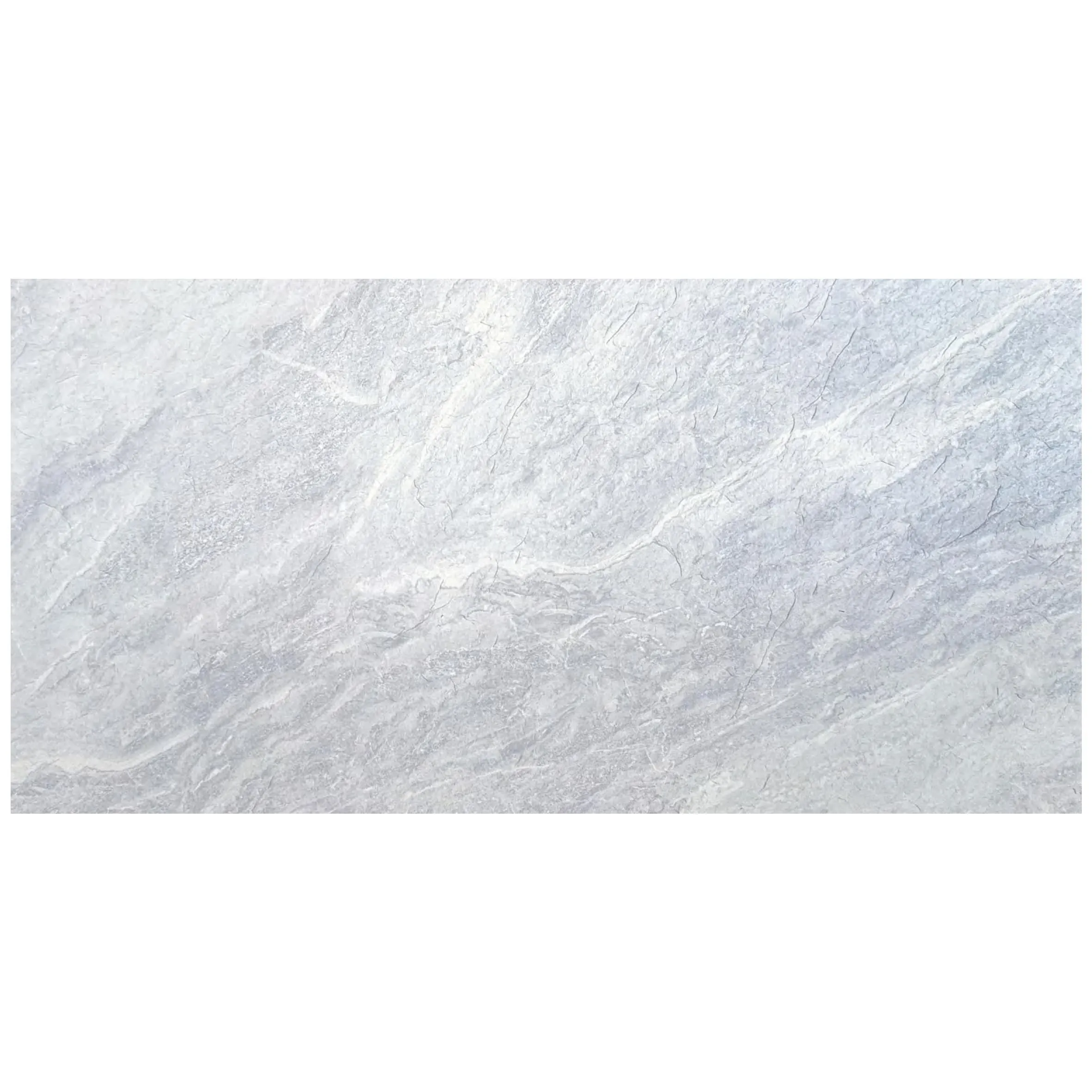
One of the best things about Slate Veil White is how it plays well with others. It's not a one-trick pony—its neutral palette and clean lines make it adaptable to almost any design style. Want a modern minimalist home? Pair it with floor-to-ceiling windows and black metal accents for a look that's sharp and serene. Restoring a historic building? Use Slate Veil White to replace weathered stone, keeping the structure's character while upgrading its performance. Even commercial spaces—hotels, offices, retail stores—benefit from its understated elegance, creating a backdrop that lets branding, art, or landscaping take center stage.
Take, for example, a recent project in downtown Portland: a 12-story apartment building wrapped in Slate Veil White big slabs. From the street, the facade looks like a single block of stone, its texture softening the building's modern angles. Residents love how the light hits it at different times of day—warm gold in the morning, cool silver at dusk—while the building managers rave about the lack of maintenance headaches. It's a space that feels both grand and approachable, all because of a facade that knows when to stand out and when to blend in.
These days, "sustainable" isn't just a buzzword—it's a requirement. And Slate Veil White checks that box, too. MCM production uses less water and energy than mining and processing natural stone, and because it's lightweight, transporting it generates fewer carbon emissions. Plus, its longevity means less frequent replacement, reducing waste over time. For architects and builders aiming for LEED certification or green building standards, this is a material that aligns with their values without forcing them to sacrifice aesthetics.
As architecture continues to evolve, one thing is clear: the demand for sleek, low-maintenance, and visually striking facades isn't going away. Homeowners want spaces that feel calm and uncluttered; businesses want exteriors that make a memorable first impression; and cities want skylines that feel cohesive and forward-thinking. The Slate Veil White MCM Big Slab Series isn't just meeting these demands—it's anticipating them.
By minimizing joints, maximizing durability, and prioritizing both beauty and function, Slate Veil White is setting a new standard for what a facade can be. It's proof that sometimes, the most innovative solutions are the simplest ones: use better materials, make them bigger, and let the building speak for itself.
So, the next time you pass a building with a facade that takes your breath away—smooth, seamless, and utterly timeless—take a closer look. Chances are, it's not just stone or concrete. It's MCM. It's big slabs. It's Slate Veil White. And it's the future of architecture, one sleek, joint-free panel at a time.
Recommend Products












